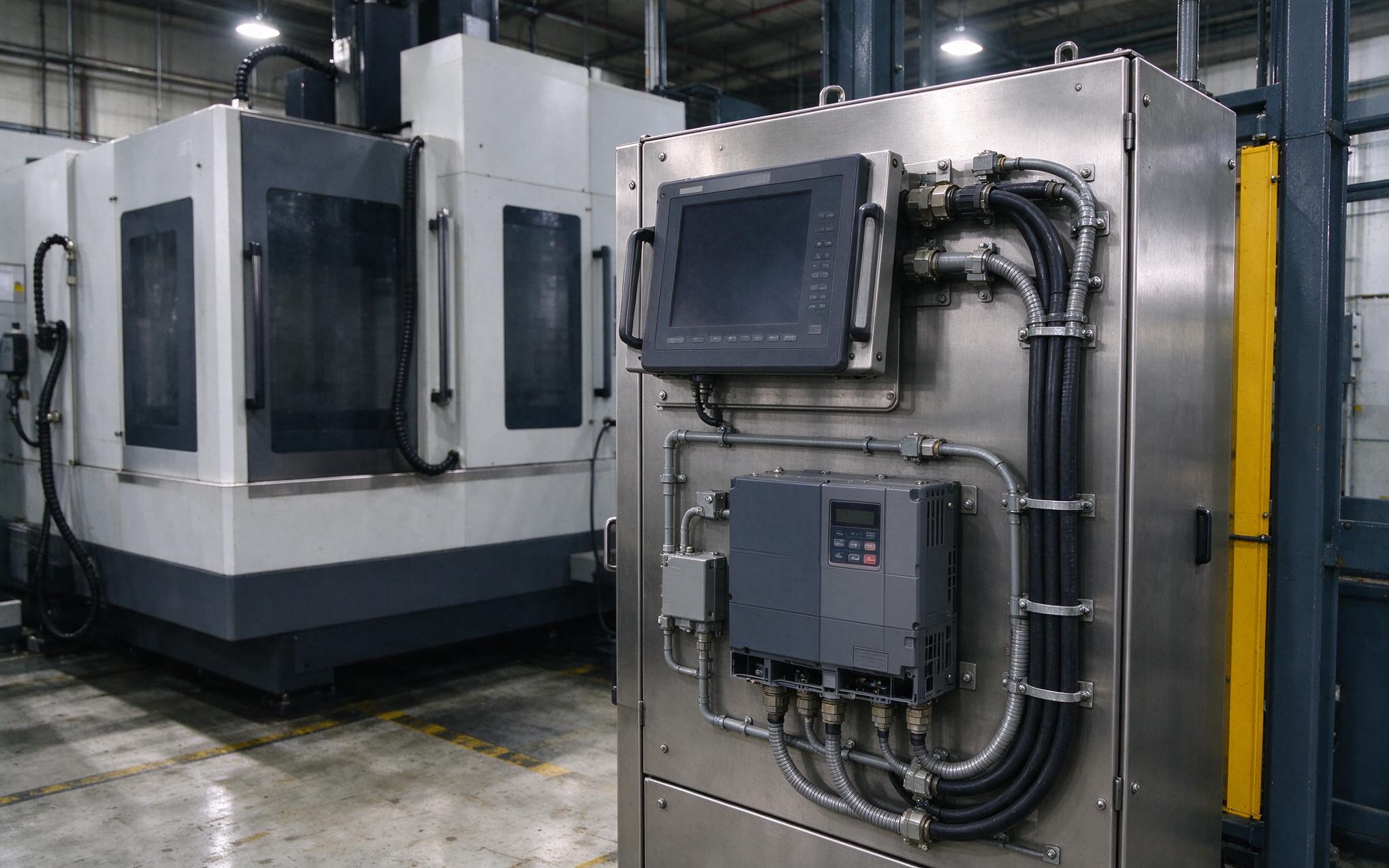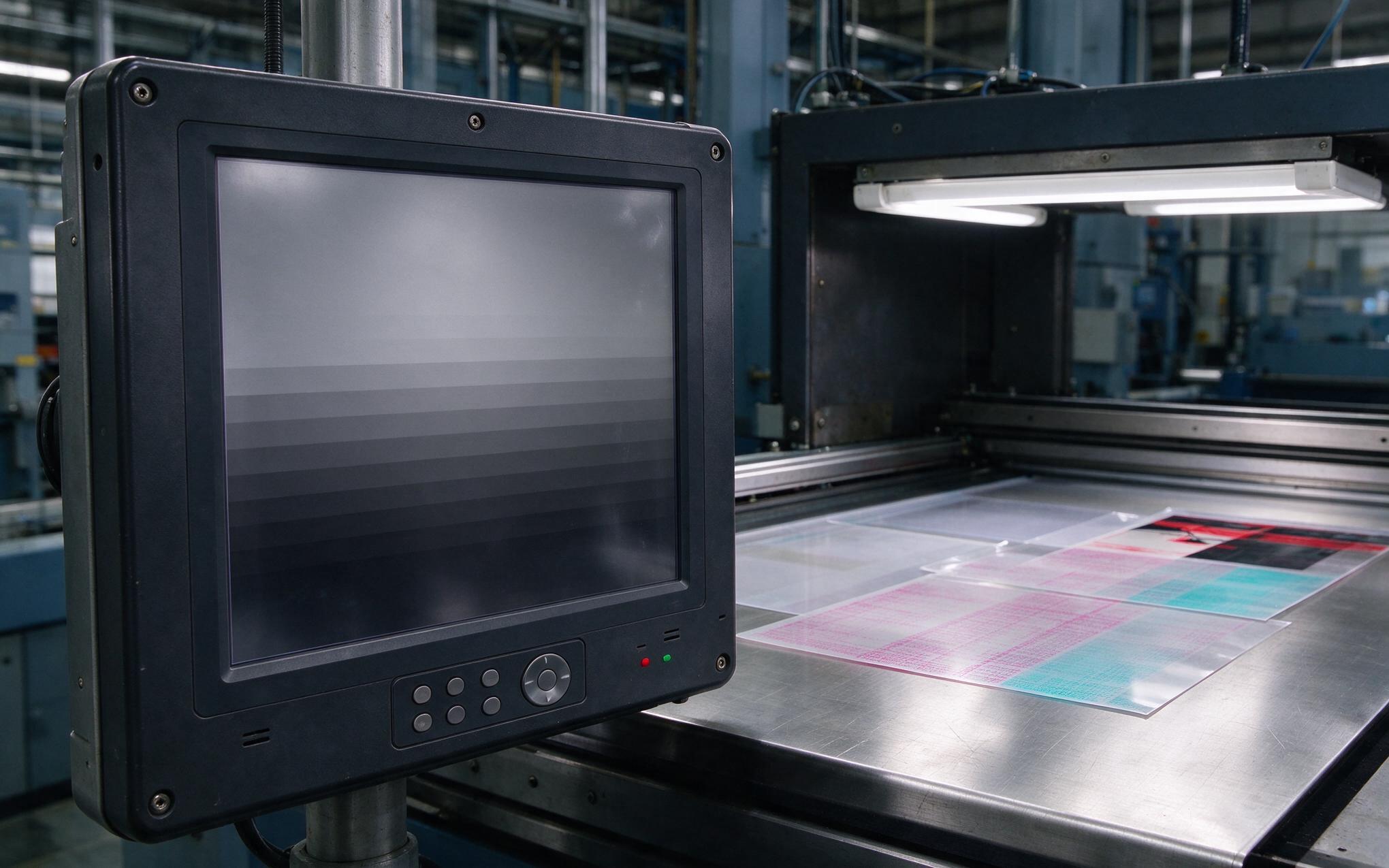
Walk into a greenhouse built before 2015 and you will likely find a proprietary control terminal—a sealed black box running firmware the original manufacturer stopped updating years ago. It talks to irrigation valves, ventilation louvers, shade screens, and nutrient dosing pumps, but only from the same vendor. Replace a failed humidity sensor with a better alternative and the terminal refuses to acknowledge it. Integrate a new CO₂ enrichment system and discover the protocol is undocumented and locked. This is the proprietary terminal trap holding back productivity across controlled-environment agriculture. The migration path to open-architecture industrial panel PCs is technically achievable and increasingly urgent as greenhouse operations scale up.
The Cost of Staying Locked In
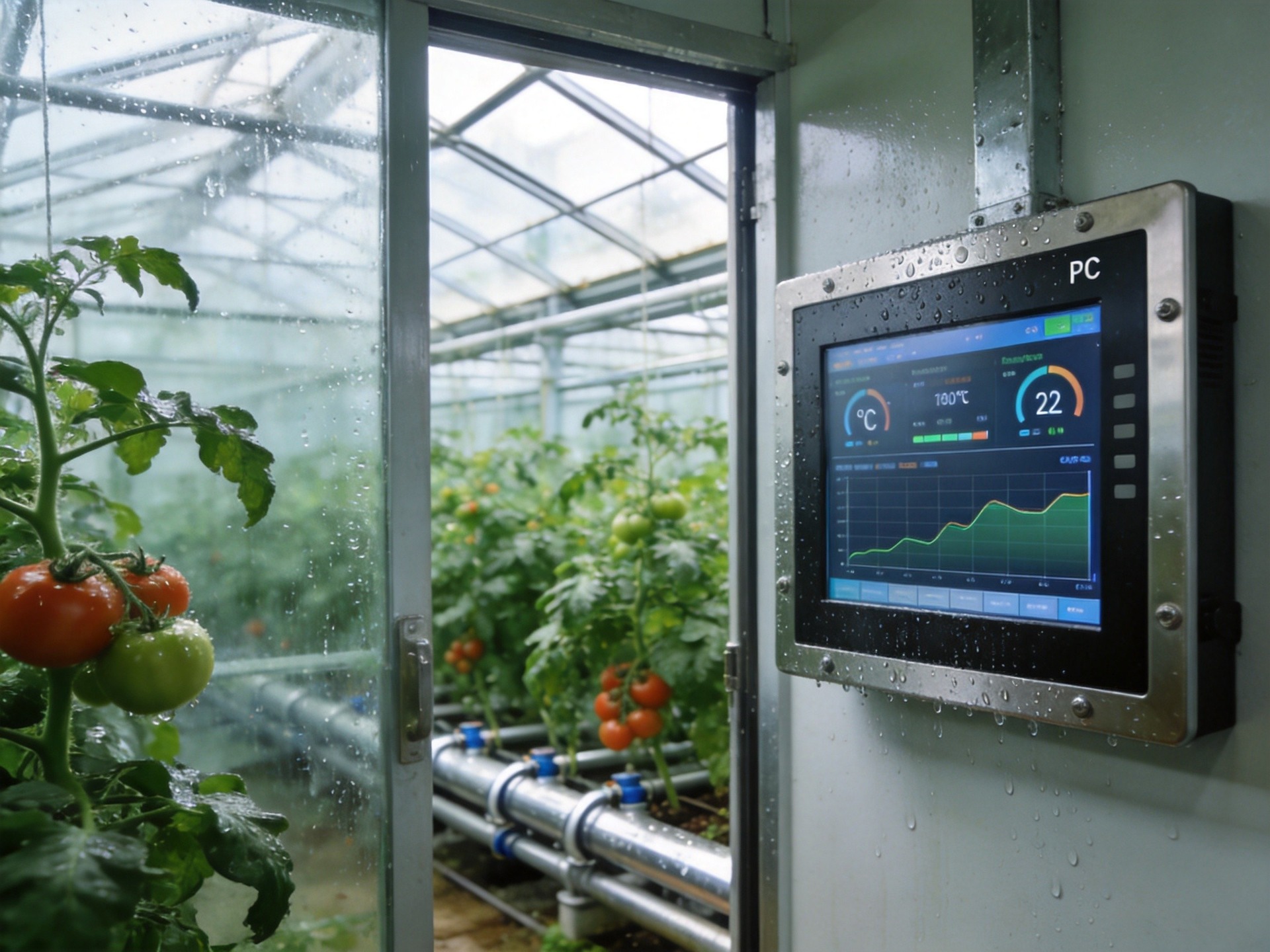
Proprietary greenhouse control systems extract value through hardware markup, subscription licensing, and forced upgrade cycles. The terminal is sold at a premium because only it can run the vendor’s software. Annual license fees for climate control algorithms accumulate to tens of thousands of dollars for a mid-sized operation. When the vendor releases new hardware—typically every four to five years—the old terminal is declared end-of-life, forcing complete replacement. A 2025 survey of North American greenhouse operators found facilities using proprietary systems spent $42,000 per hectare per year on licensing and hardware refresh. Facilities migrated to open-architecture systems reported $8,000 per hectare—a savings of 81 percent.
The Migration Architecture
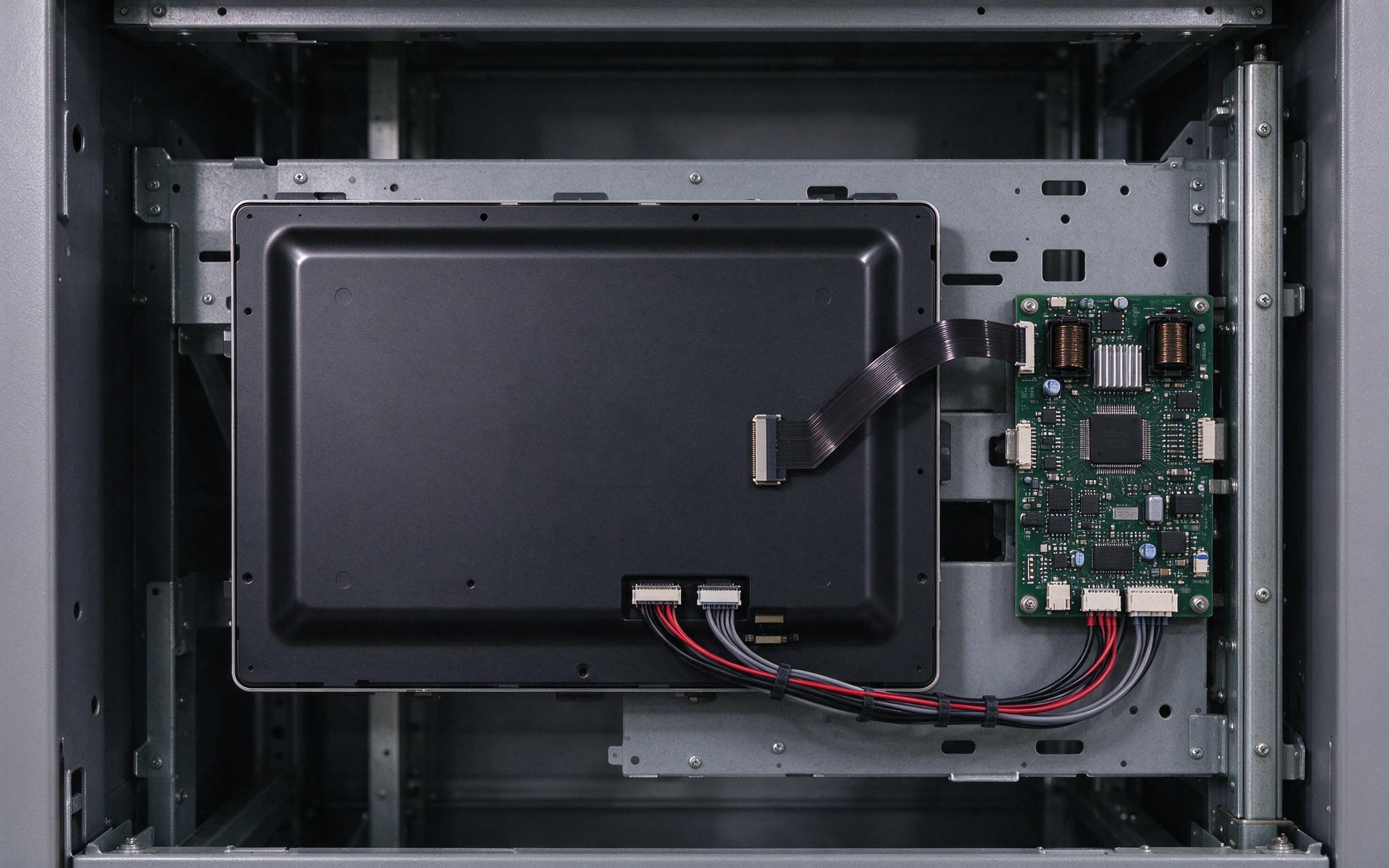
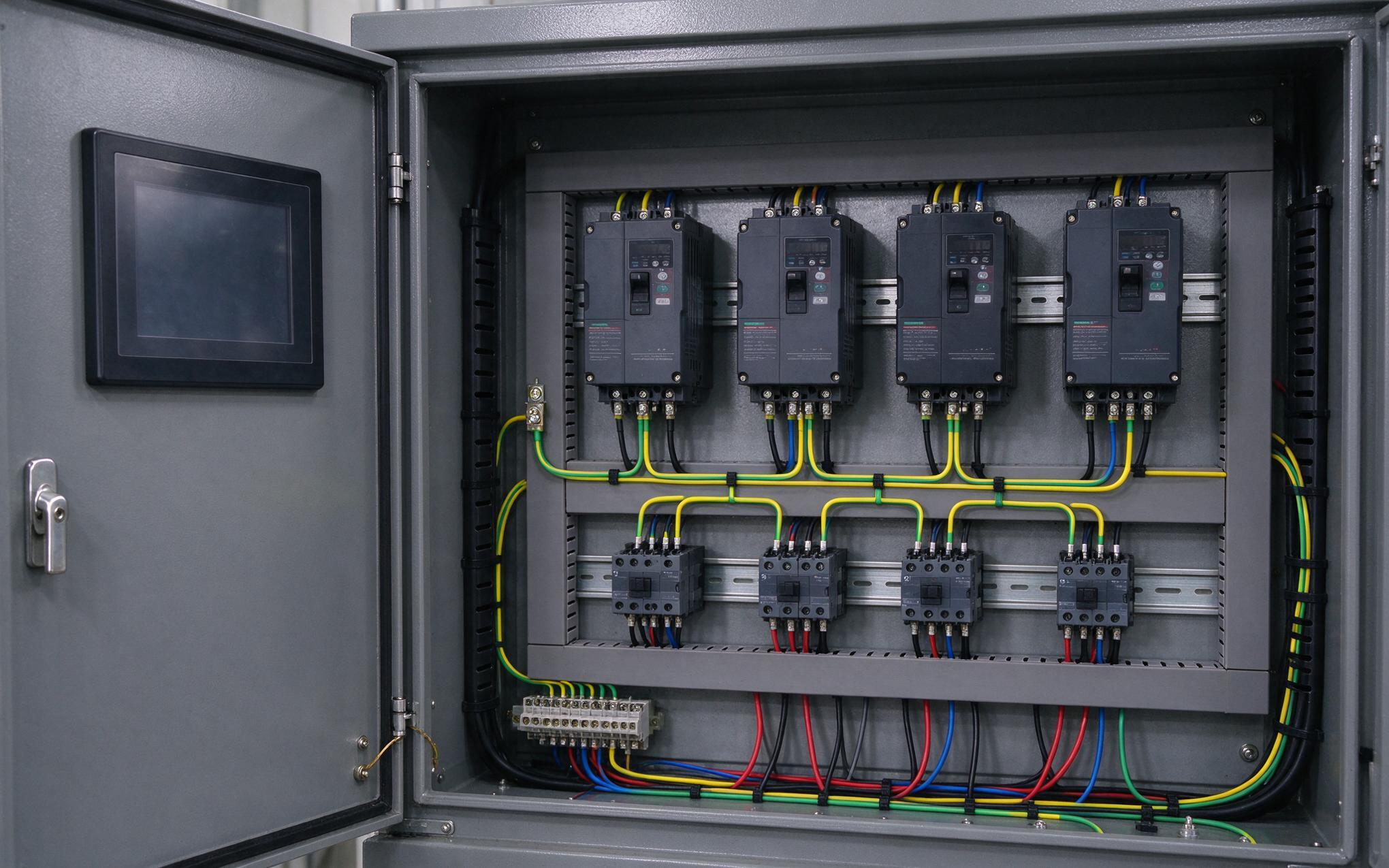
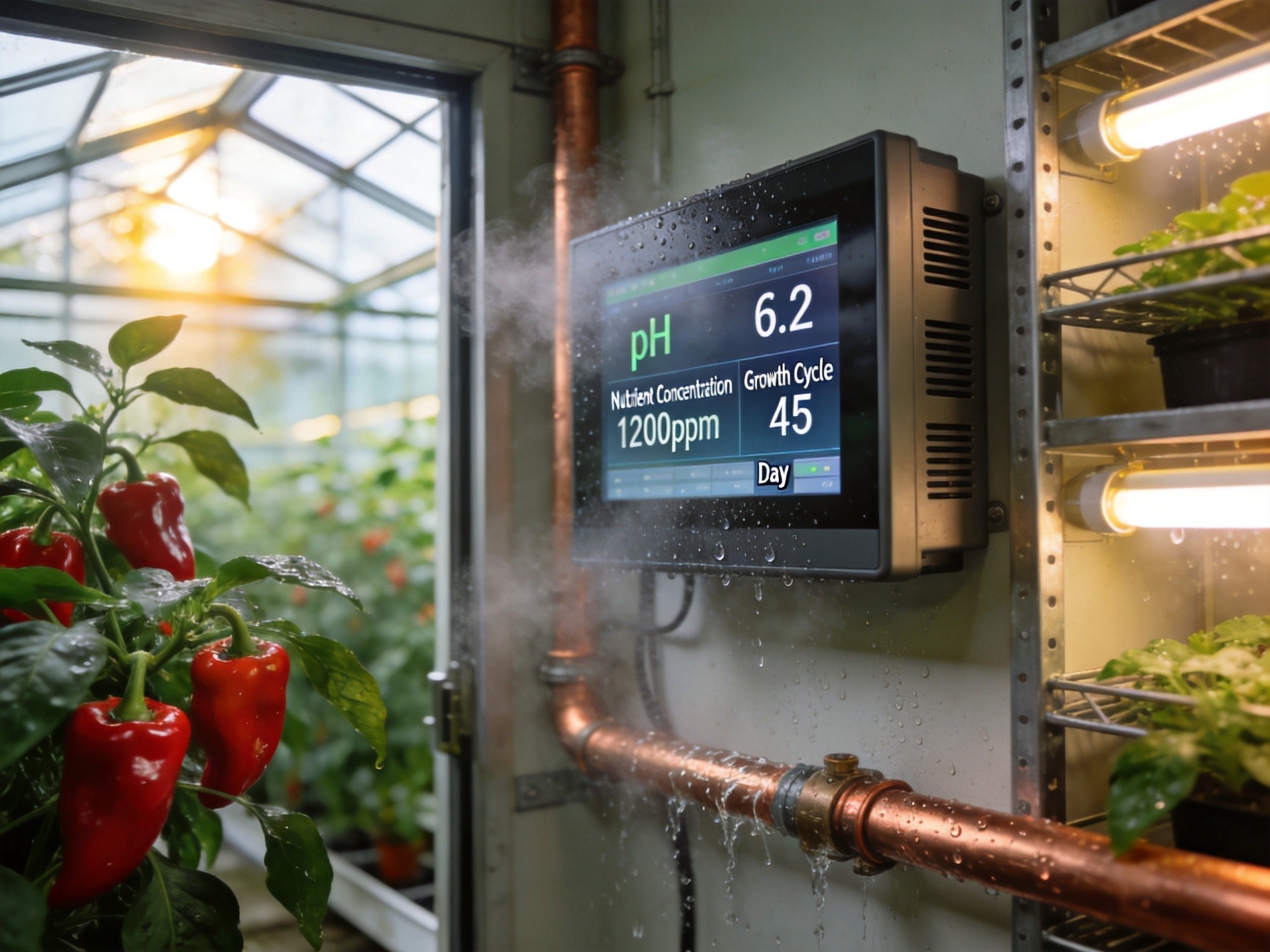
Replacing a proprietary terminal with an open-architecture industrial panel PC is a phased migration preserving existing field infrastructure—sensors, actuators, valve controllers—while replacing the brains. Phase one deploys the new hardware alongside the legacy terminal, reading sensor data passively through signal splitters. The grower validates correct interpretation of all sensor values before any control cutover. Phase two migrates non-critical functions—shade screens, supplemental lighting, ventilation fans—while the legacy terminal retains irrigation and nutrient dosing. This dual-running period lasts one full crop cycle for performance comparison. Phase three transfers remaining critical functions, after which the proprietary terminal is decommissioned. The entire process spans six to nine months with no production downtime.
Hardware Requirements for the Greenhouse Environment
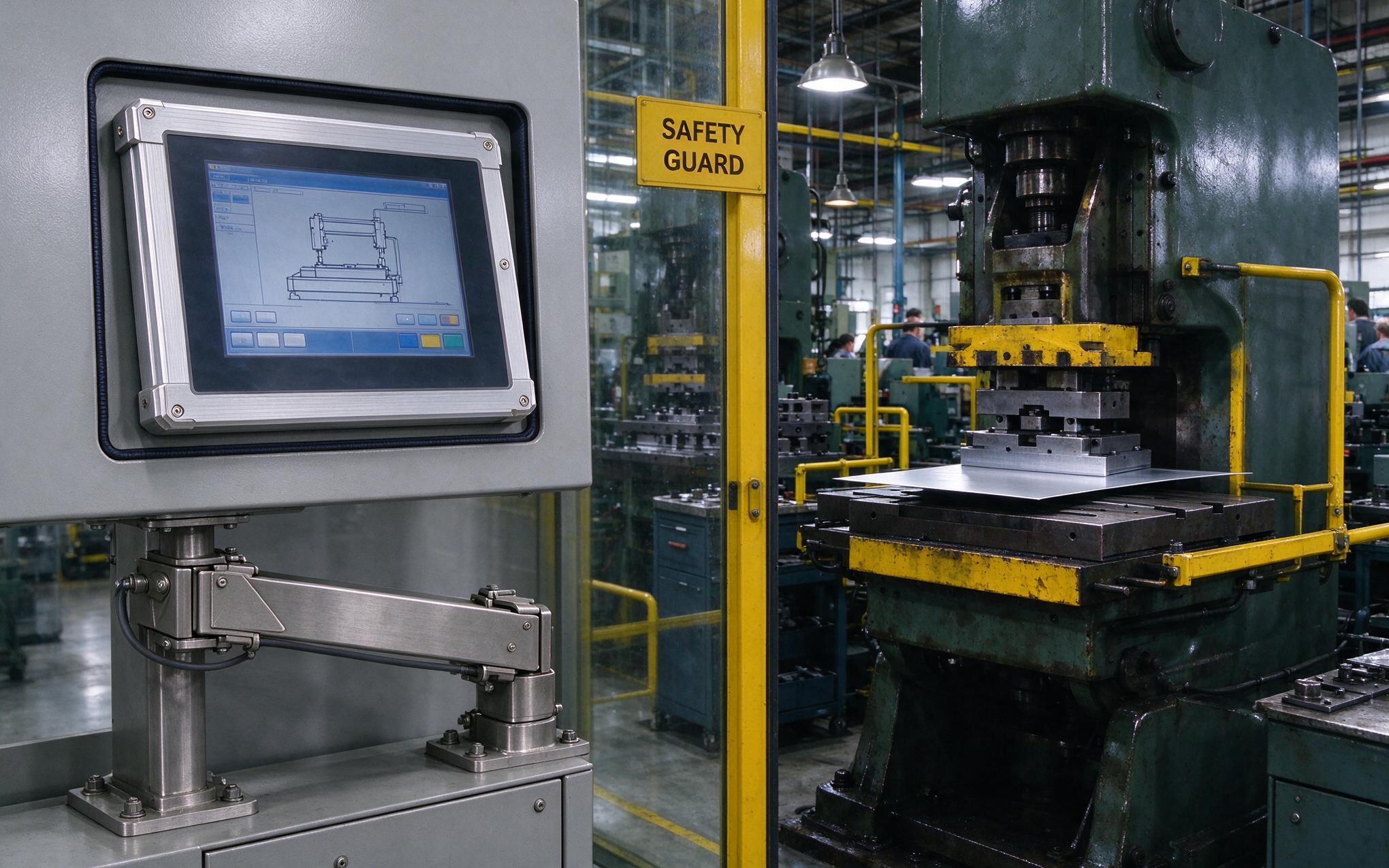
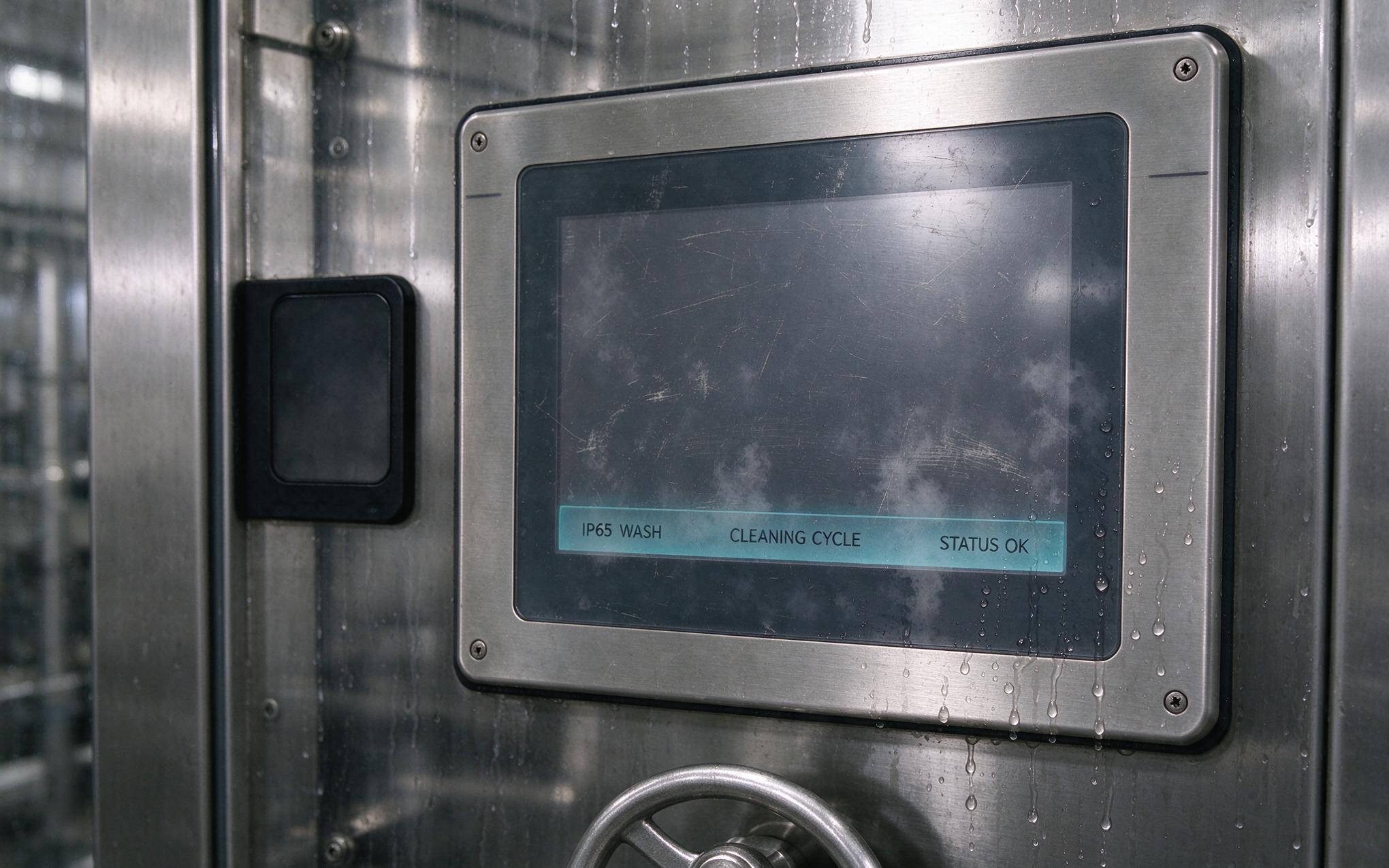
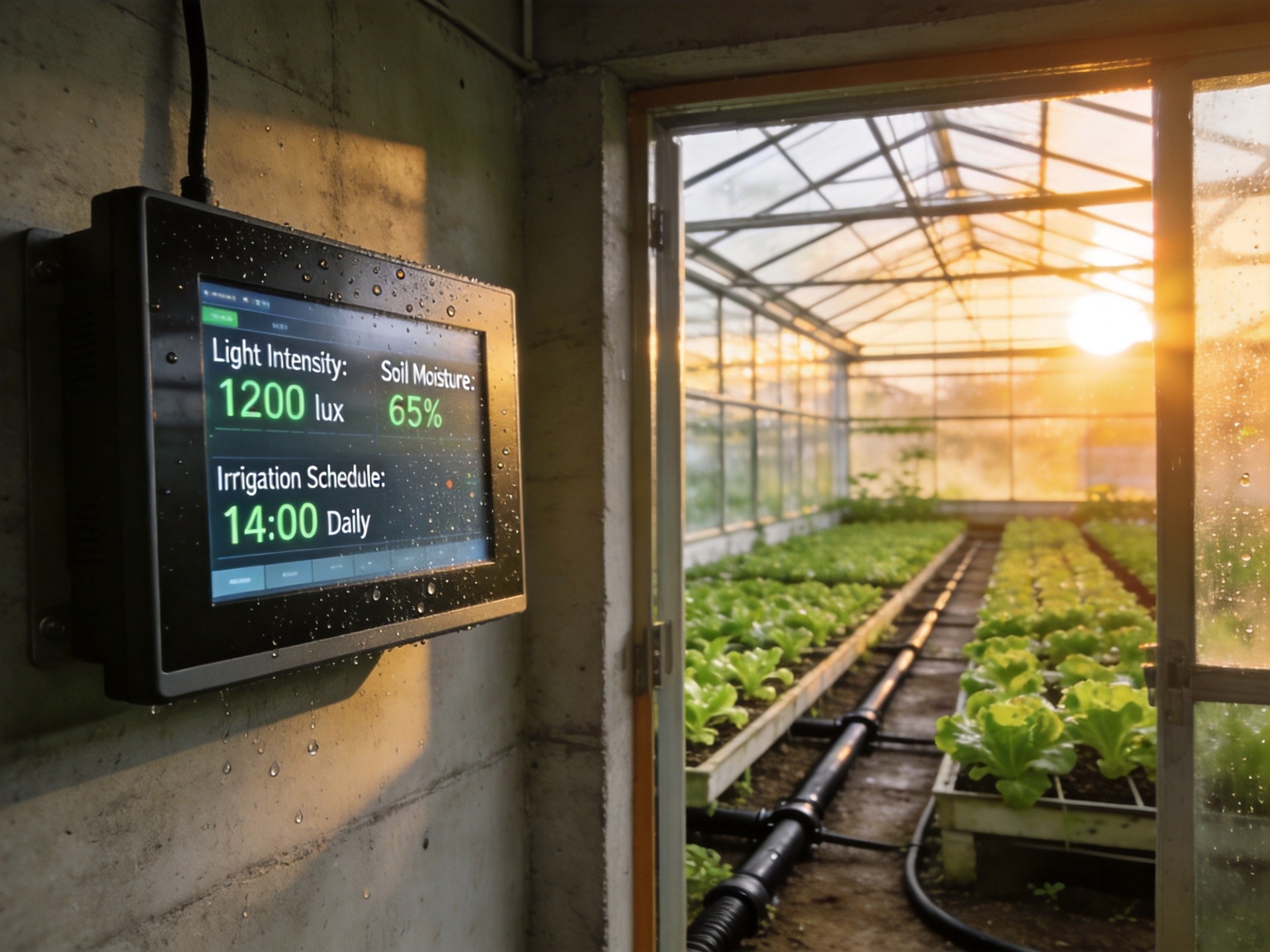
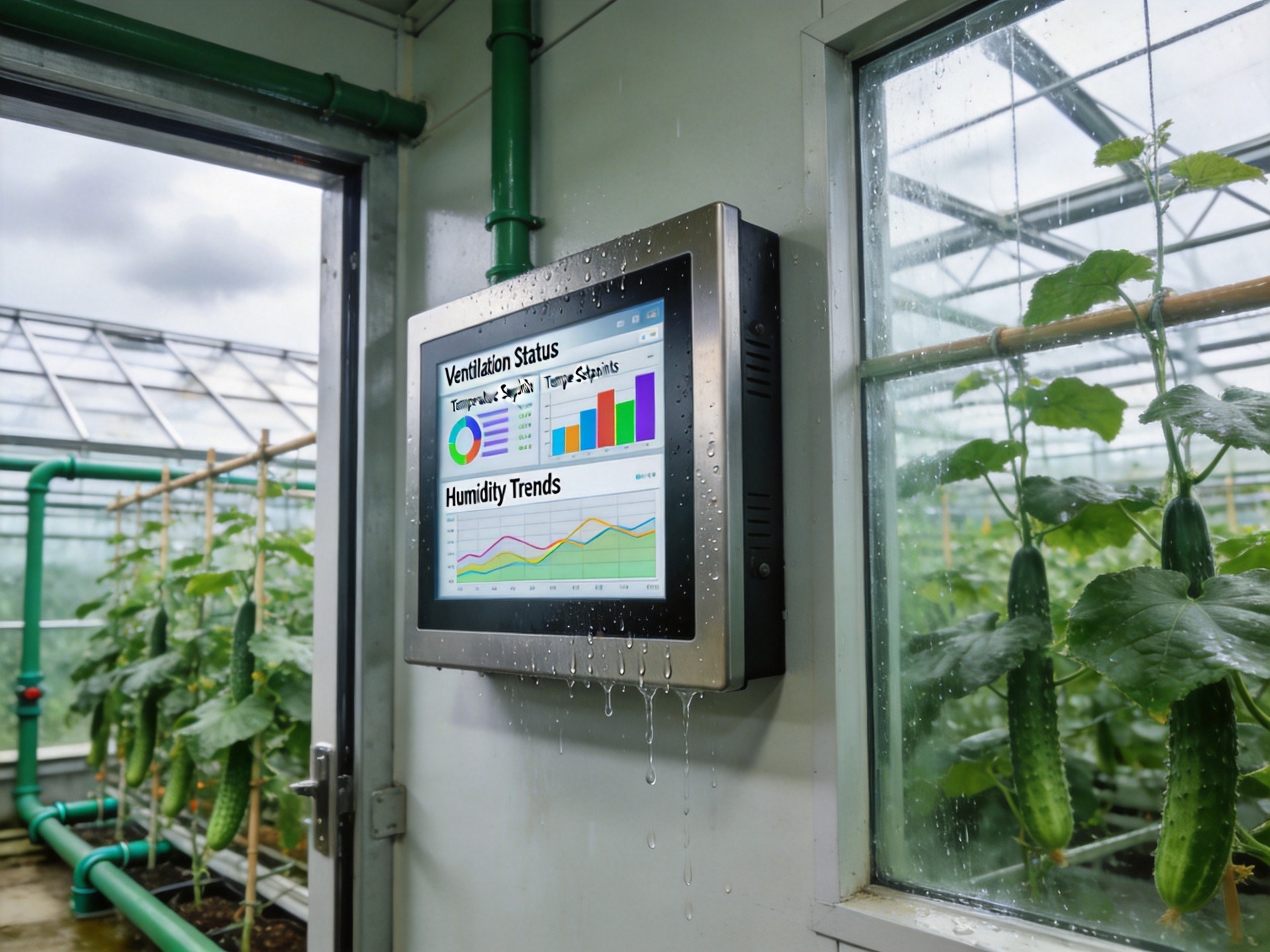
Greenhouse environments are uniquely challenging for electronics. Relative humidity routinely exceeds 90 percent with condensation forming on cold surfaces during temperature transitions. Fertilizer salts suspended in the air from irrigation misting settle on exposed circuitry and accelerate corrosion. The industrial panel PC replacing the proprietary terminal must be designed for this environment: a fully sealed, fanless enclosure with an IP65-rated front bezel prevents moisture and corrosive particulates from reaching internal electronics. The touchscreen must function reliably when covered with condensation and operated by workers wearing wet gloves—adaptive capacitive touch controllers are essential. The display must overcome greenhouse ambient light exceeding 50,000 lux at midday; an optically bonded screen with minimum 1,000 cd/m² ensures readability. Industrial panel PCs engineered with these hardening features, including those from manufacturers focused on agricultural applications, provide the durability greenhouse operations demand.
The Open-Source Software Ecosystem
The migration to open-architecture hardware unlocks an ecosystem of open-source greenhouse management software. Platforms like Mycodo, OpenAg, and FarmBot OS provide modular control logic for climate management, irrigation scheduling, and nutrient dosing customizable to specific crop recipes without vendor lock-in. These platforms run on standard Linux distributions, so the industrial panel PC can simultaneously host control software, a local data historian, and a web-based dashboard accessible from any device. The open architecture also enables integration with cloud-based analytics that aggregate data across multiple greenhouse sites to optimize growing parameters based on regional climate patterns and market demand forecasts. Proprietary terminals were designed to keep data inside the vendor’s ecosystem; open-architecture industrial panel PCs are designed to let data flow wherever it creates value. For growers operating multiple facilities, this data portability is the difference between running isolated greenhouses and operating a connected, data-driven agricultural enterprise.
The migration from proprietary greenhouse control terminals to open-architecture industrial panel PCs is not a technology project—it is a business strategy decision. It reduces annual control system costs by over 80 percent, eliminates vendor lock-in, and enables the data integration that modern precision agriculture depends on. The phased migration approach eliminates the risk of production downtime during the transition. For greenhouse operators evaluating their next capital expenditure cycle, the question is not whether to migrate, but whether another year of proprietary license fees and forced upgrades is worth the cost of staying put.