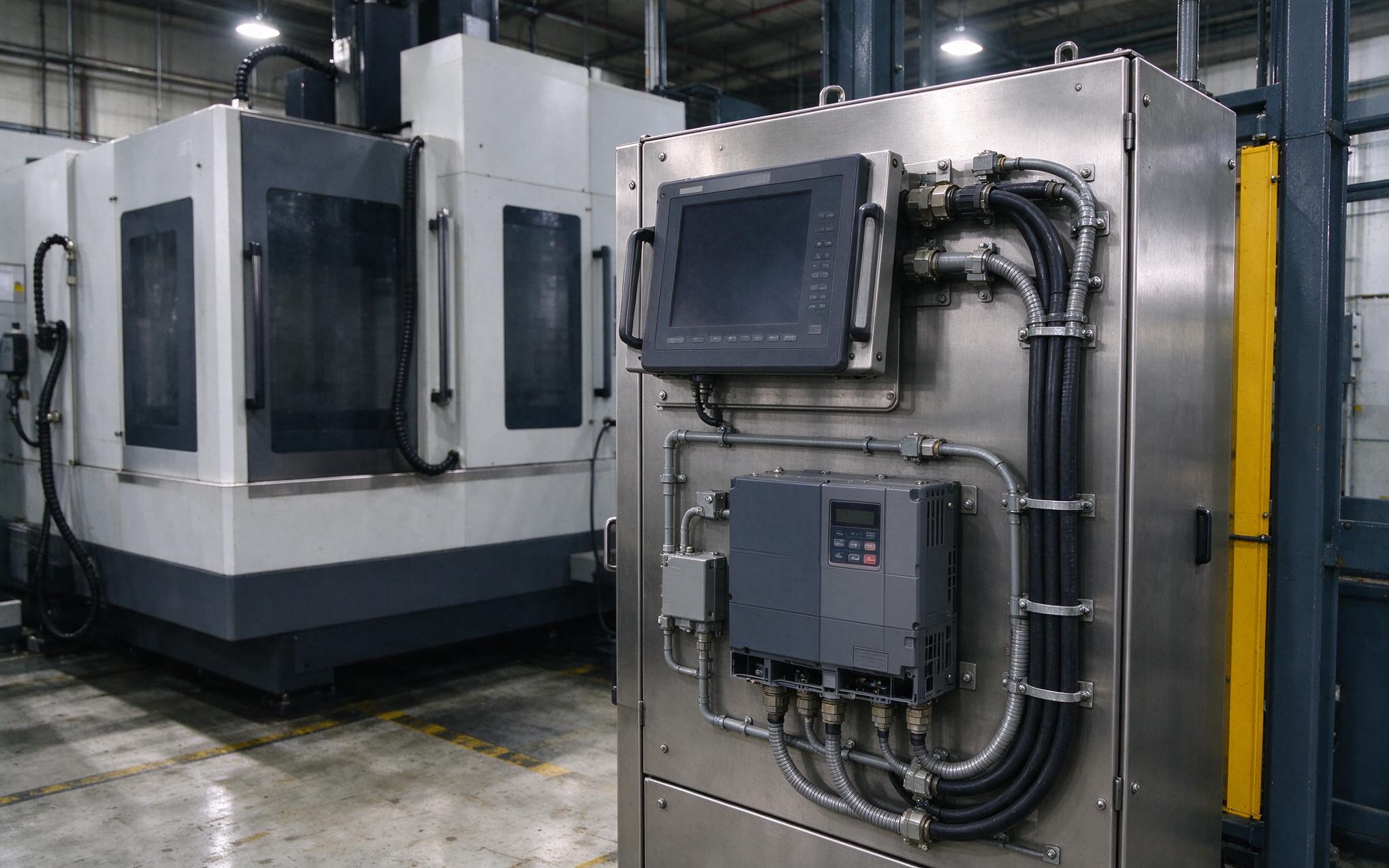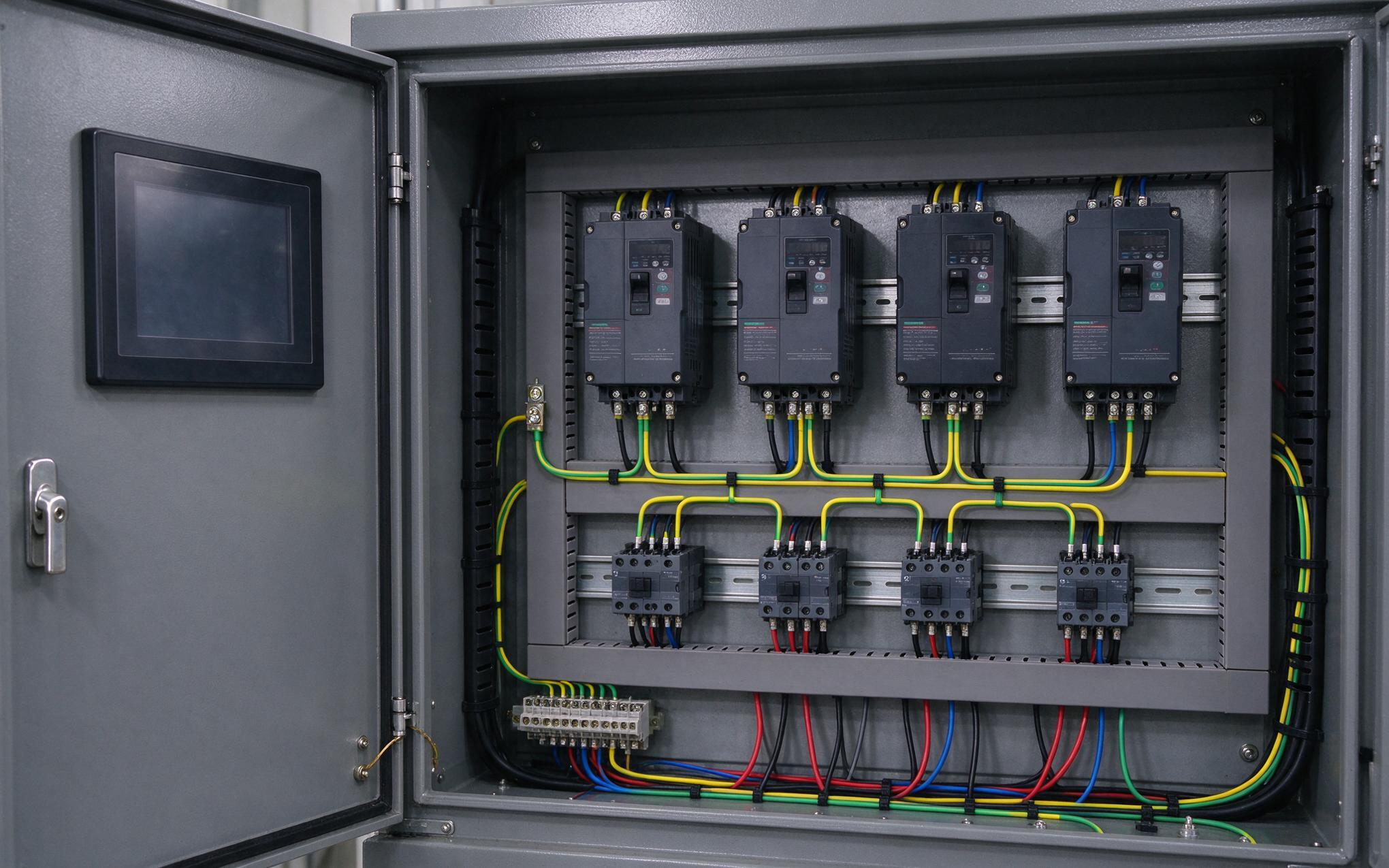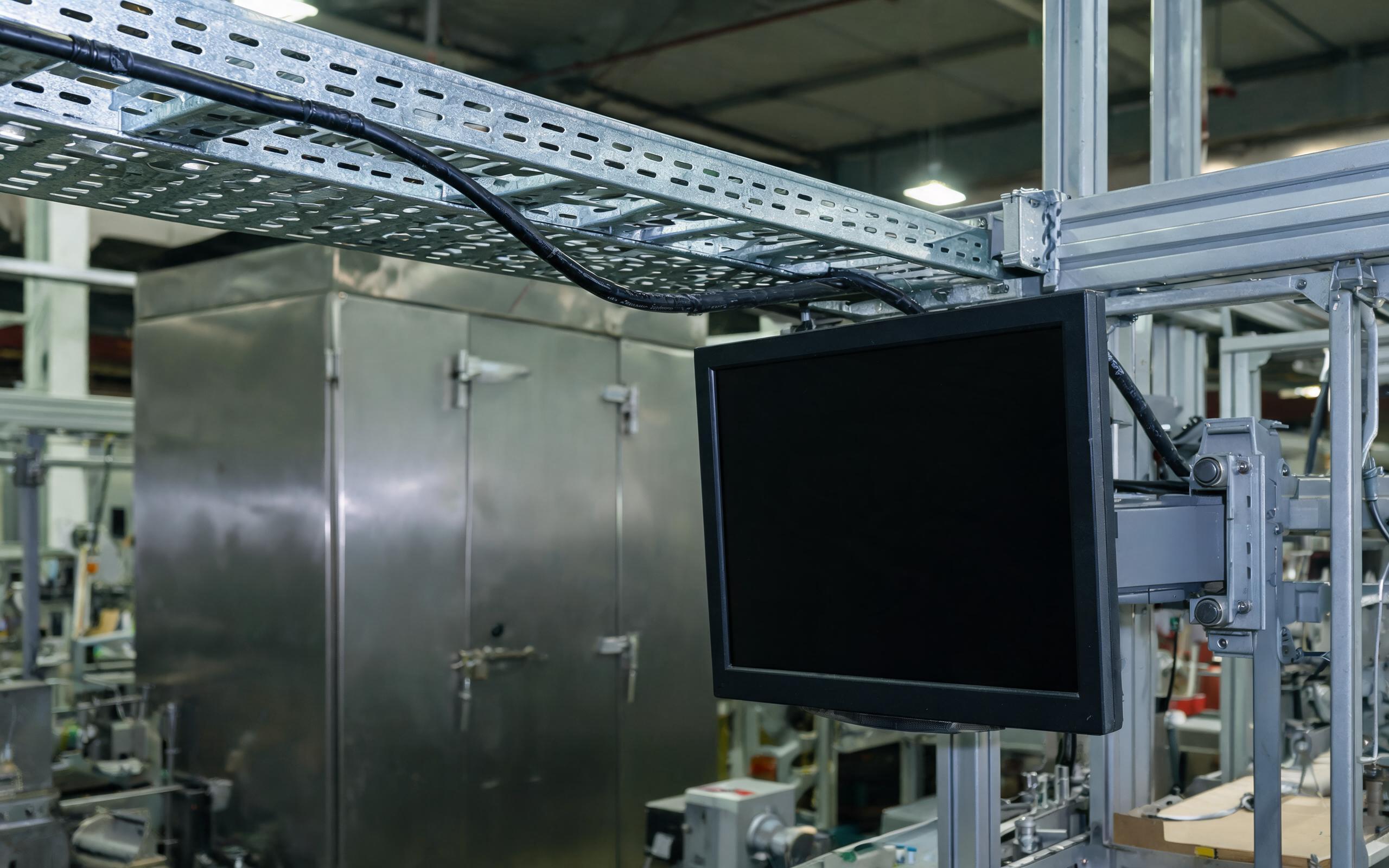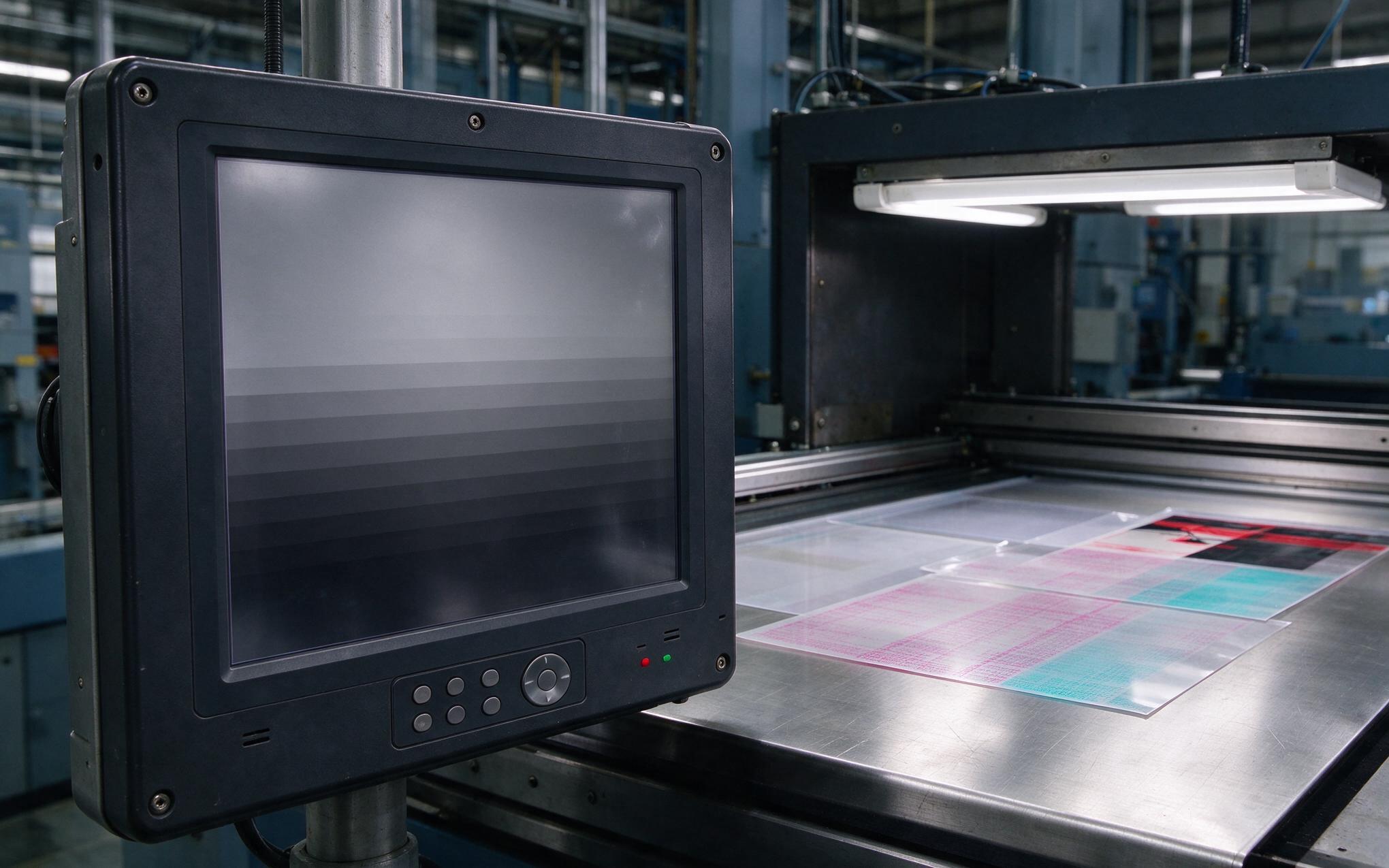
An engineer selecting components for a self-service kiosk build faces a deceptively simple question: which enclosure rating actually protects the display when the unit sits next to a washdown station on a food processing floor? The answer depends less on the touch panel itself and more on how the open frame touch monitor integrates with the kiosk chassis, the gasket system sealing the front face, and the NEMA or IP classification the finished assembly must satisfy. Get any of those three wrong, and the monitor fails within months of deployment.

Understanding NEMA 4X and IP65 in Open Frame Touch Monitor Contexts
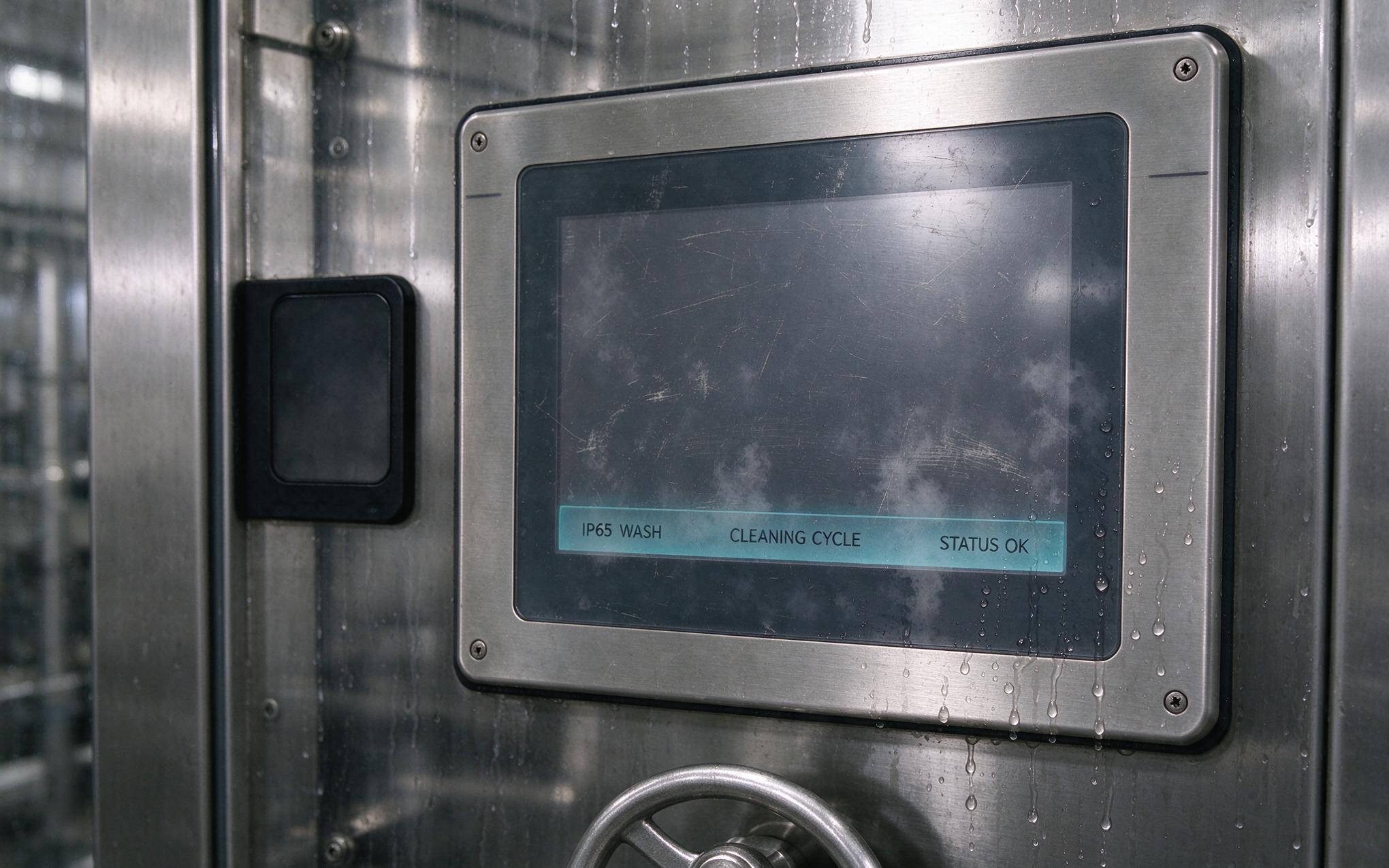
The NEMA enclosure rating system, governed by ANSI/NEMA 250-2020, evaluates more than just water and dust ingress. A NEMA Type 4X enclosure must pass hose-directed water tests at 65 GPM, resist corrosion through salt-spray qualification, and prevent ice formation from damaging external mechanisms. For open frame touch monitor integrations, KOXIAN chassis designs incorporate perimeter gasket channels that accept closed-cell foam or silicone seals, enabling OEMs to achieve the required NEMA classification through proper enclosure pairing rather than relying solely on the display’s intrinsic rating. This matters because the bare display panel alone rarely qualifies—the surrounding enclosure, gasket, and bezel assembly collectively achieve the rating. An IP65 front bezel on the monitor seals against low-pressure water jets, but IP65 does not account for corrosion resistance or ice formation testing. Kiosk builders targeting coastal installations or food-processing washdown zones therefore need NEMA 4X certification on the complete assembled unit, not just an IP65-rated front panel.

Chassis Depth and Installation Geometry for OEM Enclosures
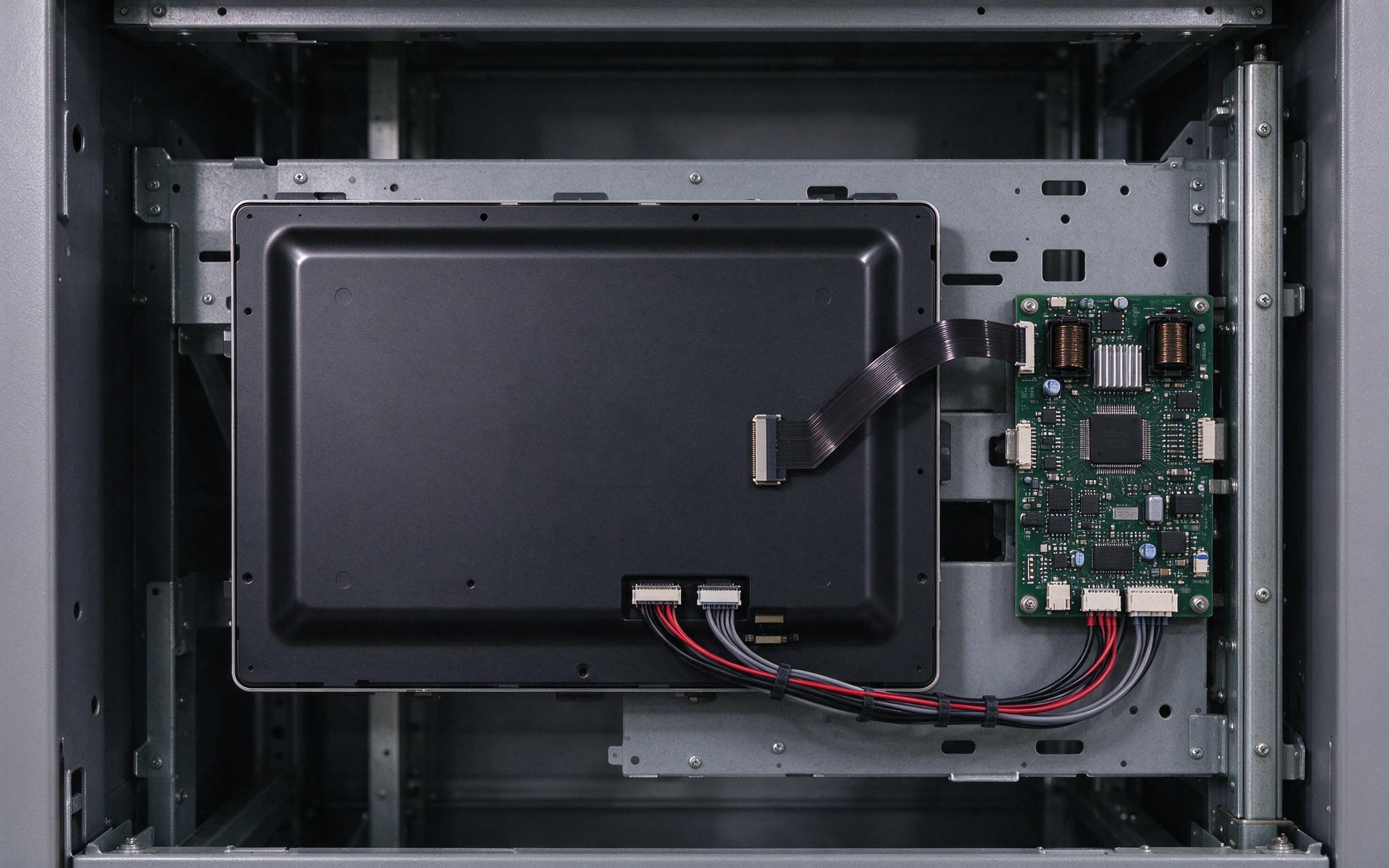
Installation depth is the second variable that separates a reliable kiosk from a field-service headache. Open frame touch monitors ship with exposed rear PCBs and I/O connectors, and the chassis depth—typically measured from the front bezel face to the rear of the logic board—determines how much clearance the kiosk cabinet must provide. A shallow-depth unit at 45 mm suits slim wall-mount kiosks but may lack room for cable management and thermal dissipation. Deeper units around 80 mm accommodate full-size HDMI connectors and industrial power supplies but require cabinets with sufficient rear access. The critical measurement is not the monitor’s nominal depth but the installed depth including cables, connectors, and the minimum bend radius of wiring harnesses. OEMs frequently underestimate this by 15 to 20 mm, resulting in compressed cables that cause intermittent signal loss or accelerated connector fatigue. Side-mount bracket systems with adjustable flange positions—common on open frame touch monitor designs—allow integrators to fine-tune the mounting position relative to the cabinet faceplate, compensating for dimensional variations in sheet-metal fabrication.

Touch Technology Compatibility with Gloved and Wet-Condition Operation
Selecting the touch layer for an open frame touch monitor in industrial kiosks involves a trade-off between optical clarity, glove compatibility, and environmental sealing. Projected capacitive (PCAP) touch panels deliver superior transmittance and multi-touch support but can register false inputs from water droplets on the surface. Resistive touch layers tolerate moisture and operate through heavy gloves but suffer from lower optical performance and a finite flex-cycle lifespan. For kiosks deployed in food processing or pharmaceutical environments where operators wear nitrile gloves and surfaces are frequently wiped down, PCAP panels with wet-touch rejection algorithms or resistive panels with enhanced durability coatings represent the two viable paths. Suppliers like KOXIAN offer open frame touch monitor PCAP variants with firmware-level palm rejection and rain-mode filtering, addressing the false-trigger problem without sacrificing the optical advantages of capacitive technology. The choice ultimately depends on whether the kiosk application prioritizes multi-gesture interaction or absolute reliability under wet and gloved conditions.

Conclusion
Building a reliable industrial kiosk starts with treating the open frame touch monitor as one element in a system-level enclosure design. NEMA 4X ratings apply to the assembled unit, not the bare panel. Chassis depth must account for cables and connectors, not just the monitor’s published dimensions. And touch technology selection should reflect the actual operating conditions—gloved hands, washdown cycles, and ambient moisture—rather than defaulting to the most common spec sheet option. Engineers who evaluate these three variables together, rather than in isolation, produce kiosk designs that survive real-world deployment with minimal field intervention.