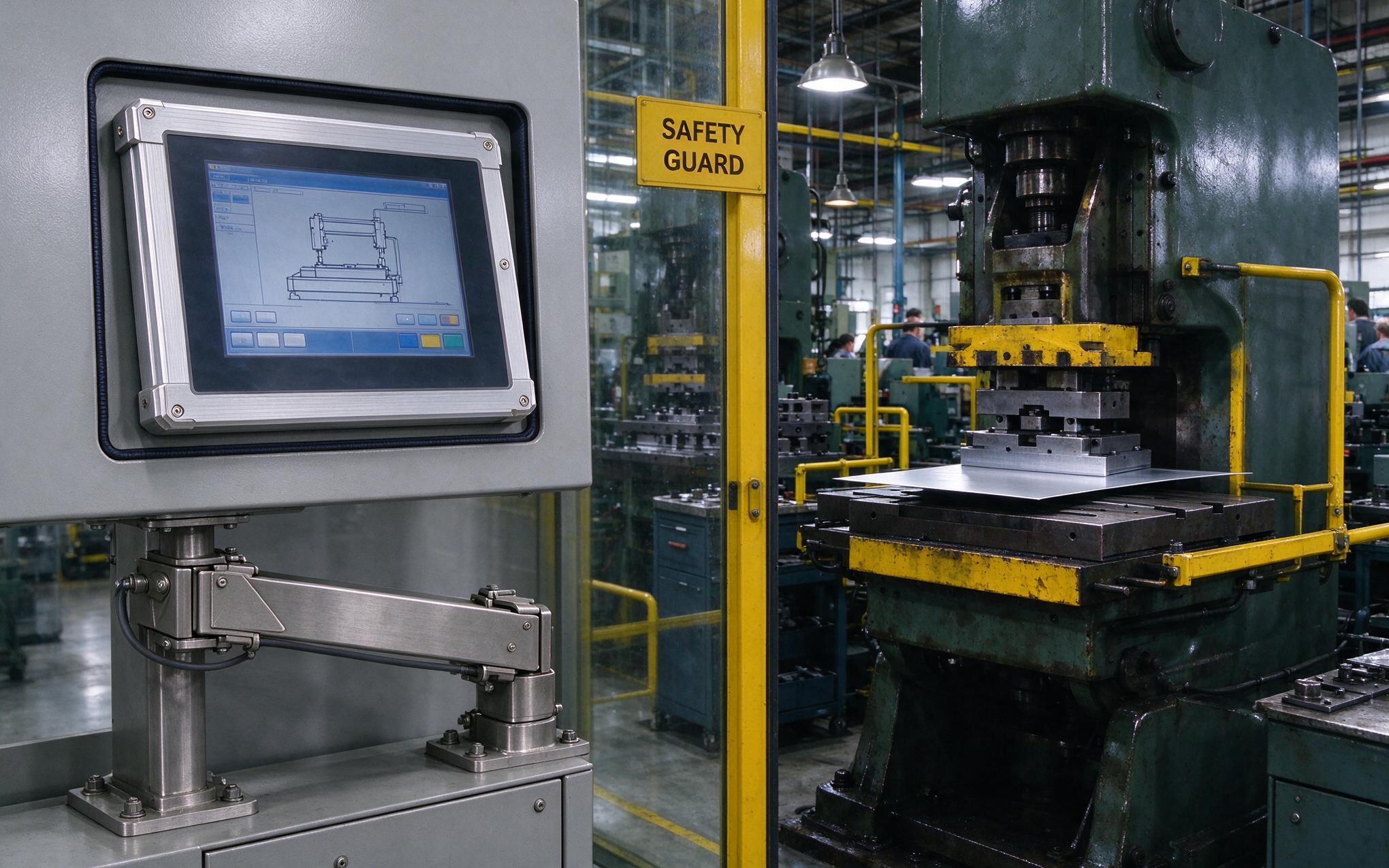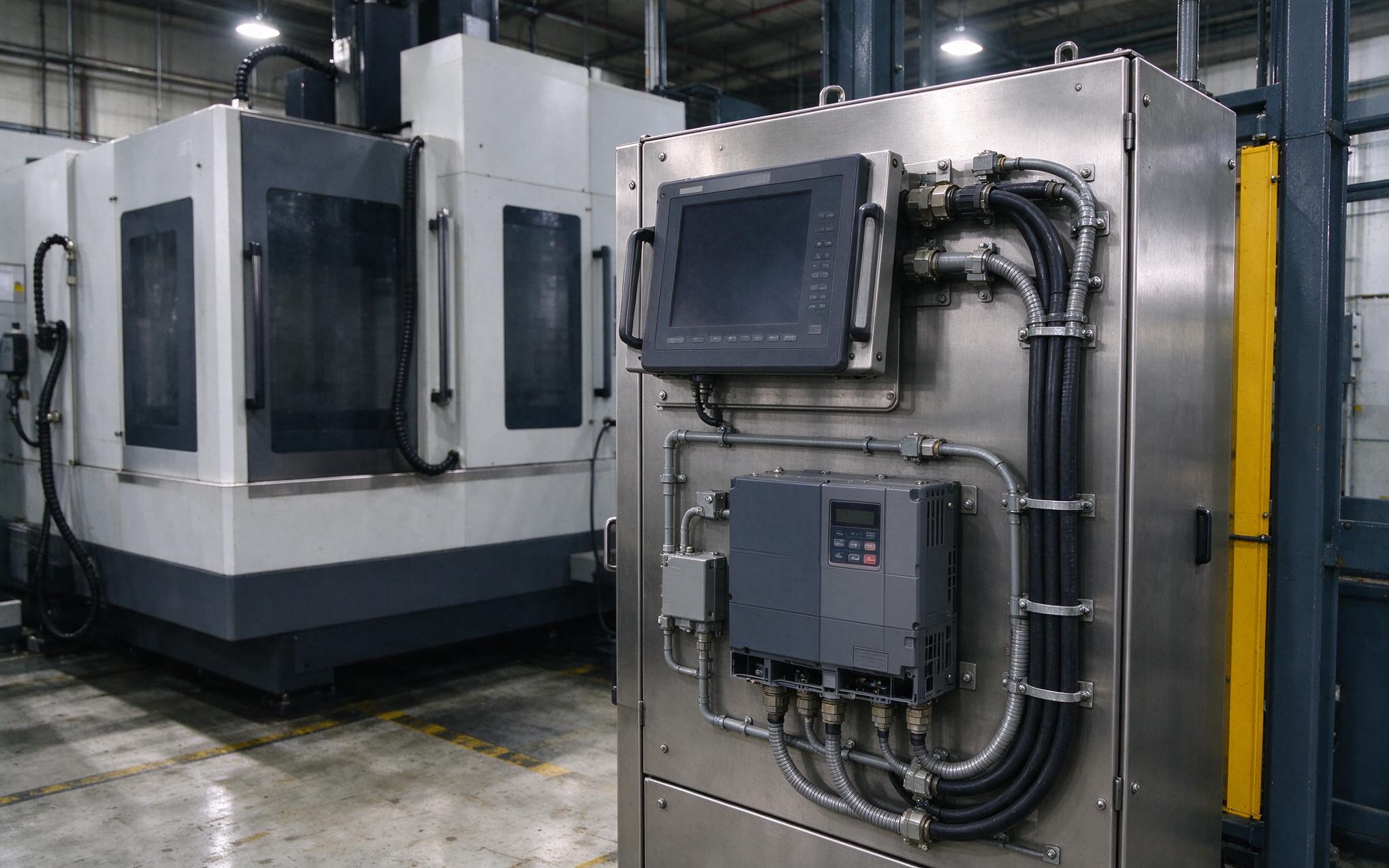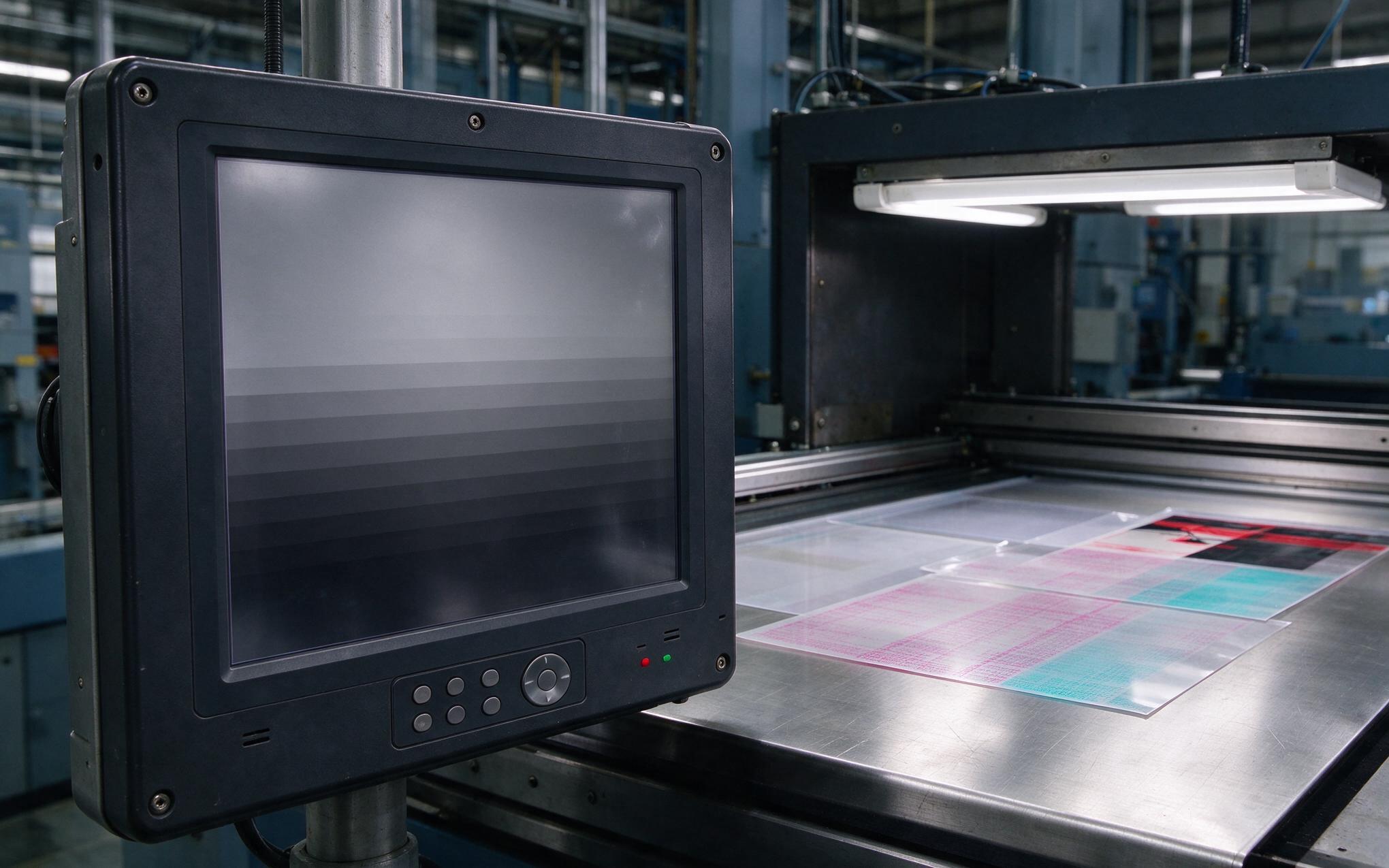
On a pharmaceutical packaging line running three shifts around the clock, a sealed industrial workstation fails at 2 a.m. The display goes dark, the production alarm sounds, and operators scramble to find a replacement. In conventional setups, swapping the unit means shutting down downstream conveyors, disconnecting multiple cables, and waiting hours for a technician with specialized tools. That unplanned downtime can cost thousands of dollars per minute in lost output. The core engineering question is how to keep a rugged all-in-one PC operational long enough to reach its intended service life without requiring a full system teardown at the initial sign of trouble.

Tool-Less Access Design in Sealed Industrial Enclosures
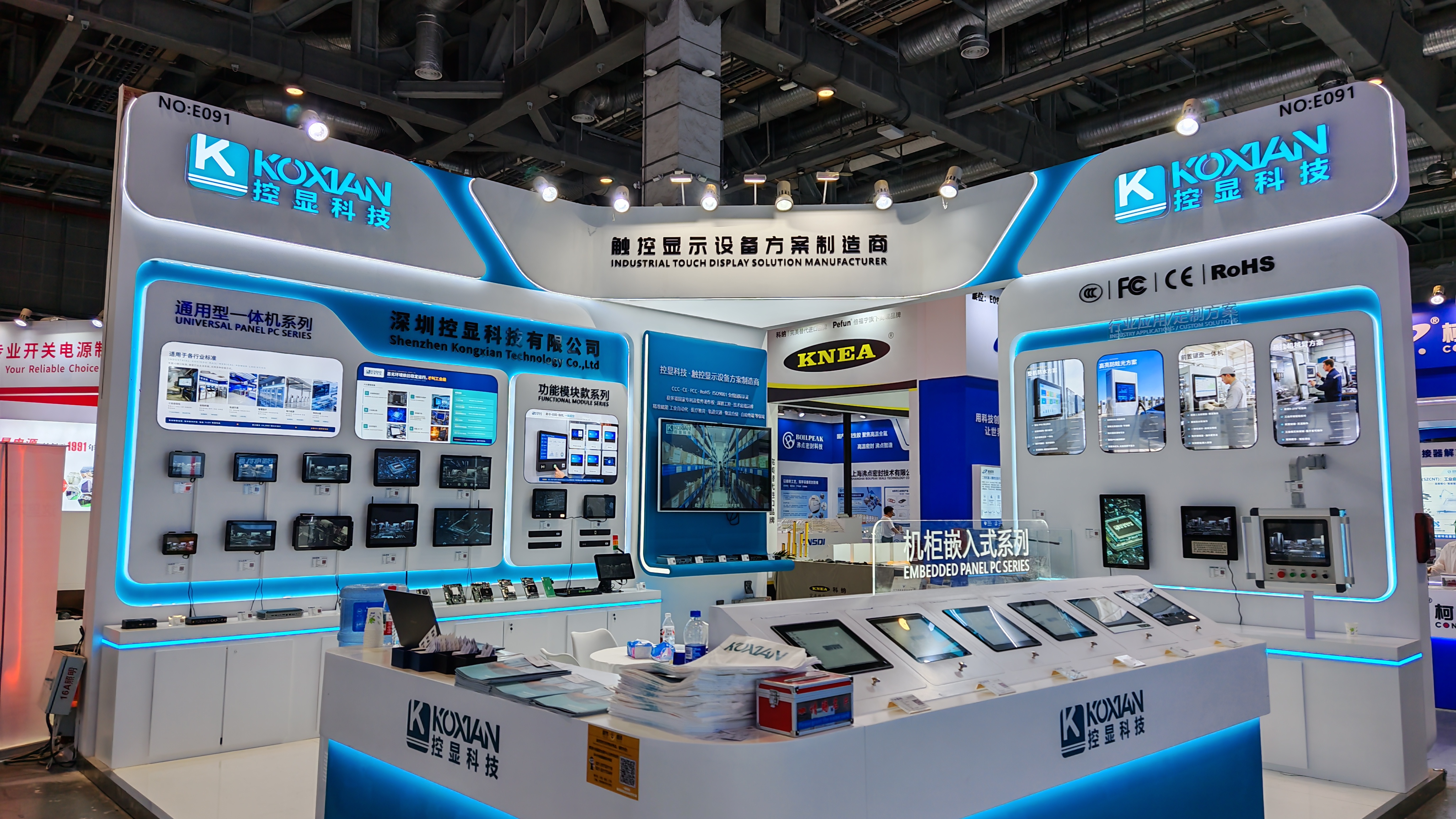
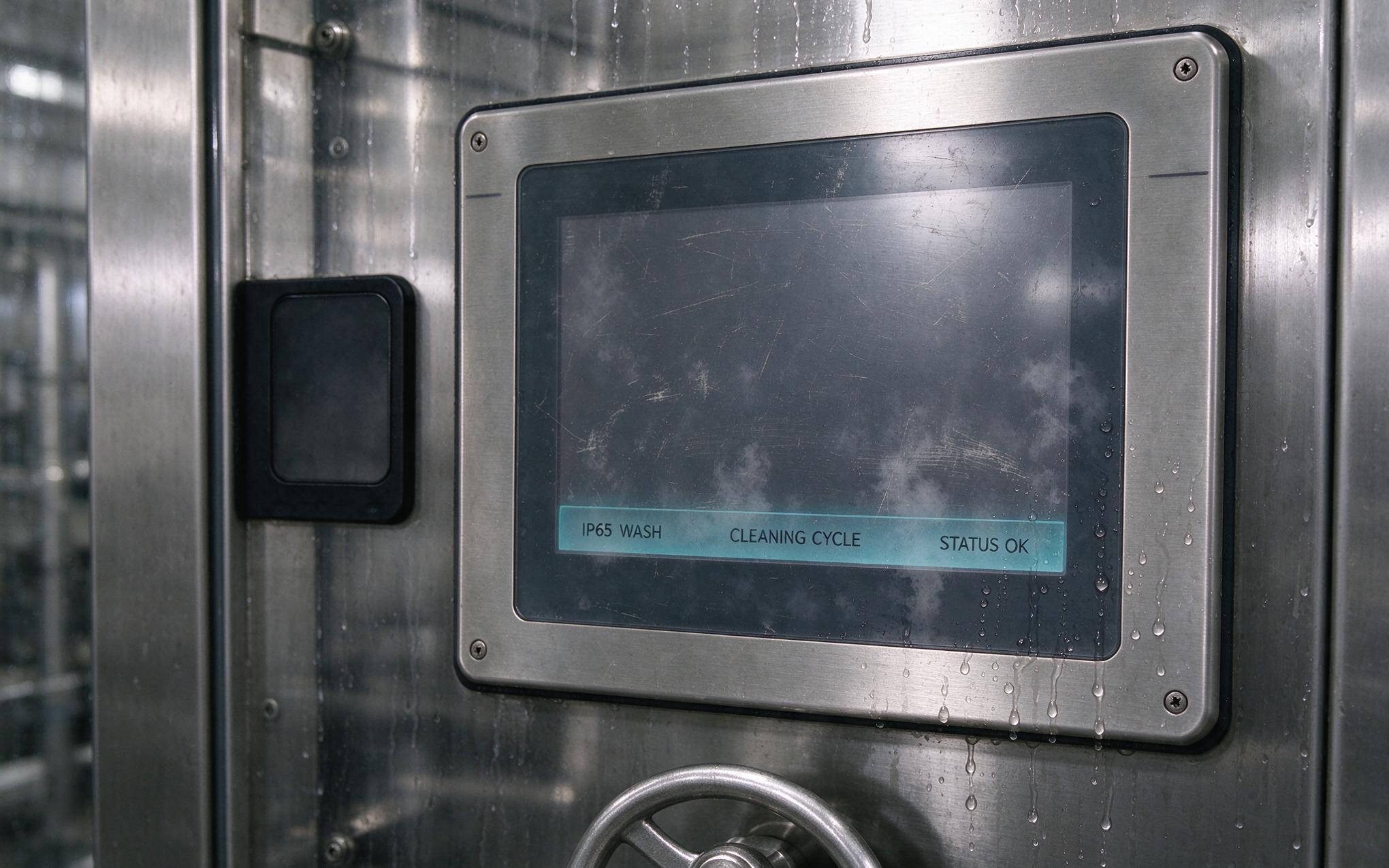
Traditional industrial panel PCs rely on screw-fastened bezels and captive hardware that demand Allen keys, Torx drivers, or other specialized tools for internal access. When a fanless rugged all-in-one PC is sealed to meet IP65 or IP67 ratings, the enclosure design must simultaneously block dust and moisture ingress while allowing authorized technicians to open the chassis for memory upgrades, storage replacement, or module swaps. This is the fundamental engineering tension in rugged computing: ingress protection versus service accessibility. Manufacturers like KOXIAN address this conflict through spring-loaded latch mechanisms and captive thumbscrew designs that tool-less access panels provide. The sealed front bezel maintains its gasket compression against the aluminum housing, while rear or side access doors open with a single twist. In practice, this means a field technician can replace a 2.5-inch SSD or swap a COM module in under five minutes without removing the entire unit from its mounting bracket. For operations running 24/7, that difference between five minutes and forty-five minutes translates directly into reduced mean time to repair.

Modular I/O Architecture for Reduced Mean Time to Repair
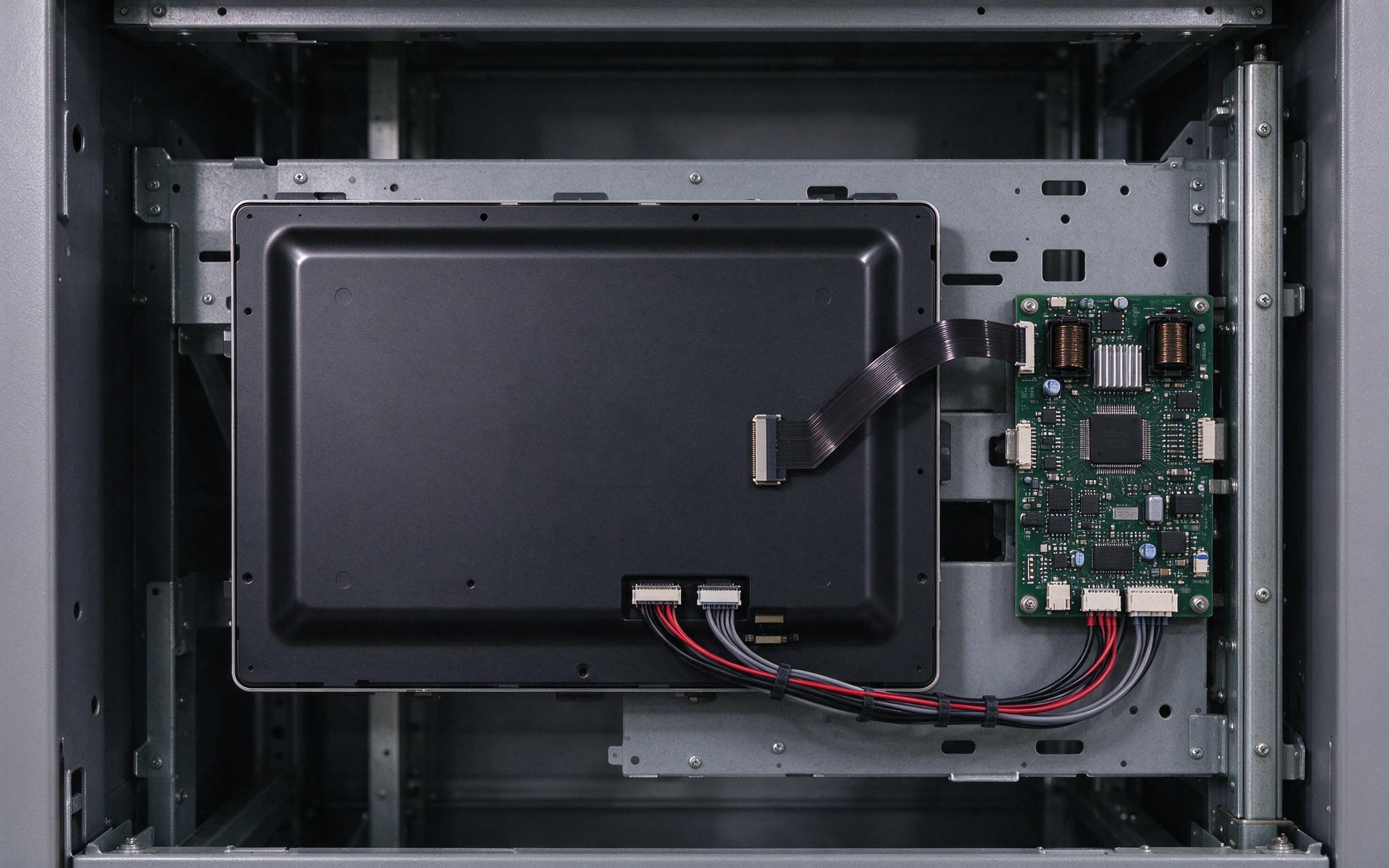
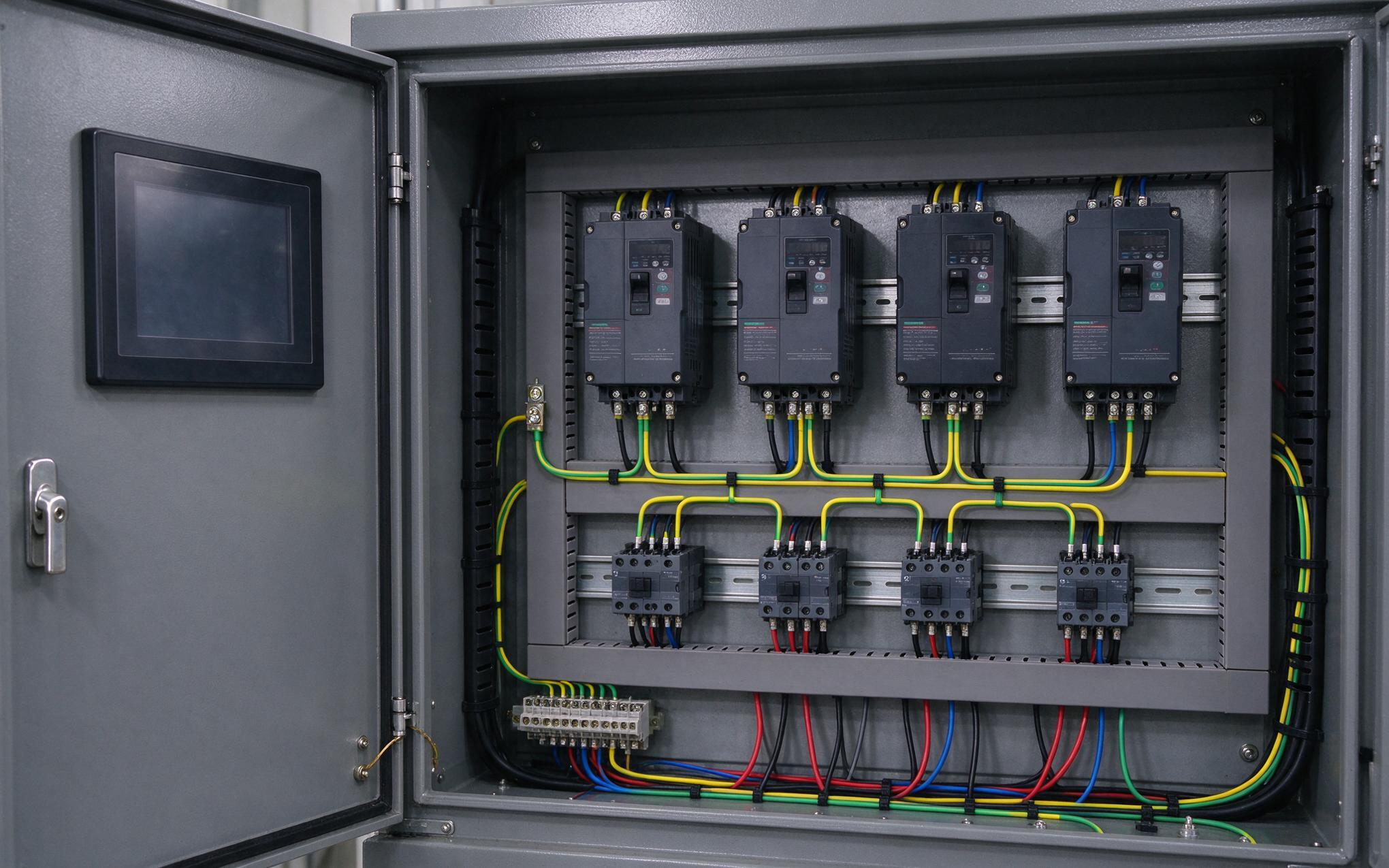
Modular I/O design separates the computing core from the connectivity layer. Instead of soldering all ports directly to the motherboard — a design choice that forces full board replacement when a single connector fails — rugged all-in-one PCs with modular architecture use daughtercards or cage-mounted I/O modules that can be individually swapped. A factory floor workstation that requires four RJ45 ports and two serial connections today may need additional GPIO or USB 3.0 ports after a production line reconfiguration. Modular I/O accommodates that evolution without requiring a new chassis. The serviceability advantage extends beyond initial deployment. When a lightning-induced surge damages a single Ethernet port on a module, the technician pulls the affected daughtercard, installs a replacement, and returns the unit to service — without touching the CPU, memory, or operating system. This architecture also supports field upgrades: adding a Controller Area Network bus module or an additional RS-485 interface becomes a fifteen-minute task rather than a multi-day procurement and integration cycle. For system integrators managing fleets of rugged all-in-one PCs across multiple client sites, standardized modular I/O slots mean a single spare parts inventory covers diverse configurations.

Hot-Swap Power Supply Design and Continuous Industrial Operation
Power supply failure remains one of the primary causes of unplanned downtime in industrial computing. A rugged all-in-one PC operating in a food processing facility may face voltage fluctuations from heavy motor loads, moisture exposure from washdown cycles, or thermal stress from ambient temperatures exceeding 50 degrees Celsius. When the internal power module fails, conventional designs require de-energizing the entire unit, opening the enclosure, and performing a bench-level repair — a process that can take hours and requires spare parts on hand. Hot-swap power supply architecture eliminates that bottleneck. By mounting the PSU as a front-accessible, slide-in module with blind-mate connectors, the replacement sequence becomes: unlock the retention clip, pull the failed module, insert the spare, and restore power. The computing core never loses its state because dual-input redundant configurations allow the system to ride through the swap on the secondary supply. Industrial deployments using 24-volt DC input with OR-ing diodes across redundant pairs provide the electrical isolation needed for true hot-swap capability. Units from manufacturers like KOXIAN incorporate this design philosophy, aligning with the broader industry trend toward zero-downtime architectures where every serviceable component is treated as a replaceable module rather than a permanent fixture.
The convergence of tool-less access, modular I/O, and hot-swap power transforms a rugged all-in-one PC from a sealed black box into a maintainable industrial platform. For factory engineers evaluating long-term total cost of ownership, these serviceability features directly reduce spare parts inventory complexity, shorten repair windows, and extend the operational lifespan of deployed hardware. As industrial environments grow more demanding — with tighter uptime requirements, harsher ambient conditions, and more complex connectivity needs — the ability to service equipment without specialized tools or extended shutdowns becomes not just a convenience, but a competitive requirement.