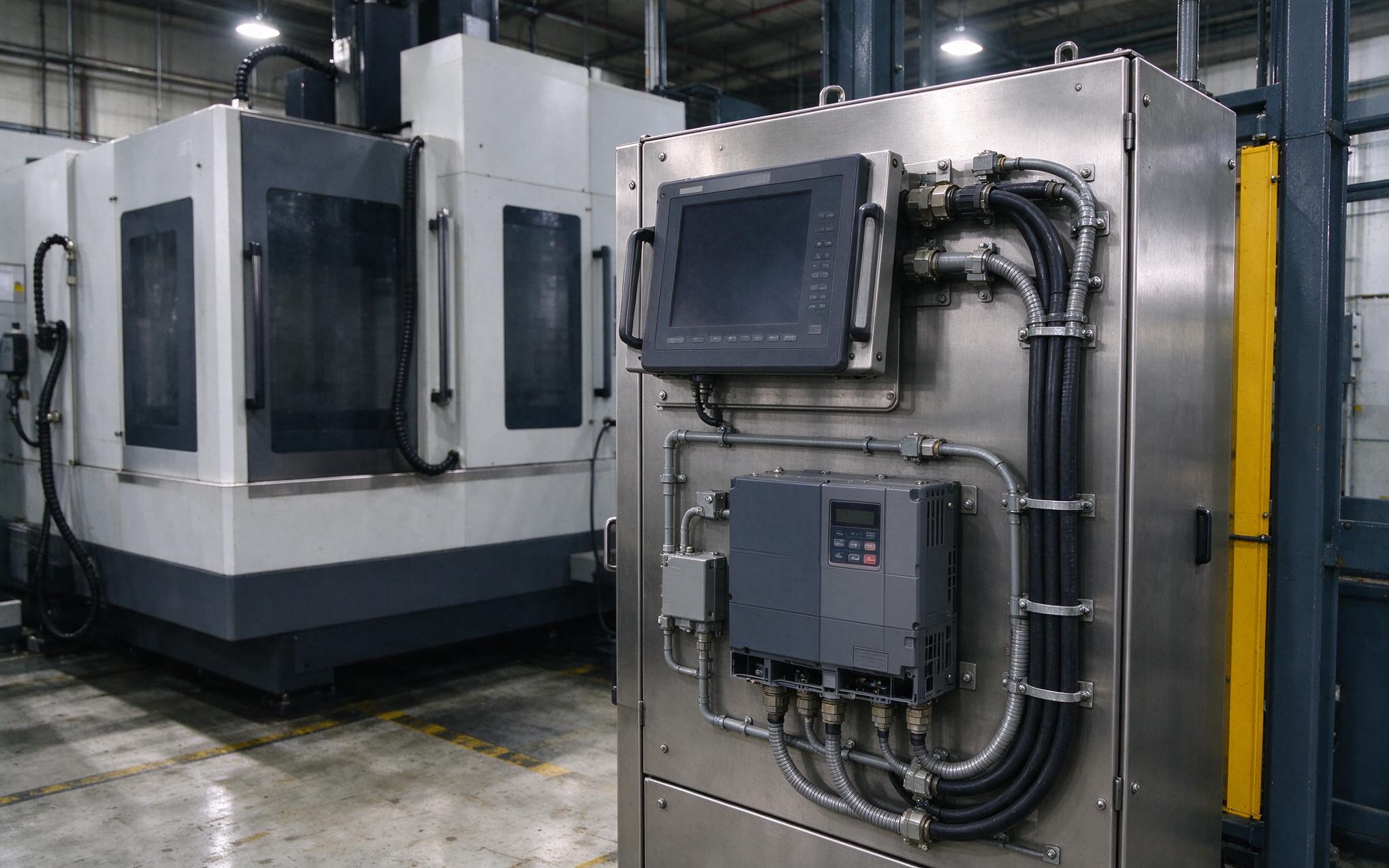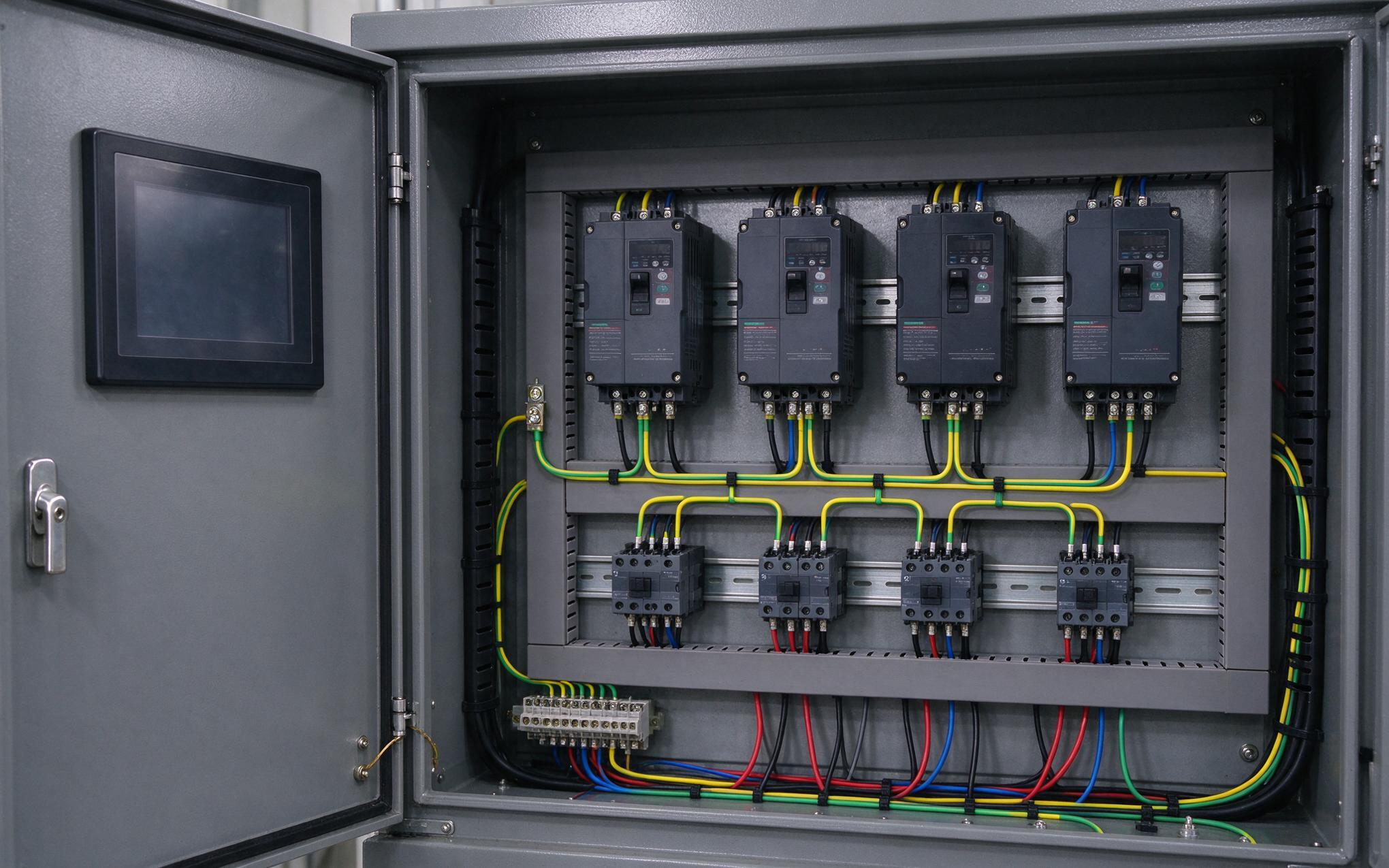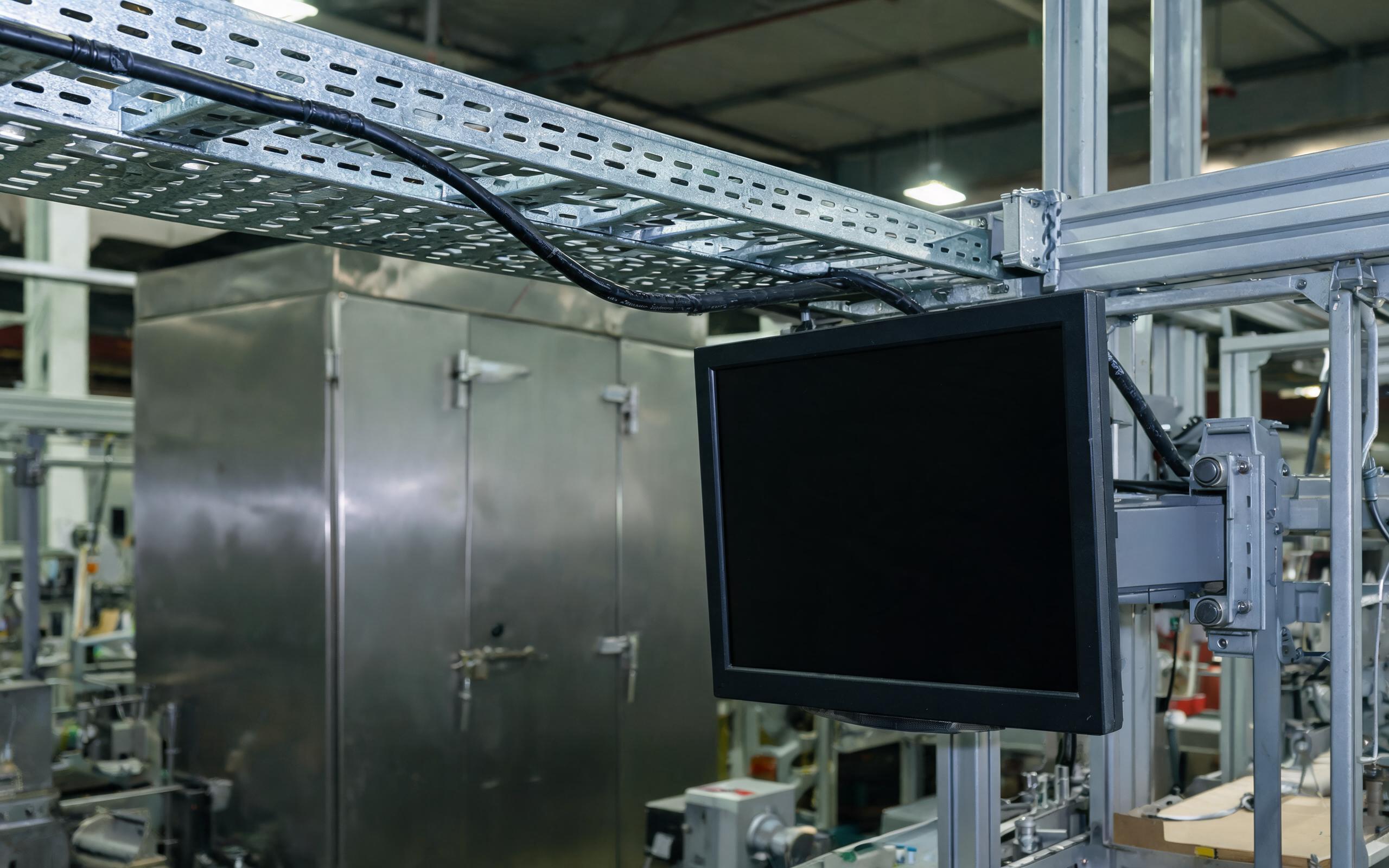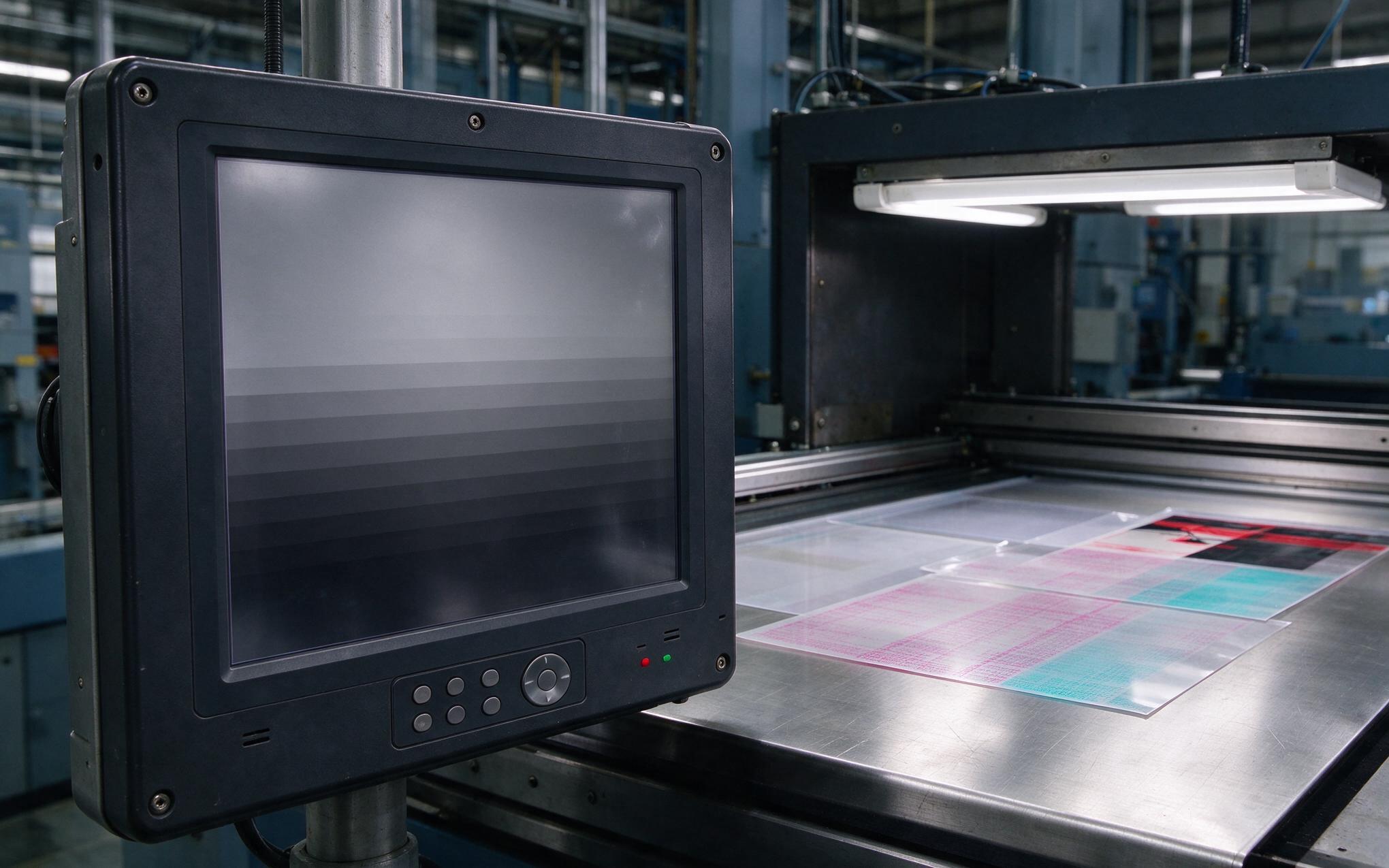
An outage wave across a regional transit fleet’s kiosk machines three summers ago ended with a culprit nobody had listed in the maintenance plan. The ticketing units were not underpowered, and the site had clean line power and grounded cabinets. Fine dust pulled through the vents had settled across every heat path behind the glass, and the failures stopped only after the filters and fin fields were cleaned. An open frame touch monitor lives or dies by the airflow its host enclosure provides, and dust is the quiet tax collected on that arrangement. Builders who treat cooling clearance and filtration as design inputs from day one avoid repeating that failure loop.

Convection Clearance Behind an Open Frame Touch Monitor
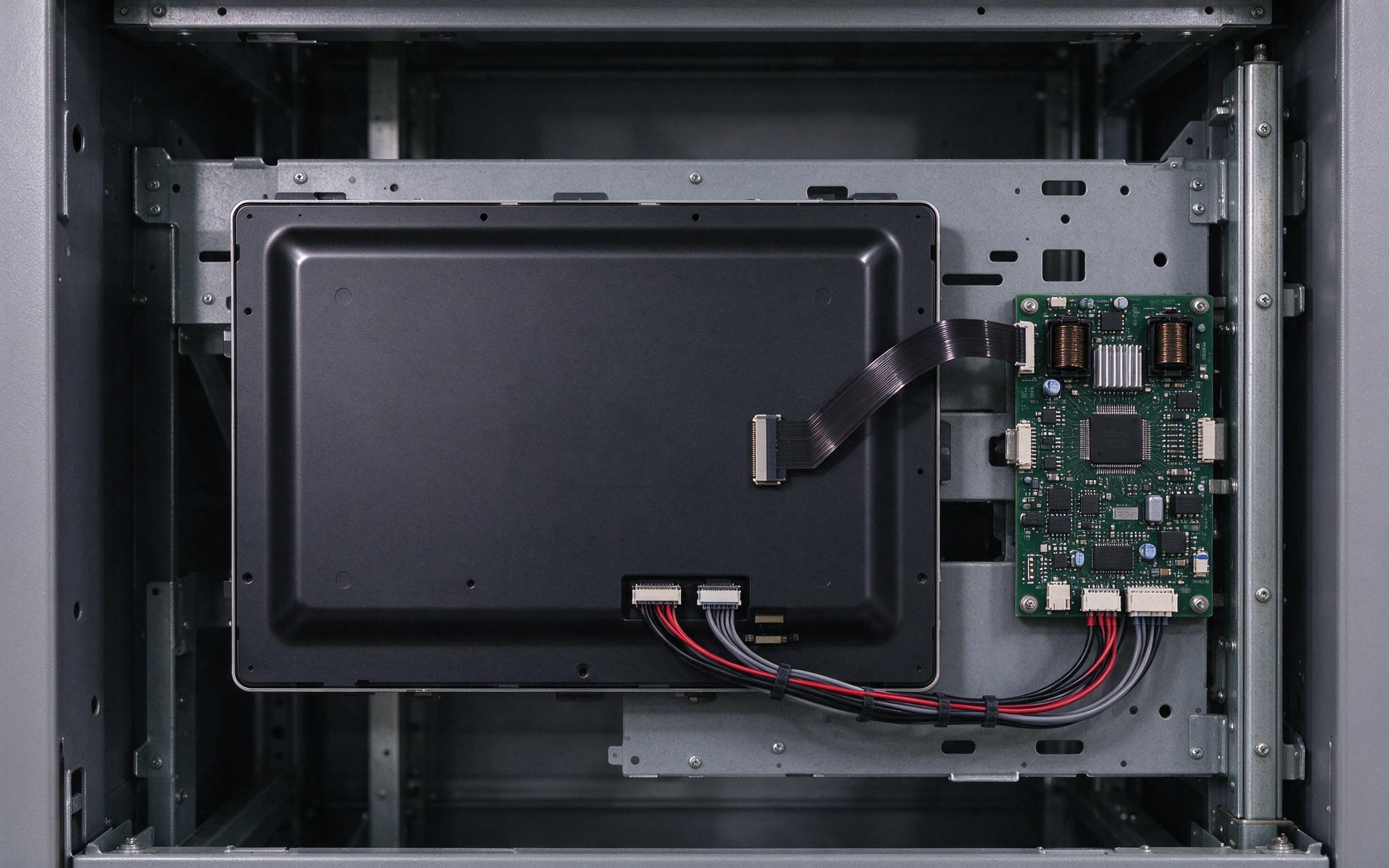
Open frame units ship without their own enclosure, so the cabinet designer inherits the thermal job. Hardware examples such as the fin exposed aluminum rear housing on KOXIAN G1 series units show how chassis construction keeps a radiating surface in moving air even when the cabinet is tight. Below the housing the physics is unforgiving, since heat leaves the chassis mainly by convection and air must enter low, sweep the fin field, and exit high without obstruction. Bolting the display flat against a thin back panel starves that path, and bundling cable harnesses against the rear plate buries the fins under a warm blanket. Keep the gap specified in the mounting drawing between the rear housing and the cabinet wall, and treat that clearance as reserved engineering territory rather than spare room. A thermal margin that survives a July afternoon is designed in months earlier.

Dust Films on the Touch Surface
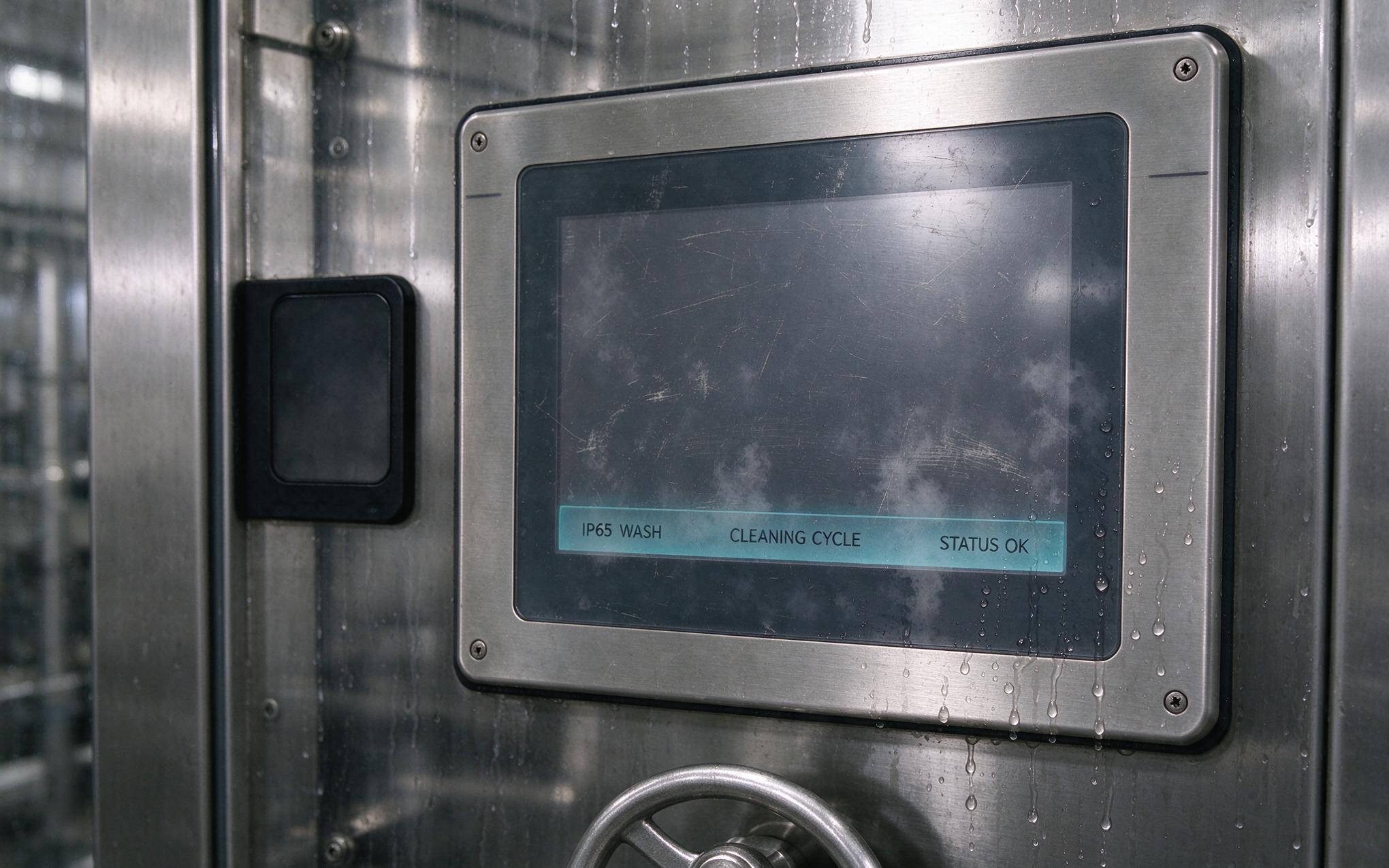
Airflow fixes heat, but moving air also carries dust onto the front glass. A film of fine particles on a projected capacitive surface raises the noise floor, and the controller compensates until sensitivity drifts far enough to register phantom touches or miss presses near the edges. In a public self service bay, skin oils bind that dust into a stubborn layer, so cleaning intervals belong in the commissioning documents rather than in a warranty footnote. Specify an anti fingerprint coated cover glass where heavy public contact is expected, and approve only lint free cloths and compatible cleaners for the site crew. Any open frame touch monitor intended for a dusty floor or an unfiltered lobby should be qualified with the dust film present, because a clean lab bench hides the exact failure the site will produce.

Filtered Intakes and Cabinet Airflow Design
Dust control starts with where the cabinet breathes, not with how often it is wiped. A filtered intake low in the base with an exhaust path above the display establishes a predictable direction of travel, so particles settle on replaceable media instead of on electronics. Positive pressure designs go further by pushing filtered air outward through every seam, an approach that suits gritty sites such as quarry ticketing or grain depots. Wire the filter media into the preventive maintenance loop with a defined inspection window, because a clogged intake is worse than an open one and still admits fines while starving the airflow. A rugged touch screen display rated for the electrical environment still depends on that mechanical discipline. When the airflow path is engineered, an open frame touch monitor holds stable chassis temperatures through the dustiest season without exotic cooling hardware.

Service Intervals for Multi-Year Deployments
Kiosk programs lock hardware specifications during design in and expect multi-year consistency, so the service plan deserves the same rigor. A touch screen monitor for industrial use in a transit hall, a depot, or a retail entrance collects very different dust loads, and the inspection interval should follow the site rather than the calendar. Thermal drift is the earliest signal; when an open frame touch monitor shows idle chassis temperature climbing week over week, its airflow path is choking long before the touch controller misbehaves. Log the readings, trend them, and replace media on evidence rather than on optimism. Field observations from kiosk fleets built around KOXIAN open frame hardware show that disciplined filter service holds chassis temperature flat through summer peaks, which keeps touch response stable as well.
Dust does not defeat hardware; it defeats unmanaged airflow. Reserve the convection clearance, filter the intake, clean the surface on a published schedule, and trend chassis temperature so the path stays honest. Applied together, those disciplines turn an exposed computing module into a dependable public terminal, and they cost far less than the emergency field visits that follow when any one of them is skipped.