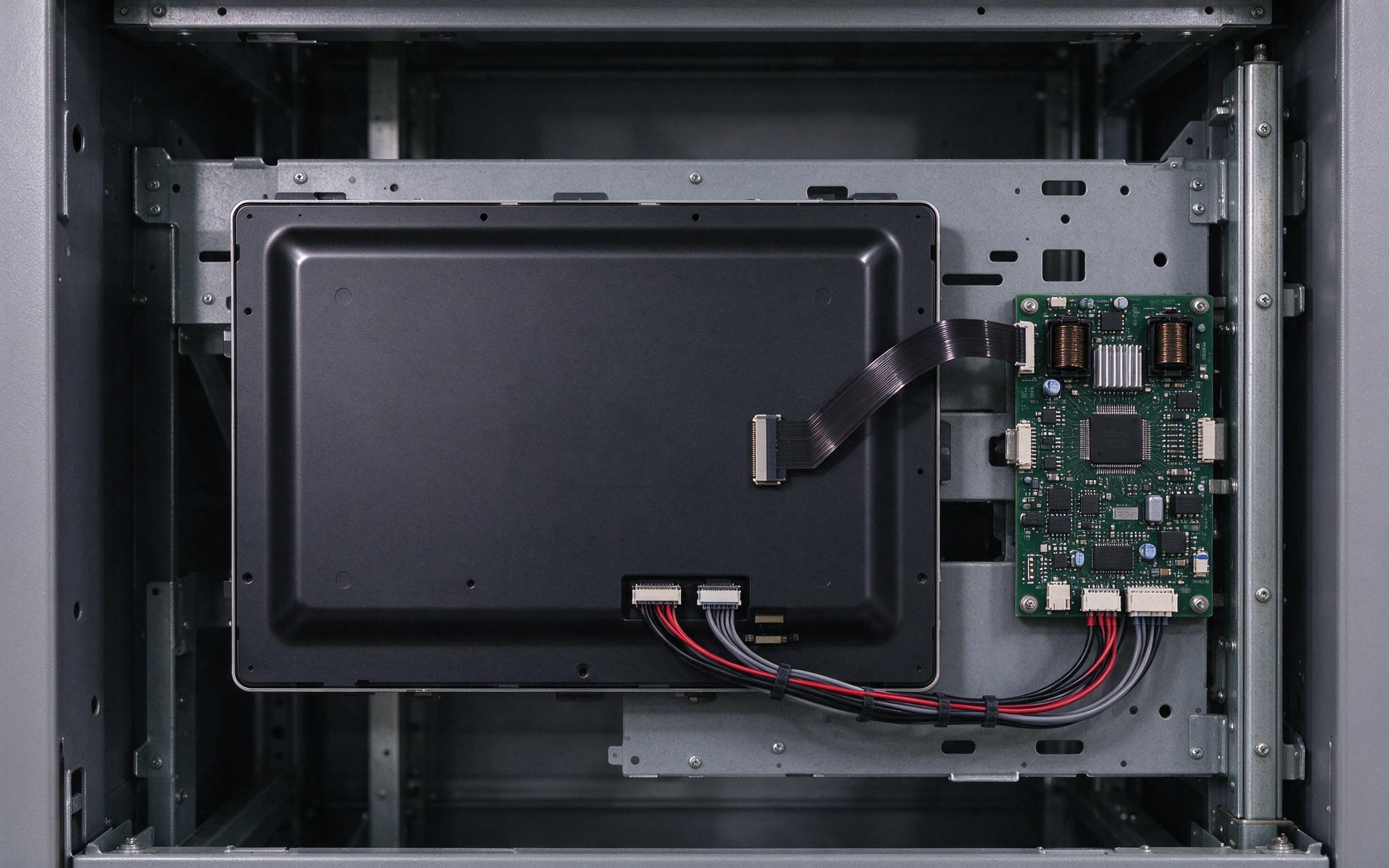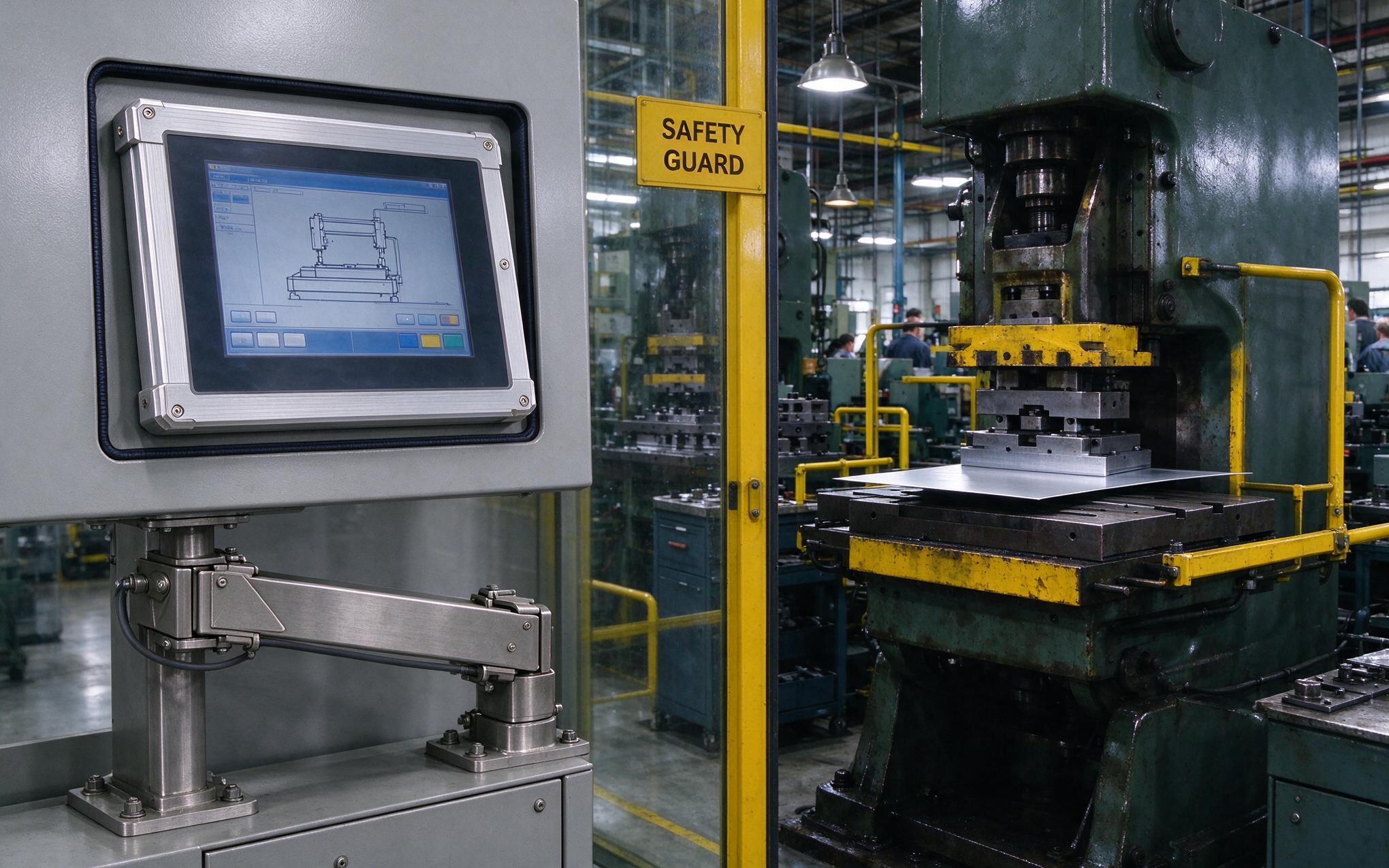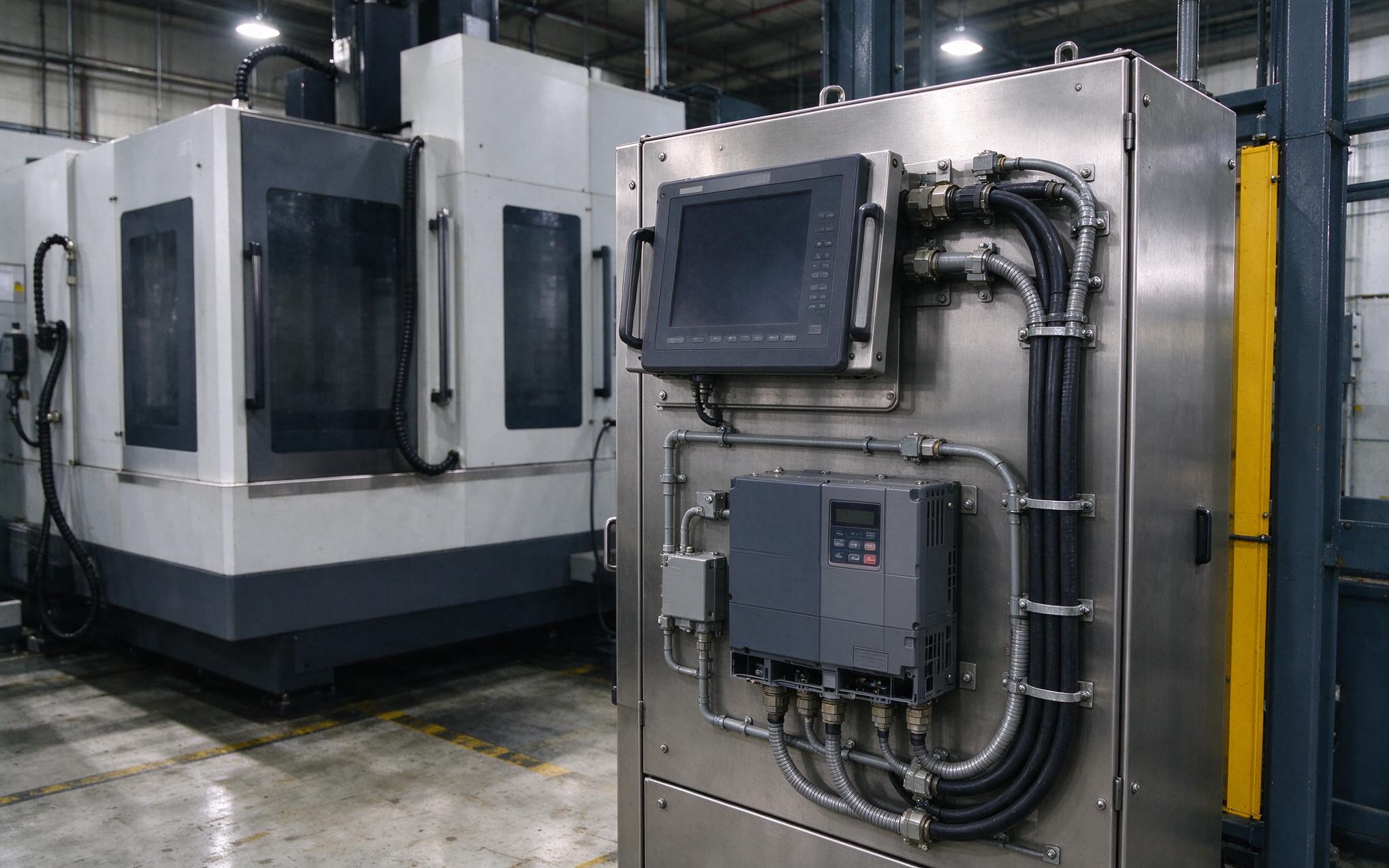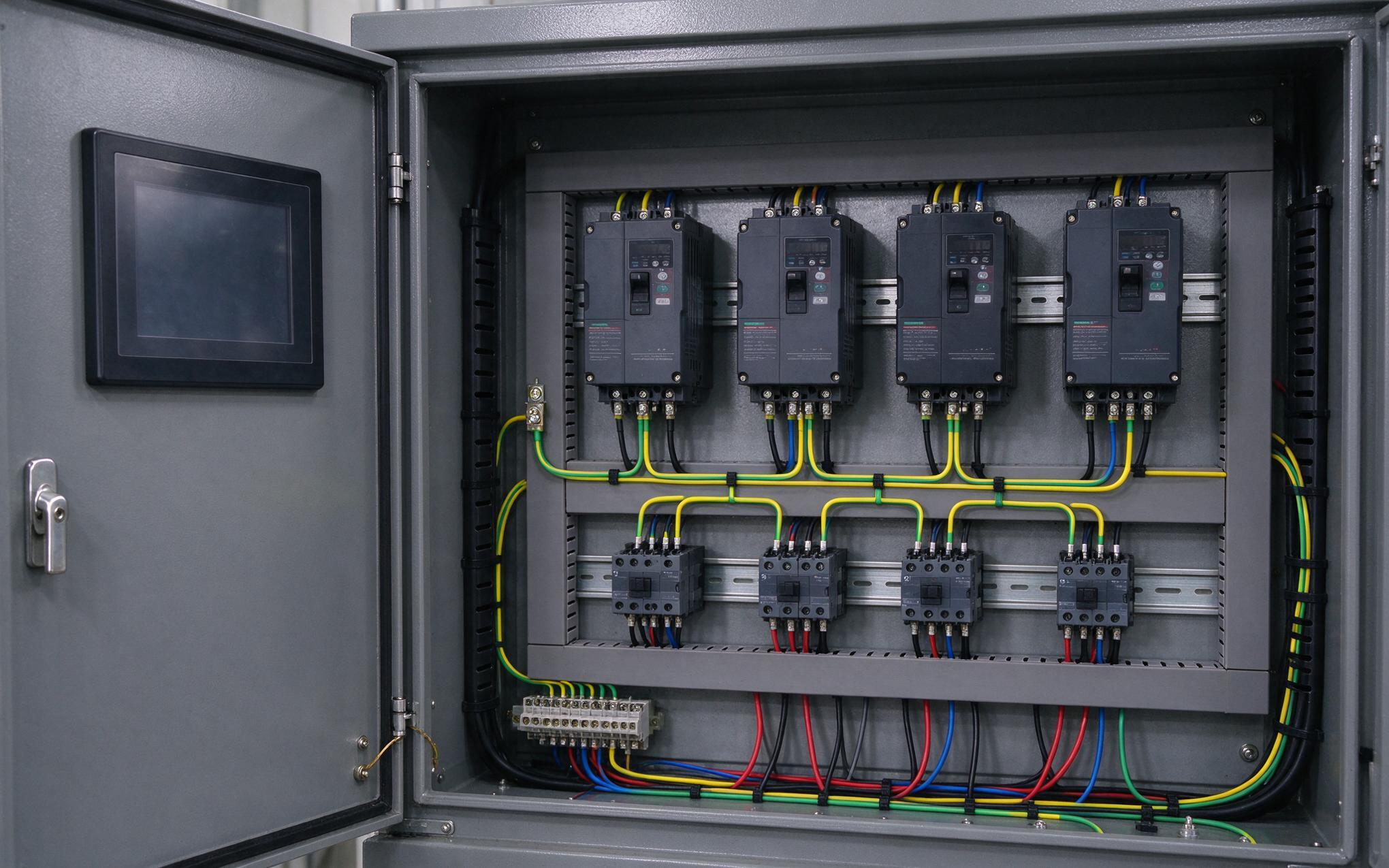
A pharmaceutical manufacturer in the Midwest halted two production lines last quarter when an FDA auditor flagged undocumented firmware versions across its industrial pc oem odm fleet. The audit trail for electronic batch records was incomplete, and no validation protocol existed for the ODM-sourced board-level components. Reassembling compliance documentation took three weeks and delayed shipments worth roughly $2.4 million. This scenario repeats across regulated industries where compliance demands on OEM and ODM hardware partners often surface too late to prevent audit failures.

Regulatory Frameworks Governing Industrial PC Deployments
Industrial pc oem odm systems in pharmaceutical, medical device, and food processing facilities must satisfy overlapping regulatory requirements beyond basic hardware specs. FDA 21 CFR Part 11 mandates validated systems with documented audit trails for electronic records and signatures. EU GMP Annex 11 imposes similar requirements on computerized systems in European manufacturing. IEC 62443 establishes cybersecurity segmentation zones that industrial PC oem odm hardware must respect to prevent lateral threat movement across operational technology networks. Each framework demands different documentation, but all converge on one expectation: the manufacturer must provide verifiable evidence that the hardware and firmware meet stated specifications at deployment and throughout the operational lifecycle.

Common Compliance Failures in OEM ODM Deployments
The most frequent compliance failure in OEM ODM industrial PC deployments originates from documentation gaps rather than hardware defects. Firmware and BIOS version tracking represents a primary vulnerability. When an ODM ships boards with updated microcode, the version change rarely propagates into the end user’s asset management system. By the time an auditor requests proof that deployed firmware matches the validated configuration, the trail has gone cold. Audit trail configuration presents a second challenge. Industrial PCs used in batch record management must log every user access, parameter change, and system event with tamper-evident timestamps. OEM manufacturers delivering generic operating system images without pre-configured audit logging leave integrators retrofitting compliance controls under pressure. Network security posture constitutes a third deficiency. Systems connecting to SCADA networks often lack pre-configured firewall rules or VLAN segmentation, violating IEC 62443 zone-and-conduit architecture requirements. Change management gaps represent a fourth failure point. When multiple OEM and ODM partners supply components for a single facility, tracking which hardware revision corresponds to which validated software image becomes a documentation challenge that collapses under audit scrutiny.

Embedding Compliance Into OEM ODM Hardware Design
Forward-thinking OEM and ODM manufacturers address these gaps by embedding validation checkpoints directly into the design and manufacturing process. Manufacturers like KOXIAN have adopted practices where each industrial pc oem odm production lot includes a compliance package containing firmware bill of materials, component traceability records, and pre-configured system images aligned with common regulatory frameworks. This approach shifts the compliance burden upstream. Instead of requiring the integrator to reconstruct documentation after deployment, the partner delivers a validated system with embedded audit capabilities. TPM 2.0 secure boot chains ensure firmware integrity from power-on through runtime. Pre-installed endpoint detection agents satisfy IEC 62443 baseline requirements. Configurable audit logging templates align with FDA 21 CFR Part 11 electronic record mandates. Facilities that transition from retrofitted compliance to OEM ODM-native validation frameworks report audit preparation cycles shrinking from several weeks to days, with fewer documentation deficiencies flagged by inspectors.

Evaluating Your OEM ODM Industrial PC Partner for Compliance
Selecting an industrial pc oem odm partner for regulated environments requires evaluating compliance readiness as a primary qualification criterion. Request documentation packages upfront. A qualified OEM/ODM partner should provide firmware BOM, component traceability, and pre-configured validation images before purchase order commitment. Conduct pre-shipment audits. Verify that the manufacturer’s quality management system aligns with your regulatory framework by requesting ISO 13485 certificates for medical applications or ISO 22000 compliance documentation for food processing. Establish change notification agreements requiring the ODM partner to notify you of firmware, component, or process changes affecting validated configurations. Manufacturers like KOXIAN support these requirements through structured change management protocols that maintain compliance continuity across product revisions. Finally, validate in your own environment. Pre-qualification testing should confirm that the system performs within specification under your actual operating conditions, including temperature extremes, vibration profiles, and electromagnetic interference levels.
Compliance in regulated industrial environments cannot be added after deployment. It must be architected into the OEM ODM product from the initial design review through every production lot. Facilities that treat compliance as a procurement checkbox rather than a manufacturing discipline will continue to face audit delays and production interruptions. The partners who build validation into their standard workflows deliver measurable value that extends well beyond hardware specifications.