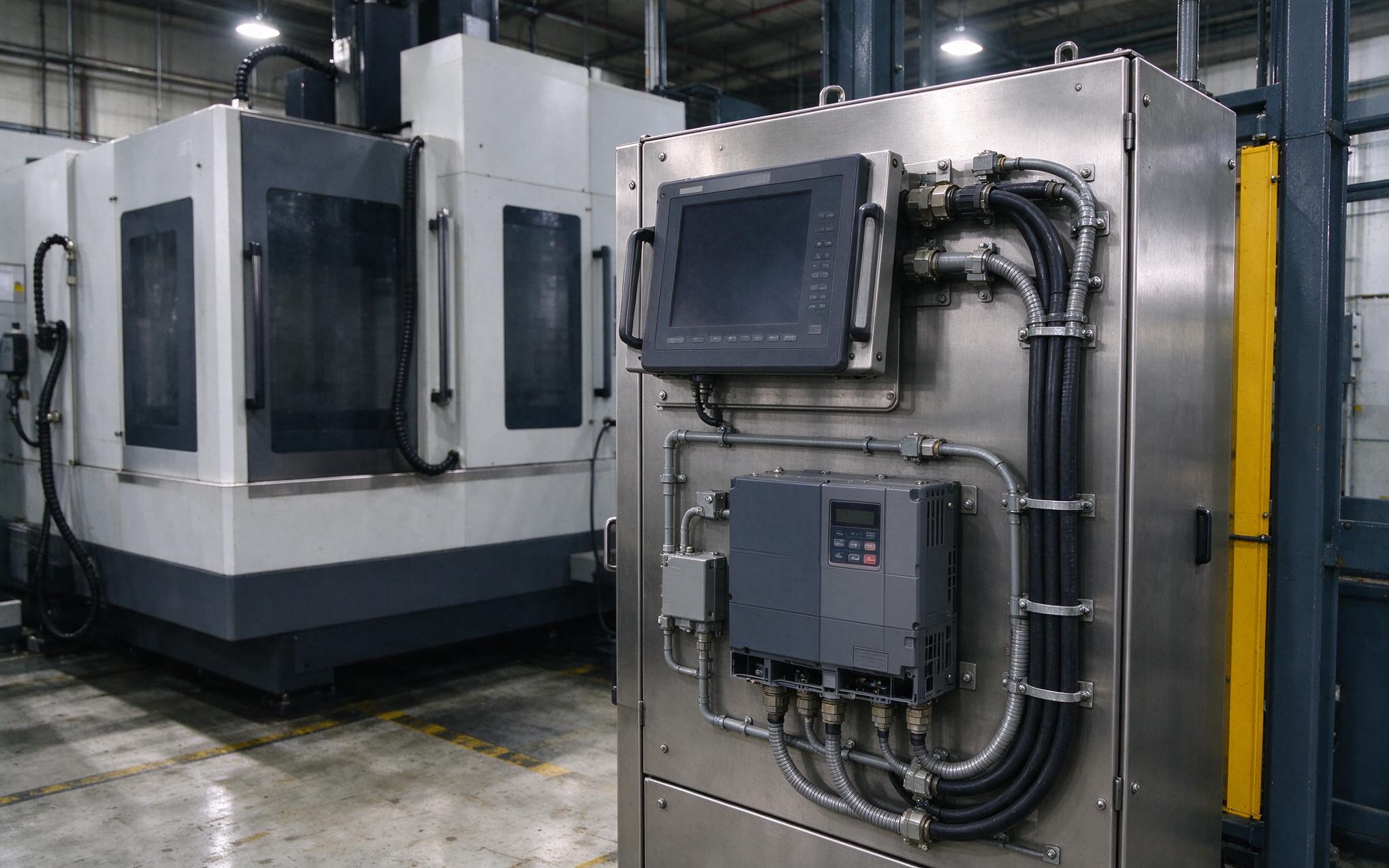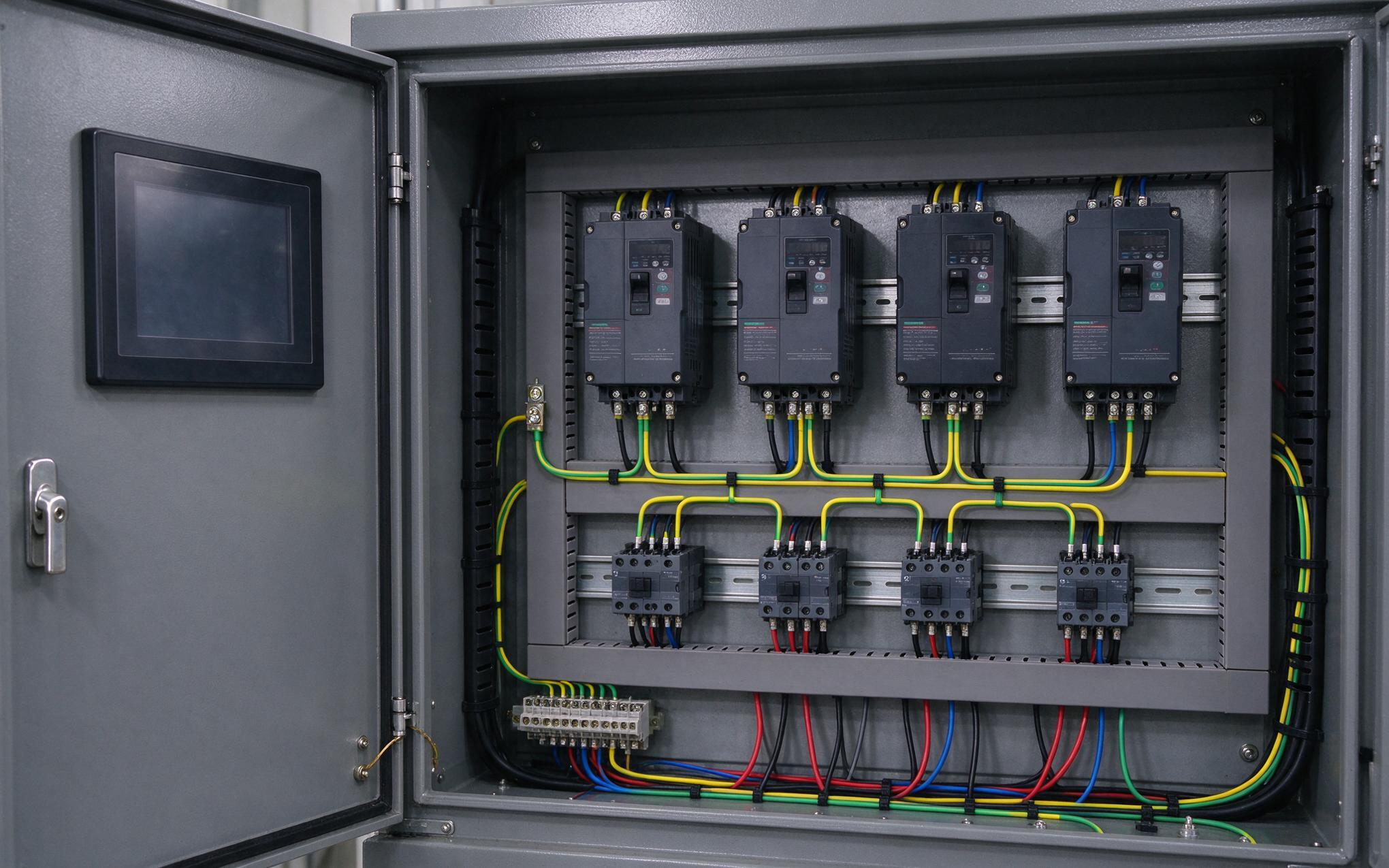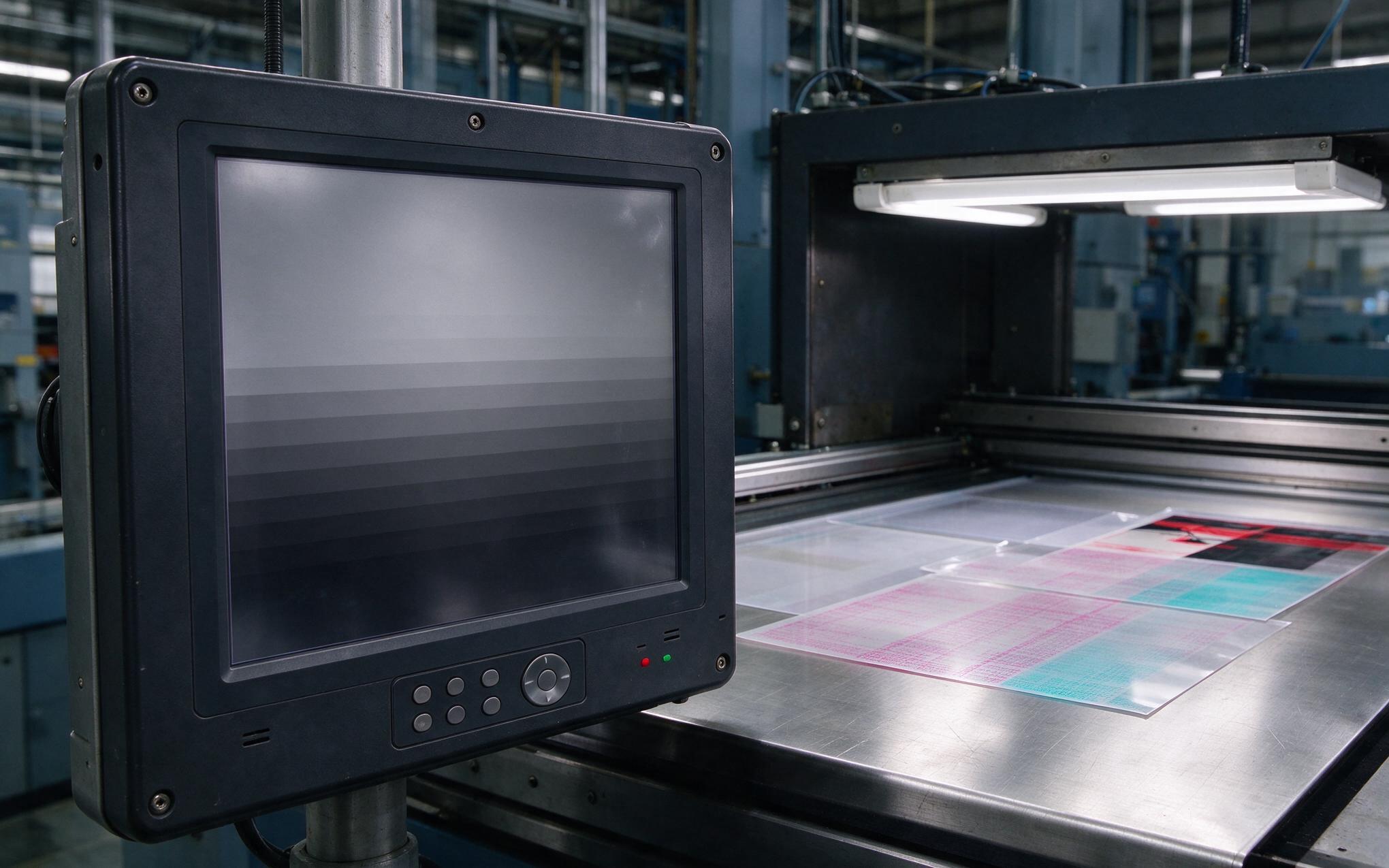
The global supply chain for industrial computing hardware intersects with a complex web of export control regulations. The United States International Traffic in Arms Regulations (ITAR) and Export Administration Regulations (EAR) impose restrictions on the export of certain technologies and components—including industrial panel PCs—based on the origin of their components, their technical capabilities, and their intended end use. For manufacturers and system integrators sourcing industrial panel PCs with domestically developed chipsets for international deployment, understanding the compliance landscape is essential.
Understanding the ITAR and EAR Regulatory Framework
ITAR, administered by the U.S. Department of State through the United States Munitions List (USML), controls the export of defense articles including military-grade electronics and radiation-hardened components. While standard commercial industrial panel PCs rarely fall under ITAR jurisdiction directly, the regulation becomes relevant when the panel PC is integrated into a defense system or contains ITAR-controlled specifications. EAR, administered by the U.S. Department of Commerce through the Commerce Control List (CCL), has broader applicability to commercial electronics. Industrial computing equipment typically falls under ECCN 4A003 or EAR99. The key compliance trigger for industrial panel PCs with domestic chipsets is the de minimis rule: if a product incorporates more than 25 percent controlled U.S.-origin content by value, it may be subject to EAR re-export controls even when manufactured outside the United States. For sanctioned destinations, the threshold drops to 10 percent.
Domestic Chipset Implications for Export Compliance
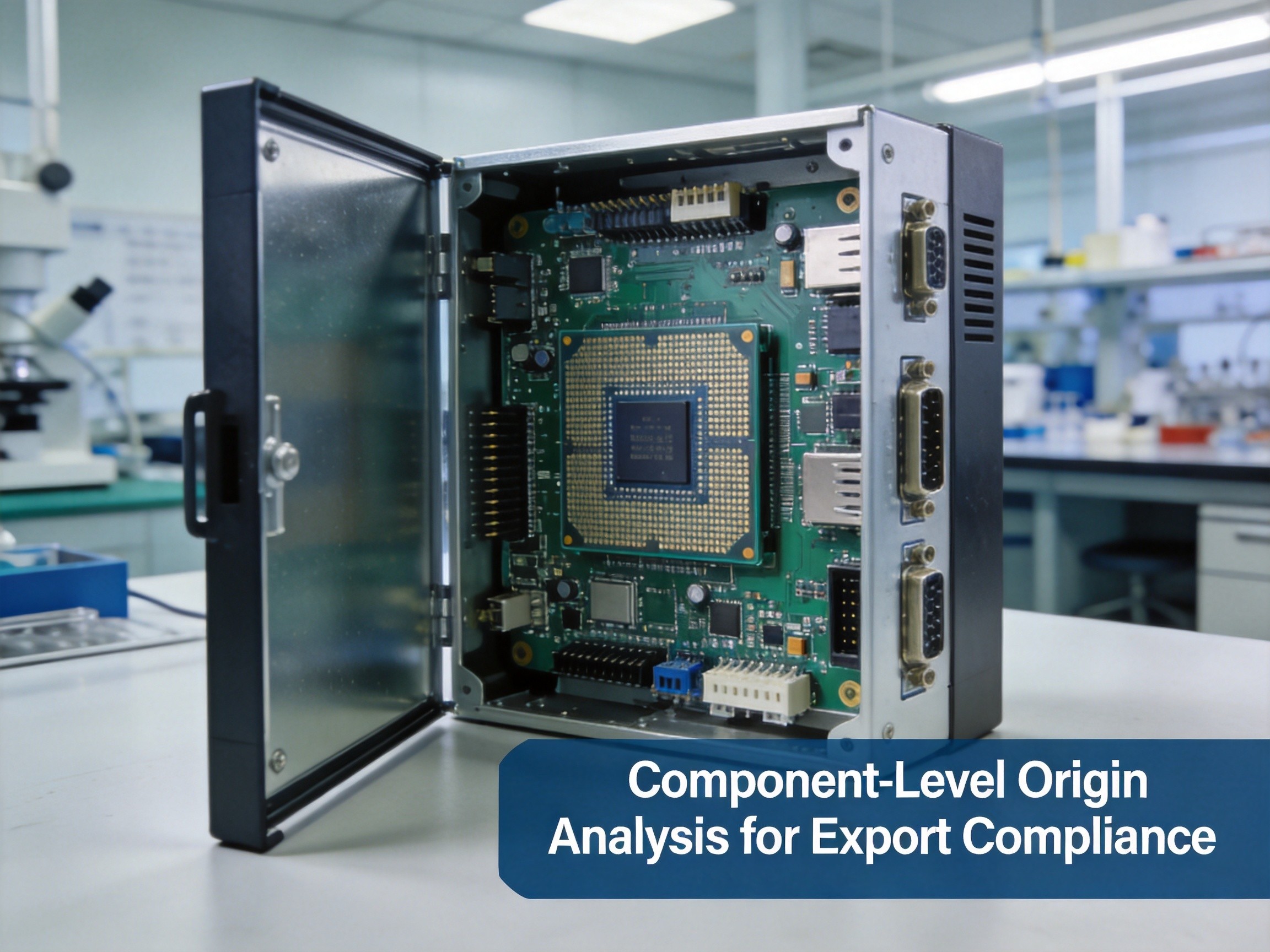
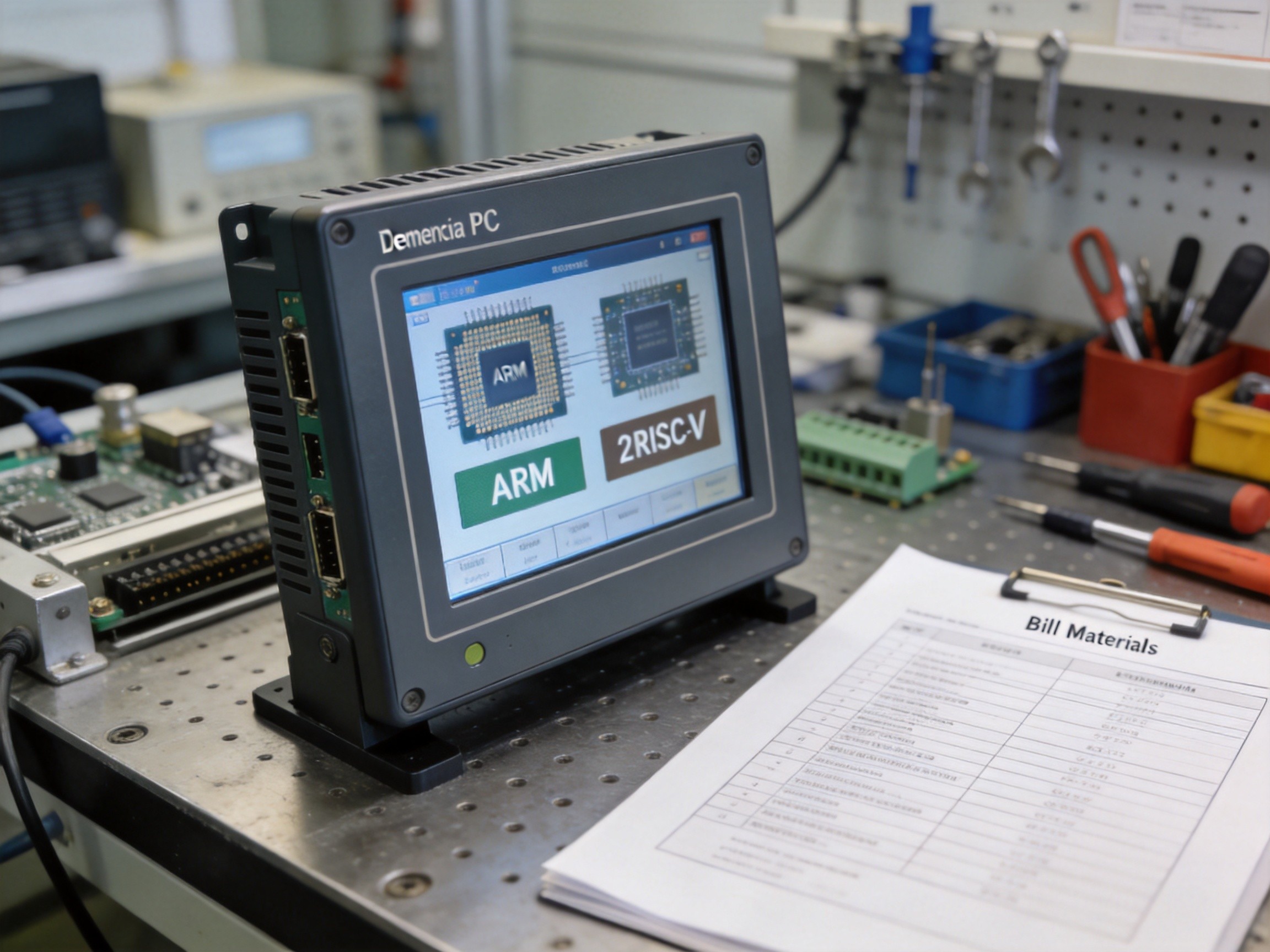
The increasing availability of domestically developed ARM, x86-compatible, and RISC-V processors from Chinese, European, and other non-U.S. manufacturers has created new options for industrial panel PC designs that reduce U.S.-origin controlled content. A panel PC built around a fully domestic chipset with no U.S.-origin components above the de minimis threshold may be classified as EAR99 and exported to most destinations without individual export licenses. However, this assessment must consider the entire bill of materials: memory chips, storage controllers, interface ICs, power management components, and even firmware and BIOS code may contain U.S.-origin intellectual property. KOXIAN industrial panel PCs configured with domestic chipset options undergo component-level origin analysis to support customer export compliance documentation, with a bill of materials identifying the country of origin and ECCN classification for each controlled component.
Compliance Pathways for International Deployment
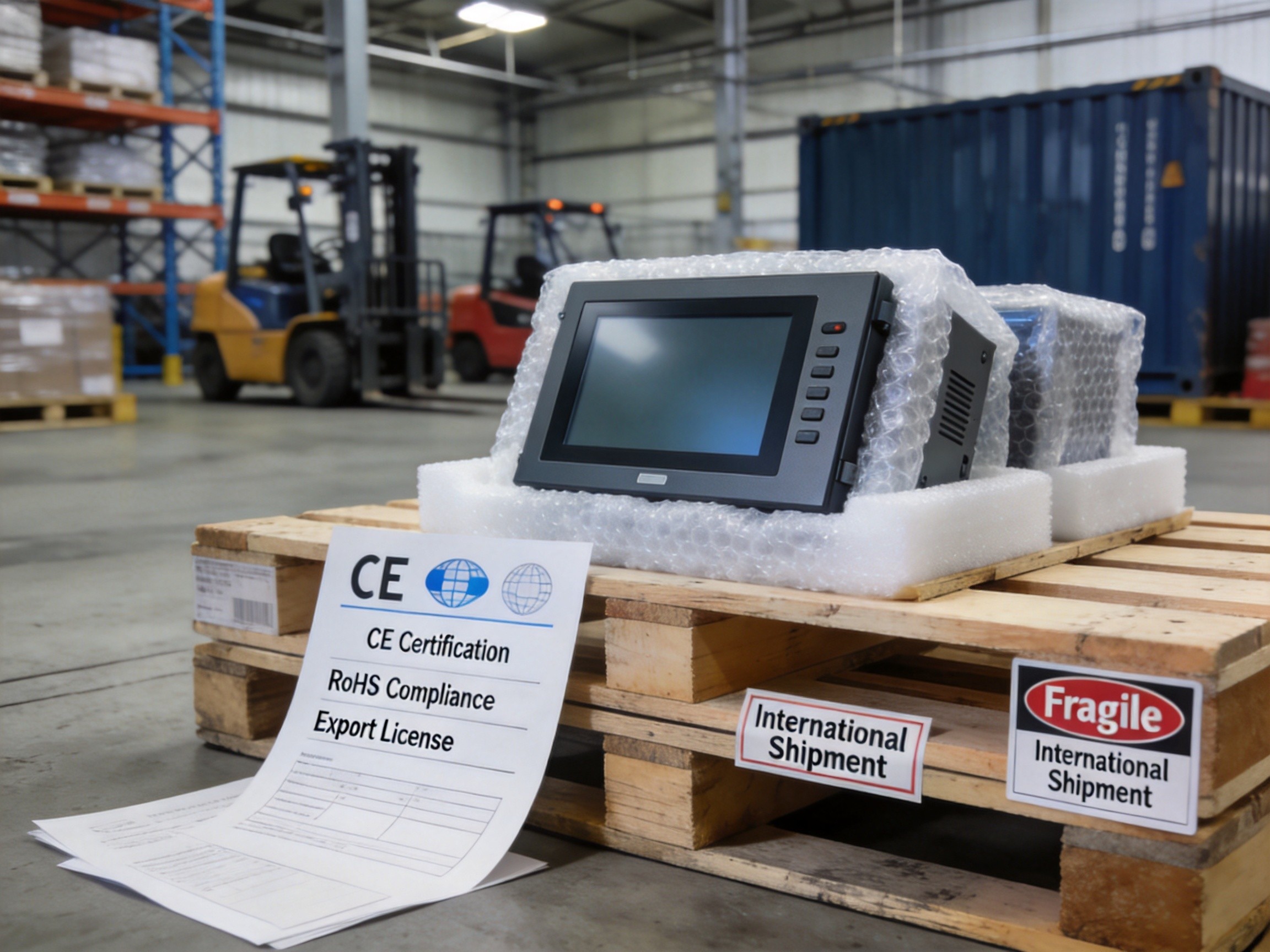
For industrial panel PC deployments targeting international markets, three compliance pathways are available. The domestic content pathway involves specifying panel PCs with chipsets that minimize U.S.-origin controlled content below the de minimis threshold, enabling EAR99 classification. The license exception pathway applies when controlled content exists but license exceptions such as ENC (encryption commodities) or APR (additional permissive reexports) apply based on destination, end user, and end use. The individual validated license pathway requires applying for a specific export license from the appropriate U.S. agency for restricted destinations or sensitive end uses. Industry practice samples from international industrial automation deployments indicate that engineering teams should engage export compliance specialists during the product specification phase—not after hardware has been purchased—to avoid costly remediation or shipment delays.
Chipset Selection for Global Markets
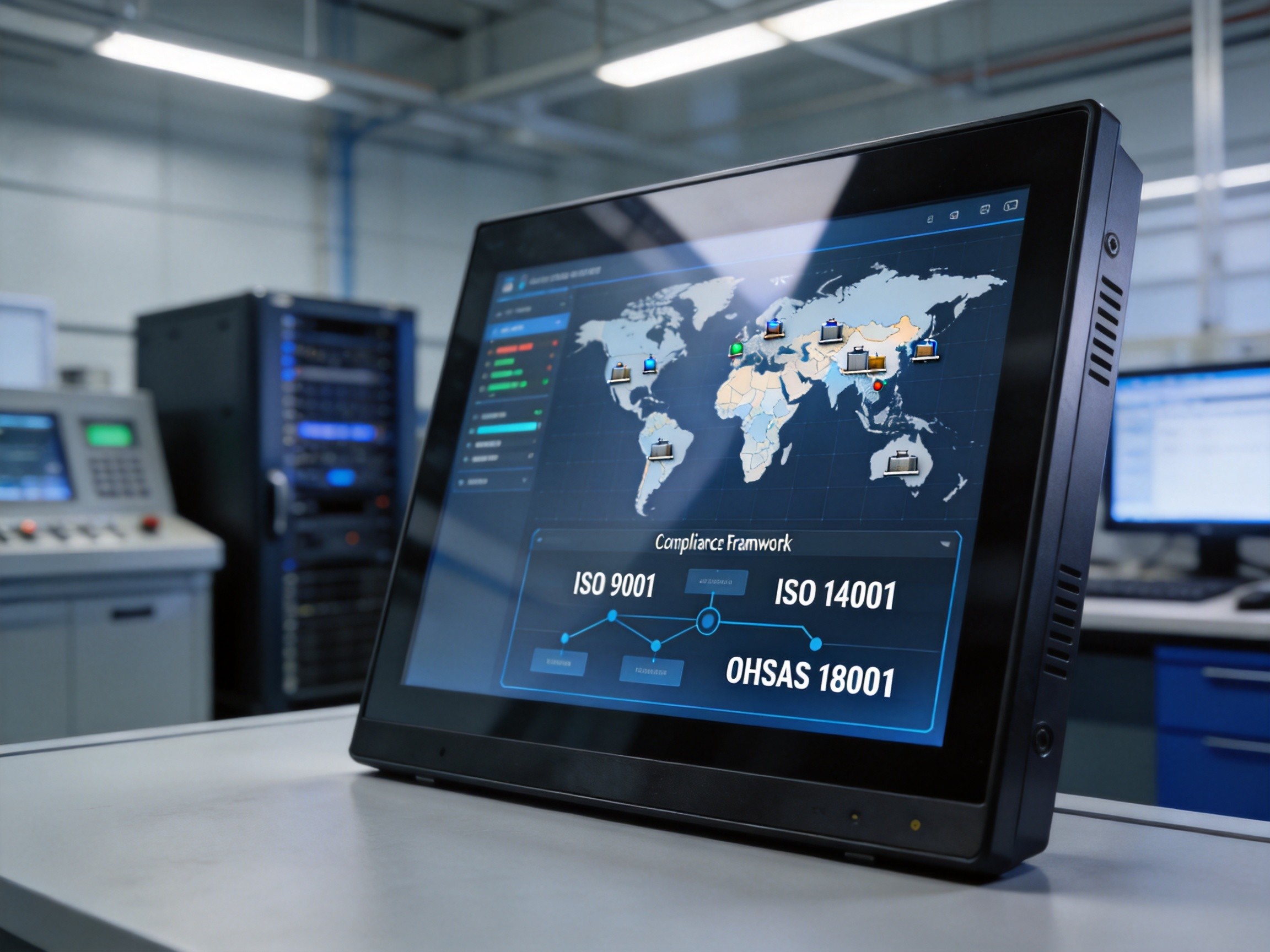
Industrial panel PC buyers targeting global deployment should adopt a structured chipset selection framework accounting for export compliance alongside technical performance and cost. The framework should identify destination countries and their regulatory classification, determine the acceptable level of U.S.-origin content, and evaluate chipset options against both technical requirements and compliance constraints. For deployments in countries subject to comprehensive U.S. sanctions, minimizing U.S.-origin content below 10 percent is essential. For allied nations, the standard 25 percent threshold provides greater flexibility. Engineering case references from multinational manufacturing operations demonstrate that the most successful global deployment strategies treat export compliance as a design constraint from the beginning of product selection, rather than as a shipping hurdle to be cleared at the end.
Conclusion
ITAR and EAR compliance for industrial panel PCs with domestic chipsets is a manageable engineering and procurement challenge when addressed proactively. The availability of domestic chipset options provides a viable pathway to reducing U.S.-origin controlled content and simplifying the export compliance profile. However, system-level analysis of the complete bill of materials—including firmware, software, and peripheral components—is essential to accurately determine regulatory classification. Organizations deploying industrial panel PCs across international borders should integrate export compliance assessment into their hardware specification and procurement processes, supported by component-level origin documentation from manufacturers and expert guidance on the applicable regulatory framework.