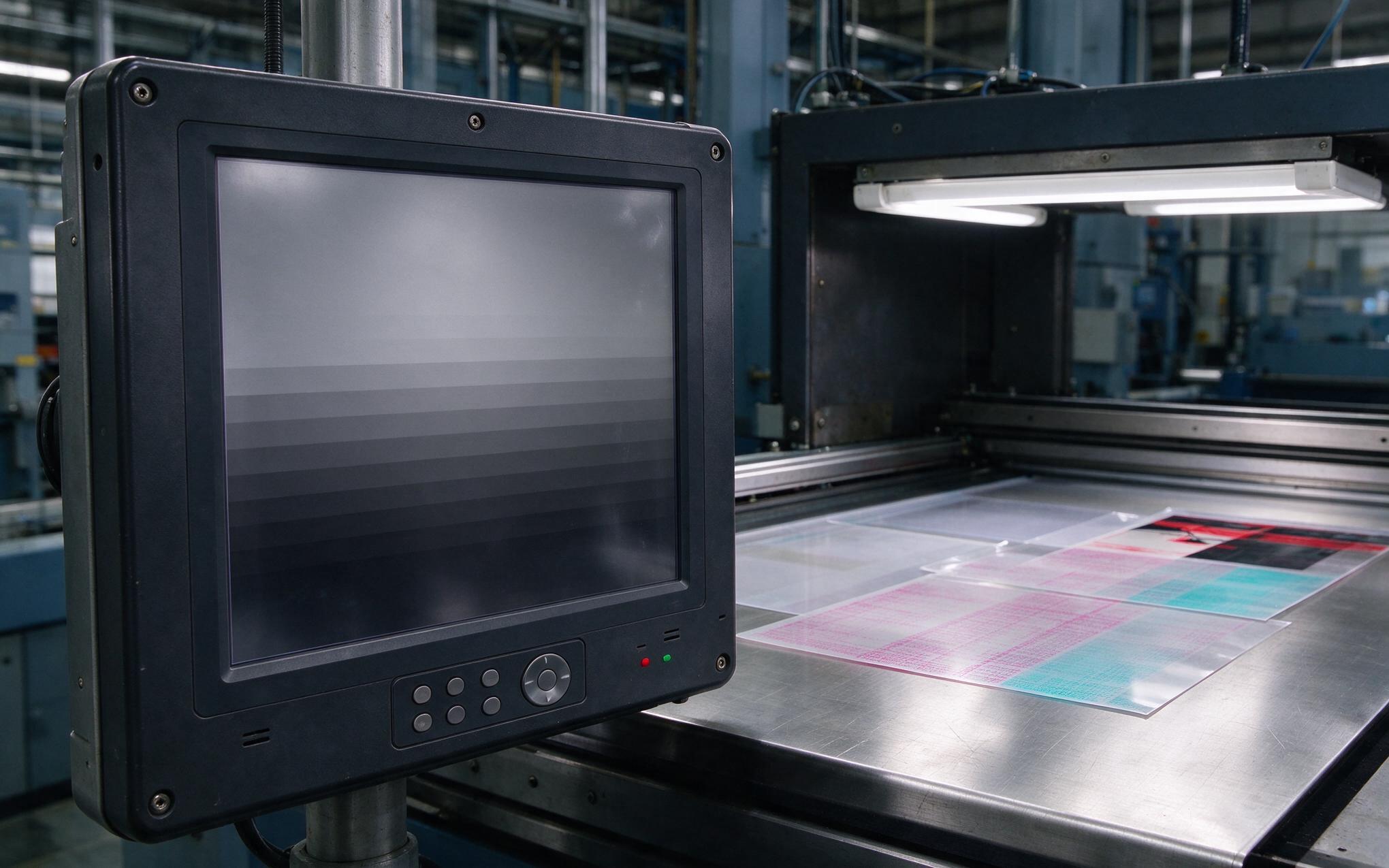
The mounting method selected for an industrial panel PC deployment is typically treated as a one-time mechanical decision during installation. However, mounting choices carry significant hidden costs over a 10-year lifecycle: installation labor, structural modification, maintenance accessibility, thermal management, and reconfiguration expenses when production lines change. A lifecycle cost analysis of the three dominant mounting methods—panel mount, VESA arm mount, and yoke mount—reveals cost differentials that can exceed $800 per workstation over a decade.
Panel Mount: Lowest Lifecycle Cost for Fixed Installations
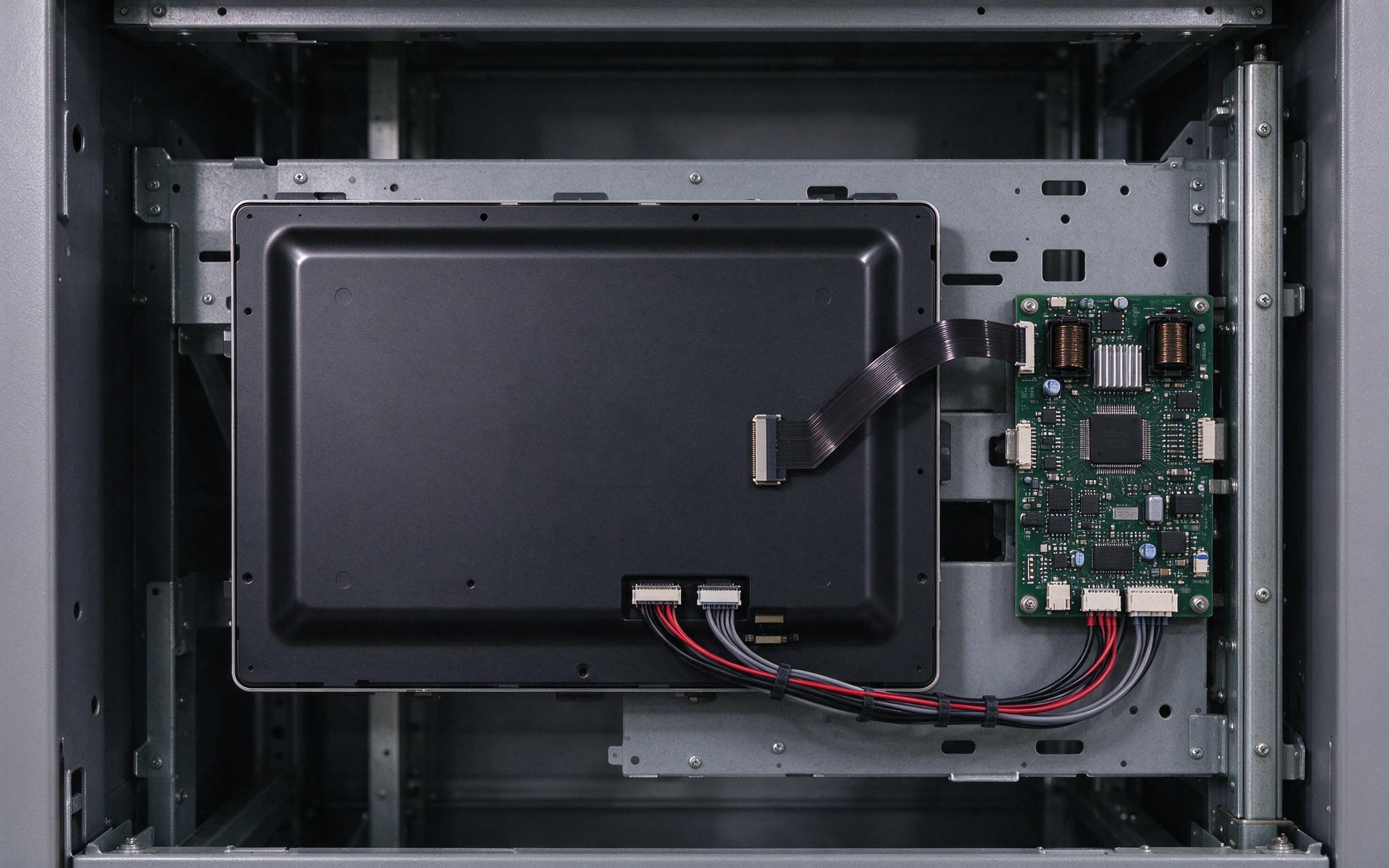
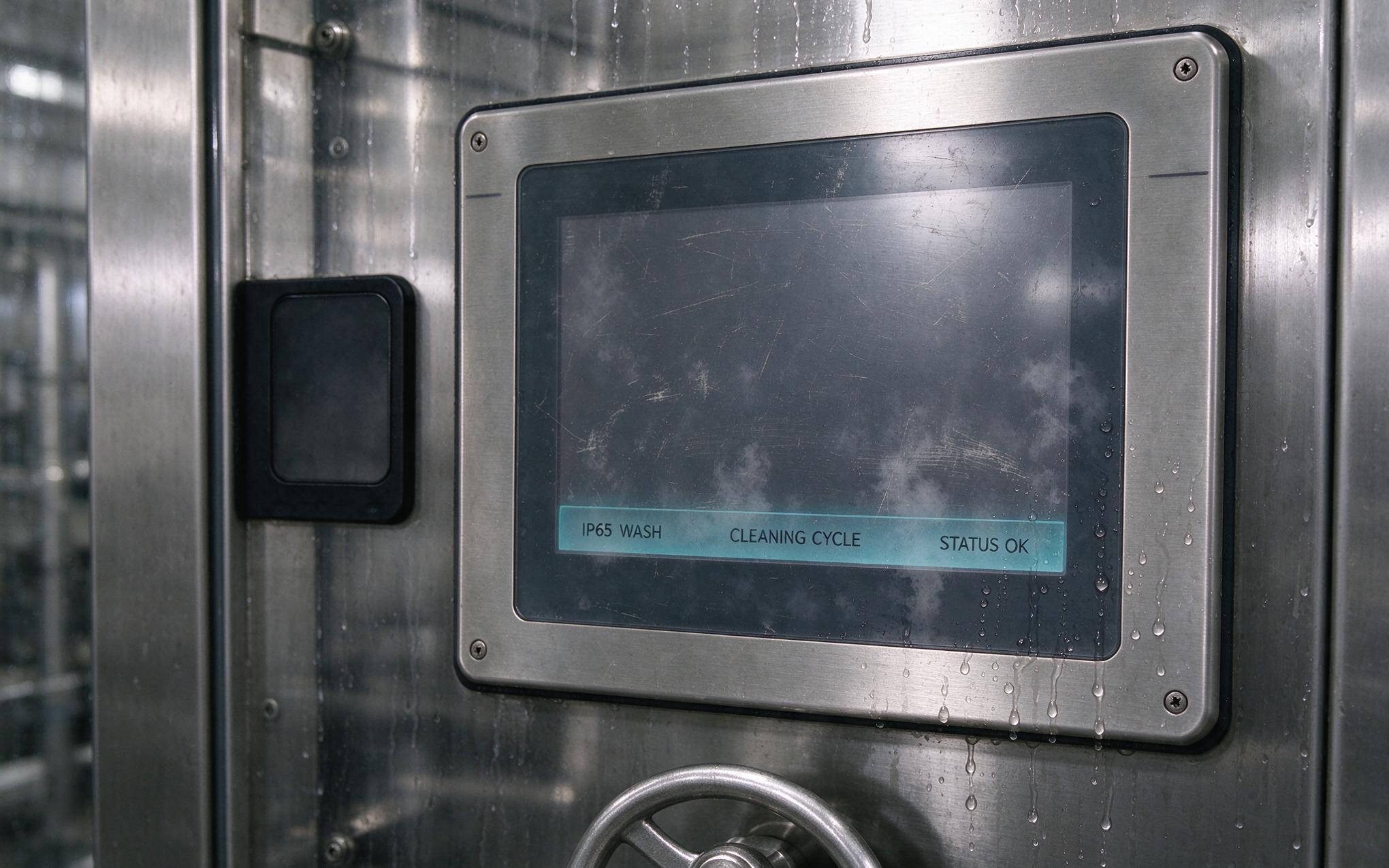
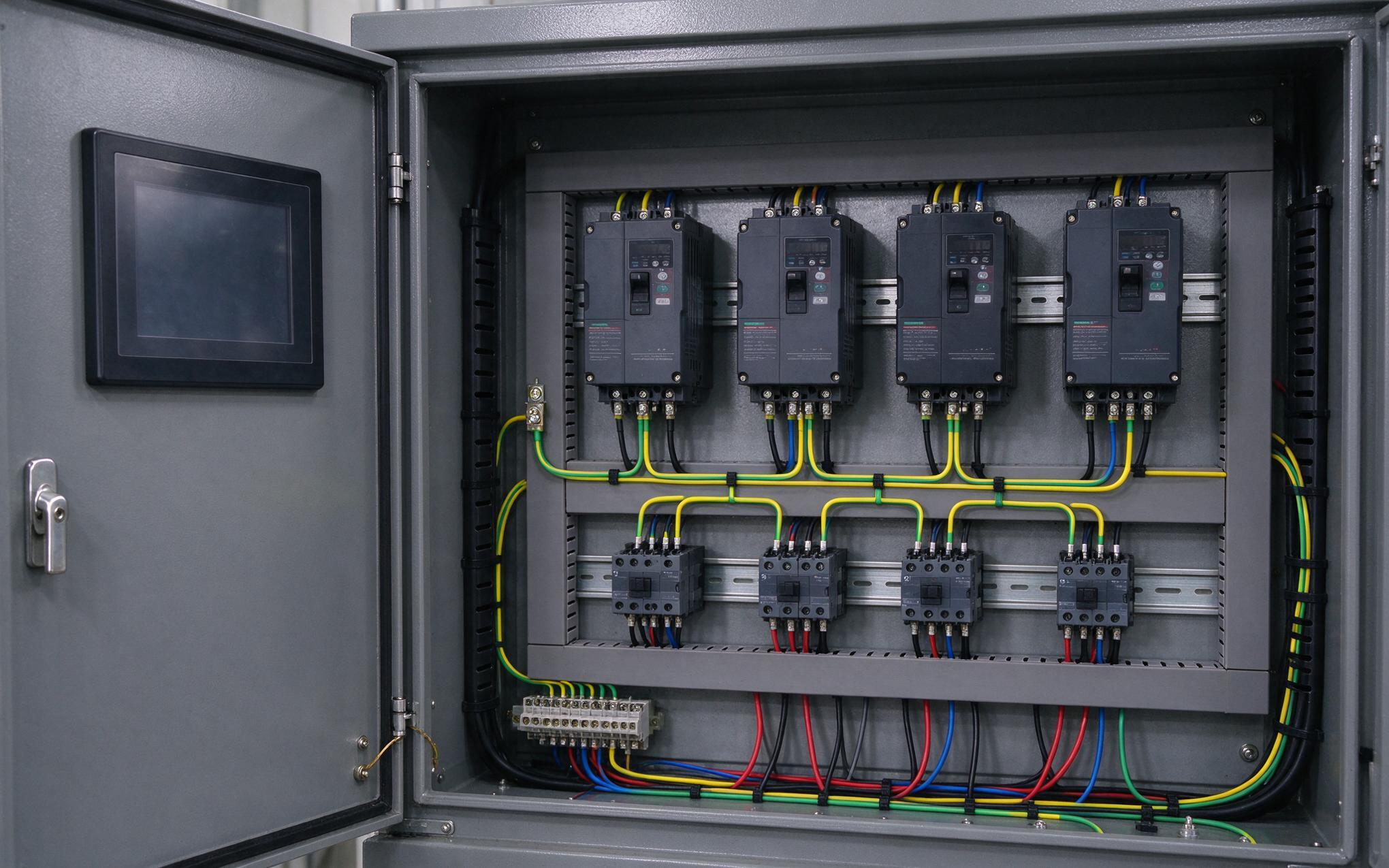
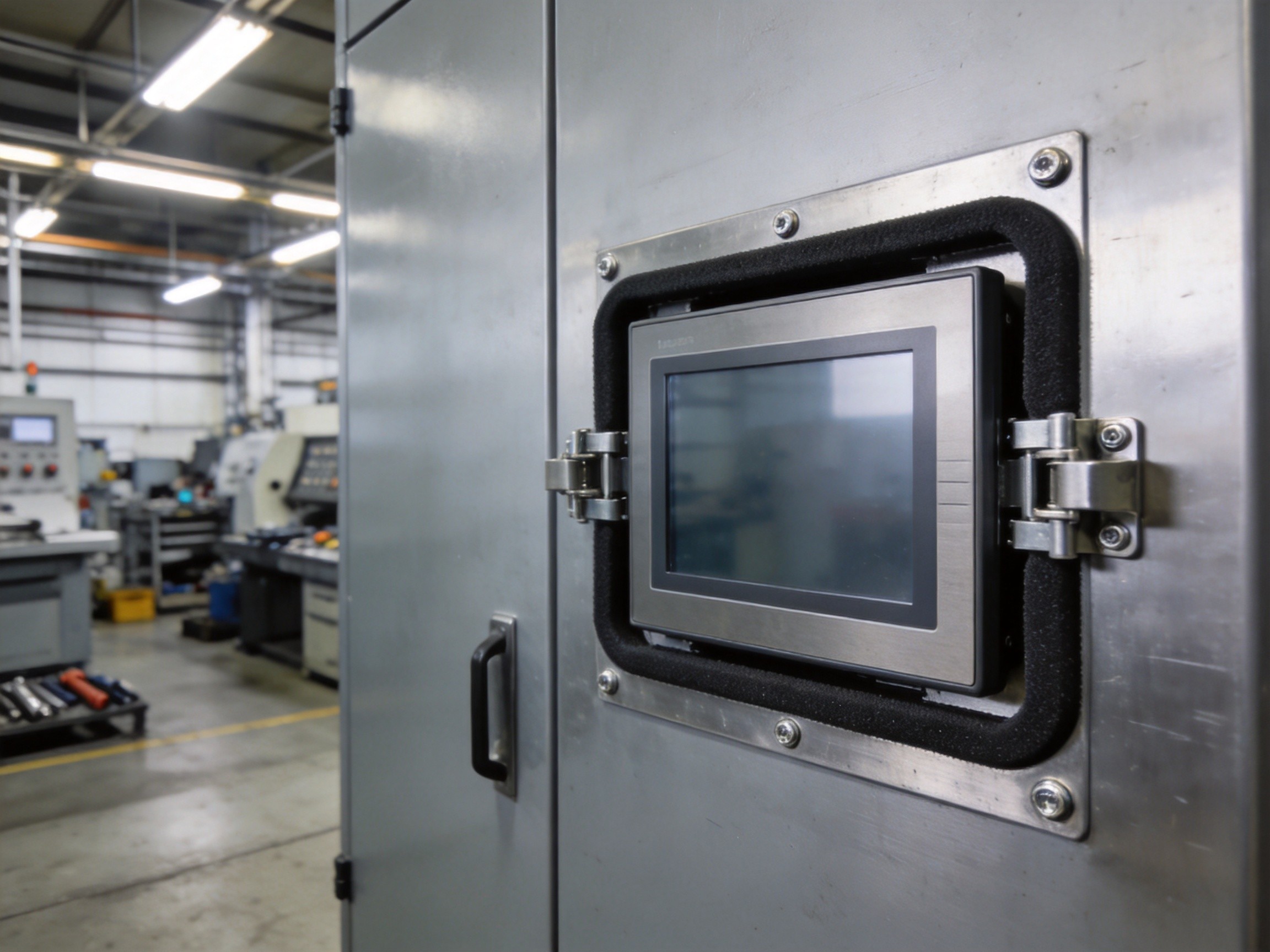
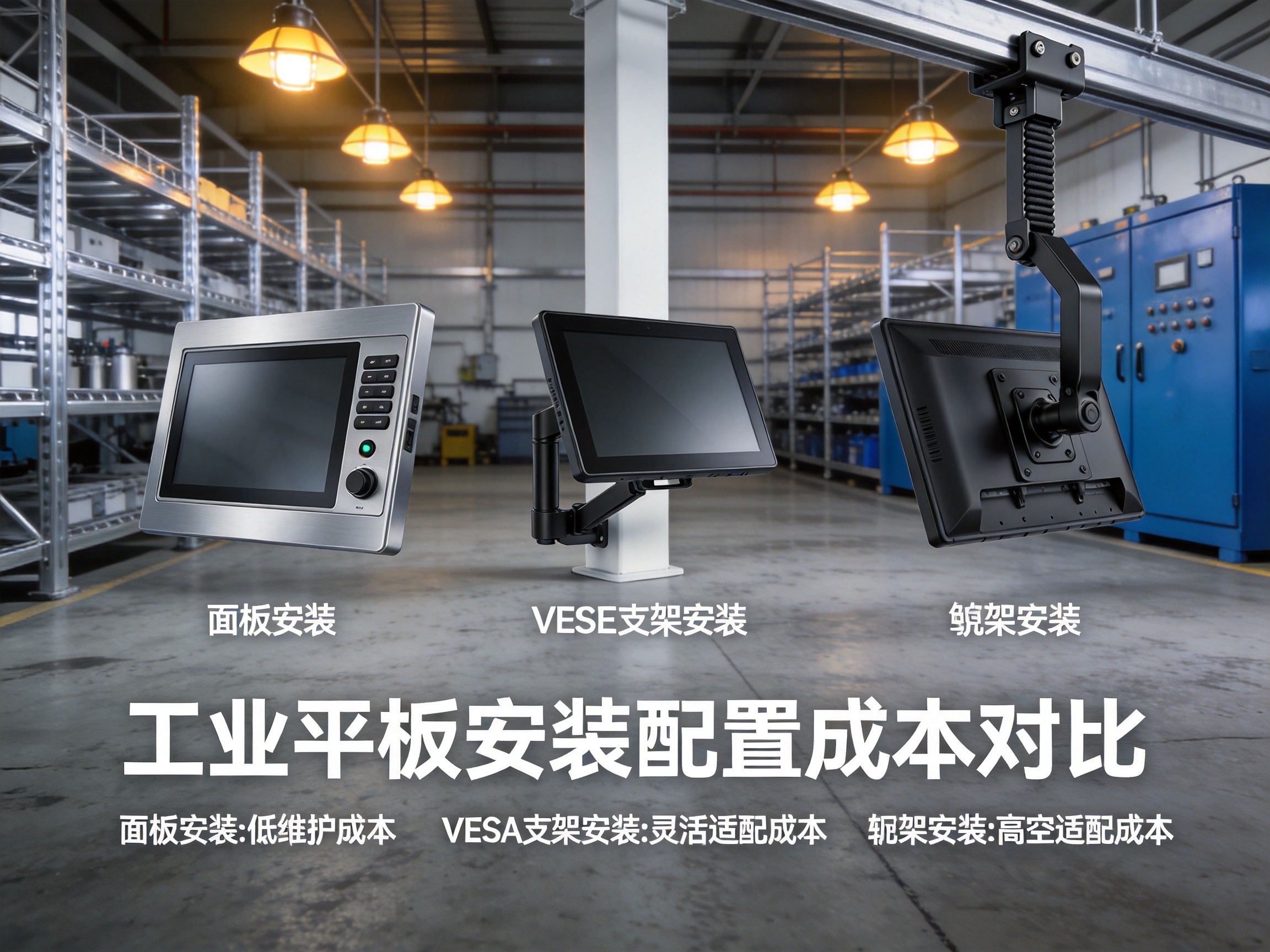
Panel mount installation involves cutting a rectangular opening in a control cabinet door and securing the panel PC from behind with mounting clamps. The initial installation cost is the highest of the three methods—requiring precision cutting, deburring, and gasket sealing to maintain the enclosure IP rating—typically 2 to 4 hours of skilled labor at $75 to $120 per hour. However, panel mount provides the lowest total lifecycle cost for fixed installations. The integrated appearance eliminates protruding brackets, the sealed installation maintains enclosure integrity, and the thermal path to the metal cabinet door provides a modest heat-sinking benefit. Over 10 years, panel mount requires zero maintenance beyond periodic gasket inspection. For deployments where the display position is permanent and the enclosure is part of the facility infrastructure, panel mount delivers the lowest total cost despite the higher initial installation expense.
VESA Mount: Flexibility at a Premium
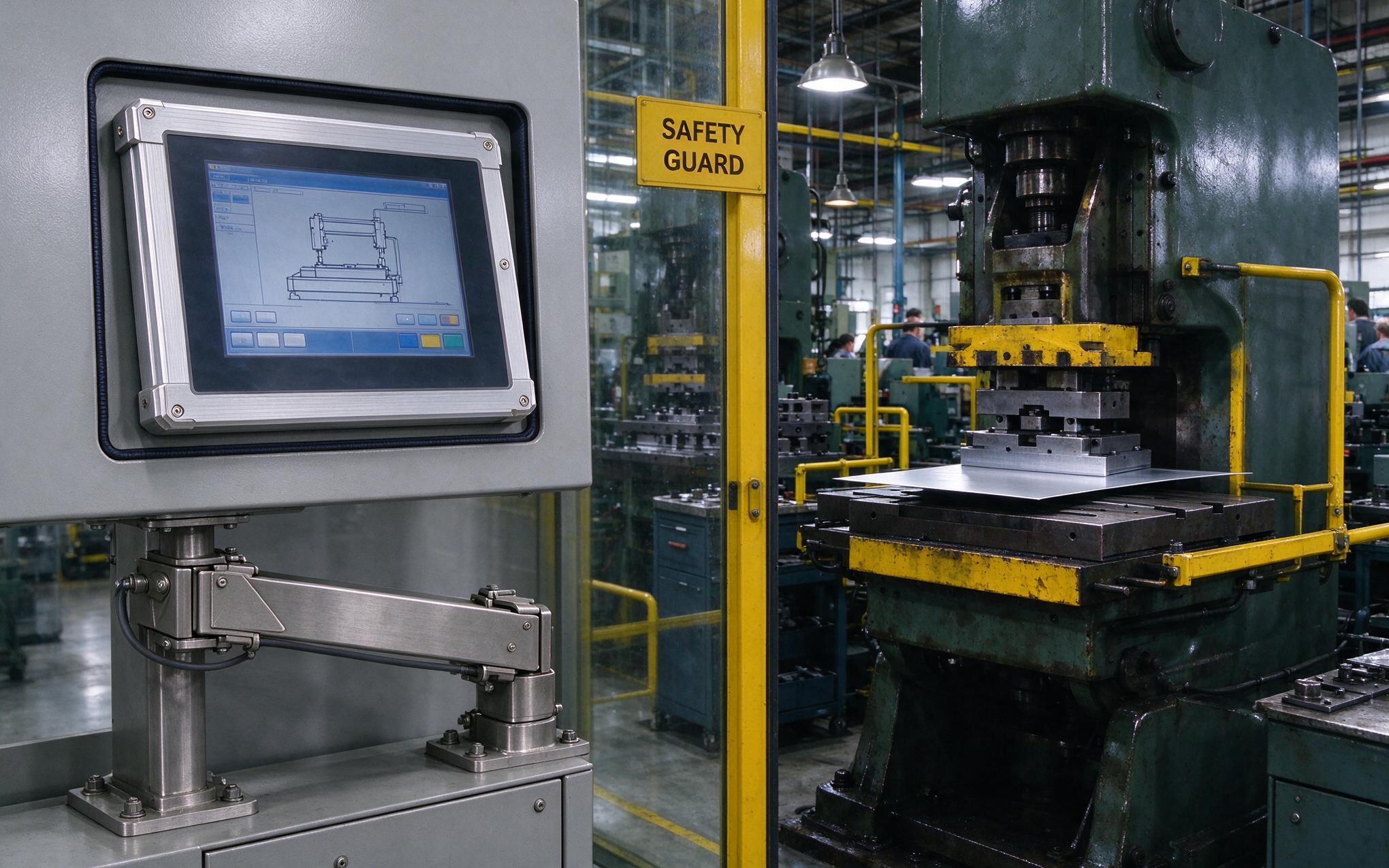
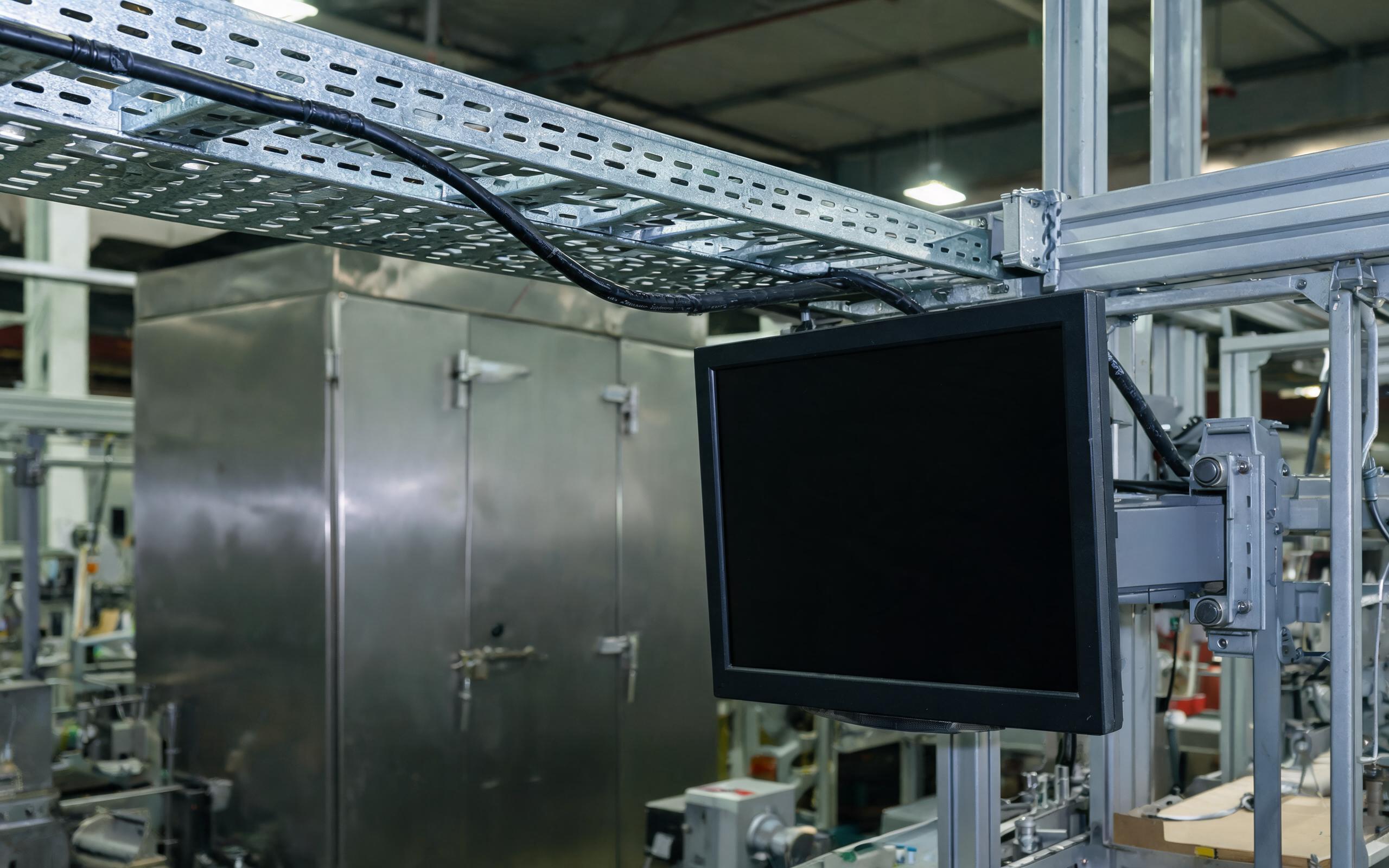
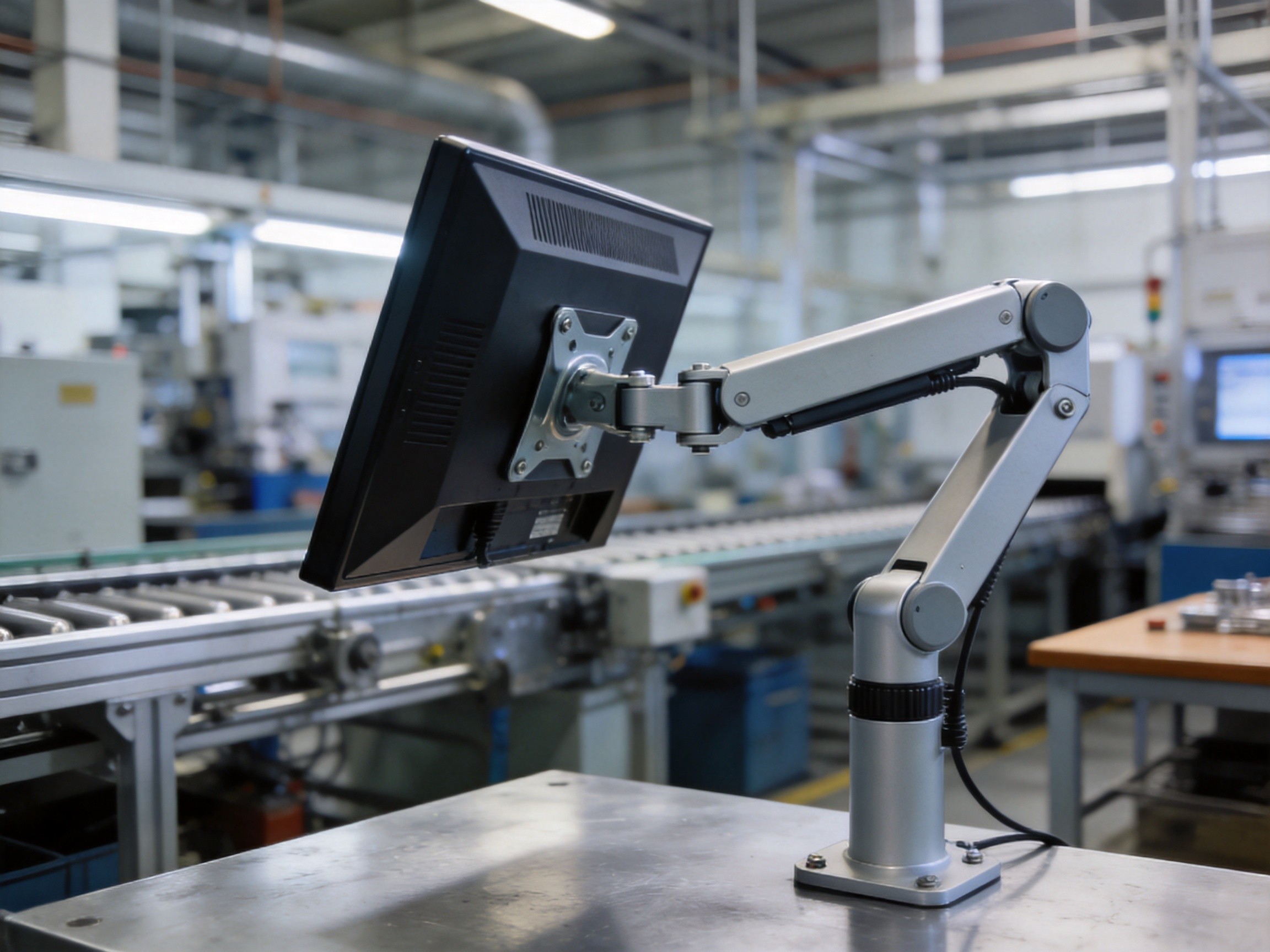
VESA-compatible mounting arms provide the greatest flexibility for operator positioning, allowing height adjustment, tilt, swivel, and rotation. Initial installation is straightforward—typically 30 to 60 minutes to bolt the arm to a wall or machine frame and attach the panel PC. However, the lifecycle cost is dominated by three factors. First, the articulating arm is a mechanical wear item: gas springs lose pressure, pivot joints develop play, and cable conduits degrade. Mid-lifecycle arm replacement adds $200 to $400. Second, VESA-mounted displays are more vulnerable to impact from forklifts and material handling equipment. Third, exposed cabling requires additional protection in contaminated environments. Industry practice samples indicate VESA mounting adds $500 to $800 in maintenance costs over 10 years compared to panel mount, justified only when the display position must be frequently adjusted for different operators or production configurations.
Yoke Mount: Bridging Fixed and Flexible
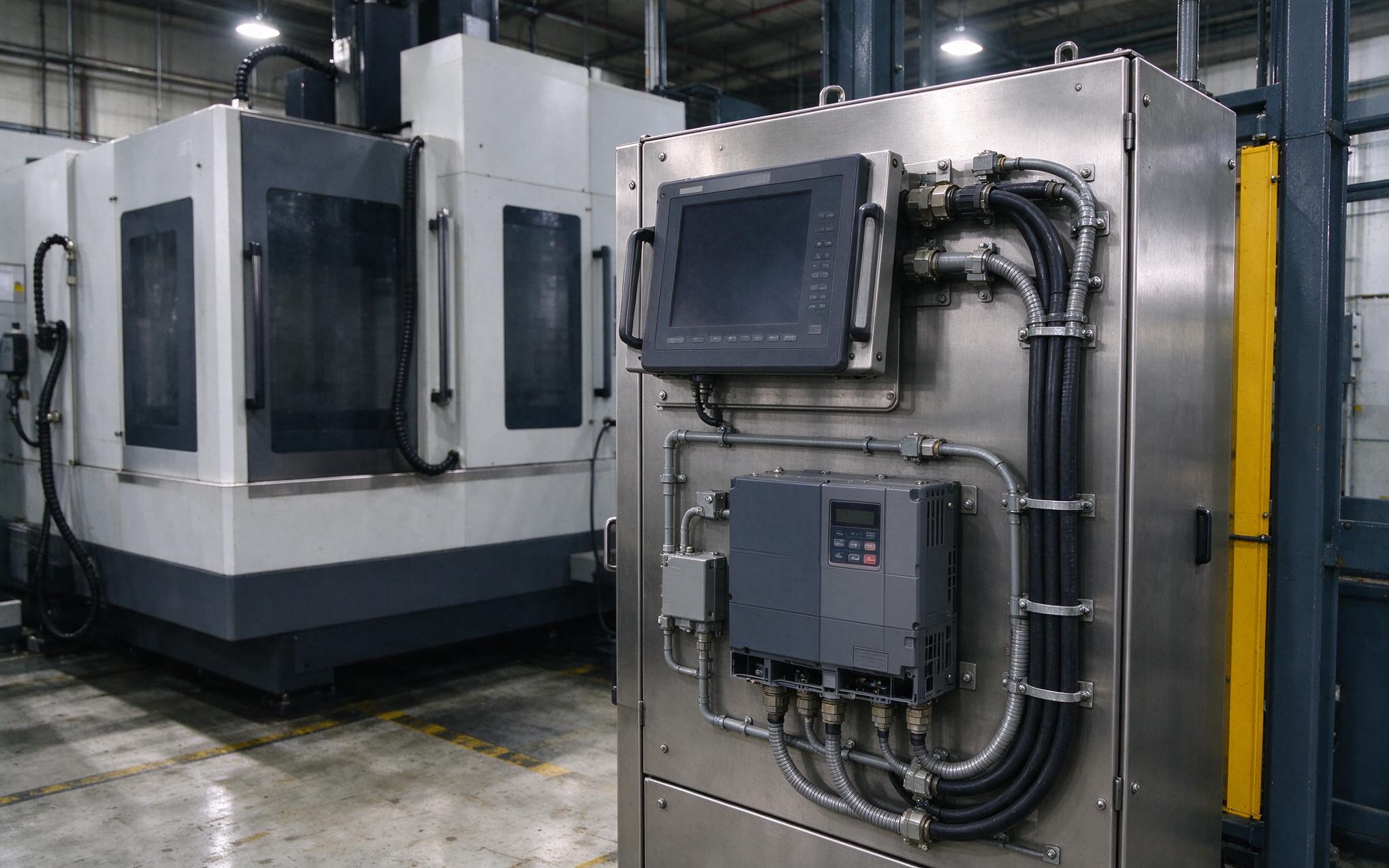
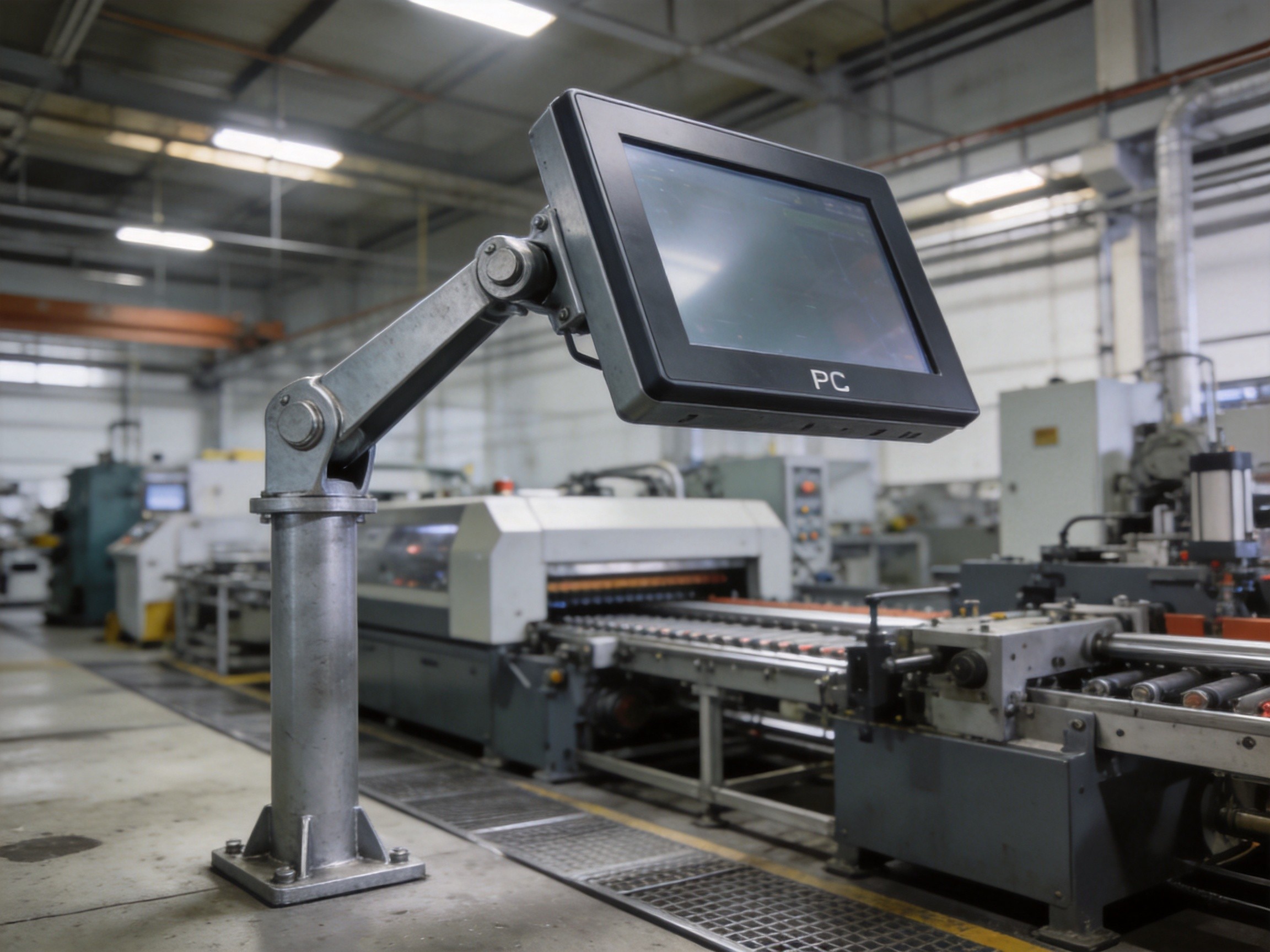
Yoke mounting uses a fixed steel bracket or pedestal to support the panel PC from below or from the sides, typically attached to the machine frame or a floor-mounted pedestal. This approach occupies a middle ground between the permanence of panel mount and the flexibility of VESA. Yoke mounts provide tilt adjustment but lack the full range of articulating arms. Initial cost is comparable to VESA, but lifecycle cost is lower because the fixed bracket has no mechanical wear components. The primary cost driver for yoke mounts is floor space consumption: pedestal-mounted yokes occupy space that could be used for material staging or operator movement. KOXIAN industrial panel PCs with VESA-compatible mounting patterns support all three methods, enabling deployment teams to select the optimal method per workstation without hardware constraints.
The 10-Year Cost Comparison
Panel mount installations carry a 10-year cost of $300 to $500 with near-zero ongoing costs. VESA arm installations begin at $150 to $300 but accumulate $500 to $800 in arm replacement and cable management. Yoke mount installations fall between at $200 to $400 initial with $100 to $200 in ongoing maintenance. The selection should be driven by production line stability: fixed installations benefit from panel mount, operator-adjustable deployments justify the VESA premium, and machine-mounted displays with limited tilt needs are well served by yoke mounting.
Conclusion
Mounting method selection is a lifecycle cost decision, not a mechanical convenience choice. Panel mount delivers the lowest total cost for stable installations despite higher upfront labor, while yoke mount provides a cost-effective middle ground. Procurement teams should include mounting method lifecycle costs in their TCO models to ensure the decade-long cost of ownership is accurately reflected in the initial deployment budget.