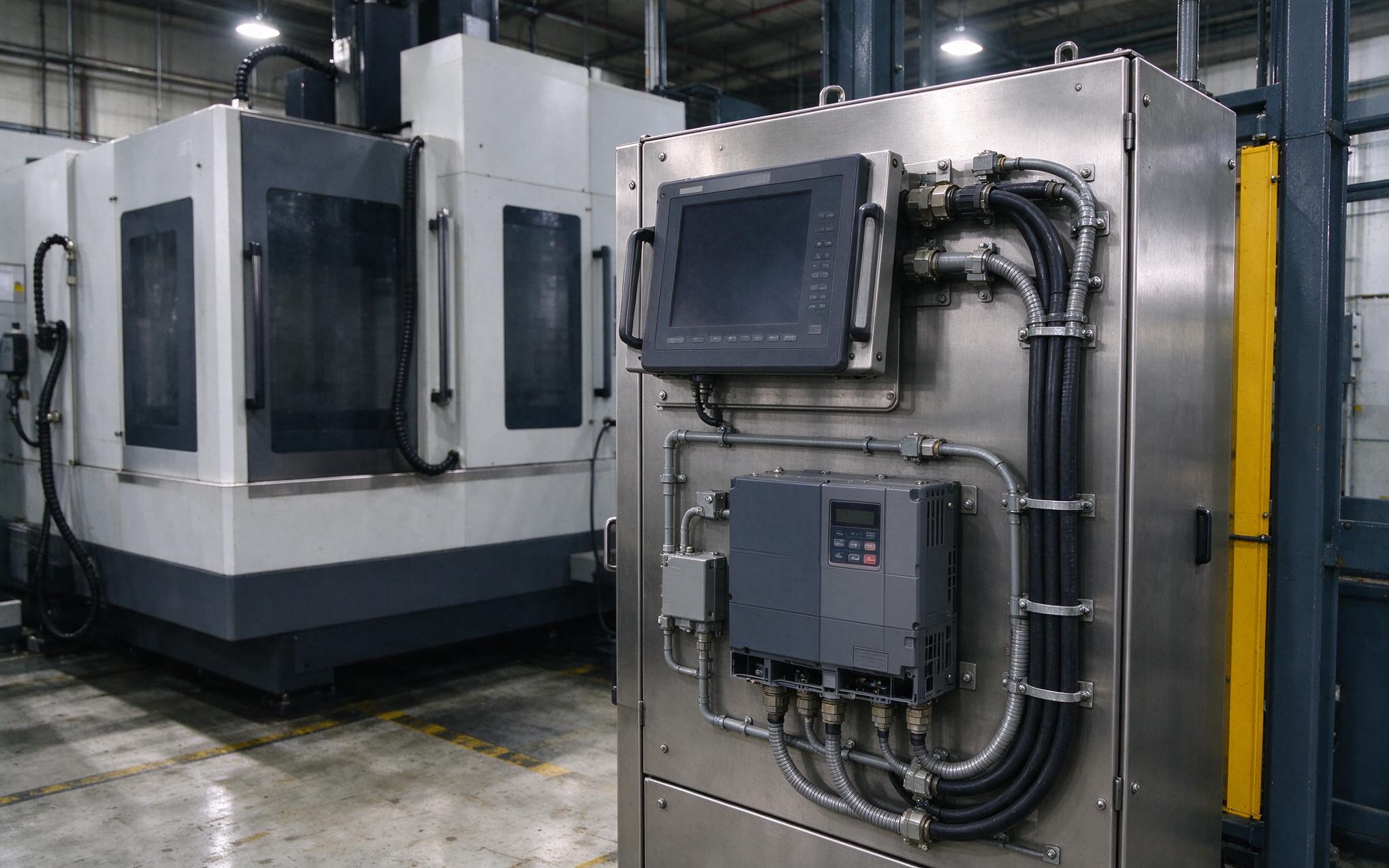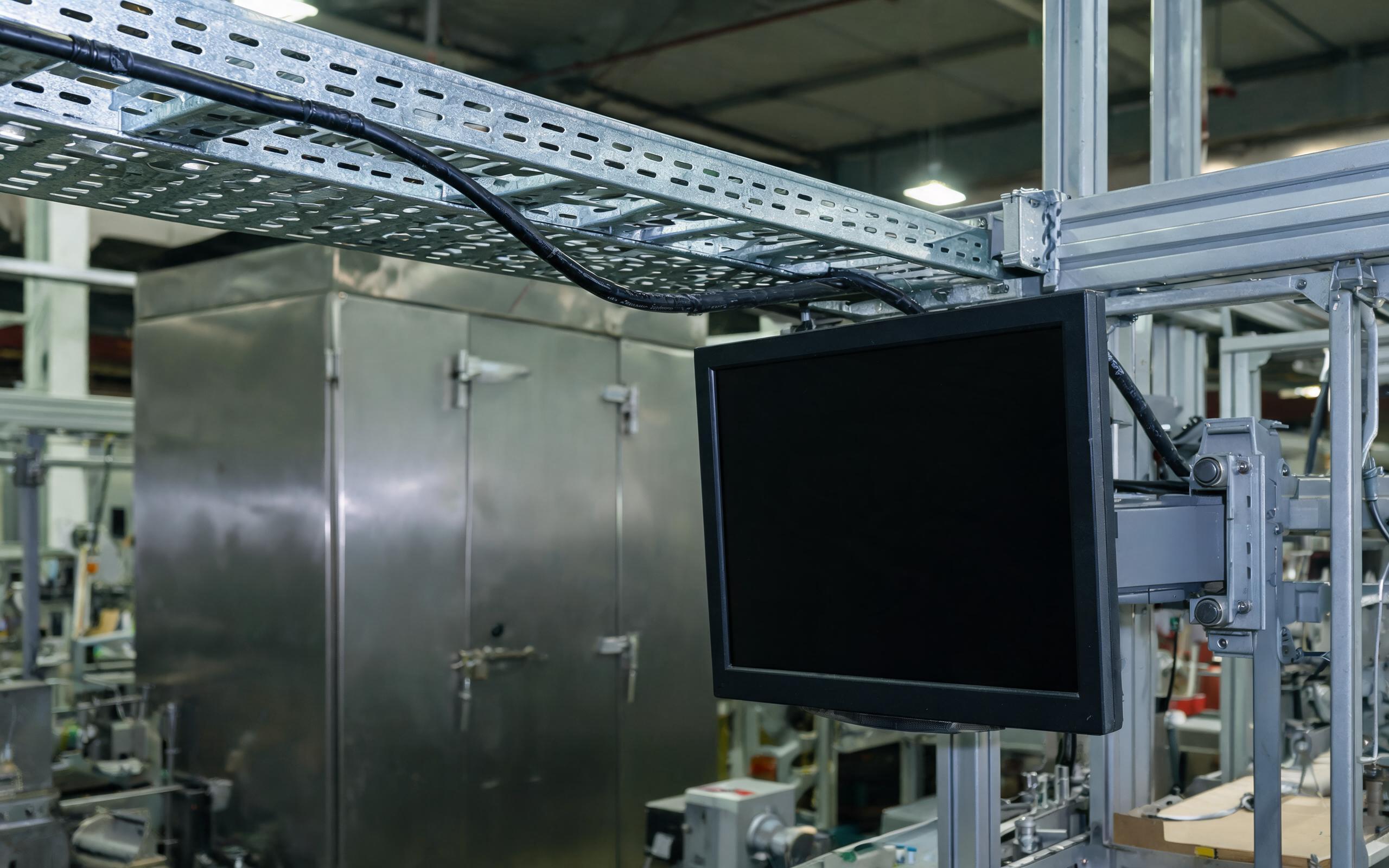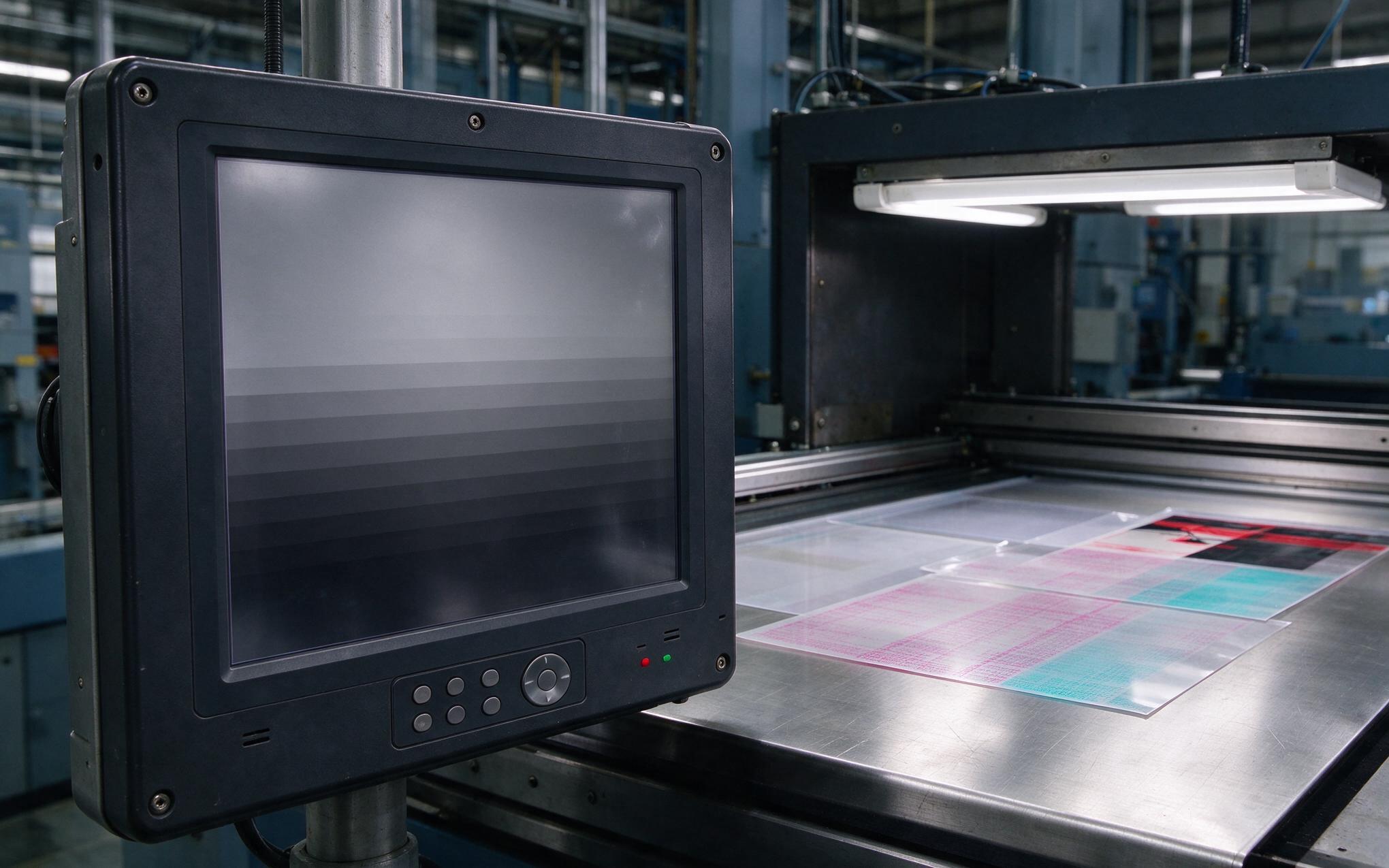
Outdoor industrial terminals deployed at fuel stations, logistics yards, agricultural facilities, and transportation hubs face an unforgiving combination of environmental stressors: ultraviolet radiation, precipitation, temperature extremes, dust, and physical impact. Many of these installations still rely on legacy terminals designed a decade or more ago, when outdoor-rated industrial computing options were limited and expensive. The retrofit of these aging assets with modern IP65-rated industrial panel PCs represents a significant opportunity to improve reliability, reduce maintenance costs, and enable new digital capabilities at the operational edge.
The Failure Modes of Legacy Outdoor Terminals
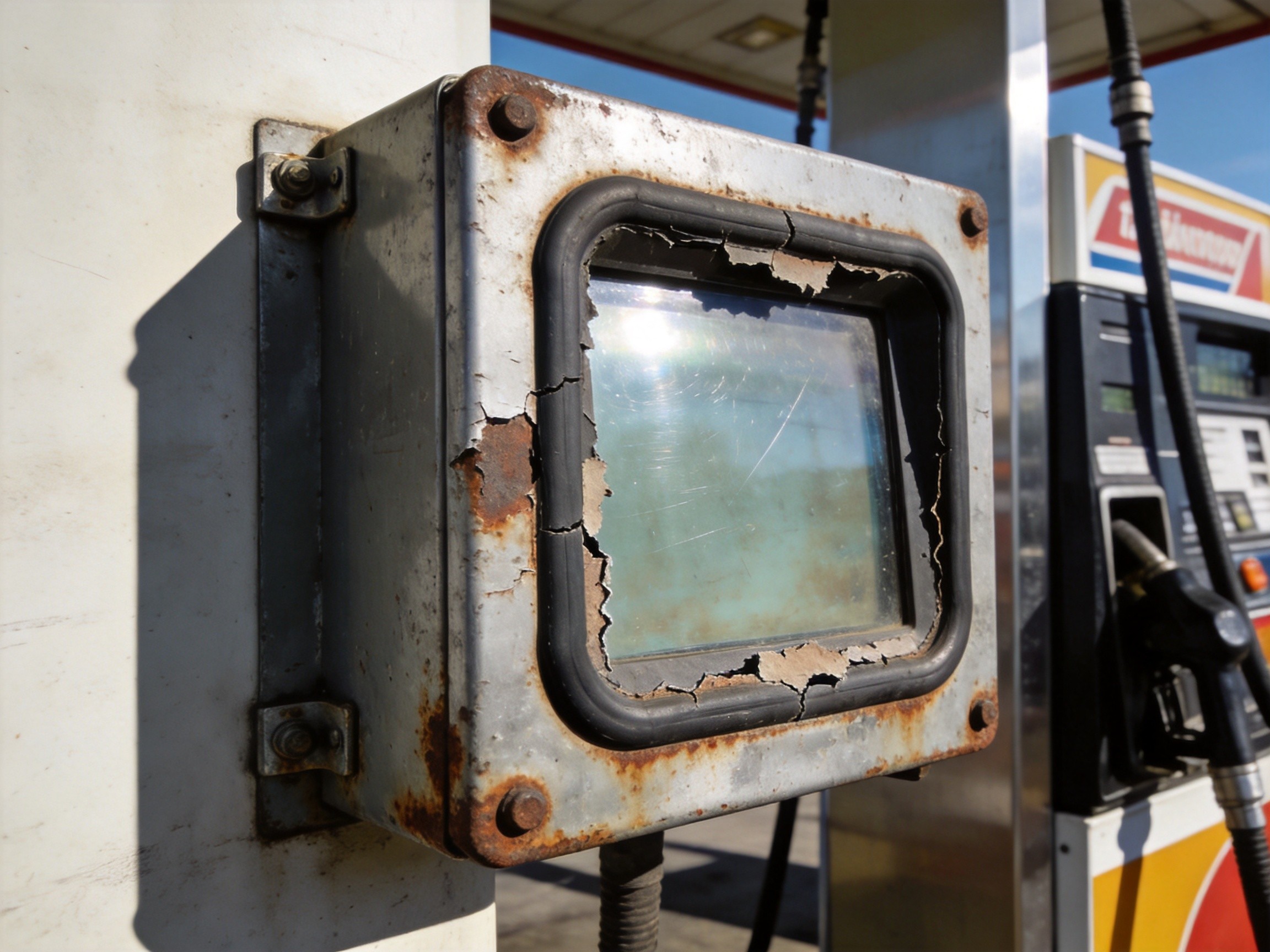
Legacy outdoor terminals fail through multiple degradation pathways that accelerate after 5 to 7 years of continuous exposure. UV radiation breaks down polymer seals, gaskets, and enclosure materials, causing embrittlement and cracking that compromise the environmental seal. Thermal cycling—daily temperature swings of 20°C to 30°C in temperate climates—creates mechanical stress at material interfaces, opening microscopic gaps in seals and bonded joints. Condensation from humidity cycling forms inside enclosures when internal air reaches dew point, corroding connectors and degrading unprotected electronic components. The touchscreen, if present, suffers from delamination of bonding layers between cover glass and LCD panel, creating visible bubbles and reducing touch accuracy. The cumulative effect is a terminal requiring increasing maintenance until replacement becomes the more economical option.
IP65-Rated Panel PCs: The Modern Retrofit Solution
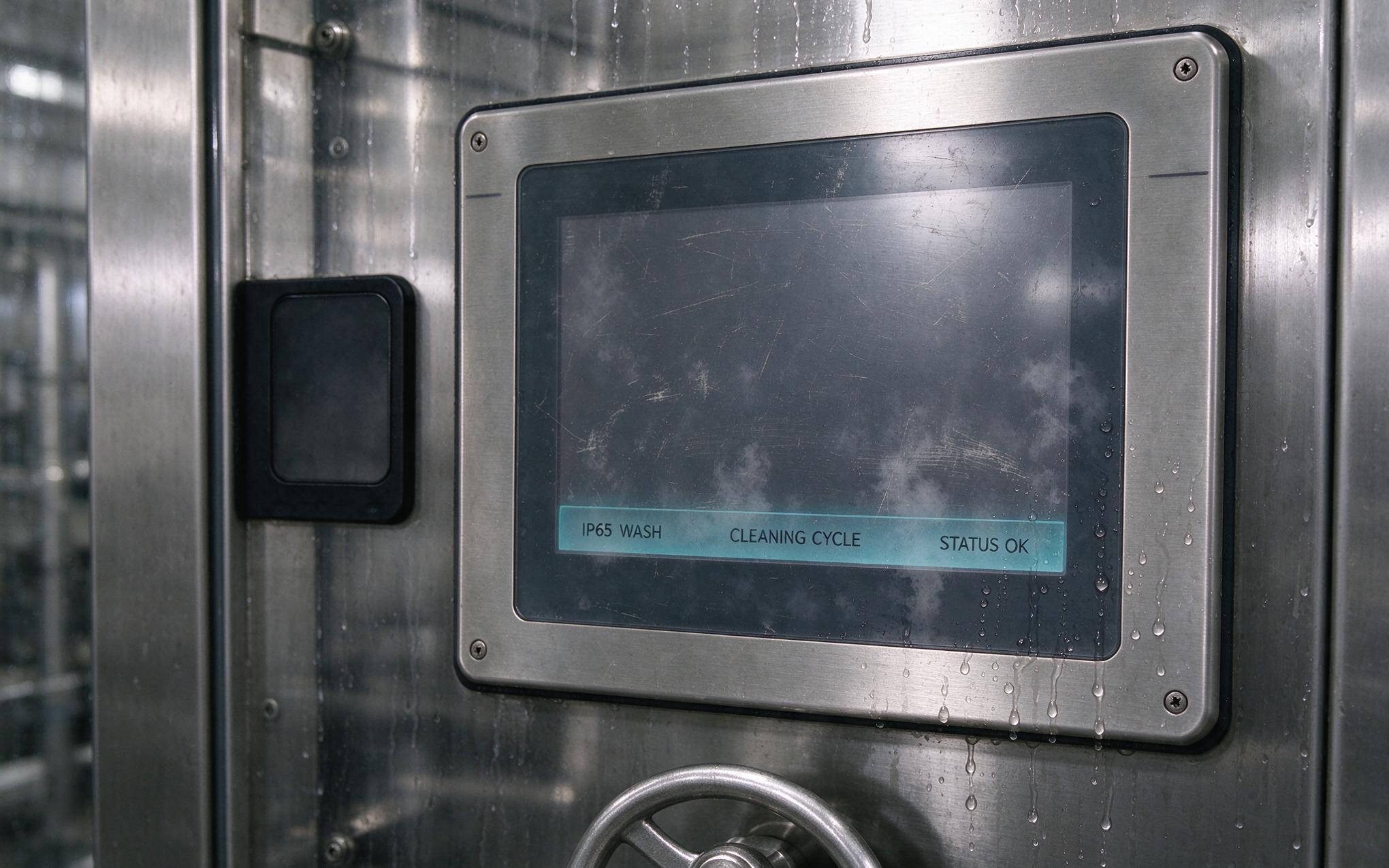
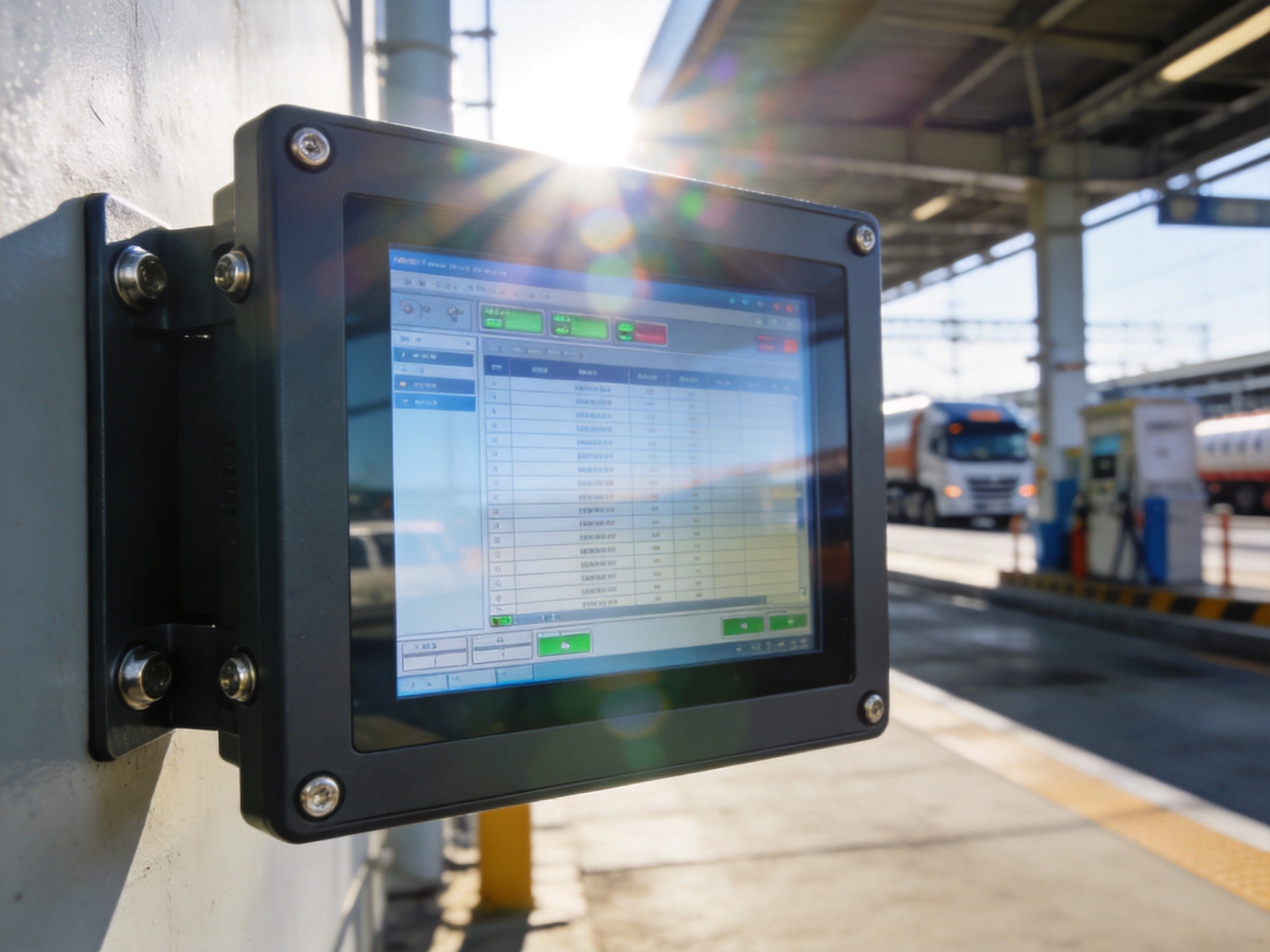
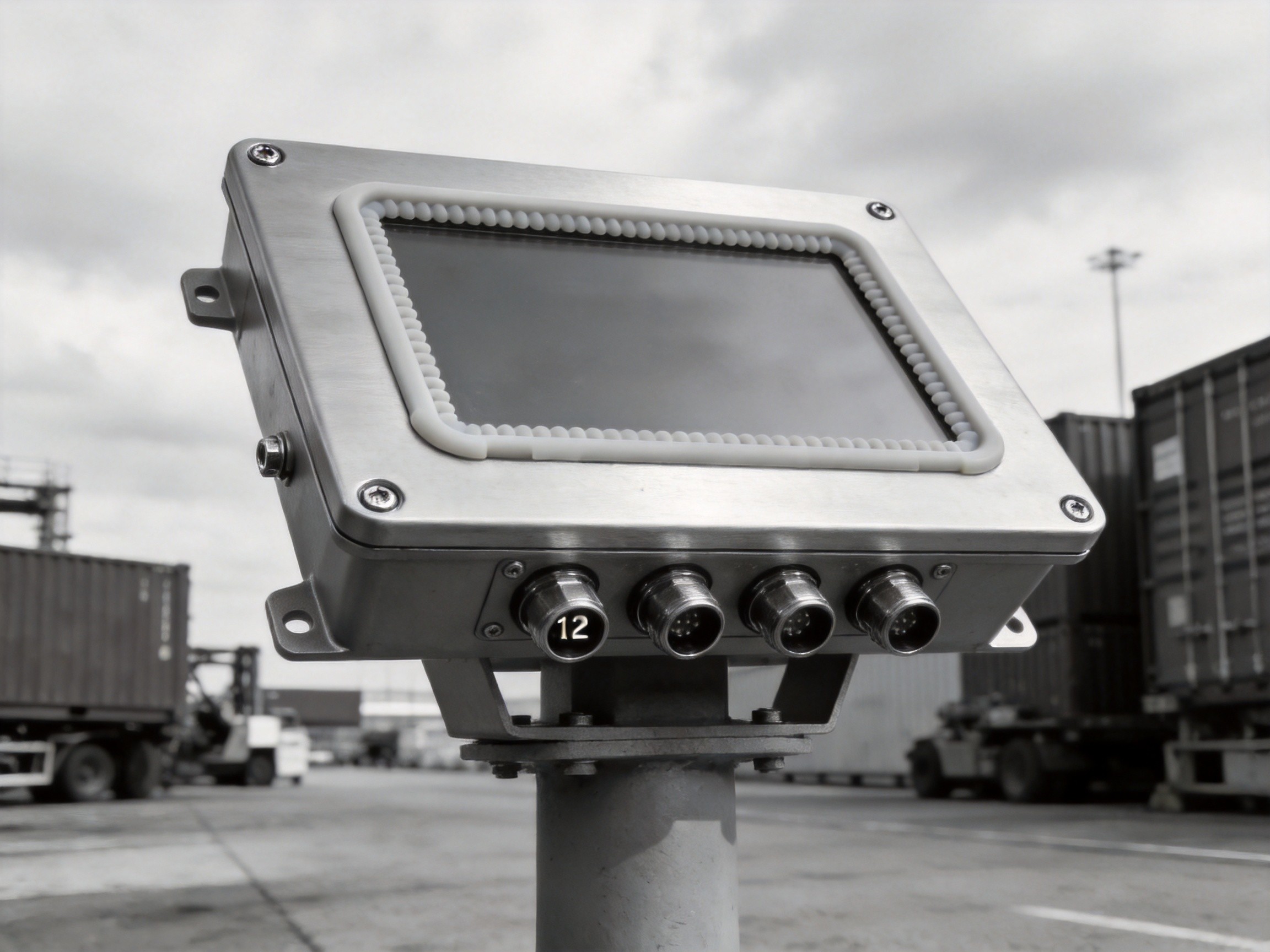
IP65-rated industrial panel PCs are designed from the ground up for the conditions that destroy legacy terminals. The IP65 rating certifies complete protection against dust ingress and water jets from any direction, tested at 12.5 liters per minute at 30 kPa pressure. For outdoor retrofit applications, the rating must be maintained across the entire front bezel—including the seal between touchscreen glass and enclosure, cable connectors, and mounting penetrations. Modern panel PCs achieve this through precision-machined aluminum enclosures, compression-molded silicone gaskets with UV-stabilized formulations, and M12 sealed circular connectors. Optical bonding of the LCD to the cover glass eliminates the internal air gap that causes condensation and internal reflection in legacy terminals, while providing structural rigidity to withstand thermal cycling. KOXIAN industrial panel PCs configured for outdoor deployment incorporate these protective features as standard, ensuring long-term reliability in exposed environments.
Sunlight Readability and Wide-Temperature Adaptation
Outdoor deployments demand display performance that indoor-rated panel PCs cannot deliver. Sunlight-readable displays require backlight brightness of 1,000 cd/m² or higher—two to three times standard indoor brightness—to overcome ambient light levels exceeding 10,000 lux in direct sunlight. Optical bonding eliminates internal reflections that reduce effective contrast by up to 14 percent. Wide-temperature operation from -20°C to +60°C must be validated at the system level, with attention to LCD fluid response time at low temperatures and backlight LED junction temperature at high temperatures. KOXIAN outdoor-configured panel PCs incorporate automatic backlight adjustment based on ambient light sensors, reducing power consumption at night while maximizing readability during peak sunlight. The fanless thermal design eliminates external air intake, relying on passive convection through the finned aluminum chassis.
Retrofit Engineering Challenges
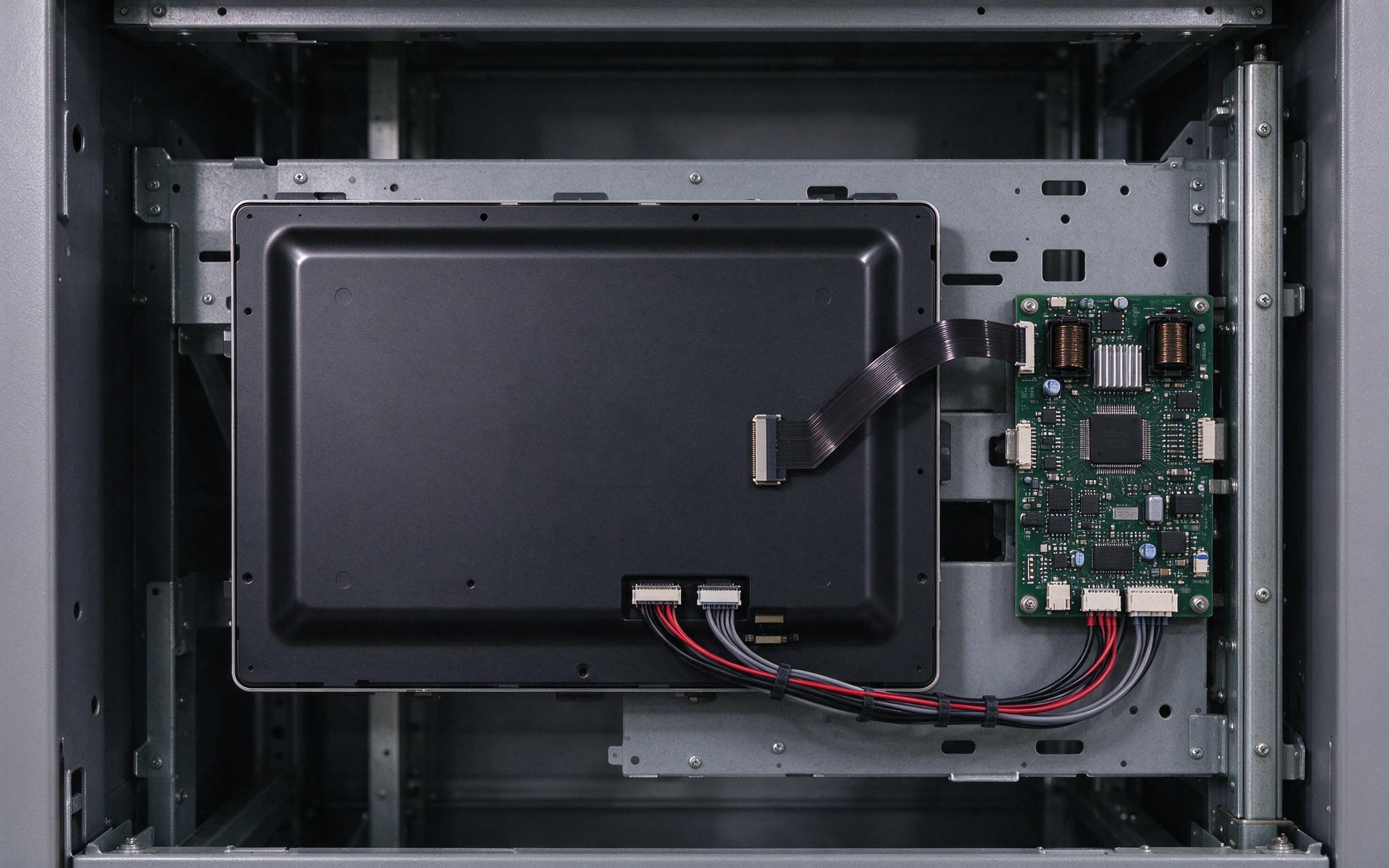
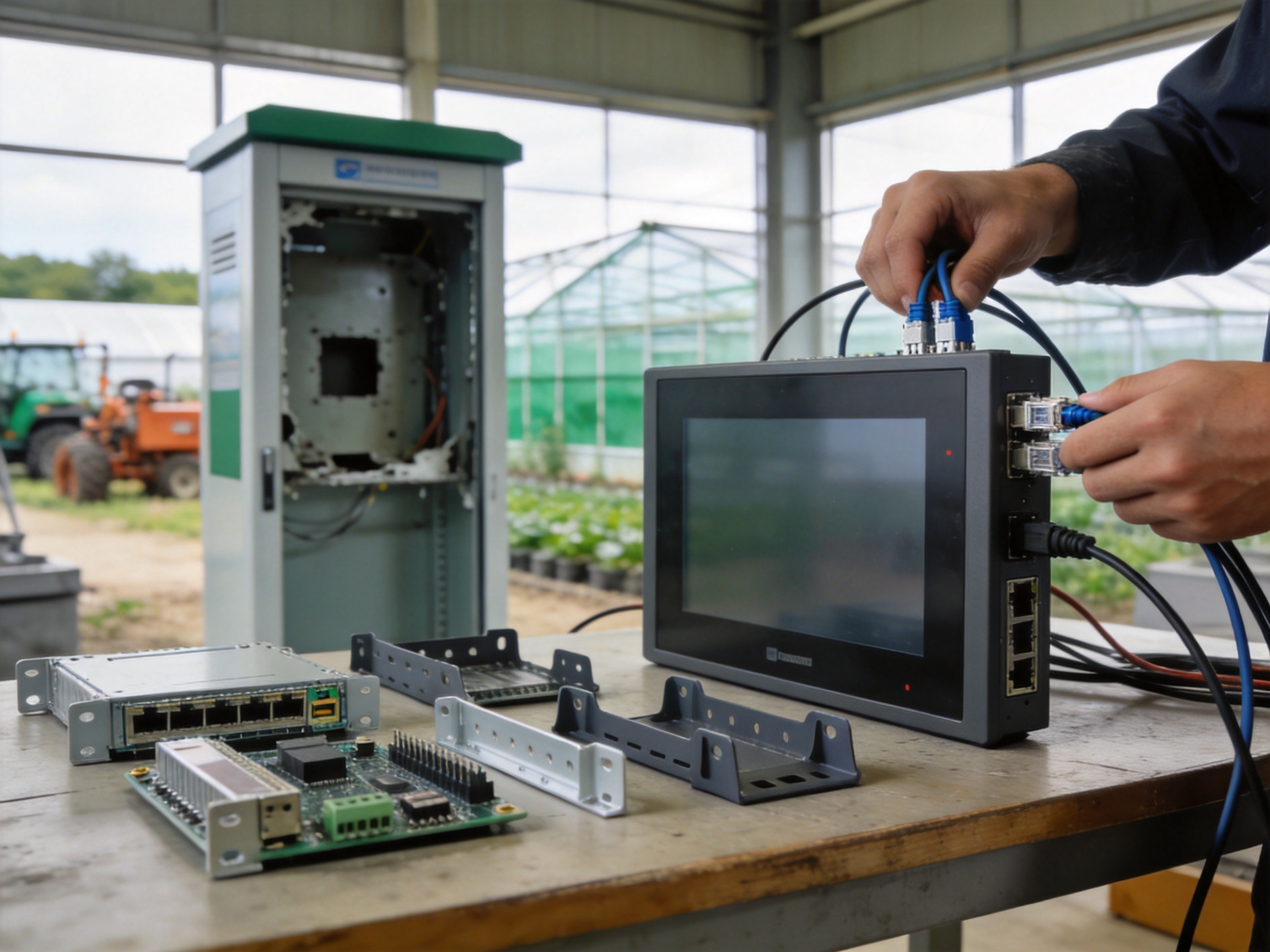
Retrofitting legacy outdoor terminals with modern IP65 panel PCs presents engineering challenges beyond the panel PC specification. The existing mounting structure—whether pedestal, wall bracket, or kiosk enclosure—may require modification to accommodate new dimensions and mounting patterns. The power supply infrastructure, often designed for lower power consumption of legacy terminals, may need upgrading for higher brightness backlights and more powerful processors. Cable routing must be updated from legacy serial protocols to Ethernet or cellular connectivity. The most successful retrofit projects adopt a modular approach: the panel PC, power supply, and connectivity module are pre-assembled and tested as a retrofit kit that minimizes on-site installation time and ensures compatibility before the service window begins. This reduces installation time per terminal from days to hours and allows multiple terminals to be upgraded during a single maintenance window.
Conclusion
The replacement of legacy outdoor terminals with IP65-rated industrial panel PCs is among the highest-return infrastructure upgrades available to operators of outdoor industrial facilities. Engineering advances in enclosure sealing, optical bonding, sunlight-readable backlight technology, and wide-temperature component selection have converged to make modern industrial panel PCs a direct-fit reliability upgrade. The retrofit investment is typically recovered through reduced maintenance costs and improved uptime within 18 to 36 months, with the additional benefit of enabling digital capabilities—remote monitoring, real-time data collection, and over-the-air updates—that were not feasible with legacy terminal infrastructure.