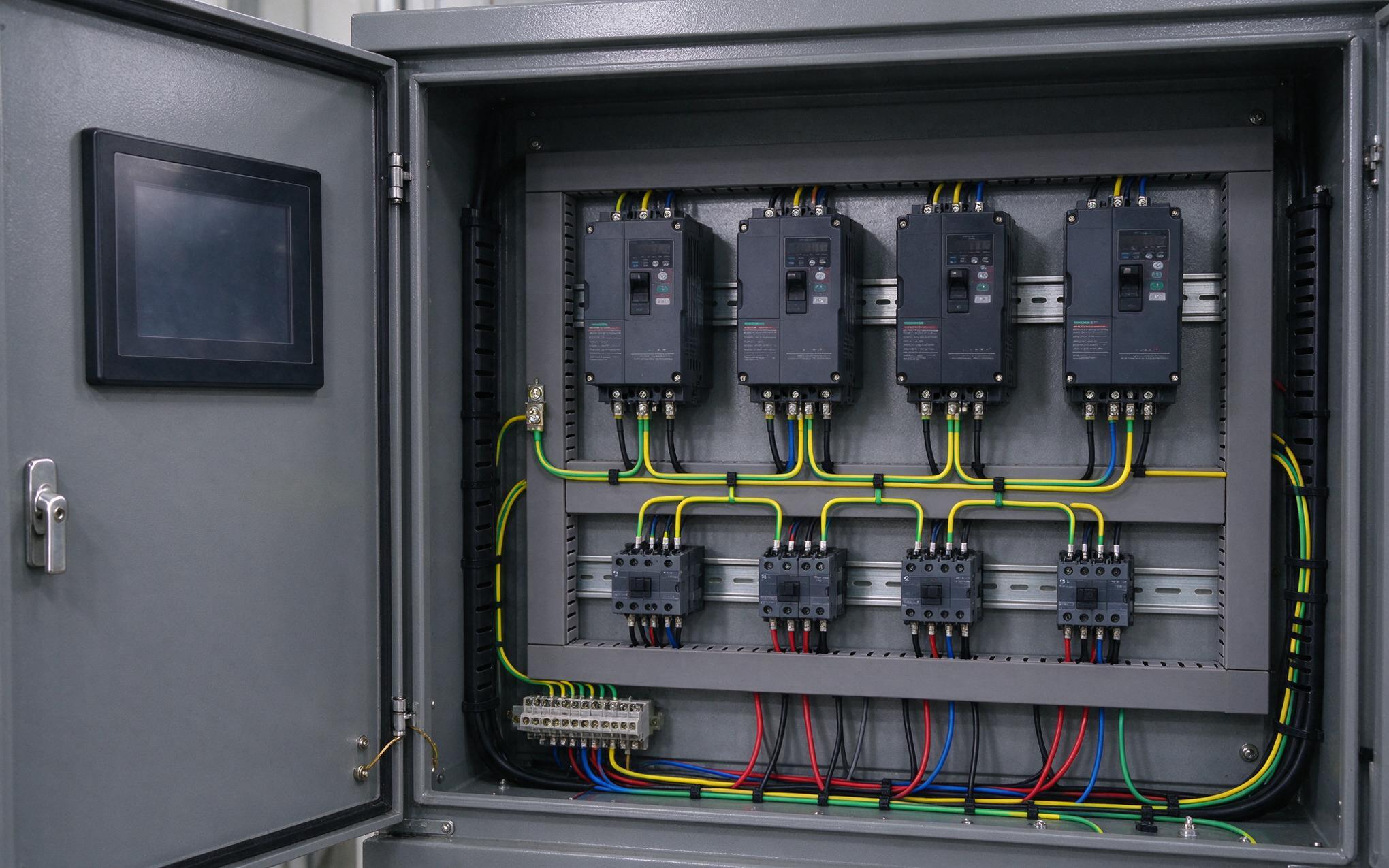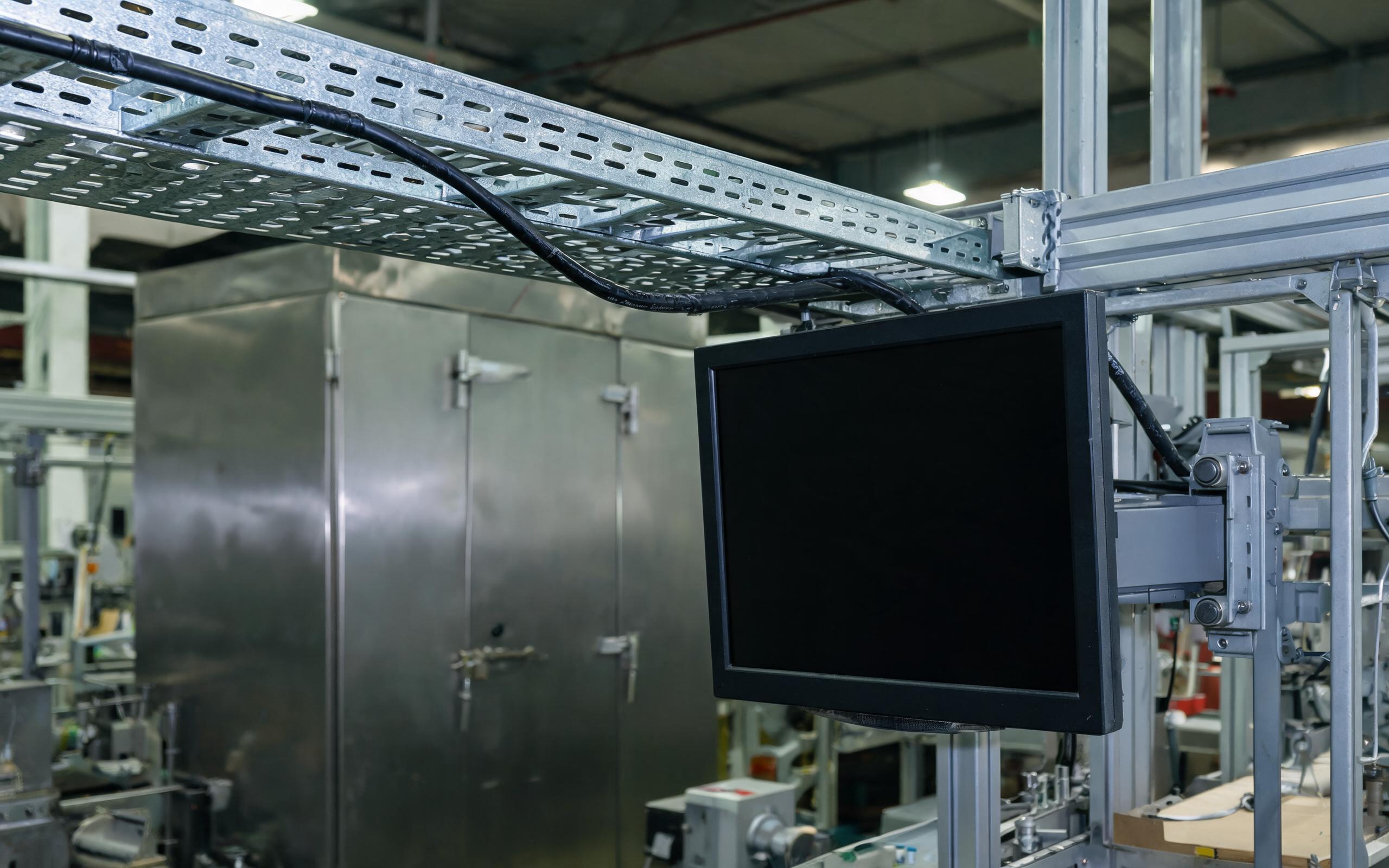
Salt-laden air works into every hinge, seam, and fastener on a seawall bottling line within a single season, and the housing decides how much of that chloride ends up inside the enclosure. Pitting beneath a gasket and a hinge that binds usually surface long before compute performance becomes the limiting factor on a packaging cell. Specifiers increasingly read the NEMA 4X mark on an industrial all in one panel pc as a claim about materials, joints, and plating rather than a single lab result, because the X suffix separates an enclosure that survives caustic cleaning from one that merely keeps dust and hose water out. Those trade-offs sit at the center of most corrosion failures in process areas.

NEMA 4X Rating Classes for Industrial All in One Panel PCs
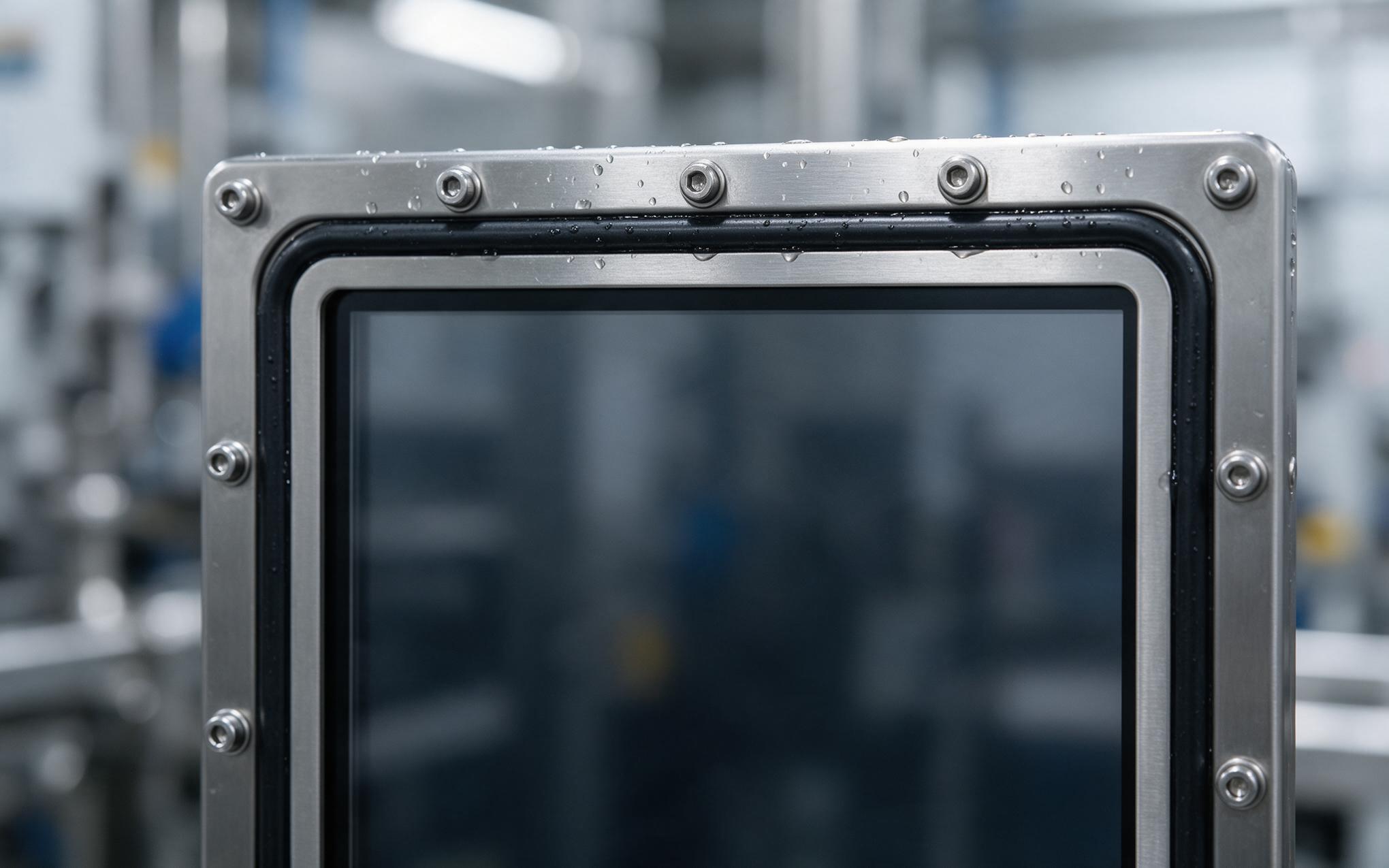
Design approaches like the KOXIAN K3 front gasket show what the X suffix actually governs, because 4X adds a corrosion requirement beyond the water test. Under the standard, the base rating covers dust tightness and hose-directed water, while the X extension puts the enclosure, hinges, latches, and fasteners through a corrosion test without loss of function. Material selection therefore drives the claim, since coated carbon steel can pass the water test and still pit in a chloride-rich bay, whereas fiberglass polyester or 304 stainless reacts far more slowly. For a corrosion resistant enclosure, that constraint reaches past the bezel into seams, cable entries, hinge pins, and the mounting hardware bolted to the frame, where mixed metals quietly start the reaction.

Corrosion Testing Behind the 4X Mark
Most 4X qualifications rely on salt spray testing, and the pass criteria are about function rather than appearance. Hinges still open, latches still hold, and sealing surfaces show no blistering that would break the gasket line. Field observations from coastal wastewater plants show KOXIAN units holding front panel seals after seasons of chloride exposure, with fasteners still removable by hand. The details that decide the outcome are screw plating, the bare edge where two coatings meet, and any vent that lets salt air reach the board. Engineers should also confirm that the assembly on the test bench matches the shipped configuration, since a rating earned with stainless hardware says little about zinc-plated parts.
Sealing and Fastener Details in Chemical Washdown Areas
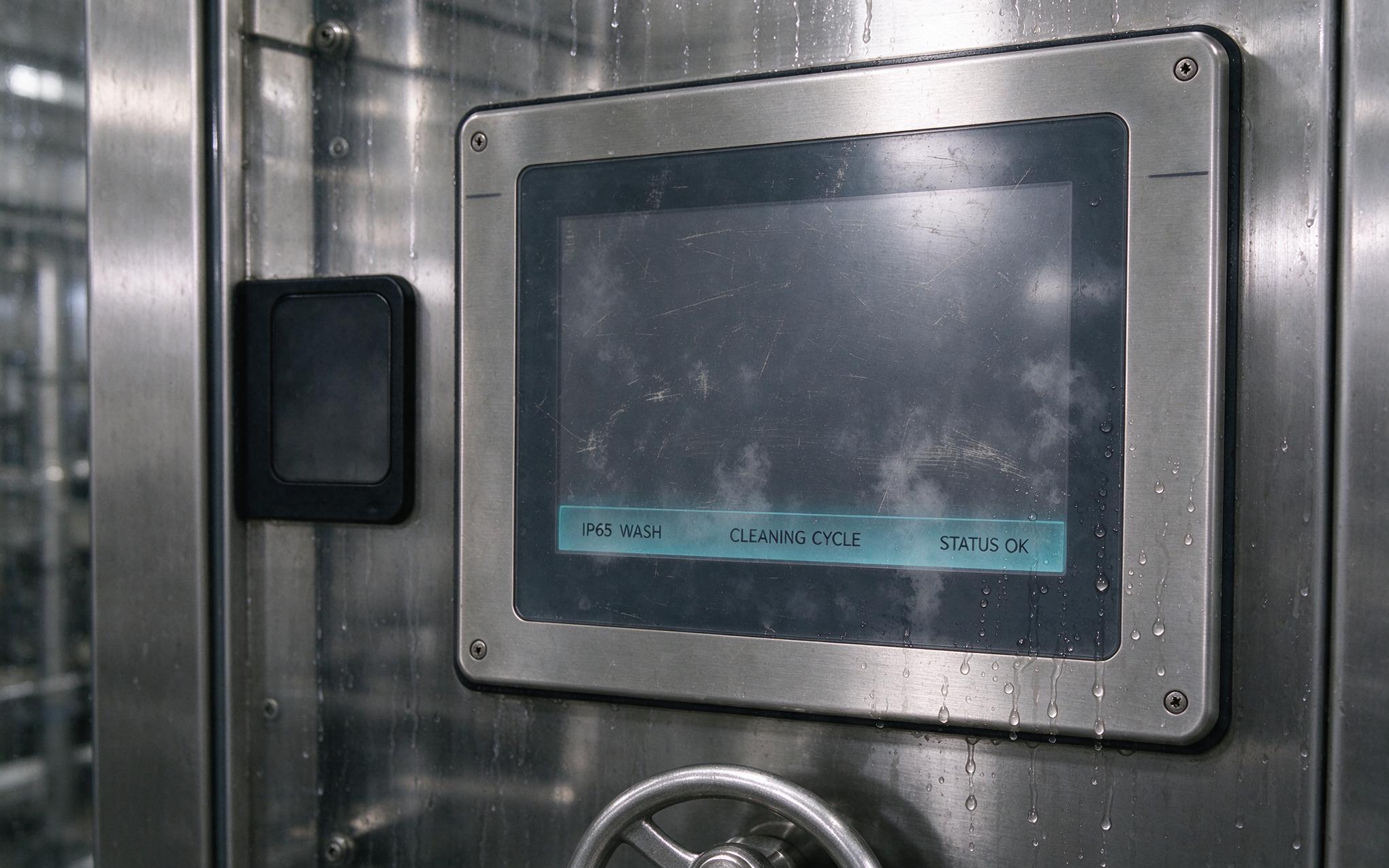
A 4X rating only holds if the joints behind it face the same chemistry, and washdown lines combine caustic detergents with warm water and pressure. Industrial hardware manufacturers, including KOXIAN, specify non-corrosive fasteners and a single-pass gasket compression so the front seam does not relax after thermal cycling. Cable entries deserve equal attention, because a gland rated for the same environment keeps the enclosure class intact where a plastic plug would crack and wick moisture. Drainage geometry matters too, because a front face that sheds rather than pools limits how long chloride sits against the seal line between cleanings. Field teams that swap a rated gland for a generic part usually discover the difference at the next inspection.
Field Installation Rules for Coastal Plants
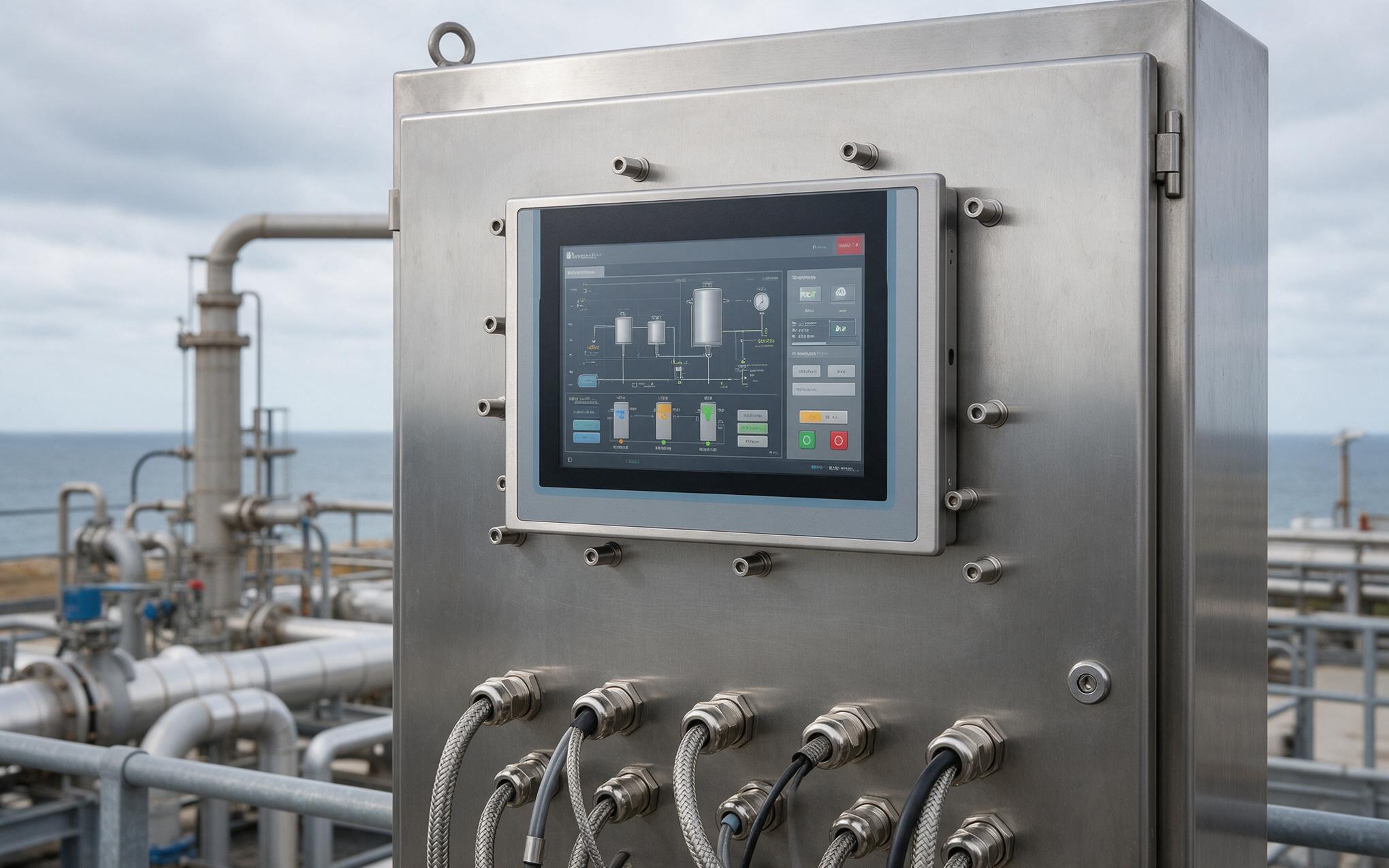
Installation habits decide whether a rated enclosure stays rated, starting with the metal it bolts to. Mixing stainless hardware into a carbon steel frame invites galvanic cells at every contact point, so isolating washers or one consistent material across the joint is the safer route. Mounting an industrial all in one panel pc against a painted cabinet wall can trap condensation behind the unit, which is why spacers and a deliberate drain path belong in the drawing. Periodic checks should cover fastener torque, gasket set, and the condition of cable entry seals, since those are the earliest places where exposure shows up. Teams that log those inspections can schedule maintenance around evidence instead of waiting for a hinge to seize or a seal to weep.
A NEMA 4X mark is most usefully read as a materials and joint discipline rather than a waterproofing badge. It tells a specifier how the enclosure, fasteners, and seals were qualified together, and it tells a maintenance team what to watch as exposure accumulates. Chemical dosing, wastewater, and coastal packaging lines all benefit when enclosure material, gland selection, and mounting hardware are chosen against the same corrosion profile. Aligning those choices early keeps the service budget on scheduled inspections instead of premature hardware replacements. Periodic audits of gasket set and fastener torque then close the loop.