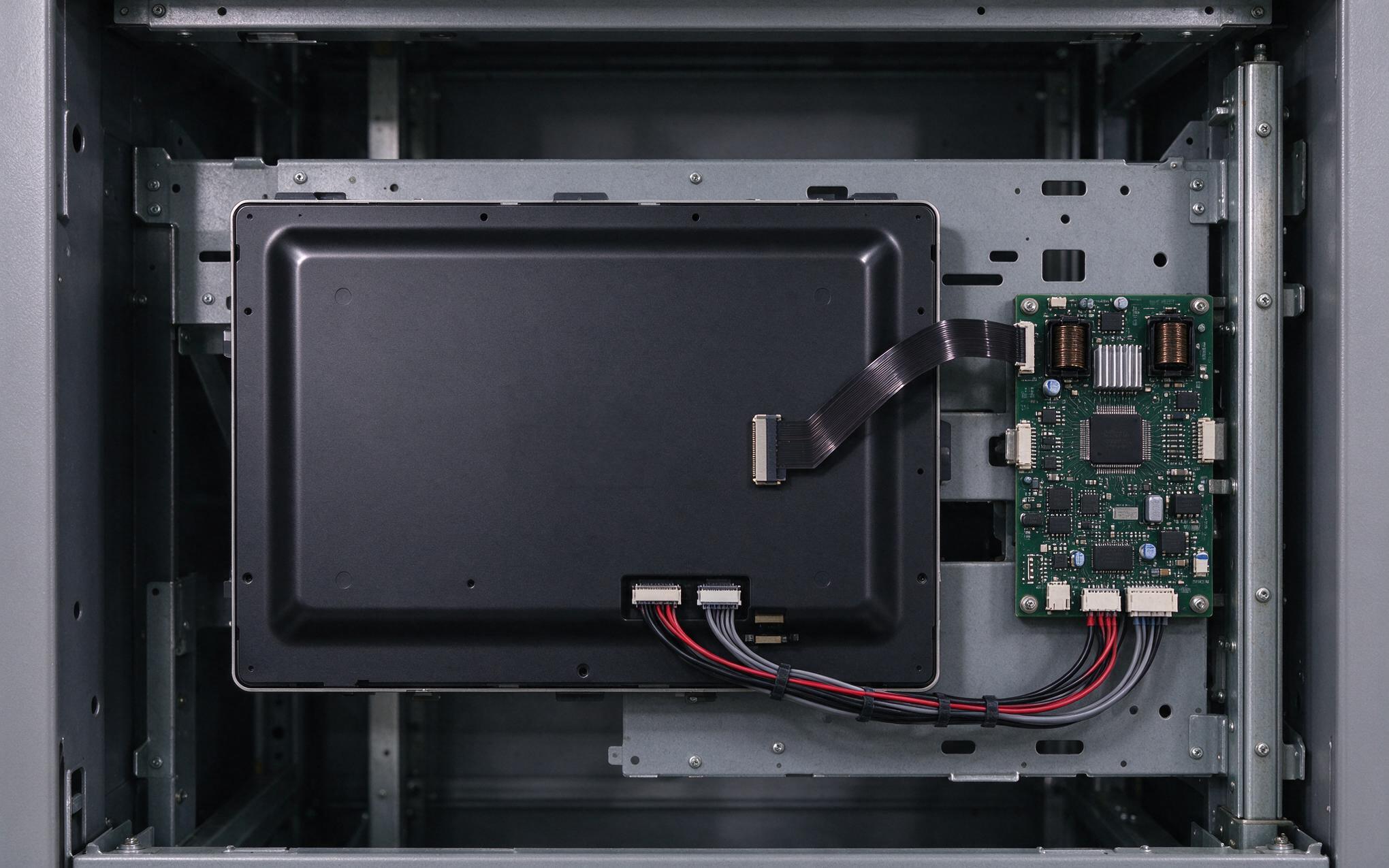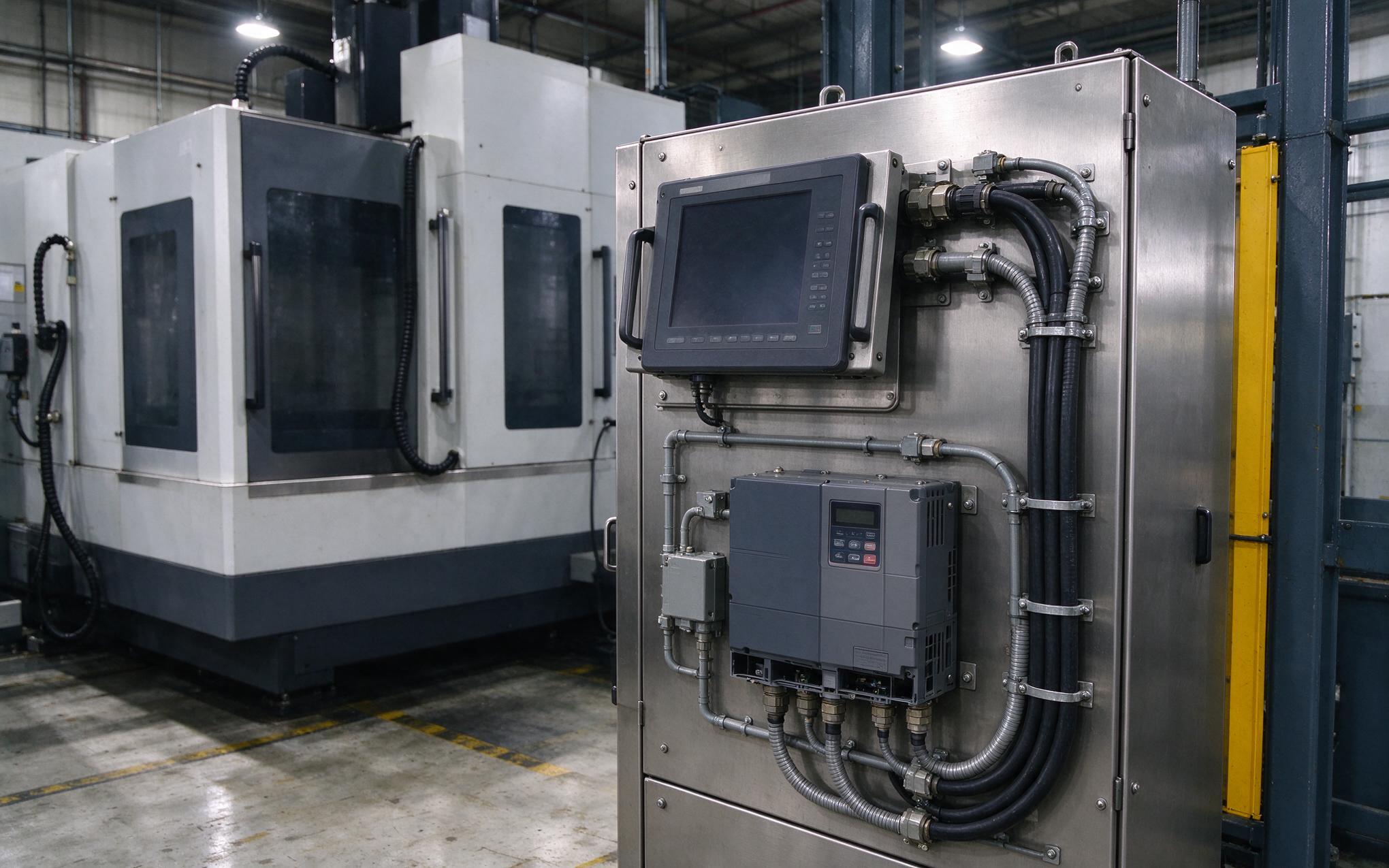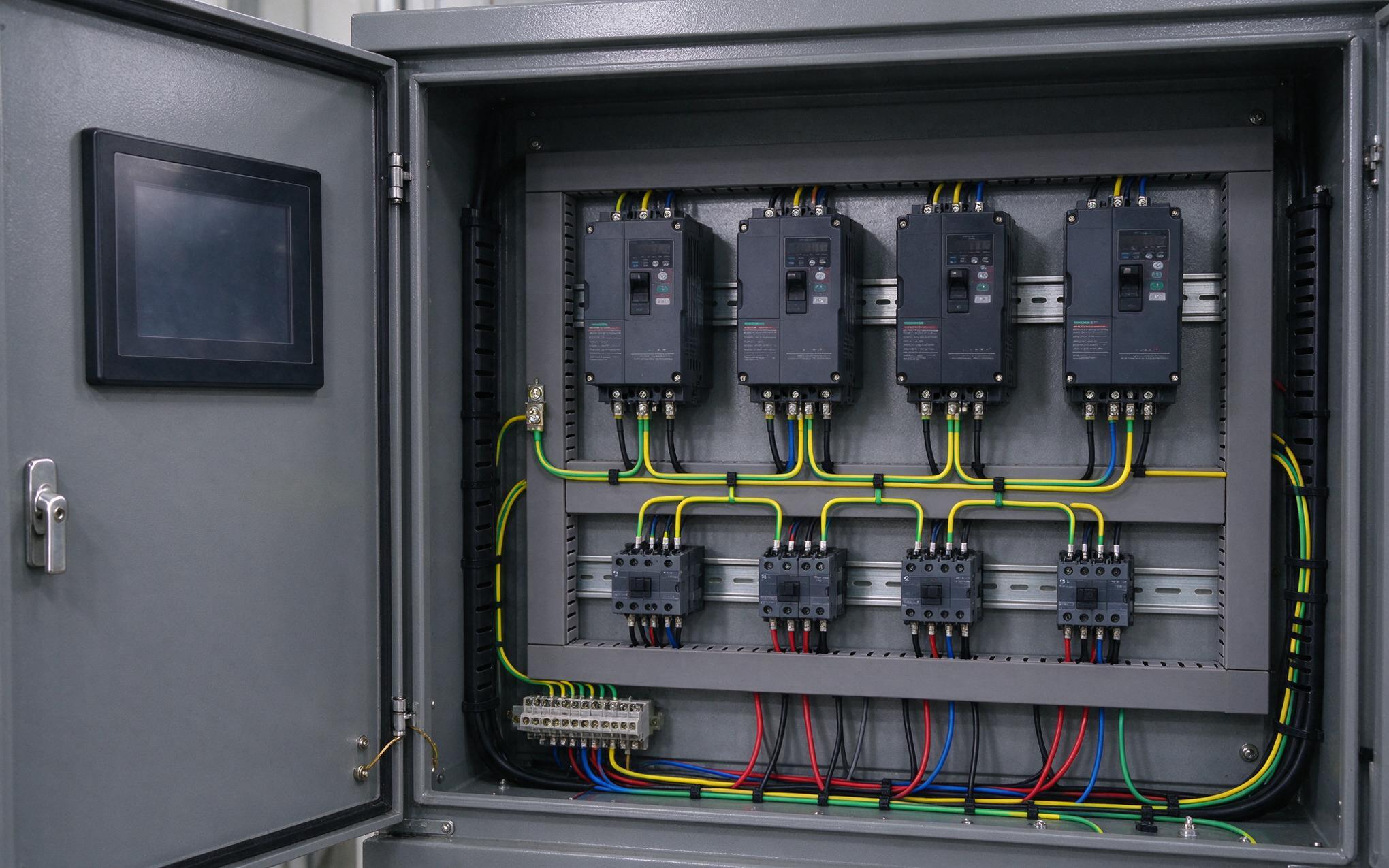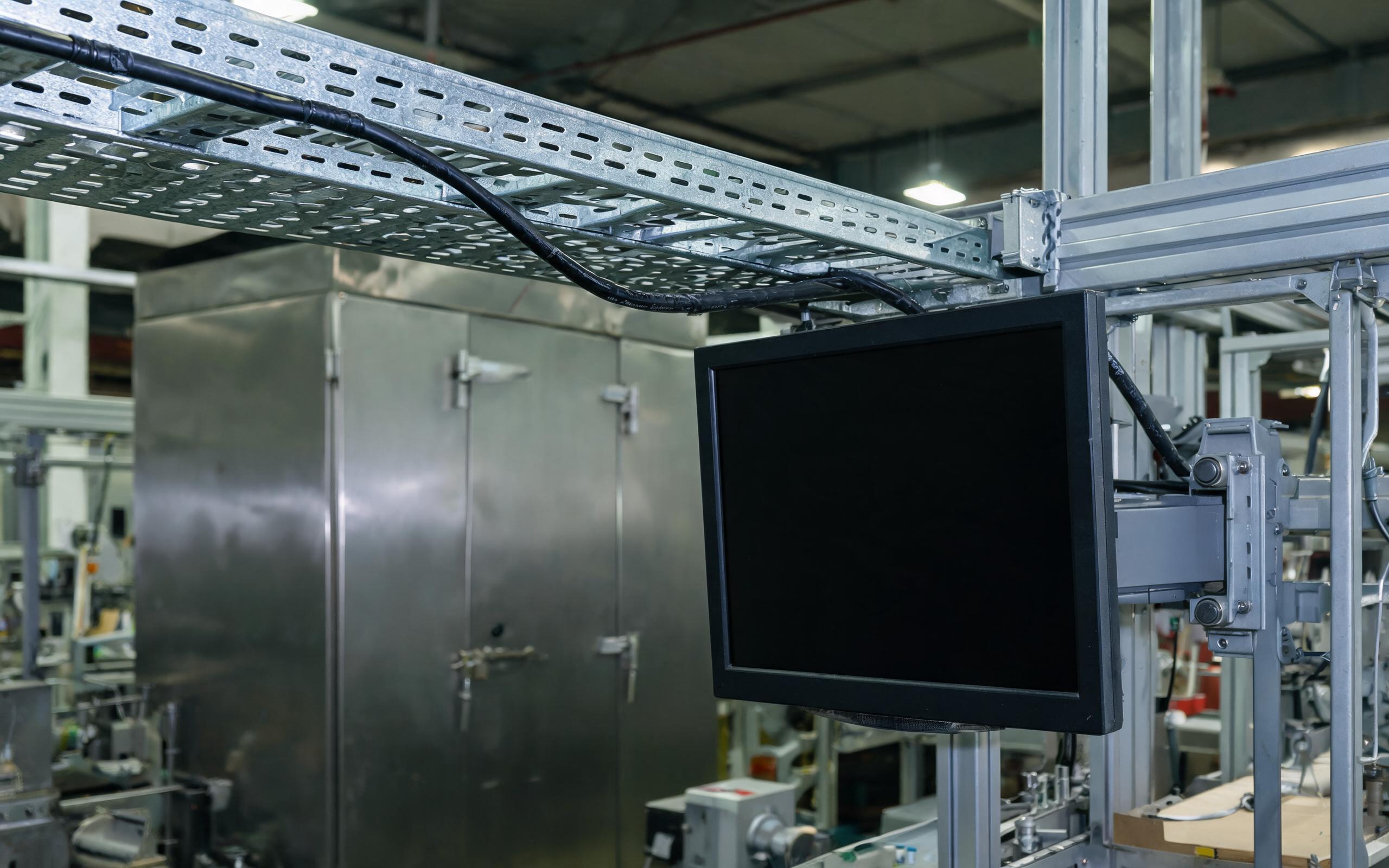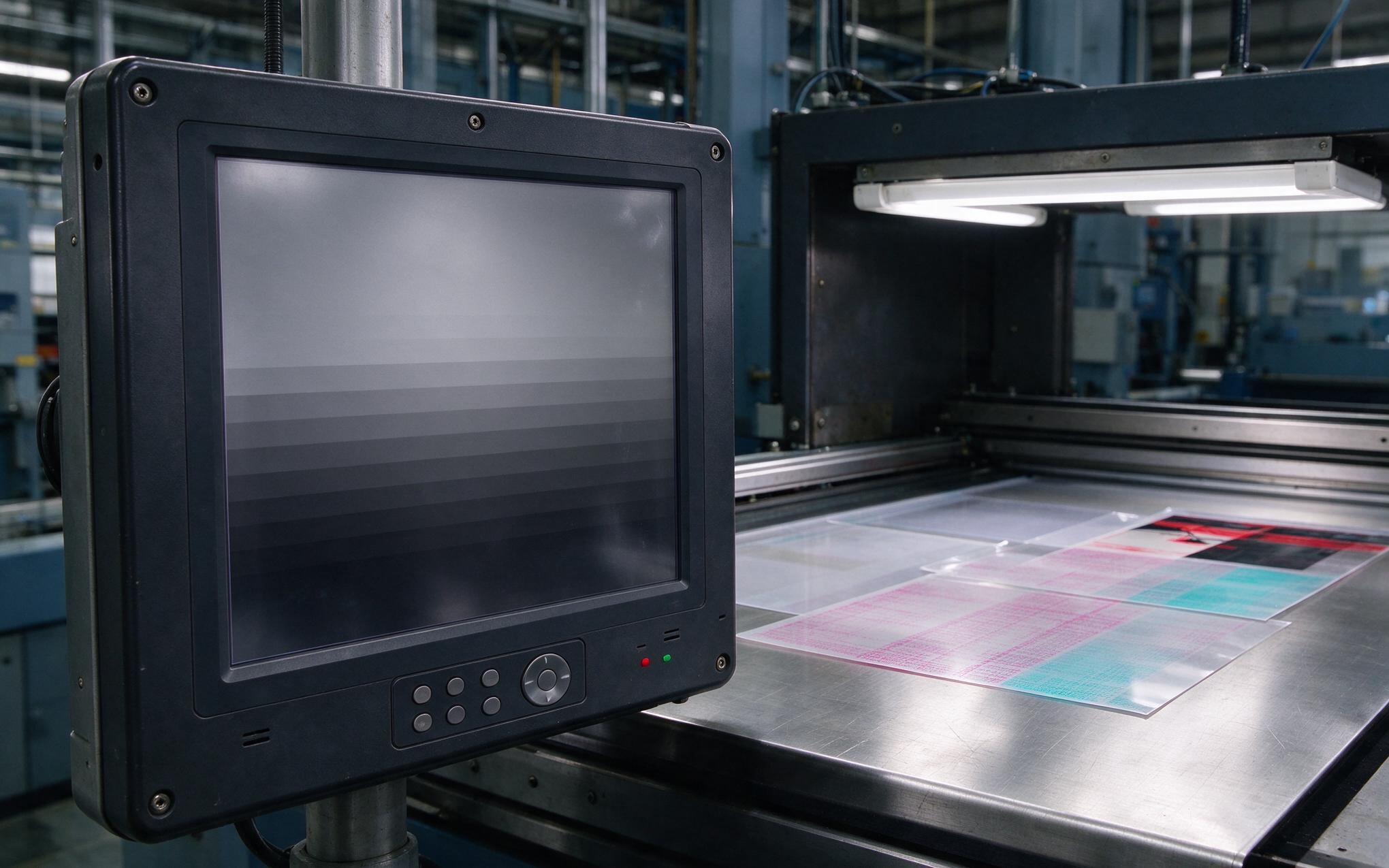
Two embedded industrial pc installations on the same packaging line age differently. One is built with cable glands torqued tight, unused openings plugged, and a fanless panel pc clamped behind a flat front. The other looks identical except for a membrane vent. Across a 30 C swing from night shutdown to afternoon production, cabinet air changes pressure by about 10 percent. The fully sealed cabinet has nowhere to send that pressure, so every cooling cycle draws damp plant air through microscopic gasket gaps. The vented cabinet exhales and inhales through a controlled path. That one difference often decides whether the computer stays dry for a decade or develops condensation after a single season.
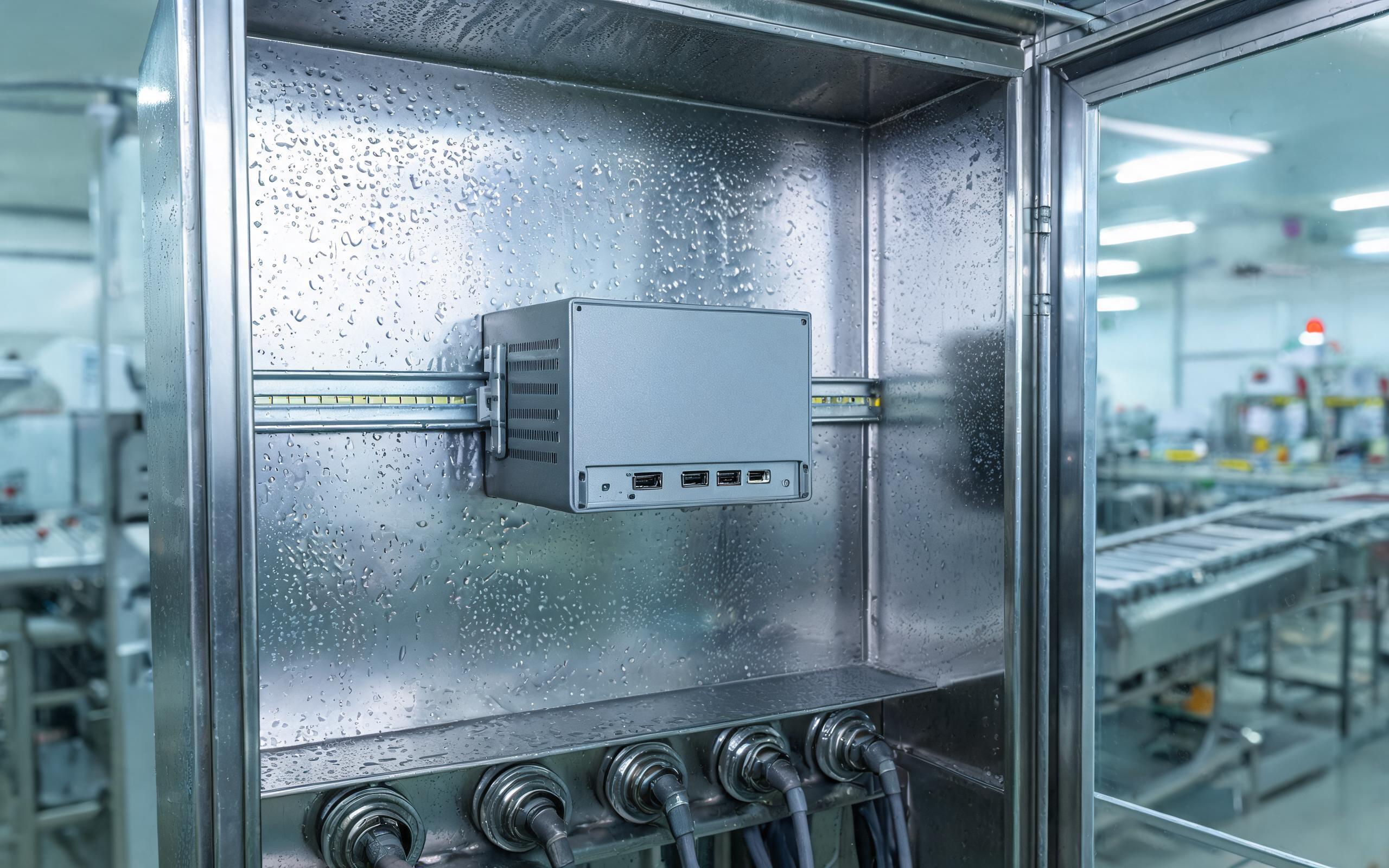
Balancing Pressure Differentials Across Sealed Walls
Every temperature swing acts like a slow pump on the cabinet housing an embedded industrial pc. Warmed during production, internal air expands and leaks outward; when a line shuts down or cold rinse strikes a hot bezel, it contracts and pulls outside air through the same paths. Gaskets block liquid jets but are not hermetic to gas, so this breathing continues for the life of the seal. Each inward stroke carries humidity that condenses on cold heatsinks, fine sugar or metal dust, and corrosive gases common in food and chemical plants. To manage this exchange, designers working with manufacturers, including KOXIAN, specify a controlled pressure path rather than trusting gasket micro-gaps. The aim is equalization near zero differential while admitting no liquid.
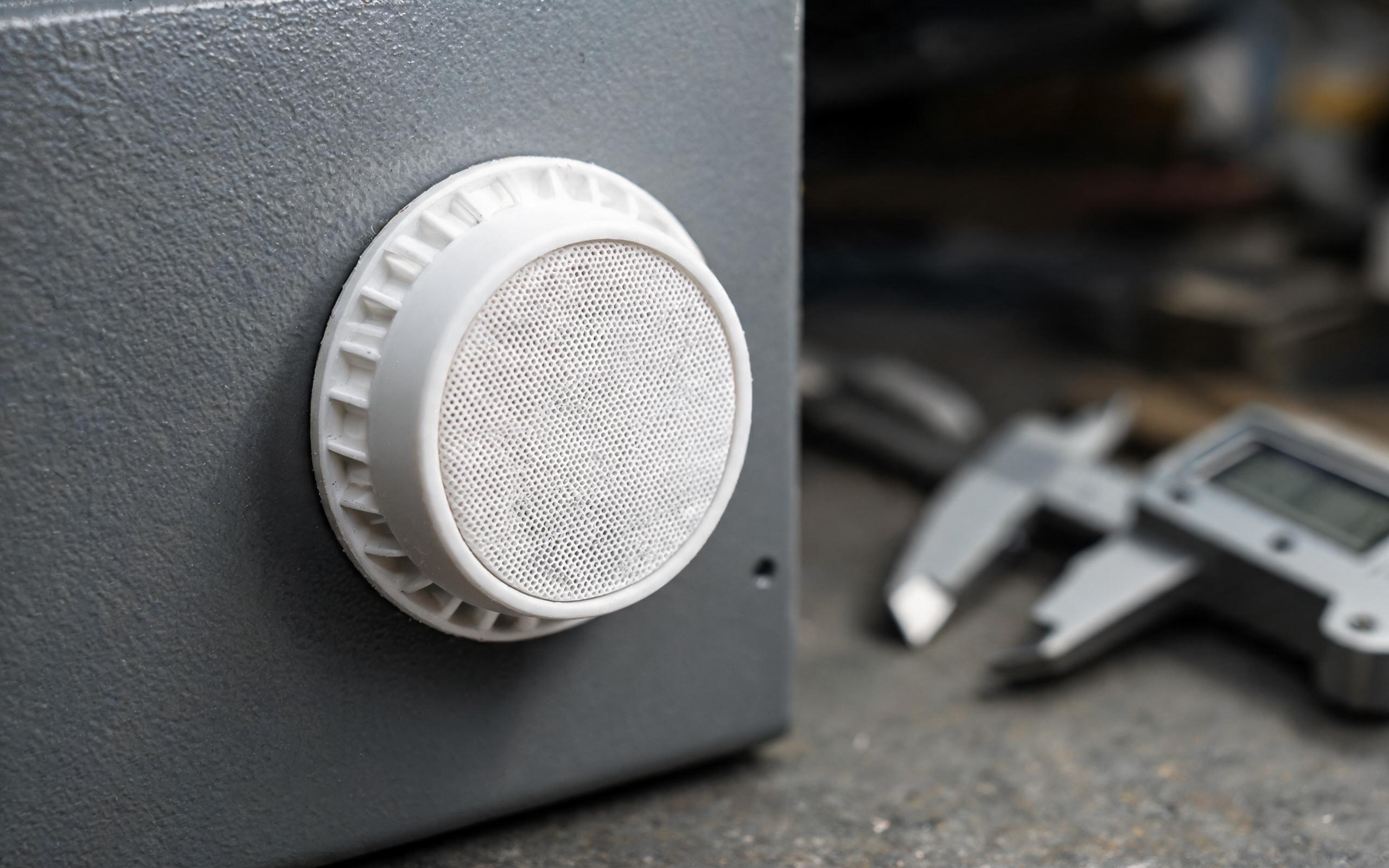
Matching ePTFE Vent Ratings to Embedded Industrial PC Loads
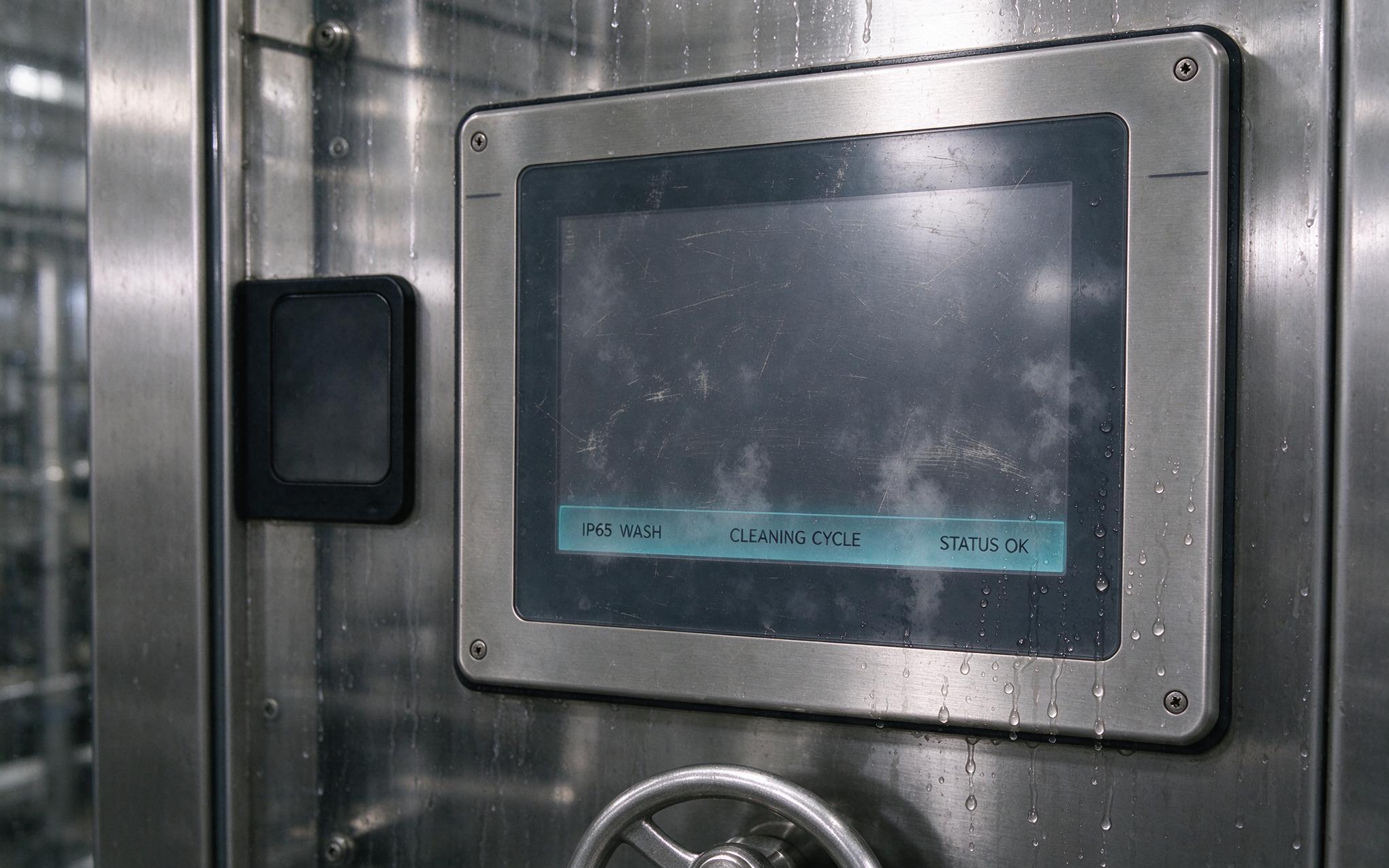
Most equalization vents use an expanded PTFE membrane, with pores that pass air molecules but block liquid droplets and dust. A hydrophobic coating sheds water; an oleophobic version resists oils and coolants that would wet and close the pores. A panel pc ip65 certificate stays valid only where the vent carries an equal ingress rating, so datasheets should show a water-entry rating and an airflow value in milliliters per minute at fixed pressure. Sizing starts with enclosure volume and the fastest temperature swing expected, including washdown. An undersized membrane cannot equalize quickly enough and leaves the gasket under load. For an embedded industrial pc in a compact enclosure, one cartridge covers the daily swing; wide cabinets respond better to two smaller units.
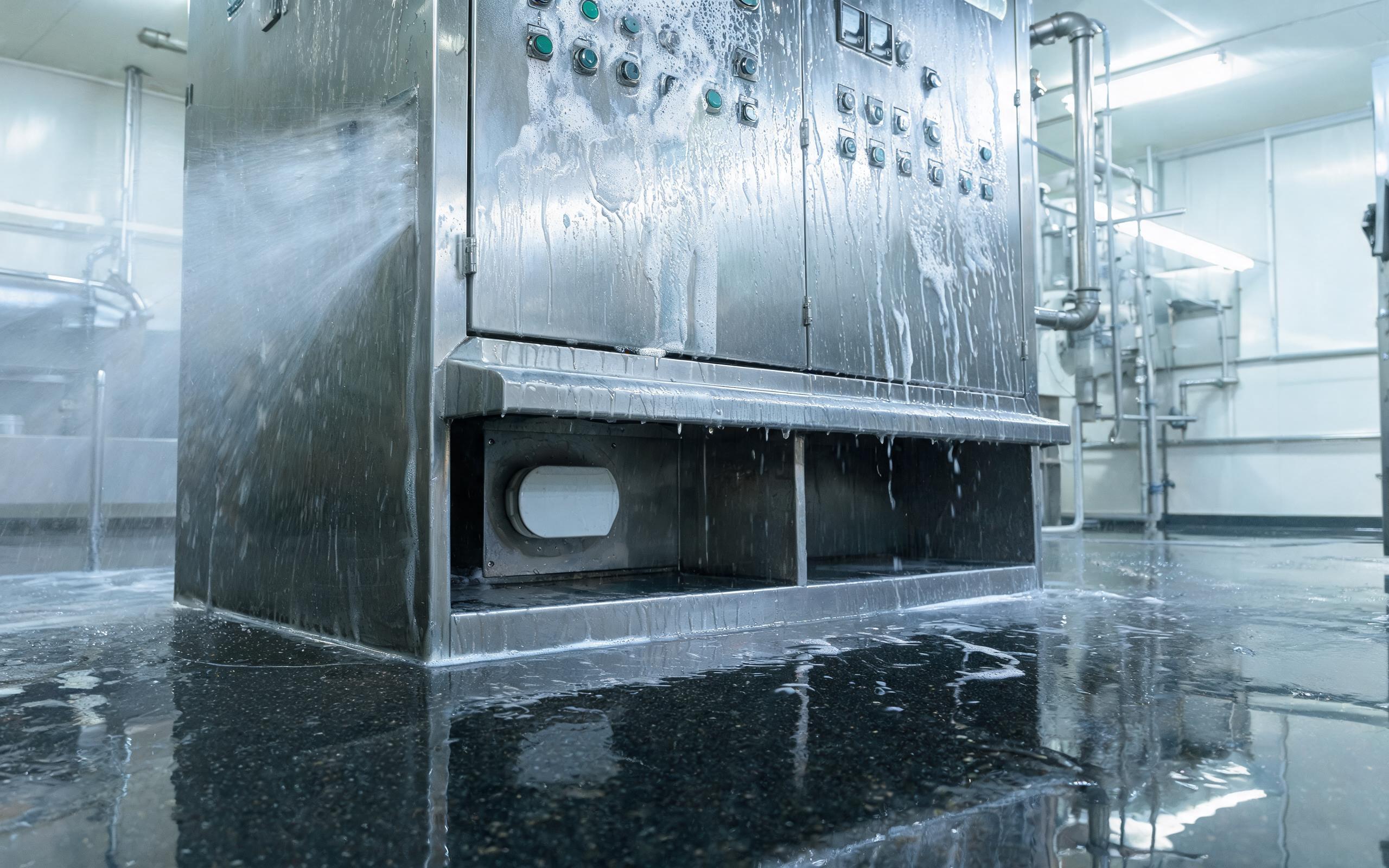
Placing Equalization Paths Away from Direct Washdown Impact
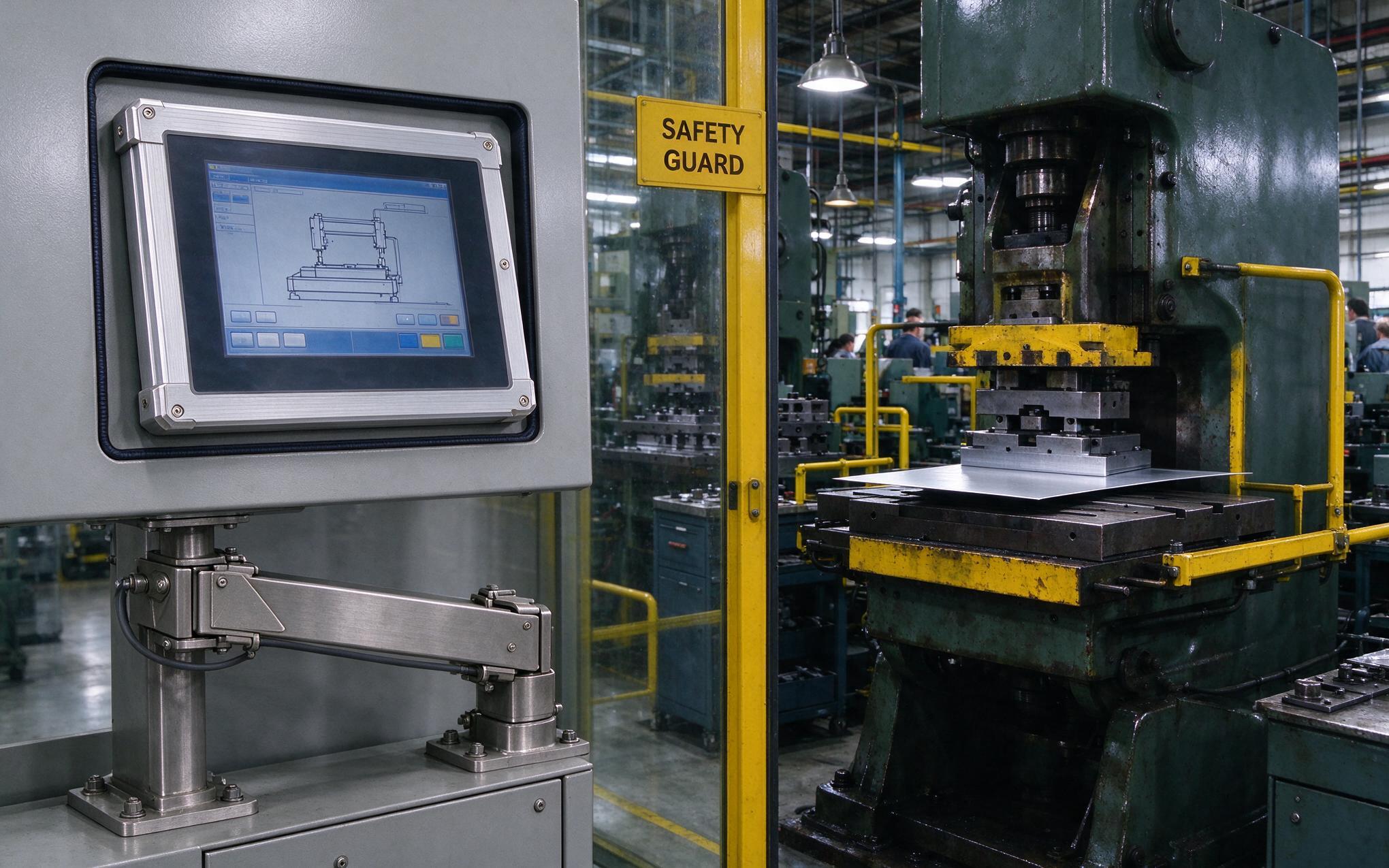
A rated membrane still fails under a direct hit, so placement is part of the mechanical design. Vents mount on a side shielded by framing, a downward-facing surface, or behind a formed drip lip; the upper deck where washdown pools is avoided. On machining lines, a perforated guard keeps chips and weld sparks off the membrane without blocking airflow. Around an embedded industrial pc on moving or articulating sections, the vent also needs clearance from pinch points and drips. Integrators adding these paths to an embedded panel pc keep the membrane off the lance-station face and leave enough surrounding metal for the sealing nut to seat flat. Two vents on opposing faces keep exchange alive when one side faces a mist plume.

Inspecting Membrane Condition During Scheduled Cabinet Service
Field observations from seasonal washdown plants show that vented hardware builds, including KOXIAN-supplied embedded configurations, recover pressure within minutes of a cold rinse, but only when the membrane is clean. Over months, dust cakes, paint overspray, and oil films close the pores, turning an effective vent into a sealed plug and restoring the pumping problem it solved. Service intervals therefore follow environment rather than the calendar: monthly visual checks in dusty or greasy areas, annual replacement in moderate plants. Technicians confirm the membrane is intact, free of paint, and seated with its sealing washer, and recheck the gland nut after cabinet rework. A blocked vent raises no alarm, so adding it to the lubrication and filter checklist is the practical safeguard.
Pressure is the overlooked variable when a sealed computer moves outdoors or into washdown zones. The ingress certificate describes what blocks liquid at one instant; service life depends on how the enclosure handles the air that moves with every temperature cycle. A selected ePTFE path turns that movement from a moisture inlet into a neutral exchange. For engineers specifying an embedded industrial pc, the vent deserves the same review as gasket compound and gland torque: a small component, sized from volume and swing rate, that decides whether the sealing strategy survives year five.