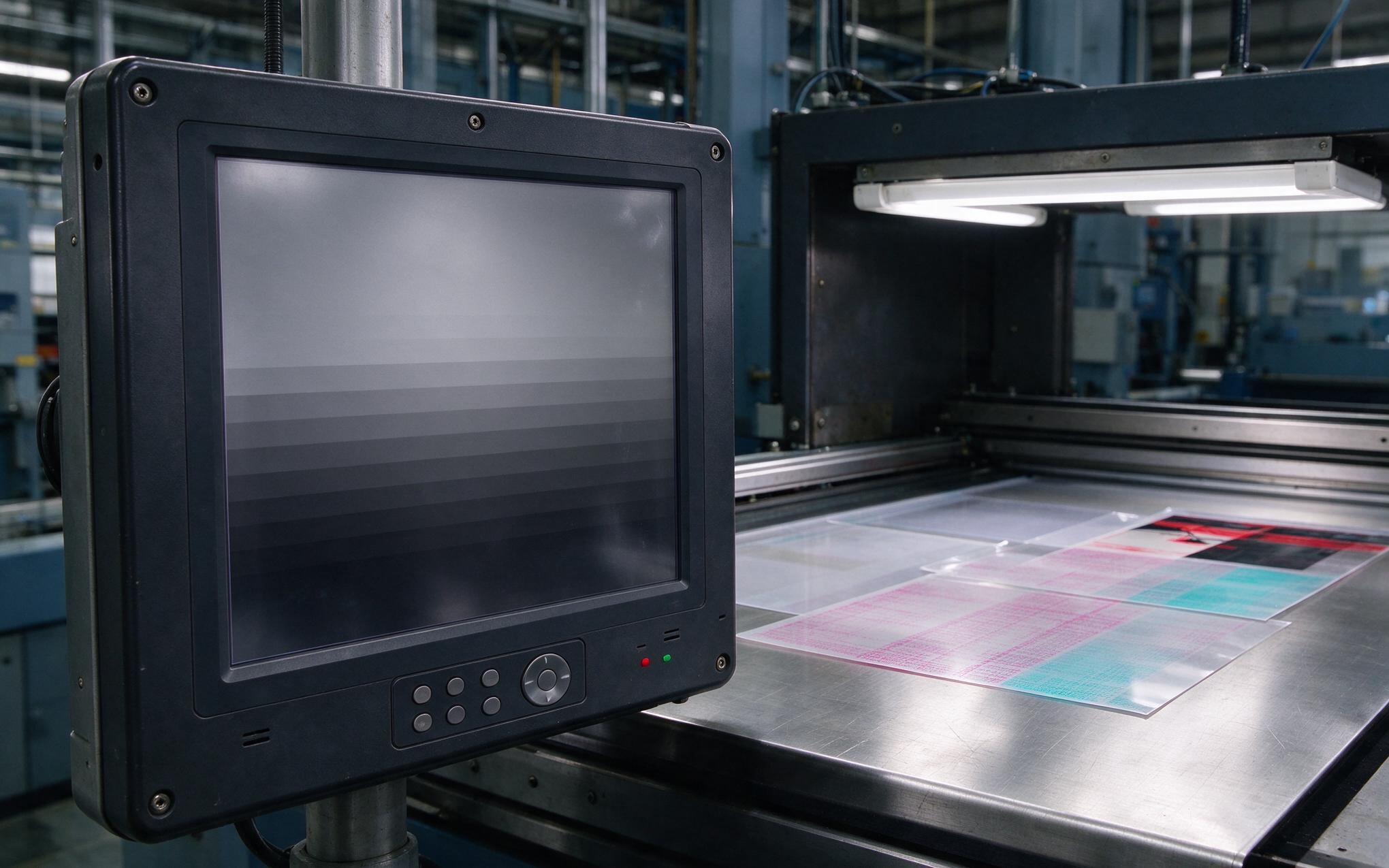
A pump contactor snaps shut in the adjacent cabinet and the operator panel one meter away blanks for half a second before rebooting. The 24 V rail feeding an industrial pc touch screen monitor is nominally clean, yet shared bus bars and long cable runs turn each switching event into a traveling transient that arrives at the monitor’s power terminals. Electrostatic discharge from a fingertip absorbs most design-review attention, but the surge arriving through the supply wiring quietly resets touch controllers and shortens backlight driver life. Understanding where that energy enters the enclosure, and how it is clamped, decides whether a deployment survives a full storm season.
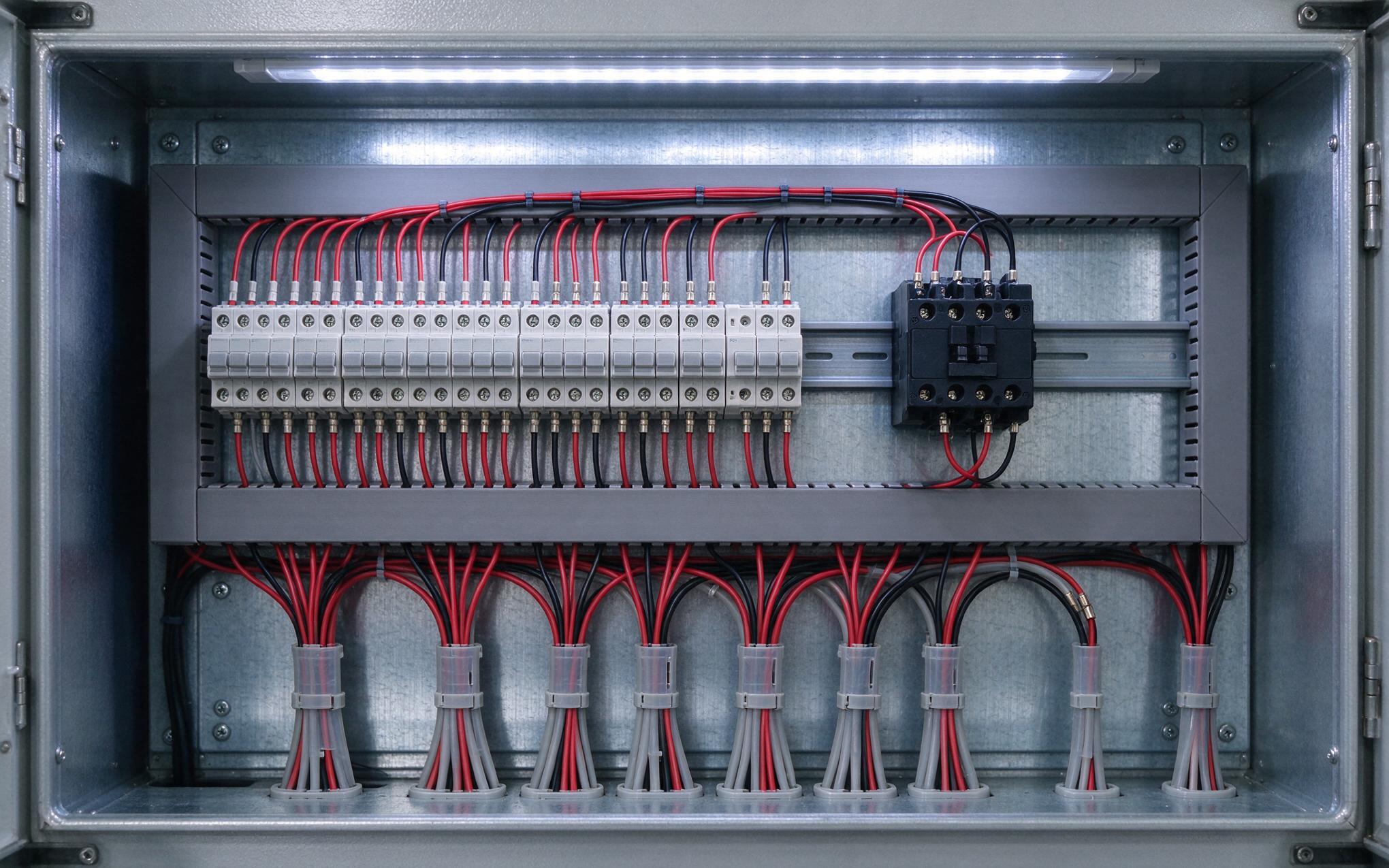
Surge Entry Paths on the 24 V Rail
Field reports from packaging lines running KOXIAN-based operator stations show that a surge does not require a lightning strike to reach production equipment. Contactors, drives, and motor starters release stored magnetic energy every time they switch, and the resulting spike propagates along the same 24 V distribution that feeds the operator station. Long outdoor runs act as antennas for indirect lightning energy, picking up fields that a short in-cabinet wire never sees. Once the transient arrives at the monitor’s power connector it divides between the input protection network and the chassis ground, and that ratio depends on how the enclosure is bonded to the cabinet. Installations that bond the housing at several points tend to push more current through the signal ground, which is the path the touch controller shares with its host. That detail never appears in a datasheet, yet it determines how much transient the logic section sees.
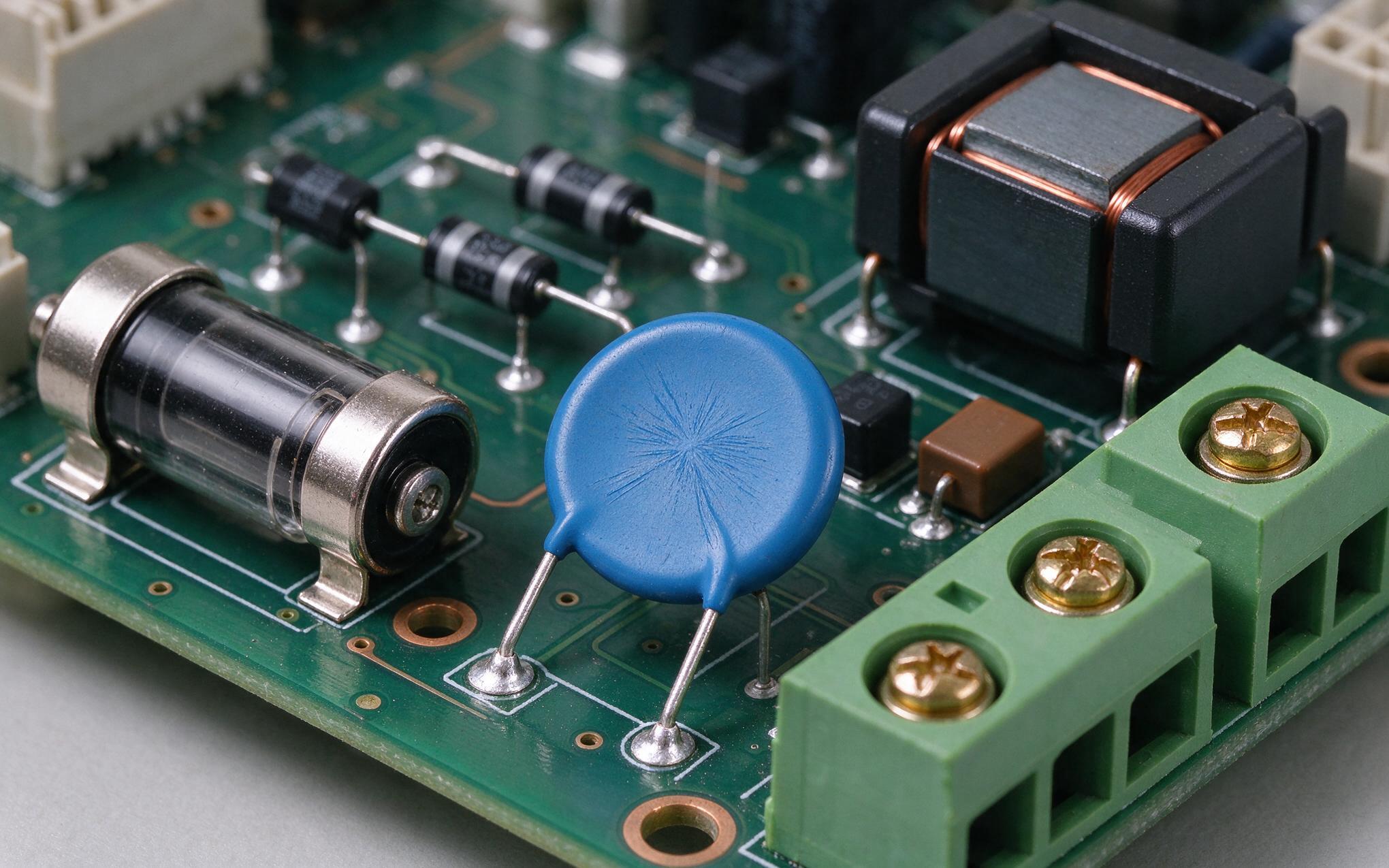
Clamping Stages Before the Touch Controller
Protection that works treats the input as a sequence of stages rather than a single component. A metal-oxide varistor at the connector absorbs the bulk of the energy, but its clamping level is still higher than the internal rails tolerate, so a second stage of transient voltage suppressor diodes nearer the DC-DC converter trims the residual overshoot. Series impedance between the stages keeps the clamp networks from fighting each other. Placing the coarse stage at the bulkhead and the fine stage on the logic board degrades a transient twice before it reaches the touch controller supply pin. Wide-input front ends with staged clamping, the approach taken in KOXIAN power architectures, keep the logic rail inside regulation while the external surge is absorbed on the way in. Specify both stages together, because a varistor without downstream trimming still passes a damaging overshoot.
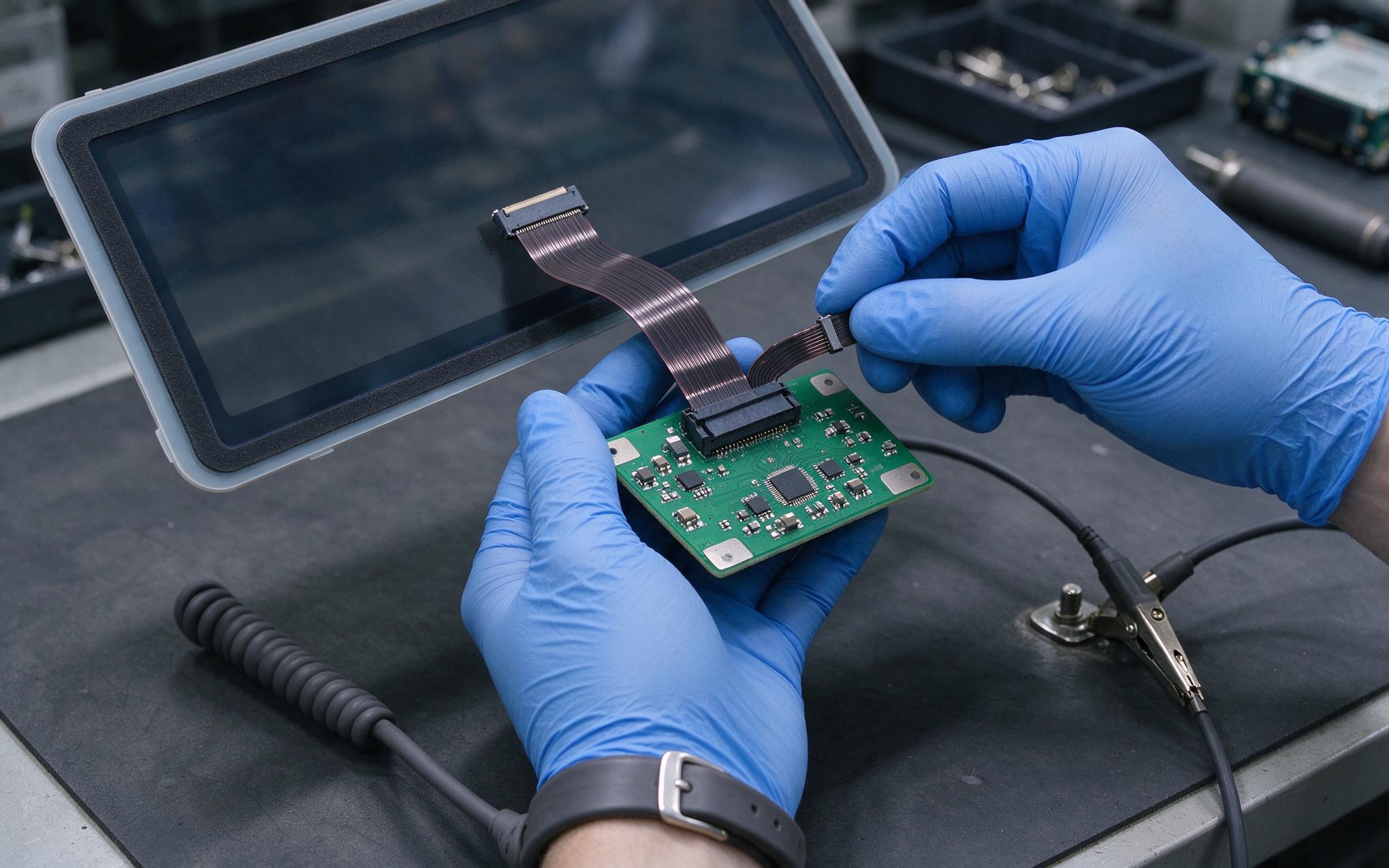
Why the Touch Layer Reacts Before the Backlight
The touch controller is usually the earliest element to complain about a partially clamped surge, for a straightforward electrical reason. Its sensing front end samples the electrode array at high rates on a low-voltage rail, and it shares a ground reference with the host over USB or serial links. A transient that lifts local ground by a few hundred millivolts shows up as ghost touches, dropped enumeration, or a latch-up that clears only on a power cycle. The backlight driver tolerates wider input excursions because its boost stage already operates around a noisy supply. Surviving the event is also not the same as staying accurate: a monitor that keeps displaying an image while generating phantom touches has failed in every way that matters, so the unit needs controller rework or replacement.
Wiring Rules for the Industrial PC Touch Screen Monitor Supply
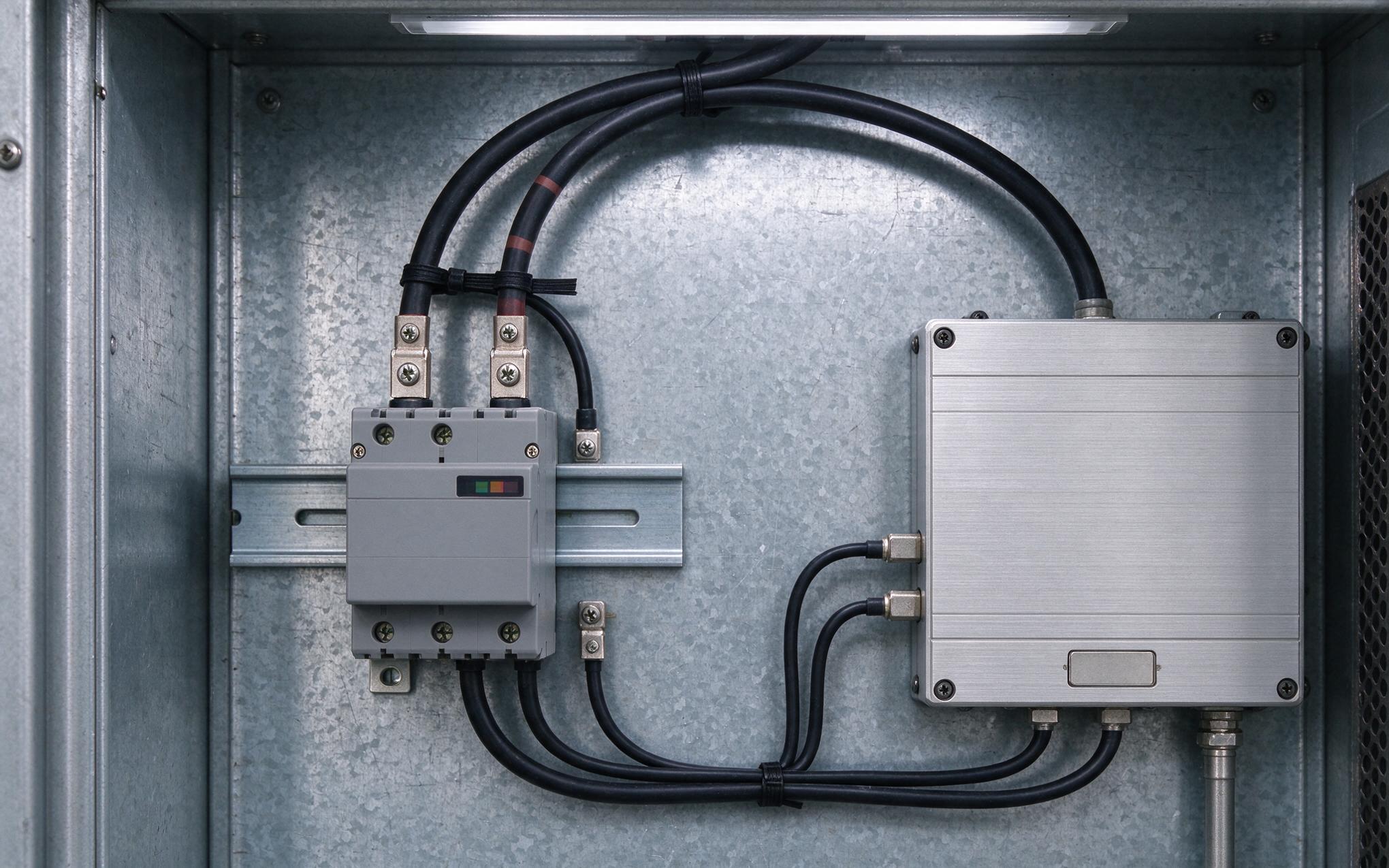
Cabinet layout prevents more surge damage than component selection. Keeping power and touch signal wiring in separate bundles limits inductive coupling, and routing the supply through a bulkhead-mounted surge module before it enters the enclosure shortens the unprotected span to a few centimeters. Where the unit must sit outdoors, a surge-rated feeder matched to the local lightning zone moves the bulk energy upstream of the equipment entirely. Grounding follows the same logic: one low-impedance bond from the monitor chassis to the cabinet star point avoids the ground loops that let transient current cross the logic section. Teams that specify an industrial pc touch screen monitor together with its feeder and bonding plan see fewer storm-season reboots than isolated purchases.
Surge robustness in an operator station is decided long before the monitor is energized. The transient that resets a touch controller most often entered through the 24 V distribution, was shaped by bonding choices, and survived because clamping stopped at a single stage. Treating the feeder, the grounding plan, and the input protection of an industrial pc touch screen monitor as one system turns storm-season reboots into a solved engineering problem instead of a recurring diagnostic exercise. Documenting those three elements per site costs an afternoon and prevents downtime that never appears in a datasheet.