An outage investigation at a water treatment contractor uncovered something worse than the downtime itself: three of its forty monitoring computers had been reflashed with unverified firmware during a maintenance visit, and nobody could prove which machines were still trustworthy. Incidents like this push security teams toward hardware-based verification that does not rely on paperwork or on trust in the last maintenance contractor. An embedded industrial PC equipped with a Trusted Platform Module can prove its own software state to a remote verifier before it ever joins the control network. As fleets of edge computers spread across plants, substations, and mobile equipment, TPM attestation has shifted from a server room concept into a practical requirement for industrial fleet rollouts.
Hardware Root of Trust Inside an Embedded Industrial PC
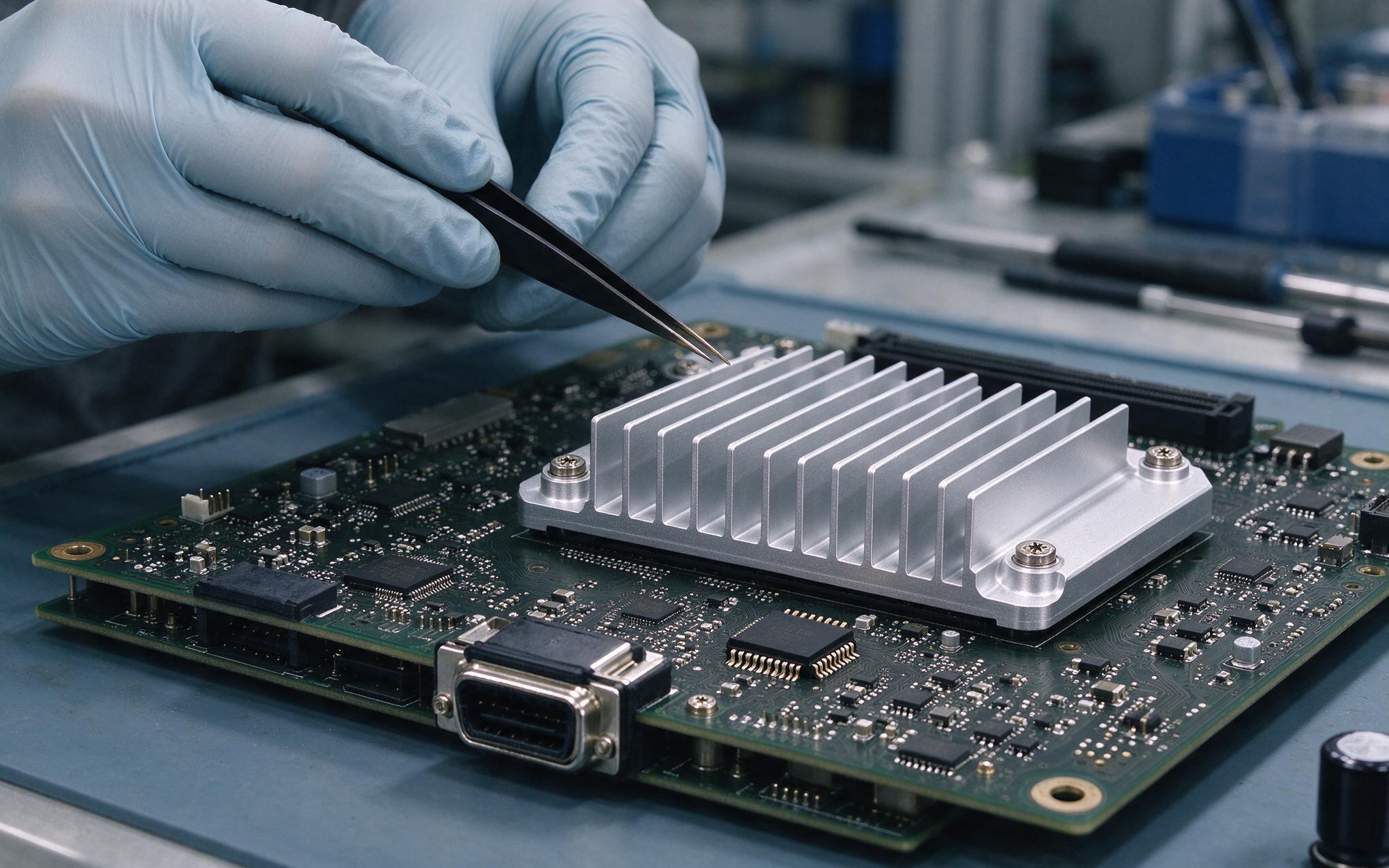
Industrial hardware manufacturers, including KOXIAN, now treat the TPM 2.0 device as standard silicon rather than an optional module, soldering it directly onto the board so it cannot be removed or swapped in the field. During production, the chip generates an endorsement key that never leaves the hardware, and the vendor signs a certificate binding that key to the specific unit. When the embedded industrial PC boots, each firmware stage measures the next stage before executing it, storing the resulting hashes in Platform Configuration Registers inside the TPM. Unlike a serial number printed on an asset label, these measurements cannot be copied or forged. The fleet operator gains a per-device identity anchored in silicon rather than in paperwork, which is exactly what large distributed deployments have been missing.

How Does Remote Attestation Verify Fleet Device Integrity?
When an operations center wants to trust a node, it sends a challenge containing a random nonce to that device. The TPM inside the embedded industrial PC signs the current register values together with the nonce, producing a quote that the verifier checks against known-good reference measurements. RFC 9683 standardizes this exchange, pairing the quote with an IEEE 802.1AR device identity certificate so the verifier learns both what software is running and which physical machine is running it. A gateway that fails the check can be quarantined to a restricted network segment until an engineer reflashes it, while a passing node receives its production certificates automatically. The whole exchange takes seconds and requires no technician on site.
Scaling Certificate Enrollment Across Plant Networks
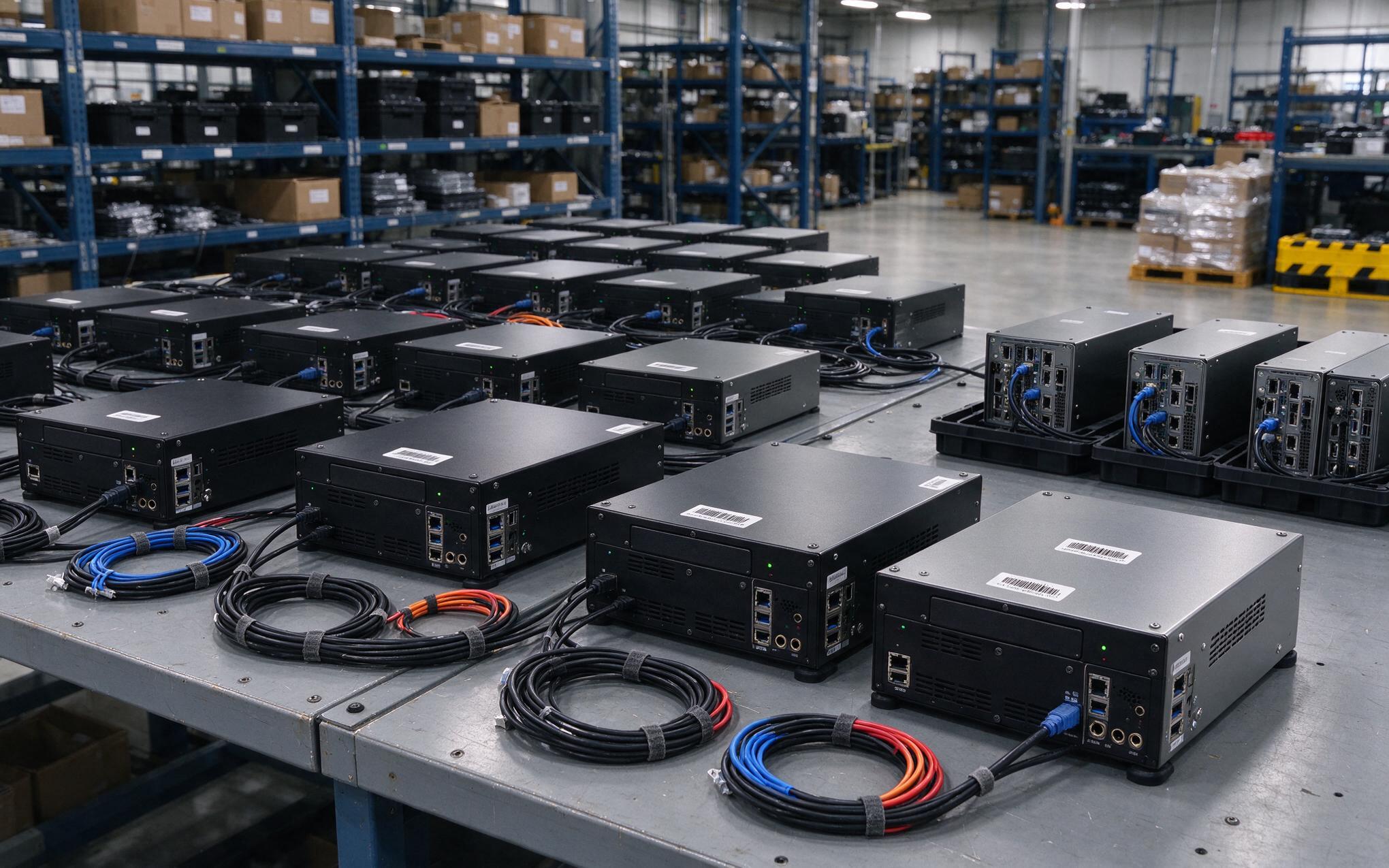
Attestation only pays off when enrollment stays hands-off. In a typical rollout, a staging crew images hundreds of units with a golden disk image, ships them to their sites, and lets each node prove itself on initial contact with the enrollment server. Because the endorsement key certificate identifies the hardware, the server can issue a unique operational credential without anyone typing a password or shipping a USB token. For an embedded industrial PC mounted inside a sealed enclosure twenty meters above a production line, that zero-touch flow is often the only practical way to onboard it. Integrators running industrial pc for automation programs now write this enrollment sequence directly into their commissioning checklists, cutting per-site setup from hours to minutes.
Maintaining Measured Boot Through Firmware Updates
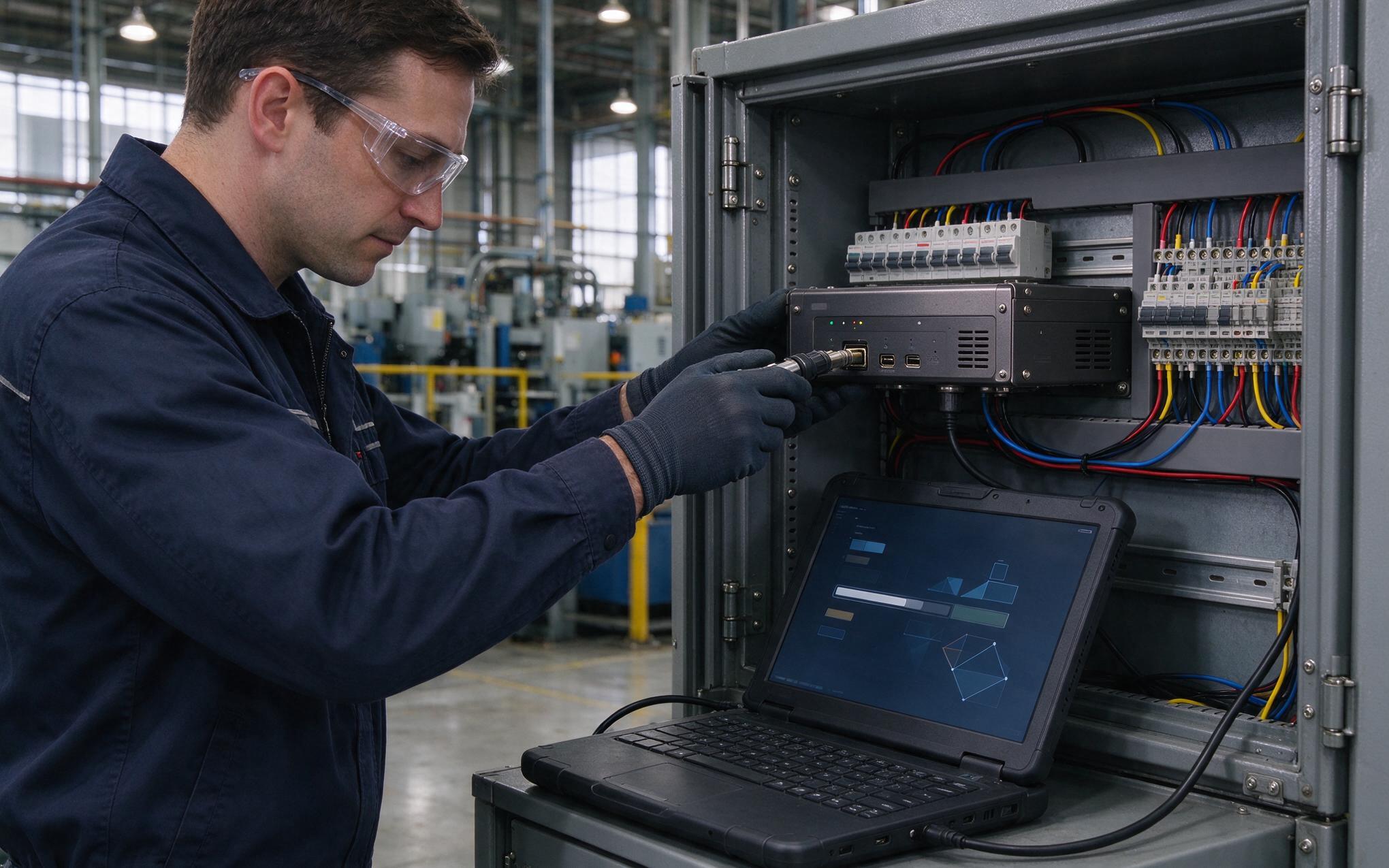
Measured boot creates an operational challenge: every legitimate firmware update changes the register values, so a fleet that attests daily would start failing its own checks after each patch. Mature deployments solve this by publishing signed reference measurements alongside every update, letting the verifier accept either the old or the new hash set during a maintenance window. Deployment records from KOXIAN-based fleet installations show that pairing each update with a fresh reference manifest keeps attestation pass rates high even through quarterly patch cycles. Devices that miss two consecutive windows move automatically into a review queue for manual inspection. This discipline turns the TPM from a one-time gatekeeper into a continuous integrity monitor covering the entire service life of the hardware. For an embedded industrial PC expected to run a decade at the edge, that continuity matters more than any single boot check.
TPM attestation changes fleet security from trust by assumption into trust by measurement. The embedded industrial PC stops being an anonymous box on the network and becomes a node that can prove its integrity on demand. Engineering teams planning new rollouts should confirm that candidate hardware ships with a discrete TPM 2.0 device, that the vendor supplies signed reference measurements, and that the management platform supports automated quote verification. With those pieces in place, even a fleet scattered across dozens of sites can be enrolled, monitored, and patched without losing confidence in what is actually running.