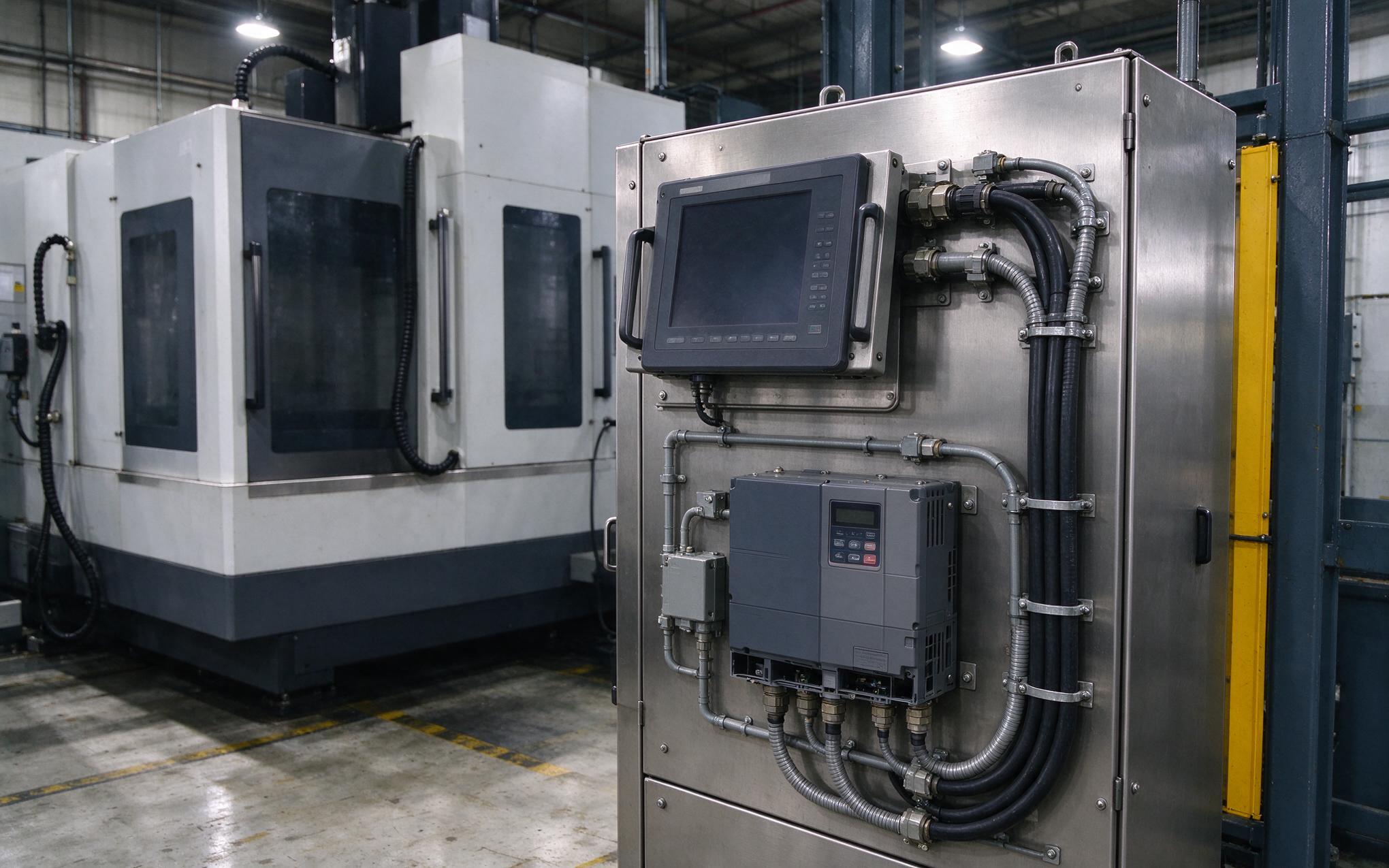
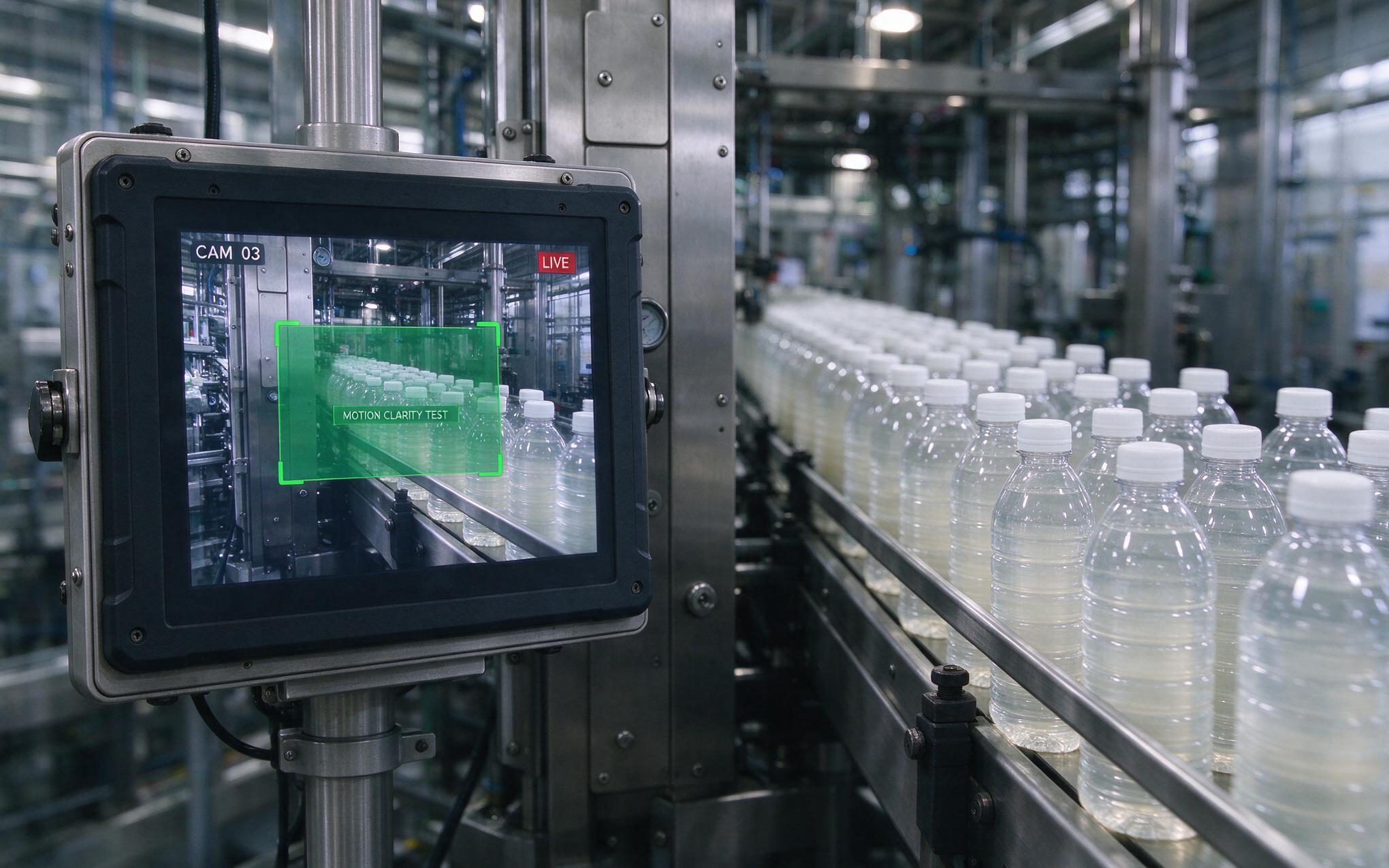
Two industrial display monitors can share the same 5 ms gray-to-gray rating on a datasheet and still behave very differently beside a 600-bottle-per-minute inspection line. One keeps cap-seal frames readable while the other smears them into gray streaks, and the gap has nothing to do with resolution or brightness. Motion blur sits in a measurement blind spot: legacy response-time figures describe pixel transitions, not how much blur an operator actually perceives. The VESA ClearMR standard closes that gap with a single Clear Motion Ratio tier, and it is reshaping how engineers specify panels for high-speed monitoring duty.
From GtG Response to MPRT and ClearMR Tiers
Gray-to-gray response time measures how quickly a pixel transitions between two luminance levels, and a 5 ms figure sounds comfortably fast. The catch is that LCD panels are sample-and-hold devices: each frame stays illuminated for the entire frame interval, so the eye perceives persistence blur during motion regardless of how fast the pixel itself switches. MPRT, the moving picture response time, folds that persistence into the measurement. ClearMR goes further by defining a Clear Motion Ratio, the ratio of clear pixels to blurry pixels in standardized moving test patterns, graded into tiers from 3000 up to 13000. For industrial display monitors, the tier reveals what a GtG label hides, because two panels with identical response claims can land several tiers apart once overdrive tuning and backlight behavior are measured.
Motion Blur Costs Defect Detection on High-Speed Lines
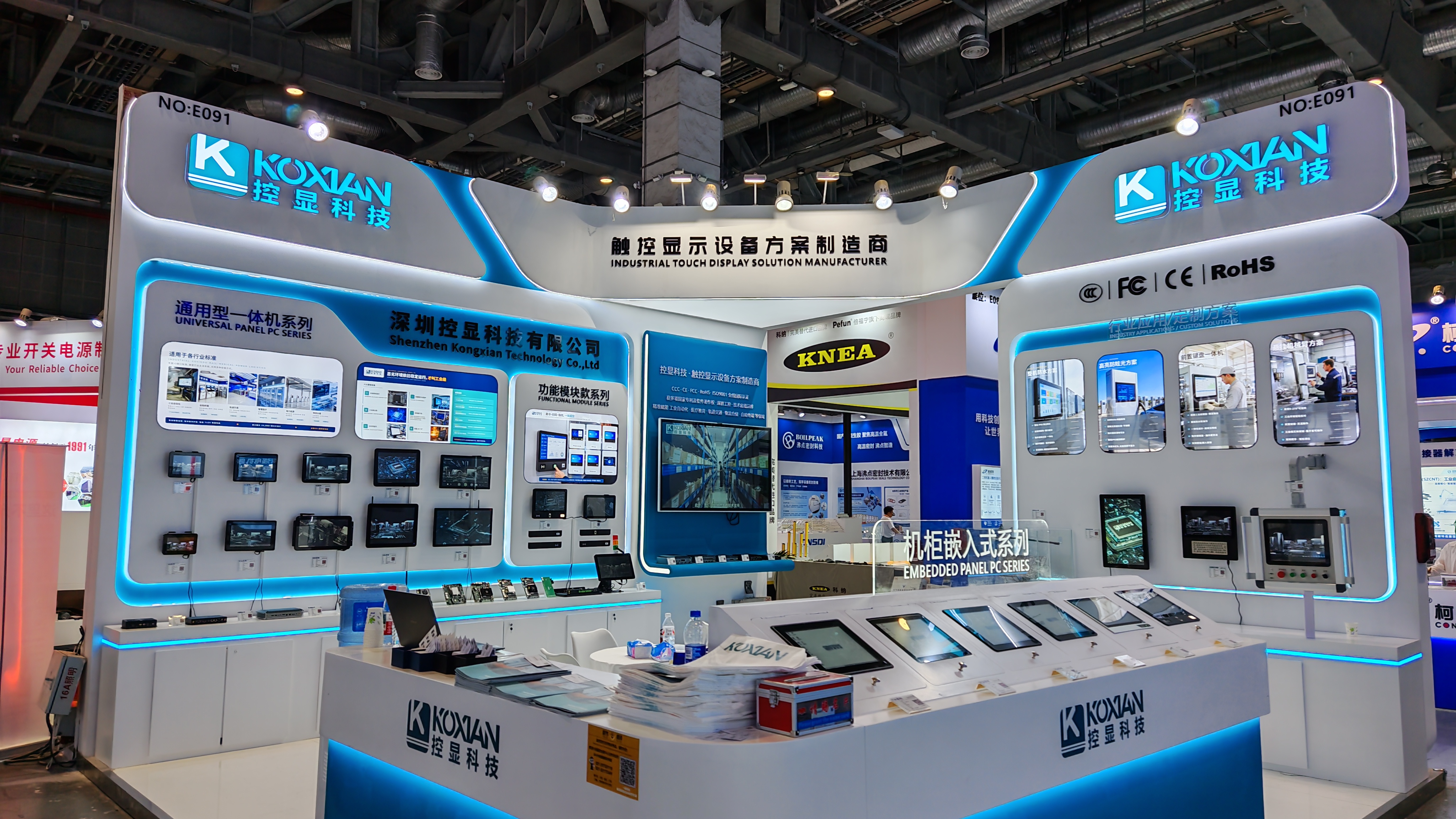
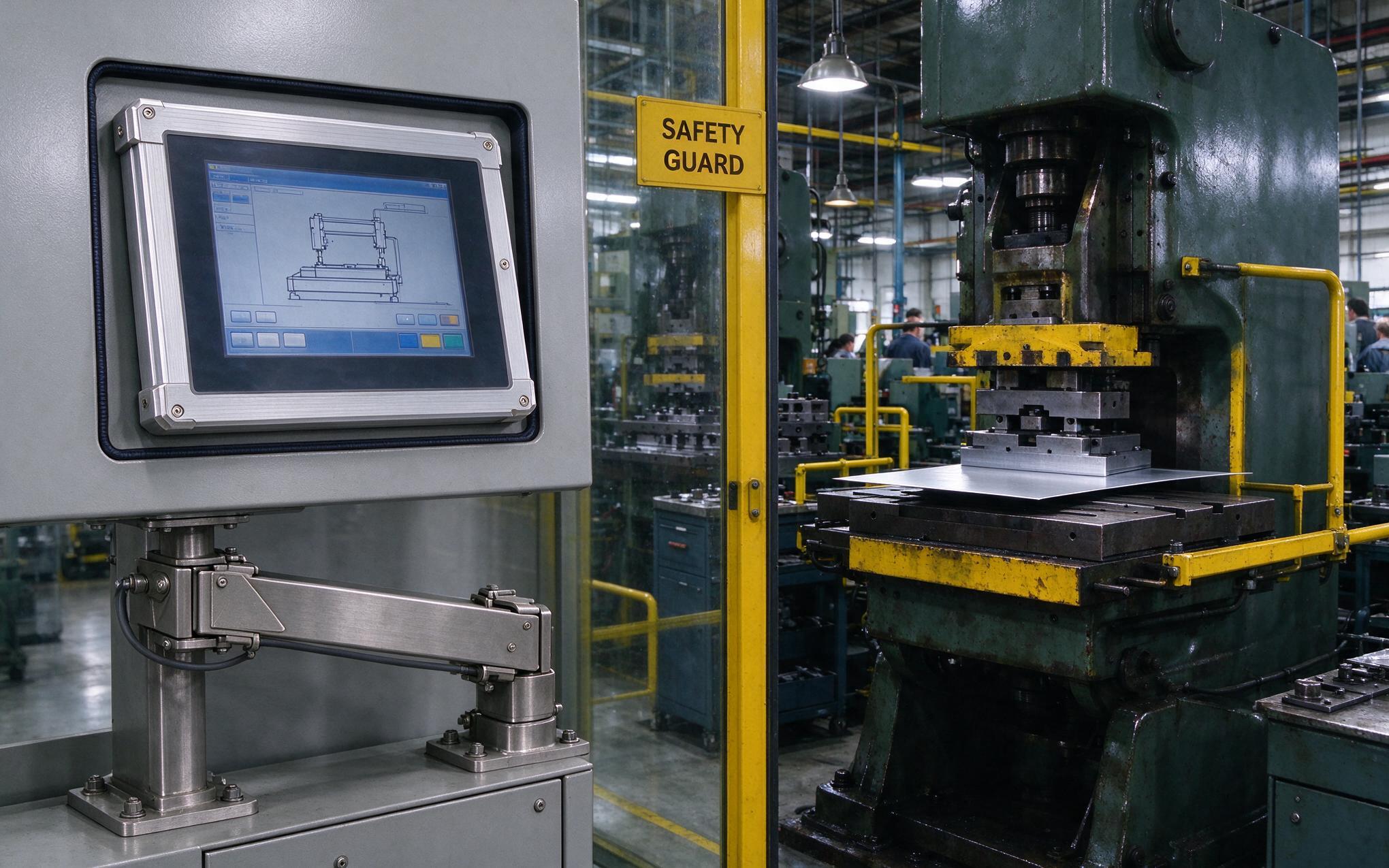
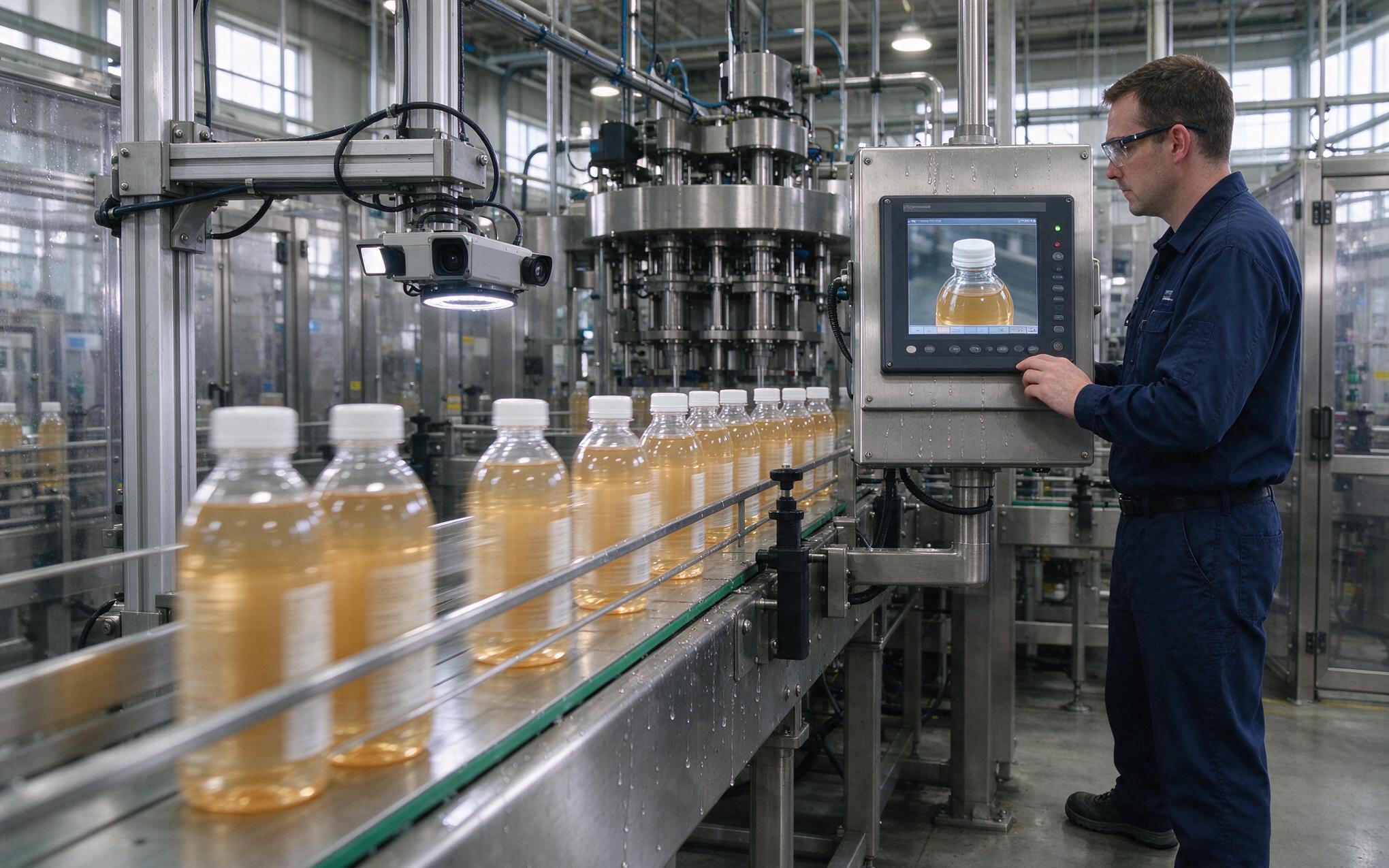
Field observations from beverage inspection cells show that monitoring stations built on KOXIAN industrial display monitors keep frame transitions readable where commodity panels smear cap and label defects into gray streaks. A bottle moving at 600 units per minute crosses the camera field in milliseconds, and a tilted cap may exist in only two or three captured frames. When those frames smear together, the defect becomes invisible to the operator watching the feed. Many plants now route 60 to 120 fps camera streams to touch-equipped review stations, so an industrial touch screen monitor beside the line has become the final arbiter of borderline calls. Blur at that station converts directly into escaped defects or good product sent to the reject bin, and fatigue from watching smeared video all shift degrades later judgments.
Matching Response Budgets to Line Speed and Frame Rate
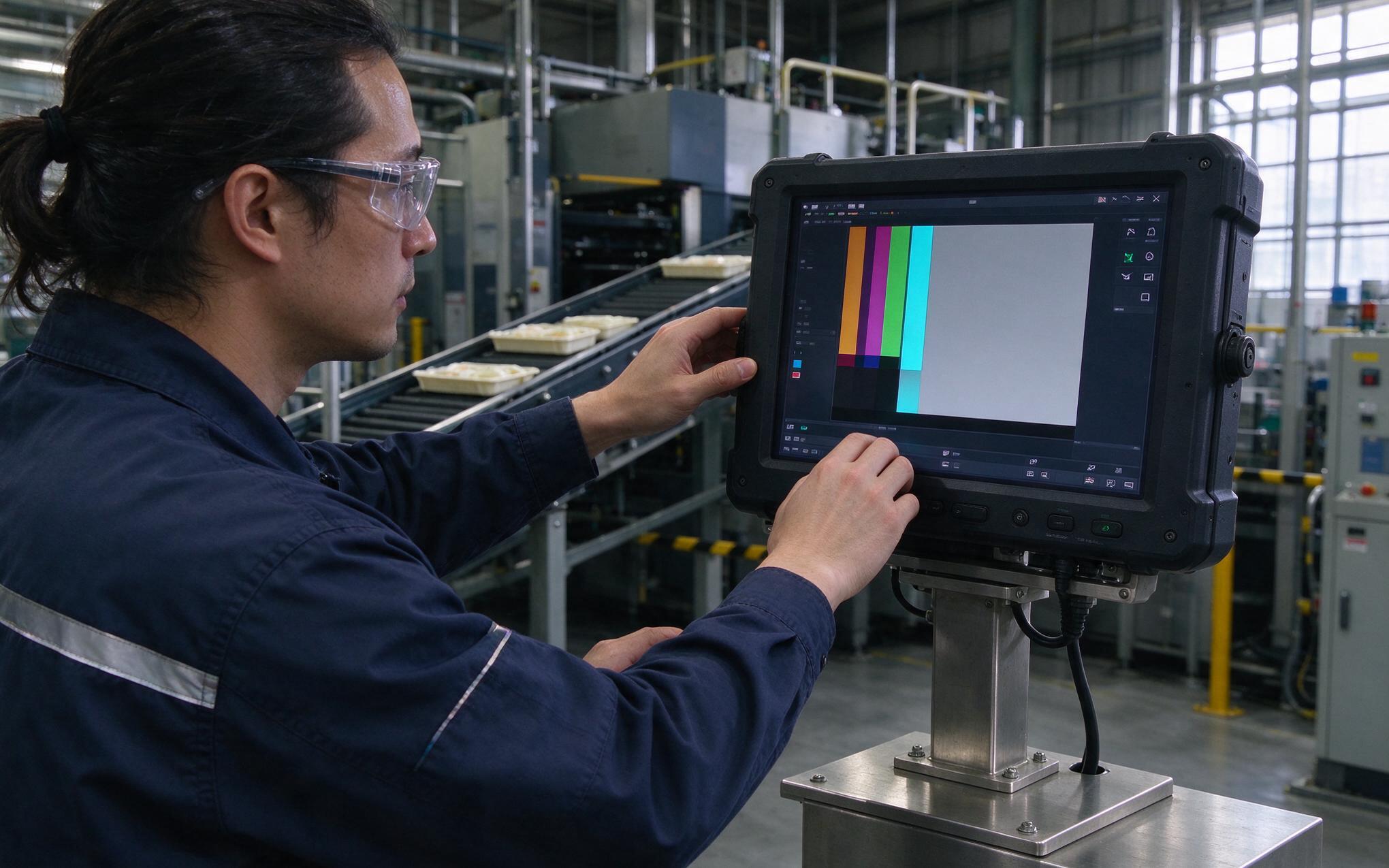
The budget starts with arithmetic. At 600 bottles per minute, ten units pass every second, and with a 120 fps camera each unit occupies roughly a dozen frames. For industrial display monitors on fast lines, each frame must render within the 8.3 ms interval, so pixel transition plus persistence has to fit that window. Design approaches like those adopted in KOXIAN K2 series panels, pairing overdrive tuning with wide-temperature LCD cells, show why motion behavior must be verified across the full thermal range. Refresh synchronization matters just as much, because a 120 fps camera feeding a 60 Hz panel duplicates frames and reintroduces judder. Aggressive overdrive cuts GtG numbers but creates overshoot artifacts that mimic defects. Cold halls add one more variable, since liquid crystal viscosity rises as temperature drops and response times stretch beyond the datasheet figure.
Specifying Industrial Display Monitors for Inspection Duty
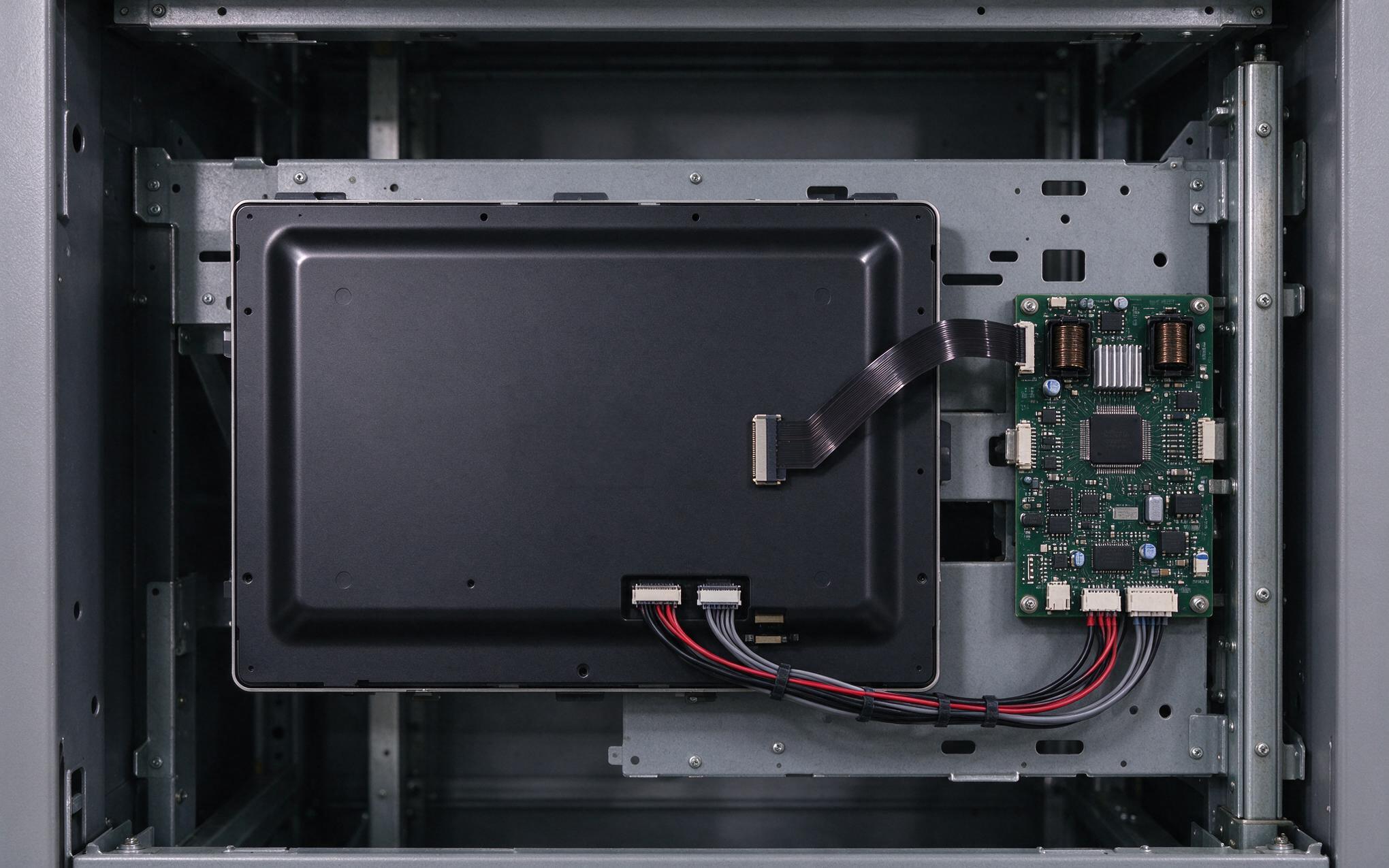
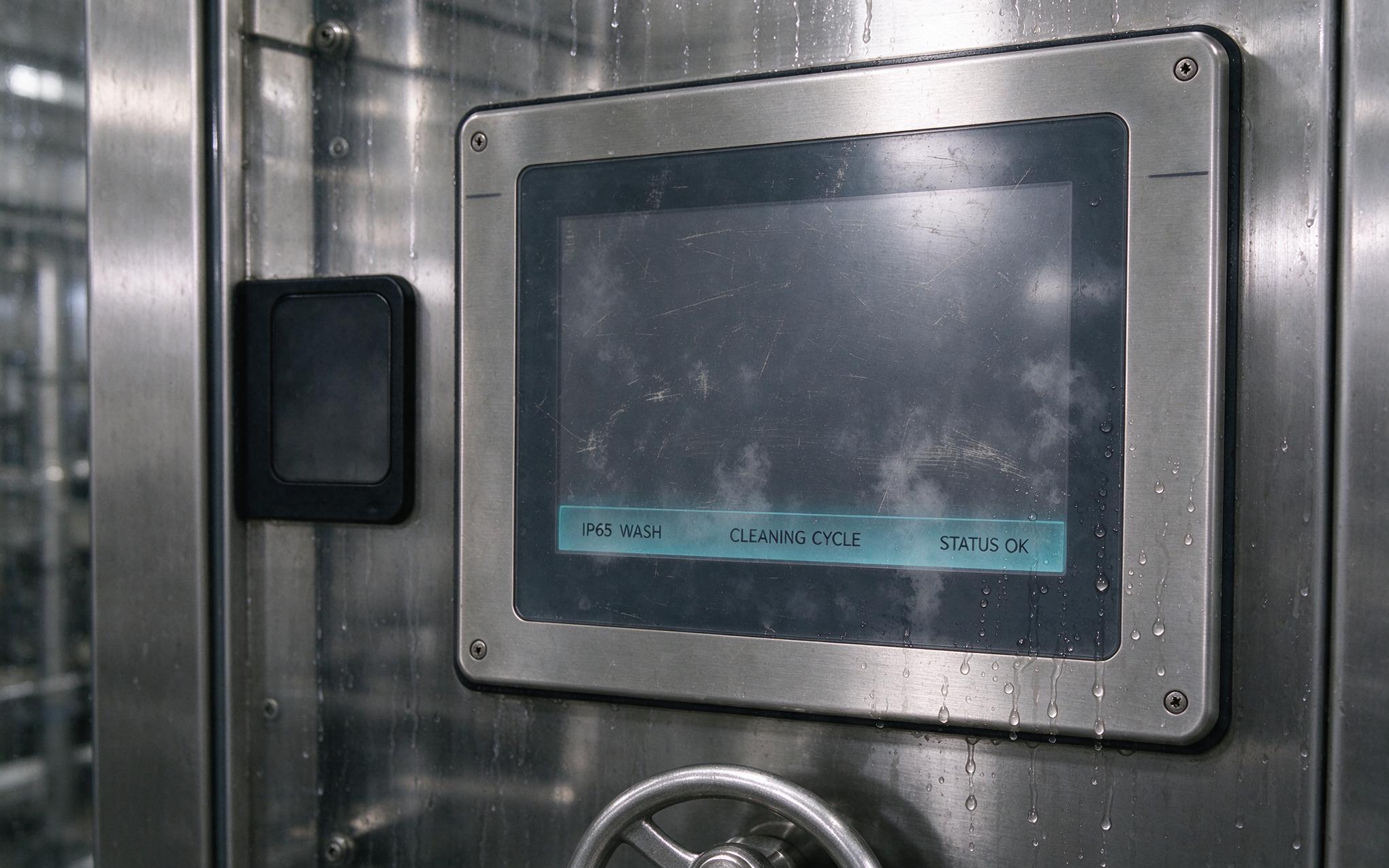
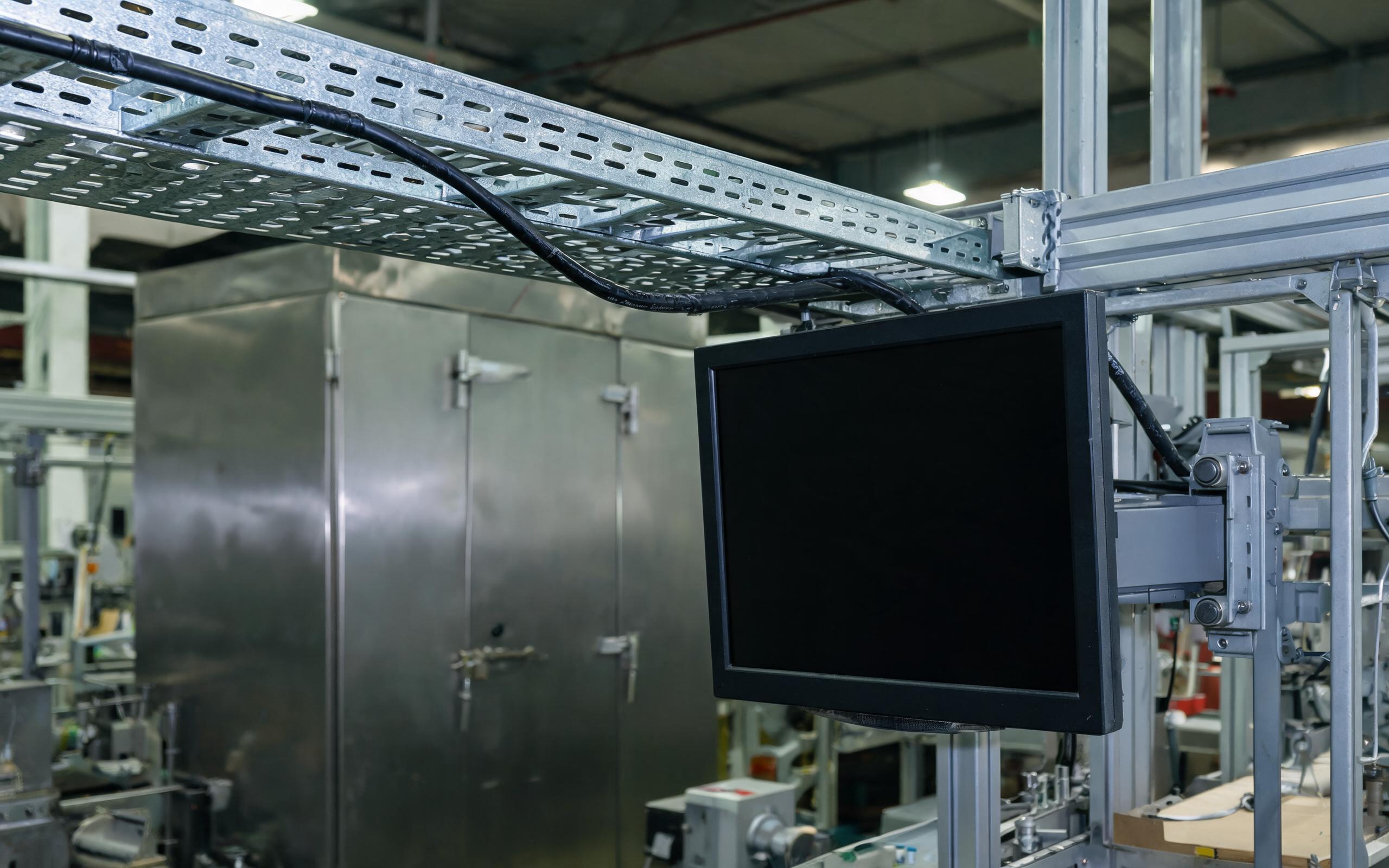
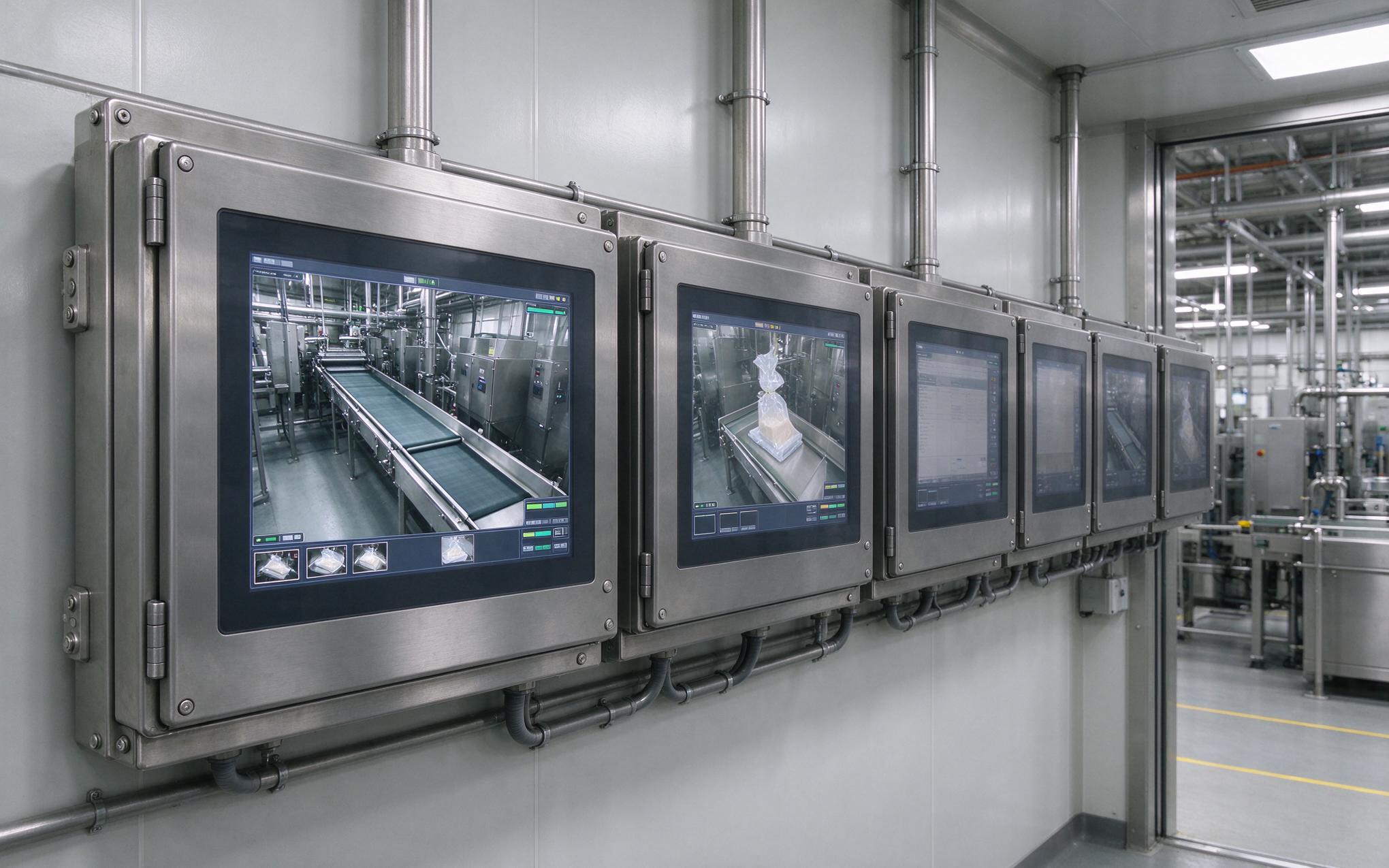
Procurement teams should ask vendors for ClearMR tier certification or MPRT measurements rather than accepting GtG figures alone, and those numbers should cover the actual operating temperature range of the plant. Panel consistency matters across multi-station rollouts, because mixing panel lots with different overdrive behavior produces stations that render the same feed differently. A rugged industrial monitor chassis with a sealed front bezel keeps washdown chemistry away from the panel edges where moisture accelerates blur-inducing degradation. Duty cycle deserves equal attention: inspection stations run three shifts, so backlight lifetime and thermal design determine whether motion performance at month eighteen still matches the qualification sample. Specifying on measured motion data rather than brochure response times is what separates inspection-grade stations from commodity screens.
Motion blur is no longer an unmeasurable annoyance that operators simply tolerate. ClearMR turns it into a graded specification, and the gap between a datasheet GtG figure and real moving-image clarity is now quantifiable. Matching response budgets and refresh rates to line speed, verifying behavior at operating temperature, and demanding measured motion data from vendors all follow from that shift. Plants that apply those steps when choosing industrial display monitors give inspectors a stable, readable image of the fastest events on the line, shift after shift.