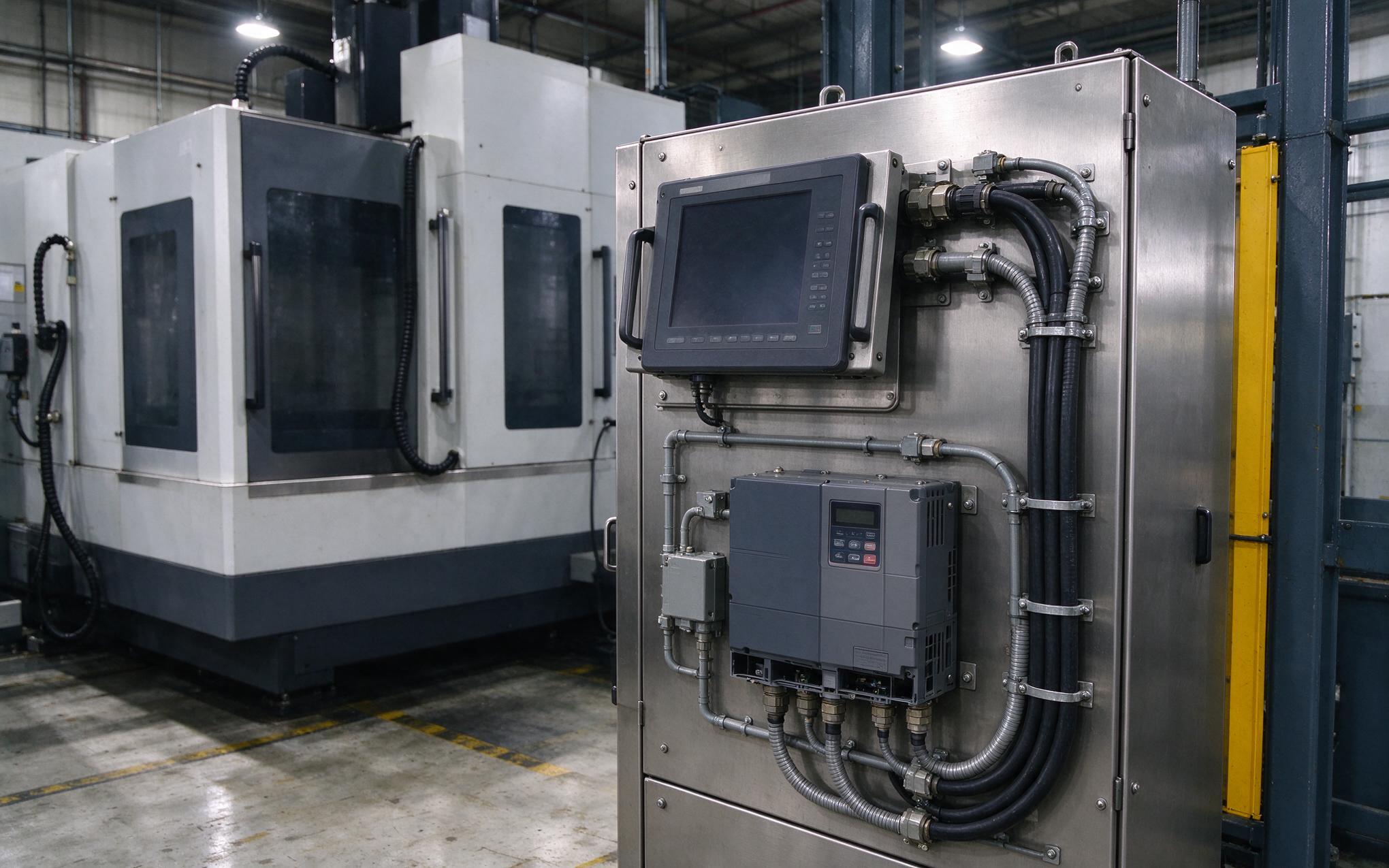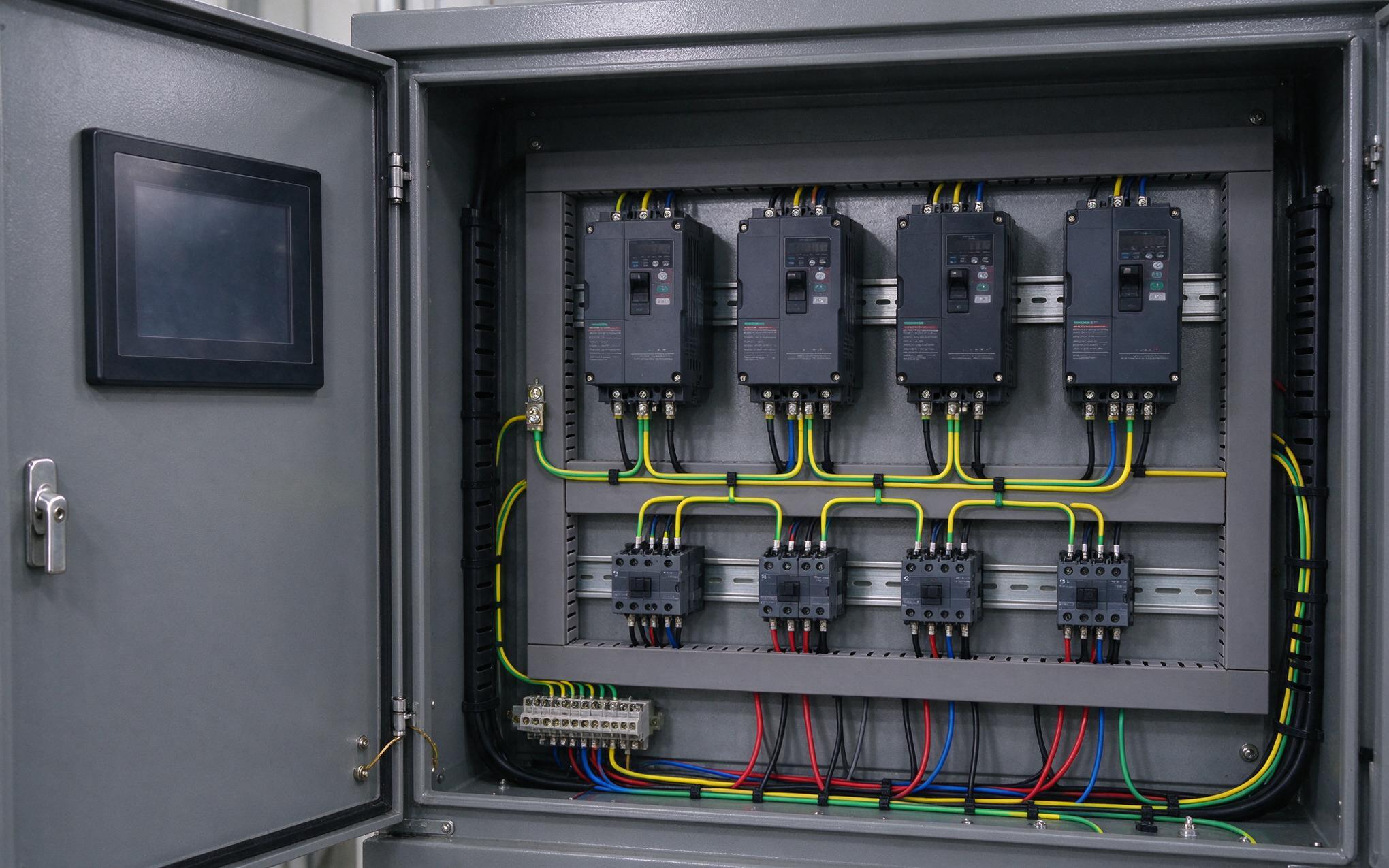
During a midnight shift at a beverage bottling plant, a maintenance technician watches the stretch wrapper’s control screen freeze for the third time in a week. The computer itself checks out; the fault traces back to a three-dollar RJ45 patch cable whose plastic latch fatigued after months of vibration. Scenes like this explain why connector selection on a rugged all in one pc deserves the same engineering scrutiny as its processor or enclosure. This guide compares M12 and RJ45 connector rules across mechanical retention, signal coding, and field service so engineers can specify I/O that survives the plant floor instead of becoming its weakest link.
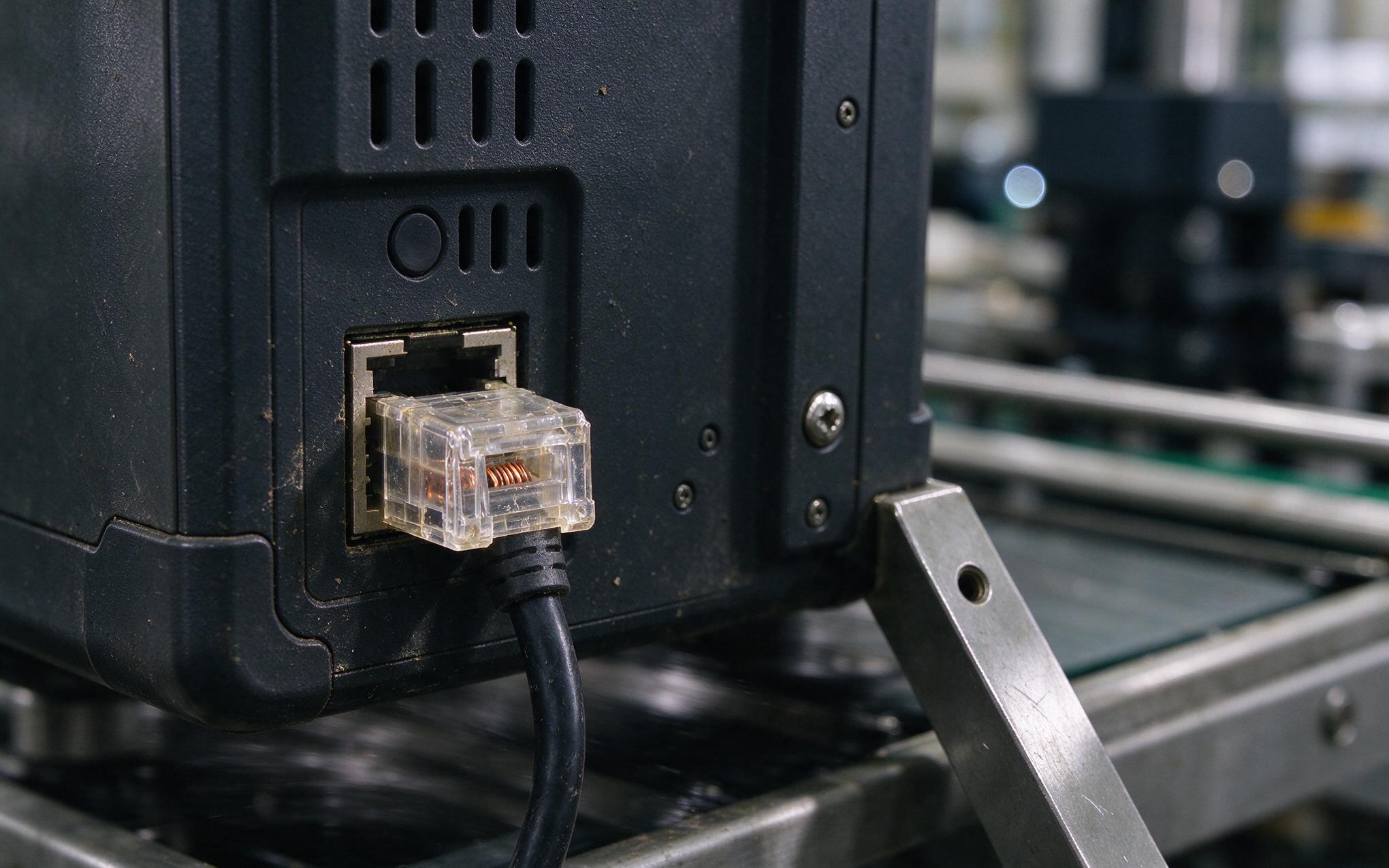
Breaking Down RJ45 Mechanical Limits Under Shock
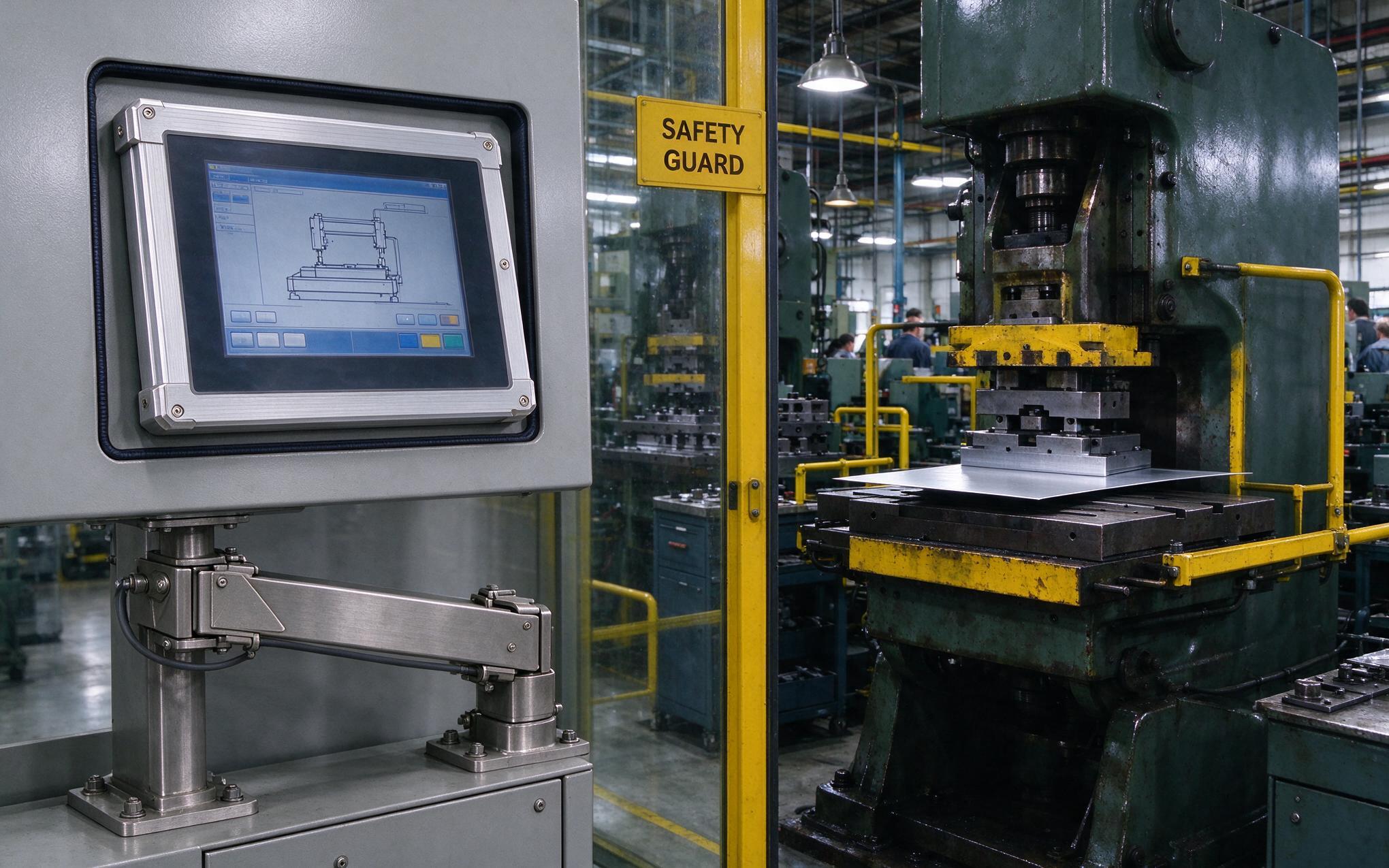
The 8P8C connector commonly called RJ45 was designed for office patch panels, not for machinery. Its retention depends on a single molded plastic tab, and its eight stamped contact springs operate with minimal normal force. Under continuous vibration, micro-motion between plug and jack produces fretting corrosion on the contact plating, gradually raising resistance until packets begin to drop. Sinusoidal vibration sweeps repeatedly show latched plugs backing out of jacks after extended exposure. Hardware built for mobile duty, such as the M12-equipped I/O panel on the KOXIAN G1 series, replaces that stamped latch with a threaded coupling nut precisely because test data shows latch retention collapsing under the shock spectra common on conveyors and vehicles. The failure mode is insidious: link indicators flicker intermittently, and technicians often blame software or the switch. By the time the link drops hard enough to register in a log, the plating damage is already permanent.
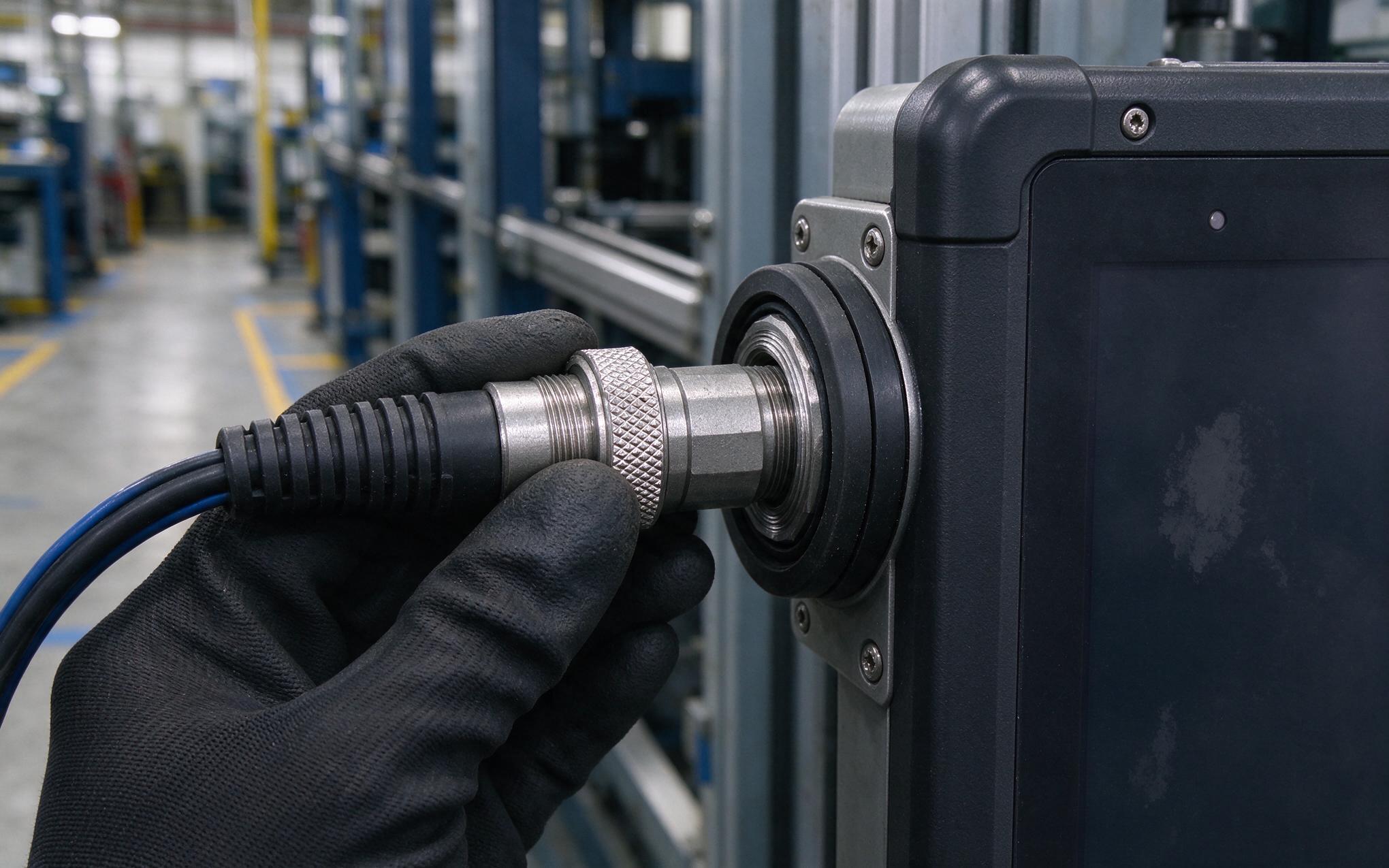
How M12 Threaded Coupling Maintains Contact Pressure
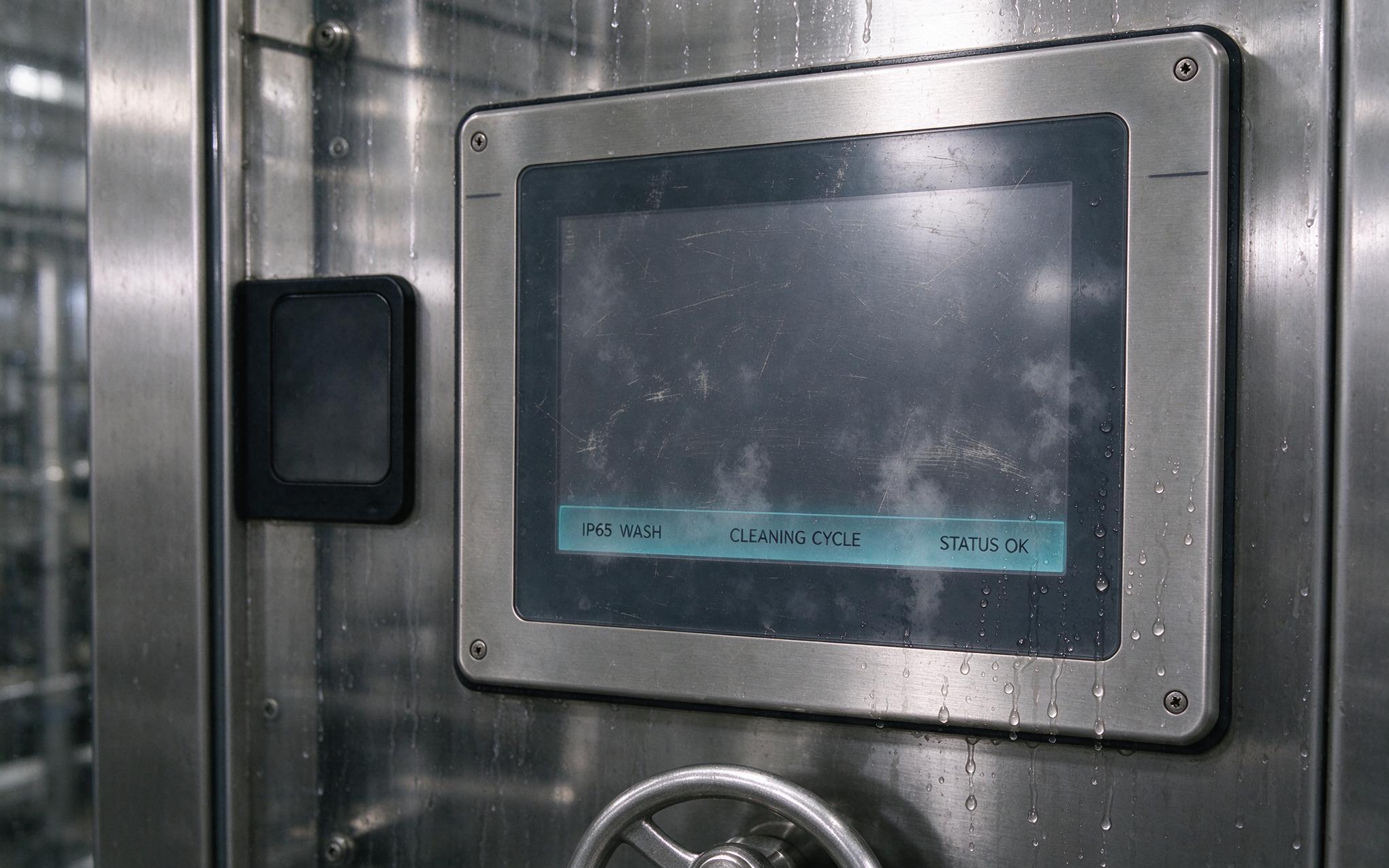
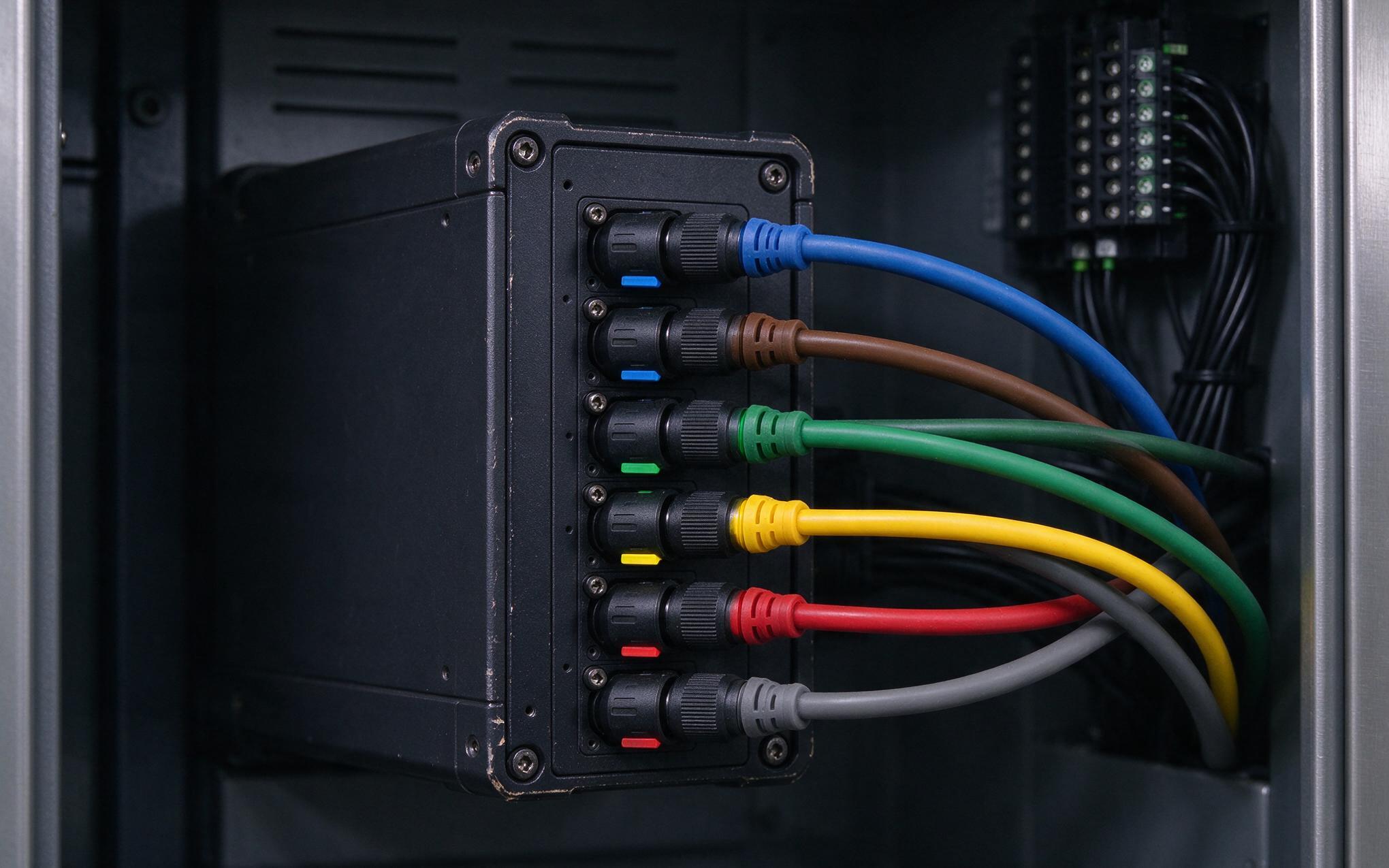
Industrial hardware manufacturers, including KOXIAN, machine the coupling threads of M12 connectors to IEC 61076-2-101 tolerances so the nut draws plug and receptacle together with controlled axial preload. That preload keeps pin-and-socket contact pressure constant even when the cable whips or the enclosure vibrates, eliminating the micro-motion that drives fretting. A compressed O-ring between the mating faces seals the interface to IP67 once tightened, and the metal coupling shell provides 360-degree shielding continuity against electrical noise. Keyed coding also prevents a technician from forcing the wrong plug into a port during a rushed night repair. Where an RJ45 latch relies on one plastic finger, the M12 interface distributes retention around a full thread engagement measured in several millimeters of travel.
Matching M12 Codes to Signals on a Rugged All in One PC
Coding letters define what an M12 pair may carry, and mixing them up defeats the keying system entirely. A-coded connectors handle DC power and discrete sensor wiring with three to twelve pins. D-coded four-pin versions carry Fast Ethernet at 100 megabits per second, which remains adequate for many drives and vision triggers. X-coded eight-pin versions support full gigabit Ethernet and can deliver Power over Ethernet to cameras on the same cordset. When specifying I/O for a rugged all in one pc on a mobile or washdown machine, map each signal up front: power input on A-code, gigabit vision traffic on X-code, and legacy 100-megabit links on D-code. Hybrid layouts that combine power and data in adjacent keyed positions reduce panel cutouts without sacrificing segregation between voltage classes.

Cabling, Panel Cutouts, and Field Service Trade-Offs
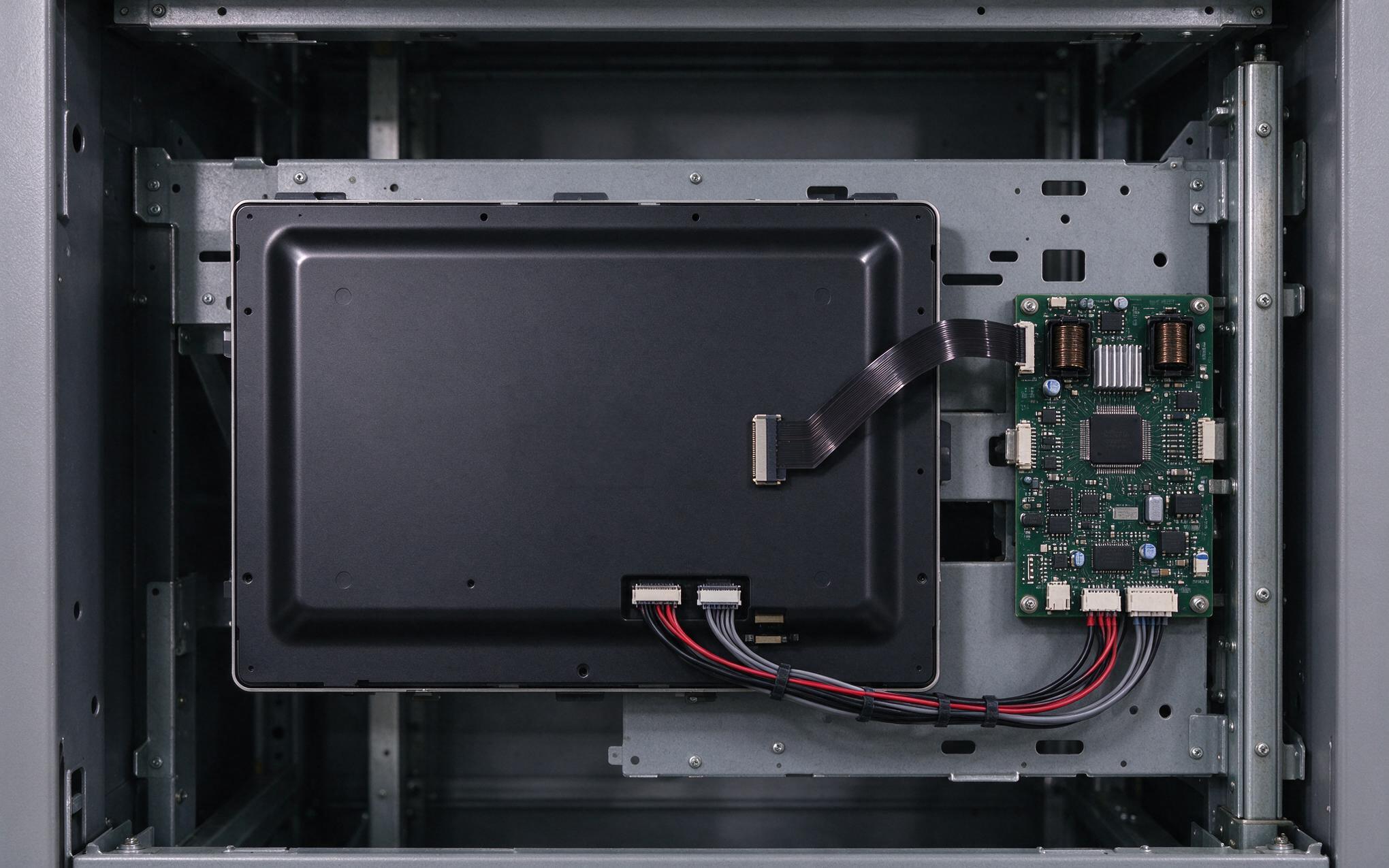
The connector itself is only half of the installation. Overmolded M12 cordsets arrive with strain relief bonded to the cable jacket, while field-attachable versions let a technician rebuild a damaged end with a stripper and screwdriver. Panel-mount receptacles need correct torque on the locknut plus a fresh gasket to preserve the enclosure rating. Upfront, an M12 cordset costs several times a molded RJ45 patch cable, yet one vibration-induced link fault that stalls a line for an hour usually exceeds the price difference for an entire machine. A pragmatic layout keeps RJ45 inside sealed cabinets for commissioning ports and puts M12 on every run that crosses a vibrating frame, and service teams that standardize on interface layouts inspired by KOXIAN report faster swaps during line changeovers.
Connector selection is a mechanical engineering decision disguised as a purchasing line item. RJ45 remains serviceable inside protected enclosures, but any run exposed to shock, vibration, or washdown belongs behind a threaded M12 interface with the coding matched to its signal. When the next specification for a rugged all in one pc reaches the I/O section, treat retention force, sealing, and coding as requirements on par with processing power, and the midnight freeze-ups traced to a three-dollar latch disappear from the maintenance log.