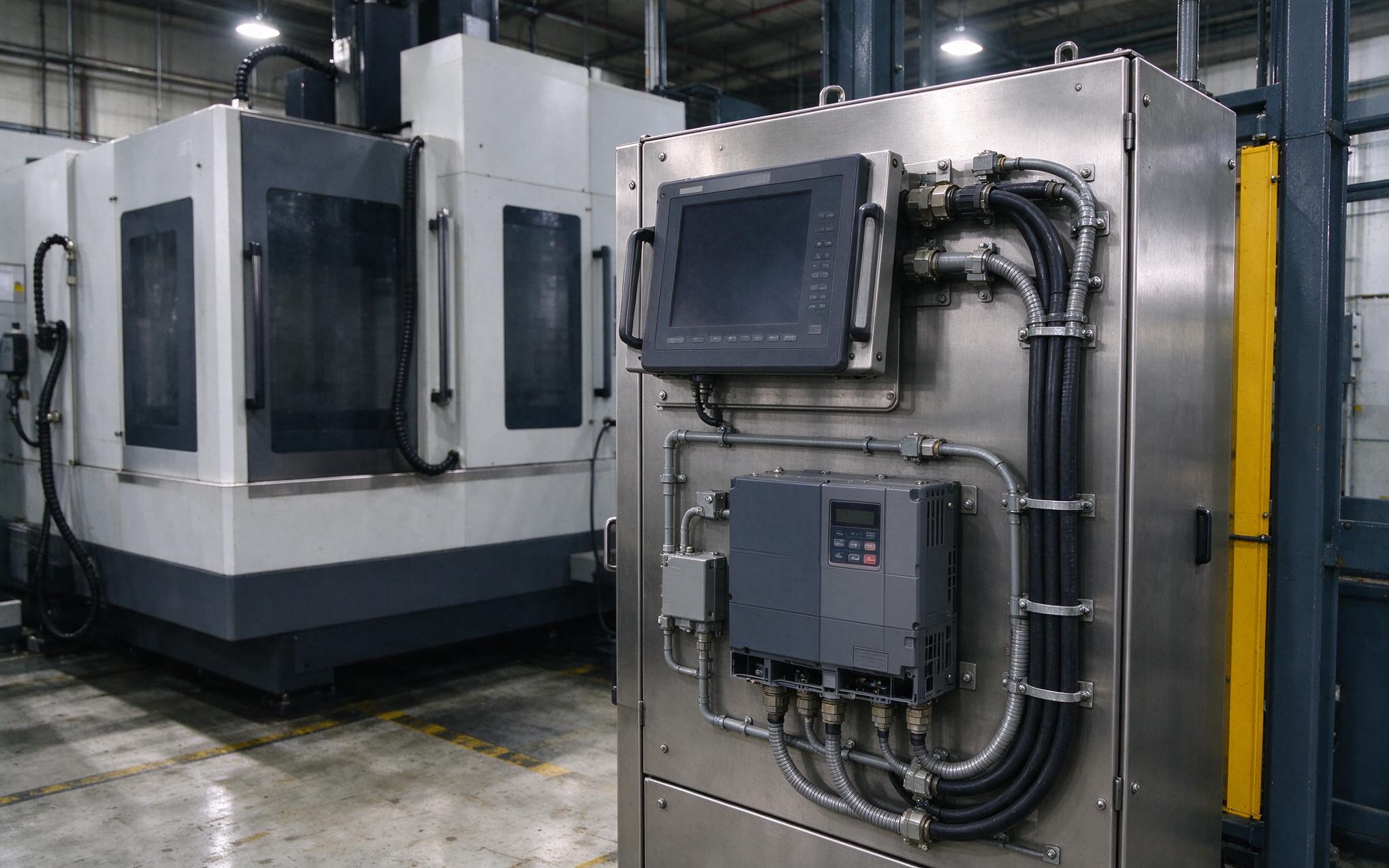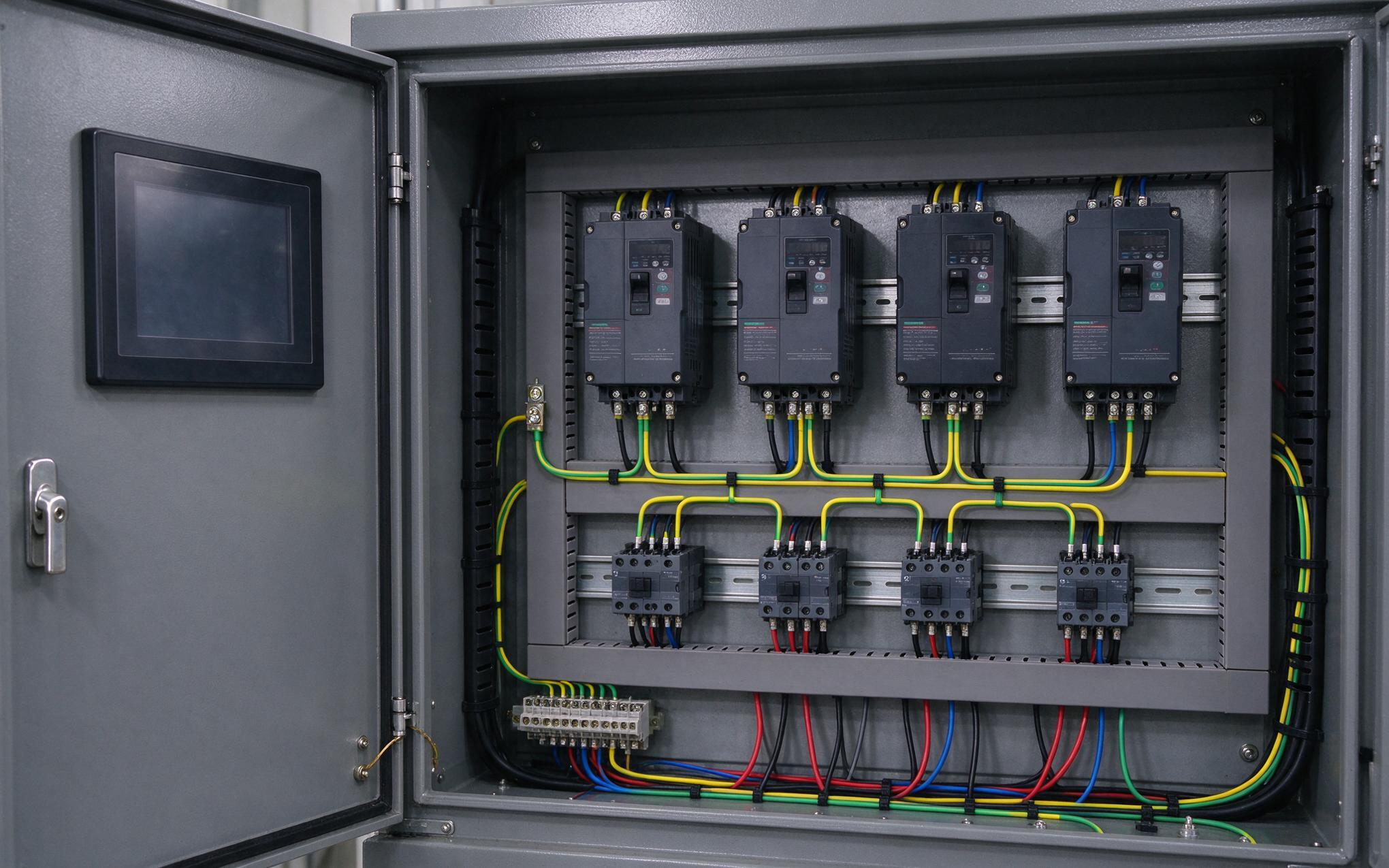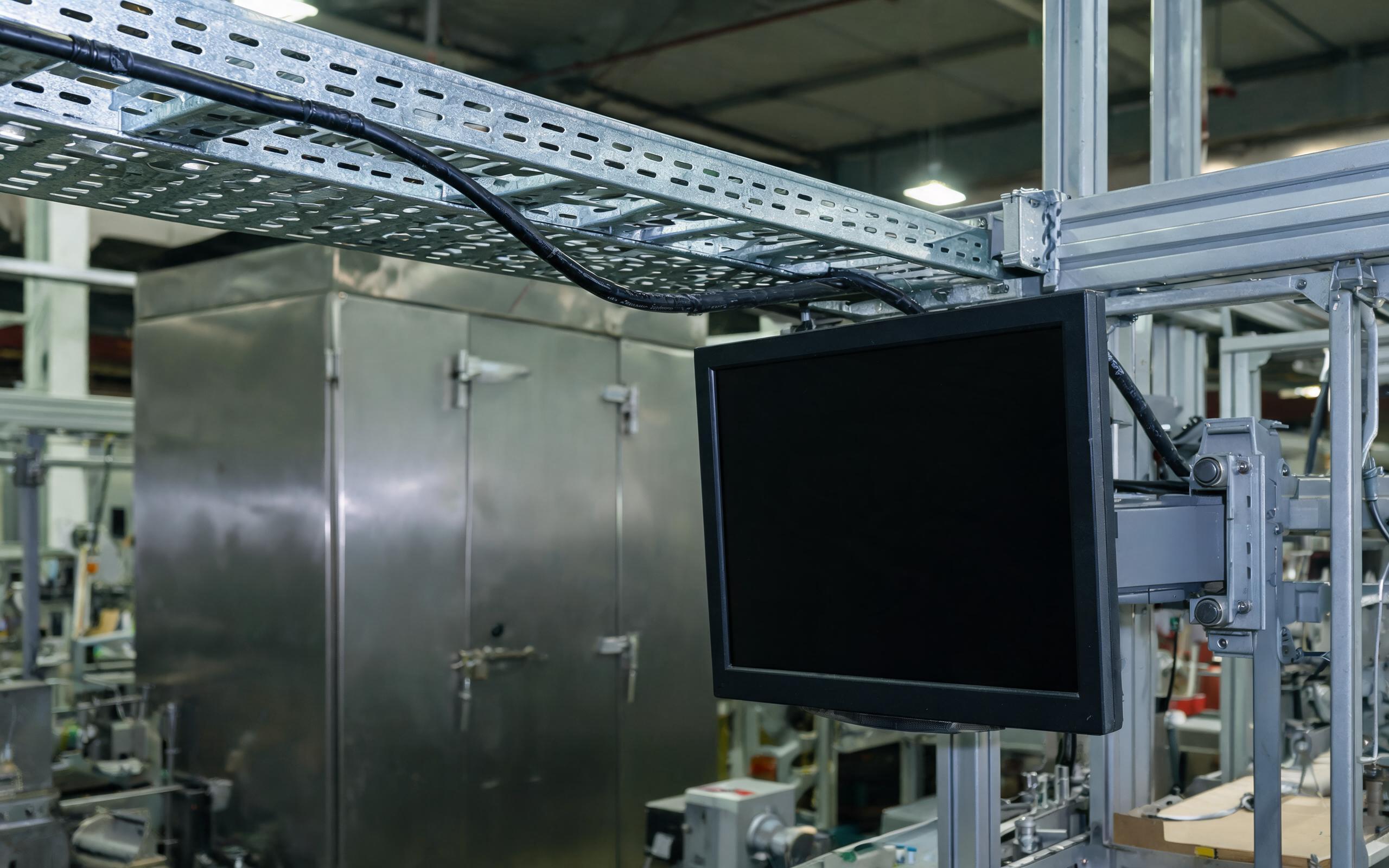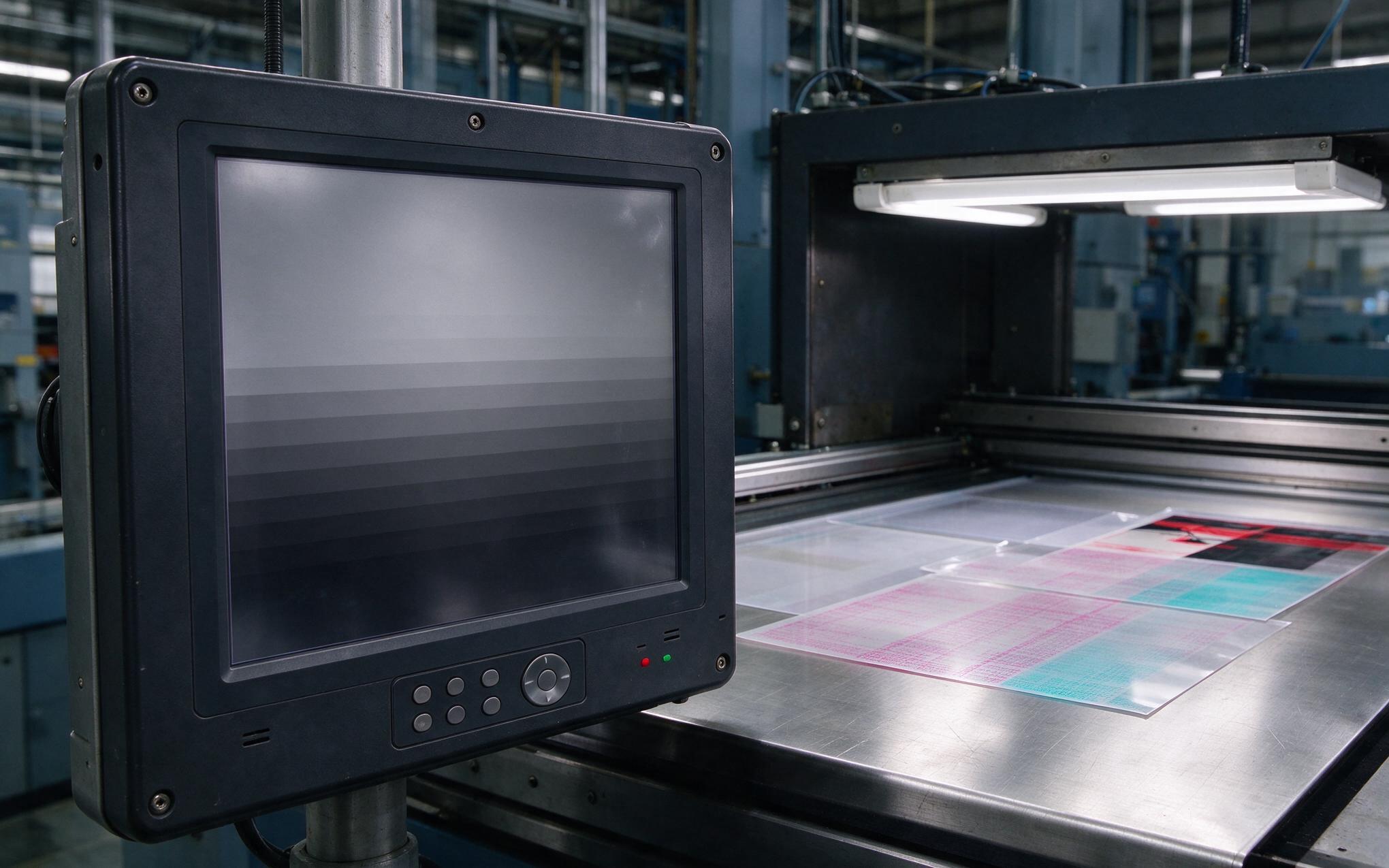
A packaging line halts at 2 a.m. when the Windows 10 industrial panel PC fails to reboot after a brief power dip. The operator finds a corrupted system volume and a missing shift log that took hours to reconstruct. In factories across North America and Europe, industrial panel pc windows 10 deployments face this scenario with increasing frequency as Microsoft ended security updates for the operating system in October 2025. The problem is not merely software exposure. Disk errors in these environments stem from a convergence of unstable power, mechanical vibration, and thermal stress that conventional consumer storage cannot survive. Selecting the right drive technology and layering continuous health monitoring are the engineering steps that keep production running.

Addressing Power Loss With Industrial SSD Protection
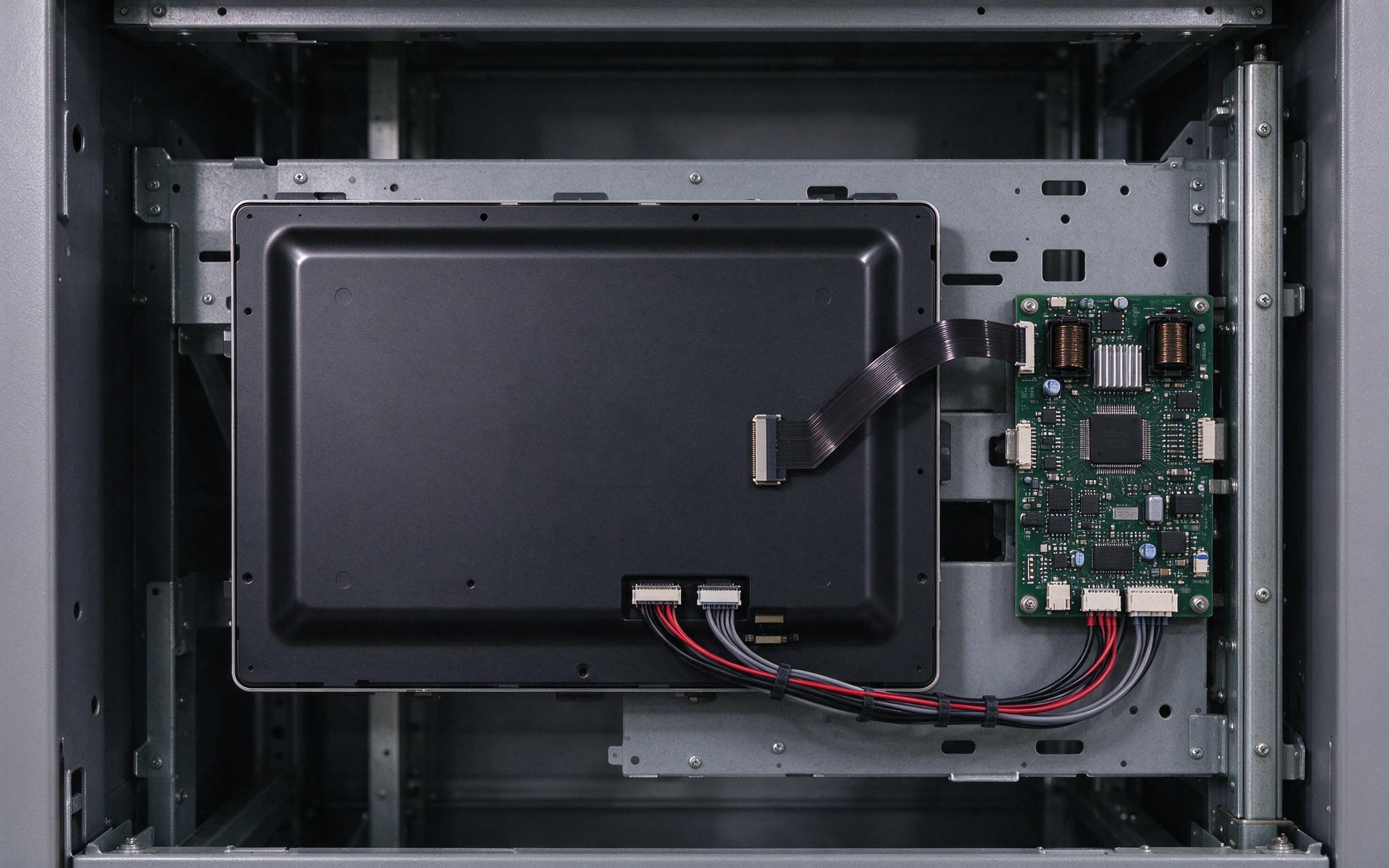
When voltage sags or a generator switchover creates a momentary gap, a standard SSD may lose power mid-write. The controller abandons partially programmed NAND pages, and the mapping table that tracks where data lives on the flash array becomes inconsistent. On the next boot, the operating system encounters a file system that no longer matches reality, triggering disk errors that range from slow reads to complete boot failure. Industrial-grade solid state drives address this through power loss protection circuits built around tantalum or polymer capacitors. These components store enough energy to keep the SSD controller alive for several milliseconds after input voltage collapses, long enough to flush volatile write buffers and finalize internal mapping tables before the drive powers down. Manufacturers such as ADATA Industrial and Innodisk have formalized this capability into named technologies, including Innodisk iData Guard, which detects anomalous voltage drops and triggers a recovery algorithm that rebuilds mapping tables on the next power cycle. For any industrial panel pc windows 10 installation operating on a factory floor with generator-backed power or frequent utility interruptions, selecting an SSD with hardware-level power loss protection is a non-negotiable design requirement. Companies like KOXIAN that spec industrial panel pc platforms for harsh environments typically integrate tantalum-capacitor SSDs as standard rather than optional storage, recognizing that the cost of a single corrupted production database far exceeds the premium for power-loss-protected flash.

Monitoring Drive Health Under Vibration and Thermal Stress
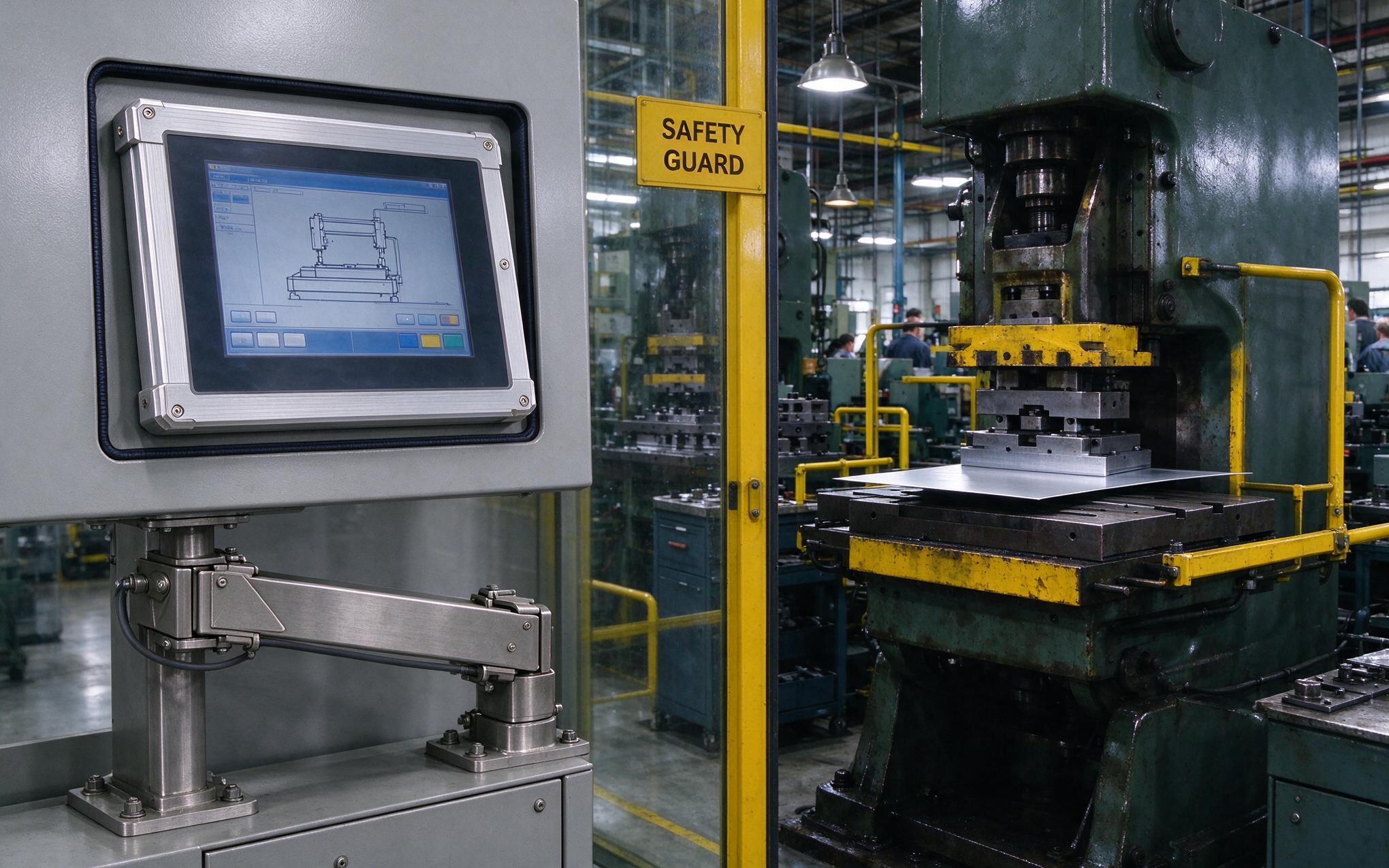
Beyond power events, industrial environments subject storage hardware to forces that consumer SSDs never encounter. A panel pc mounted on a CNC machine tool housing or near a bottling conveyor transmits constant mechanical vibration through its chassis into the drive bay. Traditional hard disk drives with spinning platters and read-write heads are especially vulnerable, with vibration-induced head slap causing permanent surface damage in as few as ten thousand operating hours. Solid state drives eliminate the mechanical failure mode but introduce their own concerns: thermal cycling between shift start-up ambient temperatures and sustained junction heat during continuous operation can accelerate NAND cell wear and degrade controller performance. Continuous S.M.A.R.T. monitoring provides the early warning system that plant engineers need. Metrics such as reallocated sector count, power-on hours, and temperature exceedance flags reveal degradation patterns weeks before a catastrophic failure. Many industrial panel pc platforms running windows 10 support remote S.M.A.R.T. polling through standard Windows management instrumentation, enabling centralized dashboards that aggregate drive health data across an entire production facility. Combining this monitoring with predictive analytics that model remaining useful life transforms disk error management from reactive repair into planned maintenance.

Extending Windows 10 Lifecycle While Planning Migration
The October 2025 end-of-support date for Windows 10 creates a parallel challenge. Without security patches, unpatched vulnerabilities accumulate on industrial panel pc windows 10 systems that cannot be immediately replaced due to application compatibility or budget constraints. Microsoft Extended Security Updates provide a temporary bridge, offering critical patch coverage through October 2027 for enrolled devices. However, extending the operating system lifespan without addressing the underlying disk reliability gap only solves half of the equation. A comprehensive approach pairs ESU enrollment with the SSD selection and health monitoring practices described above, creating a defense-in-depth posture that protects both the software stack and the physical storage layer. Meanwhile, KOXIAN and other industrial hardware manufacturers are shipping newer panel pc models with TPM 2.0 modules and UEFI secure boot, laying the groundwork for eventual Windows 11 migration. Organizations that invest in drive health infrastructure today will find that the same S.M.A.R.T. monitoring frameworks and power loss protection principles apply regardless of which operating system runs on the hardware, making the transition smoother when replacement cycles align.
Disk errors in industrial computing environments are not inevitable. They are engineering problems with well-understood solutions. Plant managers and system integrators who pair power-loss-protected industrial SSDs with continuous S.M.A.R.T. monitoring and a realistic Windows 10 migration timeline can reduce unplanned downtime and extend the productive life of their panel pc assets well into the next hardware generation.