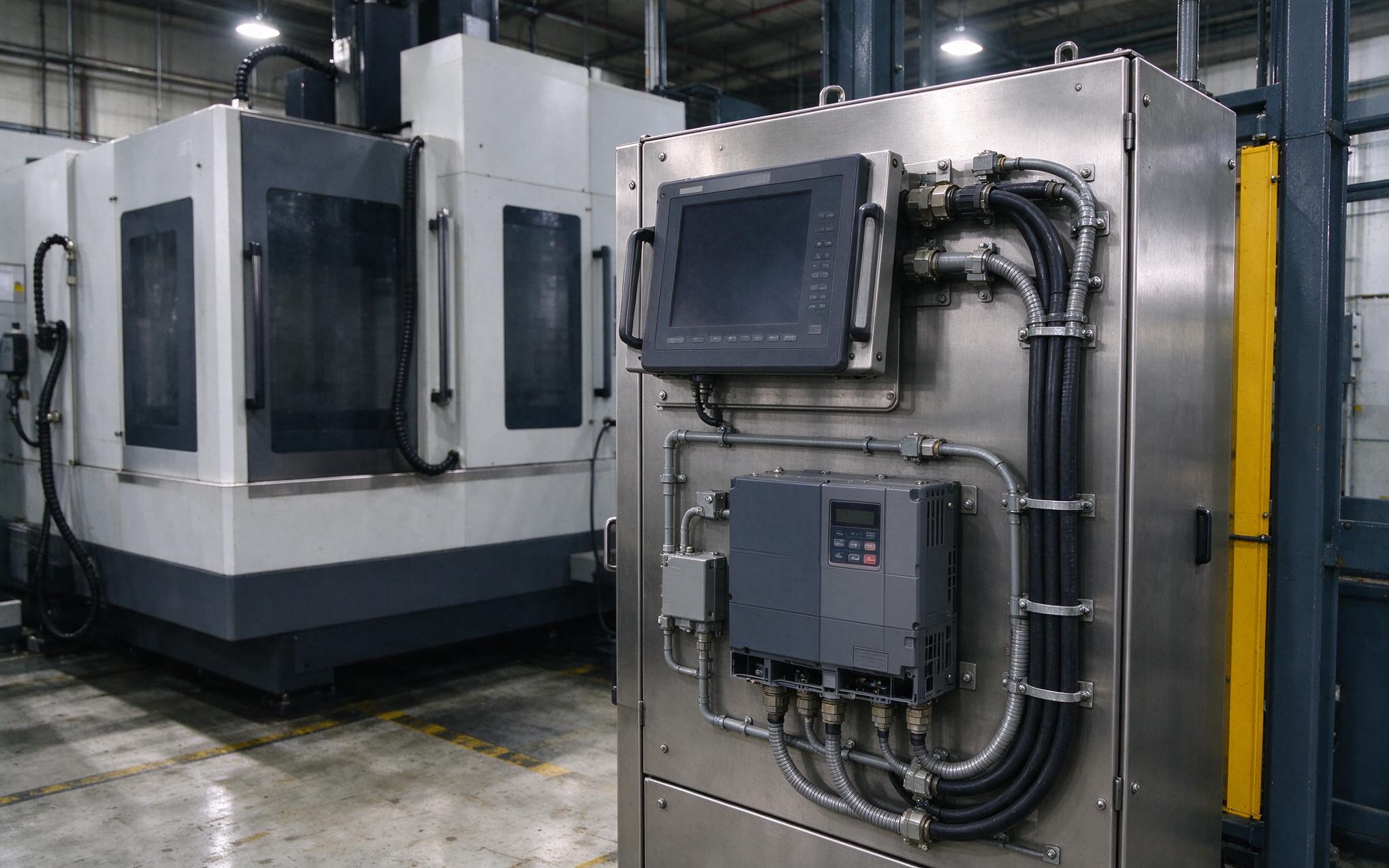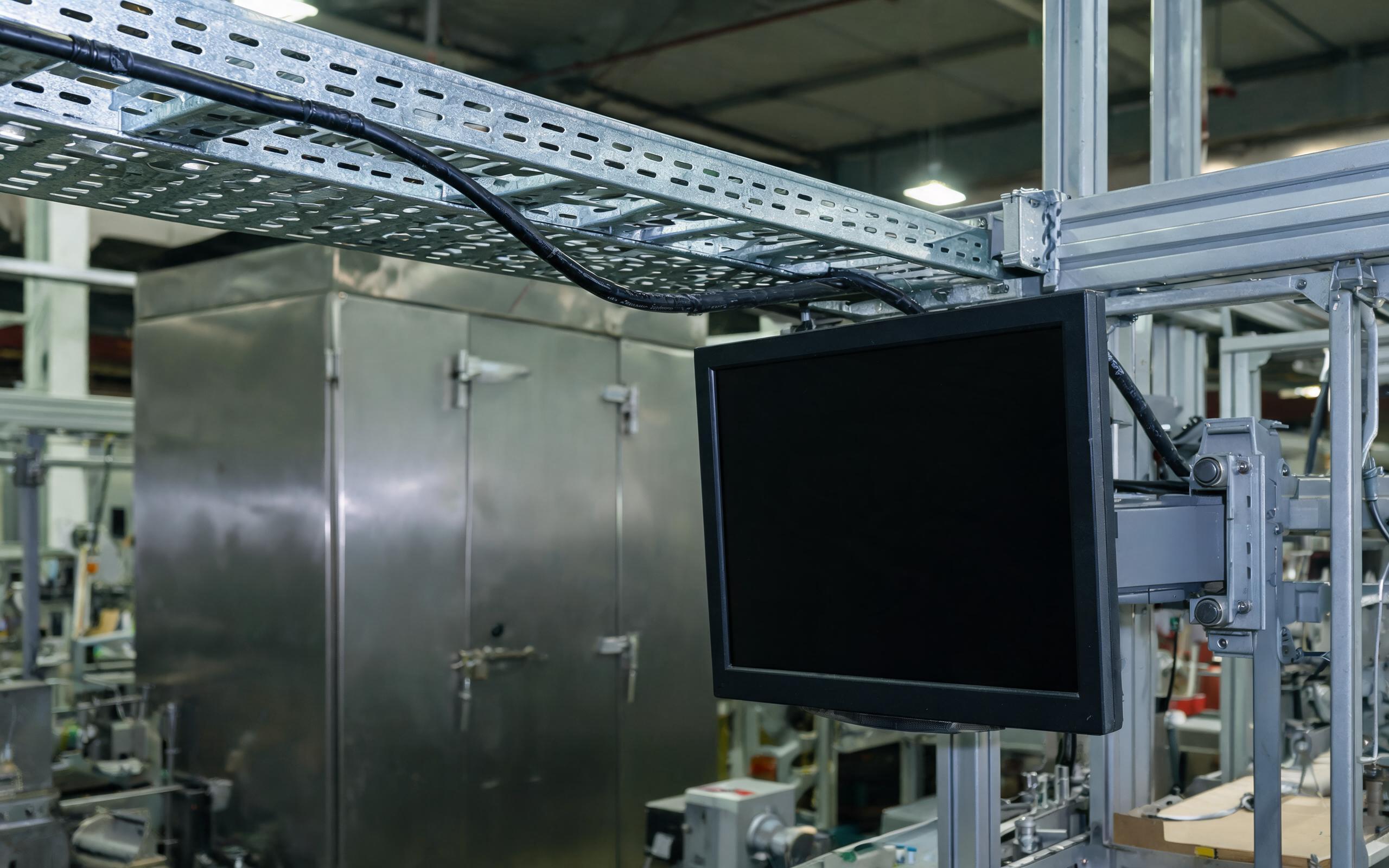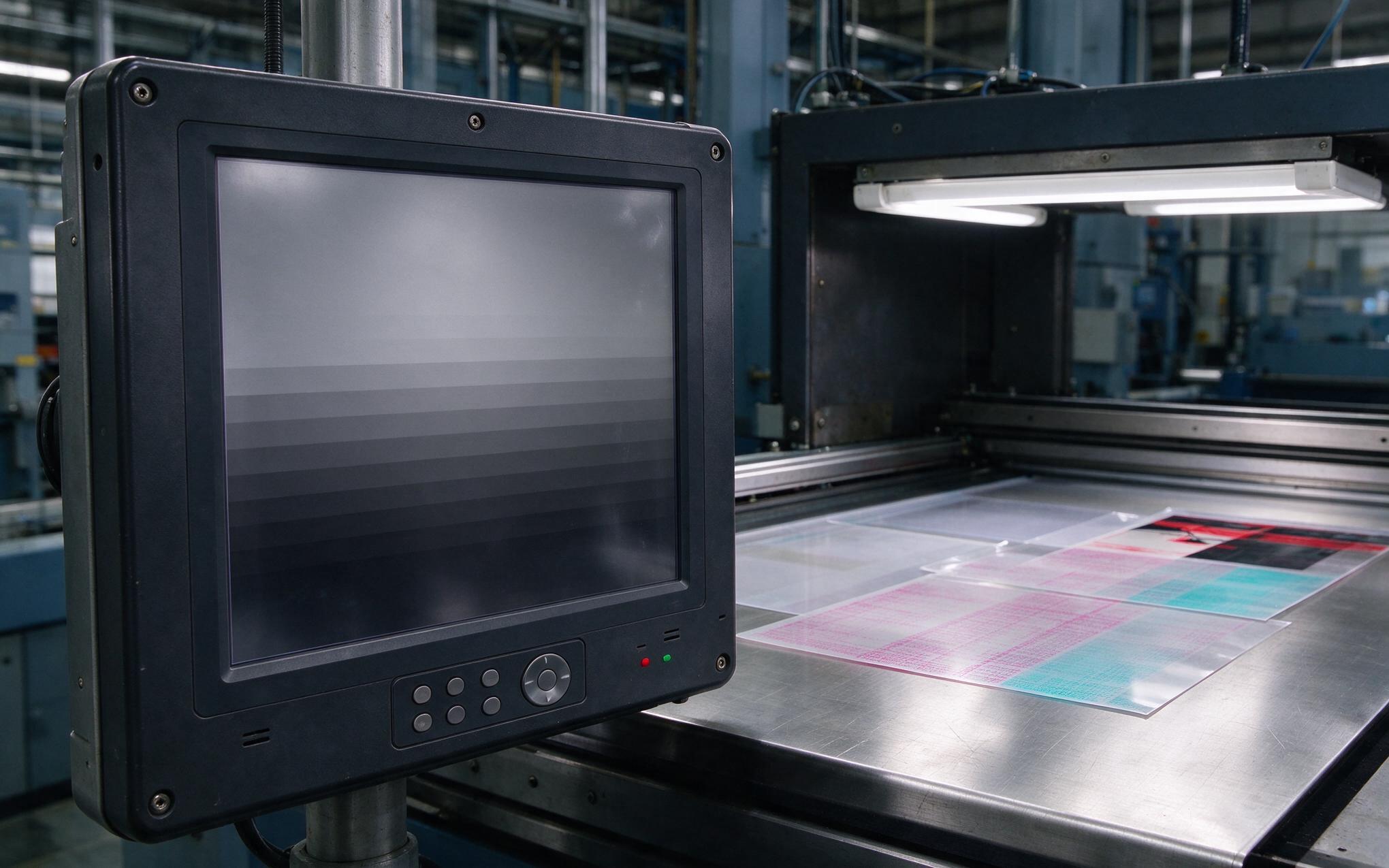
A food processing plant logged its third unplanned shutdown in a single quarter, and the maintenance team traced the root cause to a conventional desktop workstation whose cooling fans had ingested fine particulate matter from the production line. Over weeks, accumulated debris choked the heat sinks, overheated the processor, and halted an entire packaging line. The incident illustrated a pattern repeated across manufacturing, chemical processing, and food production: conventional computers with active cooling cannot survive the physical realities of factory floors. This realization has driven engineers toward industrial all-in-one panel pc units that integrate display, compute, and I/O into a single sealed, fanless chassis built to endure conditions that destroy office-grade hardware.

In Sealed Fanless Designs, Contamination Risks Become Manageable
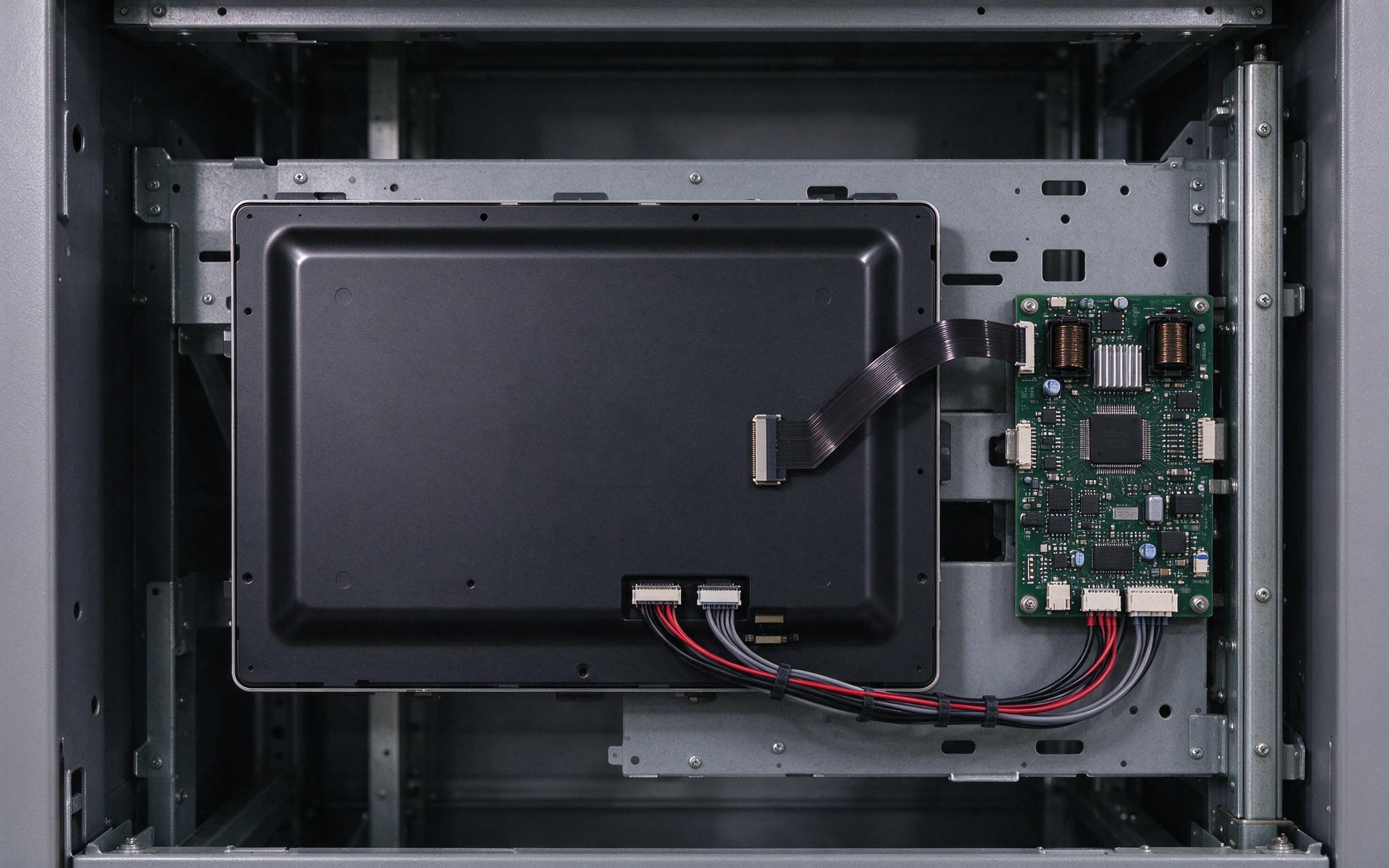
Traditional desktop computers rely on active cooling systems that draw ambient air through the chassis. In environments where metal shavings, oil mist, chemical vapors, or fine grain dust circulate continuously, those fans become contamination vectors. Within months, thermal paste dries out, heat sinks clog, and processors throttle under sustained loads. Fanless thermal architecture sidesteps this failure mode entirely. Passive conduction through aluminum or copper heat spreaders transfers processor heat directly to the enclosure walls, where it dissipates into the surrounding air without any intake ports that could admit particulates. In higher-wattage configurations of industrial all-in-one panel pc designs, vapor chamber cooling spreads thermal loads across a larger surface area to maintain stable junction temperatures during sustained computation.

IP65 Front Panel Sealing Against Washdown and Splash Exposure
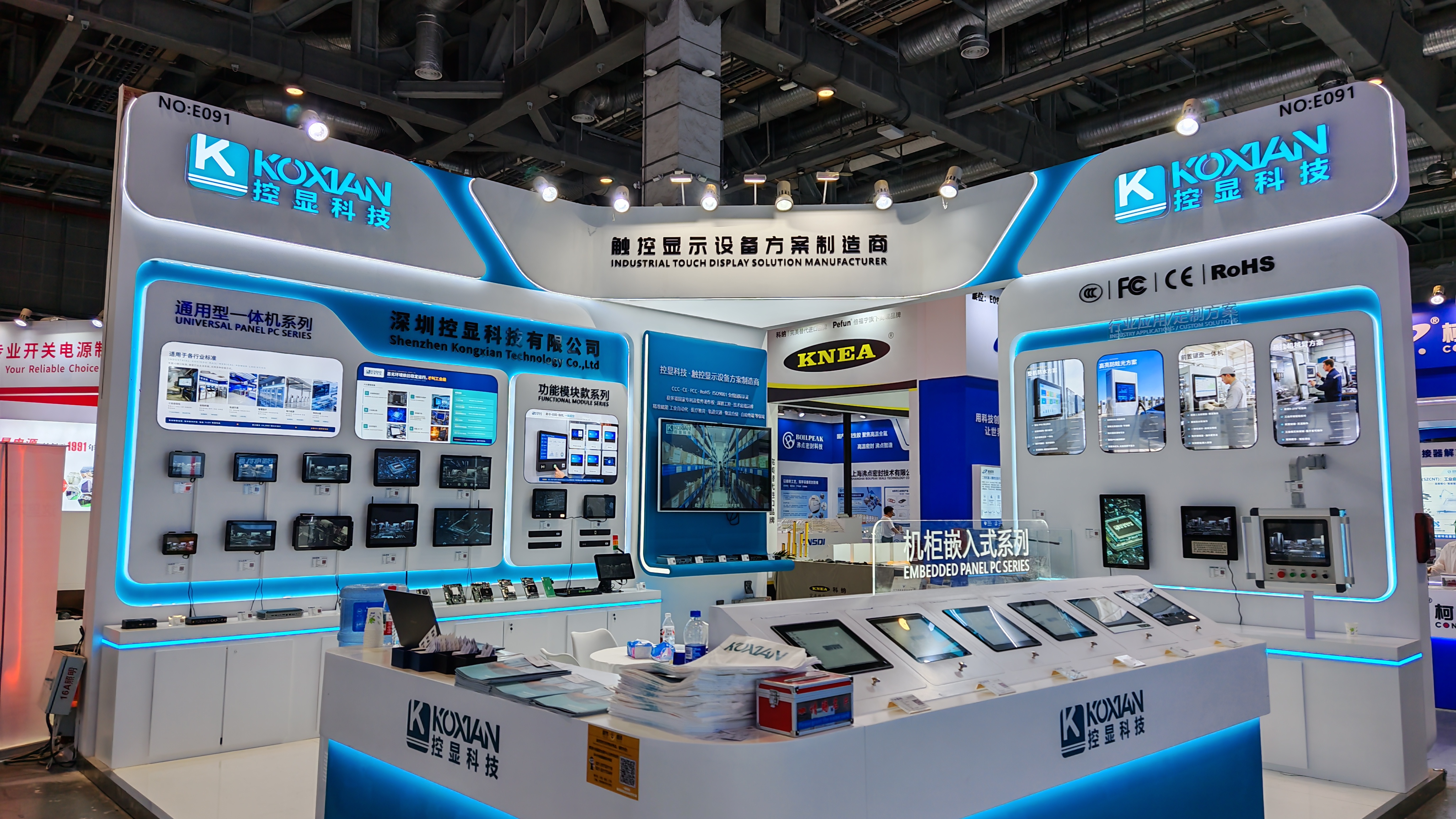
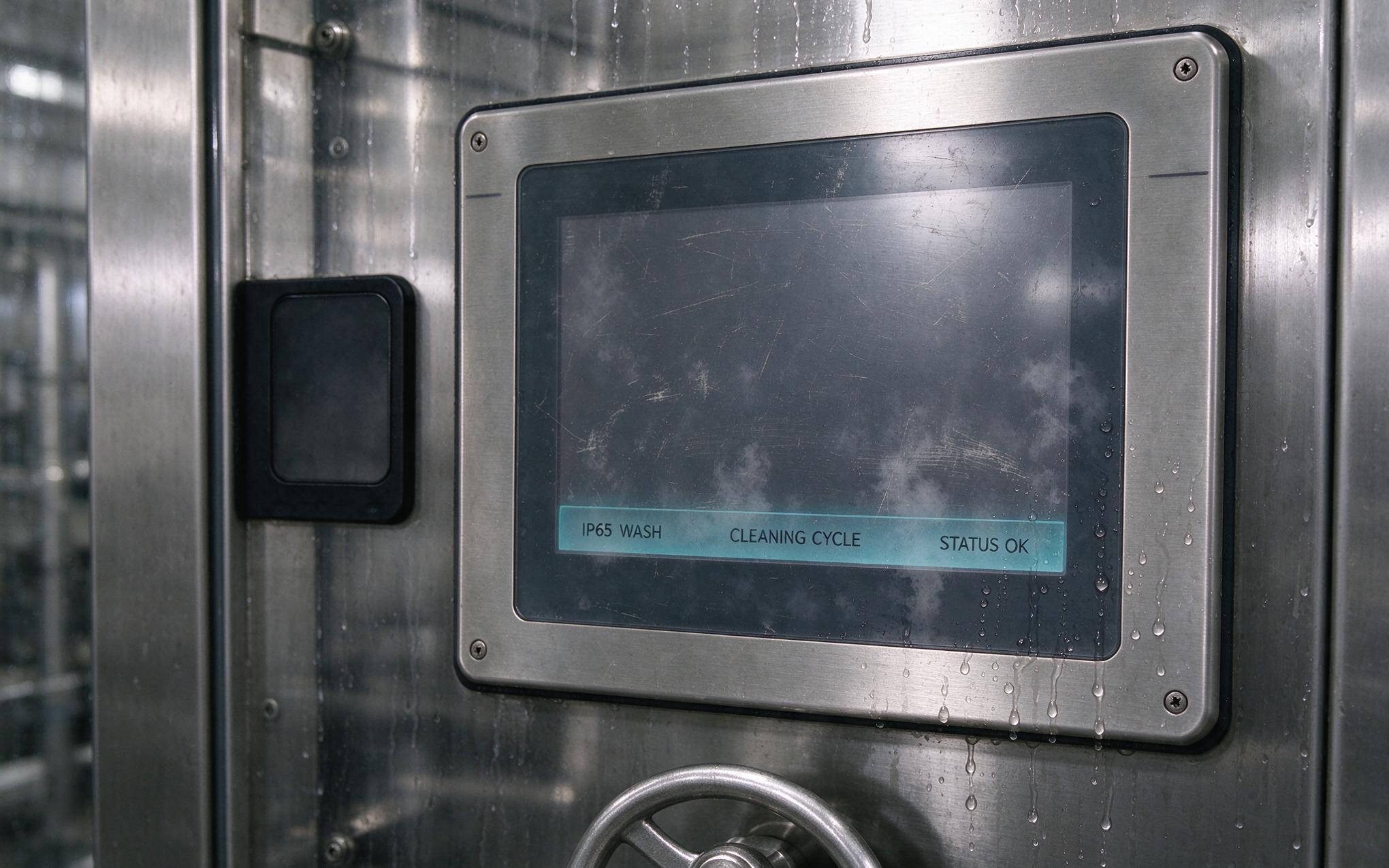
In dairy processing, beverage bottling, and pharmaceutical manufacturing, equipment must survive periodic high-pressure washdown cycles. Rated to IP65 on the front bezel—and manufactured to standards upheld by KOXIAN and comparable suppliers—these sealed units prevent water jets and dust ingress from reaching internal electronics. The sealing gasket runs continuously around the display perimeter, compressing against the front frame to form a moisture barrier. For applications requiring full submersion resistance, some designs extend IP65 sealing to the rear enclosure as well. The sealing gasket—typically EPDM or silicone—runs continuously around the display perimeter and maintains elasticity across a wide temperature range, ensuring the seal does not harden and crack after repeated thermal cycling between cold washdown and warm operational conditions.

Bridging Legacy and Modern Protocols Through Industrial I/O Design
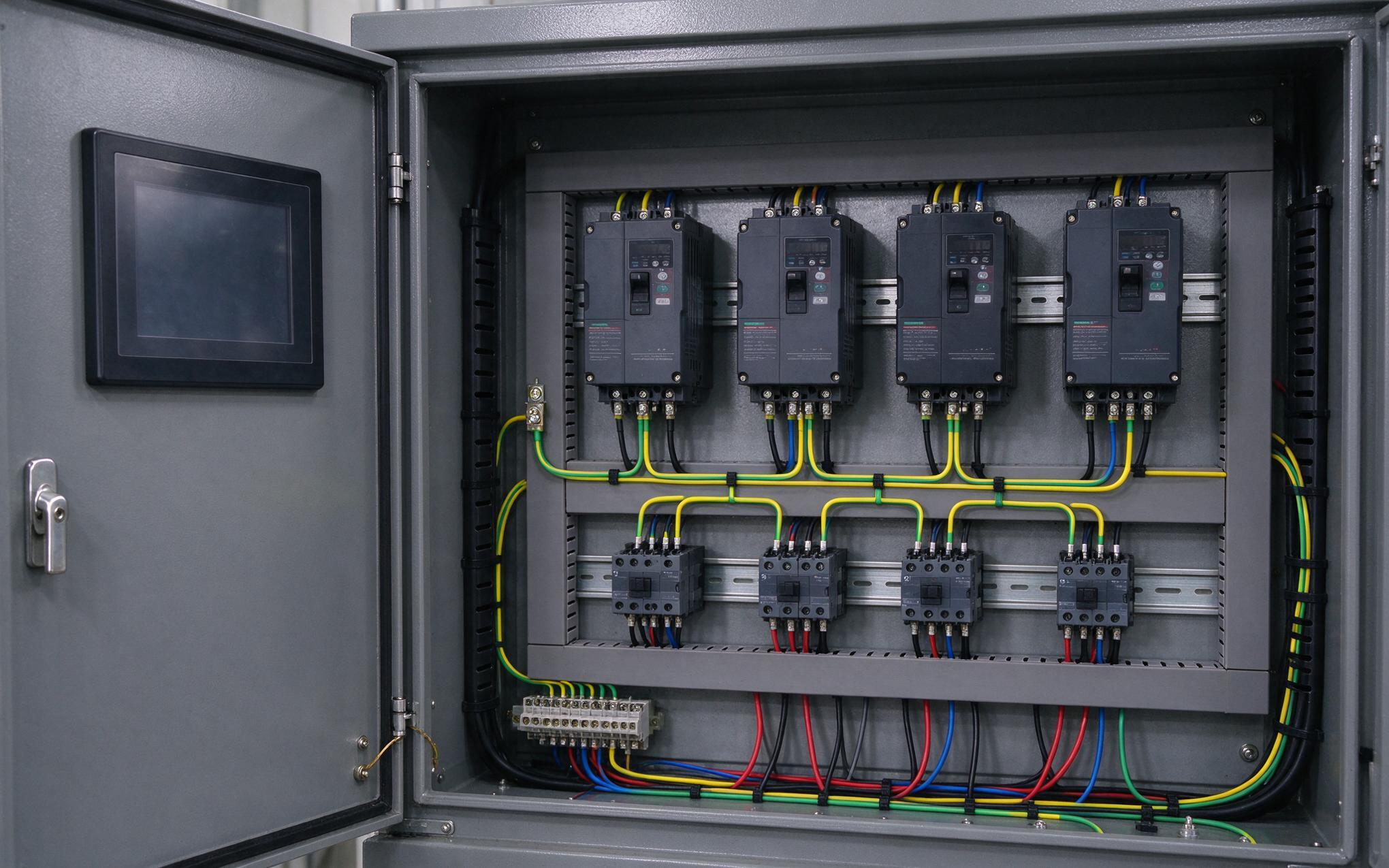
Connecting an industrial all-in-one panel pc to factory infrastructure requires bridging decades of protocol evolution. Dual GbE LAN ports ensure deterministic communication on separate network segments—one for machine control traffic and one for enterprise data aggregation. Serial ports (RS-232/RS-485) remain essential for linking to older CNC controllers and sensor arrays that lack Ethernet capability. Expansion options such as M.2 NVMe slots for fast storage and mini-PCIe modules for wireless connectivity (Wi-Fi 6, 5G, or LoRa) let system integrators adapt the platform to changing network architectures without replacing the entire unit. Configurations from KOXIAN include up to six USB 3.0 ports and dual COM ports, addressing the mixed-protocol realities of most factory floor deployments.

Selecting the Right Industrial All-in-One Panel PC for Your Environment
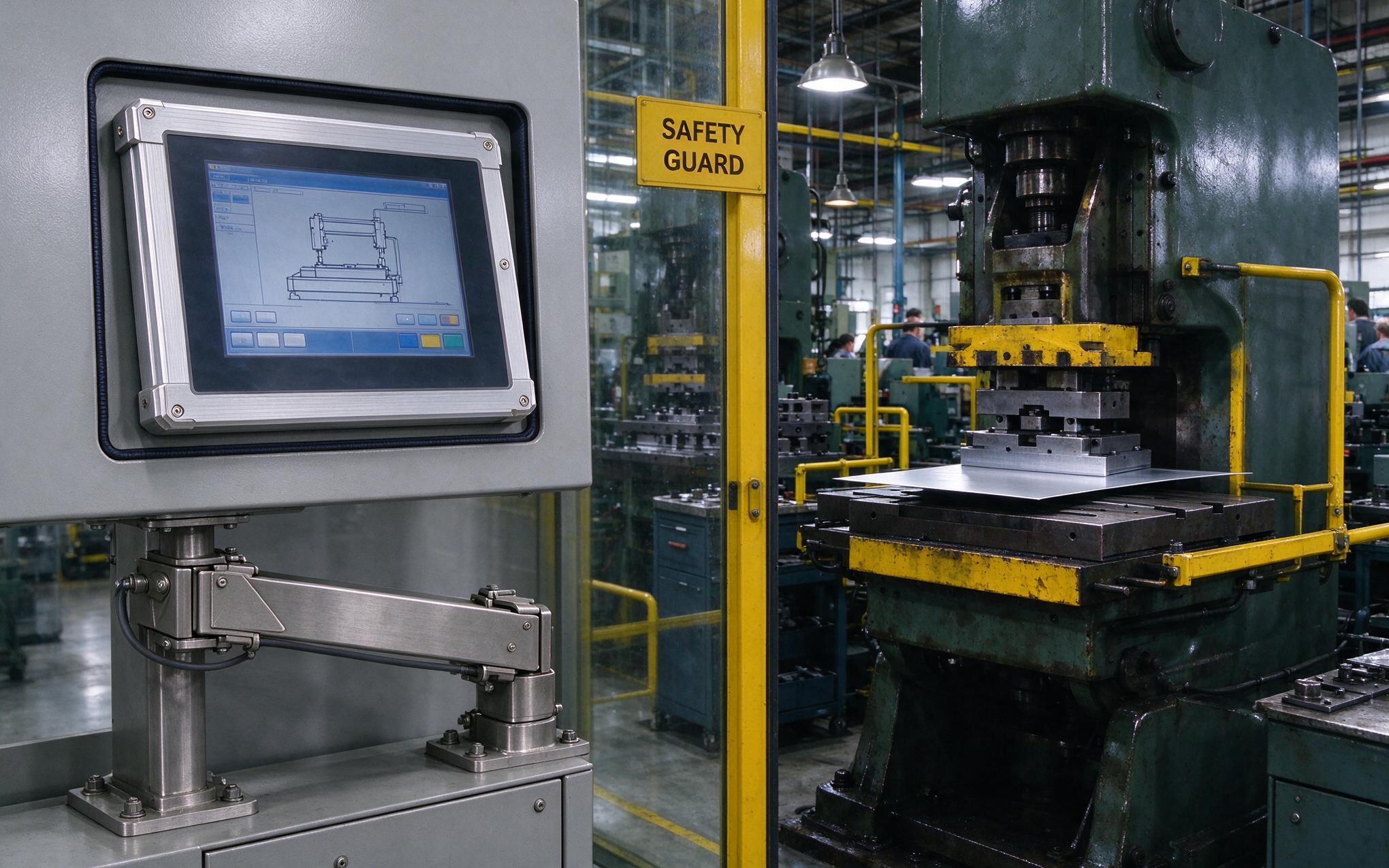
Engineers evaluating an industrial all-in-one panel pc should start with the operating environment rather than processor specifications. Factories with extreme vibration (such as stamping or forging operations) demand units rated to IEC 60068-2-6 vibration standards with solid-state storage that has no moving platters. Environments with wide temperature swings—from cold storage at minus twenty degrees Celsius to near-furnace zones above fifty degrees—require wide-temperature-rated components across the entire thermal chain, not just the processor. For outdoor installations with direct sunlight exposure, displays exceeding 1000 nits of brightness prevent washout. Touch technology selection matters equally: projected capacitive screens work well with bare or gloved fingers, while resistive panels handle operation with heavy industrial gloves. A well-matched selection aligns the enclosure rating, thermal range, display brightness, and touch technology to the specific demands of each installation point.
Platforms in this category have matured from basic operator interface replacements into robust edge computing nodes capable of running analytics, machine vision, and protocol conversion directly on the factory floor. By eliminating cooling fans, sealing the front panel to IP65 standards, providing rich industrial I/O, and offering configuration flexibility across temperature ranges and touch technologies, these units address the physical and electrical realities that conventional workstations cannot survive. The shift toward fanless, sealed, and expandable all-in-one architectures reflects a broader recognition that factory computing demands a fundamentally different hardware philosophy than office environments.