Technicians logged a warranty return from a food packaging line with three dark pixels clustered near the lower right corner, and the integrator’s immediate concern was the inspection gate that allowed the unit to ship. That gate is where pixel defect screening either holds or breaks down, because it separates a shipment that survives a receiving check from one that is rejected at the dock. For anyone comparing touch screen display manufacturers, the difference shows up in how incoming panels are graded, how an assembled unit is exercised before packing, and which records travel with each serial number. Screening is a chain of decisions rather than a single station.

Inspecting Incoming Pixel Defects at Touch Screen Display Manufacturers
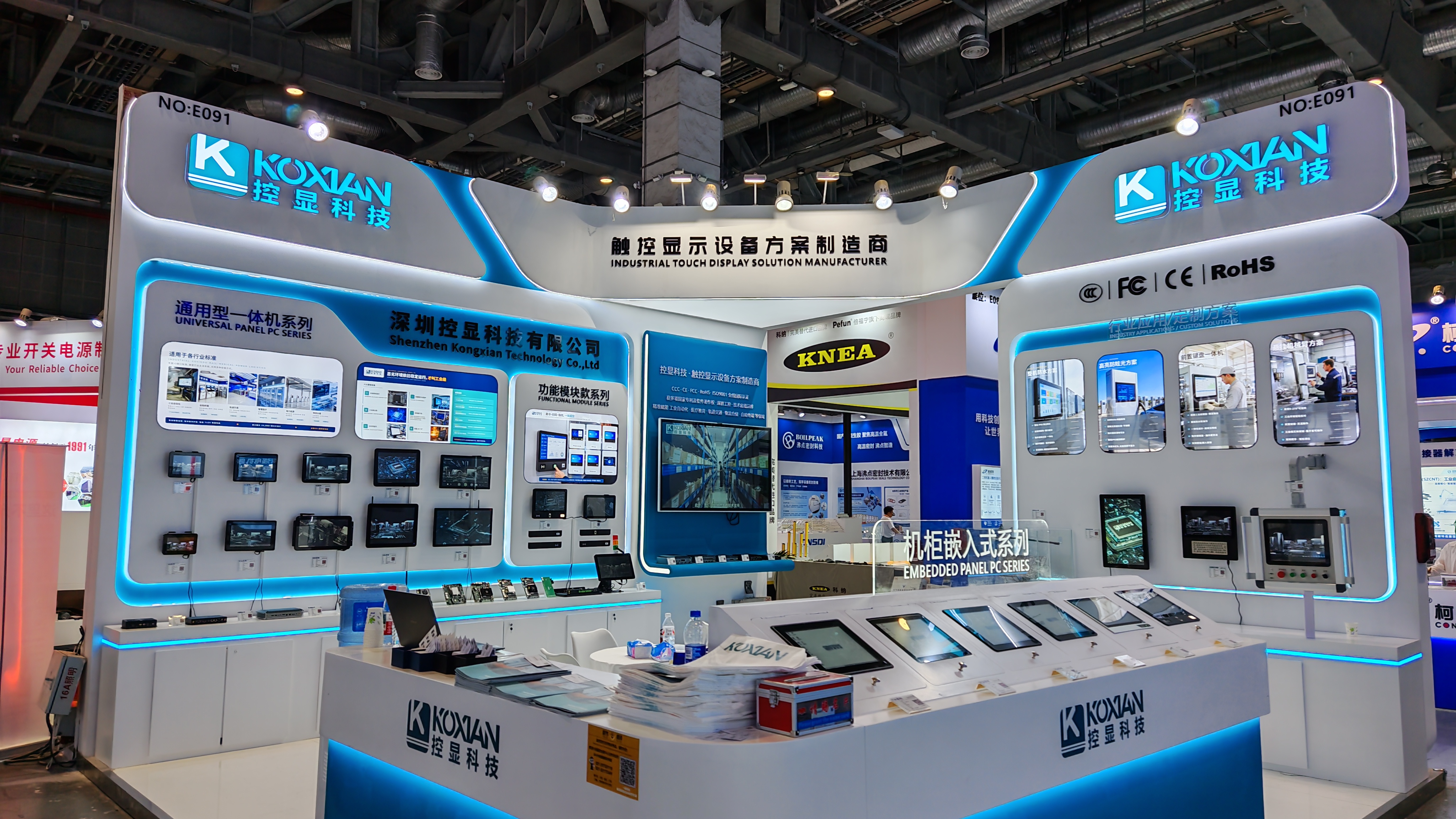
Every screening chain begins with material that has already been graded, because an accepted panel carries its defects all the way into service. Pixel defect inspection at touch screen display manufacturers compares each shipment against a written table that allows only set counts of dark and bright dots by zone, then flags bonding haze, edge chipping, and sensor irregularities before parts reach the line. Inspection procedures used by industrial display manufacturers, including KOXIAN, record the accepted count per zone and retain a panel from each lot, so later disputes resolve against records rather than memory. Connector plating and flex cable seating get the same scrutiny, because a marginal contact stays invisible once the bezel is closed. Off-spec lots are quarantined rather than sorted on the line.
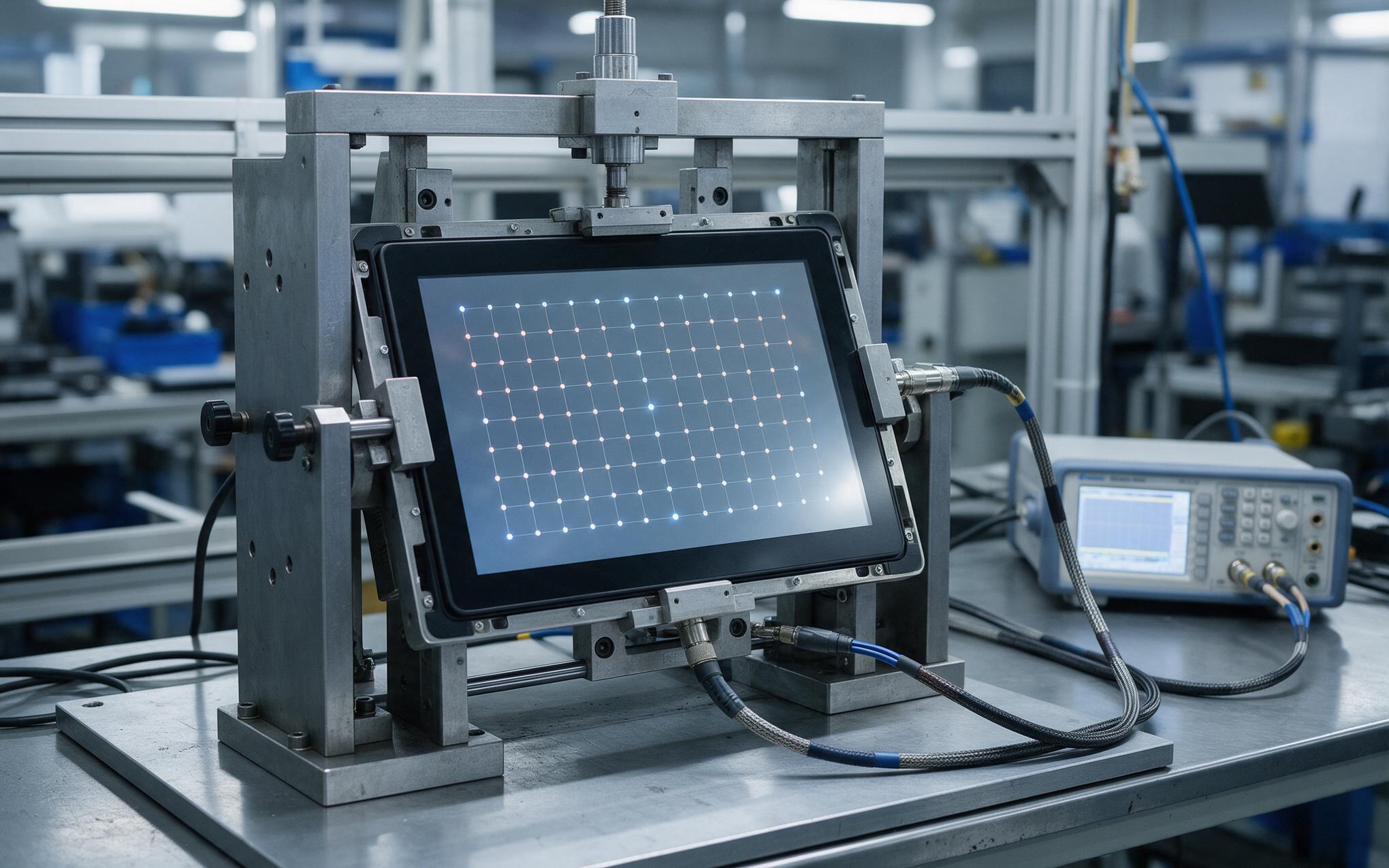
Mapping Touch Grid Linearity and Edge Dead Zones
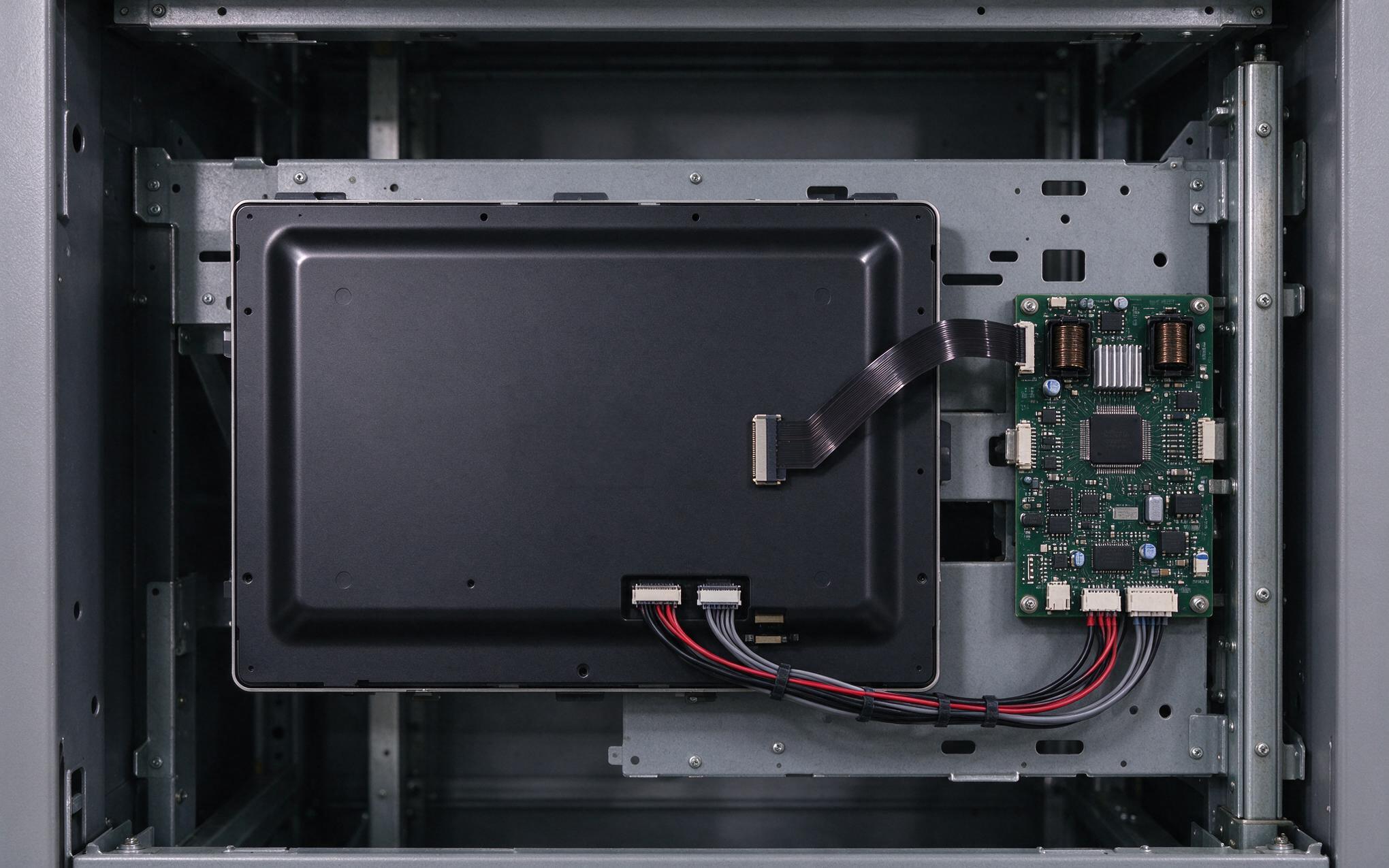
Hardware layouts such as the KOXIAN G1 series keep the touch controller close to the sensor connector, which keeps line noise below the threshold that would otherwise show up as ghost touches. During functional screening, the assembled unit is driven across a grid of touch points to measure linearity, report rate, and edge dead zones against the drawing rather than against a technician’s memory. On a typical line at touch screen display manufacturers, the map is reviewed alongside incoming grade data so a unit that drifts toward an edge is traced back to the panel lot rather than accepted as tolerance. Sporadic ghost touches and intermittent key drops are treated as failures even when they appear once in a sampling cycle, because field returns rarely start with a clean symptom.
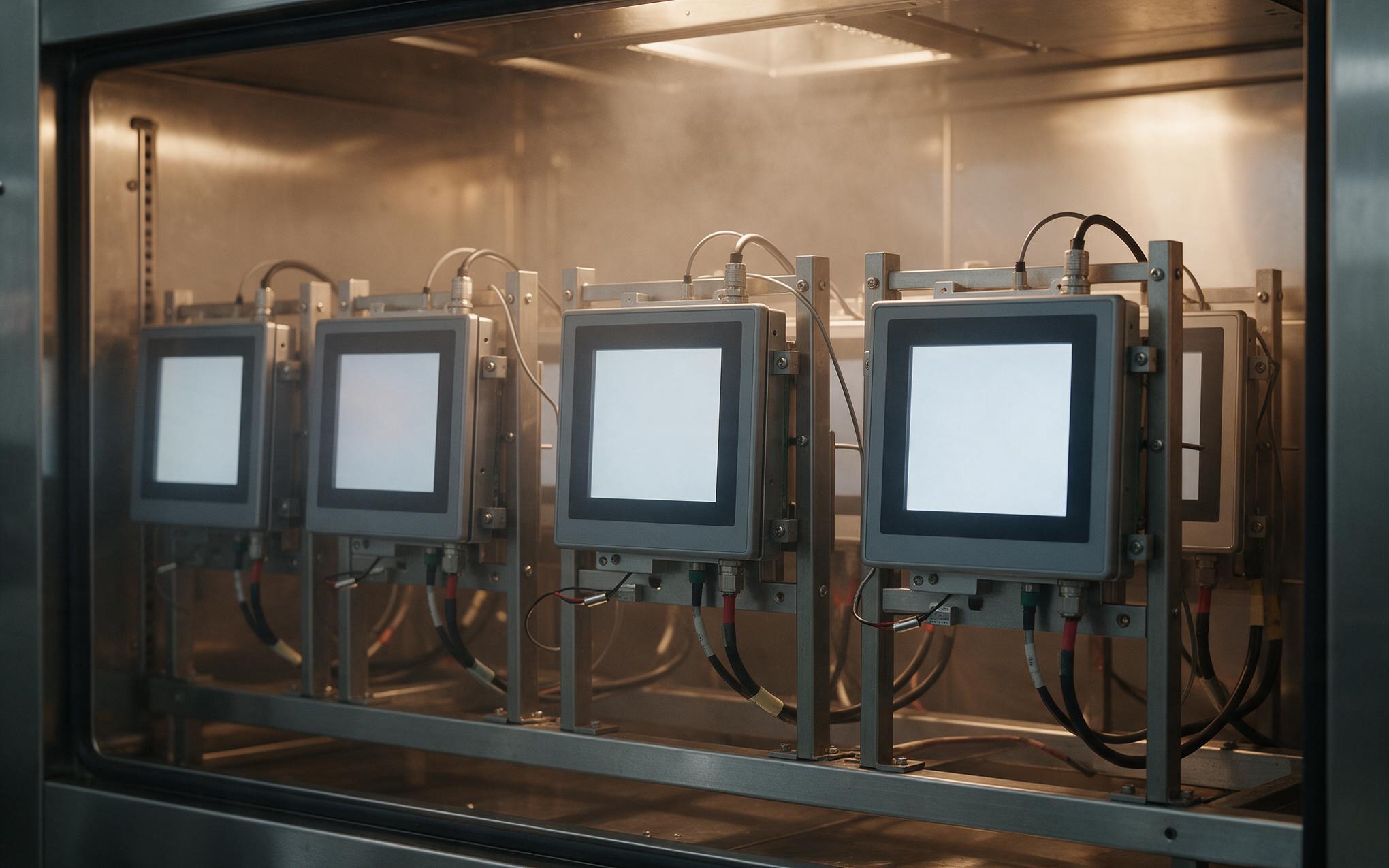
Thermal Run-In Screening for Infant Failures
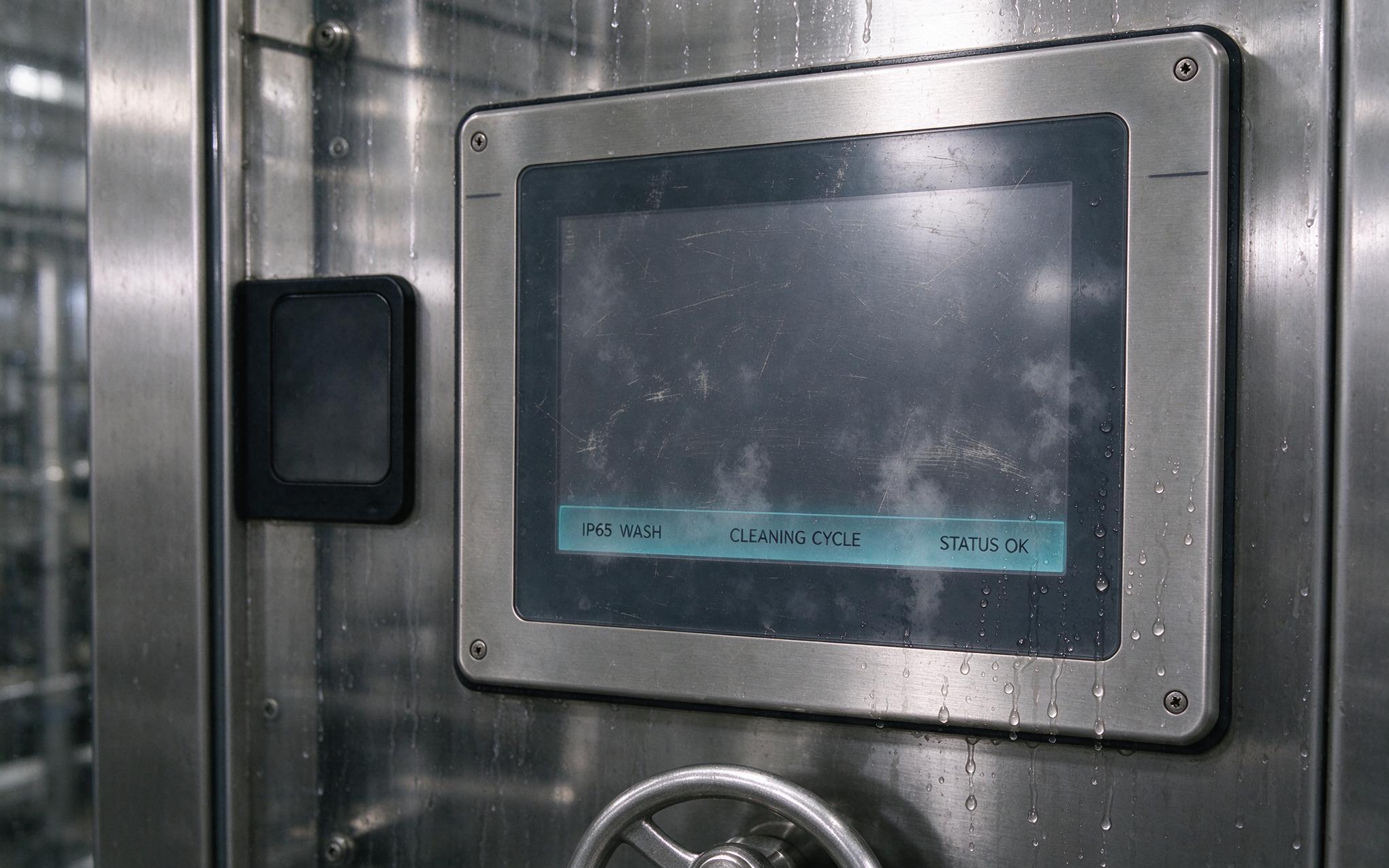
Units that pass functional mapping still hide failures that only appear with time and temperature, so the run-in stage exists to draw them out before packing. A thermal soak at elevated temperature stresses solder joints, backlight drivers, and power stages, while repeated power cycling exercises the boot path that a bench check never touches. Condensation checks follow the soak, because a unit that warms and cools quickly can trap moisture at the gasket line or under the cover glass. Failures found here are logged against the lot rather than repaired quietly, which is what makes the data useful for the next incoming inspection cycle. The length of the soak is set by the failure rate the line actually sees.
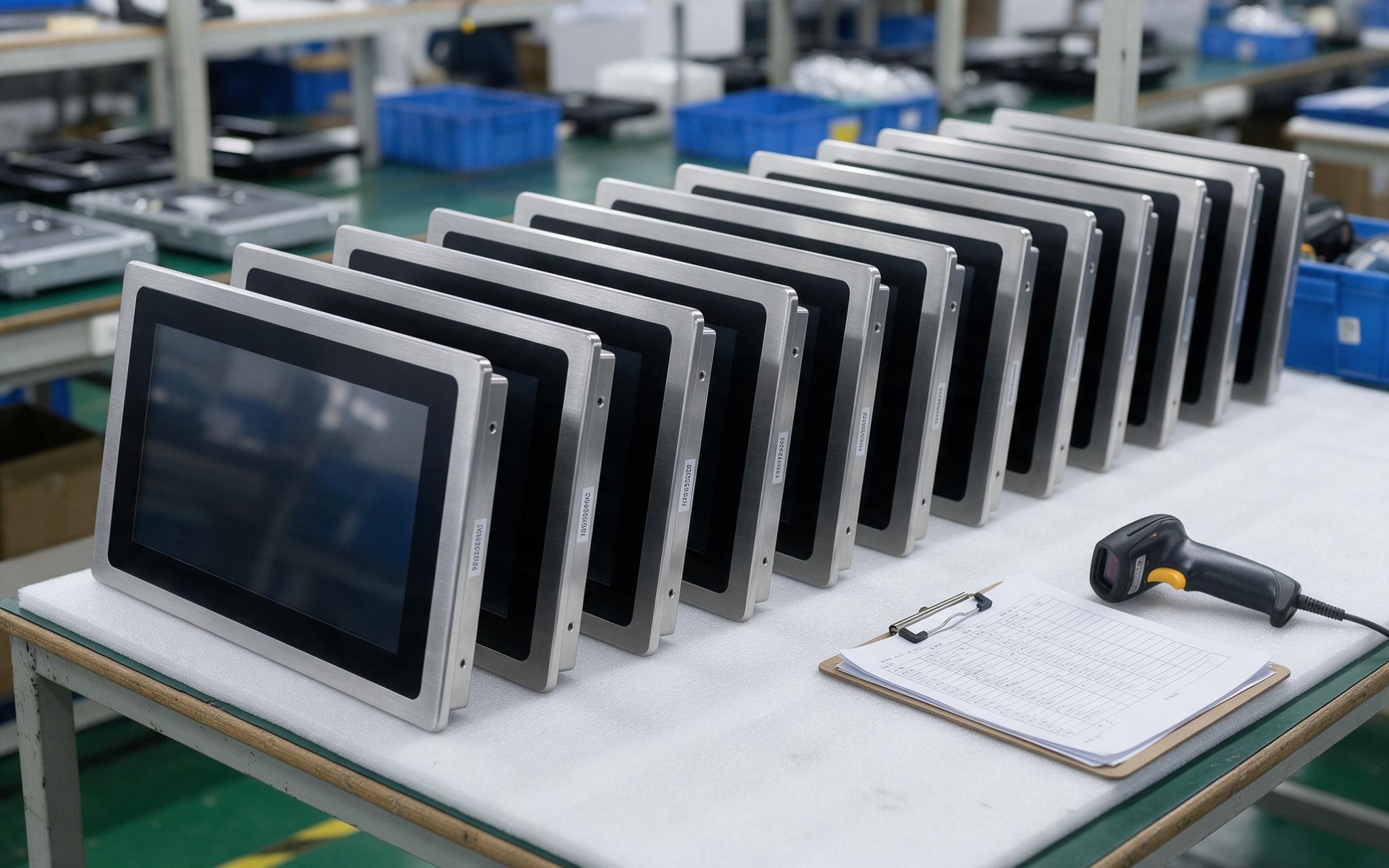
Sampling Plans and Serial Records at Final Release
Screening data only protects a buyer when it is tied to the units actually shipped, which is why release records matter as much as the tests behind them. At many touch screen display manufacturers, release sampling is written as an acceptable quality limit on defined characteristics, so the ship decision follows a defined rule rather than a rush order. Field observations from integrator audits show that lot records like the ones KOXIAN retains with each shipment turn a quality dispute into a document review. Buyers who ask for the inspection report with the serial number can compare incoming grade, screening result, and run-in log without opening the enclosure. Records kept for a defined retention period also support root cause work when a failure pattern shows up across several sites.
Pixel defect screening works as a connected chain rather than a checklist, because the incoming grade, the touch map, the run-in log, and the release record all have to describe the same unit. Screening is only as strong as its weakest handoff, and a rejected lot upstream is cheaper than a return downstream. Buyers who ask how each stage is defined, what limits apply, and which records are retained get a clearer picture of a supplier than any catalog page provides. The same questions also set expectations for the field, because a unit that was screened as a system is easier to diagnose when something does change.