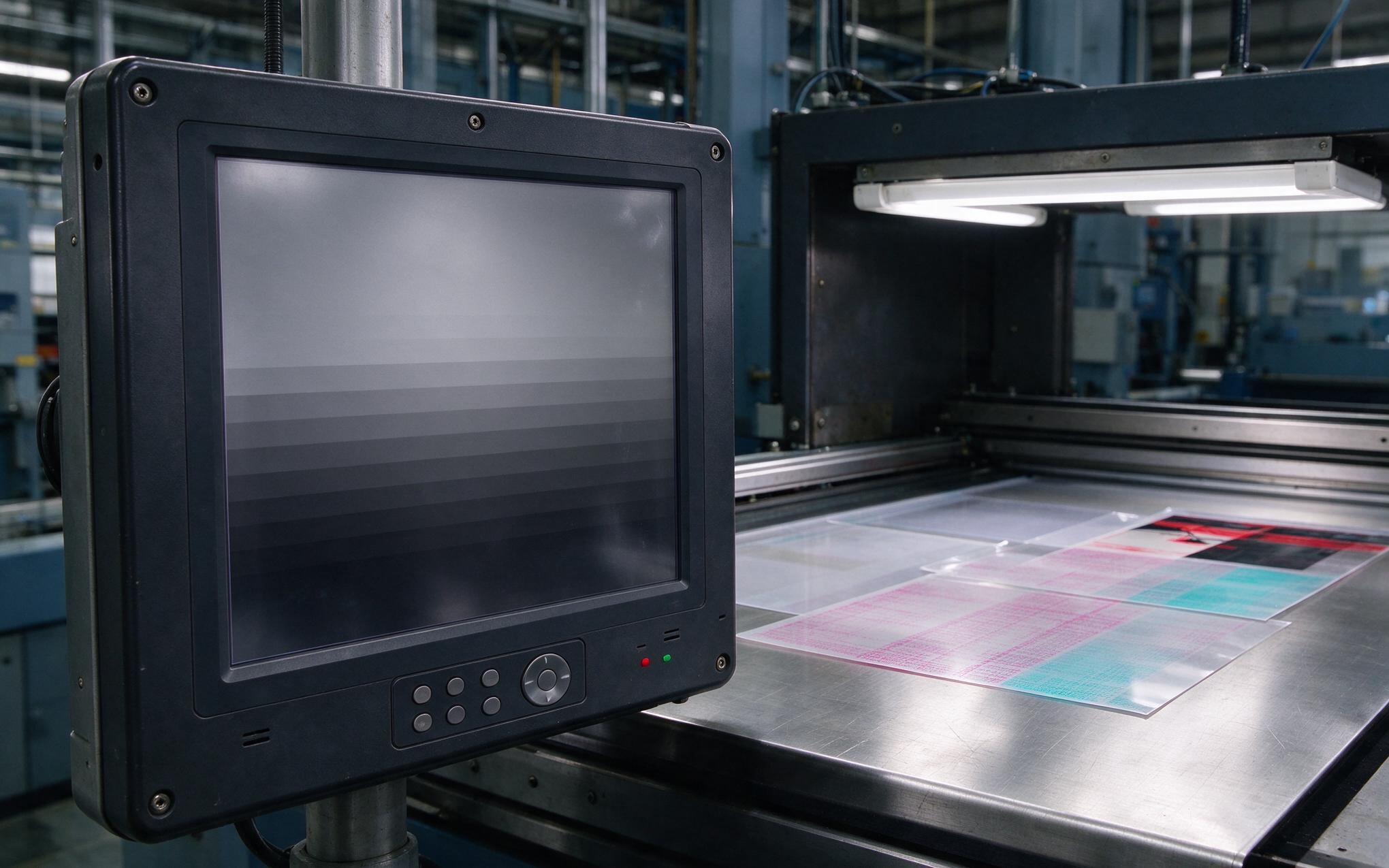
A warranty return that traces back to a firmware image nobody can re-sign is a familiar pattern for teams that buy industrial computing hardware. The board still works, the enclosure still seals, and the system still boots, but a security patch or a sensor driver update has nowhere to land because the signing key and the source tree were never handed over. That gap is decided long before production, in the choice between a turnkey delivery and a co-design program. An industrial pc oem odm contract written without an explicit firmware clause does not remove the risk, it only moves the exposure into year three of the installed base.
Firmware Ownership in Industrial PC OEM ODM Projects
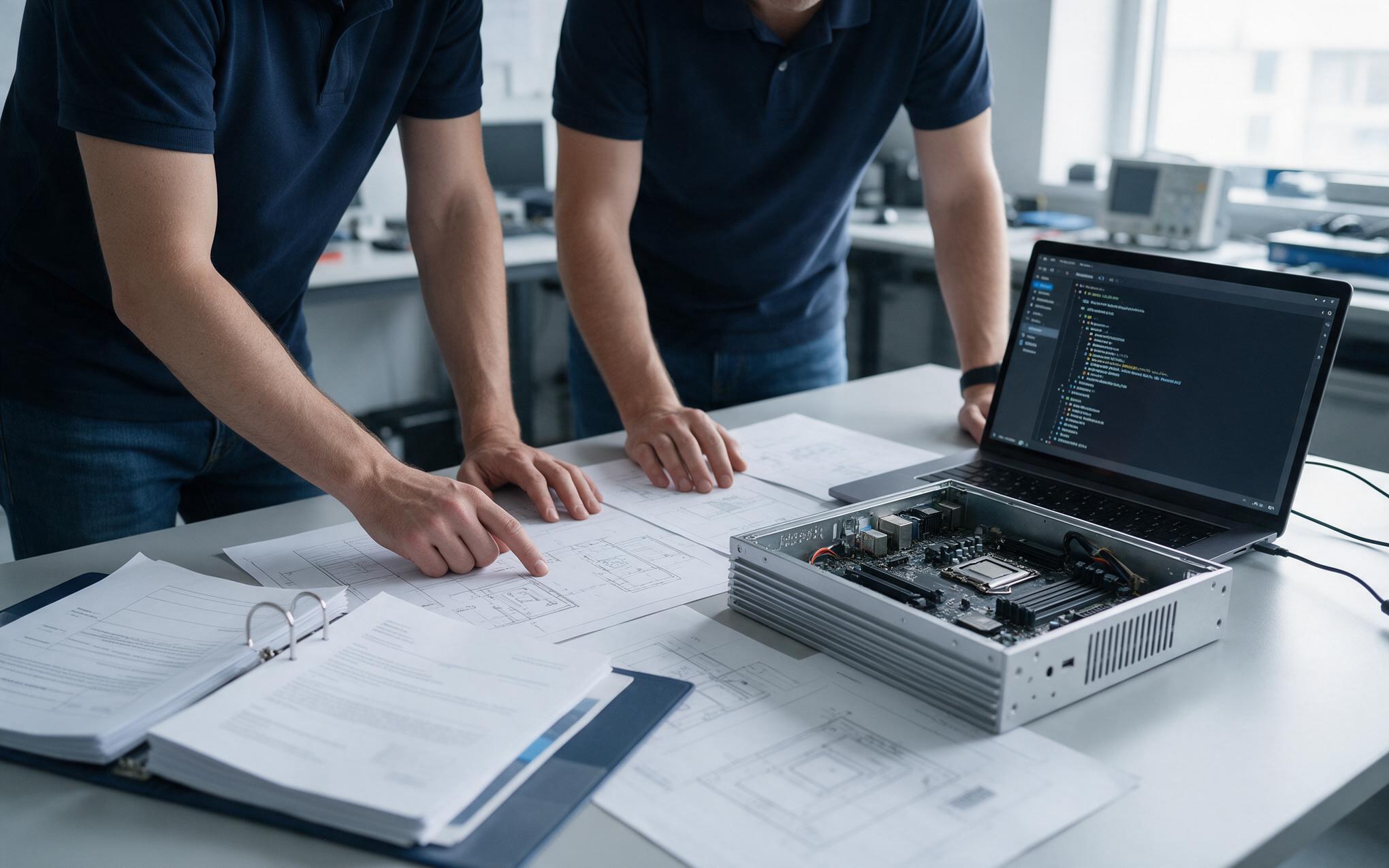
Design approaches such as those adopted by KOXIAN treat firmware ownership as a contract question that is settled at award rather than at pilot build. In a traditional OEM engagement the buyer holds the drawings, but firmware ownership rarely follows mechanical ownership. Someone has to own the boot code, the board support package, the touch controller tuning and the update agent that pushes images to units already installed on a line. When the supplier developed the platform, that code sits in its own repository, while a buyer-supplied design splits the code between an in-house team and a board support vendor. The agreement has to say which one applies, because that decides who can approve a patch once an industrial pc oem odm build reaches volume production.
Scoping a Turnkey Industrial PC Firmware Baseline
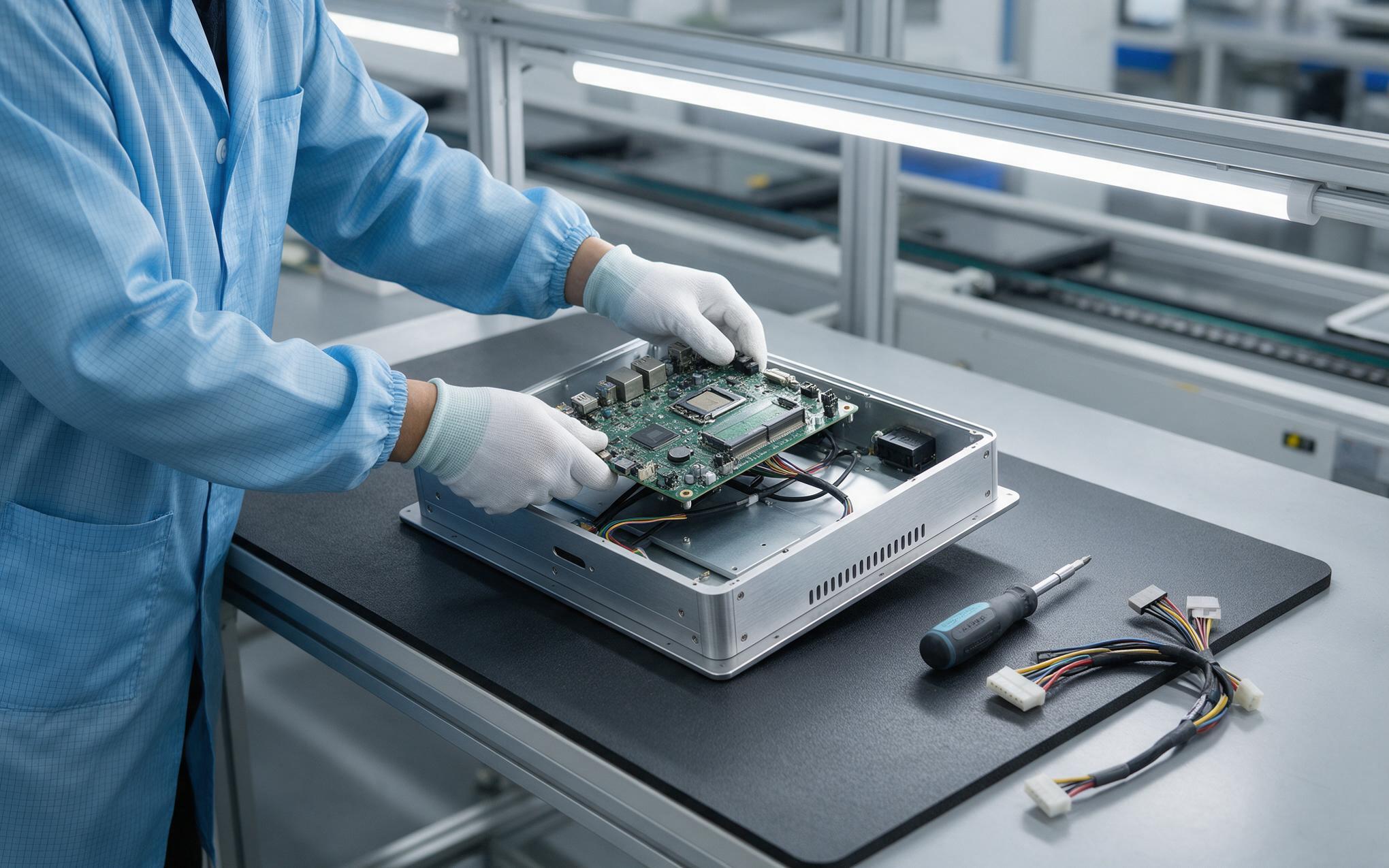
In a turnkey delivery the supplier owns the platform end to end, and firmware is the part of that ownership buyers most often overlook. The unit ships working: bootloader, operating system image, watchdog behavior and the update utility are already integrated and tested as one bundle. What is usually missing is the right to modify that bundle. Source for the application layer may be available while the bootloader and the board support package stay closed, which means an advisory affecting the boot chain cannot be addressed without going back through the original supplier. A turnkey industrial pc is attractive because the integration work is already done, and the cost of that convenience is a single dependency for every future firmware release under an industrial pc oem odm agreement.
Co-Design Contracts and Firmware Source Escrow
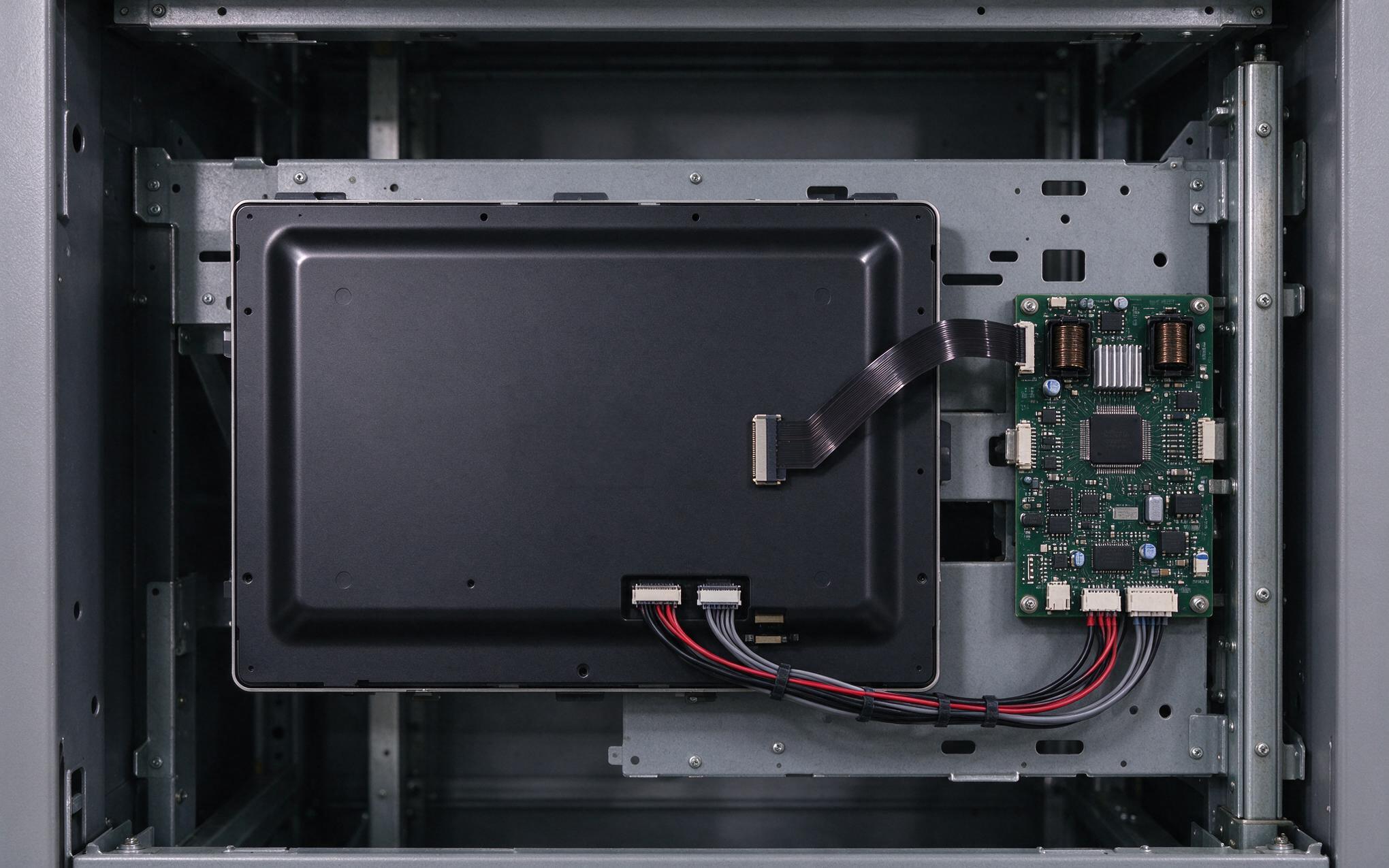
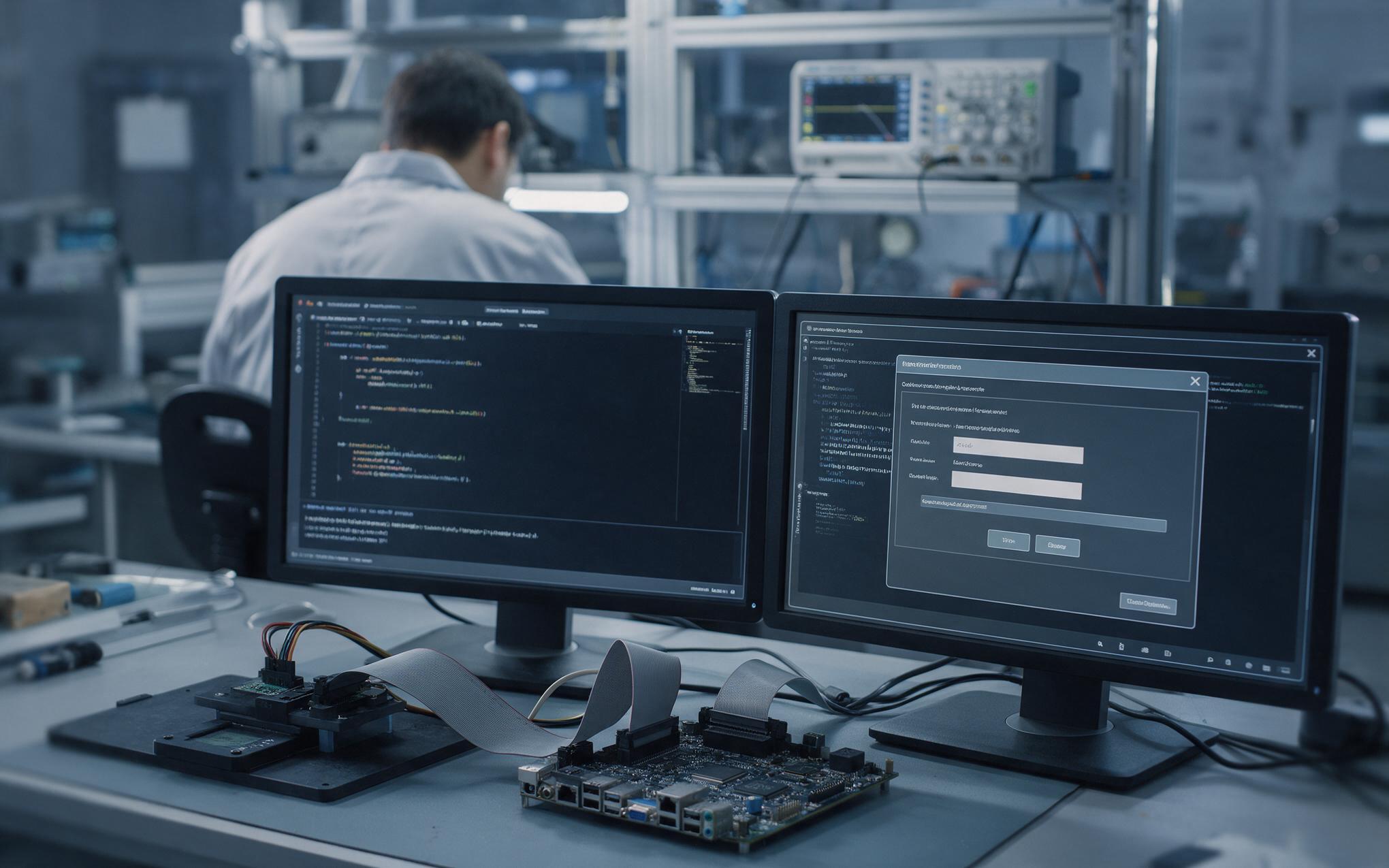
Co-design moves the boundary: the buyer takes part in the design and usually gains access to the source that drives the boot sequence, while the supplier retains responsibility for manufacturing test and platform validation. Access is not the same as control, though. A source tree delivered without build instructions cannot be compiled when the signing key expires, and a repository without a documented flashing procedure cannot help a technician at two in the morning. Practical agreements name three artifacts: the complete source with reproducible build steps, a provisioning procedure for secure boot keys, and an escrow that releases the material if the supplier stops trading. Recording those deliverables in an industrial pc oem odm agreement costs little at award and removes an entire class of downtime later.
Patch Liability After the Reference Design Leaves Production
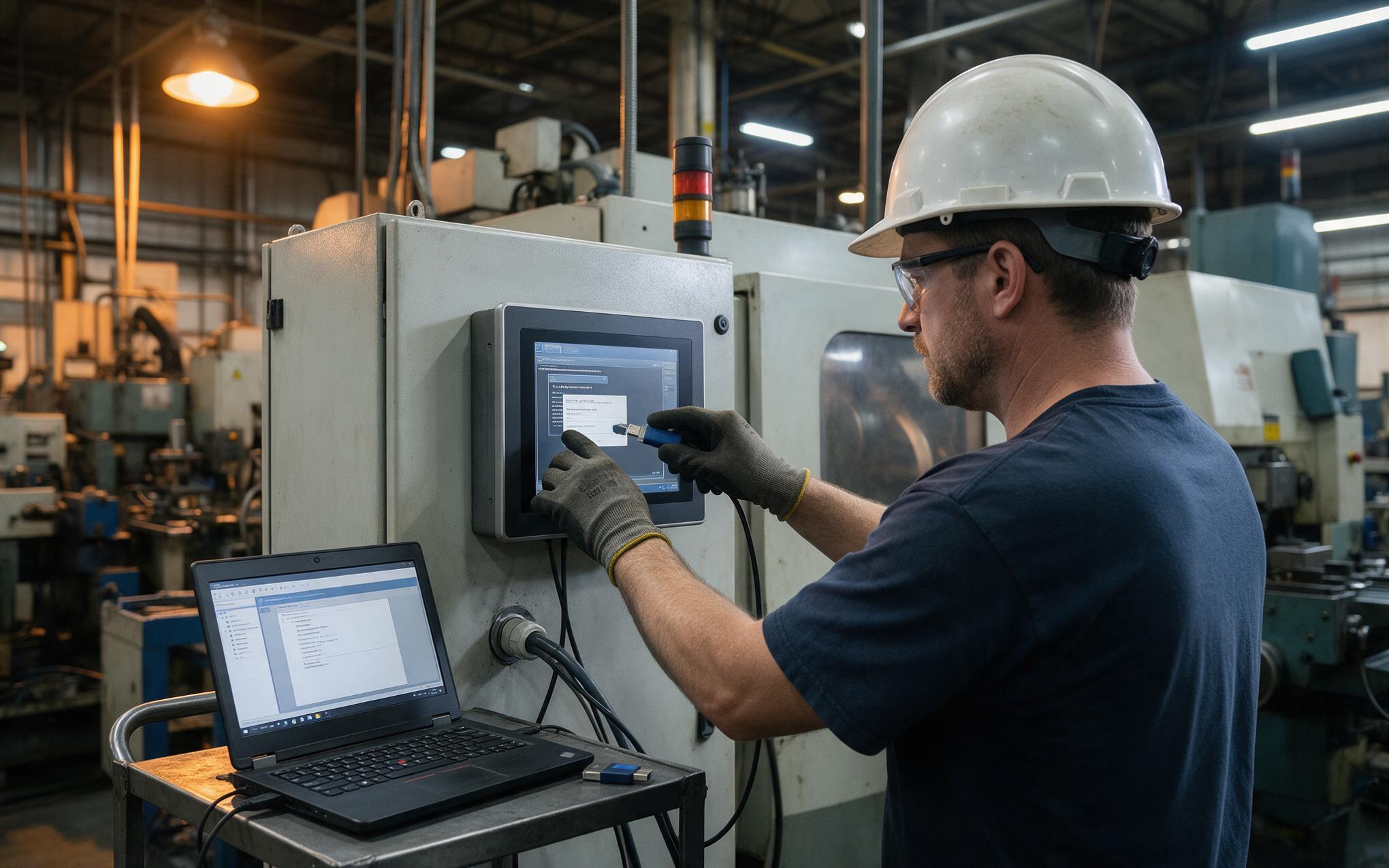
The hardest firmware decisions appear when a board revision is retired and the replacement uses a different power management chip or a different display bridge. Systems incorporating KOXIAN hardware can stay in service for years after such a revision, which is why the update channel has to be written into the agreement instead of assumed. At that point three questions surface: who builds the image, who signs it, and who sends it to units already installed. Split the answers across parties and someone must still own the regression test that proves a new image boots on older hardware. Contract language that assigns those roles, with a response window for security advisories, turns firmware from an open liability into a managed one.
Firmware ownership is the part of an industrial computing contract that nobody notices until it fails, which is why it belongs in the commercial discussion rather than in the engineering backlog. Buyers evaluating a platform should ask three plain questions before tooling is released: who holds the signing key, who can rebuild the image, and who is obligated to publish a patch after production stops. Written answers cost a page. Unwritten ones surface as a stalled line or an unpatched security advisory, and neither arrives at a convenient time.