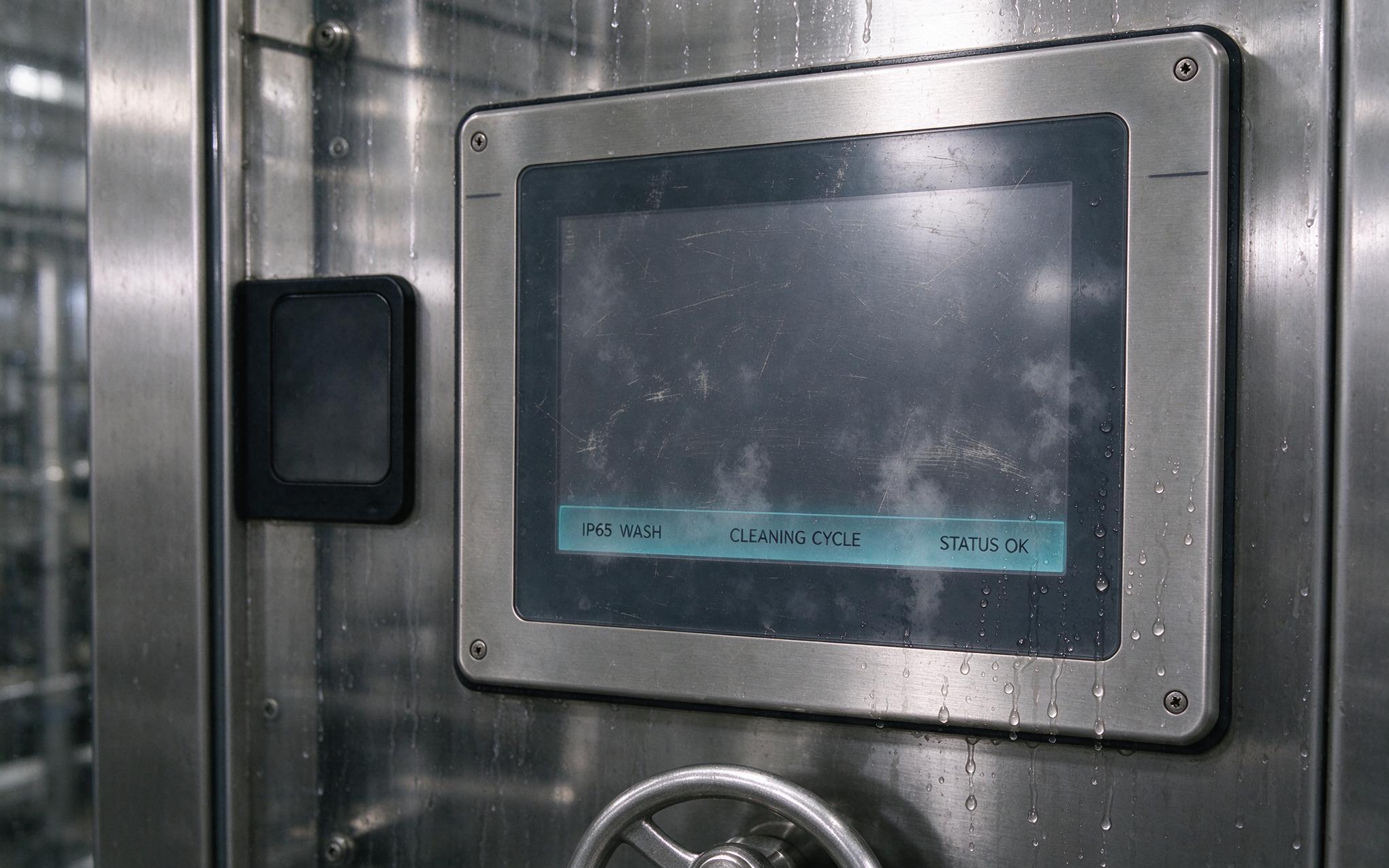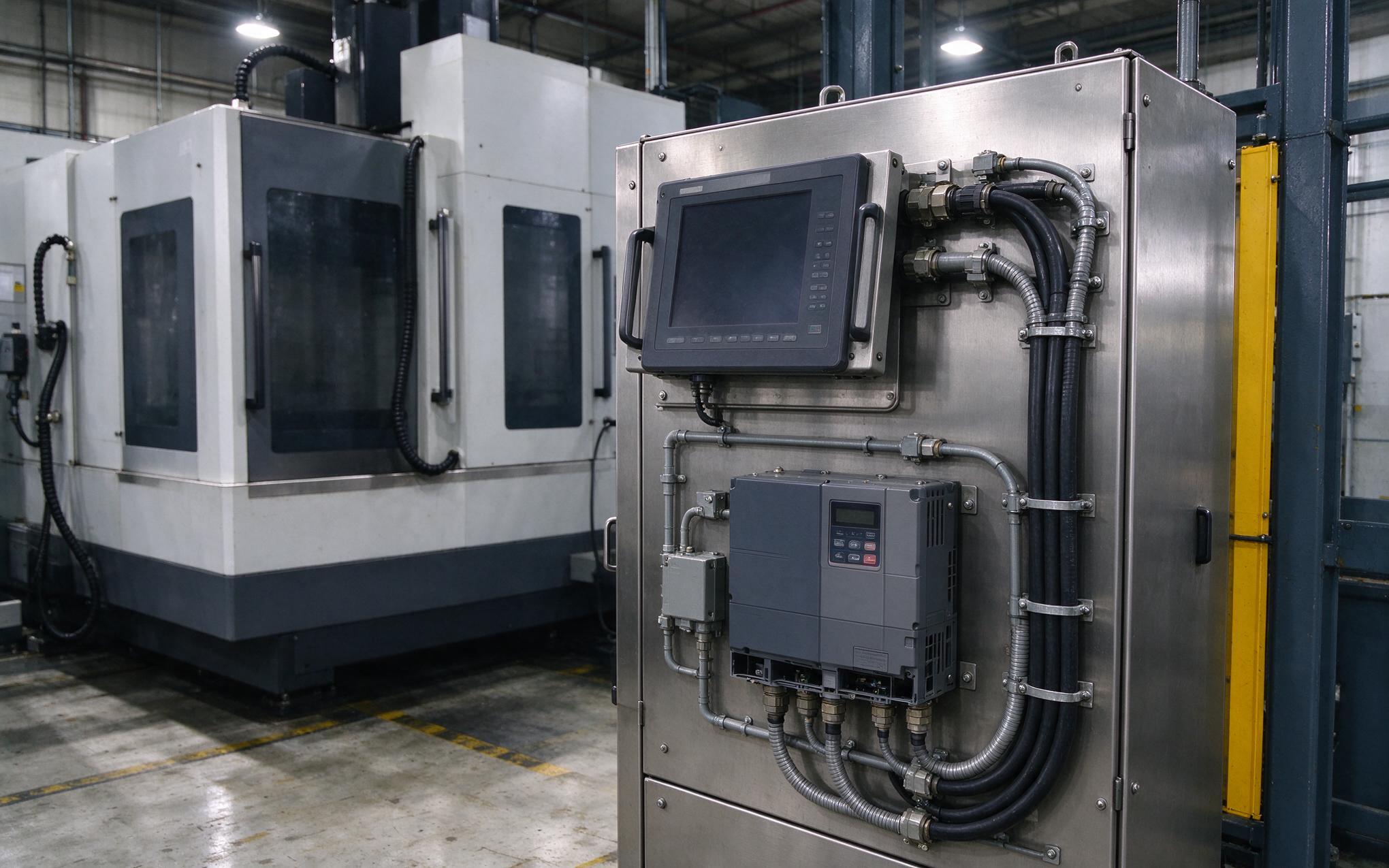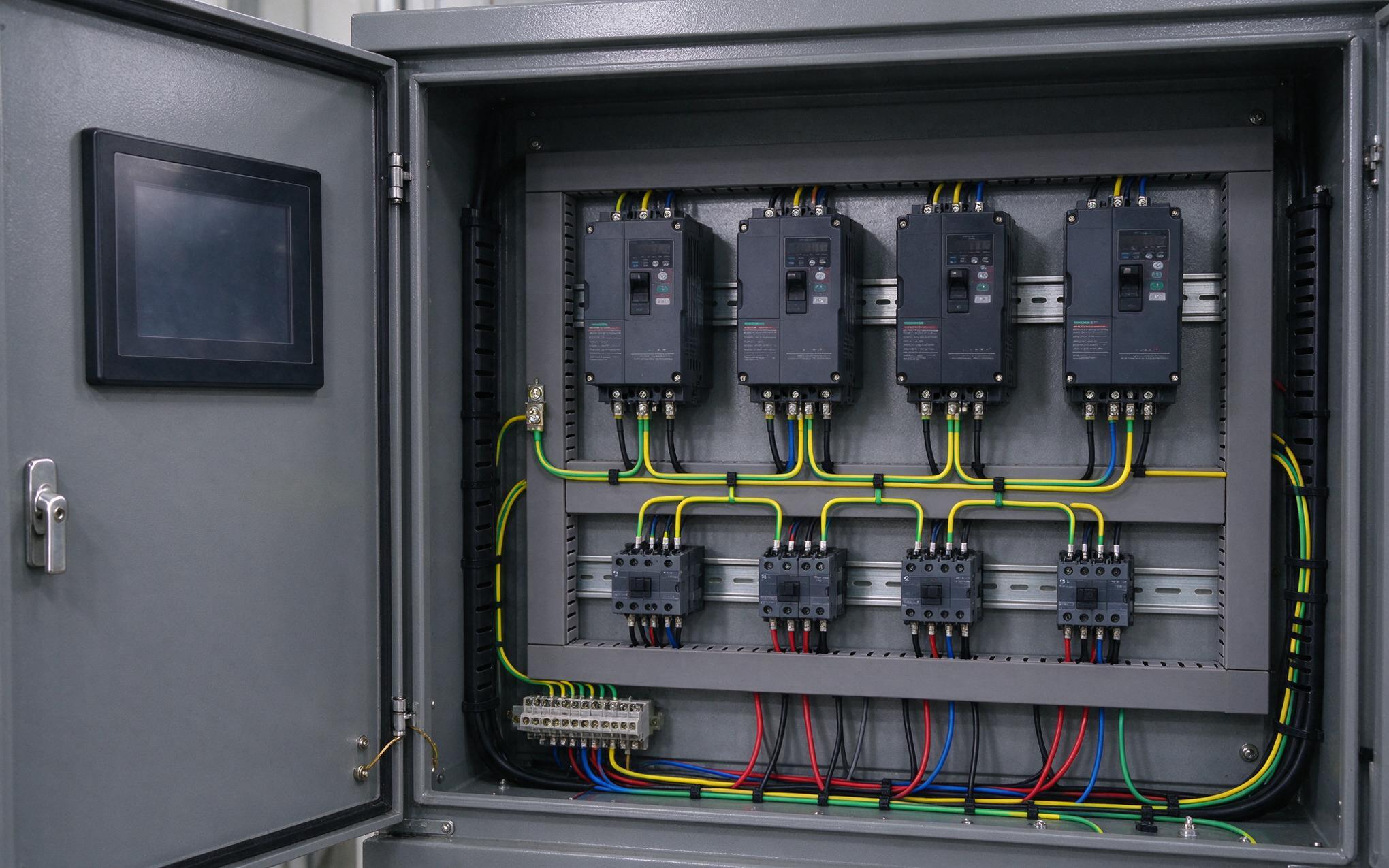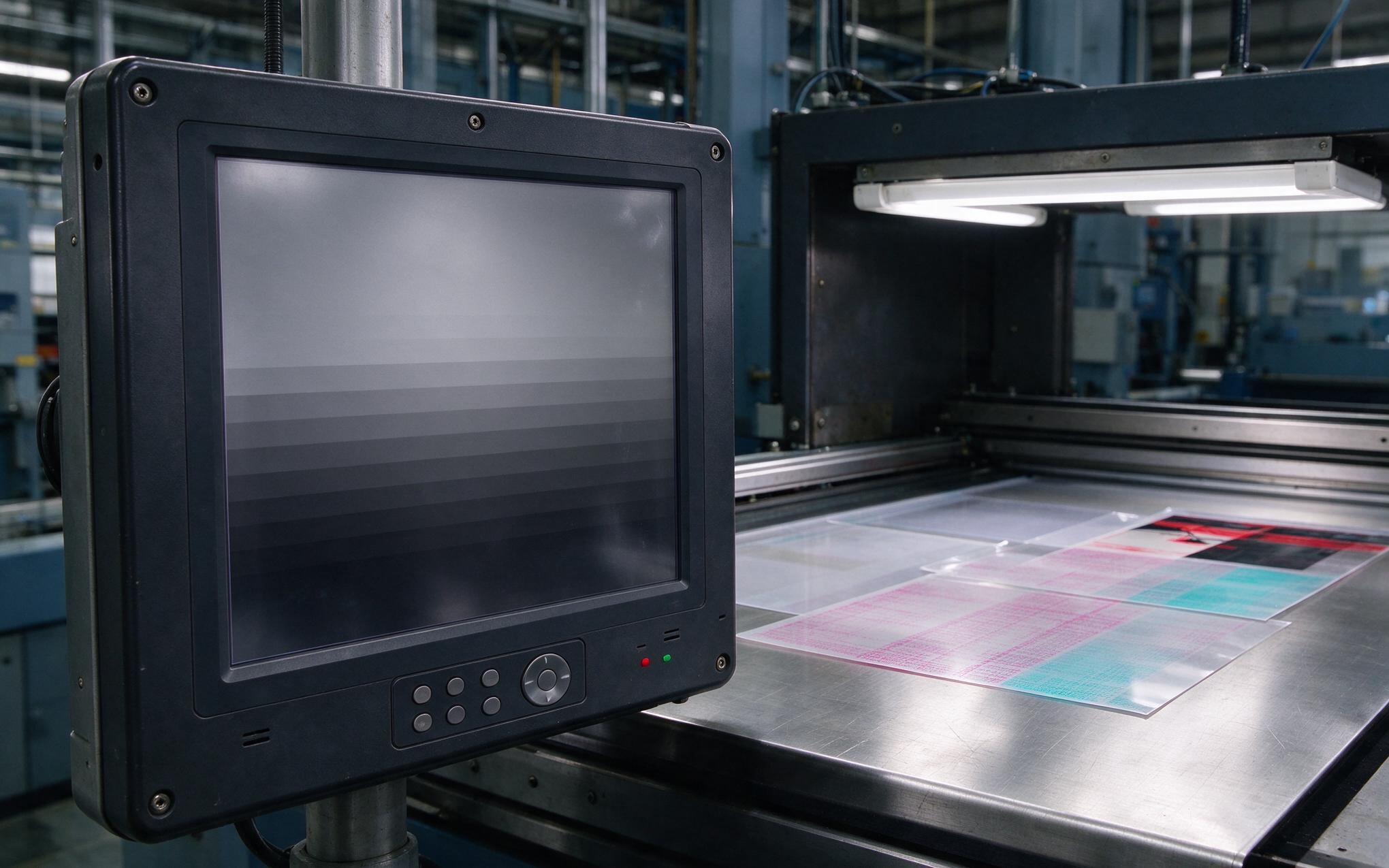
Three touch monitor lots can ship from the same factory in a single week and still behave very differently in the field. One runs for years, another develops ghost touches within months, and a third suffers premature backlight failure. For procurement teams comparing touch screen display manufacturers, the difference rarely comes down to the datasheet. It comes down to whether the factory can trace every unit back to its exact material lots, process parameters, and test records. Serial traceability has quietly become the discipline that separates controlled production from hopeful assembly.

Tracking Lots From Glass Intake to Final Assembly
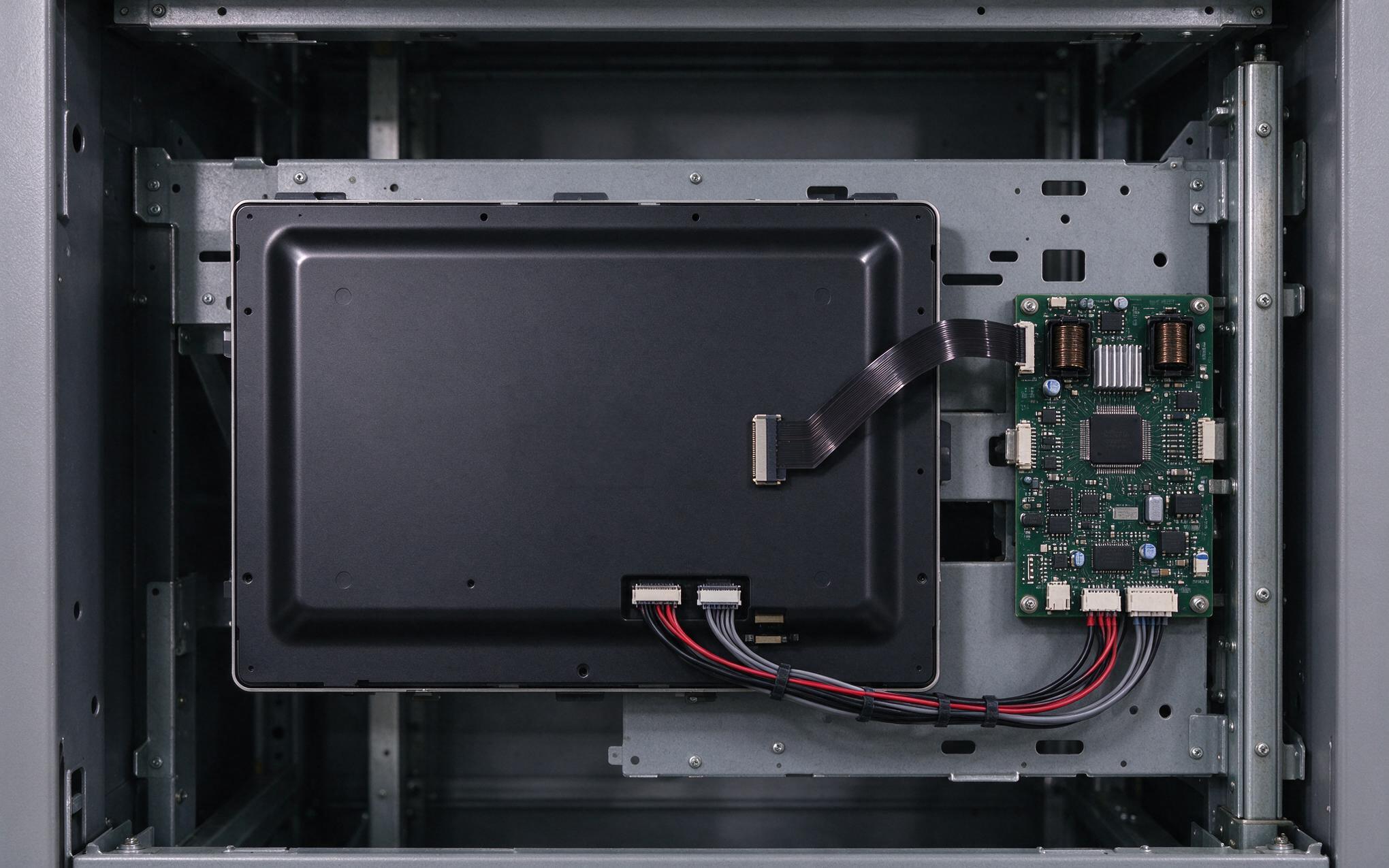
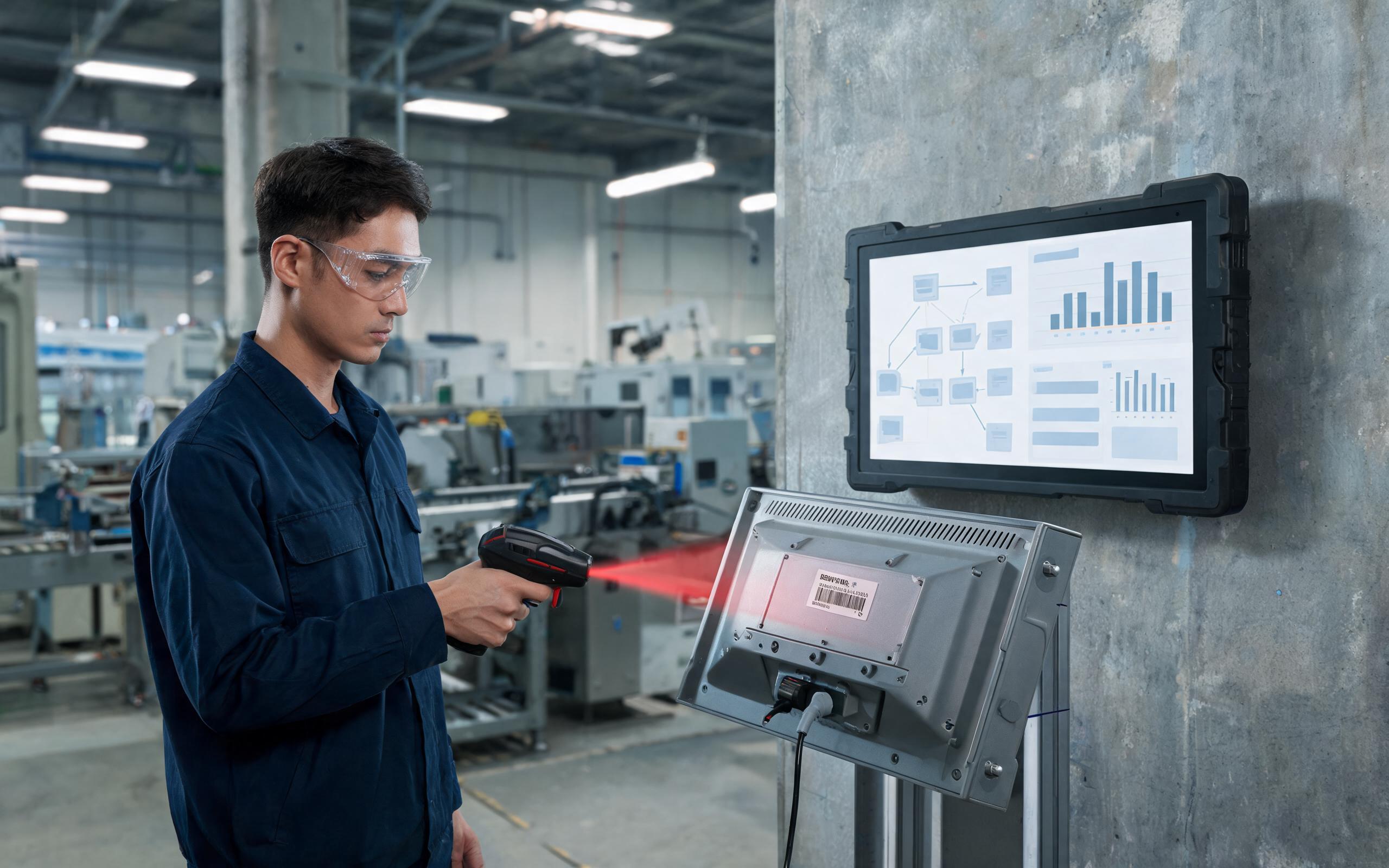
A traceable production flow starts long before final assembly. At disciplined factories, every cover glass sheet receives a lot identifier at incoming inspection, and that identifier follows the glass through cutting, edge grinding, and cleaning. When the touch sensor and LCD panel enter optical bonding, the MES records the adhesive batch, bonding pressure, vacuum dwell time, and UV curing energy for that specific unit. Controller boards carry their own SMT batch history, including the touch controller IC revision and reflow profile. At final assembly, a single serial number is laser etched onto the rear housing and linked to every upstream record. The result is a complete genealogy: any finished industrial touch screen monitor can be decomposed, on paper, into the exact materials and process parameters that created it. This genealogy depth is the baseline buyers should expect from serious touch screen display manufacturers during audits.
How Serial Genealogy Accelerates Root Cause Analysis
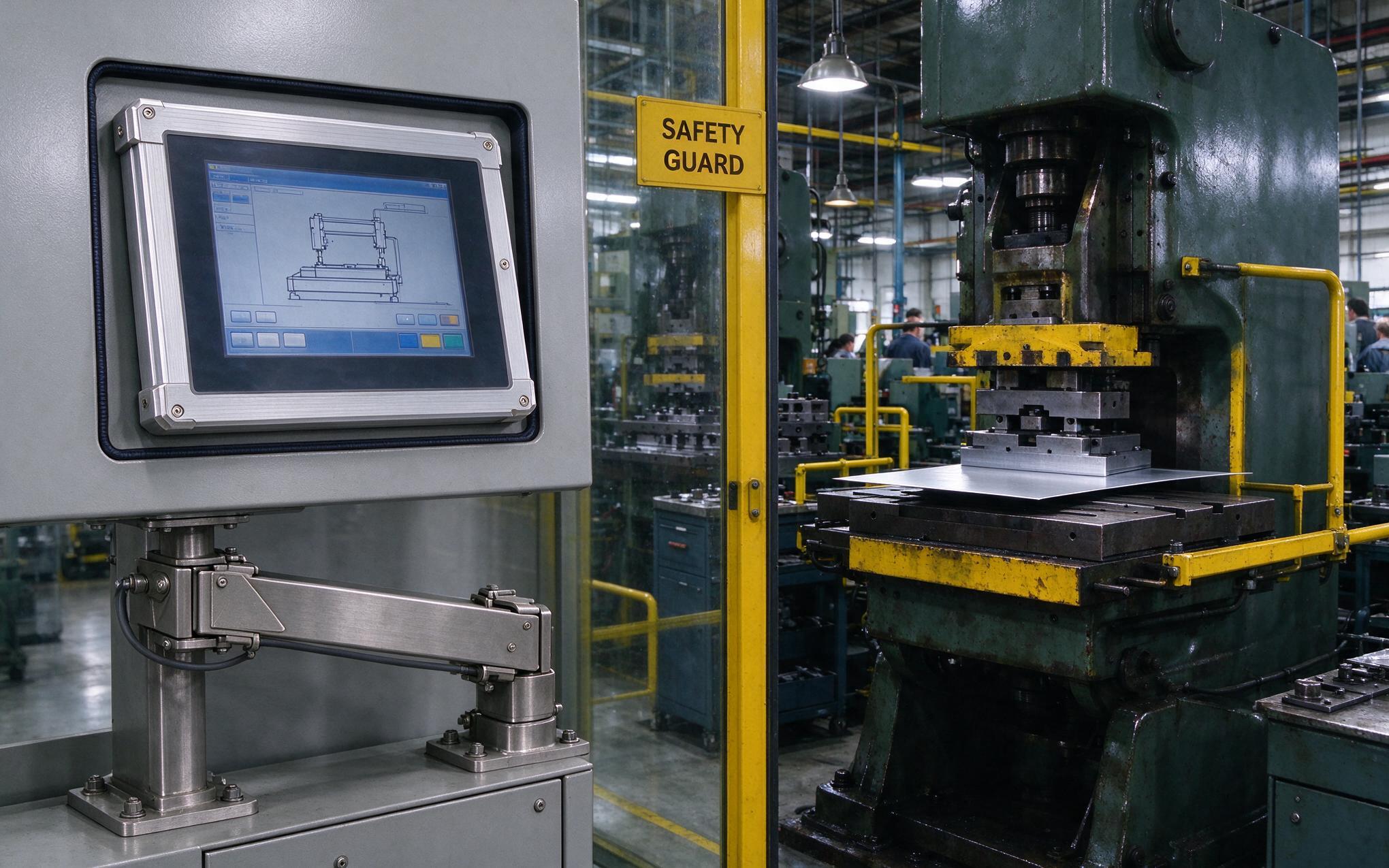
Field failures stop being mysteries once genealogy data exists. When an integrator reports intermittent touch drift on a batch of panel-mounted units, a manufacturer with serial-level records can pull the adhesive lots, bonding parameters, and controller firmware versions for exactly the affected range. In one typical scenario, drift is isolated to a single week of production that used one specific optical adhesive batch, and only those serials need replacement instead of the entire installed fleet. This containment speed is where disciplined touch screen display manufacturers separate themselves from assembly operations that keep only invoice-level records. Warranty discussions also change character: instead of negotiating over anecdotes, both sides work from the same logged evidence, and root cause analysis that once took weeks closes in days.
IATF 16949 Discipline at Touch Screen Display Manufacturers
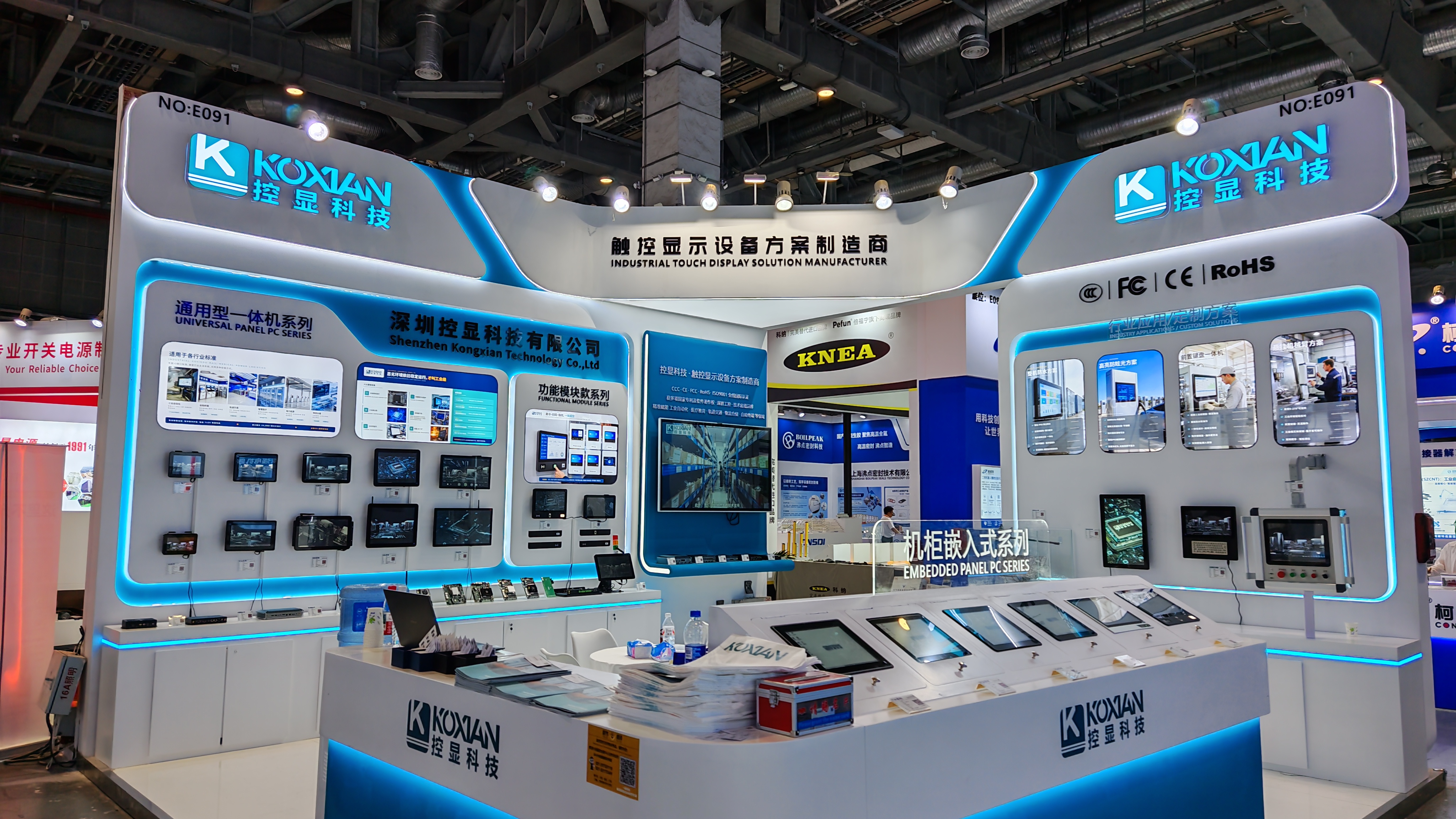
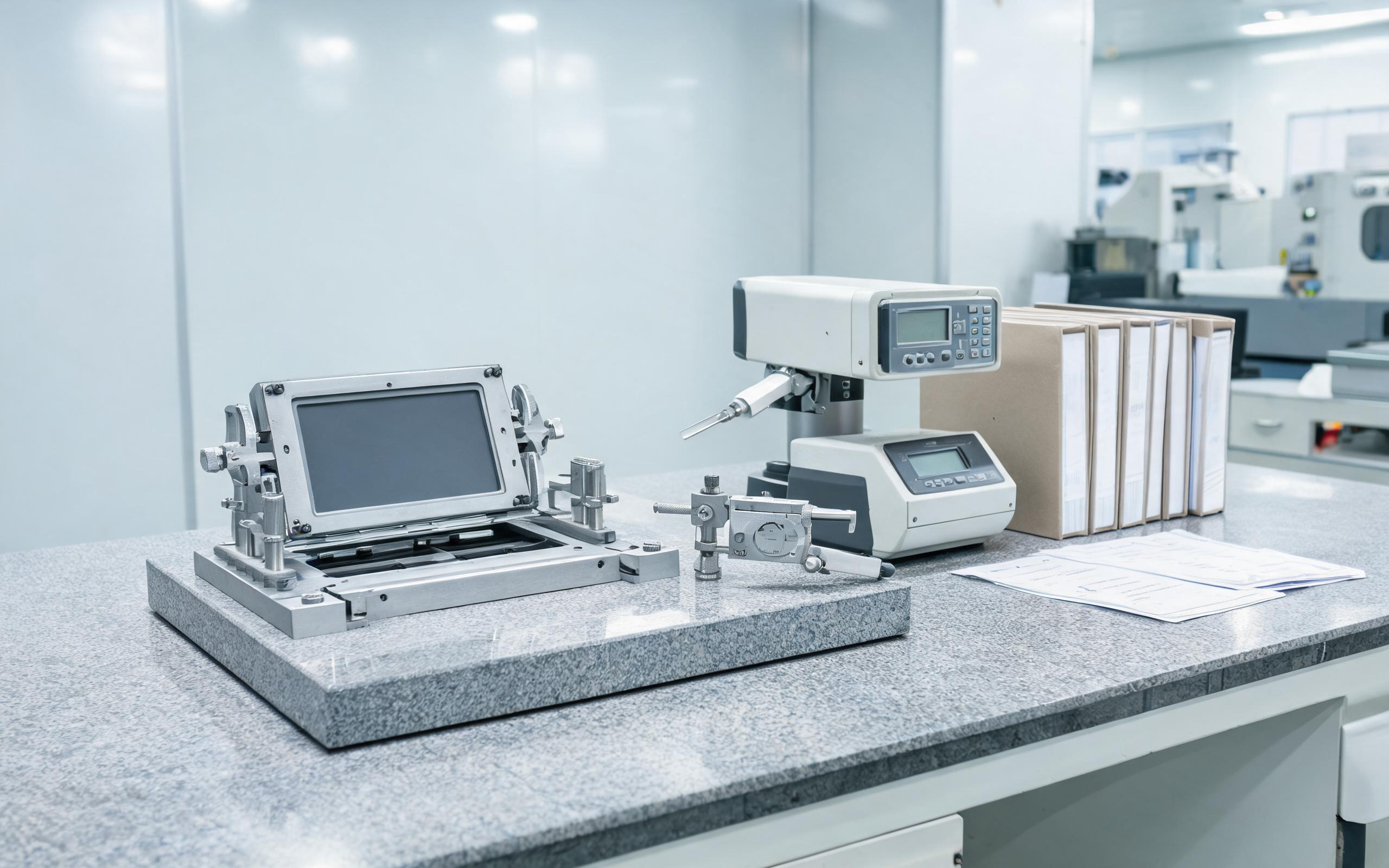
IATF 16949 is an automotive quality standard, but its discipline increasingly shapes industrial display production. The standard forbids silent component substitution: any change of touch controller IC, cover glass supplier, or adhesive formulation requires documented validation and buyer notification. It also mandates calibrated test equipment, statistical process control on bonding parameters, and retention of records for the product lifetime. Industrial hardware manufacturers, including KOXIAN, apply this lot-level discipline to their bonding and assembly records so that any shipped unit can be traced back to specific material batches within hours. For buyers, the practical value is predictability. A factory operating under these rules cannot quietly swap a cheaper controller IC mid-contract, because the serial genealogy would expose the change immediately.
Evaluating Traceability During Supplier Qualification
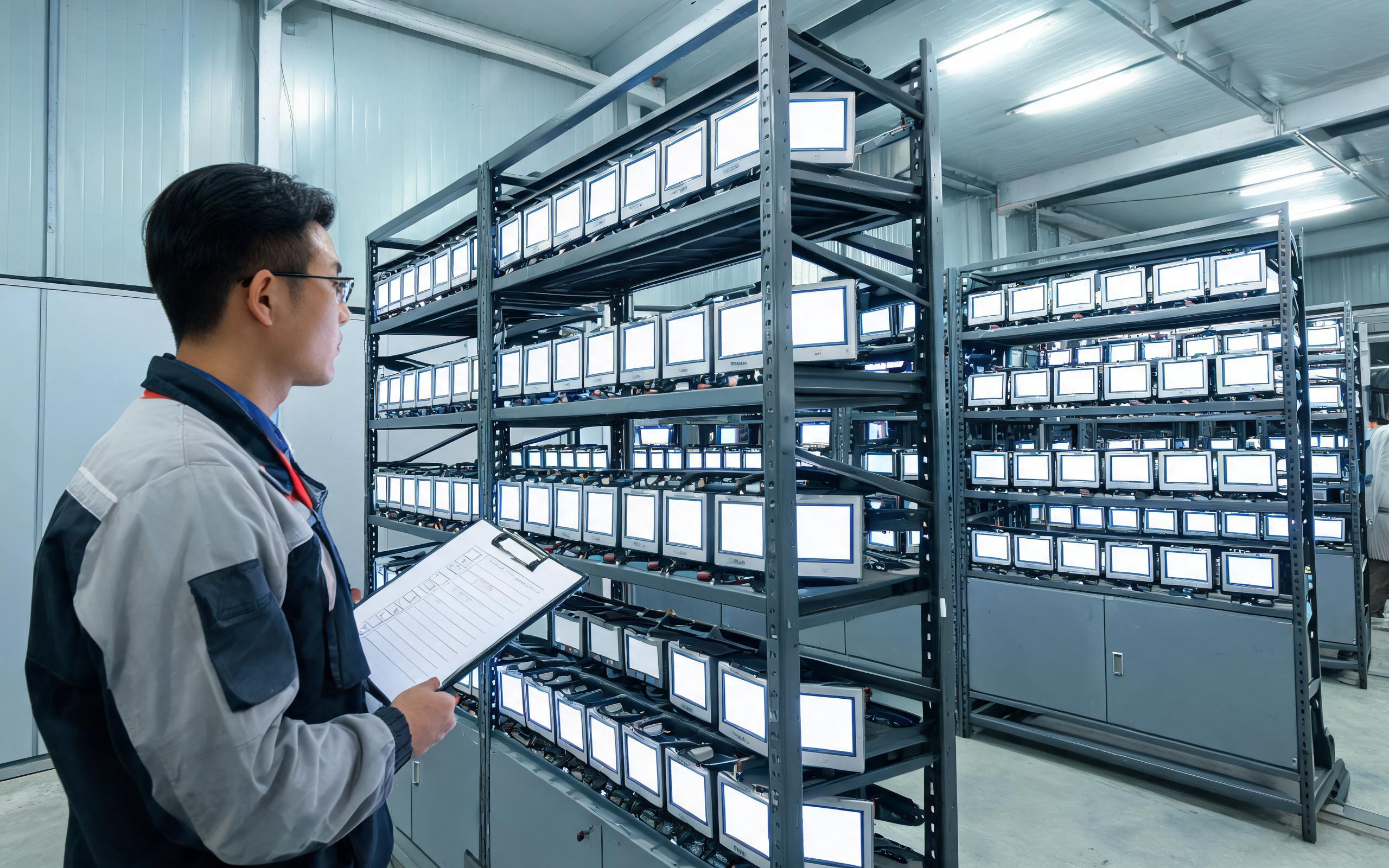
When shortlisting an industrial monitor supplier, buyers can treat traceability practices maintained in production systems like the KOXIAN manufacturing line as a concrete reference for what complete serial genealogy should cover. Traceability claims are easy to print on a brochure, so qualification audits need evidence beyond references. Procurement engineers should ask the factory to run a live traceability drill: pick any finished unit from the warehouse and reconstruct its material lots and process records on the spot. Serious factories complete this exercise in under an hour. Buyers should also request a certificate of analysis with each shipment, sample MES reports with serial-level detail, and the documented retention policy for production records. Change notification history deserves equal attention, because a factory that has never logged a component change is either unusually stable or simply not recording.
Serial traceability rarely appears on a datasheet, yet it determines how painful an unexpected field failure becomes. Buyers that qualify touch screen display manufacturers on genealogy depth rather than unit price alone gain faster root cause analysis, tighter recall containment, and more predictable reliability across every deployed industrial touch display fleet.