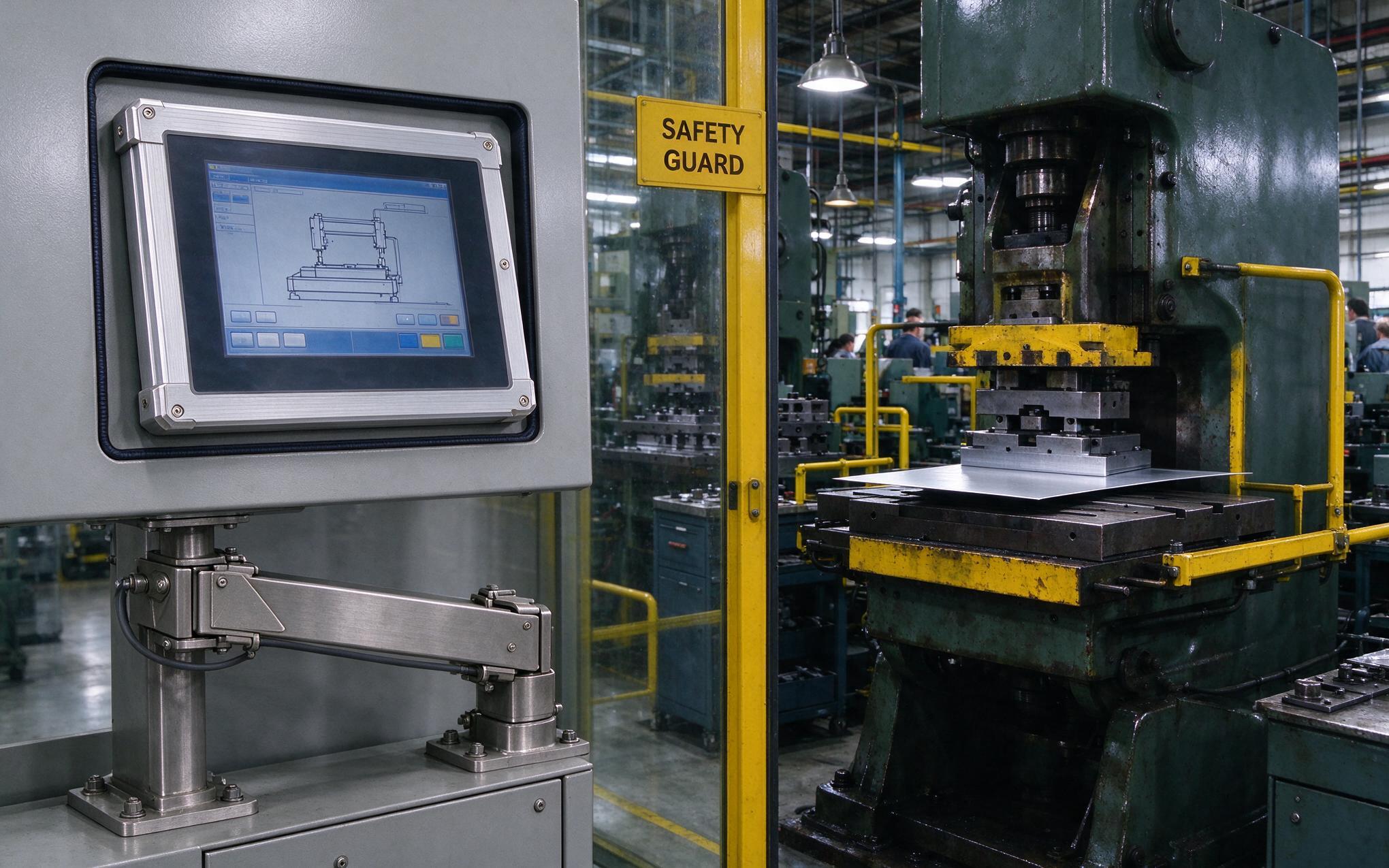
A replacement unit arrives at a packaging plant with the same model number, the same aluminum bezel, and the same mounting cutout as the machine it replaces. Yet within a week the new unit throttles under load, its BIOS splash screen looks different, and a vision application that ran stably for years begins dropping frames. Maintenance teams across industry report this pattern whenever orders placed through industrial pc wholesale channels span multiple production batches. The hardware looks identical, but inside the chassis a memory module, a storage device, or a power component has quietly changed. For buyers managing industrial pc wholesale procurement over multi-year projects, silent component substitution is the reliability risk that never appears on a quotation.

Silent Substitution Pressure in Industrial PC Wholesale Runs
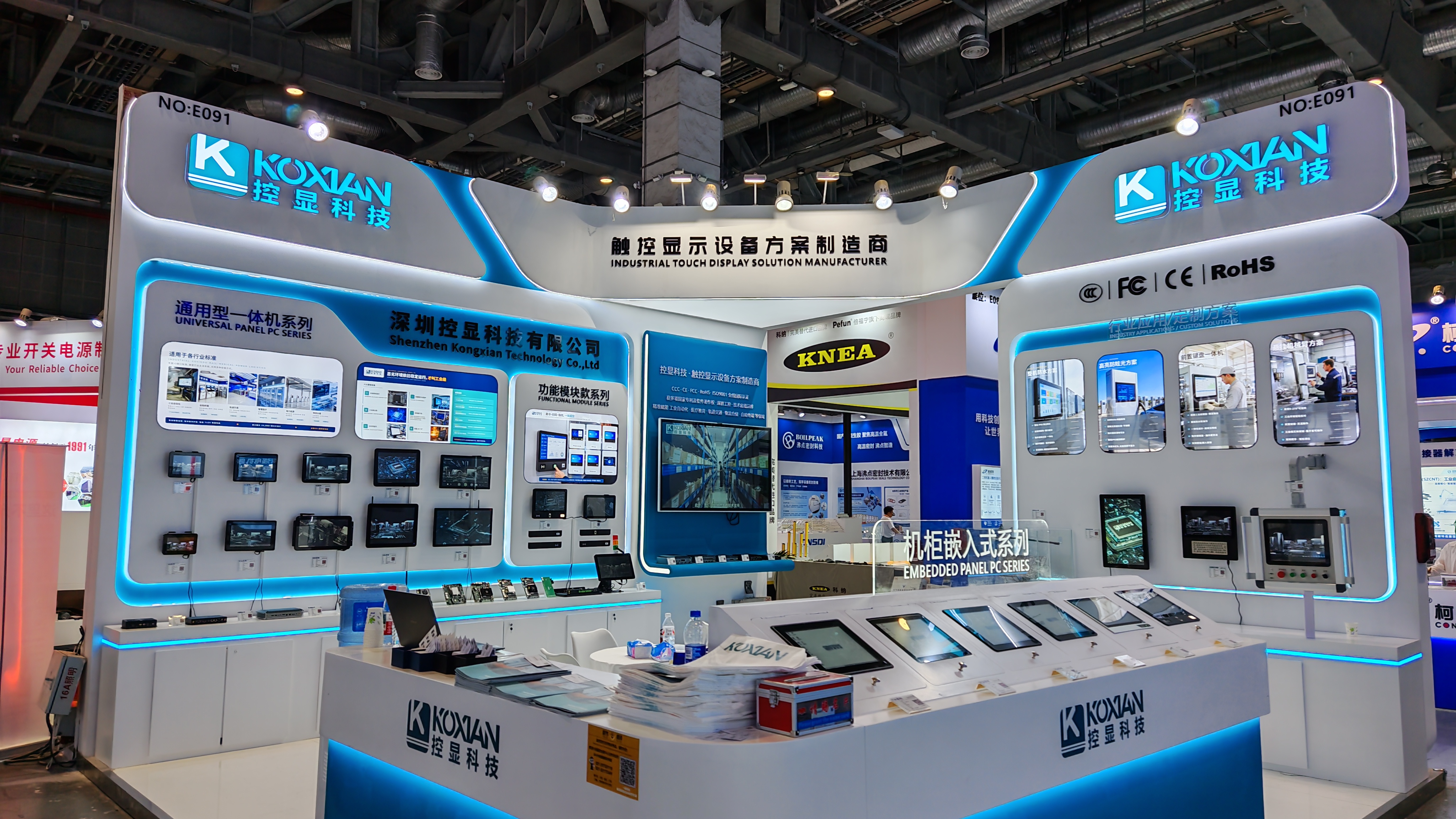
Substitution pressure starts upstream. Industry distribution reports through 2026 describe processor price resets, storage allocations sold out more than a year ahead, and passive component lead times stretching beyond sixteen weeks. When a specified part becomes unavailable or jumps in price mid-contract, a factory facing thin margins has three options: halt production, absorb the loss, or swap in an equivalent part. The third option becomes silent substitution when the swap ships without notification. Industrial hardware manufacturers, including KOXIAN, maintain approved vendor lists and formal change control precisely because one unvalidated swap can void the thermal, vibration, and EMC testing behind the original configuration. In long-running industrial pc wholesale supply, the risk concentrates where months separate batches and memory of the original bill of materials fades.
Revision Locks and PCN Clauses in Supply Agreements
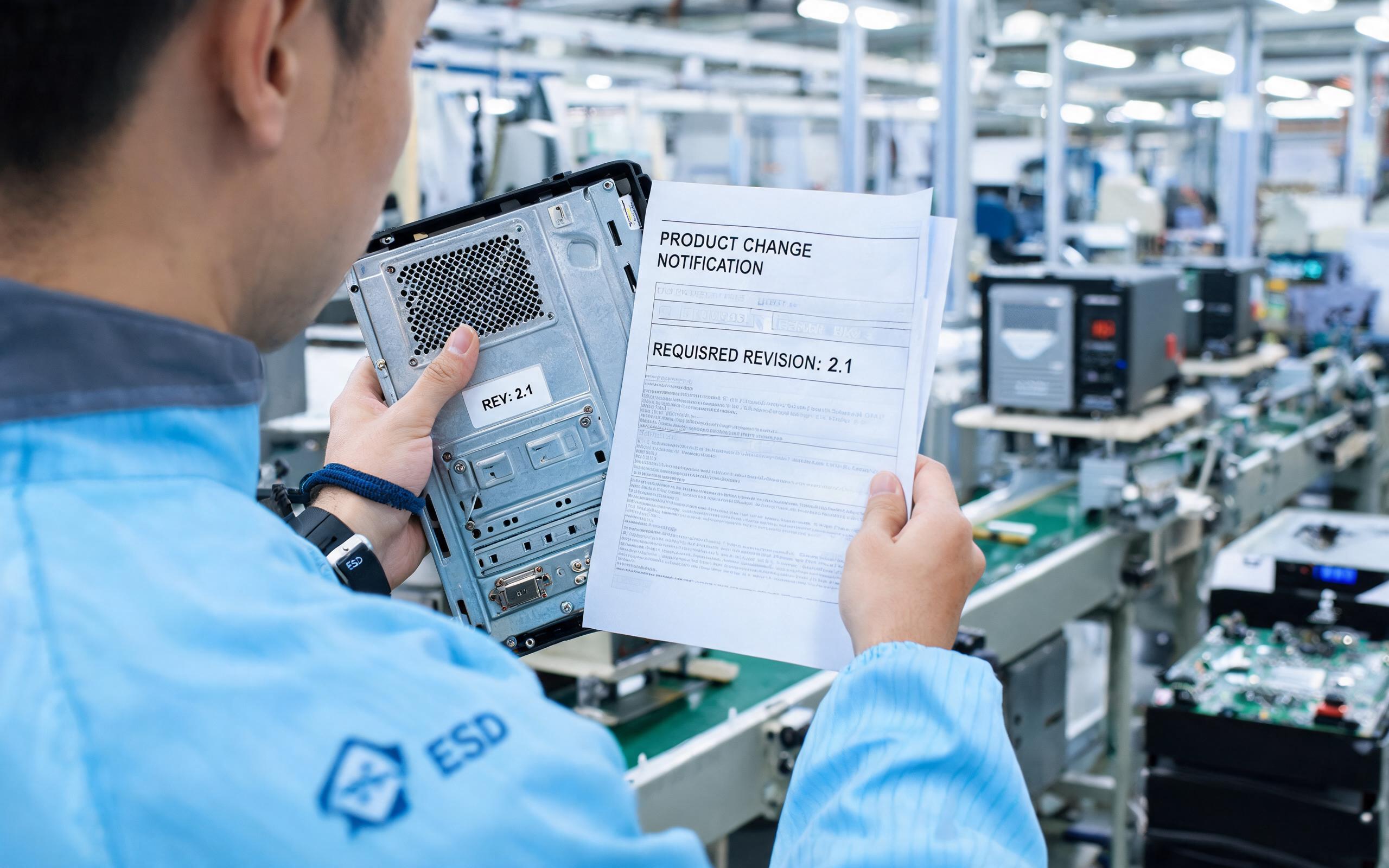
Procurement teams convert this risk into paperwork. A revision-locked purchase agreement ties the order to a specific hardware revision rather than a marketing model name, so any change of motherboard revision, panel source, or power design requires explicit buyer approval. Product change notification clauses add a time dimension: disciplined suppliers commit to advance notice, commonly six months, before any substitution ships, together with a documented compatibility analysis. Embedded industrial pc buyers increasingly copy the structured flow used in automotive supply chains, where a change request travels through impact assessment, sample requalification, and written sign-off before mass shipment. The clause has little value without evidence, so agreements should require the supplier’s change log for the previous twelve months as a standard qualification document.
Incoming Inspection That Exposes Unannounced Swaps
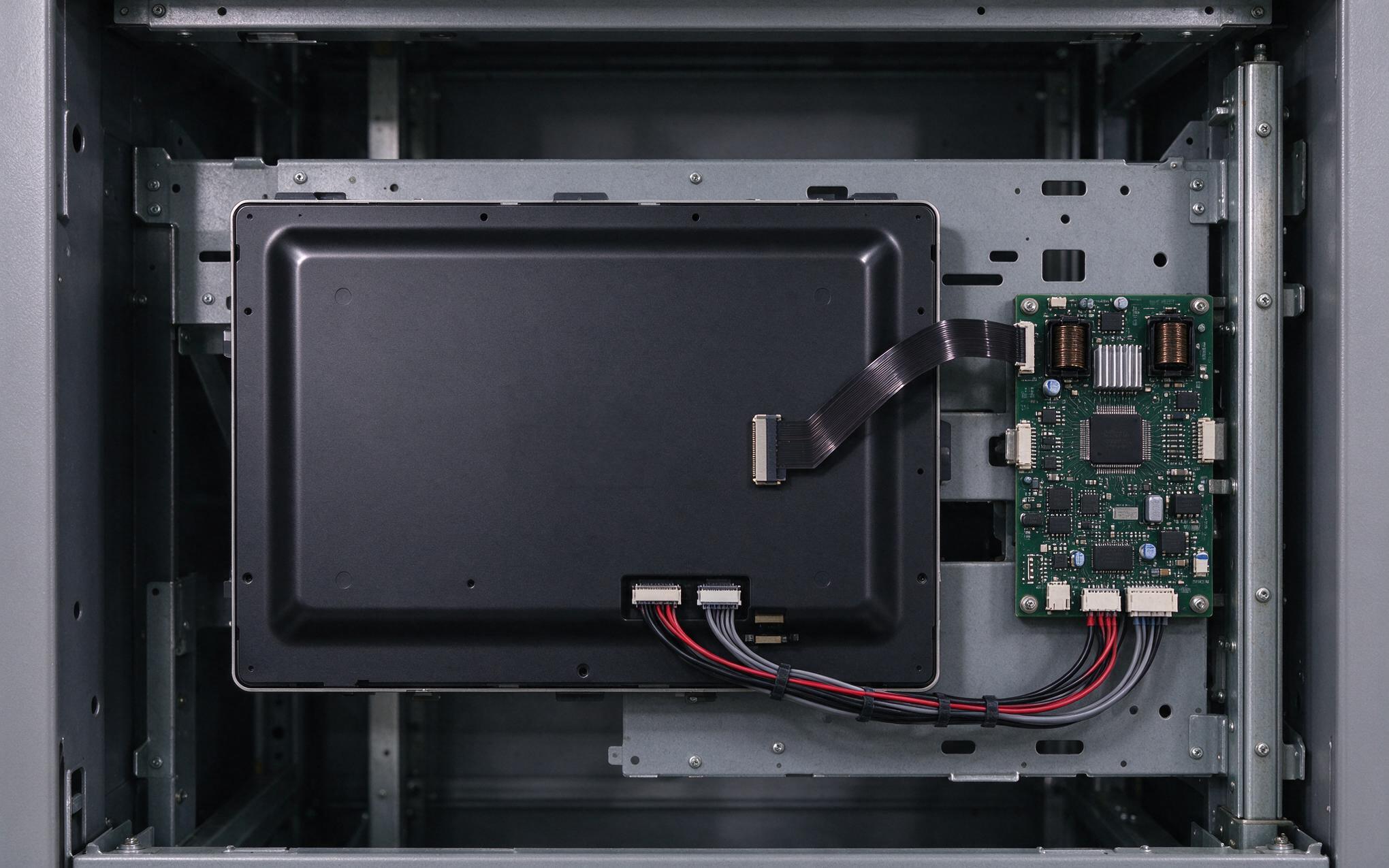
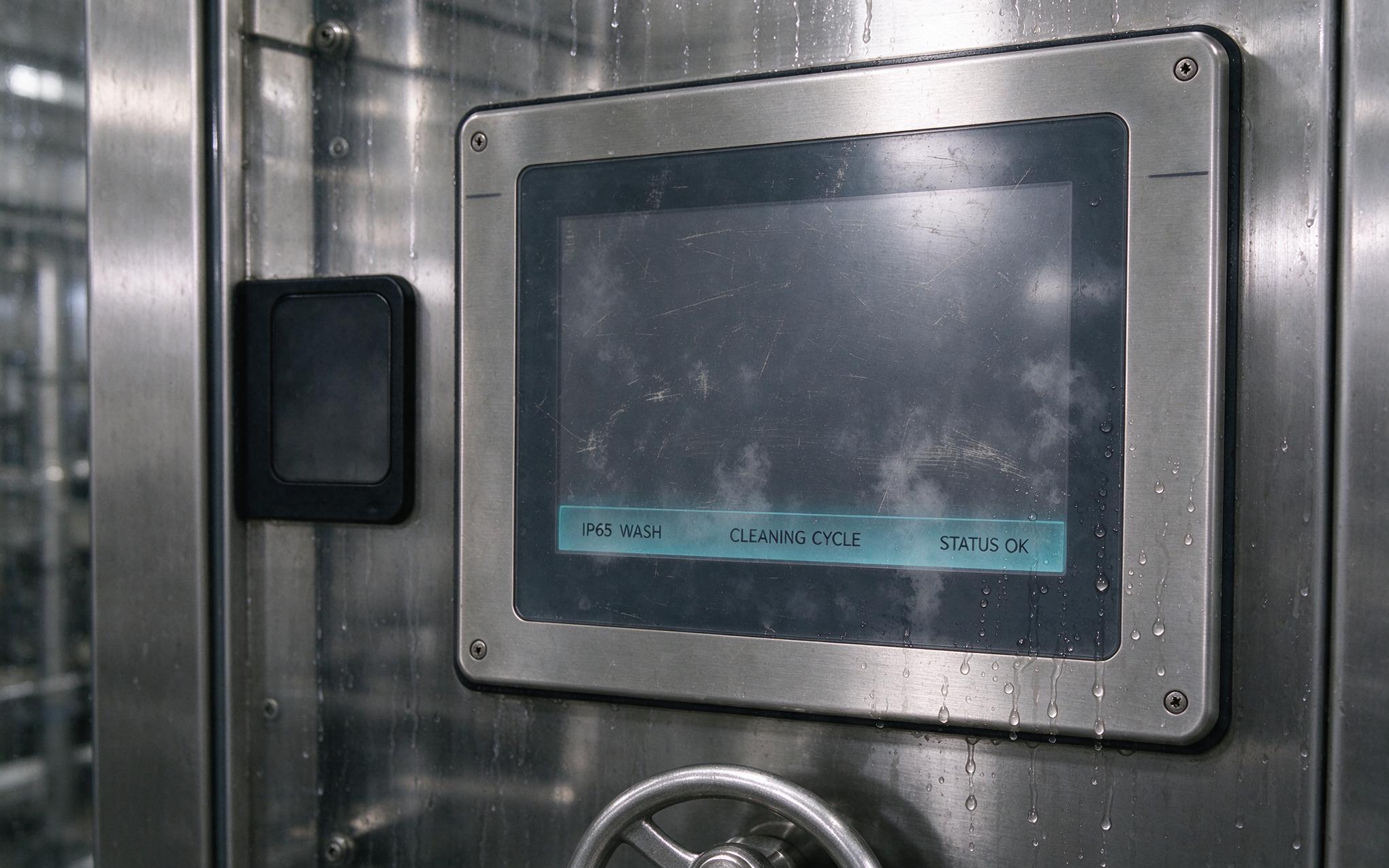
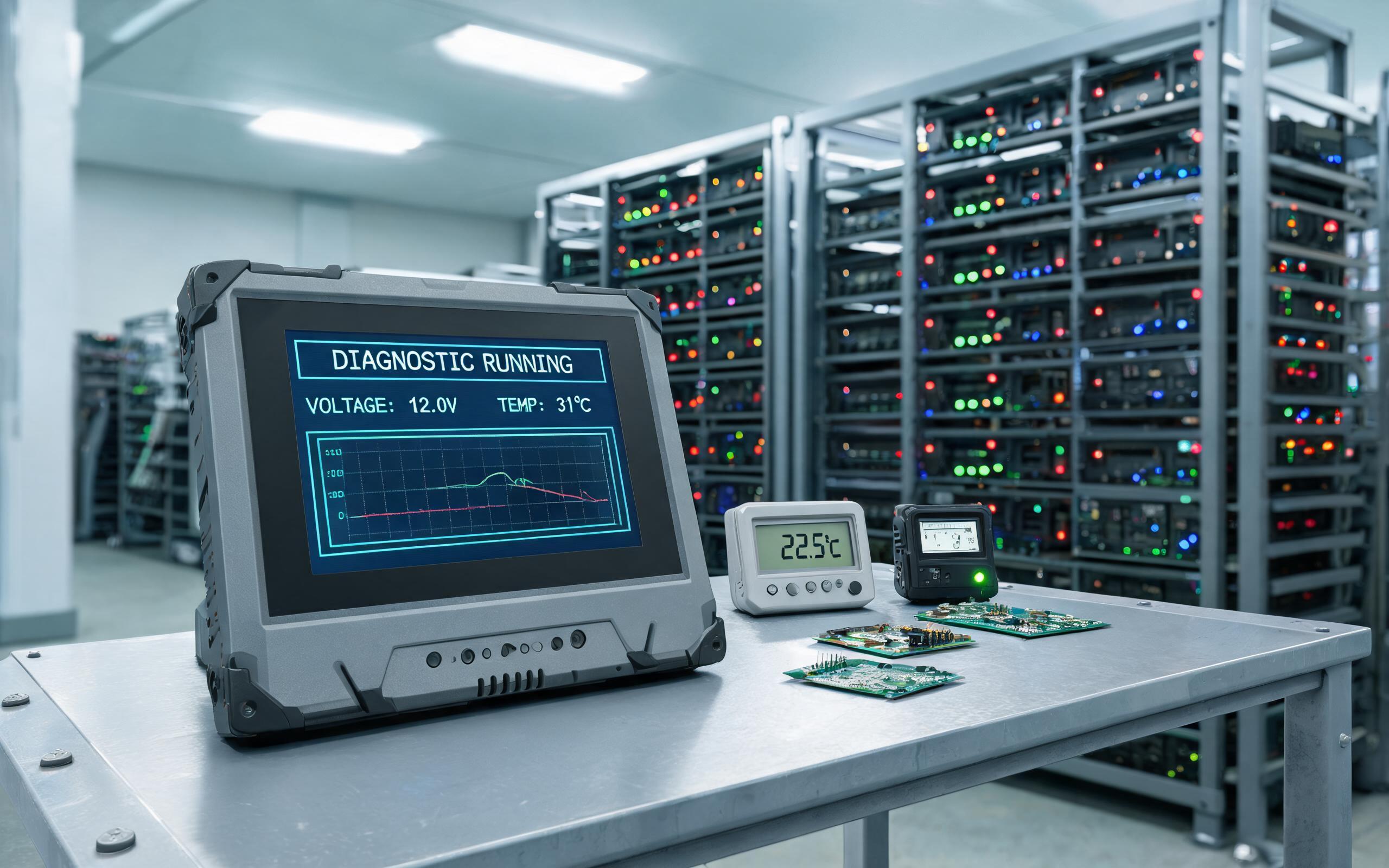
Contract language still needs a physical checkpoint, and in industrial pc wholesale receiving that checkpoint is incoming inspection. Effective teams build a golden sample archive: one unit from the initial qualified batch is retained, photographed, and electrically characterized, so every later shipment can be compared against it. Practical comparison steps include weighing the unit, since heatsink changes alter mass; reading firmware and BIOS checksums; running a four-hour thermal soak while logging surface temperatures; and verifying that device enumeration inside the operating system matches the qualified bill of silicon. Fanless industrial panel pc designs make some checks easier, because a substituted thermal pad or chassis alloy shows up quickly as a hotter exterior under identical load. Batches that fail comparison trigger the notification clause rather than a warranty debate, because the buyer can prove the delivered configuration diverged from the agreed revision.
Last Time Buy Planning for End of Life Components
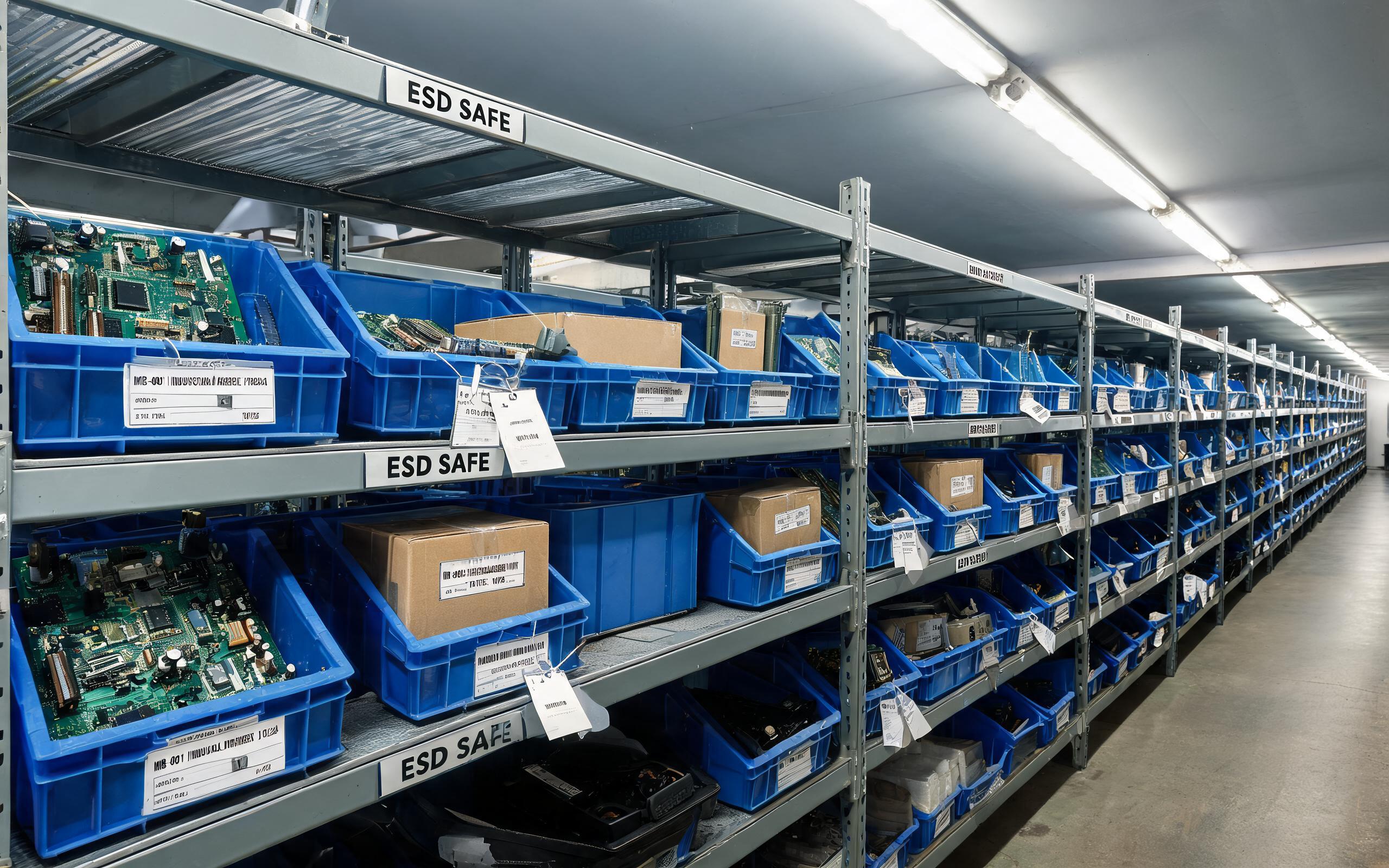
Even disciplined change control cannot stop component end-of-life notices, so wholesale programs need a migration path. When a supplier opens a last-time-buy window, buyers size a buffer stock from installed fleet count, annual failure rate, and the remaining project lifetime. Spare-pool practices observed in fleets running KOXIAN industrial panel displays typically cover three to five years of projected replacements, validated against actual return rates rather than estimates. The buffer only works if stored spares stay configured identically to field units, which means periodic power-up checks and controlled storage conditions. For the longer term, procurement teams qualify a successor configuration early, running the replacement platform in parallel on one line before the old revision leaves production. Migration treated as a scheduled engineering task costs far less than an emergency redesign after the final shipment.
Component substitution pressure will persist as long as supply chains tighten, but its damage is optional. Buyers that lock revisions contractually, verify batches physically, and plan last-time buys deliberately turn industrial pc wholesale sourcing from a gamble into a controlled process. The quotation never lists this discipline, yet it decides whether the thousandth unit behaves like the qualified unit.