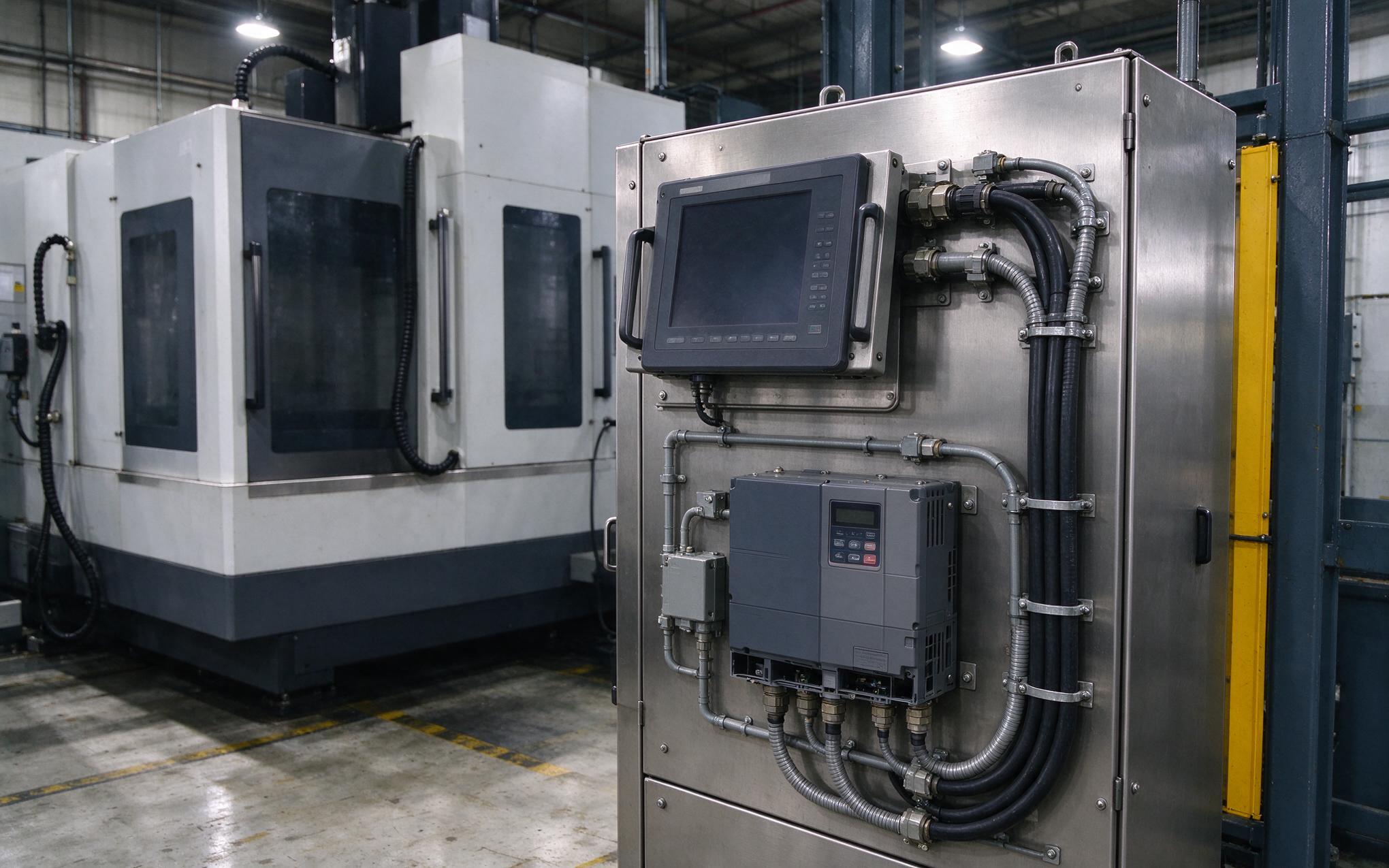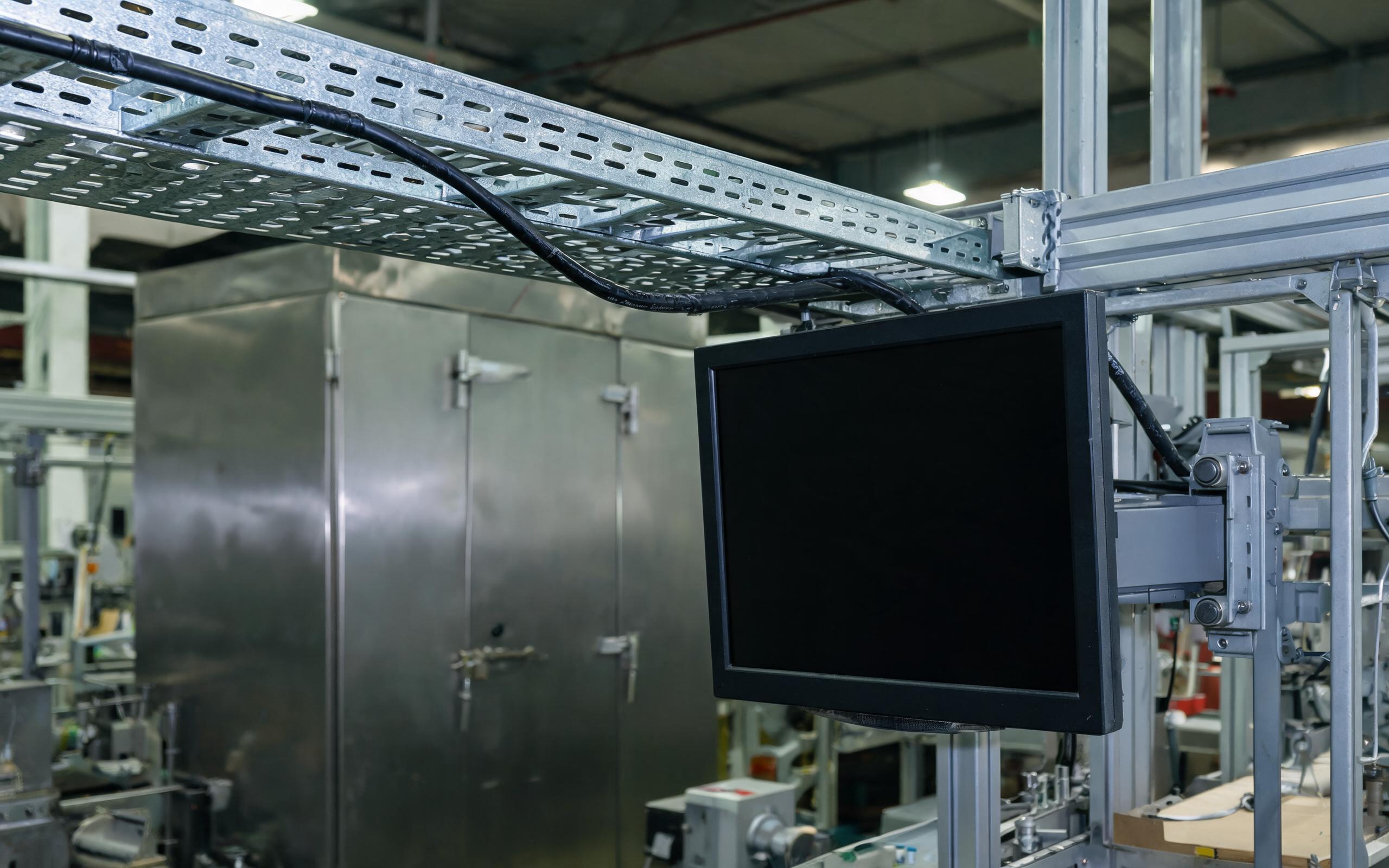
Starter current surges through the yard truck, the cab lights dip, and the terminal mounted beside the driver blinks off for two seconds, taking an unfinished pallet record with it. Such scenes play out daily across warehouses, ports, and construction fleets, and the root cause is rarely software. The electrical network of a vehicle is a hostile power source, swinging between deep voltage sags during cranking and severe surges when the alternator unloads. An industrial all in one panel pc installed on this network faces stress that no bench supply ever reproduces, and surviving it requires deliberate power engineering rather than a simple adapter.
Within a Vehicle DC Power Network
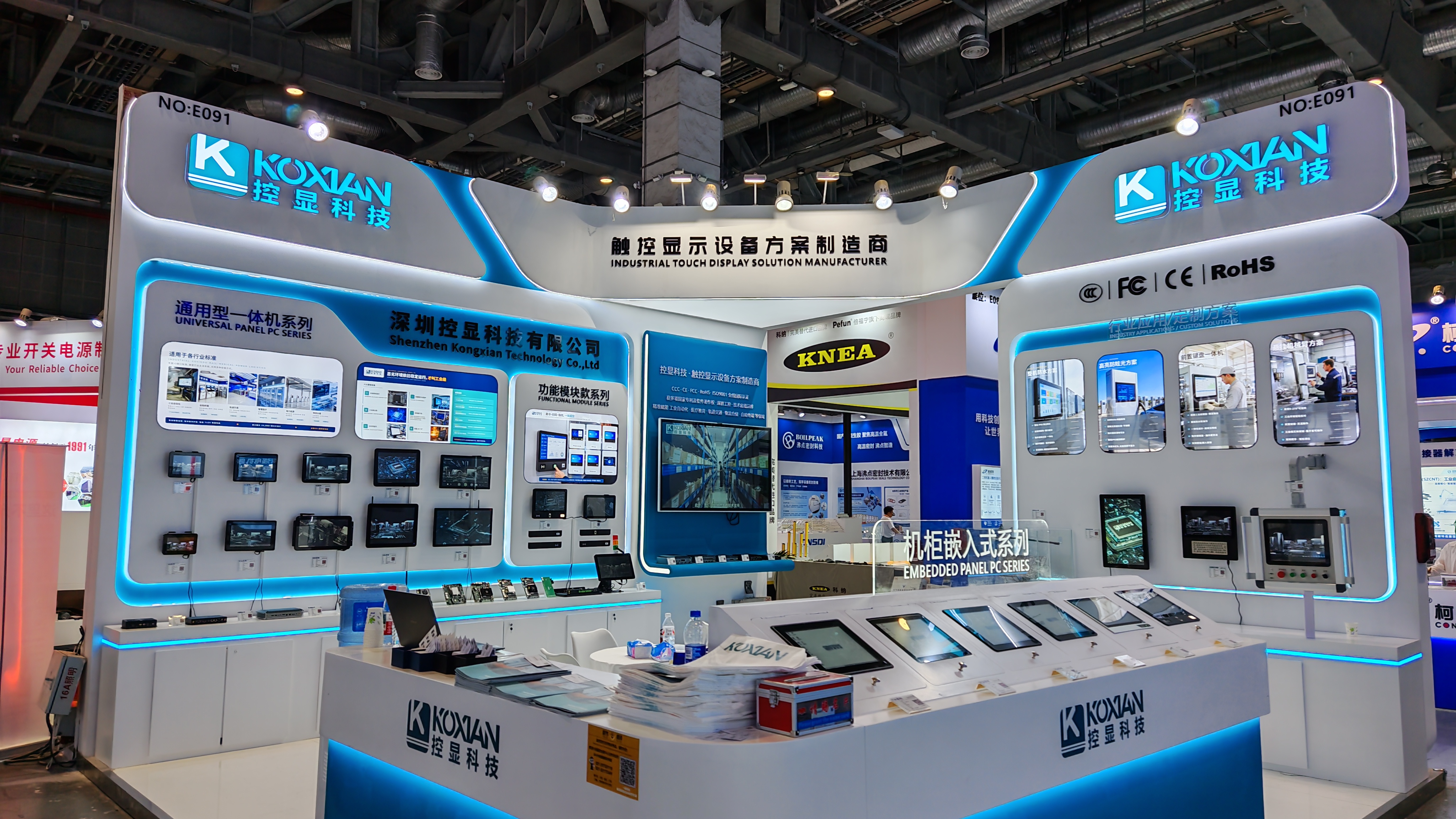
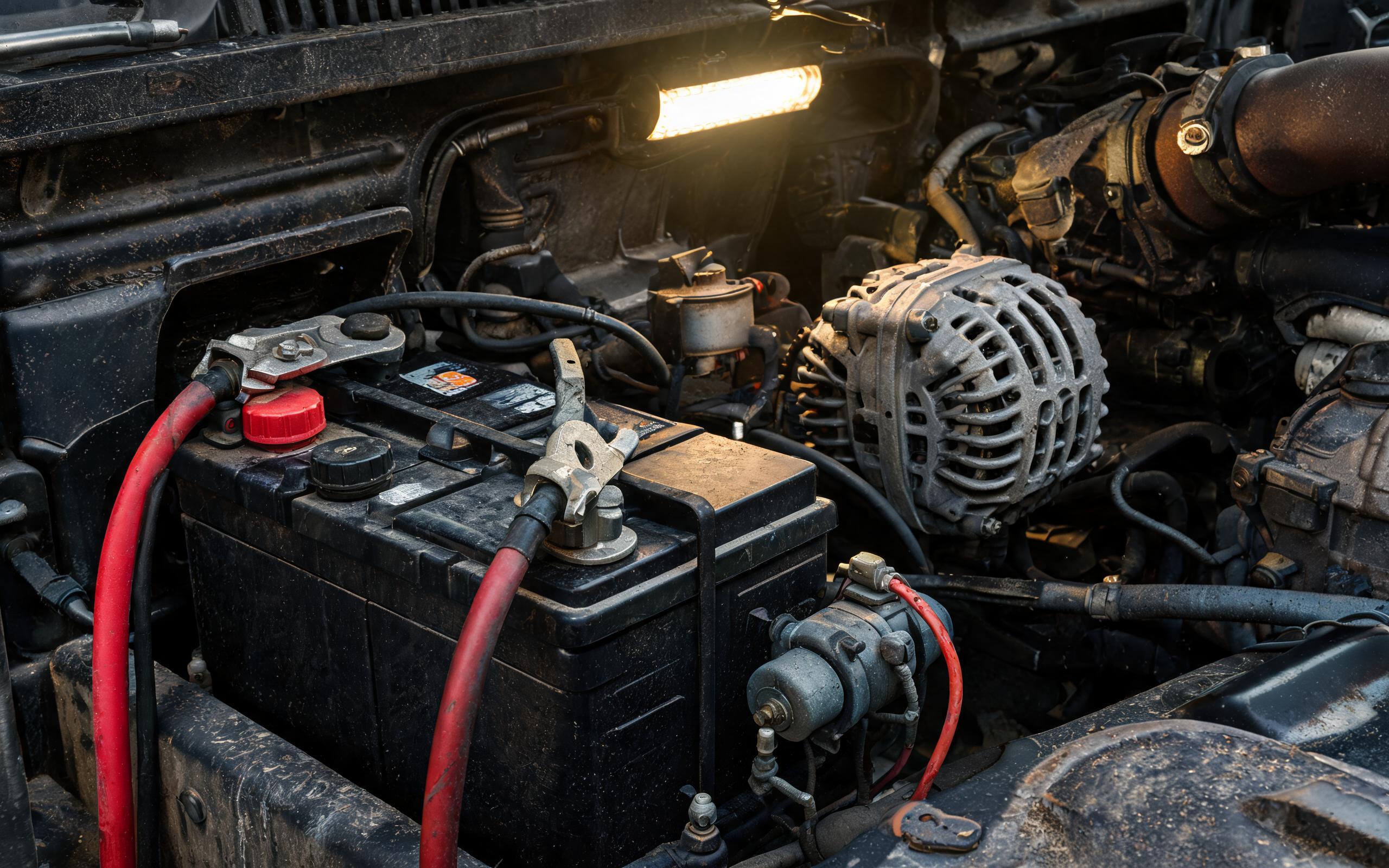
Two standardized disturbance families define the vehicle power environment. ISO 7637-2 covers fast transients conducted along supply lines, the microsecond spikes generated when relays, solenoids, and injector drivers switch inductive loads. ISO 16750-2 covers slower, higher-energy events: load dump, where the alternator keeps charging after the battery connection drops and the rail jumps toward 100 volts on an unsuppressed system; cranking, where the starter drags a 12 volt rail down toward 6 volts for seconds; plus overvoltage and reverse polarity. Field observations from port tractor fleets show that terminals built on KOXIAN industrial panel display platforms ride through repeated daily cranking cycles without dropping active sessions, provided their input stages are rated for these pulses. An industrial all in one panel pc connected to this bus must ride through every one of these events without rebooting, corrupting storage, or passing energy into its mainboard. Compliance statements against both standards, not a nominal 12 or 24 volt label, separate vehicle-rated hardware from desktop-grade equipment.
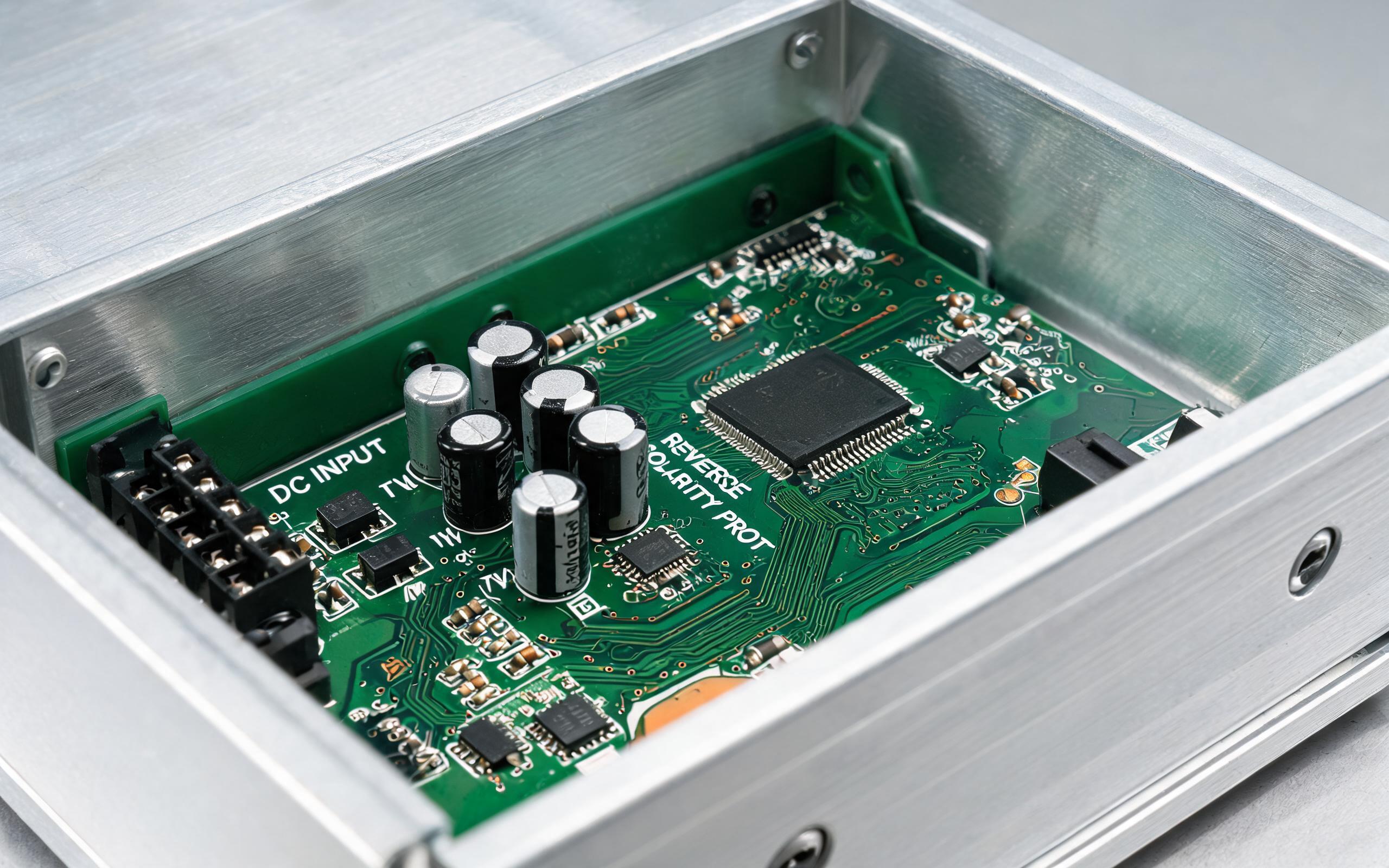
Designing the Wide Voltage Protection Front End
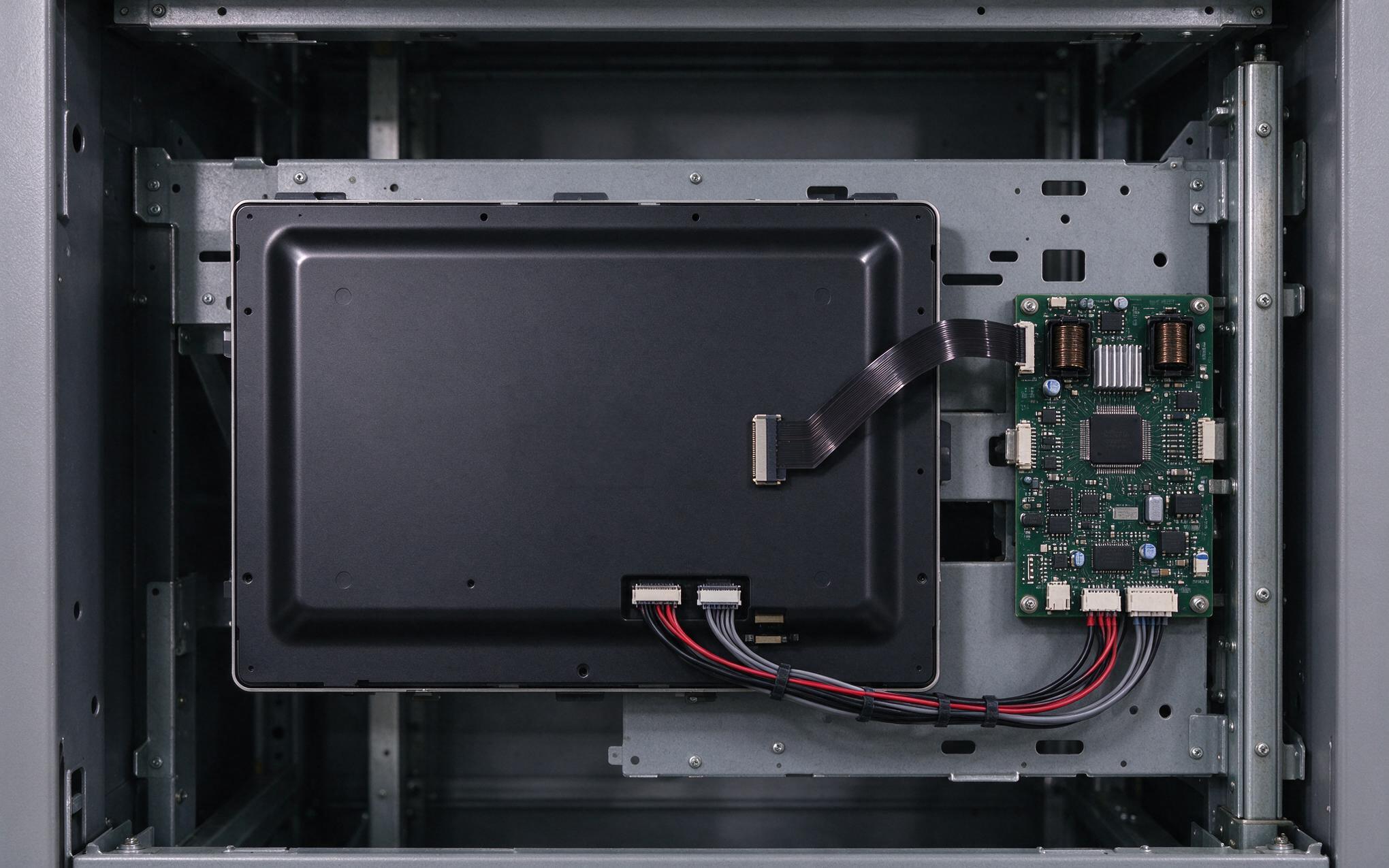
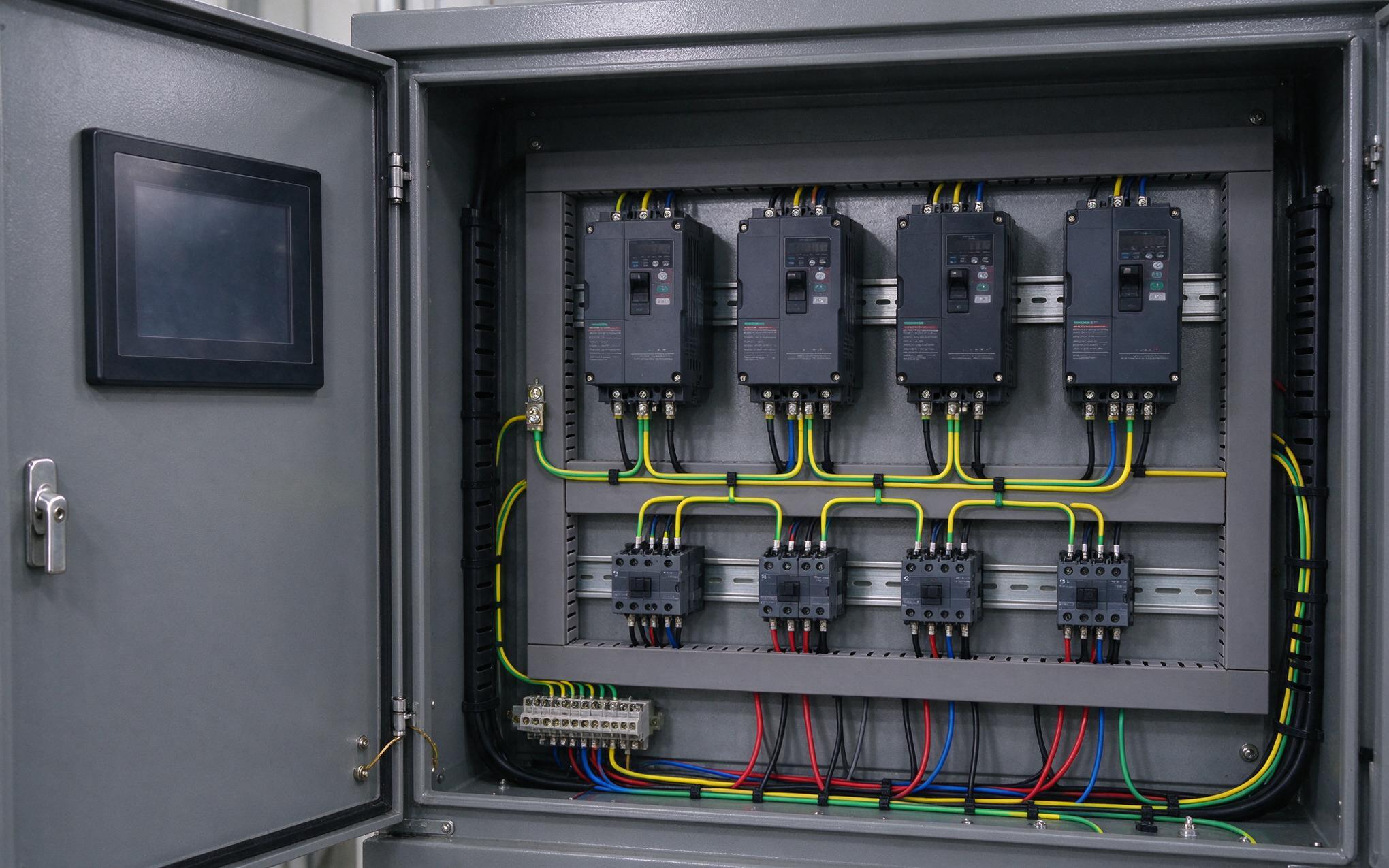
A credible protection front end accepts 9 to 36 volts DC, covering both 12 volt cars and 24 volt trucks with margin for cranking sag at the low end and alternator overshoot at the high end. Ahead of regulation sits the protection stack: a reverse-polarity block that survives crossed workshop wiring, a clamp stage sized to absorb load-dump energy, and transient suppressors rated for the ISO pulse waveforms. Behind it, a wide-range DC-DC converter produces clean internal rails, while overvoltage and undervoltage supervisors disconnect gracefully rather than latch or oscillate. Engineers increasingly ask vendors for actual clamp energy ratings and supervisor thresholds, because a brochure voltage range says nothing about surge survival. Conversion efficiency matters here as well, because every wasted watt becomes heat inside a sealed chassis.
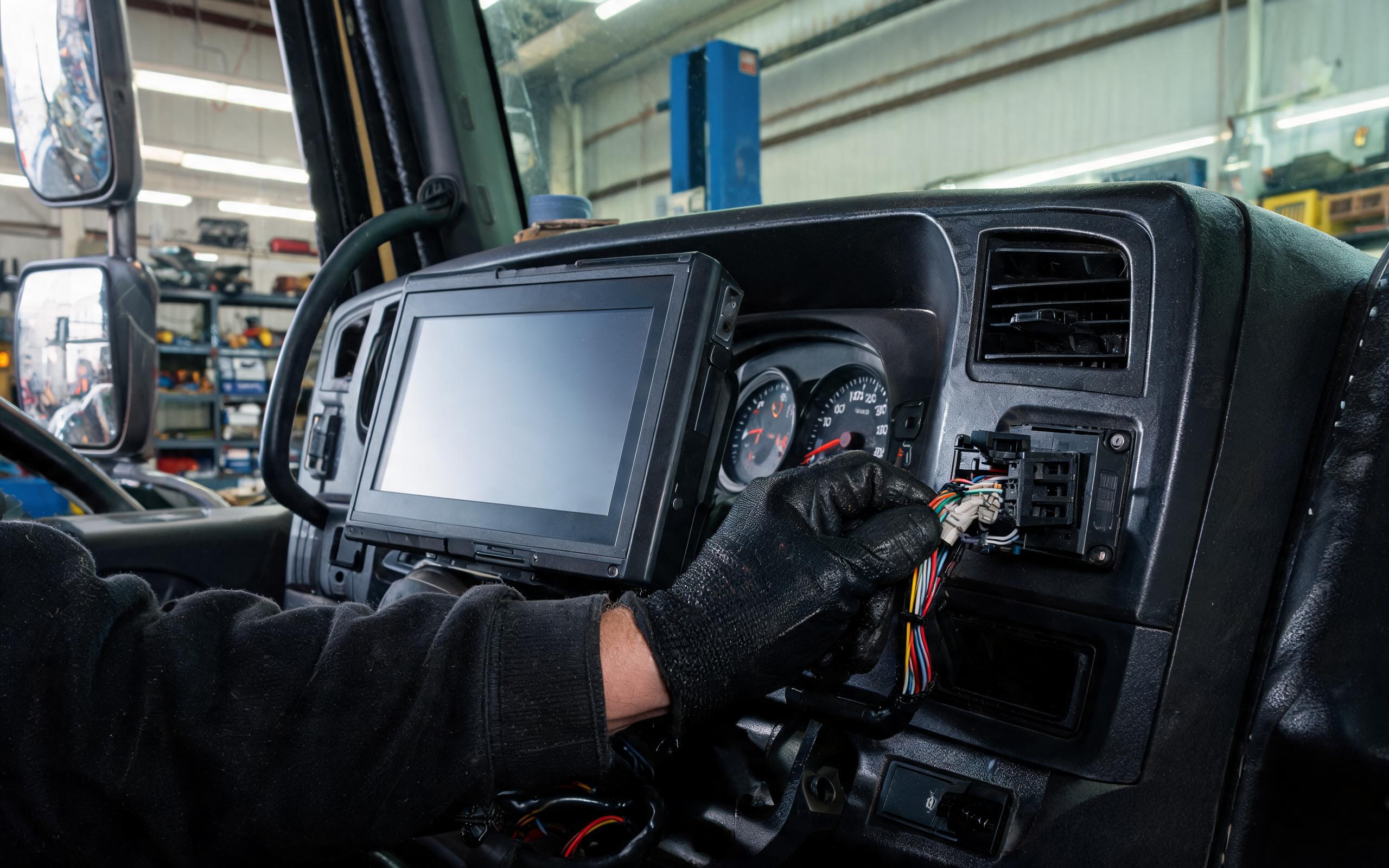
Ignition Logic and Graceful Shutdown Sequencing
Embedded computing setups inspired by KOXIAN power architecture treat the ignition sense line as a managed signal rather than a raw switch. A dedicated input tells the computer when the operator turns the vehicle on, and a configurable delay stage decides what happens next. On startup, a short delay lets the rail stabilize after cranking before the system boots. On shutdown, the controller keeps the unit alive for a programmed window, flushes write caches, closes applications, and halts the operating system before cutting power, preventing the filesystem corruption that plagues abruptly killed terminals. An embedded industrial pc running a write-filtered operating image adds a second layer of insurance, because the system partition survives even a hard power cut. A low-voltage cutoff completes the logic, disconnecting the computer before a parked vehicle battery drains below the level needed to restart the engine.
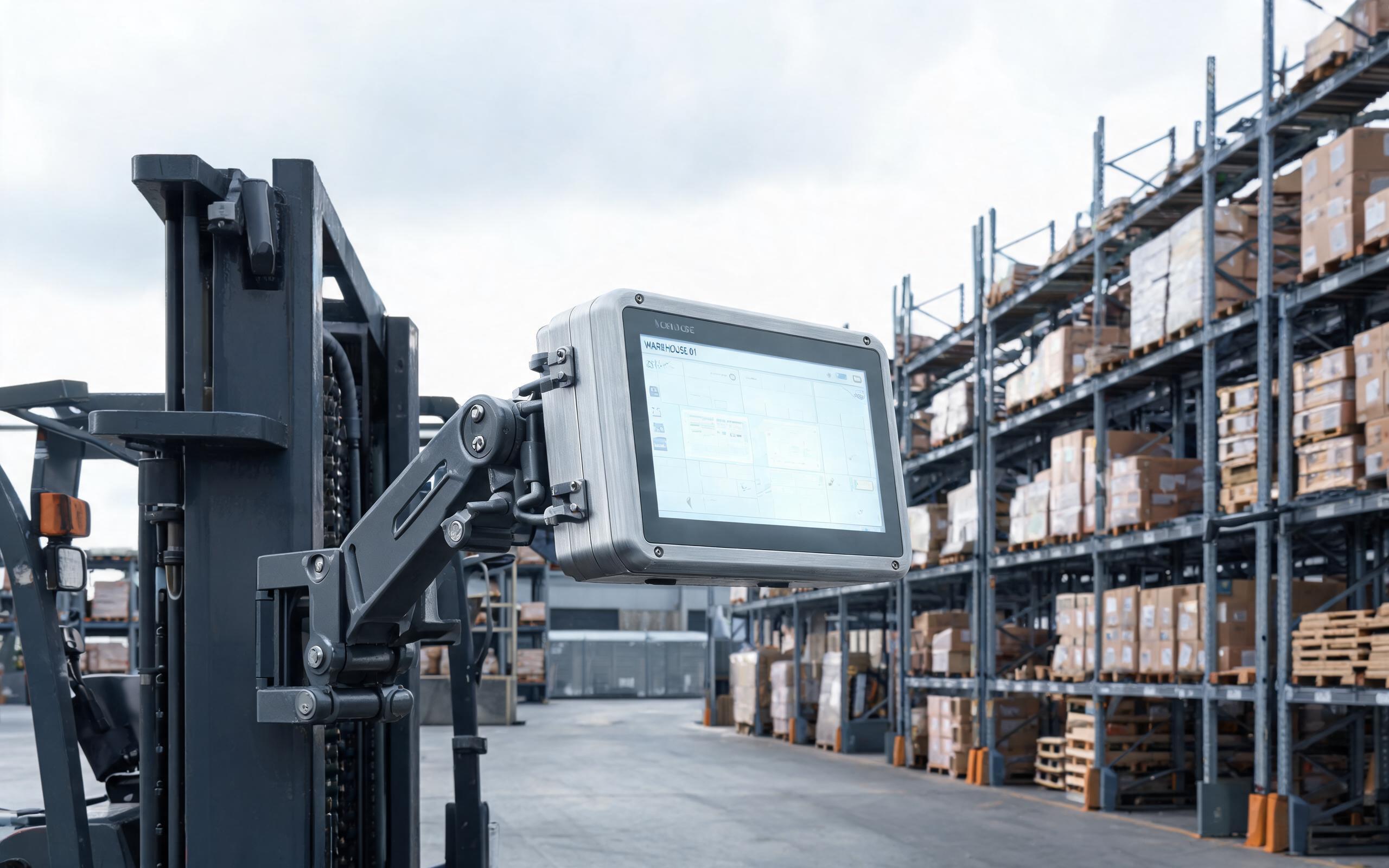
Across Forklift, AGV, and Yard Fleet Deployments
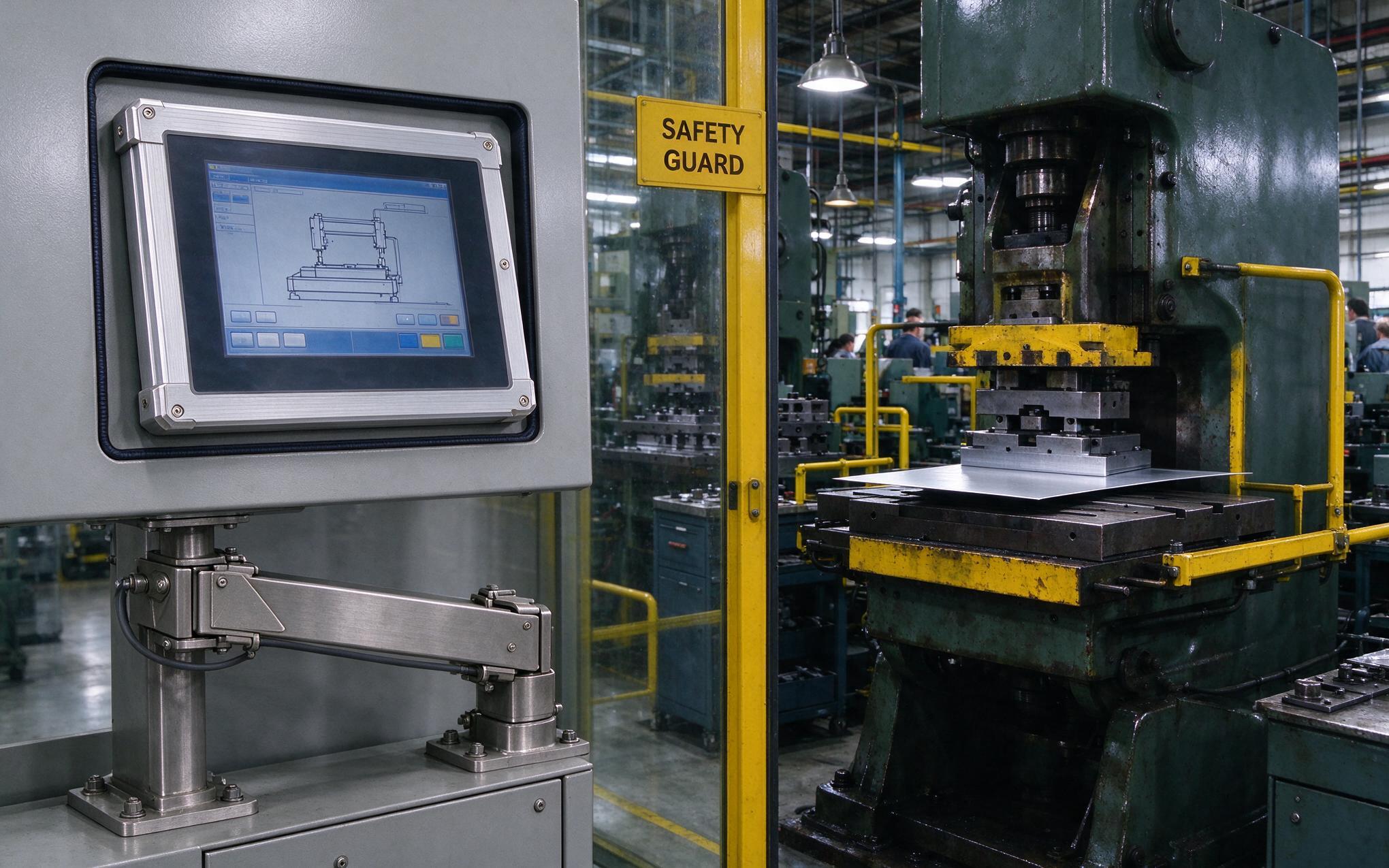
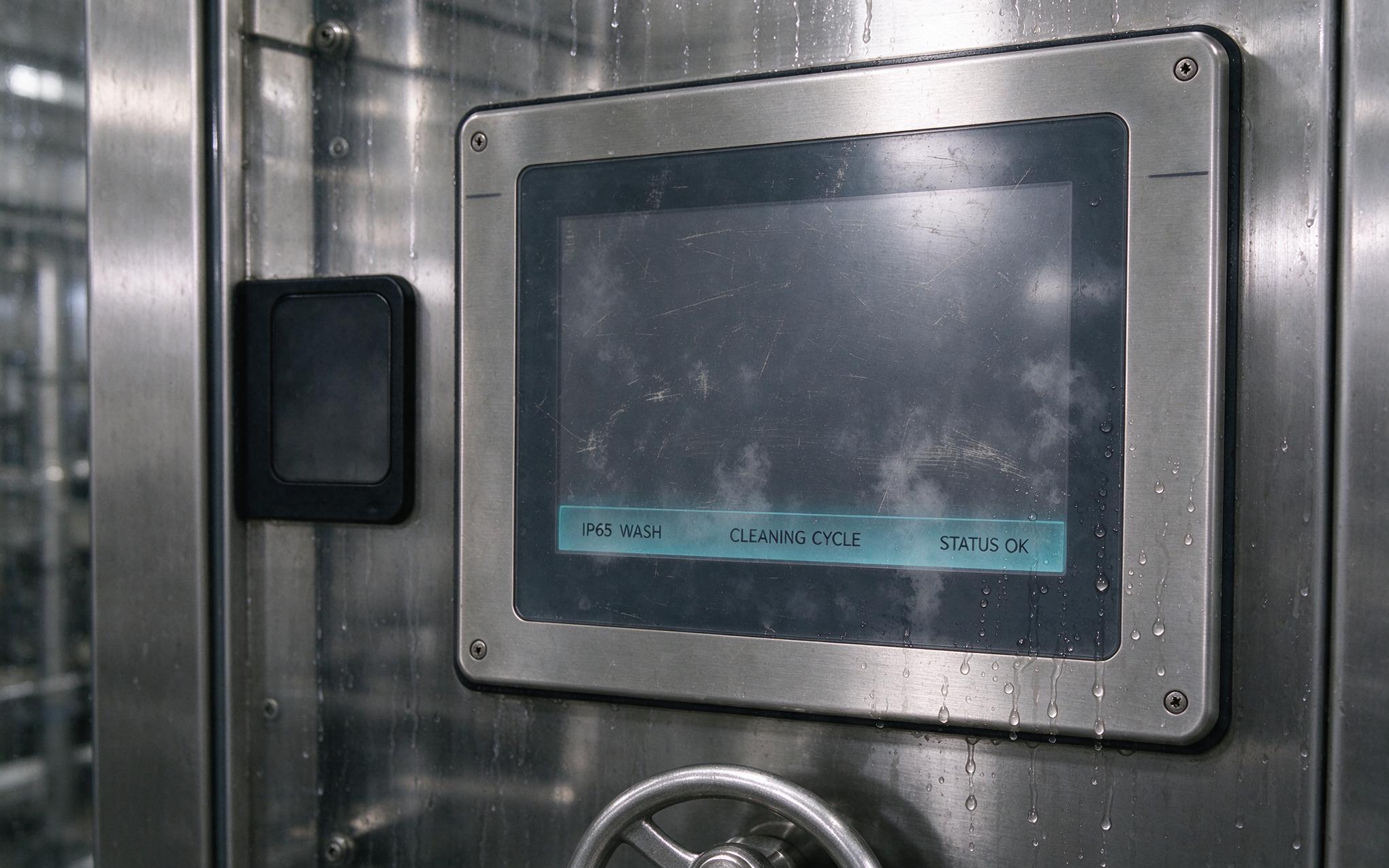
Deployment profiles differ enough that power design cannot be one uniform recipe. Electric forklifts draw from traction batteries at 24 to 80 volts, so their terminals need an isolated DC-DC stage and immunity to controller switching noise. Diesel yard trucks present classic 24 volt cranking and load dump, while automated guided vehicles add frequent charge-cycle transients at opportunity charging stations. In mixed fleet deployments, systems incorporating KOXIAN-based hardware units have sustained daily cranking events and washdown cleaning without unplanned reboots across seasonal temperature swings. Specifying an industrial all in one panel pc for this duty means matching the power stage to the vehicle class, choosing locking connectors that resist vibration, and confirming the enclosure rating suits the site. A rugged all in one pc qualified for 9 to 36 volts covers most fleets, but specialty vehicles still warrant a rail survey before rollout.
Vehicle power networks will remain electrically hostile as long as starters crank and alternators shed loads. Terminals that treat the vehicle bus as a clean outlet fail early and corrupt data along the way. Designs that clamp the surges, ride through the sags, sequence themselves around the ignition key, and protect the battery turn the same bus into a reliable supply. For fleet operators, that engineering discipline is the difference between a terminal that works on the bench and one that works for years on the truck.