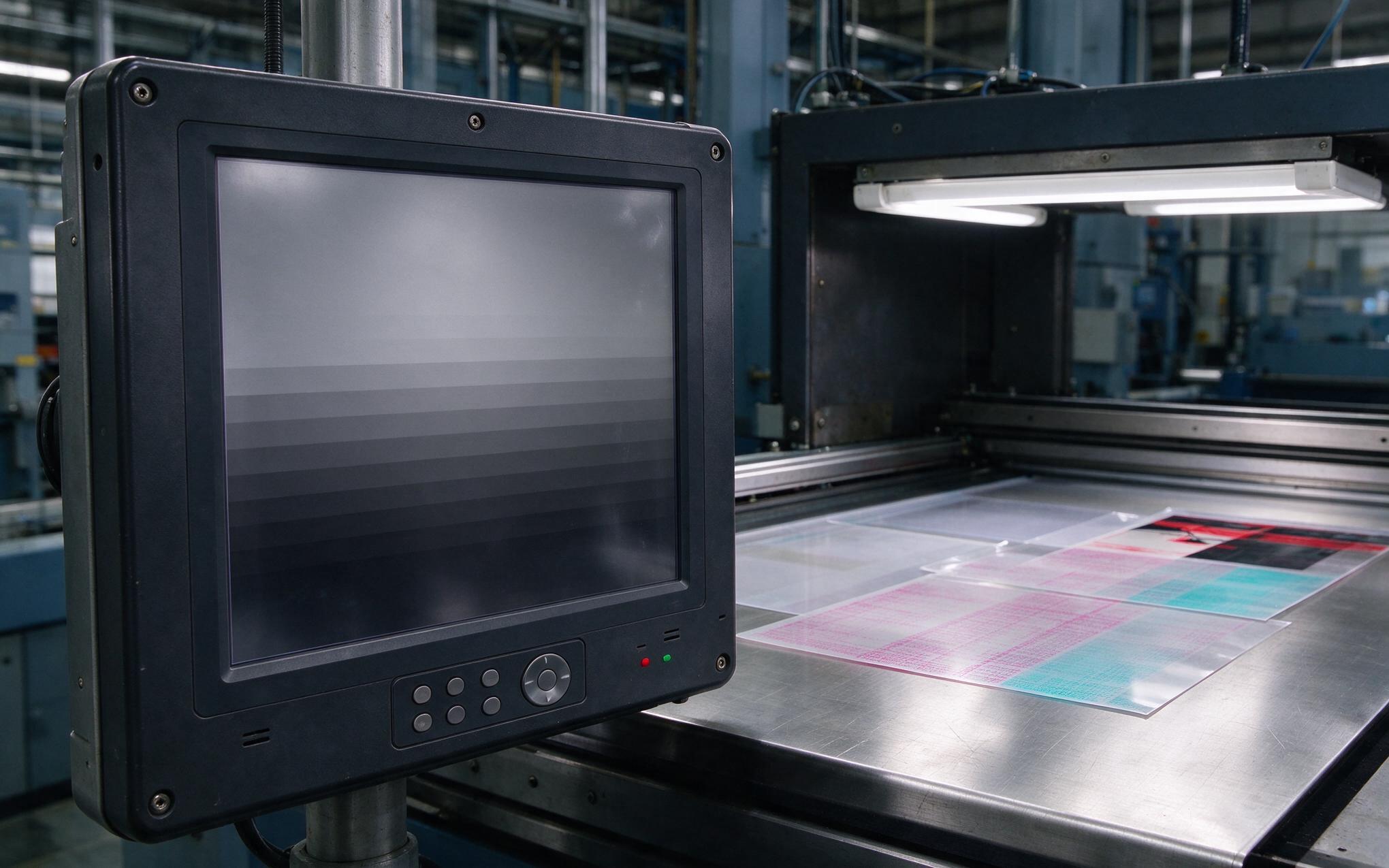
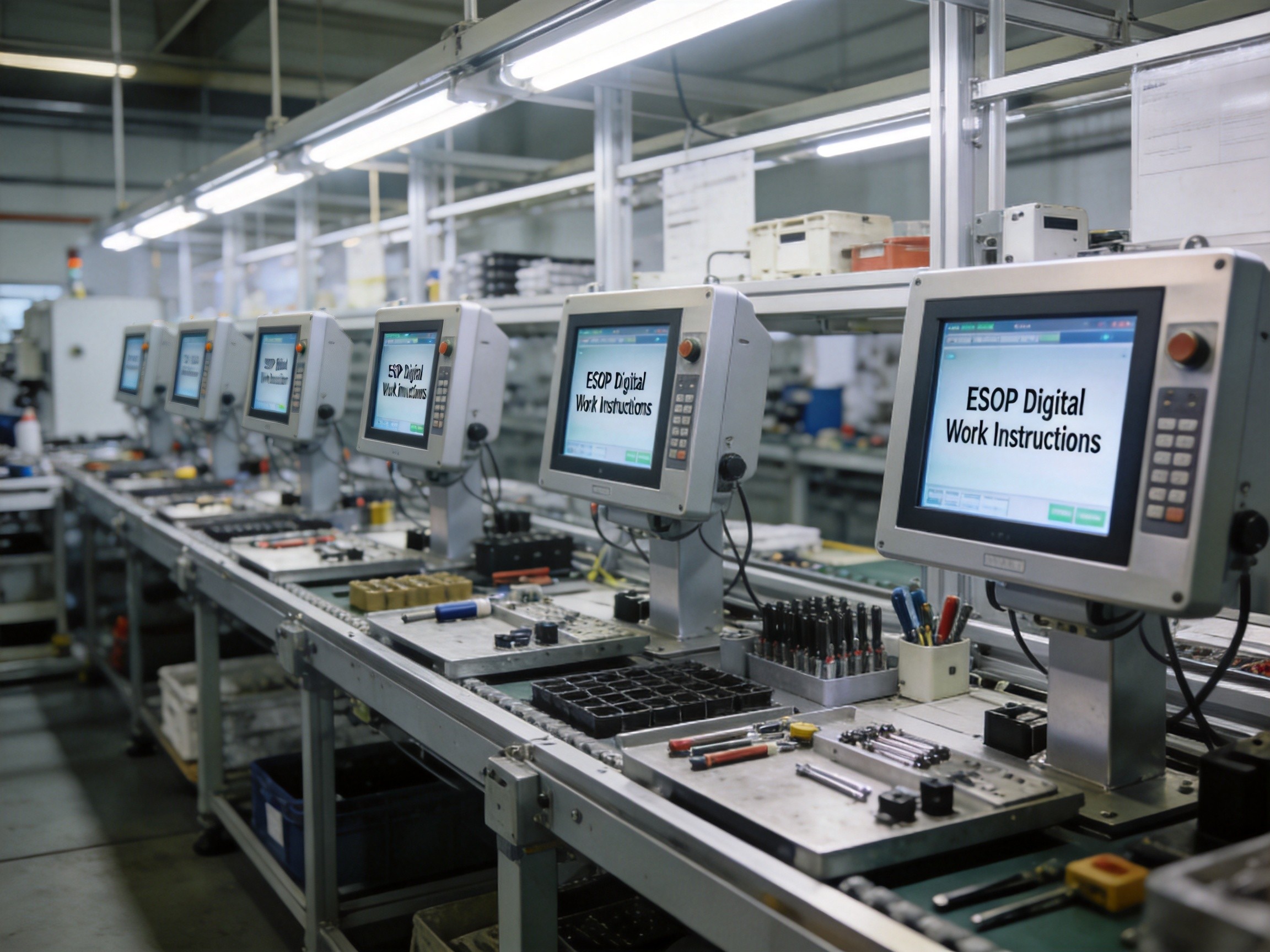
The transition from paper-based work instructions to electronic standard operating procedures (ESOP) represents one of the highest-return digitization initiatives available to discrete manufacturers. Industrial panel PCs deployed as ESOP terminals at each assembly workstation eliminate the version control nightmares, physical degradation, and distribution delays inherent in paper documentation while enabling real-time production data capture and quality enforcement at the point of assembly.
The ESOP Value Proposition in Digital Manufacturing
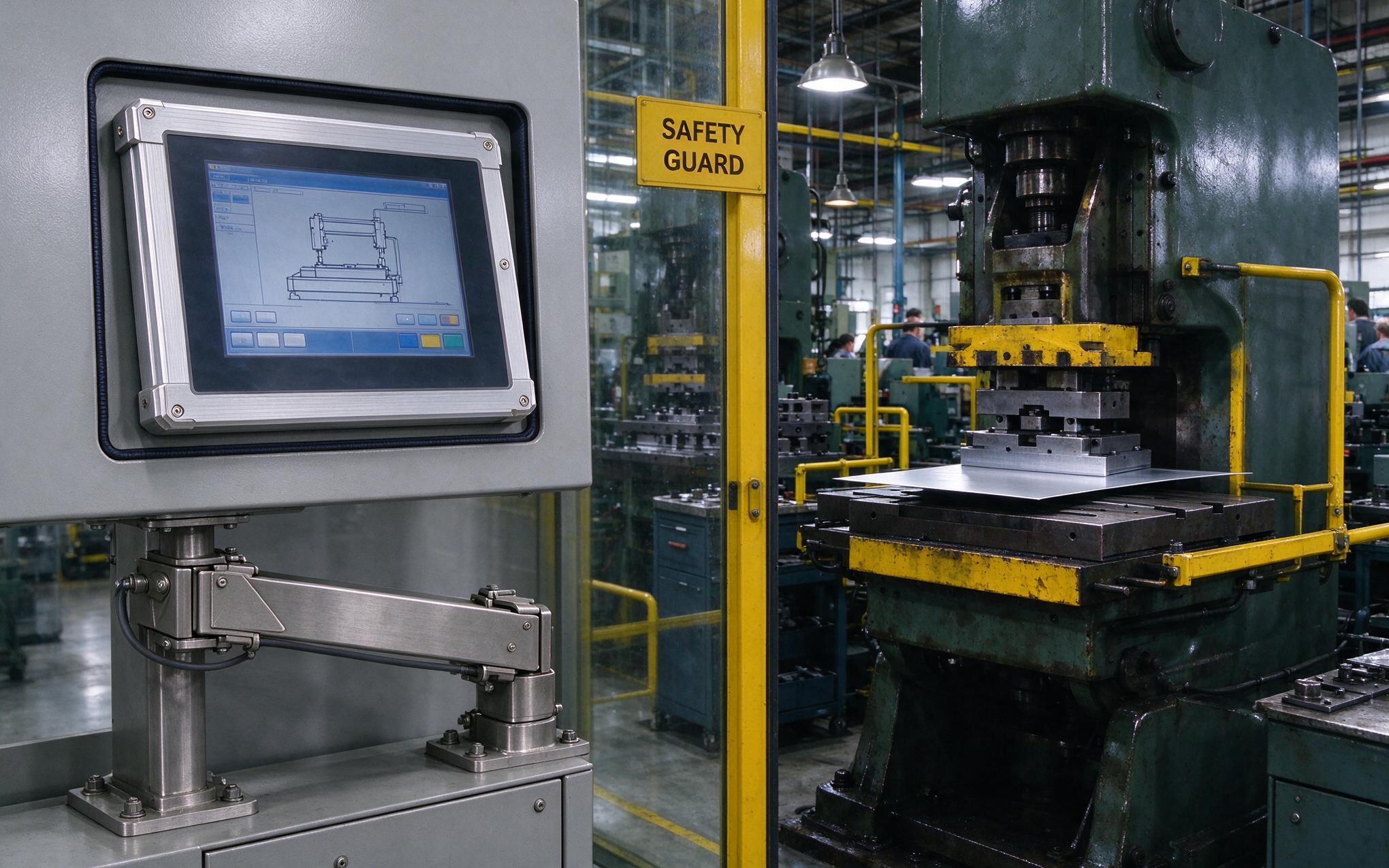
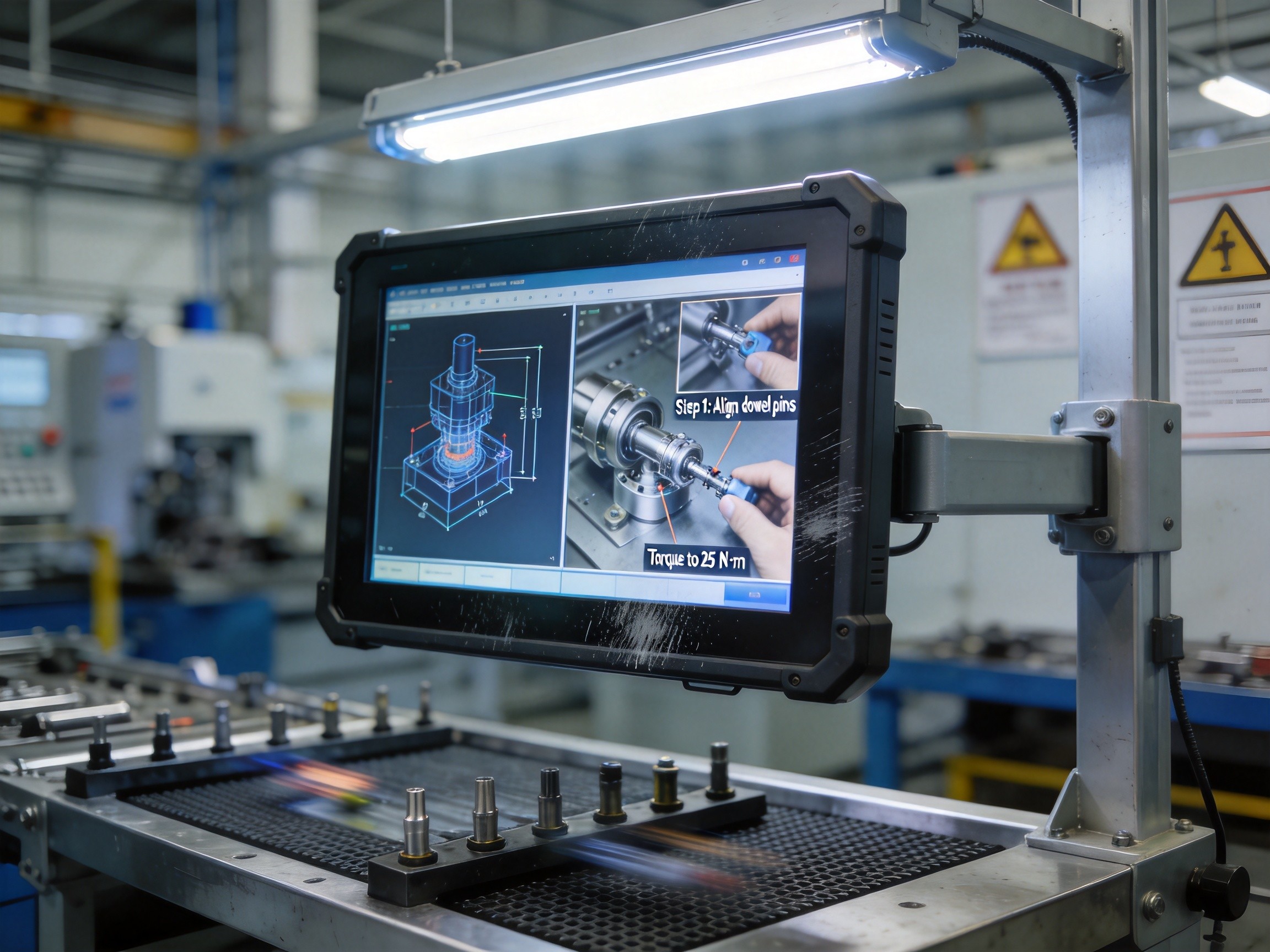
Paper-based work instructions create a cascade of operational inefficiencies. Engineering change orders require physical document replacement at every affected workstation, with no guarantee outdated versions have been removed. Operators must interrupt their workflow to consult binders, creating friction points where steps can be skipped or misread. Quality data collected on paper forms must be manually transcribed into digital systems, introducing errors and delaying visibility into production trends. ESOP terminals eliminate each of these failure modes. Electronic work instructions are updated centrally and distributed to every workstation simultaneously, with version confirmation built into operator login. Step-by-step visual guidance—including CAD renderings, annotated photographs, and torque specification overlays—is presented directly in the operator field of view. Quality checkpoints embedded in the digital workflow require completion confirmation before the operator can advance, creating an enforced quality gate at every critical step.
Hardware Deployment Requirements for ESOP Terminals
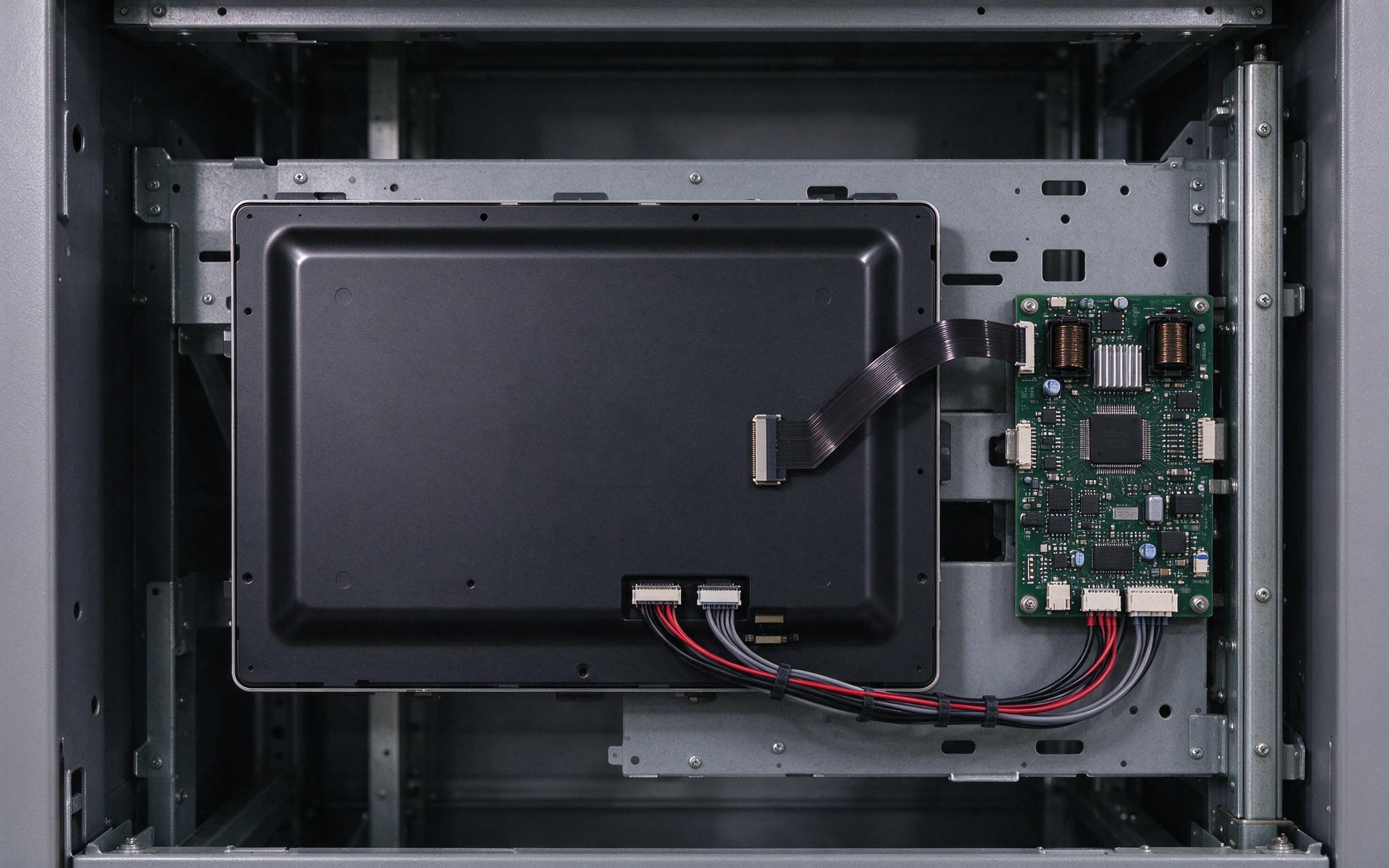
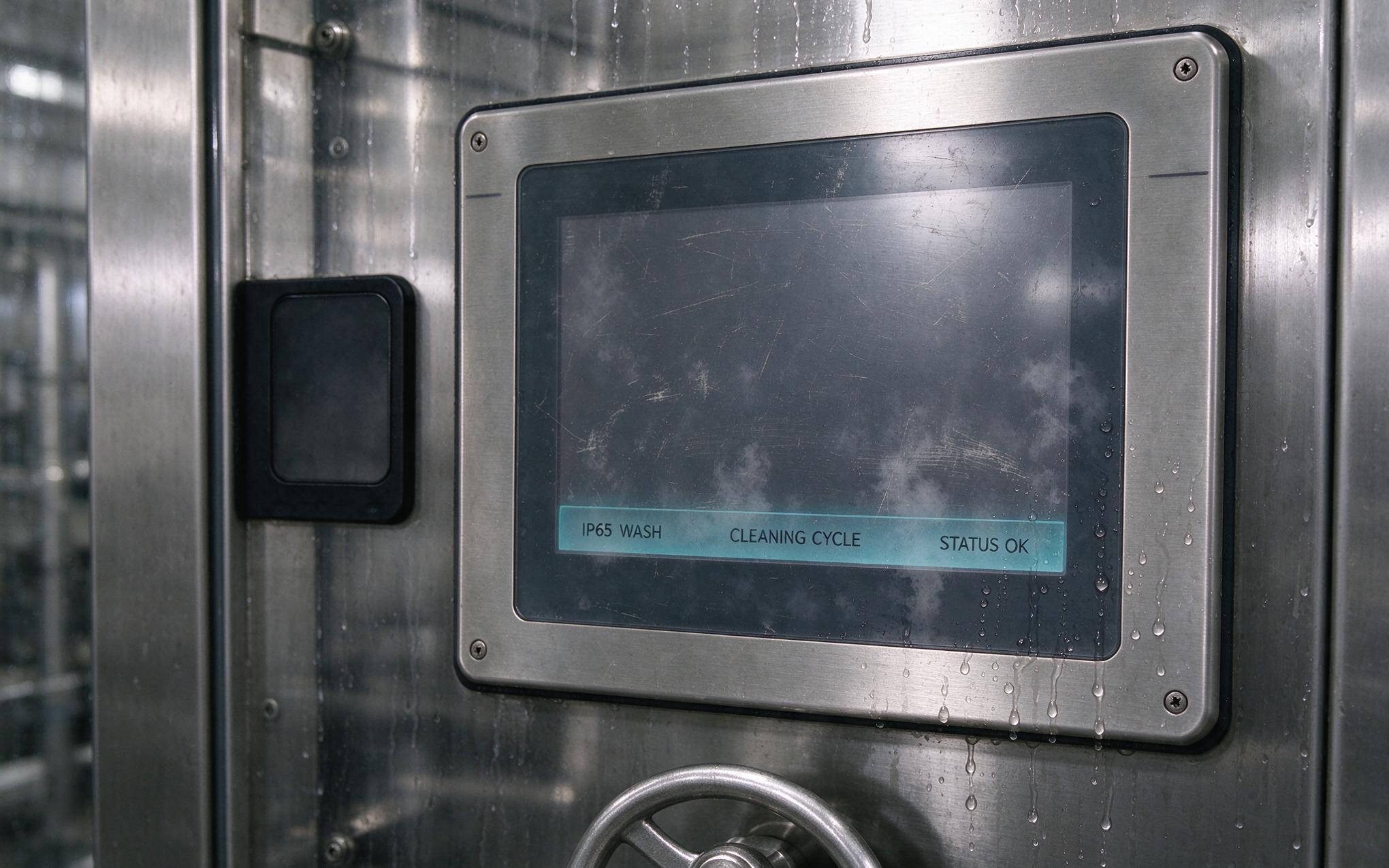
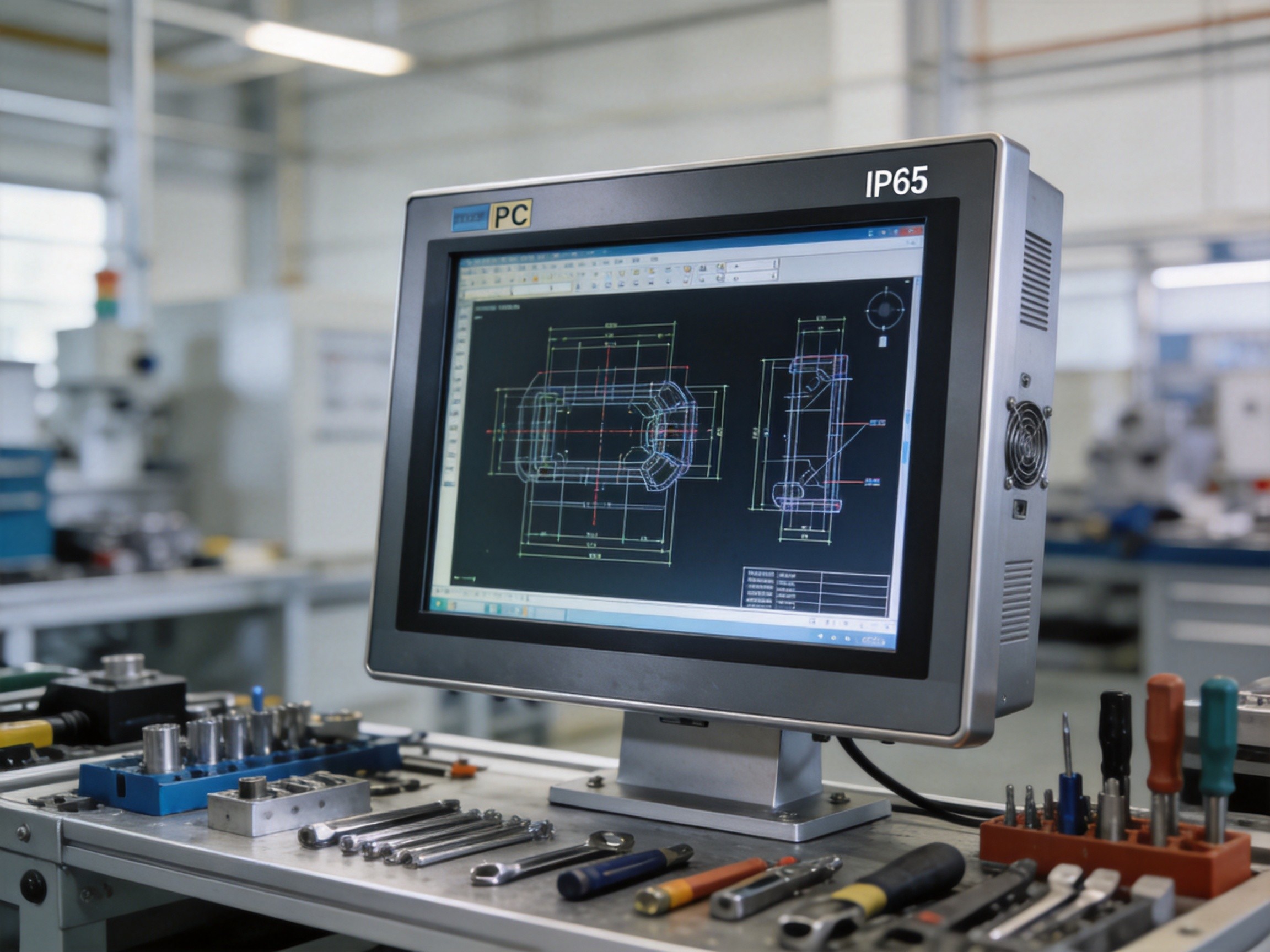
ESOP terminals face unique hardware demands distinct from general-purpose industrial computing. The display must present detailed visual content—engineering drawings, component photographs, tolerance specifications—with sufficient resolution and brightness for operators to discern fine details. A minimum 15-inch display with 1024×768 resolution is recommended, with larger 19- to 21.5-inch panels preferred for complex assemblies with multiple sub-components. The touchscreen must support gloved operation and withstand repeated interaction throughout an 8- to 12-hour shift, with IP65-rated front bezels to protect against dust ingress and periodic cleaning with industrial solvents. Industry practice from electronics manufacturing shows that fanless industrial panel PCs with solid-state storage provide the reliability necessary for ESOP applications, where a single terminal failure can halt an entire assembly station.
Workflow Integration and Operator Experience
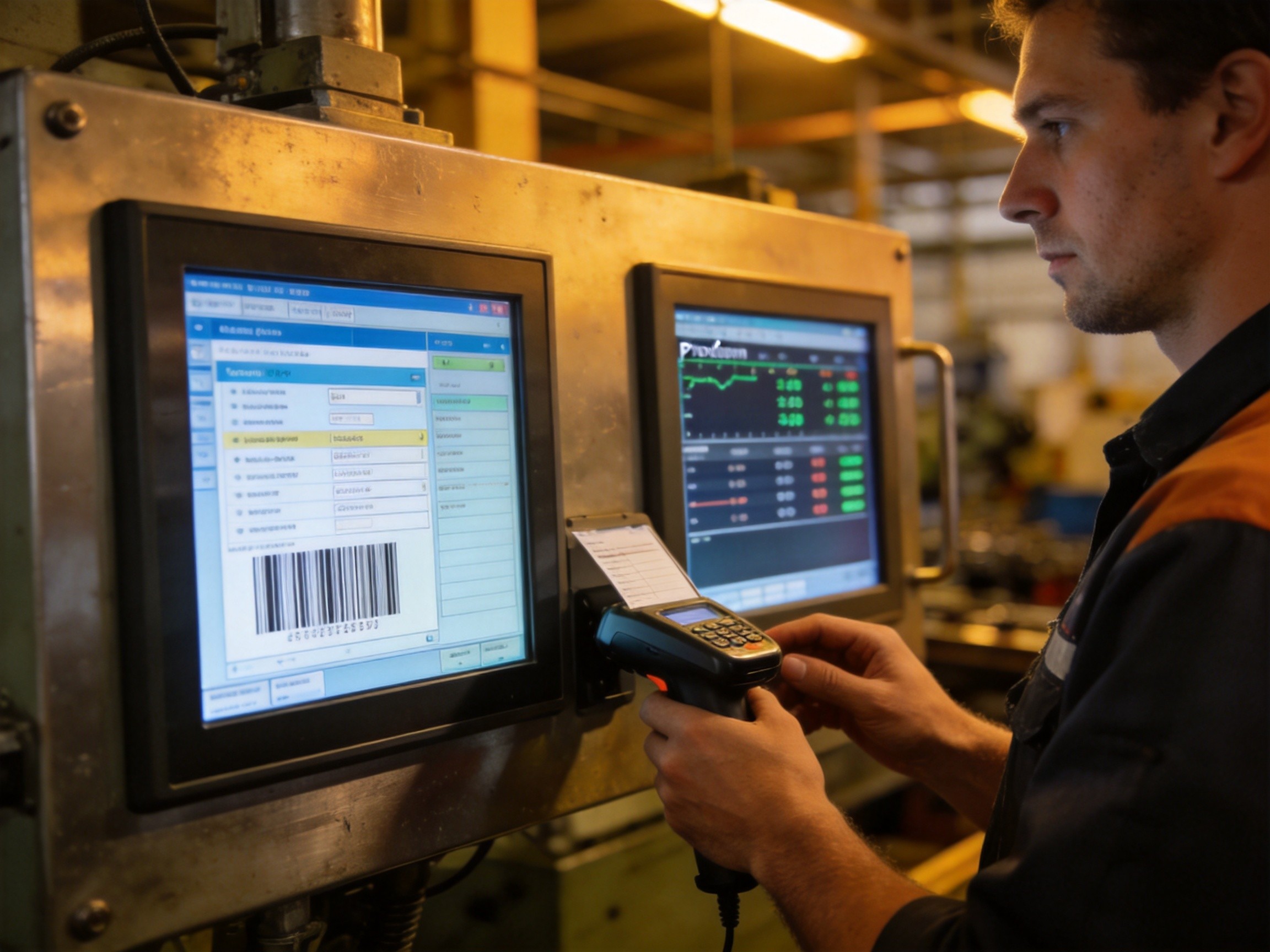
The effectiveness of an ESOP deployment depends on thoughtful integration with the physical assembly workflow. Work instructions should be structured to match the natural assembly sequence, with each step containing a visual reference, concise instruction, and—where applicable—torque value, measurement tolerance, or quality check requirement. Barcode scanning at the workstation enables automatic work order retrieval and component verification, ensuring the operator views the correct instructions for the specific product variant. KOXIAN industrial panel PCs in ESOP configurations support simultaneous display of work instructions and production dashboards, allowing operators to monitor throughput against shift targets without navigating away from the instruction screen. The dual-display capability on select configurations enables a dedicated instruction display alongside a separate production metrics screen, a configuration that has demonstrated measurable improvements in first-pass yield rates across multiple manufacturing sectors.
ROI and Deployment Considerations
The return on investment for ESOP terminal deployment derives from four measurable sources: reduction in documentation-related quality defects, elimination of paper document management labor, faster new product introduction through centralized instruction updates, and improved operator training efficiency through consistent digital guidance. Engineering case references document defect rate reductions of 30 to 50 percent following ESOP implementation, with the most significant improvements in high-mix, low-volume production environments where frequent product changeovers create the greatest documentation burden. The hardware cost of industrial panel PCs for ESOP deployment is typically recovered within 12 to 18 months through quality improvement and labor efficiency gains alone. When combined with avoided paper documentation costs—printing, distribution, version control, and regulatory audit preparation—the payback period shortens to 6 to 9 months in environments with high product variety.
ESOP digital workstations powered by industrial panel PCs represent a foundational investment in manufacturing digitization that delivers measurable quality, efficiency, and compliance benefits. The transition from paper to electronic work instructions eliminates the systemic weaknesses of physical documentation while creating digital infrastructure for real-time production monitoring, quality enforcement, and continuous improvement. Hardware selection criteria—display quality, environmental resilience, touchscreen reliability, and workflow integration capability—directly determine the operator adoption rate and long-term operational success of the ESOP deployment.