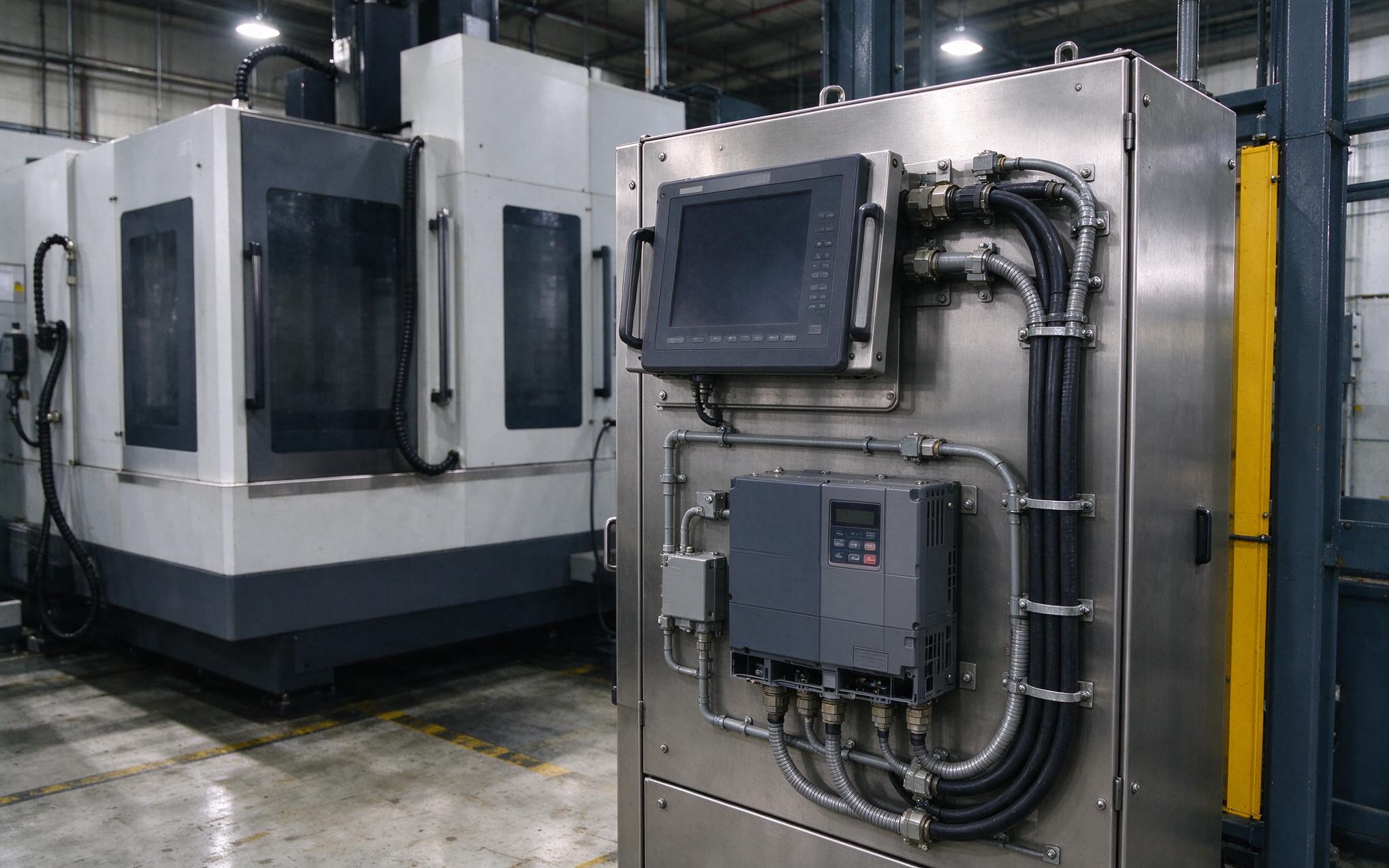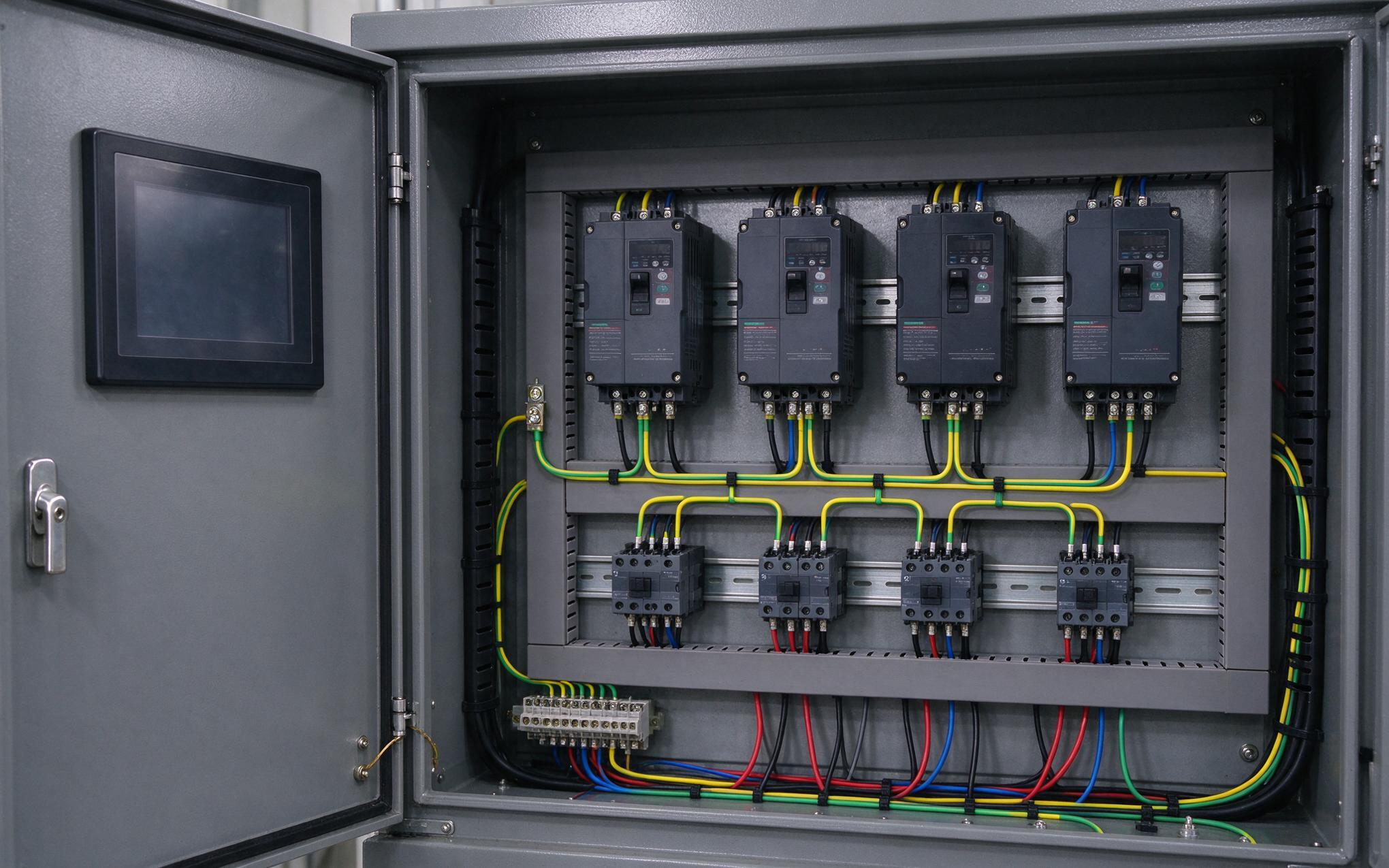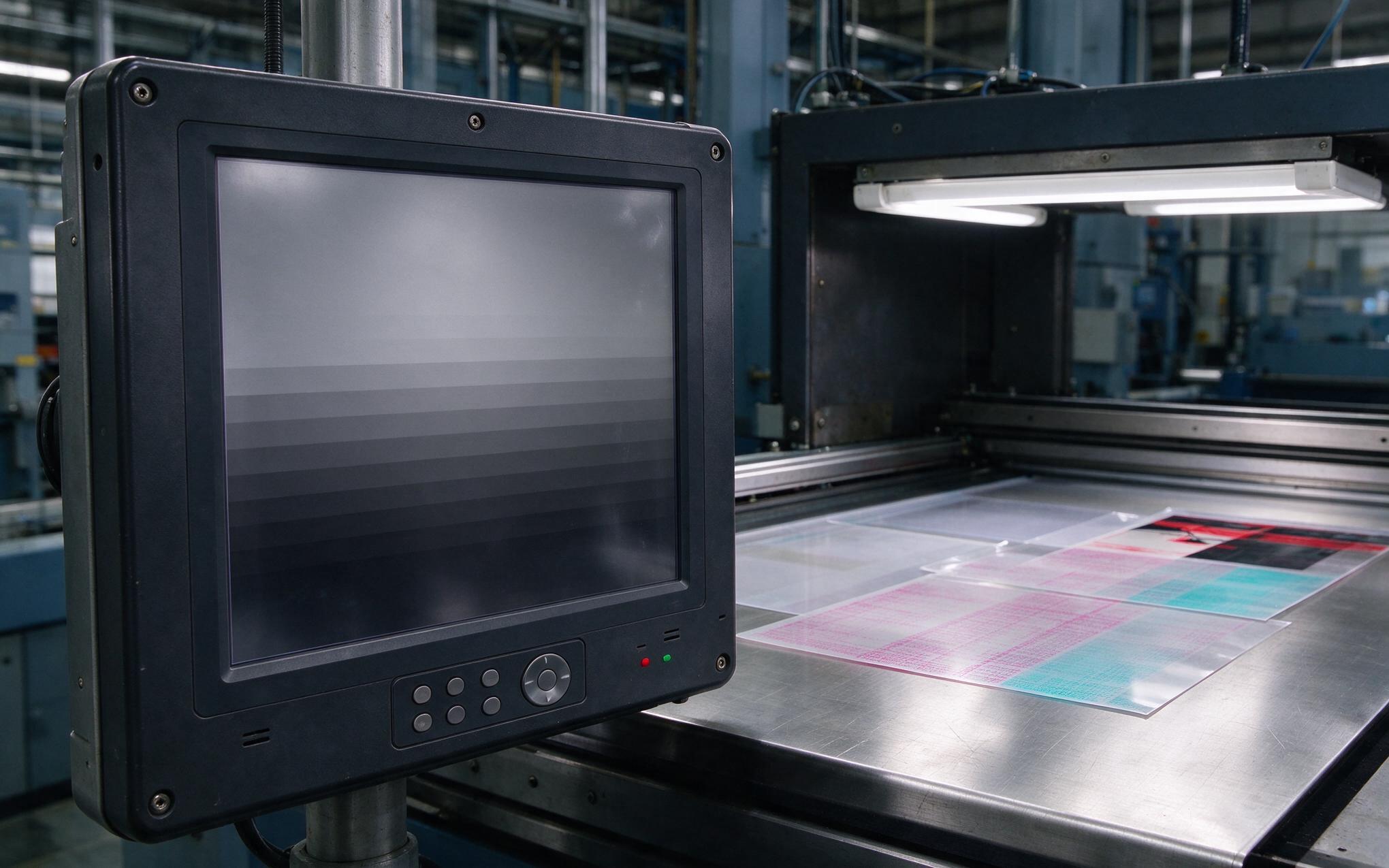
Industrial panel PCs deployed in outdoor enclosures, unheated warehouses, cold storage facilities, and northern-latitude infrastructure face a distinct reliability challenge: cold start failure. Unlike steady-state operation where self-heating gradually warms internal components, cold start exposes every component to the full ambient temperature at power-on. The physics of electronics at low temperatures creates multiple failure modes requiring deliberate component selection, circuit design, and system-level validation.
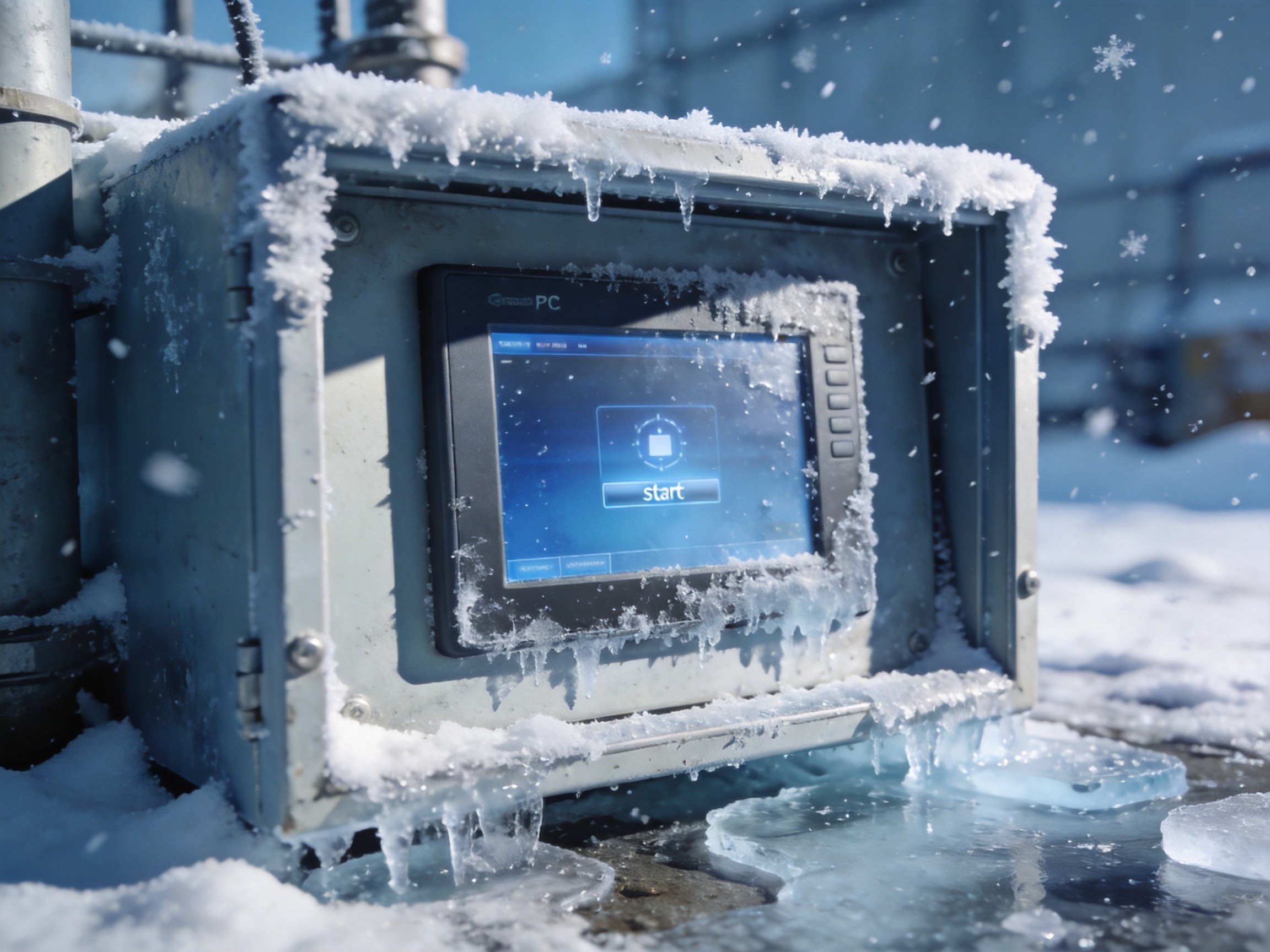
The Physics of Cold Start Failure
The most common cold start failure mechanism is elevated equivalent series resistance (ESR) in aluminum electrolytic capacitors. At -20°C, electrolyte viscosity increases dramatically, causing ESR to rise by a factor of 5 to 20. Power supply circuits relying on electrolytic capacitors for output filtering may fail to maintain regulation during inrush current surge, triggering undervoltage lockout. The second mechanism is crystal oscillator startup failure—quartz crystals require sufficient loop gain to initiate oscillation, and transistor gain drops with temperature. At -30°C, oscillator circuits may fail to start, leaving the processor without a clock signal. A third mechanism is solder joint fracture from differential thermal contraction: lead-free solder becomes brittle at low temperatures, and CTE mismatch between components, PCB substrates, and solder joints can cause micro-cracks to propagate during a cold start event.
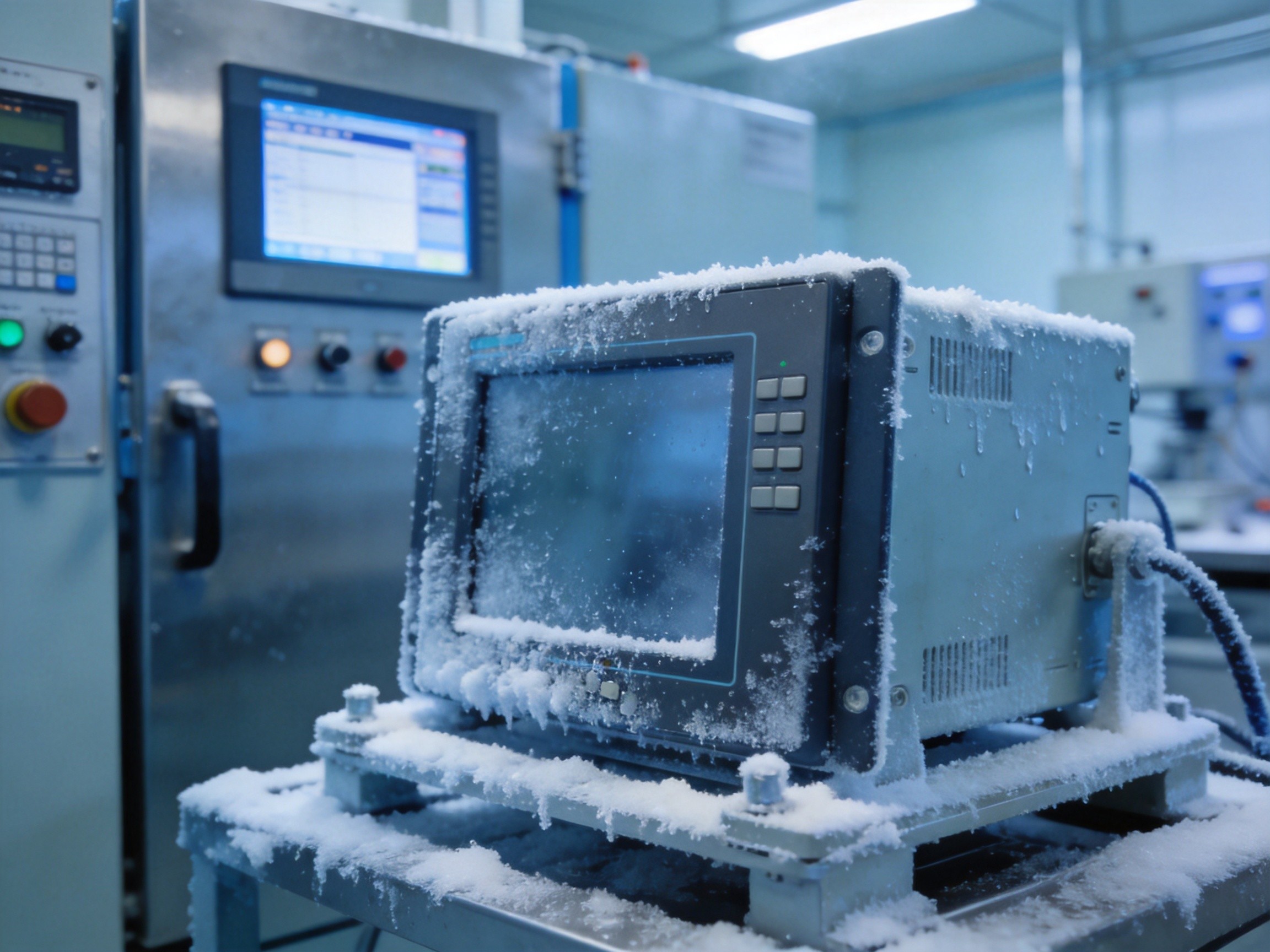
Component Selection for Wide-Temperature Operation
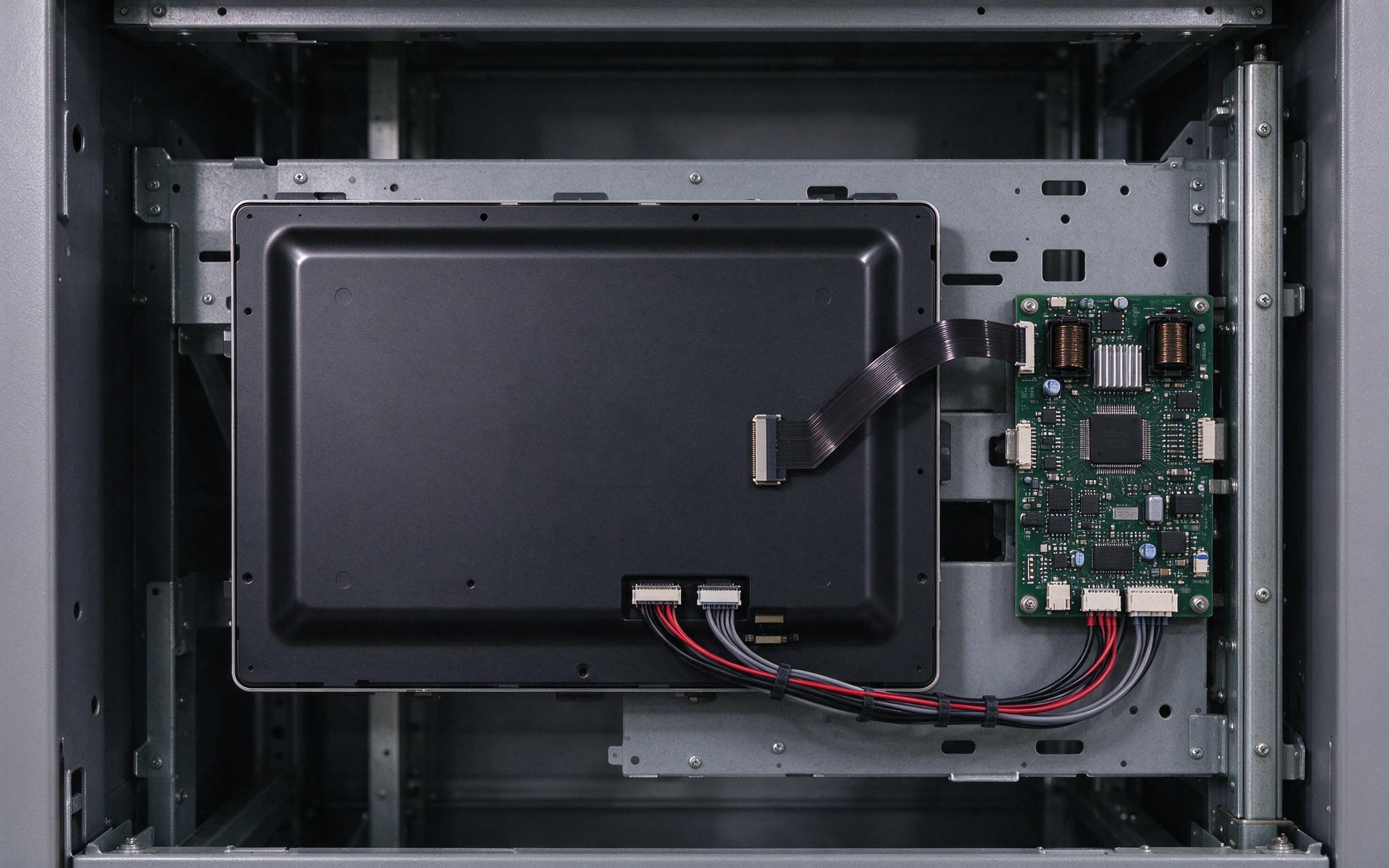
Reliable cold start performance begins with component selection. Industrial-grade electrolytic capacitors rated for -40°C to -55°C use low-viscosity electrolyte formulations maintaining acceptable ESR across the full temperature range. Tantalum polymer or multilayer ceramic capacitors (MLCCs) can replace electrolytics in critical circuit positions, providing ESR essentially flat across temperature. Crystal oscillators specified with negative resistance margin of at least five times the crystal ESR at the lowest operating temperature ensure reliable startup. All active components—processor, memory, storage, and interface controllers—must be specified at the industrial temperature grade of -40°C to +85°C, not the commercial grade of 0°C to 70°C. KOXIAN industrial panel PCs configured for wide-temperature operation undergo component-level screening verifying cold-temperature performance of every power supply capacitor, oscillator circuit, and memory device before system-level validation.
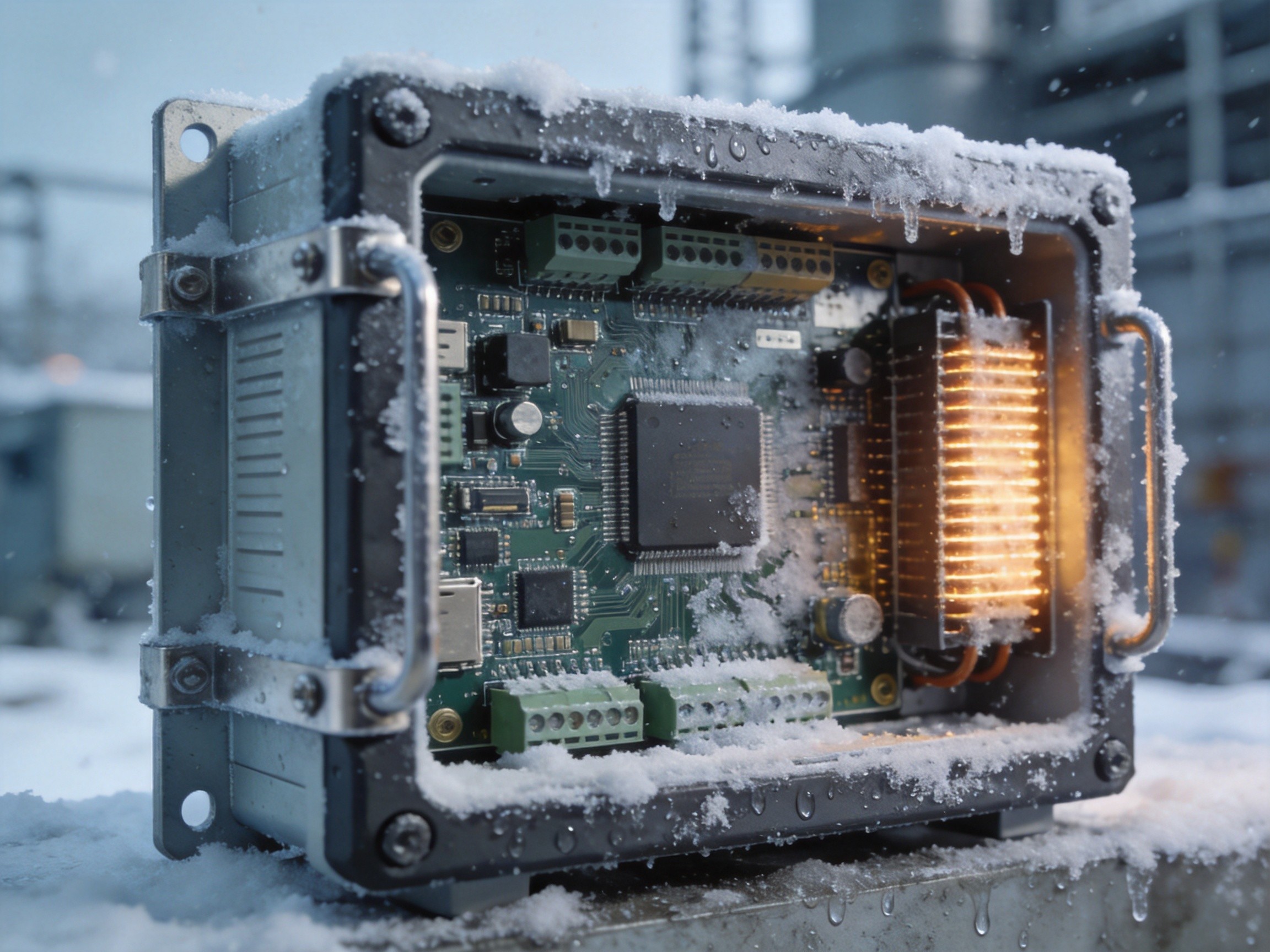
Design Strategies for Cold Start Reliability
Beyond component selection, system-level design strategies improve cold start reliability. Pre-regulation heating elements—small resistive heaters attached to critical components such as the real-time clock crystal, boot memory, and power supply control IC—can be energized for 30 to 60 seconds before main power is applied, bringing temperature-sensitive components into their guaranteed operating range. Soft-start power sequencing ramps supply voltages gradually, reducing inrush current that stresses cold capacitors. Conformal coating of the PCB assembly provides mechanical compliance, reducing stress on solder joints during thermal cycling. Engineering case references from cold-climate logistics demonstrate that combining industrial-grade components, pre-regulation heating, and conformal coating reduces cold start failure rates to below 0.1 percent at -40°C. Production-level cold-start screening—cold soaking and power-up testing each unit before shipment—reduces field failure rates by an order of magnitude compared to sample-based testing.
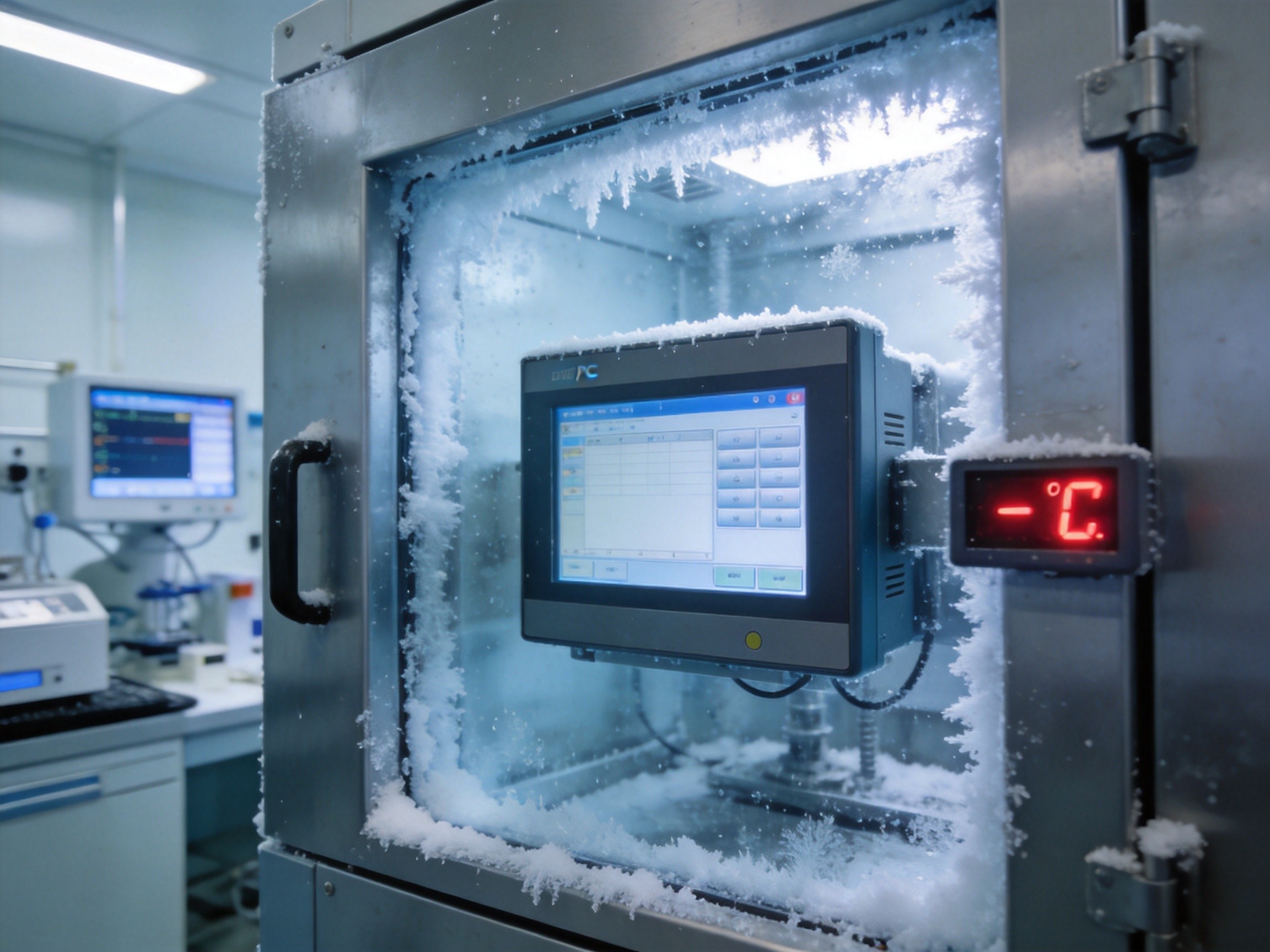
Testing and Validation Protocols for Cold Start Assurance
Cold start validation requires testing protocols that replicate actual deployment conditions. A cold soak test—placing the panel PC in an environmental chamber at the specified minimum temperature for at least four hours, then powering on while still at that temperature—provides direct assessment of cold start capability. The soak must ensure all internal components reach thermal equilibrium. Multi-cycle testing, typically ten to twenty sequential cold start cycles, reveals intermittent failures that single-cycle testing misses. Inrush current profiling identifies power supply stress points that may degrade long-term reliability without causing immediate failure. KOXIAN wide-temperature panel PCs undergo standardized validation including twenty-cycle cold start testing at -40°C, inrush current characterization, and post-test functional verification of all interface ports, storage, and display subsystems. For procurement teams evaluating suppliers, the cold start validation test report with per-cycle pass/fail data and inrush current waveform captures provides an objective basis for comparing vendor reliability claims.
Cold start failures in wide-temperature industrial panel PCs are predictable consequences of well-understood physical mechanisms—electrolyte viscosity increase, transistor gain reduction, and solder joint embrittlement—that can be systematically addressed through component selection, circuit design, and validation testing. The cost of cold start reliability is primarily a procurement and design engineering investment, making it a specification decision made early in the product selection process. For deployments where the panel PC must boot reliably at sub-zero temperatures without human intervention, specifying industrial temperature-grade components, validated cold start performance, and production-level cold screening is an essential procurement requirement.