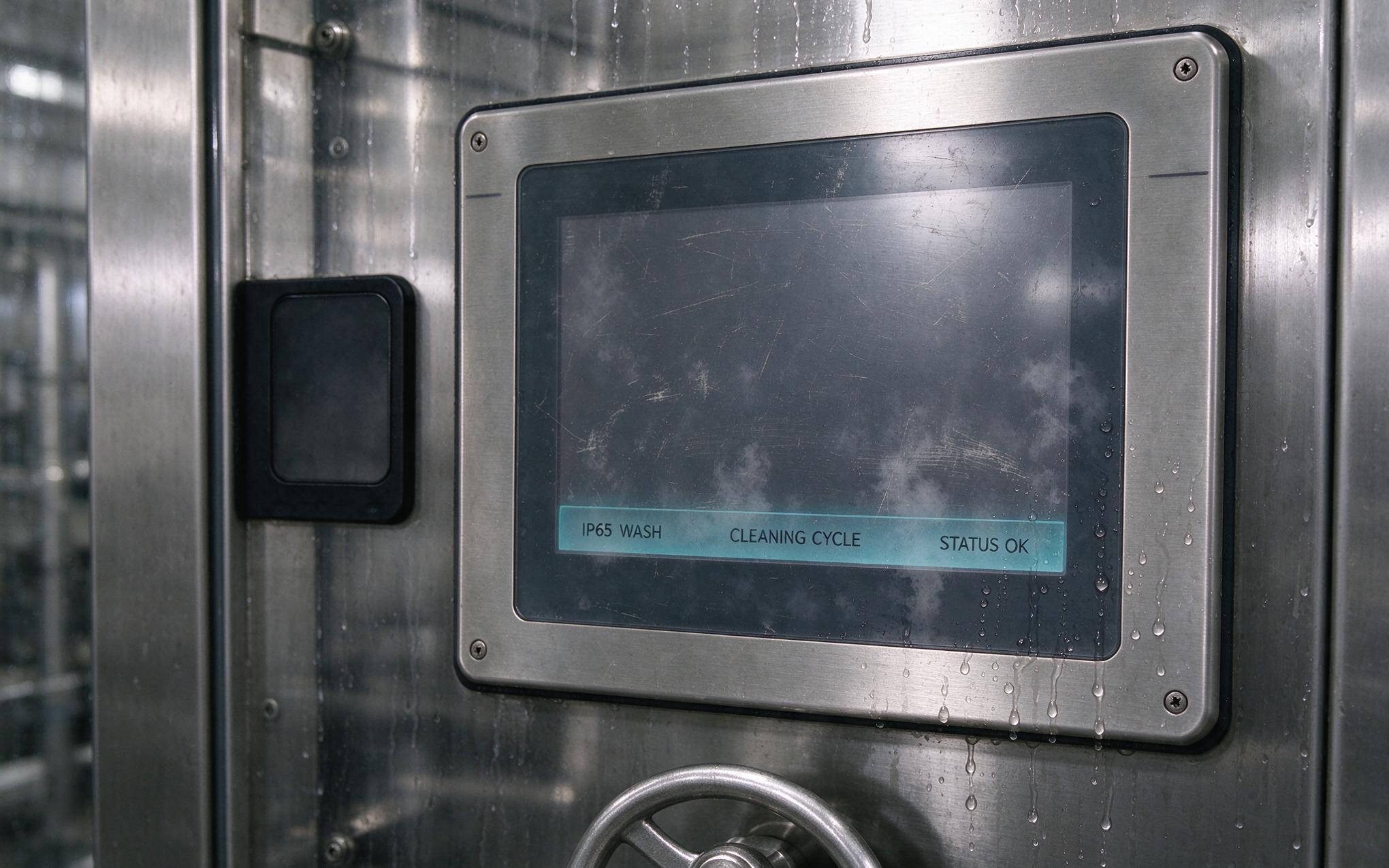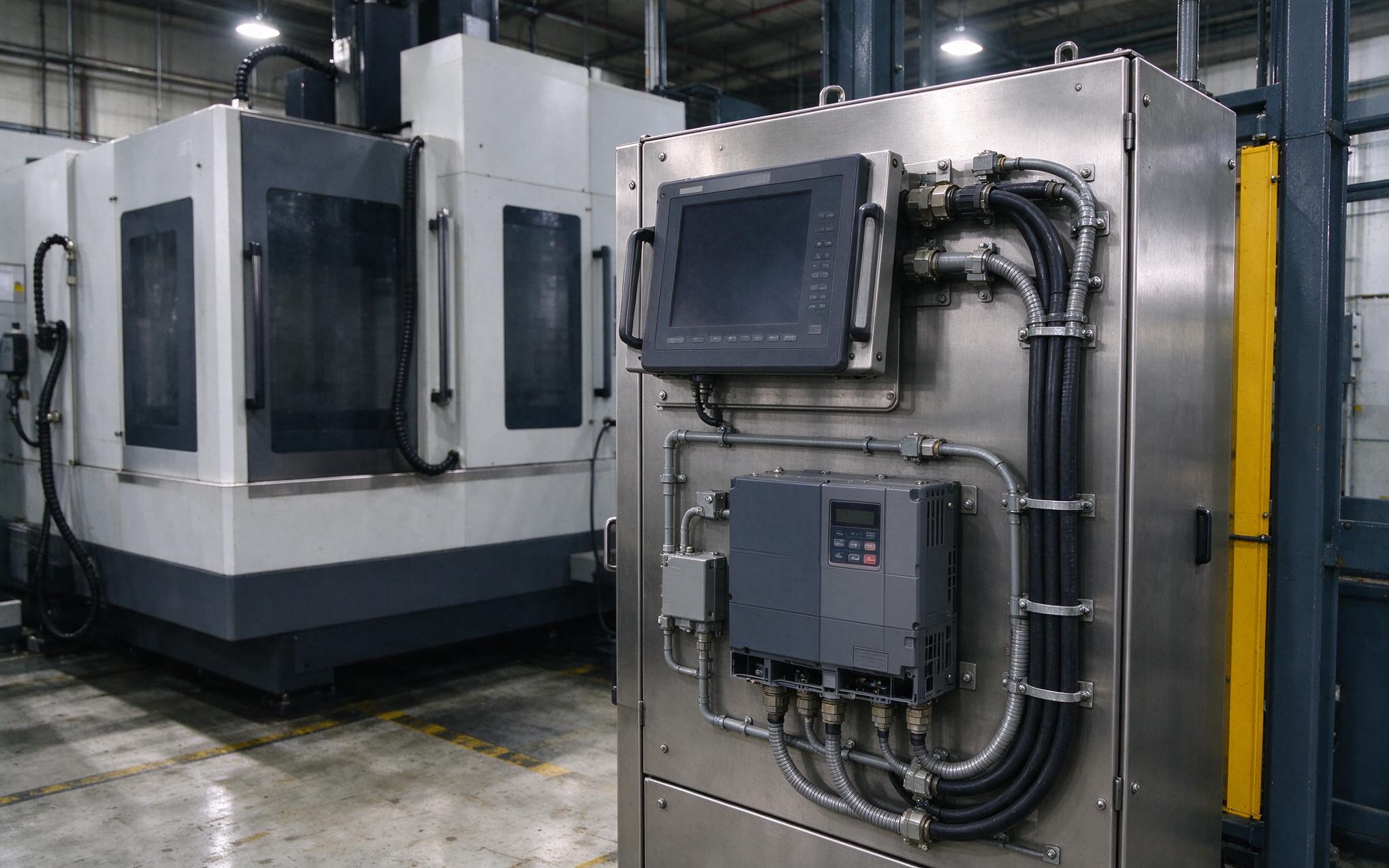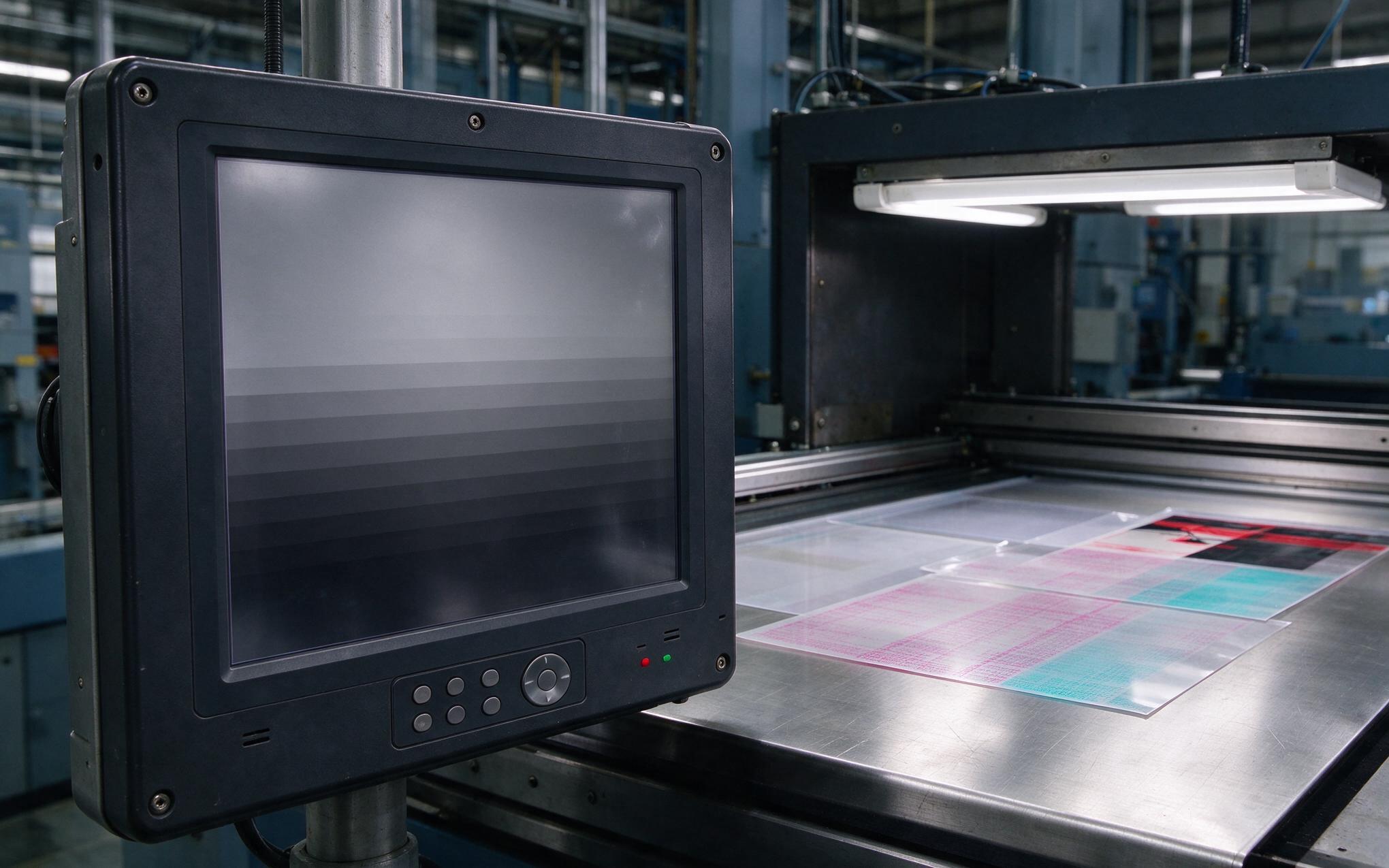
Industrial displays operating in continuous 24/7 production environments face a predictable degradation challenge: the gradual decline of LED backlight brightness over time. While LED technology offers substantially longer service life than the CCFL (Cold Cathode Fluorescent Lamp) backlights it replaced, the physics of semiconductor aging and phosphor degradation still impose finite operational lifetimes that must be accounted for during system design and maintenance planning.
The Root Cause Chain of LED Backlight Degradation
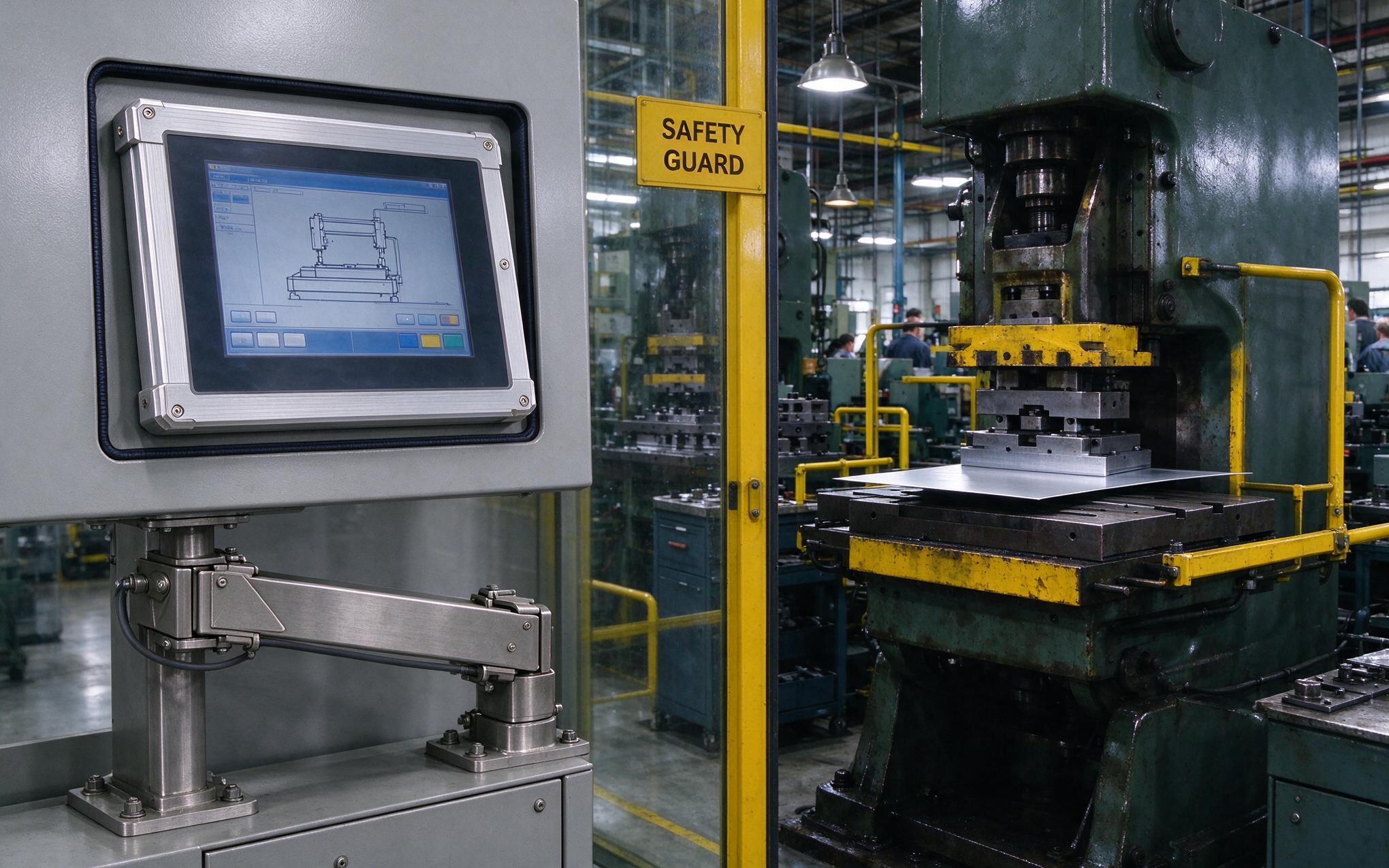
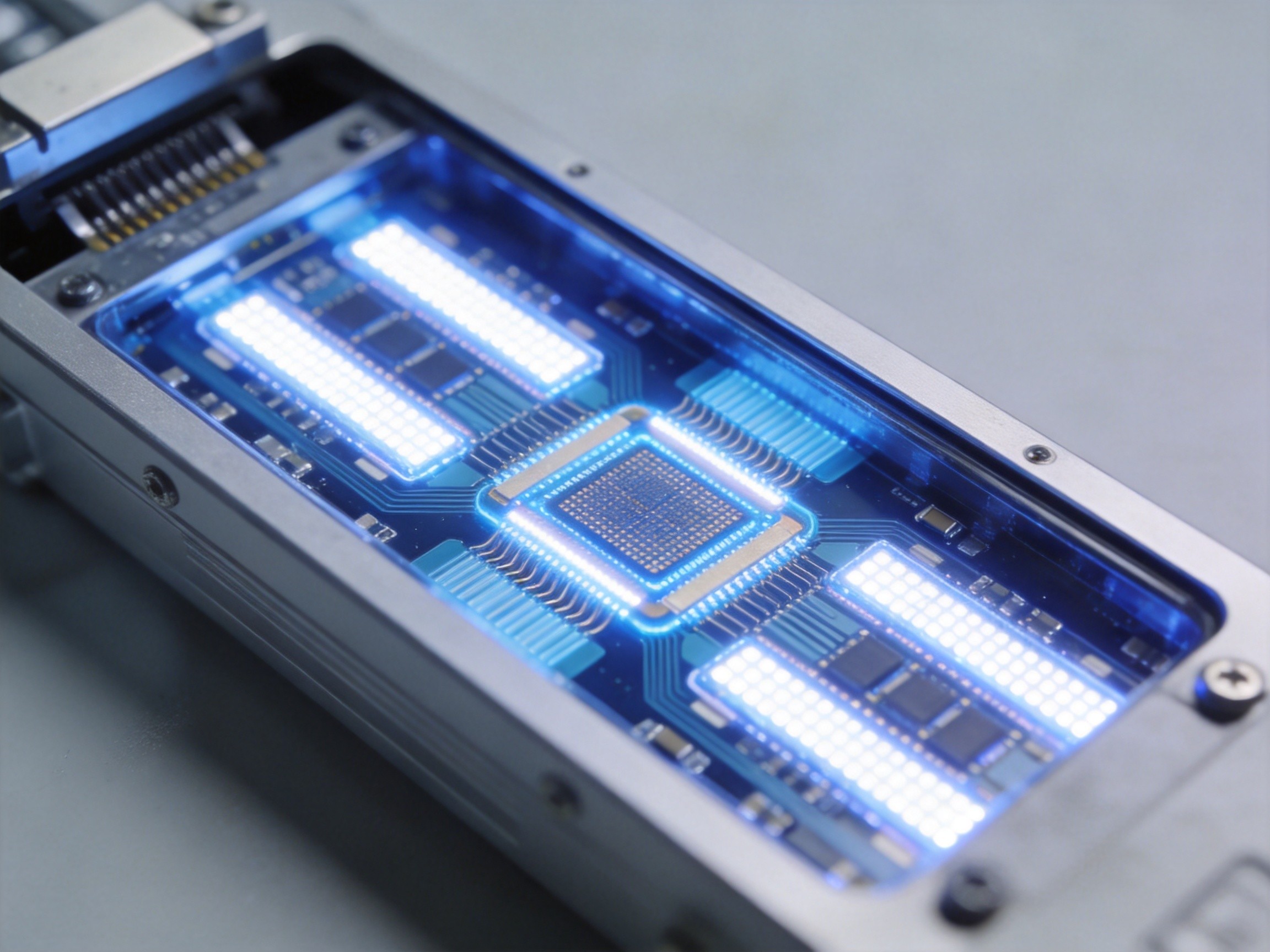
LED backlight degradation proceeds through multiple concurrent mechanisms. At the semiconductor junction level, non-radiative recombination centers accumulate over time, reducing the quantum efficiency of photon generation. The phosphor coating applied to white LEDs undergoes thermal and photochemical degradation, causing a gradual spectral shift and reduced conversion efficiency. Encapsulant materials yellow under prolonged exposure to high-energy blue photons and elevated temperatures, reducing light transmission. These mechanisms are thermally activated—each 10°C increase in junction temperature approximately halves the expected service life, per the Arrhenius relationship governing semiconductor degradation kinetics. In industrial panel PC deployments where ambient temperatures can reach 50°C or higher, the cumulative thermal load from ambient conditions and self-heating accelerates all degradation pathways simultaneously.
Understanding LED Lifetime Specifications: L70 and L50
The industry-standard metrics for LED lifetime are L70 and L50, defined as the operating hours at which light output falls to 70 percent and 50 percent of initial brightness, respectively. Industrial-grade LED backlights typically carry L70 ratings of 50,000 to 70,000 hours under specified operating conditions, and L50 ratings extending to 100,000 hours or beyond. However, these specifications are measured at a junction temperature of 25°C to 35°C—conditions rarely achieved in sealed industrial enclosures. At a junction temperature of 65°C, which is realistic for a fanless industrial panel PC operating in a 40°C factory environment, the effective L70 can drop to 30,000 hours or less. Facility managers planning maintenance cycles for 24/7 production lines must calibrate manufacturer specifications against actual deployment thermal conditions to establish realistic replacement schedules.
Thermal Design and Its Impact on Service Life
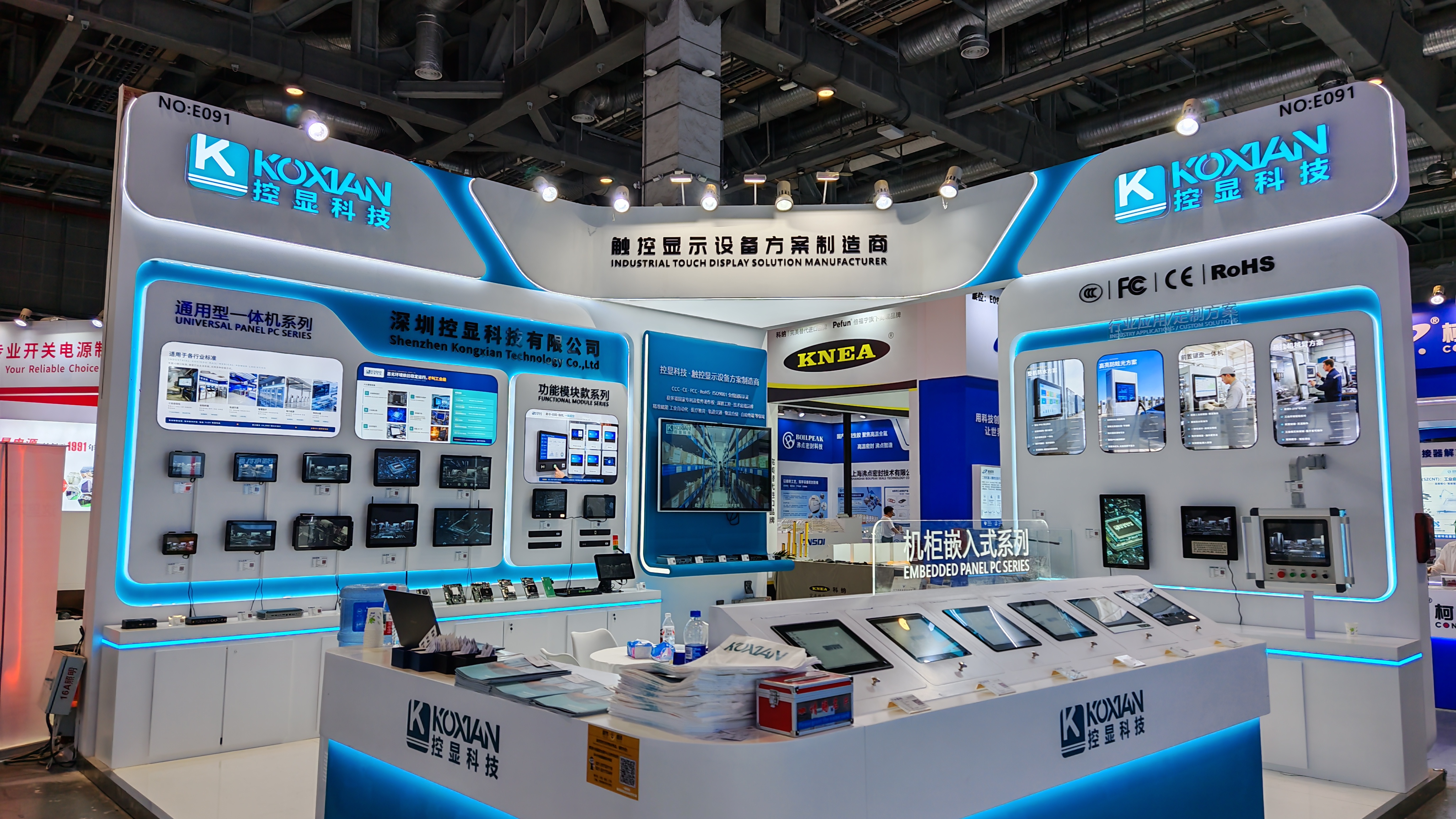
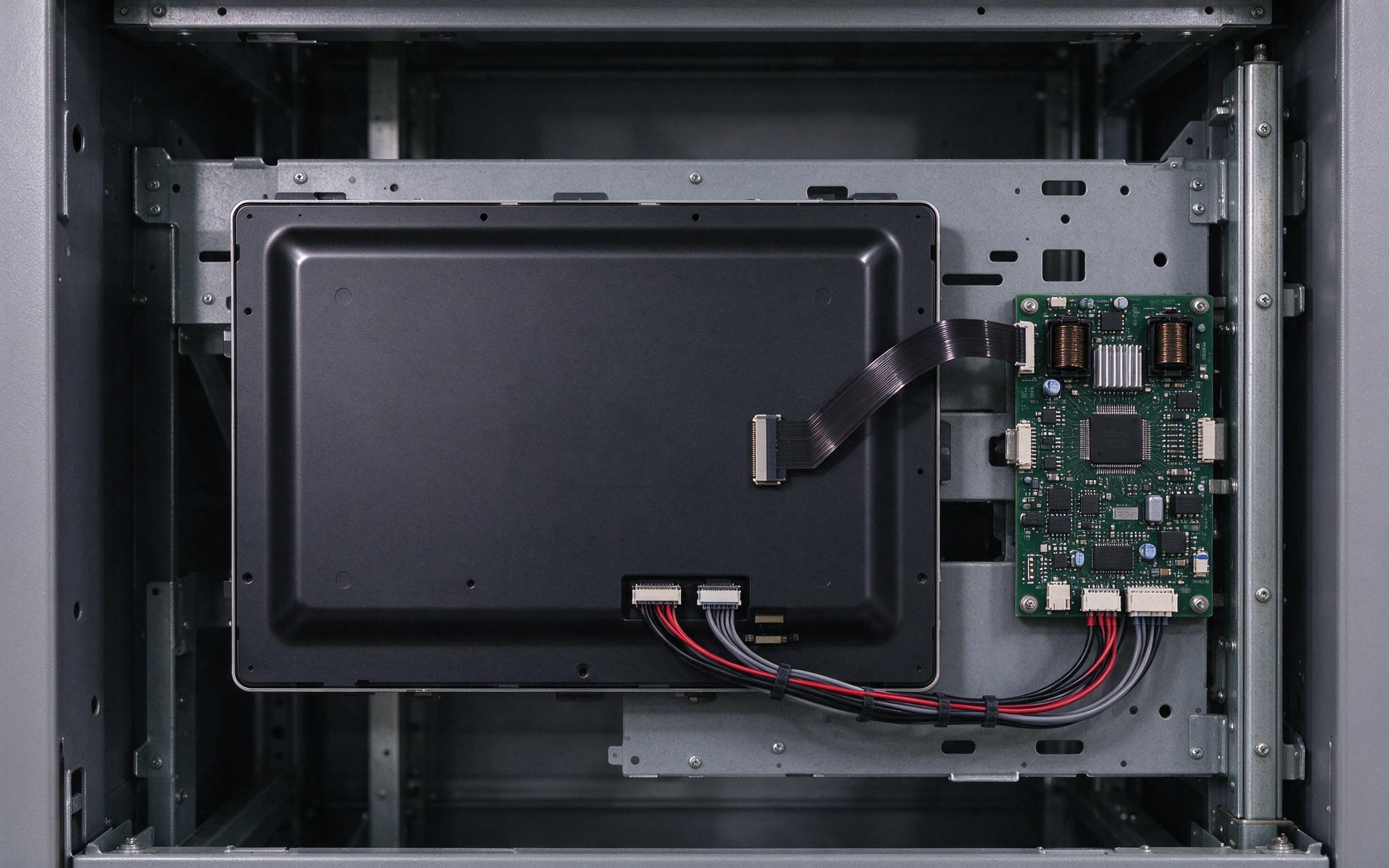
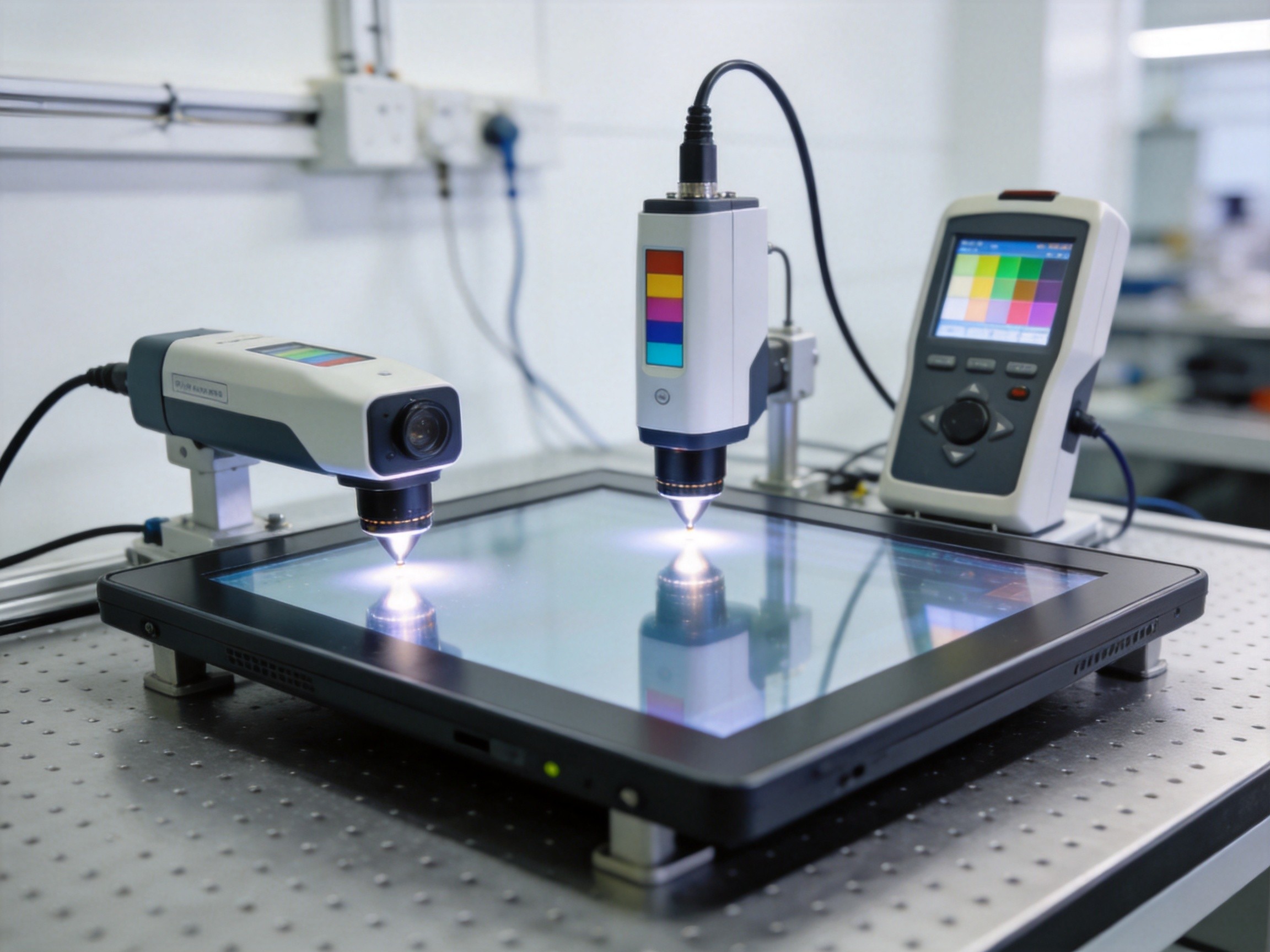
Thermal management is the single most influential factor in extending LED backlight service life. KOXIAN industrial panel PC designs that incorporate aluminum chassis with integrated heat-spreading surfaces, direct thermal coupling between the LED driver board and the enclosure, and passive convection paths through finned rear panels can maintain LED junction temperatures 15°C to 25°C below those of designs with inadequate thermal pathways. The choice of backlight dimming strategy also affects longevity: pulse-width modulation (PWM) dimming at frequencies above 200 Hz avoids the thermal cycling stress that low-frequency PWM or analog dimming can impose on LED junctions. Engineering case references from industrial computing installations show that fanless thermal designs with adequate surface area for passive heat dissipation extend effective backlight service life by 30 to 50 percent compared to enclosed designs without dedicated thermal management features.
Prevention and Mitigation Strategies
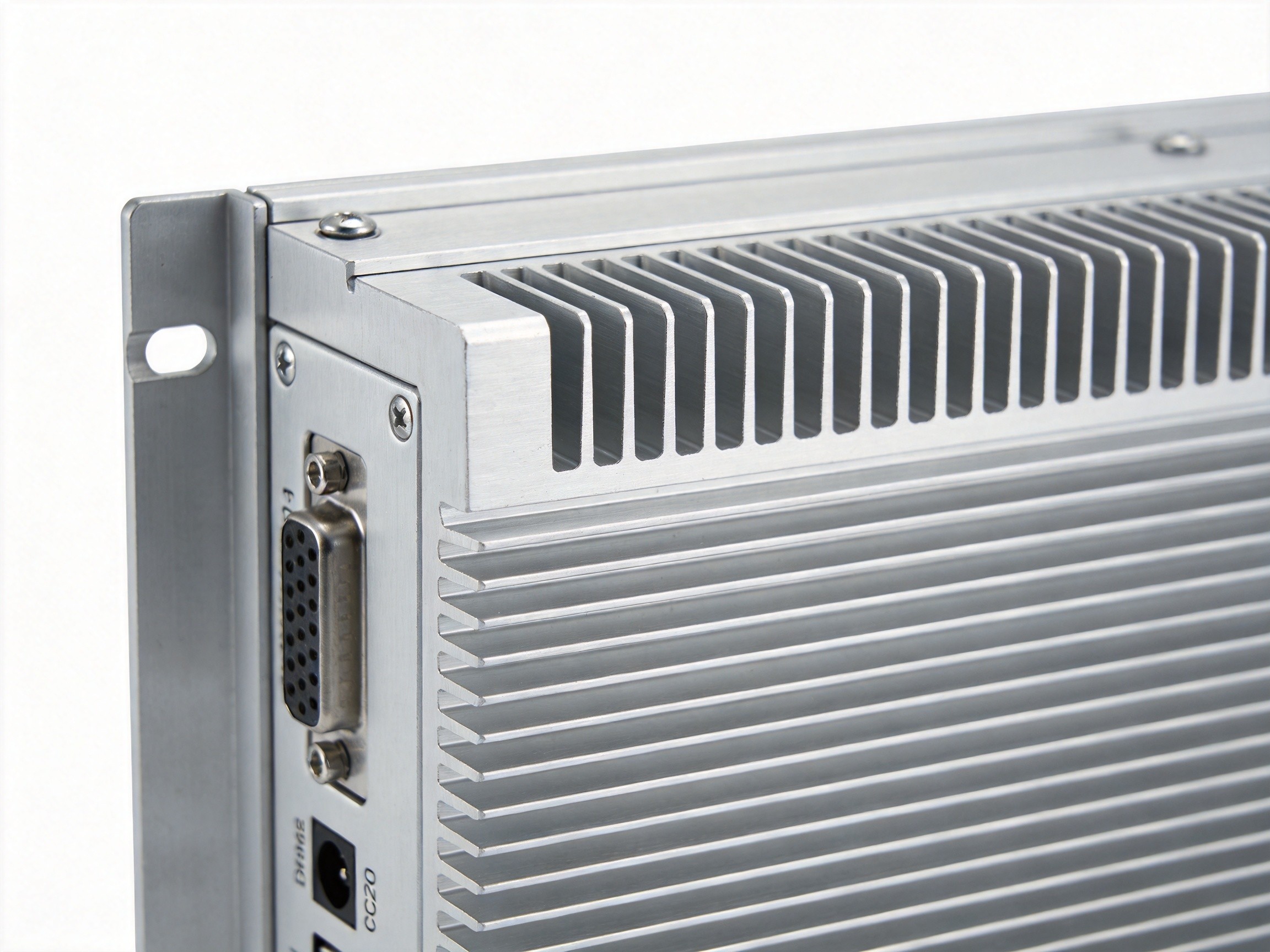
A systematic approach to mitigating LED backlight degradation begins with the deployment specification. Selecting industrial panel PCs with rated backlight brightness at least 30 percent above the application minimum ensures that even after L70 degradation, the display remains fit for purpose. Ambient light sensors that automatically adjust backlight output to match environmental conditions reduce unnecessary thermal load during periods of lower ambient illumination. Scheduled brightness calibration—comparing actual output against a reference standard at defined maintenance intervals—provides quantitative data for predictive replacement planning. In deployments where display uniformity is critical, such as quality inspection stations, the backlight degradation curve should be integrated into the preventive maintenance schedule with replacement triggered at a pre-defined brightness threshold rather than waiting for operator complaints. KOXIAN industrial panel PCs deployed in continuous-process manufacturing facilities have demonstrated that combining conservative brightness specification with ambient-adaptive backlight control extends the practical service interval between backlight replacements by 18 to 24 months.
Conclusion
LED backlight degradation in industrial displays is a managed risk rather than a failure mode. The physics of phosphor aging and semiconductor degradation are well understood, and the engineering countermeasures—conservative thermal design, adequate brightness headroom, ambient-adaptive backlight control, and scheduled performance monitoring—are proven in production environments. The key to cost-effective lifecycle management lies in treating backlight degradation as a predictable maintenance parameter, calibrated against the specific thermal conditions of each deployment, rather than relying on idealized manufacturer specifications that do not reflect the thermal reality of the factory floor.