Discrete manufacturing environments—where individual products are assembled from components and subassemblies—require real-time visibility into production status, work order progress, and quality metrics at every workstation. Industrial panel PCs deployed as MES (Manufacturing Execution System) terminals serve as the critical data collection and operator interaction nodes that bridge the gap between enterprise planning systems and the physical production floor.
The MES Terminal Role in Discrete Production
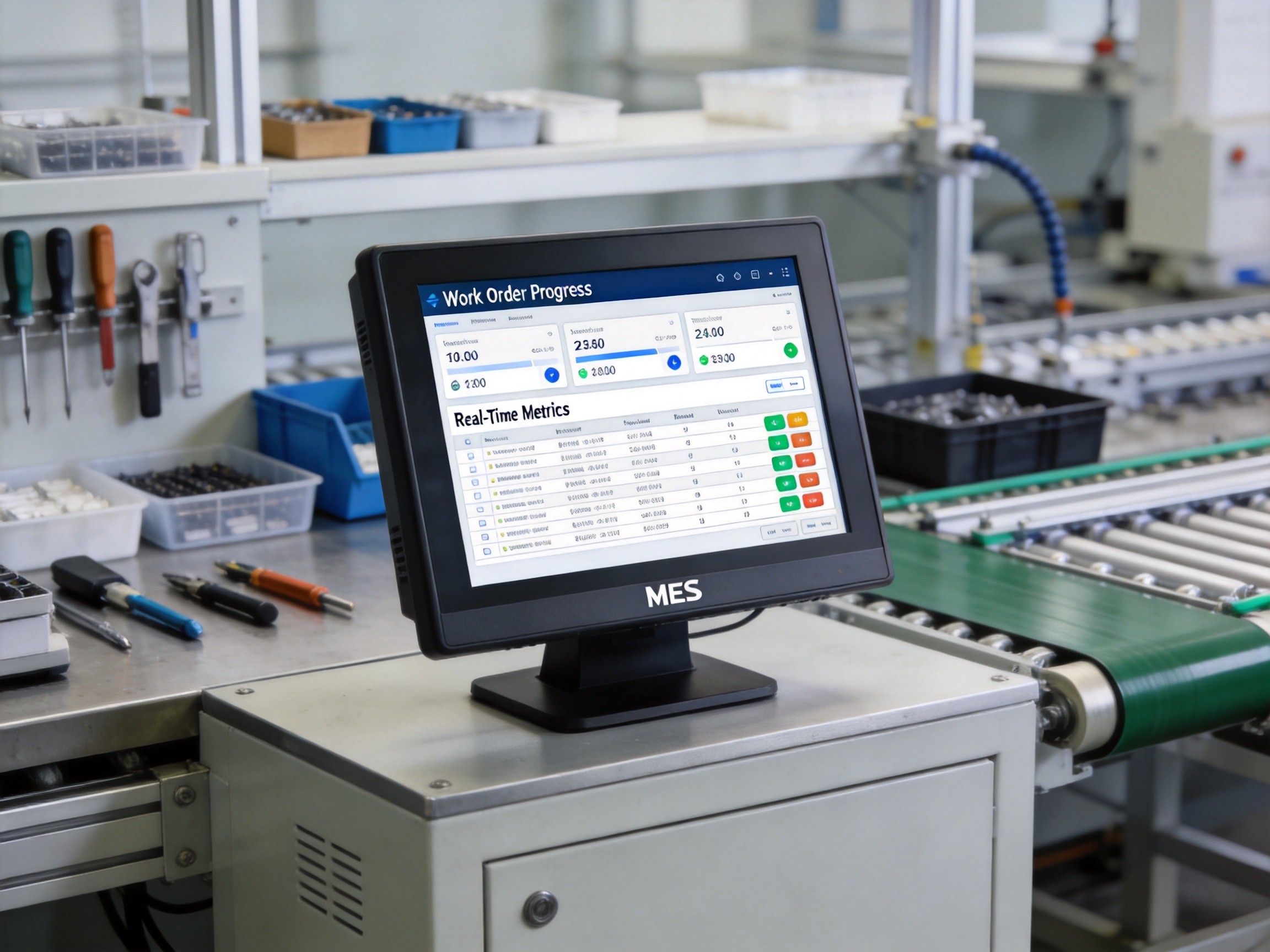
MES terminals on the production line fulfill three core functions: data acquisition, workflow guidance, and quality enforcement. A panel PC at an assembly station captures production counts, cycle times, and material consumption data as operators progress through work orders. The terminal displays electronic work instructions, engineering drawings, and setup procedures, replacing paper-based documentation that is prone to version control issues. Quality checkpoints integrated into the MES workflow require operators to record measurements and inspection results before the system advances to the next production step, creating a digital quality record for every unit produced.
Hardware Requirements for Production Floor Deployment
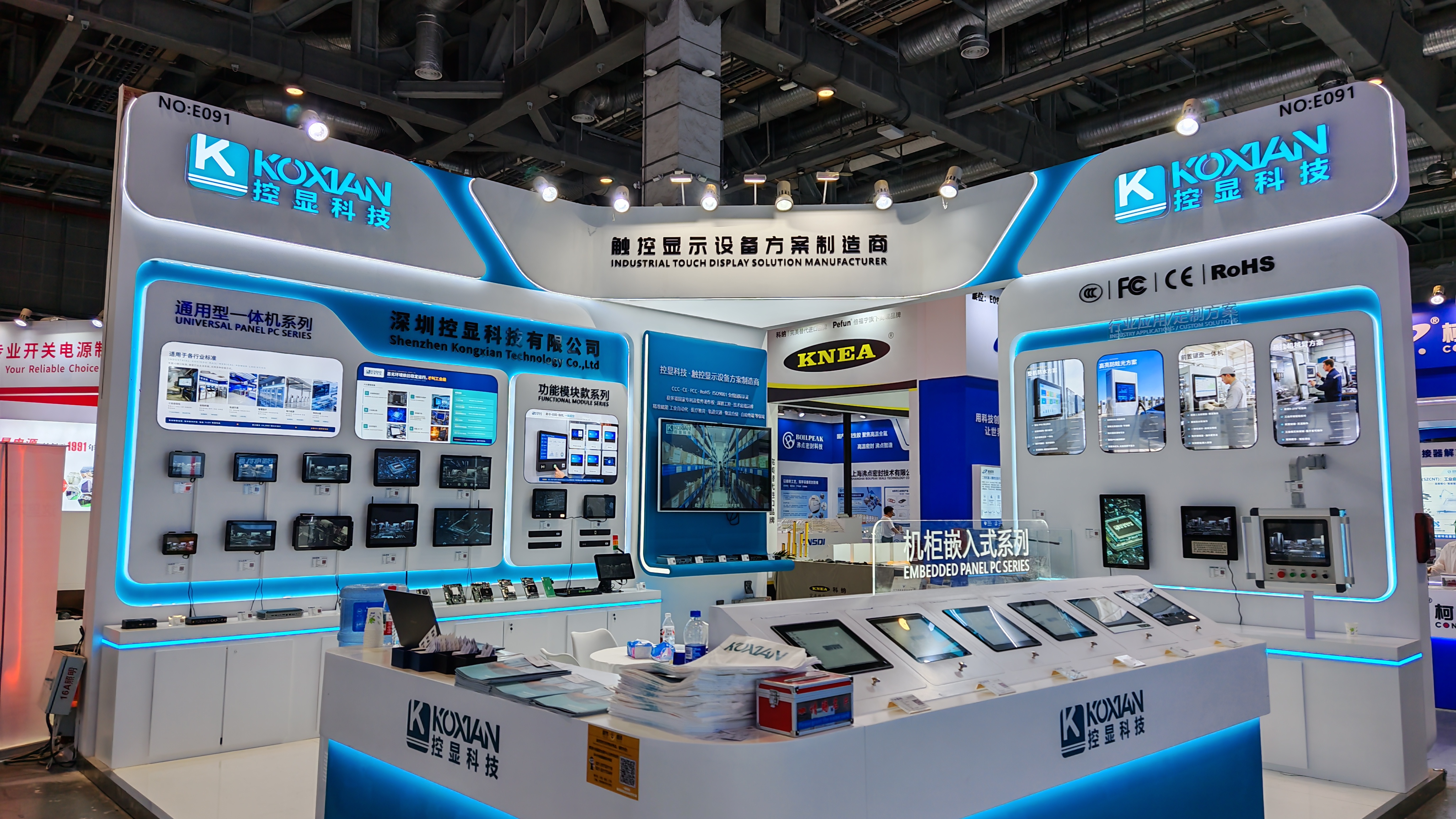
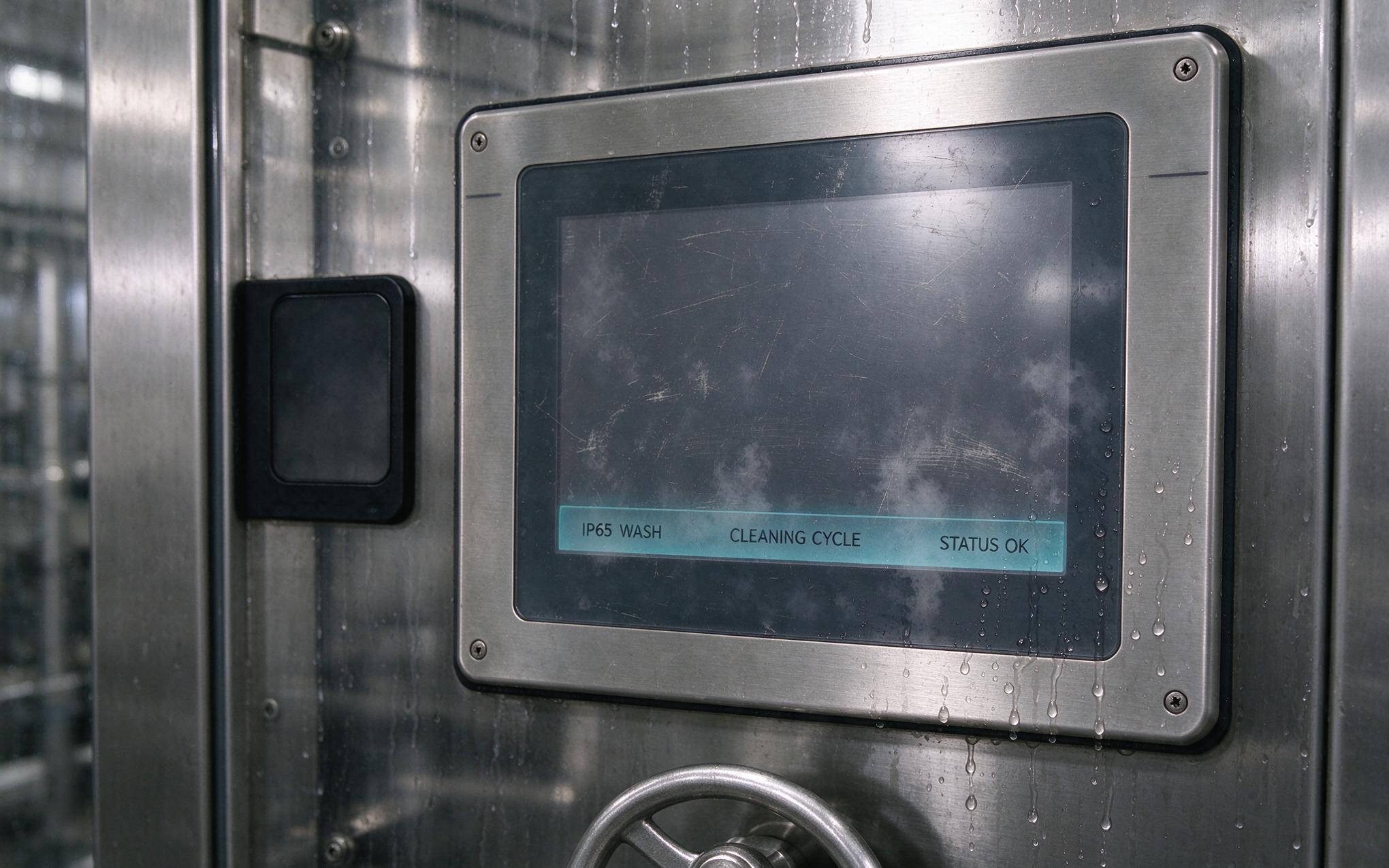
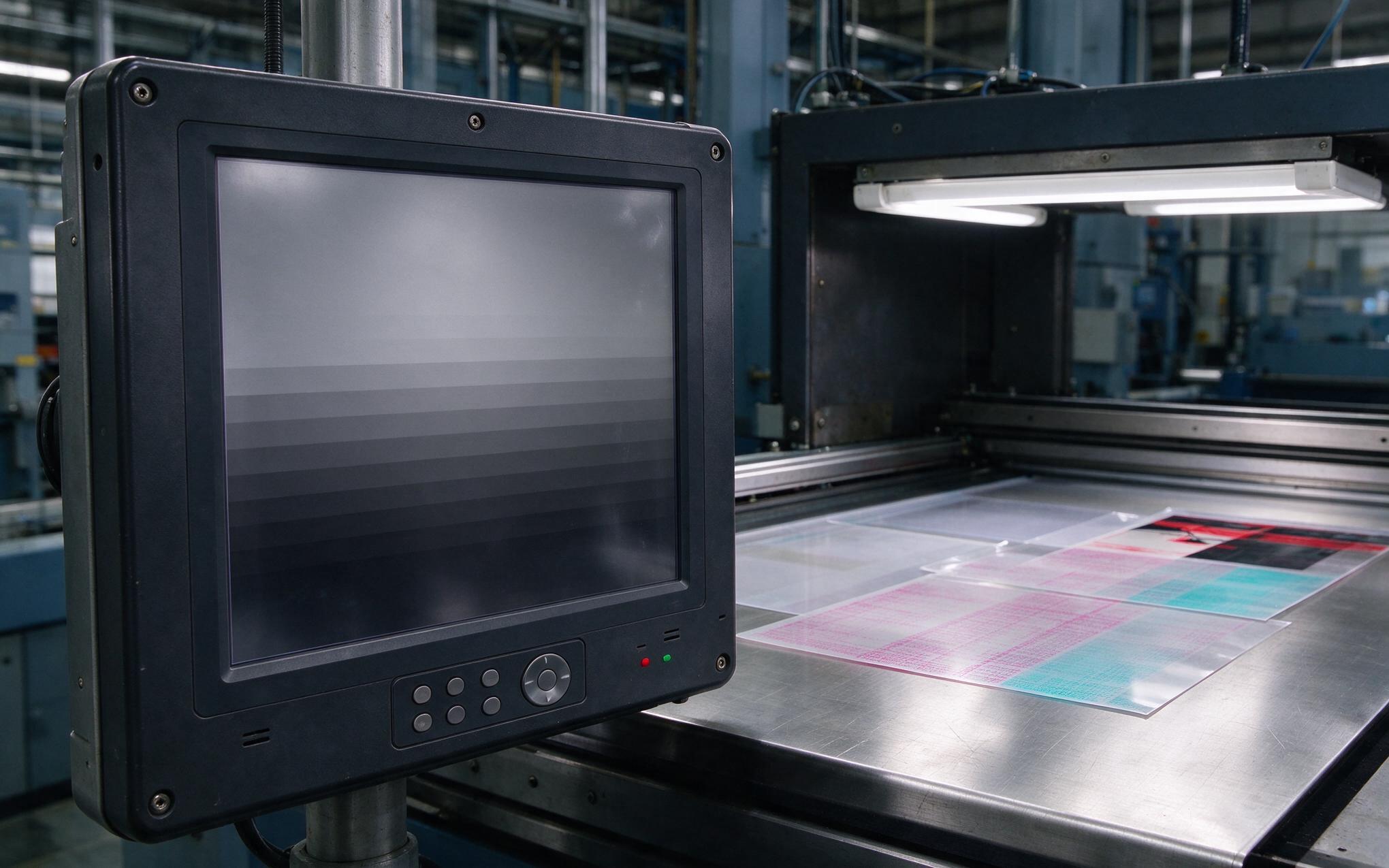
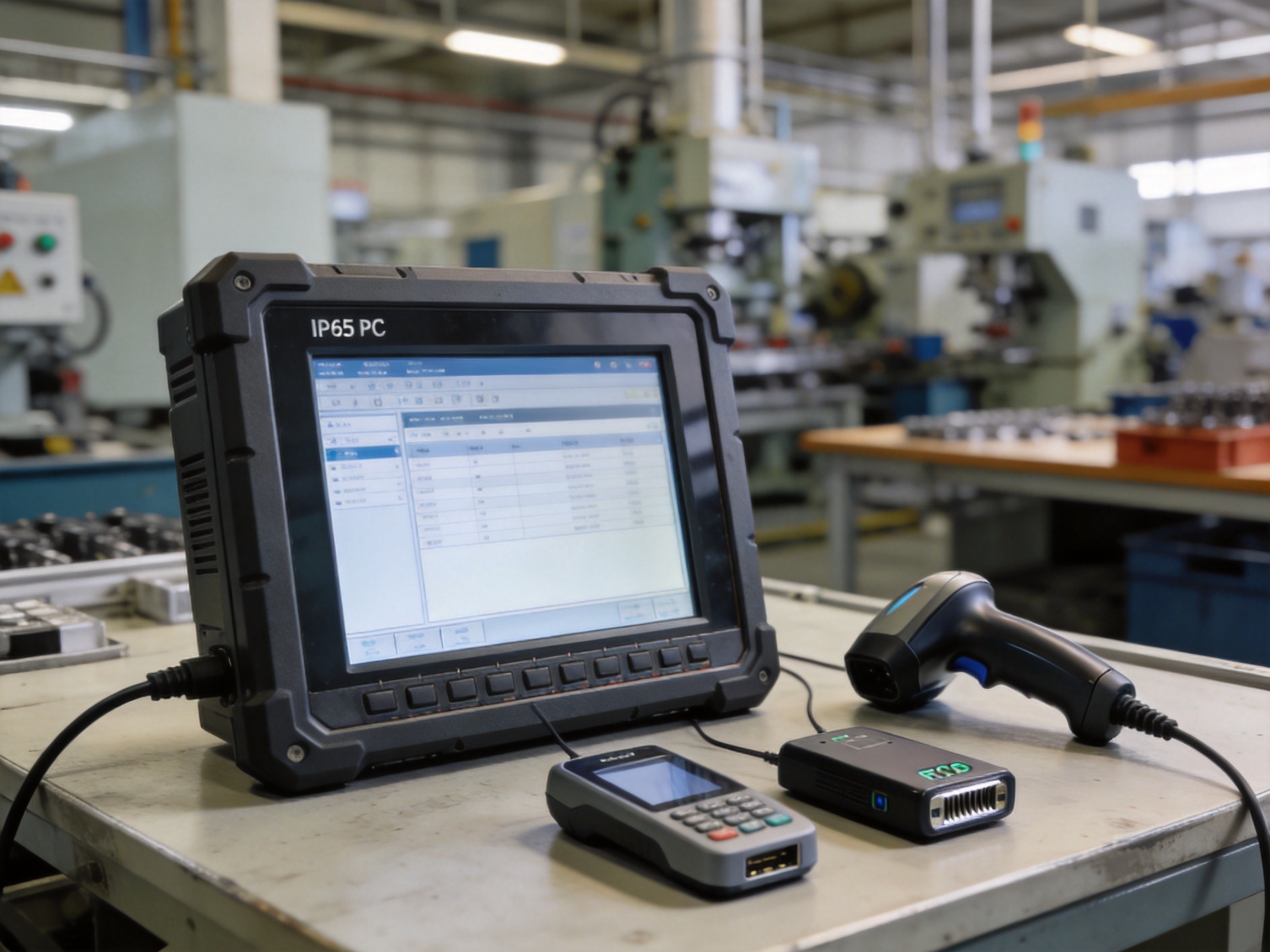
KOXIAN industrial panel PCs selected for MES terminal roles must meet several hardware criteria. Processing capability should support the MES client application, database queries, and concurrent peripheral connections—barcode scanners, RFID readers, and label printers—without introducing latency that slows operator workflows. Solid-state storage eliminates the failure risk associated with rotating media in vibration-prone environments. The display panel should deliver consistent brightness of 350 cd/m² or higher for readability under factory lighting, with an IP65-rated front bezel to withstand dust exposure and periodic cleaning with industrial solvents.
Operator Interaction and User Experience Design
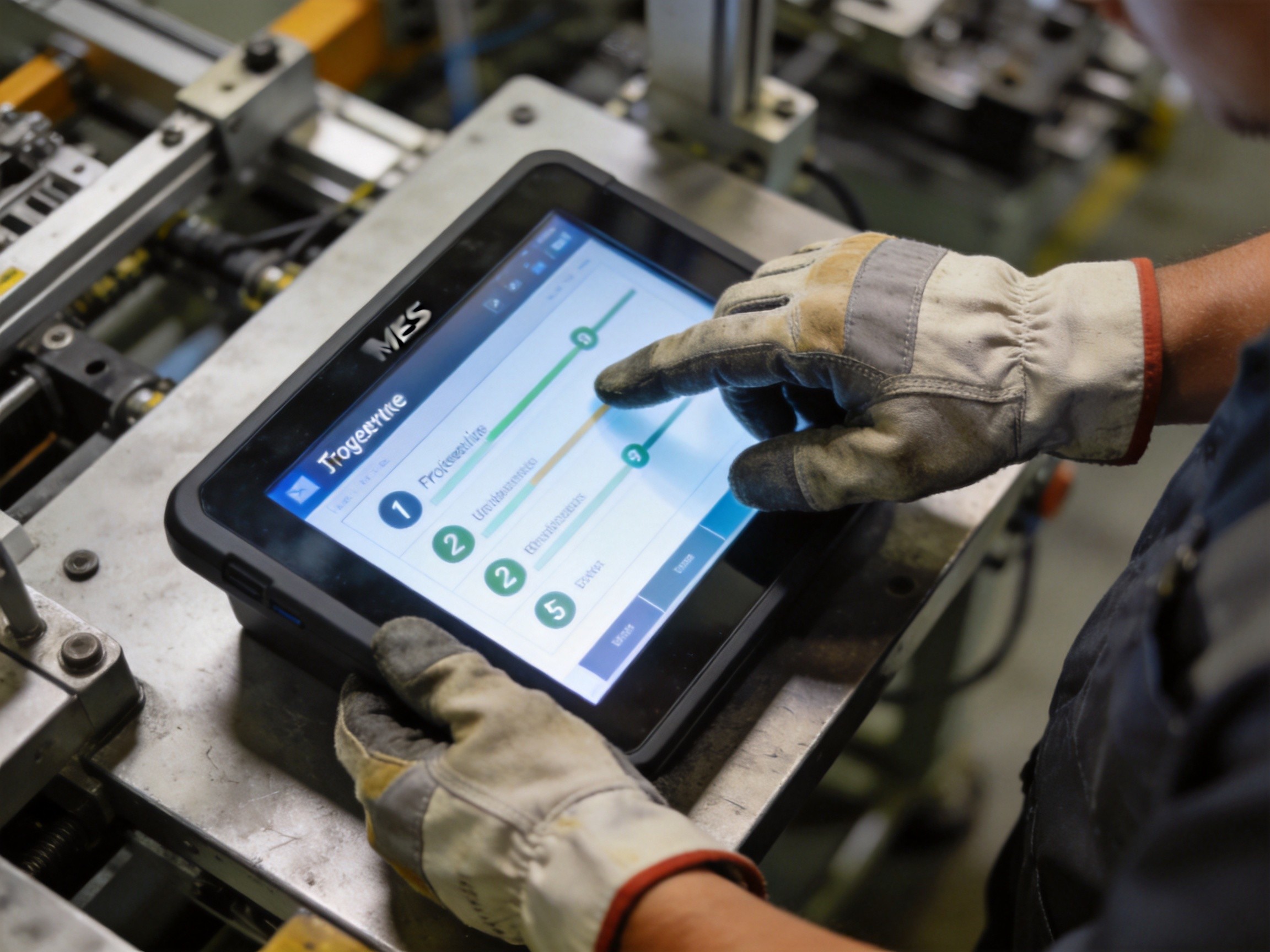
The effectiveness of an MES terminal deployment depends heavily on the operator interaction model. Touchscreen interfaces must accommodate gloved operation—a common requirement in manufacturing—with button targets sized at minimum 20mm for reliable activation. Workflow screens should follow a logical left-to-right, top-to-bottom progression that mirrors the physical assembly sequence at the workstation. Visual indicators for production status, such as color-coded dashboard elements, enable operators to assess line performance at a glance without navigating through multiple screens. Industrial panel PC deployments that prioritize these ergonomic considerations report higher operator adoption rates and more consistent data entry compliance.
Integration with Enterprise Systems
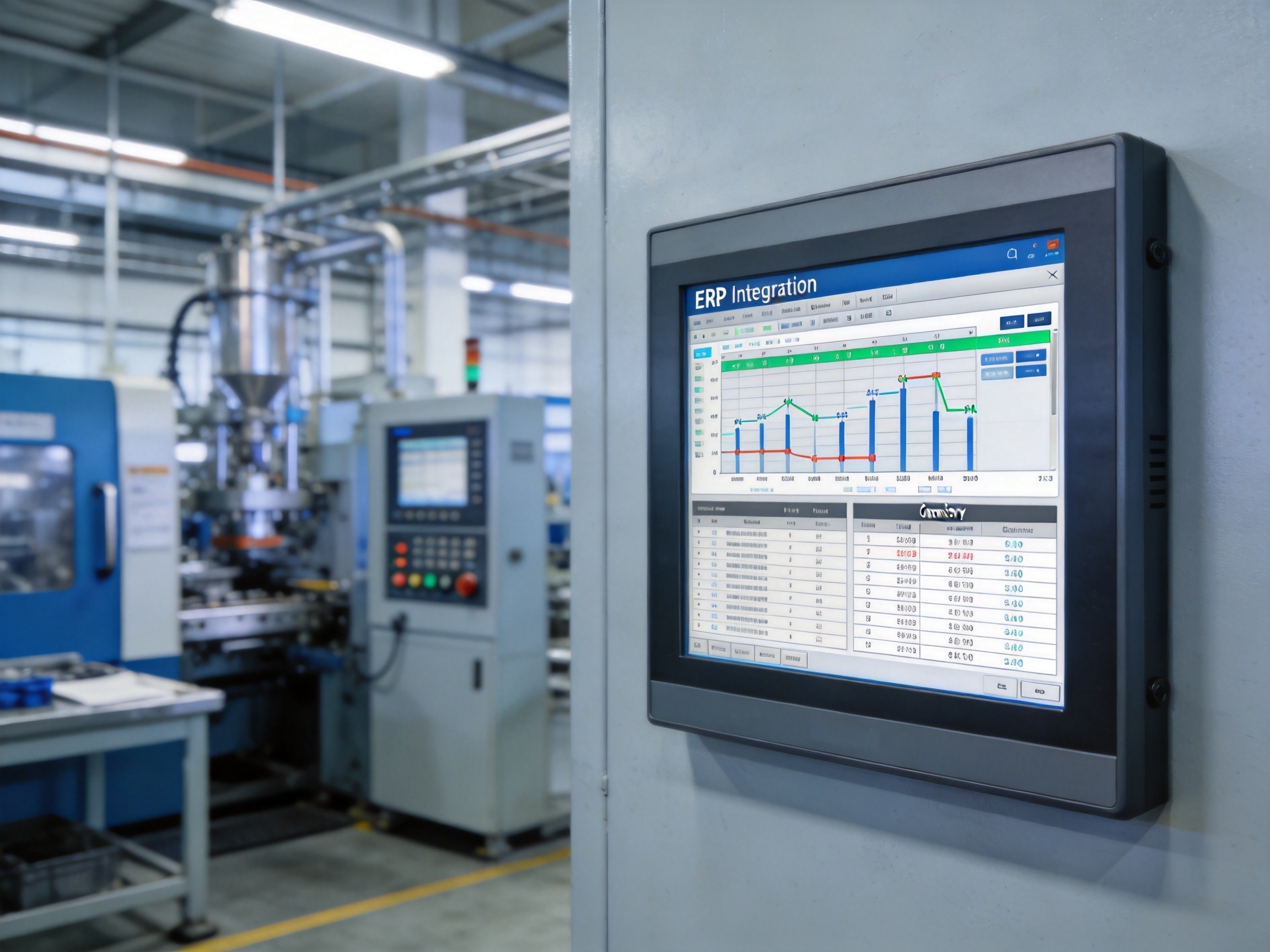
The MES terminal serves as the data conduit between the production floor and enterprise resource planning (ERP) systems. Work orders downloaded from the ERP are presented to operators through the MES interface on the panel PC. As production progresses, completion data, material consumption, and quality metrics flow back to the ERP, enabling real-time inventory updates and production scheduling adjustments. This bidirectional integration requires the panel PC platform to support standard networking protocols, database connectivity, and API-based communication with both the MES application server and the ERP backend. Connectivity options including dual Gigabit Ethernet ports and Wi-Fi 6 enable redundant network paths for mission-critical production environments.
Deployment Architecture Considerations
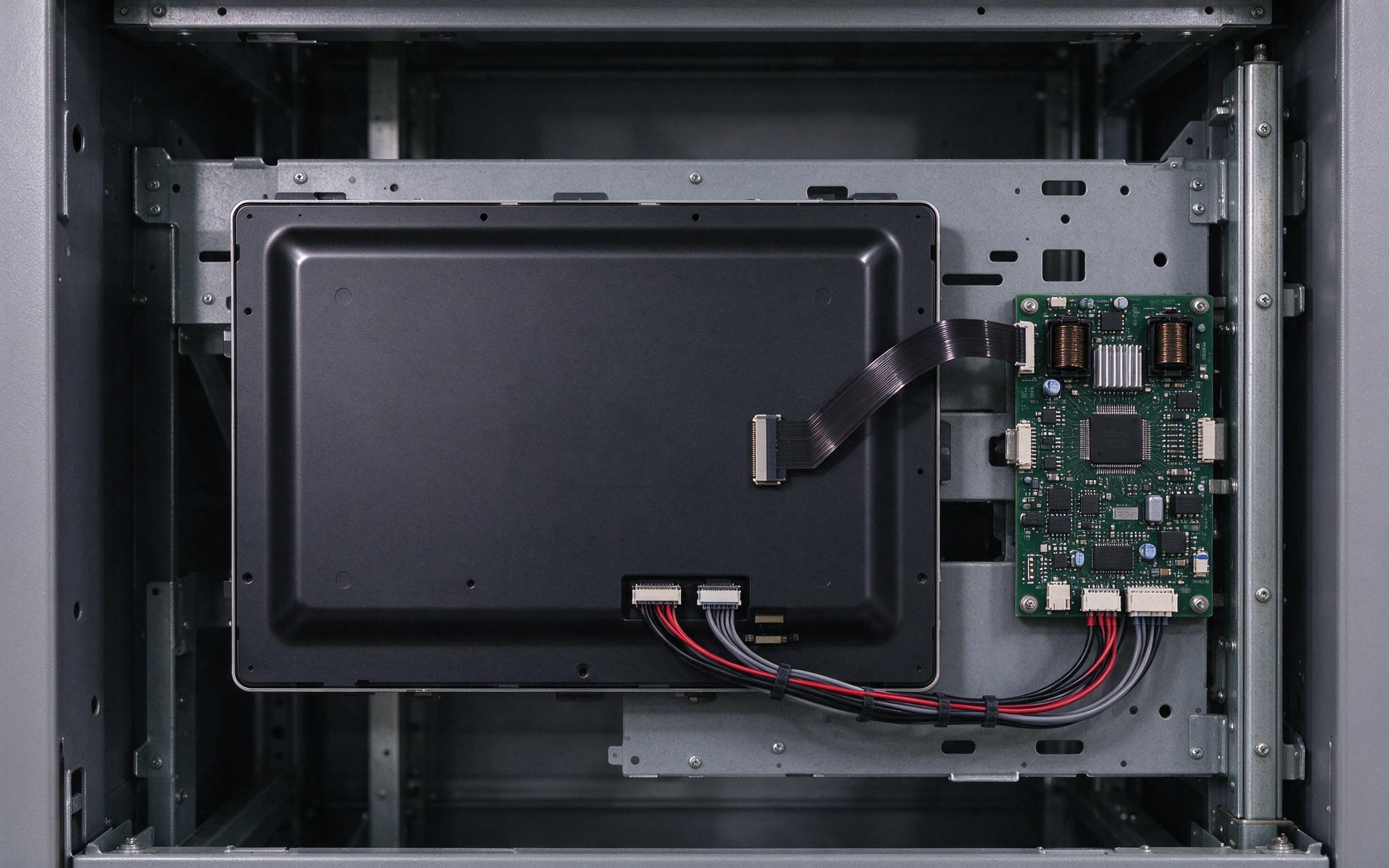
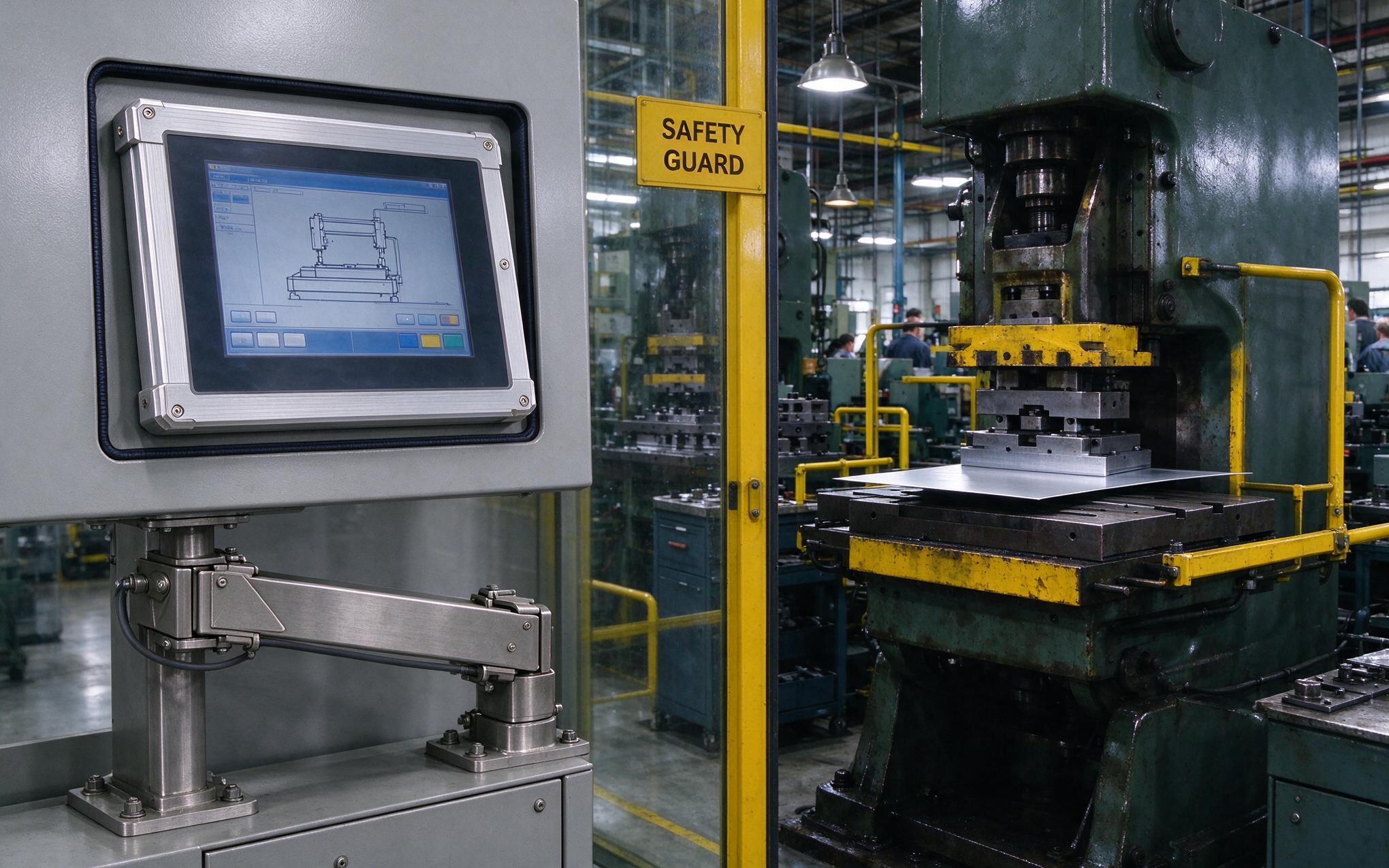
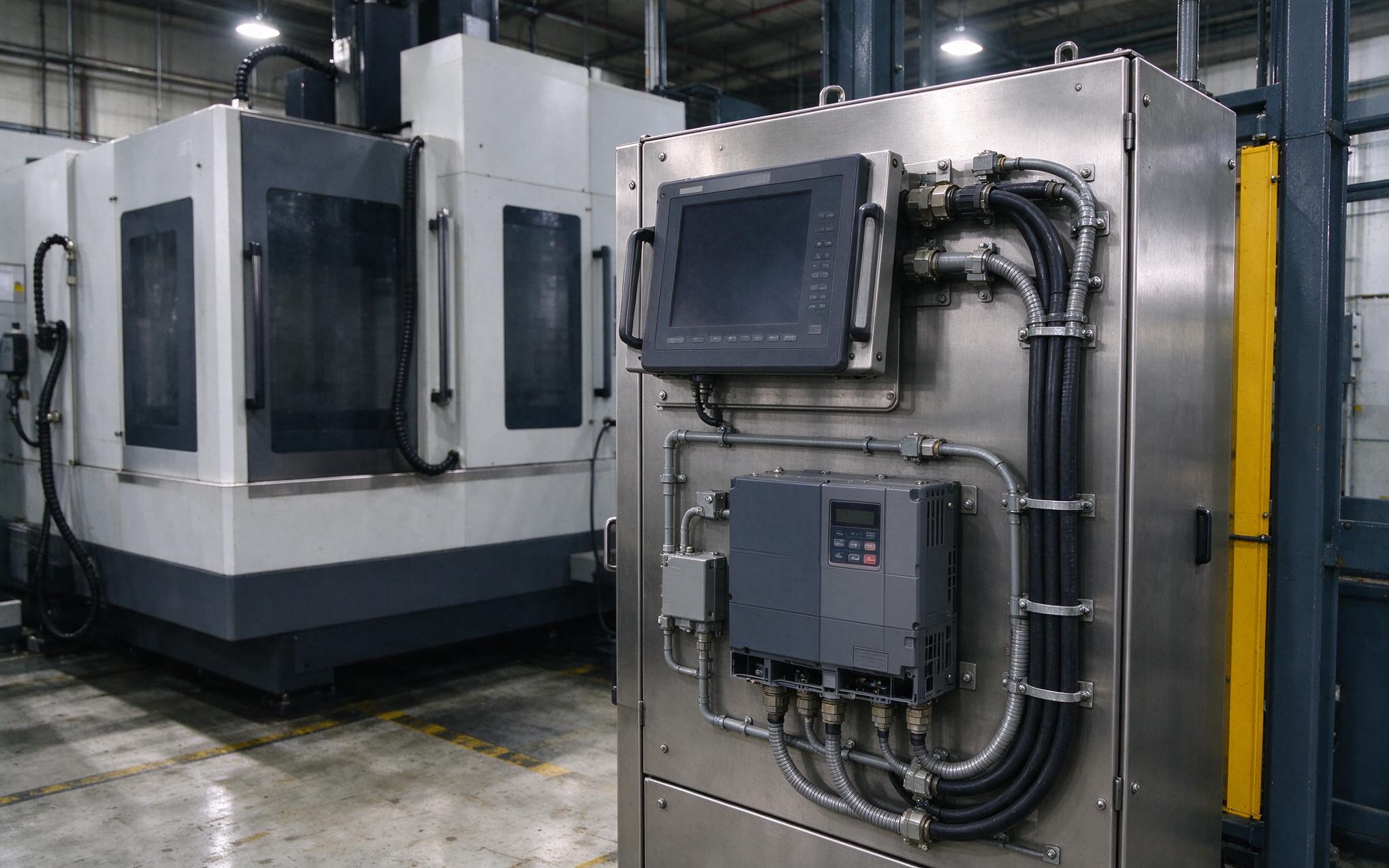
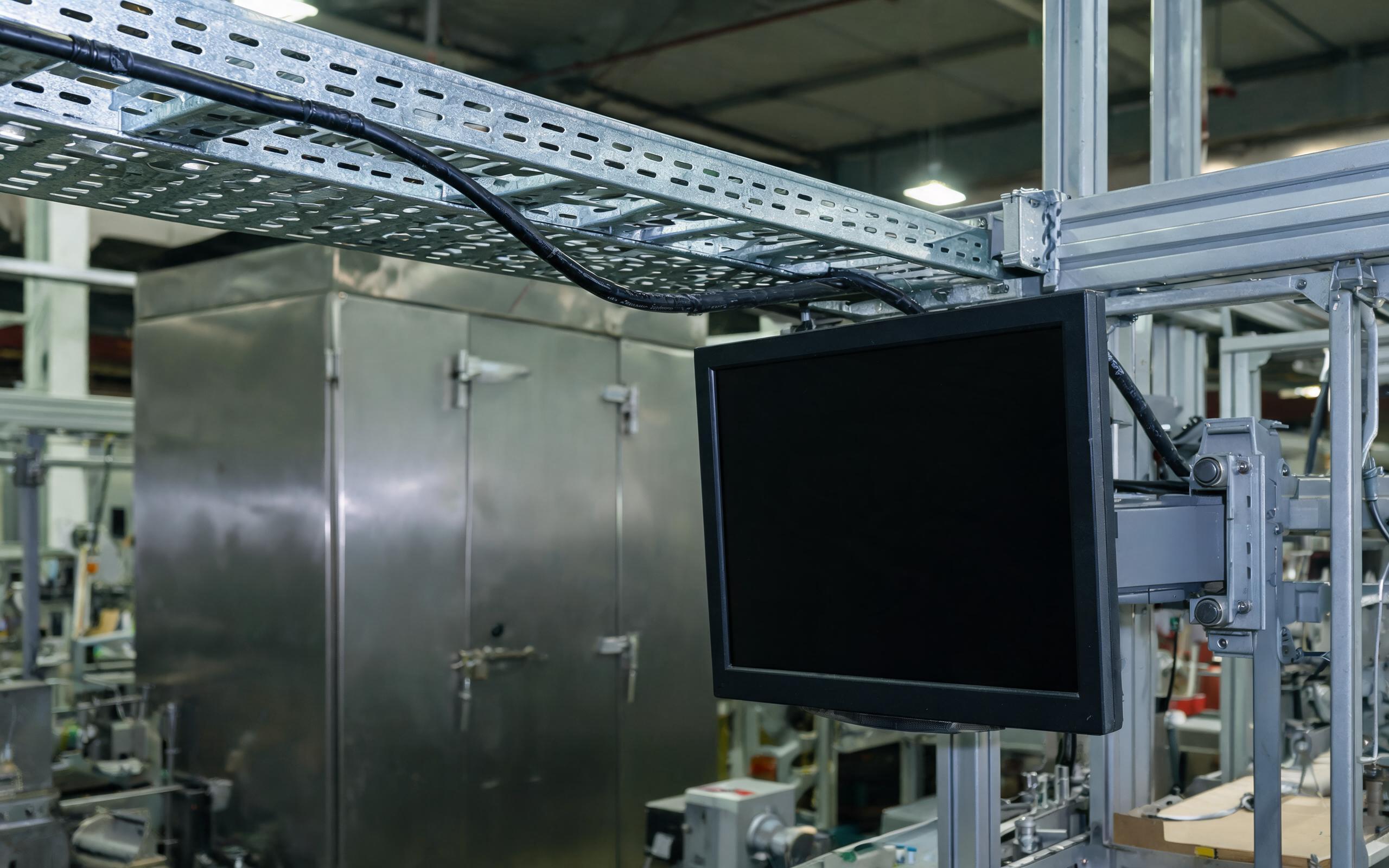
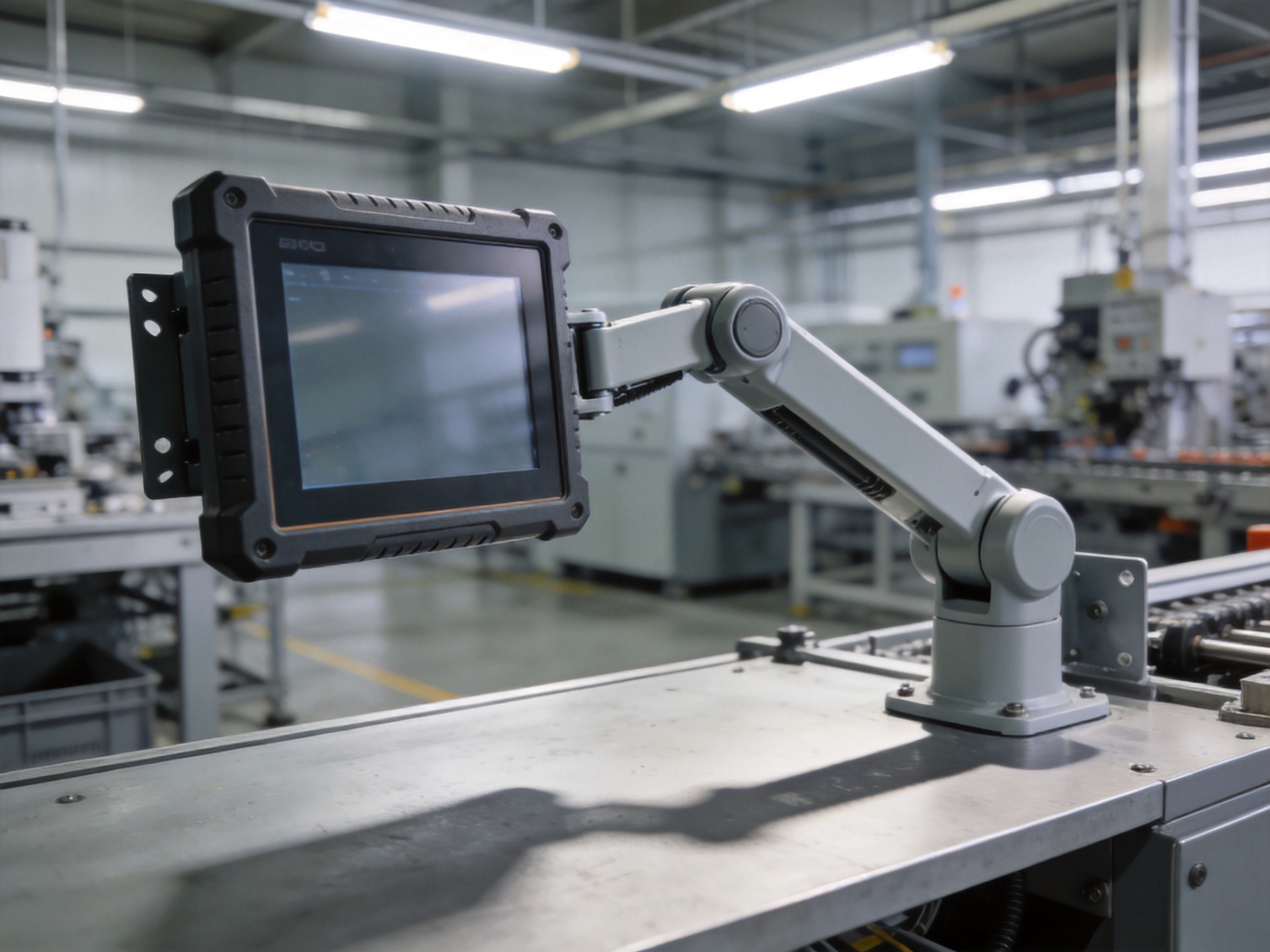
The physical deployment architecture of MES terminals on a discrete manufacturing line must account for workstation density, cable routing constraints, and operator accessibility. Panel PCs can be mounted on articulating arms that allow operators to adjust screen position between sitting and standing work postures, on fixed pedestals at standardized heights, or integrated directly into machine enclosures. Each mounting configuration affects thermal management, cable serviceability, and long-term structural reliability. Industry practice samples from factory automation deployments indicate that VESA-compatible mounting interfaces provide the greatest flexibility for reconfiguration as production lines evolve. Engineering case references from KOXIAN industrial computing installations demonstrate that panel PCs with fanless thermal designs and sealed connectors maintain higher uptime in manufacturing environments where airborne particulates and vibration are present.
Data Integrity and Operator Accountability
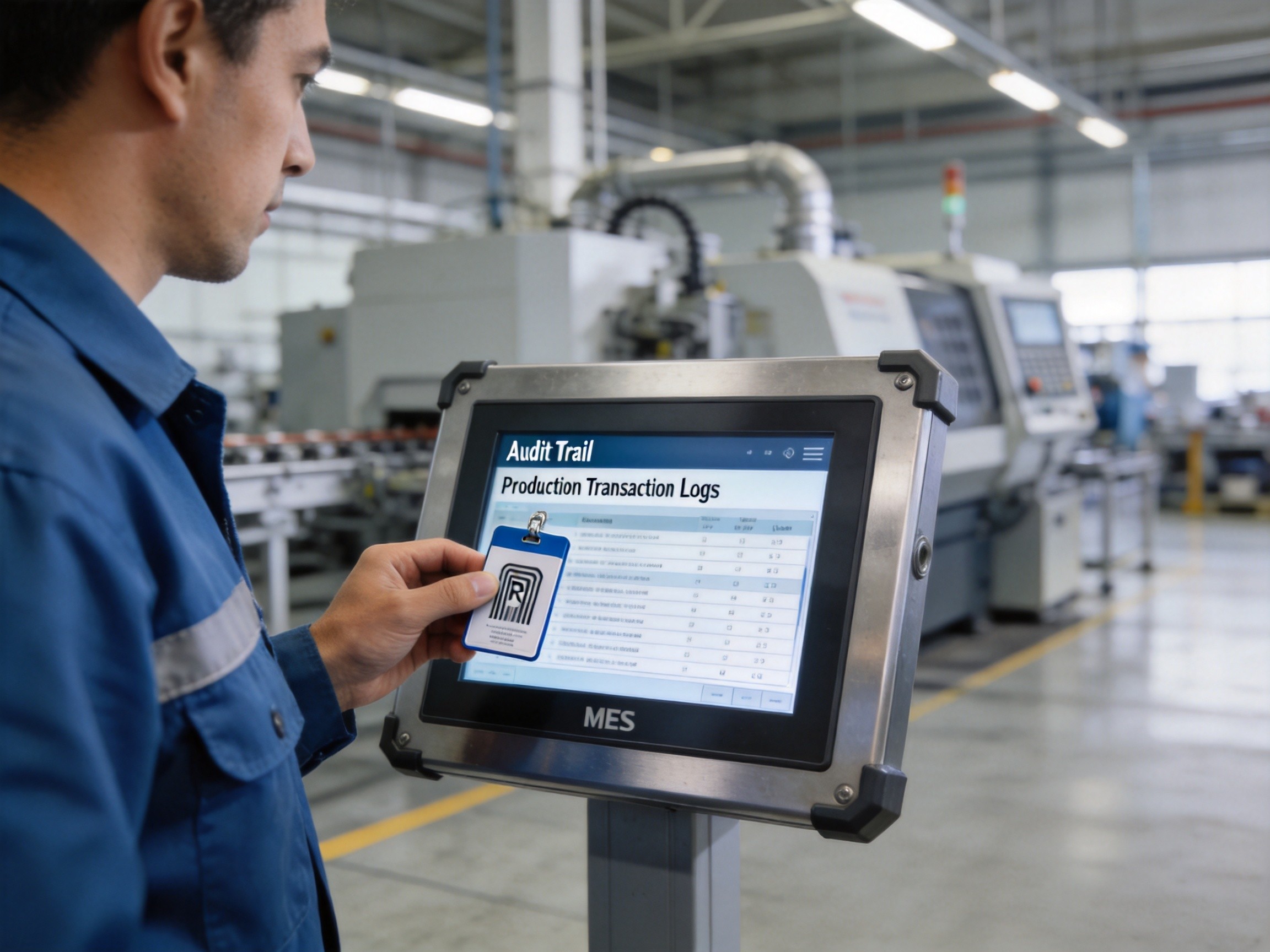
MES terminals enforce operator accountability through user authentication—typically badge-based RFID or barcode login—which associates each production transaction with a specific operator ID. This capability supports traceability requirements in regulated industries such as aerospace, medical device manufacturing, and automotive. The panel PC records timestamps, operator credentials, and workstation identifiers for every production event, creating an audit trail that satisfies both internal quality management system requirements and external regulatory compliance obligations. In the event of a network disruption, local data buffering on the panel PC ensures that production data is not lost and synchronizes automatically when connectivity is restored.
Conclusion
Deploying industrial panel PCs as MES workstation terminals in discrete manufacturing transforms the production floor from a disconnected collection of manual processes into a digitally integrated manufacturing environment. The combination of real-time data capture, electronic work instruction delivery, and automated quality enforcement creates a closed-loop production management system that improves throughput visibility, reduces paperwork errors, and provides the data foundation for continuous improvement initiatives. Hardware selection that prioritizes environmental resilience, operator ergonomics, and enterprise integration capability ensures that the MES terminal deployment delivers sustained operational value throughout the equipment lifecycle.