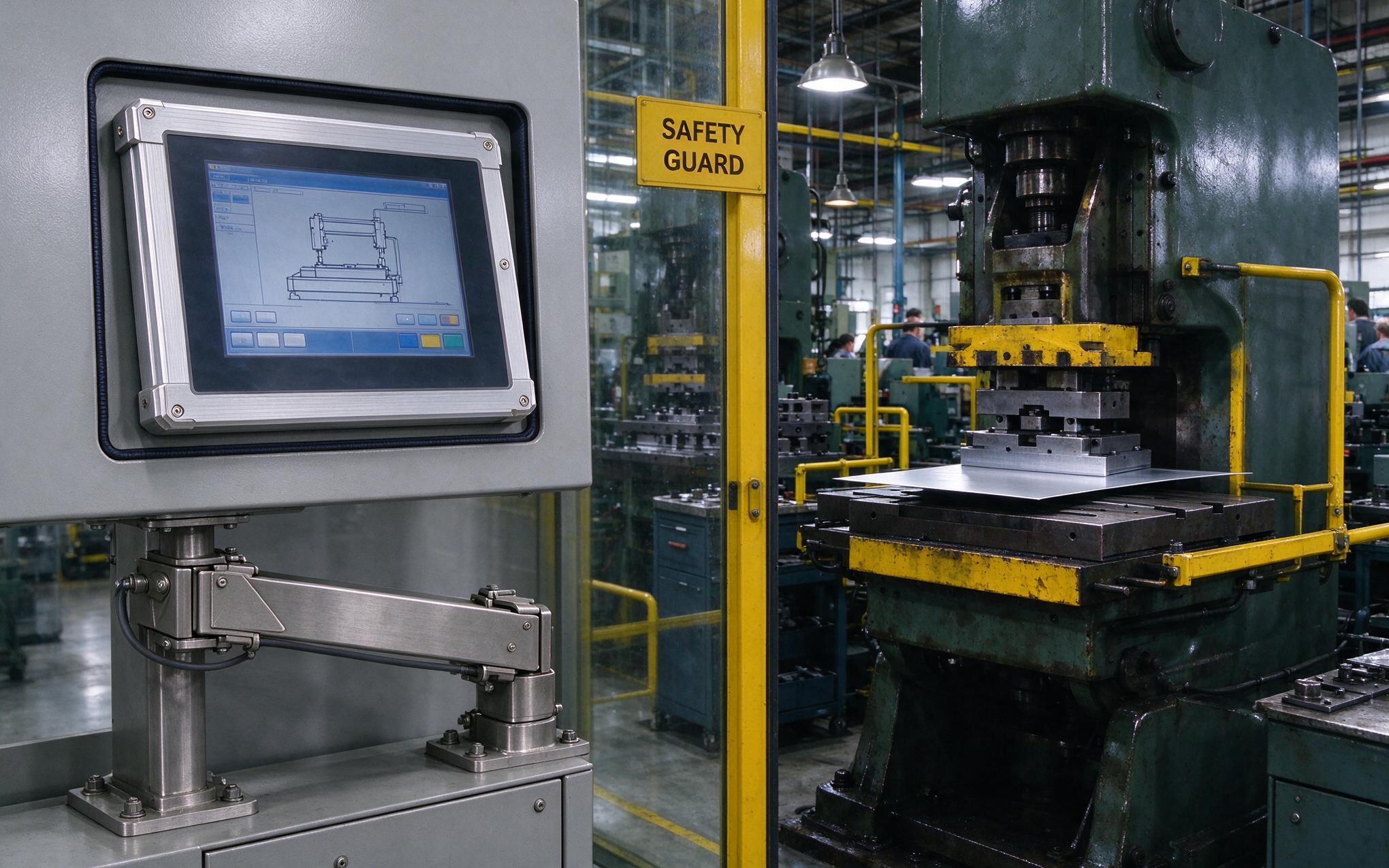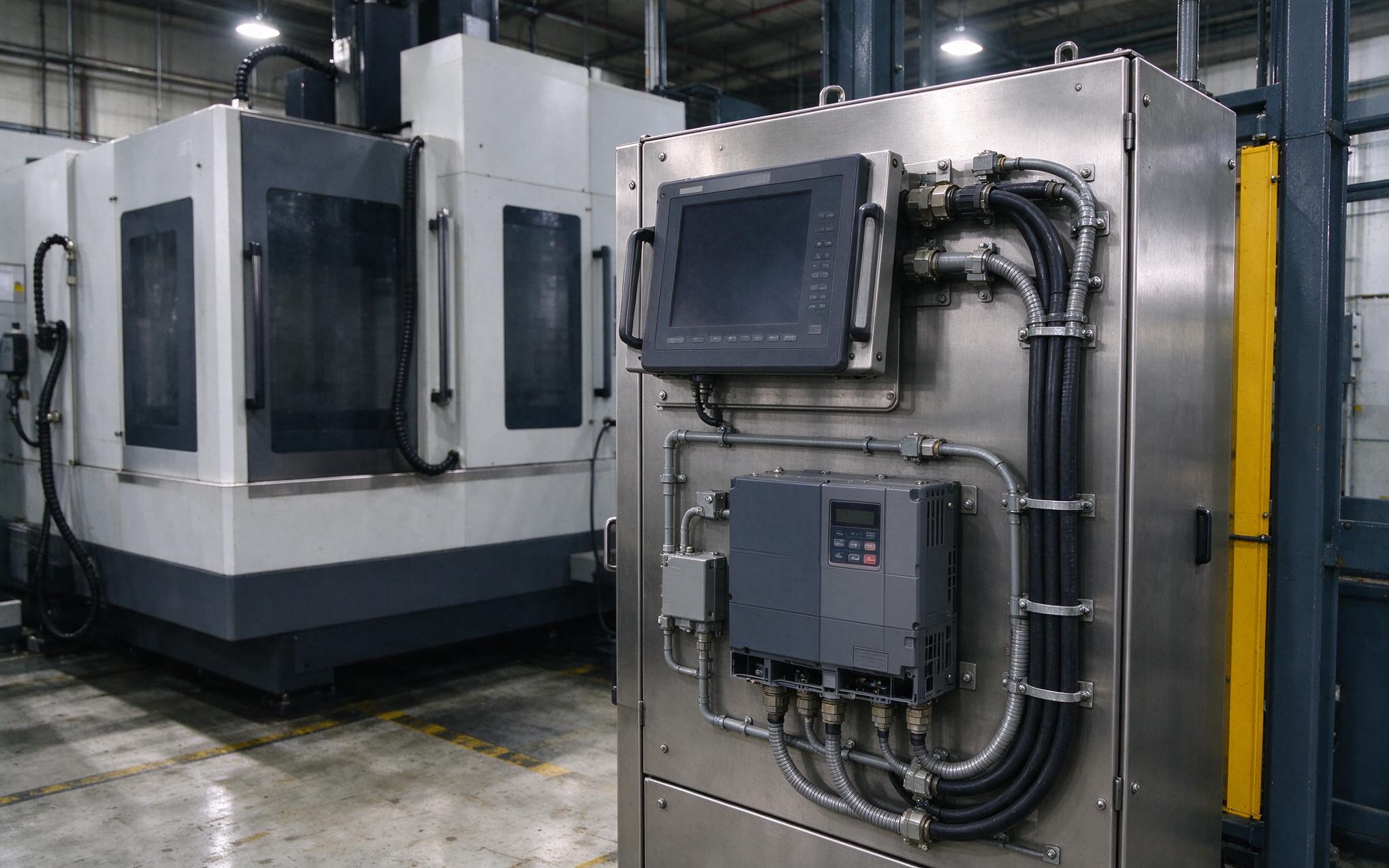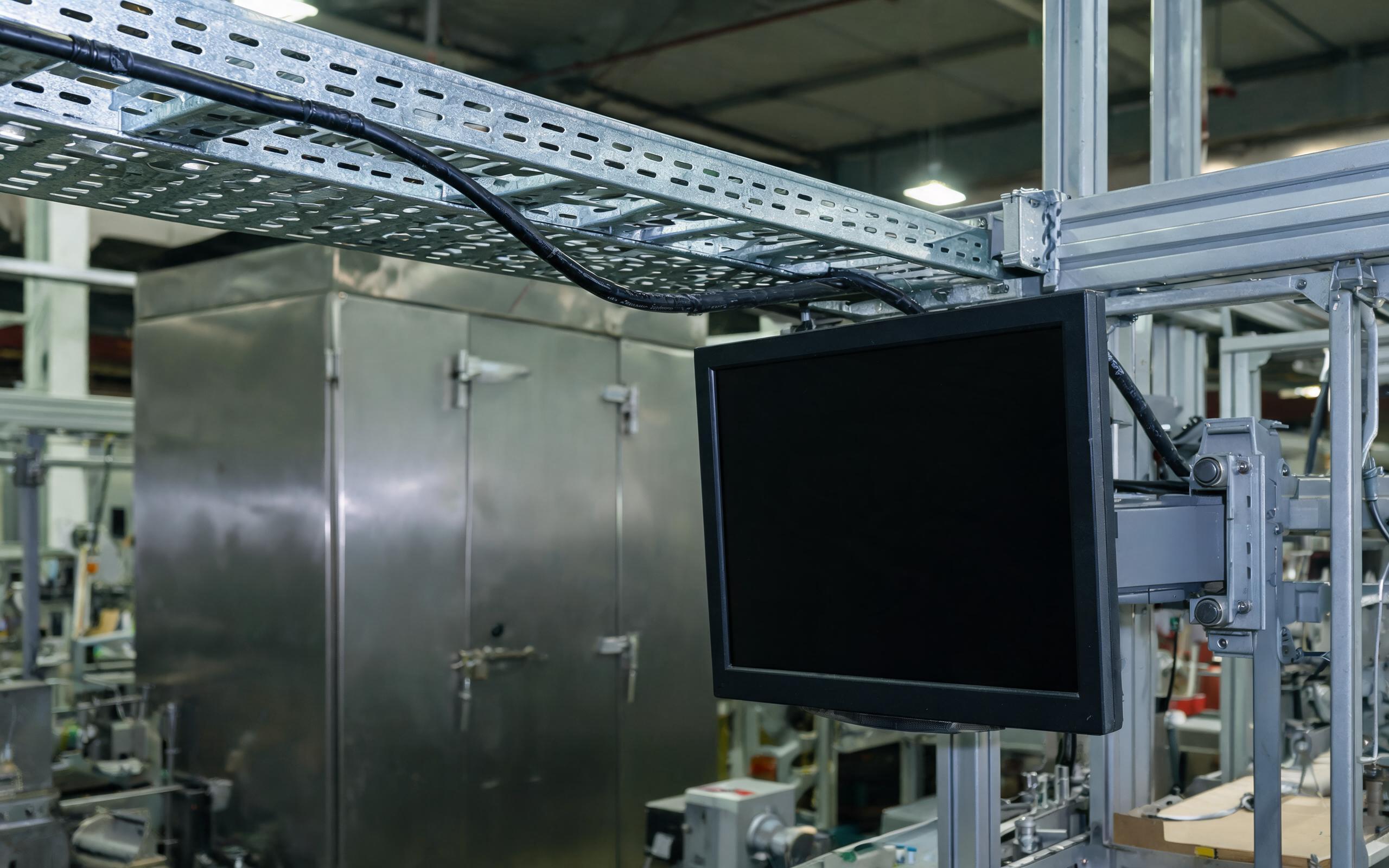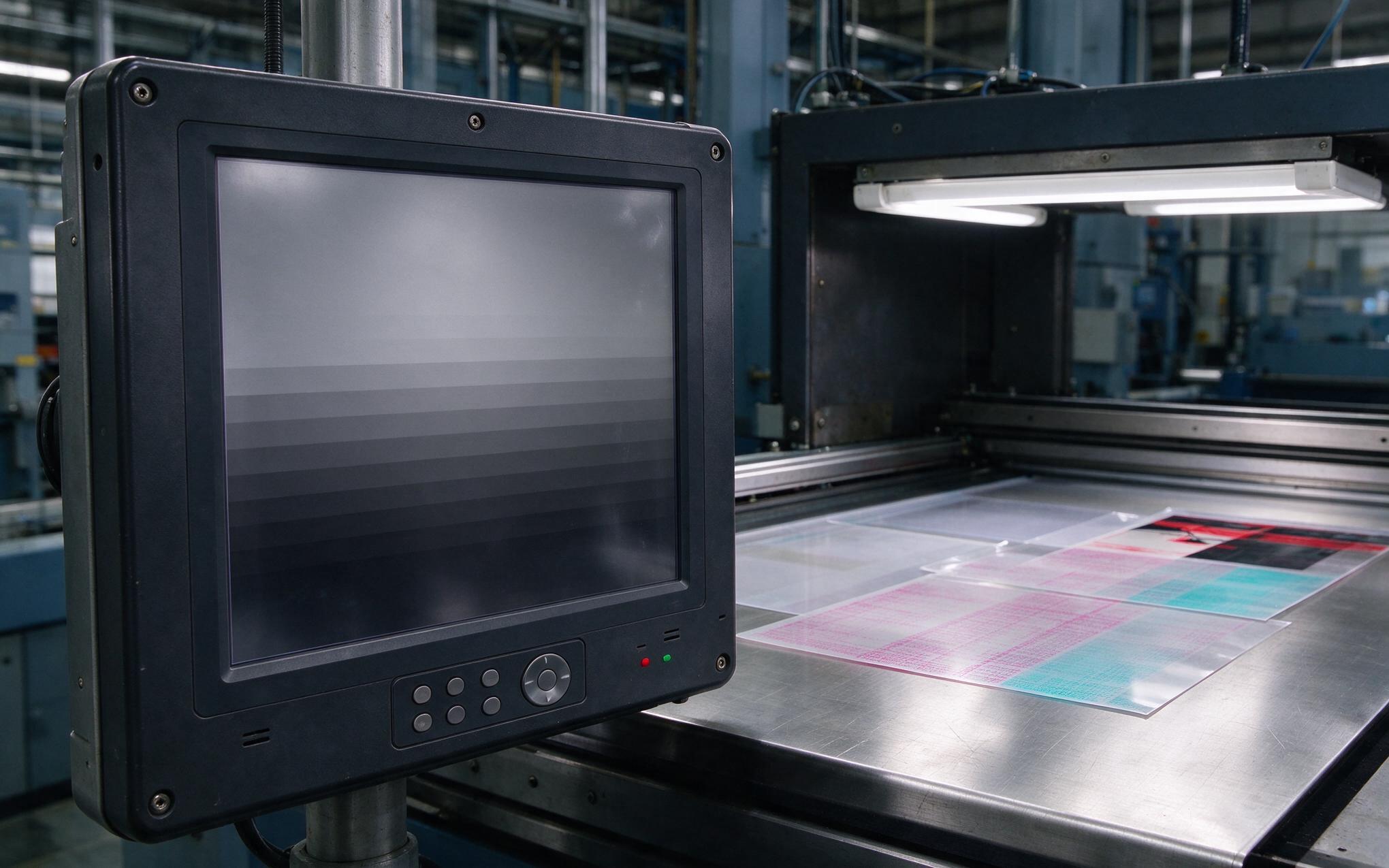
In February 2025, a control terminal at a Midwest stamping plant passed every factory acceptance test—thermal cycling, vibration, and power endurance—only to fail after fourteen months in production. The root cause traced back not to mechanical shock or firmware but to capacitor aging accelerated by sustained junction temperatures that fell within the unit’s rated envelope. That gap between laboratory qualification and field reality is where component aging becomes the silent killer of wide temperature panel pc reliability. Lab testing validates a panel pc under controlled thermal cycling, typically minus twenty to sixty degrees Celsius over hundreds of hours, yet once the same unit is installed in a steel mill, a cold-chain warehouse, or an outdoor kiosk, it encounters combined stresses no test fully replicates: thermal shock from door openings, radiant heat from furnaces, and diurnal swings that can exceed forty degrees in a single day. Closing this gap requires derating methodology grounded in actual deployment conditions rather than datasheet assumptions alone.

What Causes Components to Age Faster Outside the Lab?
Electronic component derating is the practice of operating a part well below its maximum rated stress—voltage, current, or temperature—to extend its useful life. KOXIAN’s reliability engineering documentation treats this principle as a foundational design constraint for industrial computing platforms. In wide temperature panel pc designs, derating curves published in manufacturer datasheets become the primary engineering tool for predicting lifespan. A capacitor rated for one thousand hours at its maximum operating temperature may survive fifty thousand hours or more when derated by twenty degrees Celsius, following the exponential relationship described by the Arrhenius equation. The challenge for system integrators is that many panel pc vendors specify components at their upper thermal limits rather than at the lower junction temperatures encountered in typical operation, leaving derating margins razor-thin once the unit faces real-world thermal transients. This distinction between datasheet assumptions and deployment conditions is the root cause of most premature field failures in industrial computing hardware.

Engineering Thermal Derating into Wide Temperature Designs
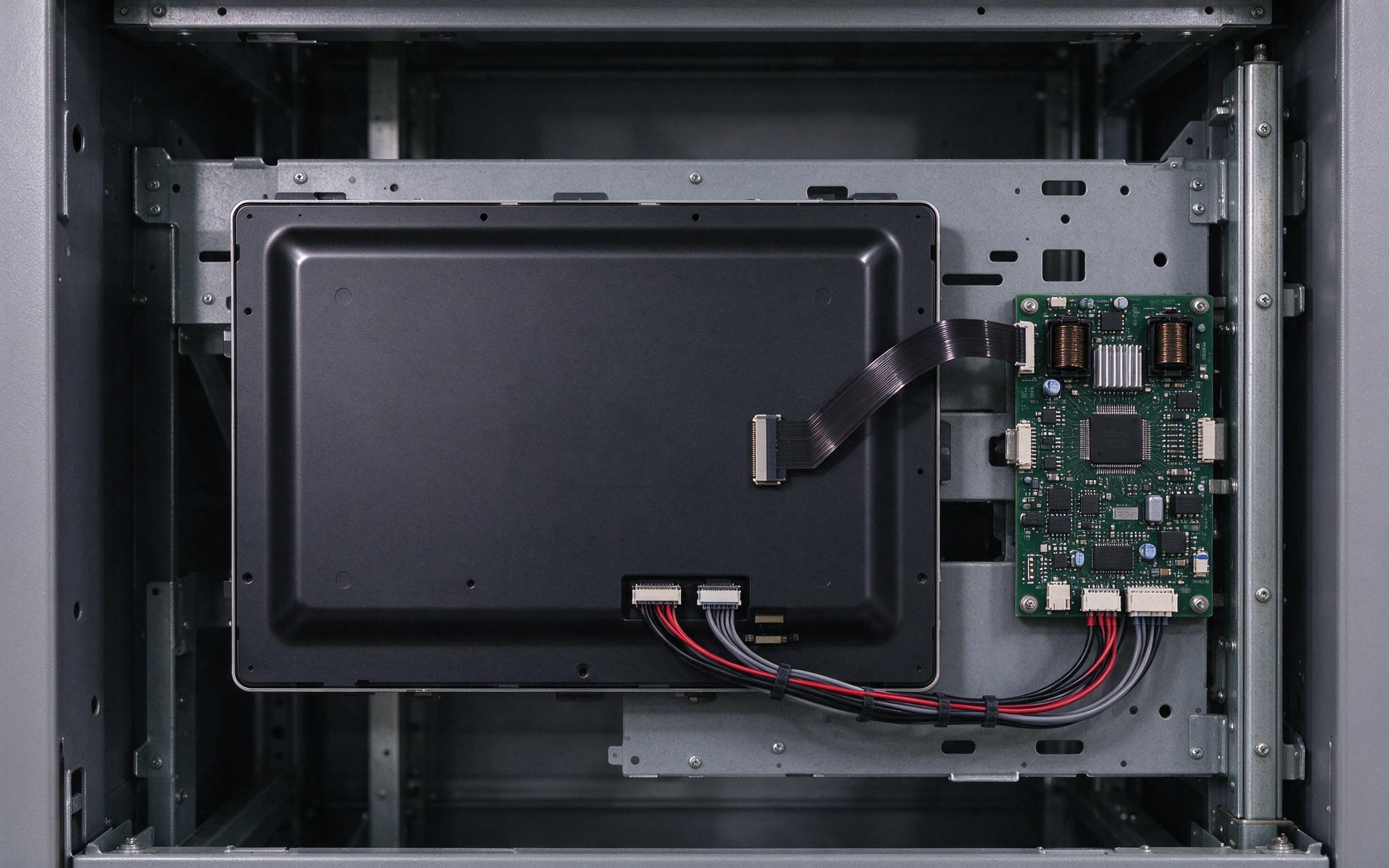
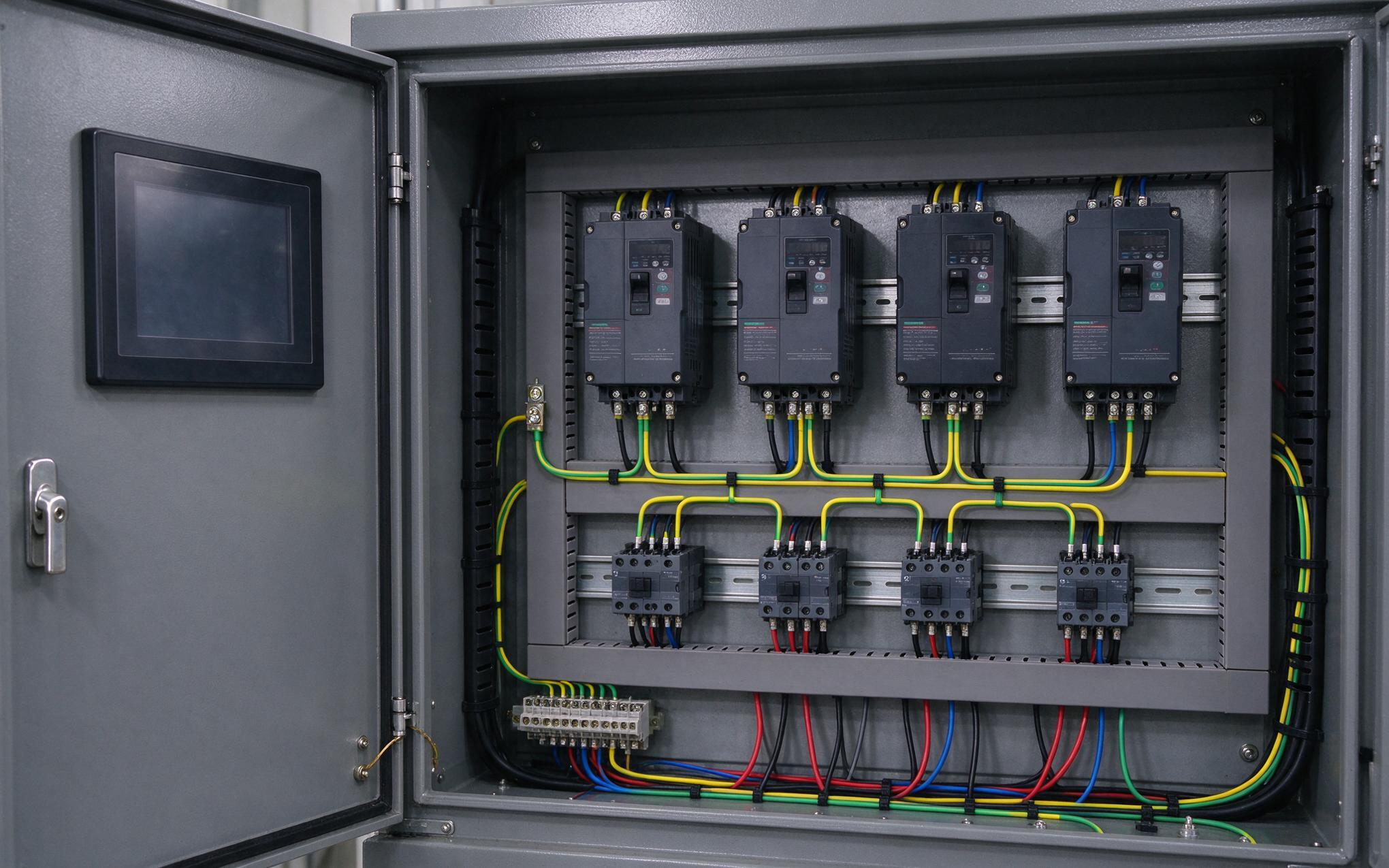
Industrial hardware manufacturers address the lab-versus-field gap through multi-layered design strategies that go beyond selecting high-temperature-rated parts. Conformal coating on printed circuit boards protects against moisture and contaminant ingress that accelerates corrosion at elevated temperatures. Solid-state storage replaces spinning hard drives, eliminating a failure mode that becomes dramatically more likely under thermal cycling stress. Power supply stages are derated independently, with output capacitors chosen for extended temperature ranges and thermal margins that account for worst-case ambient conditions rather than typical operation. In practice, this means specifying a capacitor rated for one hundred and five degrees Celsius in an environment where the maximum expected junction temperature reaches only eighty degrees, building in a buffer that absorbs the inevitable aging-related drift. At the component level, thermal simulation using finite element analysis maps hotspot locations and guides placement of heat sinks and thermal vias to distribute thermal load away from the most vulnerable parts of the assembly. Manufacturers like KOXIAN follow these same derating principles when engineering wide temperature panel pc systems for continuous field deployment.

Through Accelerated Life Testing and Field Validation
Factory acceptance testing alone cannot catch every latent defect, which is why accelerated life testing has become a cornerstone of industrial hardware qualification. At KOXIAN, test engineering teams design accelerated life protocols that include field-correlated thermal profiles rather than relying solely on standardized lab sequences. Highly Accelerated Life Testing subjects wide temperature panel pc units to thermal cycling far beyond their rated range—often between minus forty and eighty-five degrees Celsius in rapid succession—to compress years of thermal stress into weeks of testing. The goal is not merely to confirm the unit survives but to identify which components degrade earliest and whether derating margins hold under combined thermal and mechanical loads. Statistical analysis of test data, using Weibull distributions to model failure rates over time, provides quantitative reliability predictions that can be compared against the target service life. For applications requiring five to seven years of continuous operation—common in transportation, energy monitoring, and outdoor kiosk deployments—this data-driven approach to reliability engineering is what separates a panel pc that quietly serves its purpose from one that becomes a costly maintenance liability.
Selecting a wide temperature panel pc is not just about matching a specification sheet to an ambient range. True reliability comes from understanding how every passive component ages under real-world thermal stress, how derating curves translate into field lifespan, and whether accelerated testing has validated those assumptions with statistical confidence. For engineers evaluating panel pc vendors, the question to ask is not simply what temperature range the unit supports but what derating methodology was applied during design and what field-relevant test data backs the claim. That level of scrutiny separates a procurement decision that holds up for years from one that fails quietly in the middle of a production cycle.