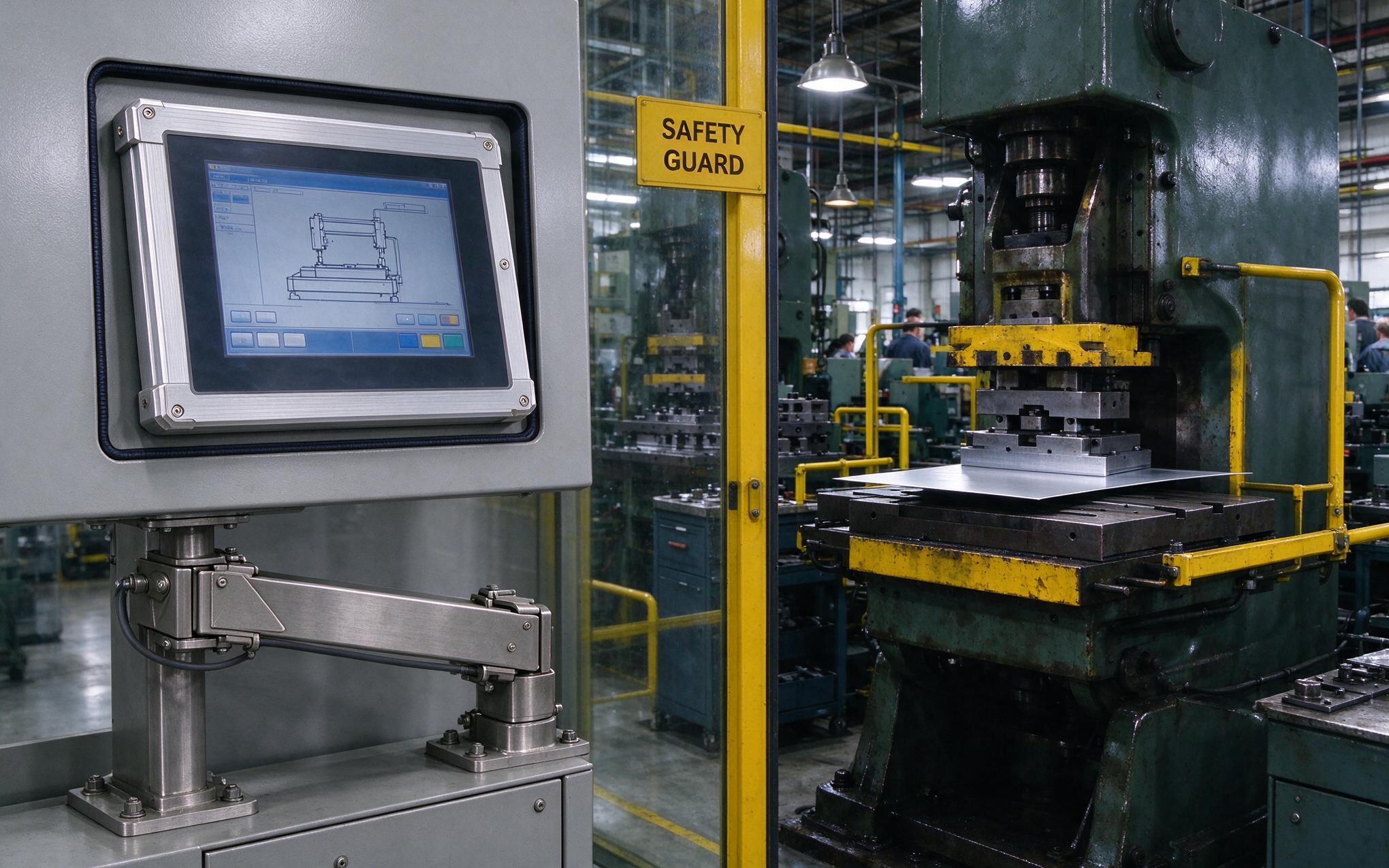
The global industrial touch screen market is projected to grow substantially through 2033, driven by automotive, semiconductor, and battery gigafactory demand for multi-touch interfaces. At the same time, many industrial touch screen panel deployments continue to fail within months: resistive overlays degrade under repeated pressure in cold-storage warehouses, and capacitive drift renders once-responsive panels sluggish in high-vibration welding bays. Failure rates remain high when panels are selected without accounting for glove thickness, cover glass attenuation, or electromagnetic interference at the workstation level. Projected capacitive (PCAP) technology promises to close both durability and usability gaps, but actual performance depends on how well the sensor, firmware, and cover glass are engineered for the specific factory environment. Evaluating PCAP touch sensitivity is the starting point for determining whether a multi-touch gesture panel will survive the realities of the production floor.

Understanding PCAP Touch Sensitivity for Gloved Input
Projected capacitive technology detects touch by measuring capacitance changes when a conductive object approaches an electrode grid embedded behind the cover glass. Industrial touch screen panels designed for glove use typically employ thicker electrode traces and controller firmware that amplifies the signal threshold. Sensor electrode pitch, controller gain settings, and grounding architecture must all be validated with the specific gloves worn by operators on the production line. Capacitive coupling weakens as glove thickness increases beyond three millimeters, which is why tuning the controller firmware to match the glove type—nitrile, leather, or thick rubber—is a prerequisite for reliable gesture input. A poorly tuned panel may register ghost touches or reject valid inputs entirely, undermining the workflow efficiency that multi-touch was meant to deliver.

Integrating Multi-Touch Gesture Interfaces into Manufacturing Execution Systems
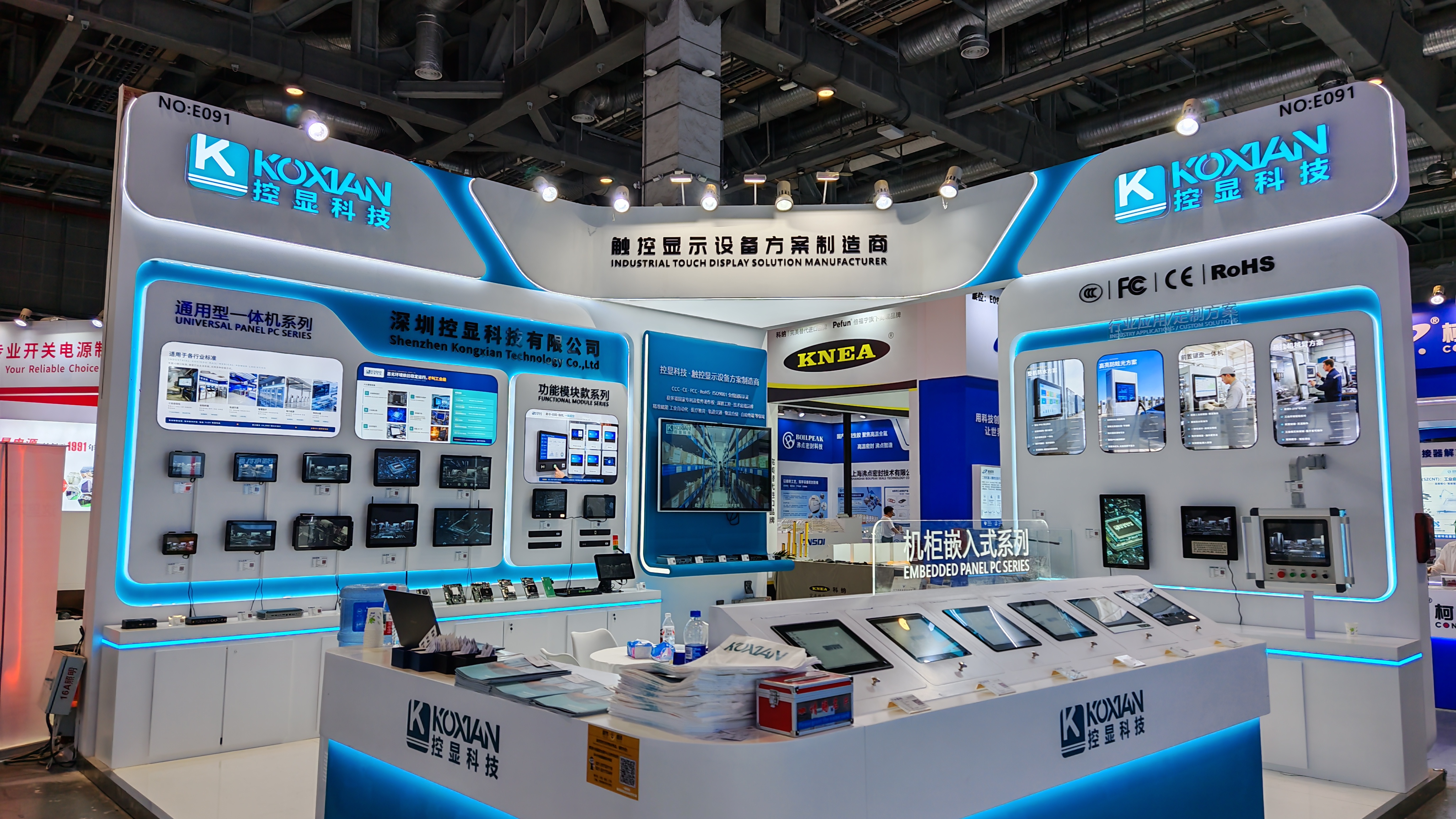
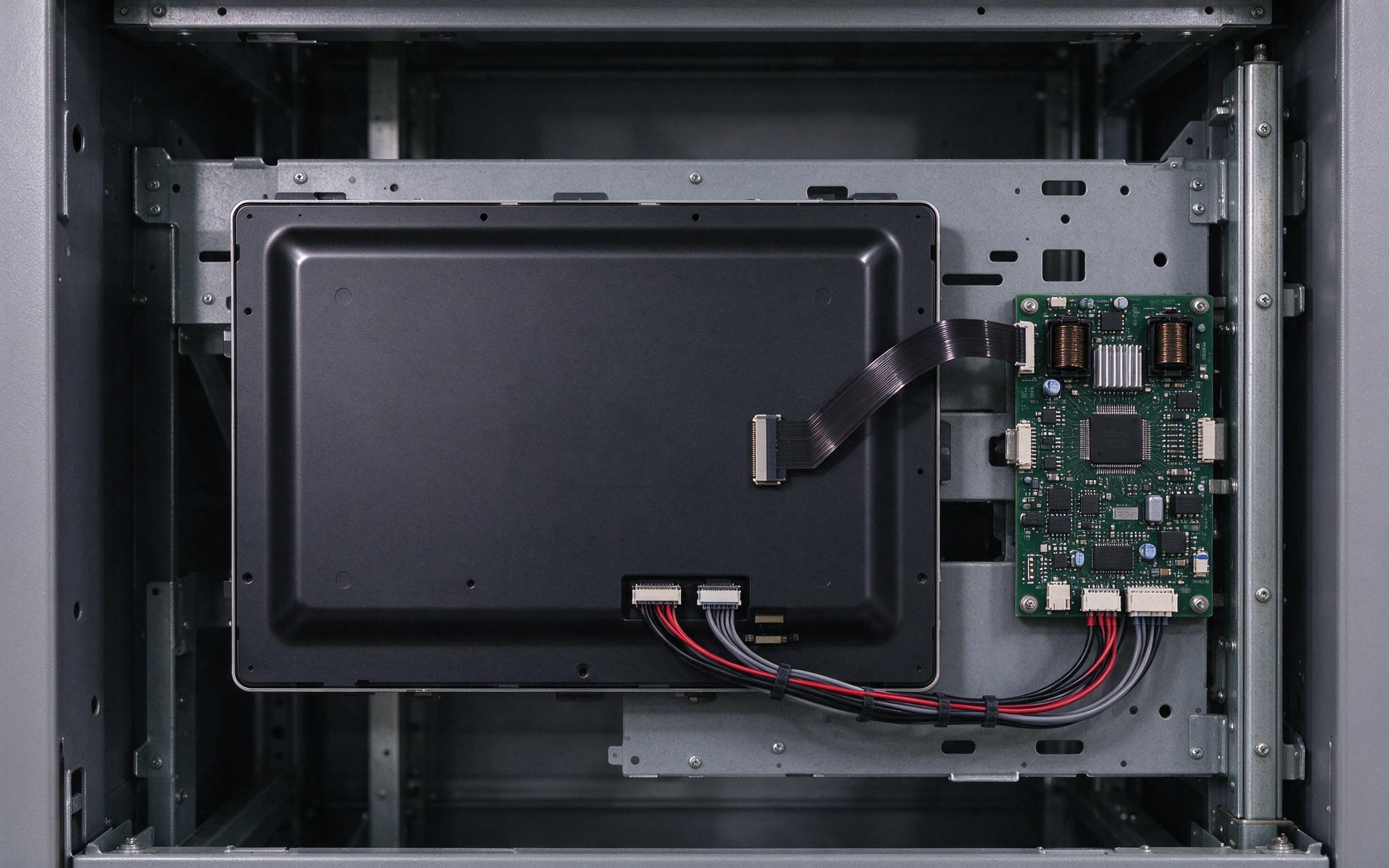
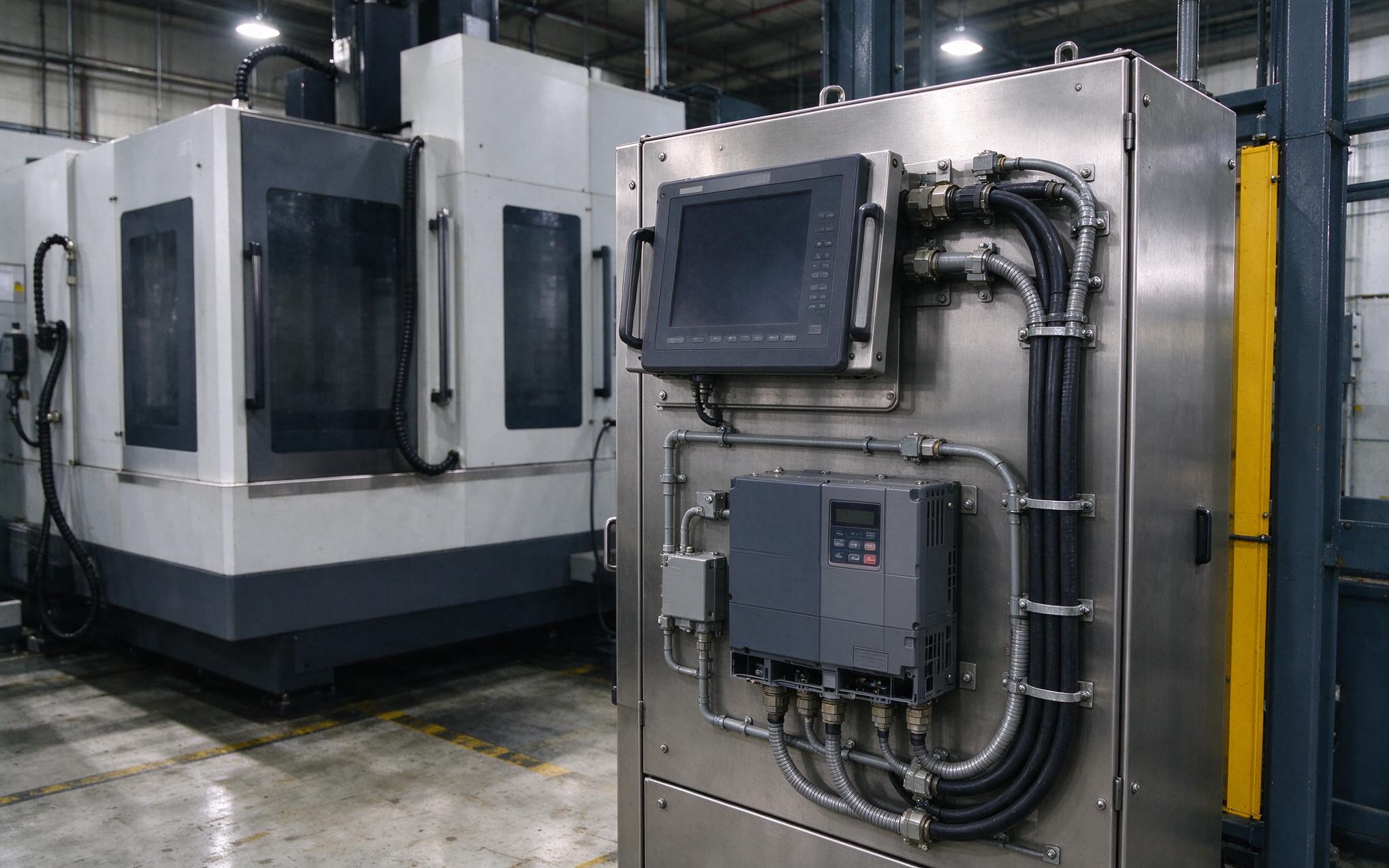
Modern manufacturing execution systems (MES) depend on real-time data input from operators stationed along the production line. Hardware designs from manufacturers like KOXIAN embed high-sensitivity PCAP controllers in panel PCs that connect directly to MES databases via dual Gigabit LAN, enabling sub-12-millisecond response latency even under heavy protective gear. Panels with multi-touch gesture support allow workers to navigate complex menus, zoom into quality inspection images, and swipe through batch records without pausing to locate physical controls. The result is a seamless gesture-driven workflow where operators can update production parameters and flag defects without leaving their station, keeping production data current and reducing transcription errors across the line.

Evaluating Optical Bonding and Cover Glass for Panel Durability
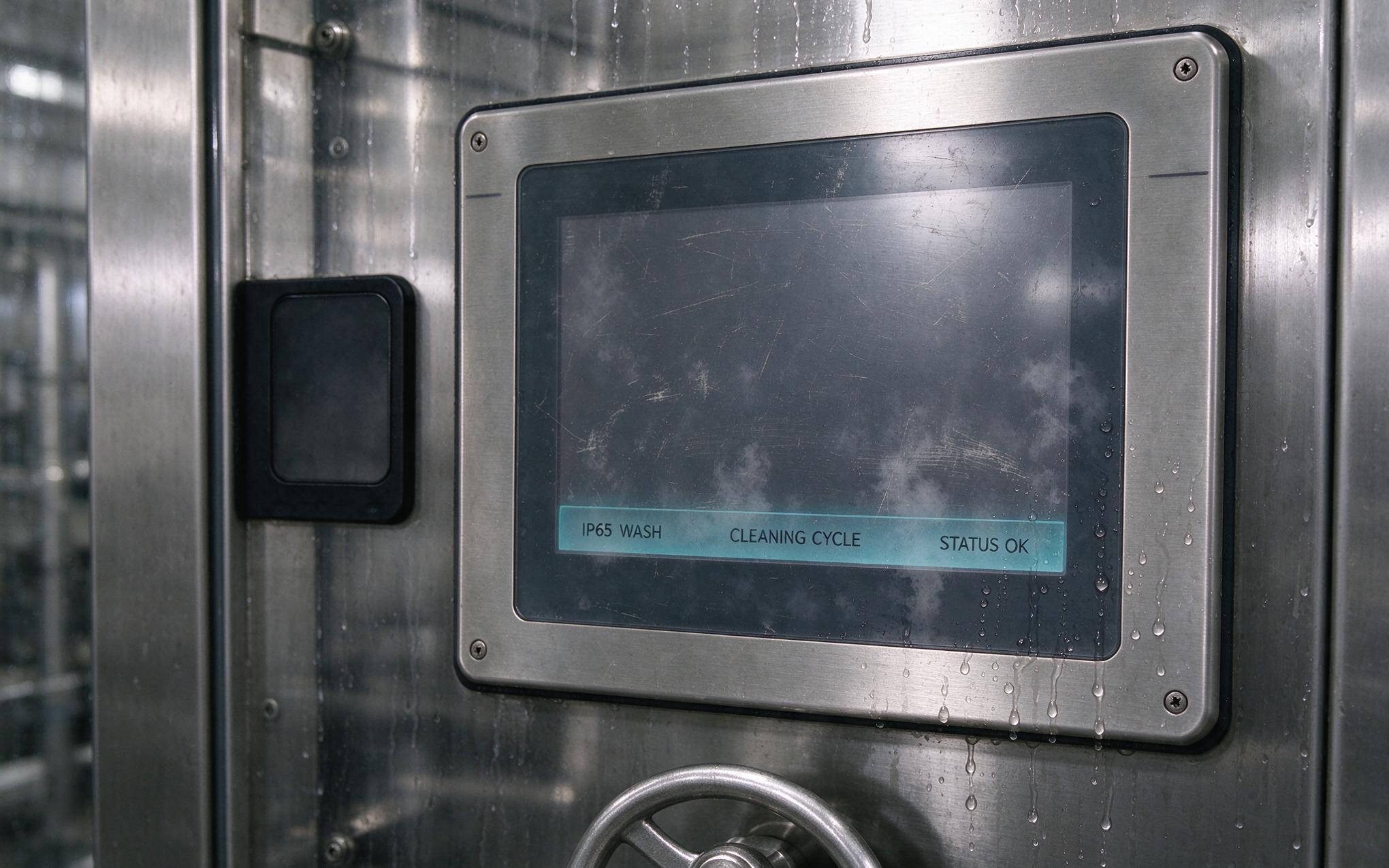
Optical bonding eliminates the air gap between the cover glass and the LCD panel, improving sunlight readability and preventing condensation inside the display module. In industrial touch screen panels deployed in high-temperature paint shops or unheated warehouse loading docks, optical bonding also enhances touch accuracy by reducing parallax offset between the finger contact point and the displayed image. Cover glass thickness plays a dual role: thicker glass improves scratch resistance and impact protection but attenuates the capacitive signal reaching the sensor layer. Implementations like those found in KOXIAN panel PCs use chemically strengthened cover glass bonded to industrial LCD panels with factory-calibrated PCAP firmware, reducing the commissioning burden for integrators deploying across multiple production cells. System integrators must still balance glass thickness against signal attenuation by selecting chemically strengthened glass in the range of two to three millimeters, paired with controller firmware tuned for the specific glass-to-sensor gap.

Conclusion
Multi-touch gesture workflows on the factory floor depend on more than just a capacitive sensor behind glass. Reliable performance requires intentional tuning of PCAP touch sensitivity for the specific gloves, cover glass, and electromagnetic conditions present at each workstation. When industrial touch screen panels are integrated with optical bonding, glove-compatible firmware, and direct MES connectivity, the result is a gesture-driven interface that accelerates production data entry and reduces operator error across assembly, inspection, and packaging stations.