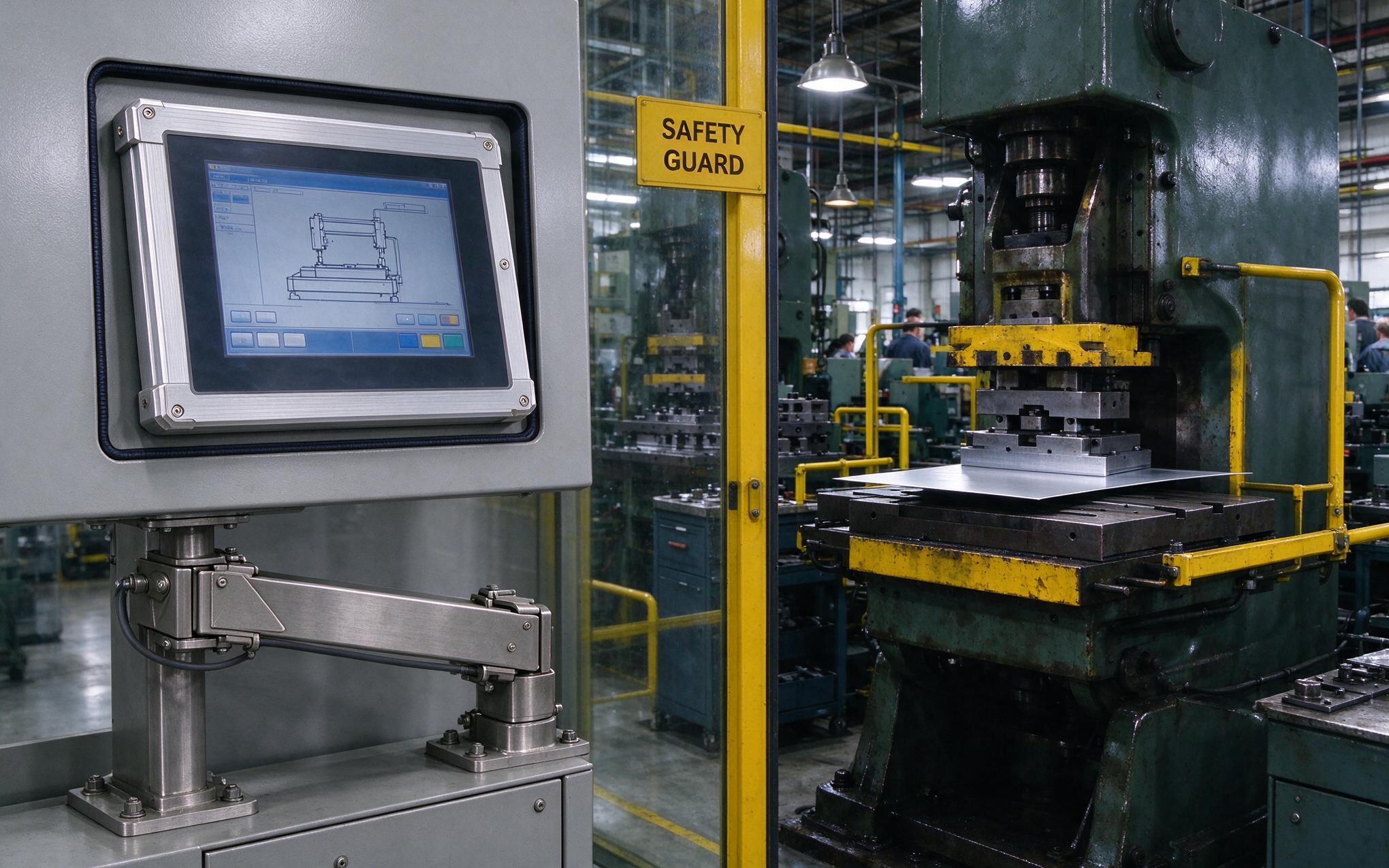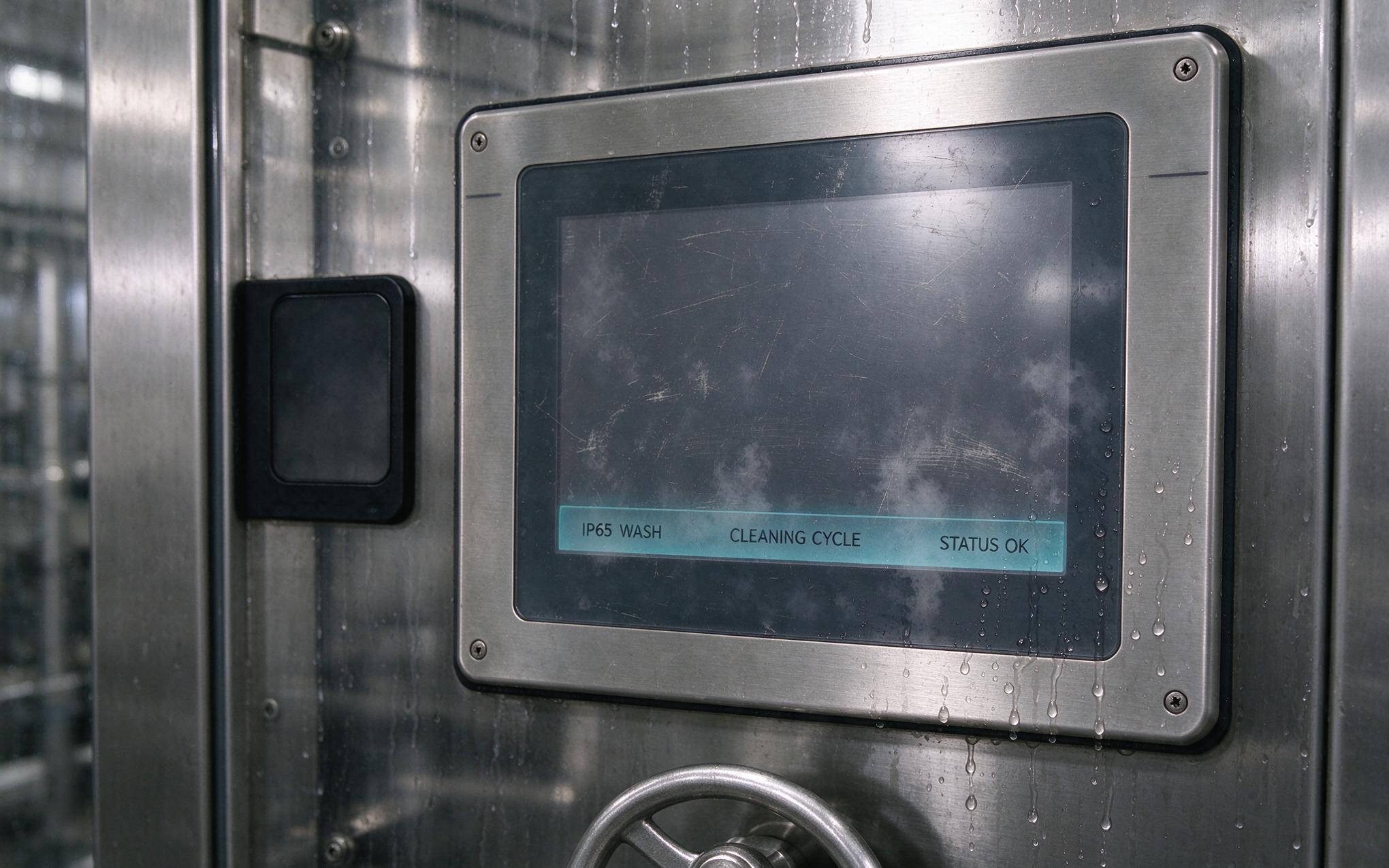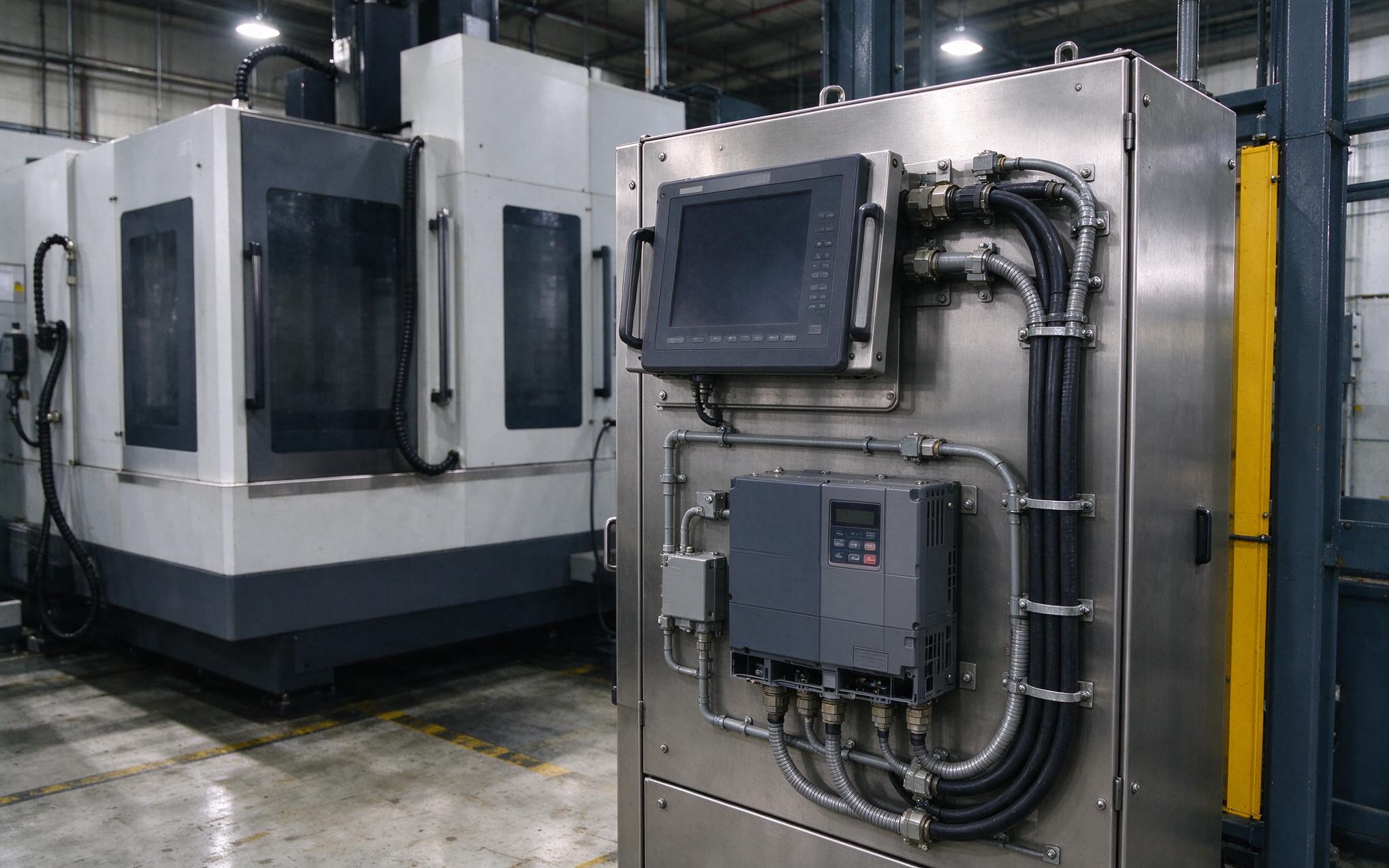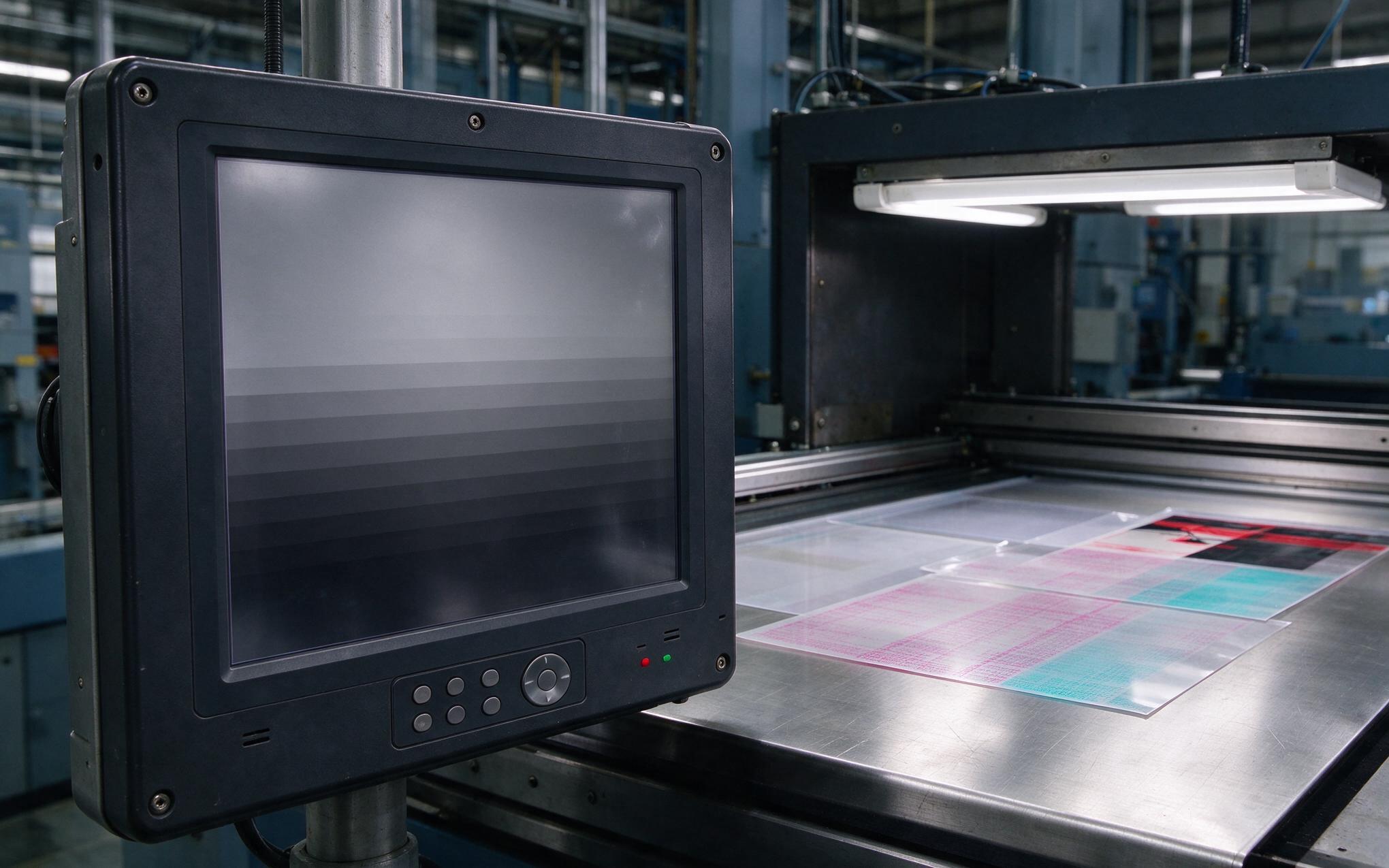
IEC 62262 impact testing standards determine whether a rugged industrial display survives the mechanical stresses that factory floors impose daily. When a pneumatic wrench slipped from a maintenance technician’s grip at an automotive stamping plant last quarter, the resulting impact shattered a 21.5-inch panel mount display on the press control station. The unit was marketed as “industrial grade,” yet its IK05-rated enclosure offered no meaningful protection against a 2-kilogram tool striking the glass at waist height. Production halted for four hours while technicians sourced a replacement, and the root cause traced directly to an IK rating that was never verified during procurement.

Under IEC 62262 Impact Testing Protocols
IEC 62262 specifies a pendulum hammer test that delivers defined energy levels to a fully assembled enclosure. The IK scale runs from IK00 (no protection) through IK10 (20 joules), with each level representing a specific energy absorption threshold. A 5-kilogram striker dropped from 400 millimeters generates the 20-joule impulse for IK10 certification. The test strikes the enclosure at multiple locations — front face, edges, and corners — under conditions simulating real-world impact scenarios.
For a rugged industrial display, the critical distinction is that IK ratings evaluate the complete assembled unit, not just the cover glass in isolation. A 5-millimeter tempered glass panel may achieve IK08 alone, yet the same glass in a poorly supported bezel may only pass IK06 assembled. This assembled-unit testing approach, documented across multiple factory audits by KOXIAN field engineers, reveals why component-level IK claims frequently overstate real-world protection. Edge support, bezel clamping force, and shock-absorbing gasket selection collectively determine whether the assembly absorbs 20 joules without cracking, and glass thickness correlates directly with impact capacity — 4-millimeter glass typically reaches IK08, while 6-millimeter and above approaches IK10, provided the surrounding structure distributes the load effectively.

Through Optical Bonding and Layer Engineering
The layer stack inside a rugged industrial display plays a decisive role in impact survival beyond glass thickness alone. Optical bonding — filling the air gap between cover glass and LCD panel with optically clear adhesive — transforms the display from two independent layers into a unified composite. Under impact, an air-bonded display concentrates stress at the glass surface, while an optically bonded assembly distributes energy across the full lamination stack. OCA bonding is specified as standard for IK10-rated displays by KOXIAN rather than treated as an optional upgrade, because this structural difference in impact distribution directly affects field survival rates.
For a rugged industrial display, chemically strengthened aluminosilicate glass adds another protection layer through surface compression. The ion-exchange process replaces surface sodium ions with larger potassium ions, creating a compressive stress layer that arrests micro-fractures before they propagate into structural failure. Combined with ground and polished edge finishing rather than as-cut edges, the glass assembly maintains integrity across repeated impacts that would fracture standard soda-lime glass on the initial strike.

Across Factory Floor Deployment Scenarios
Selecting the appropriate IK rating for a rugged industrial display requires matching protection to actual impact threats at the deployment site. A control room display behind a locked door faces minimal risk — IK07 or IK08 may suffice. A display at fork-lift height in a warehouse aisle faces regular collision probability from pallet edges and vehicle mirrors, demanding IK09 or IK10. Outdoor kiosks in public areas face intentional vandalism where only IK10 provides adequate long-term survival confidence.
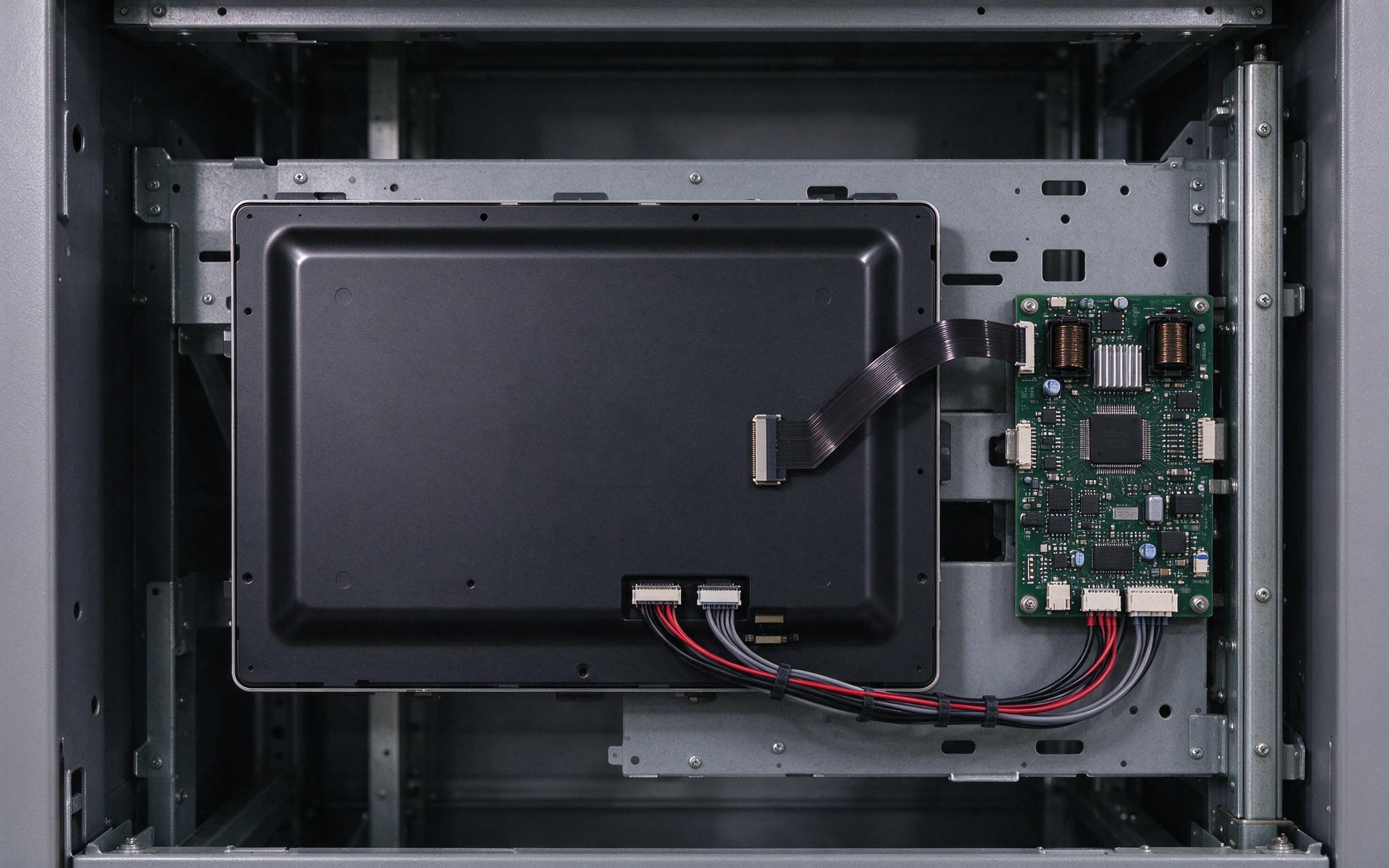
Procurement teams often underestimate impact risk by evaluating only the panel specification without considering installation context. A display rated IK10 at the panel level may only achieve IK08 in a thin-sheet-metal enclosure with minimal rear support. Site surveys should document traffic patterns, proximity to mobile equipment, and the likelihood of accidental or deliberate impact events. Application-specific assessment guidance from vendors maps site conditions to appropriate IK specifications, preventing both cost-inflating over-specification and failure-prone under-specification.
Impact resistance standards give procurement teams a measurable framework for evaluating how a rugged industrial display will perform under mechanical stresses. IEC 62262 IK ratings — backed by proper glass engineering, optical bonding, and enclosure design — translate abstract durability claims into testable specifications. Matching the IK rating to actual site threats, verifying assembled-unit ratings rather than isolated components, and confirming enclosure structure supports the target rating are the steps that prevent costly display replacements and unplanned downtime.