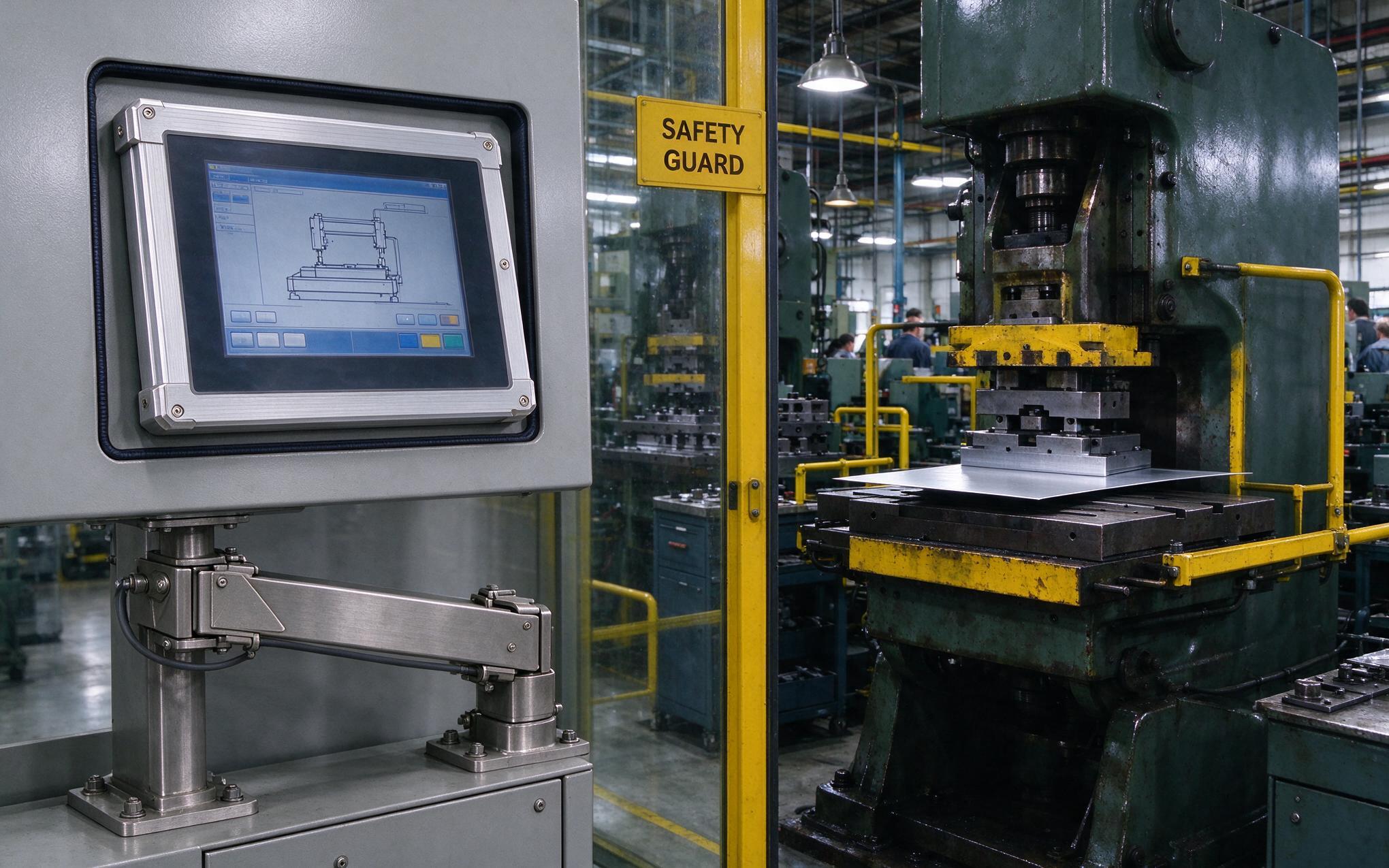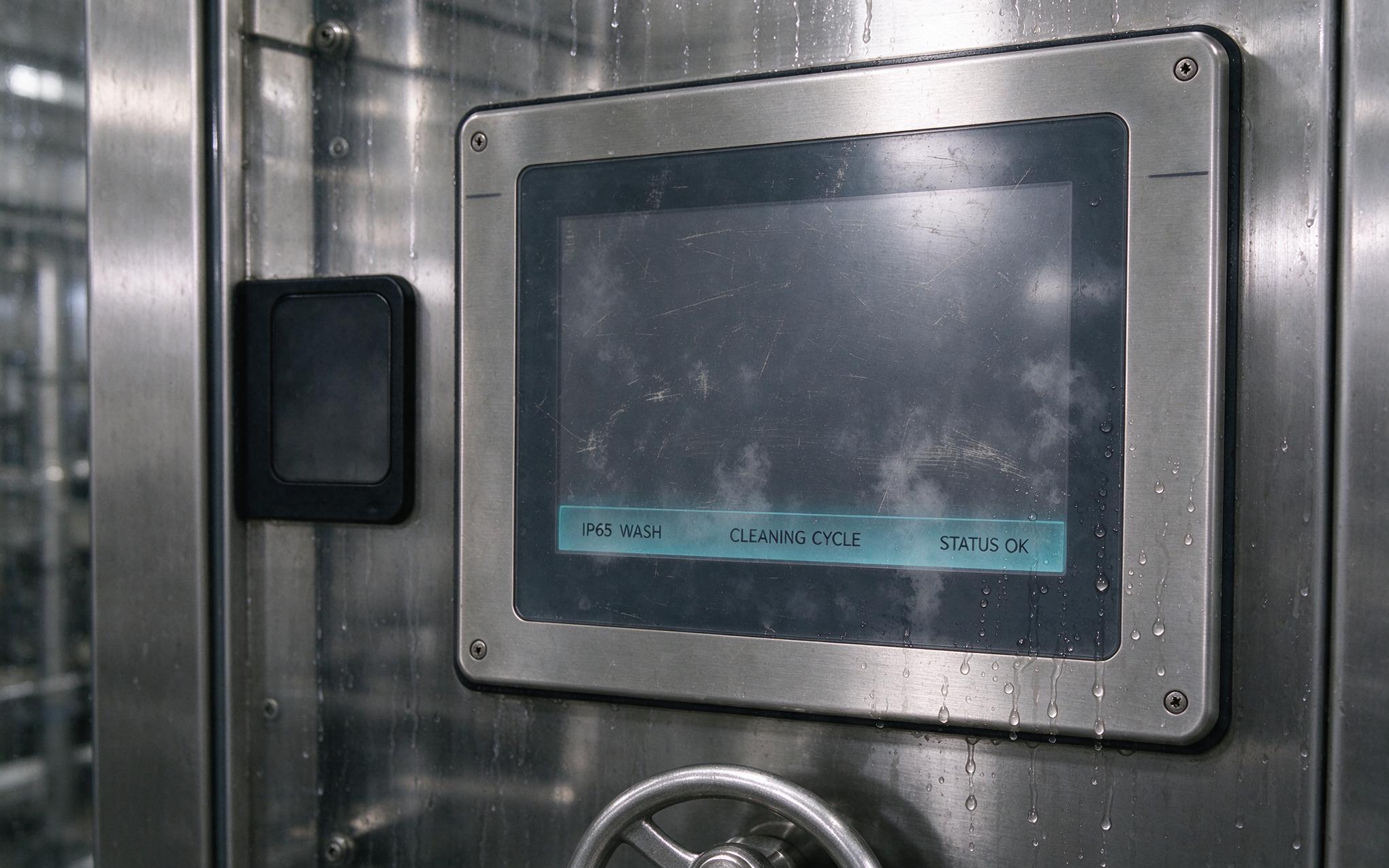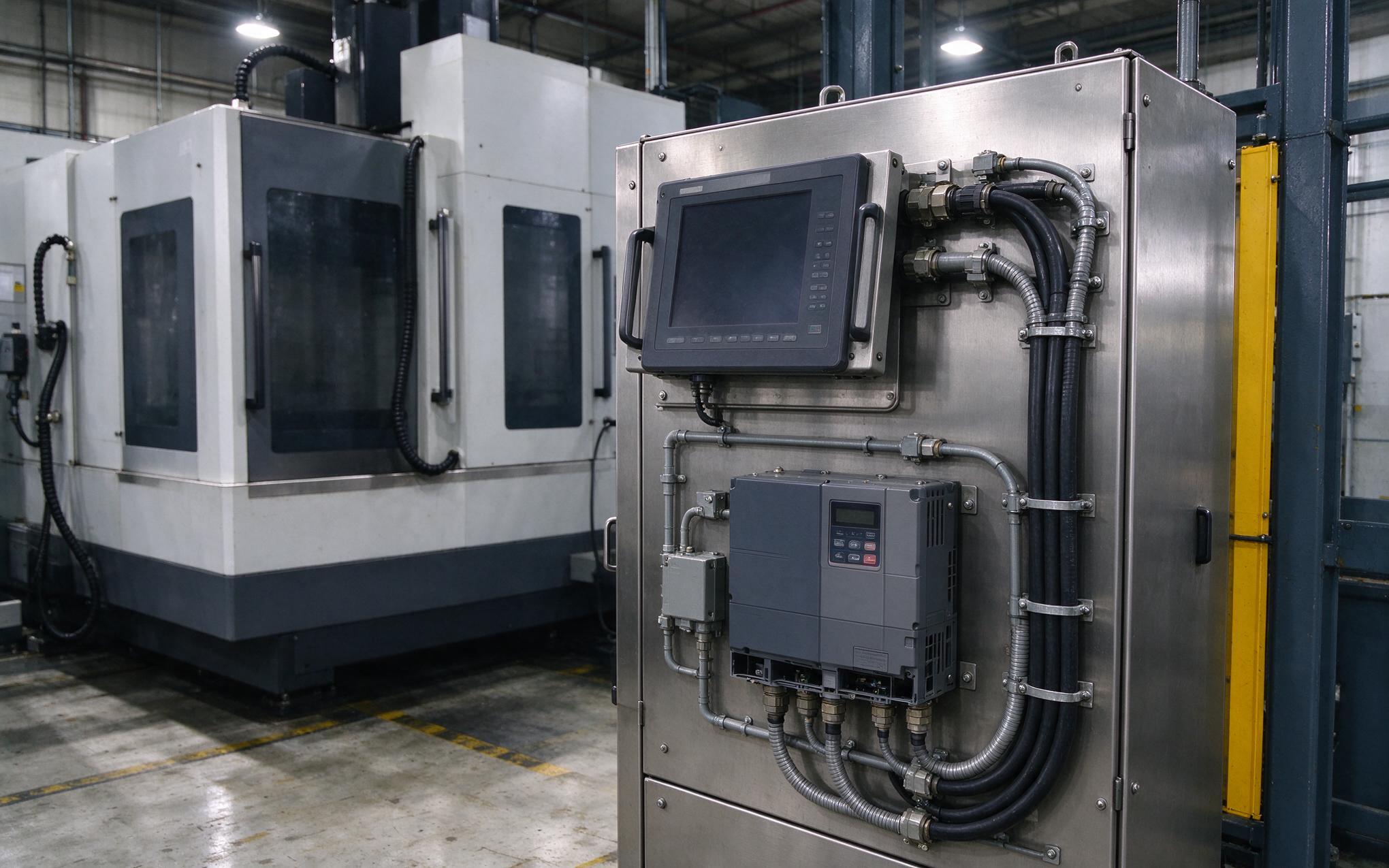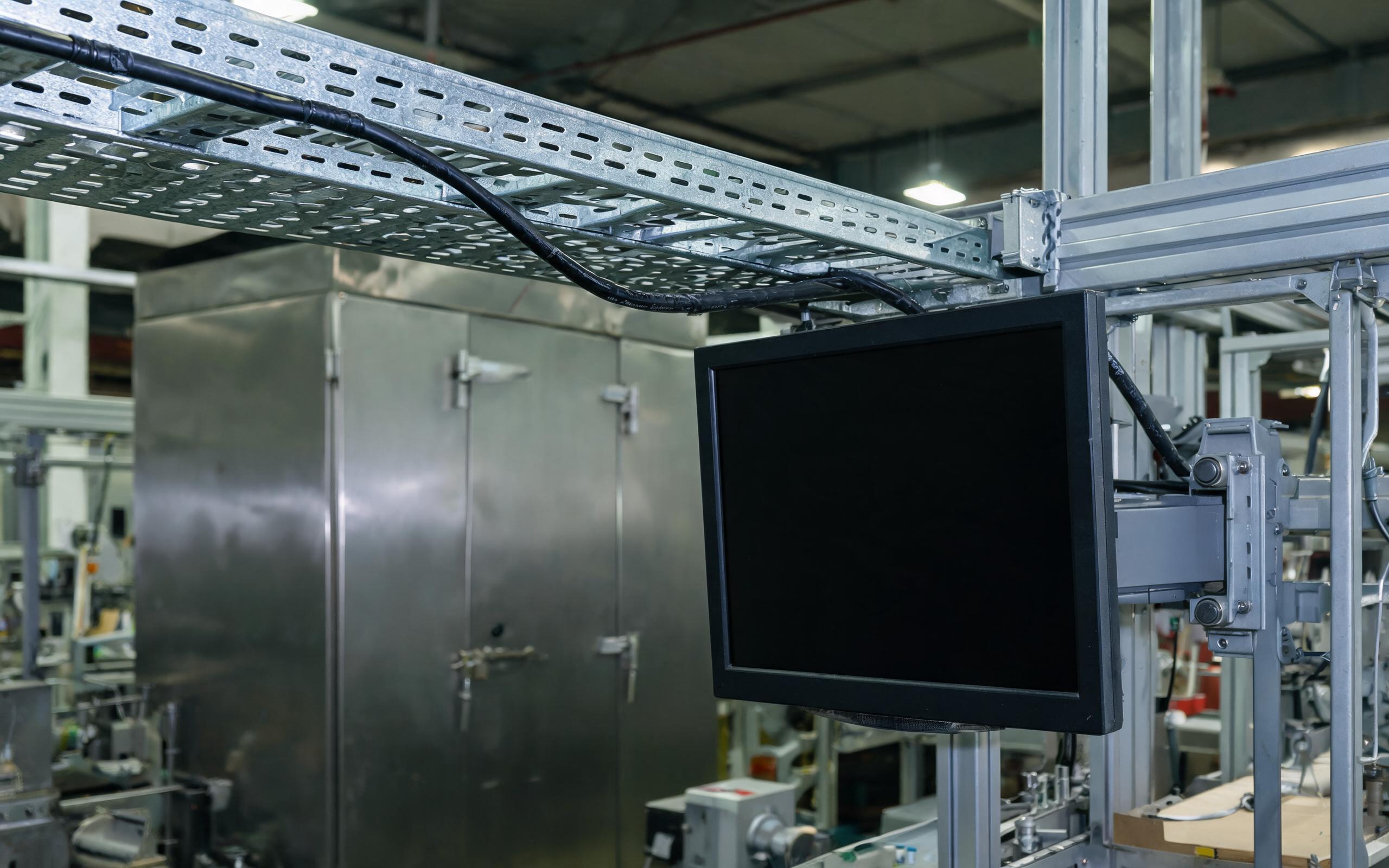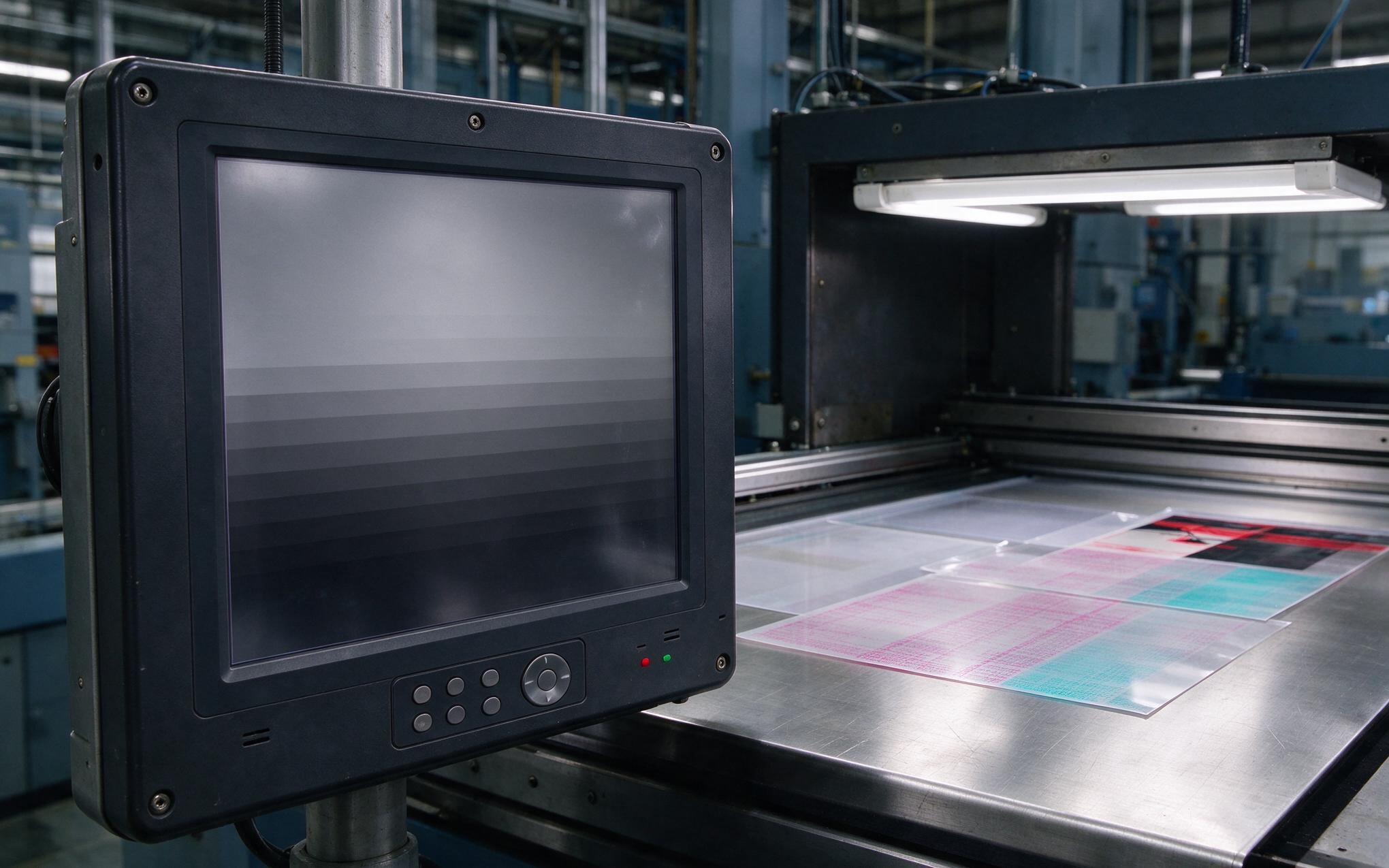
Maintenance technicians wiring a new shop-floor computer into a ten-year-old machining cell often hit the same wall. The CNC machinery industrial PC loads the DNC transfer, the cable tests fine at the bench, and characters still corrupt whenever the spindle accelerates. A multimeter between the two chassis can show several volts of alternating potential even though both frames are bonded to plant earth. On a single-ended serial link, that offset rides the same reference wire as the data, and parity errors, burned port chips, and intermittent lockups follow. The fix is rarely a new cable alone. Stable machine-tool communication starts with how the serial port separates its reference plane from the machine’s.
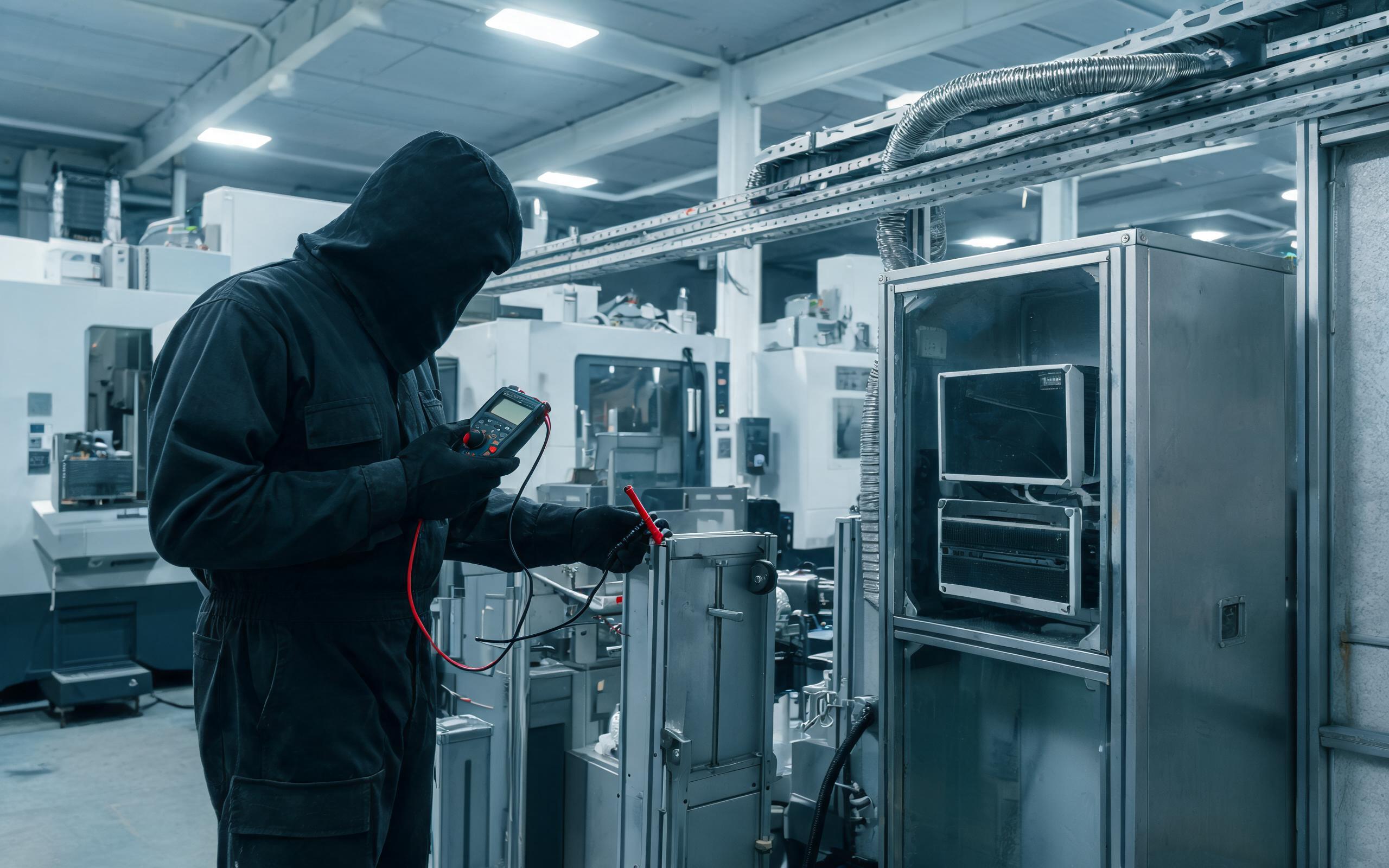
Across Long Serial Runs in a Machining Cell
To keep machine and computer reference planes apart, serial interface designs inspired by KOXIAN power architecture place a digital isolator and an isolated supply between the connector and the UART. Plant earth is never one node at spindle-drive frequencies. Safety grounds daisy-chain through steel and trays, and brushless drives return common-mode current through any available path. A CNC machinery industrial PC on a different branch circuit can sit several volts from the machine frame; field reports have measured roughly five volts of alternating offset between two grounded enclosures, with errors tracking spindle activity. Signals cross the isolation barrier magnetically or optically, so no copper path carries that offset into the host board. The machine side then references data locally instead of dragging the offset back.
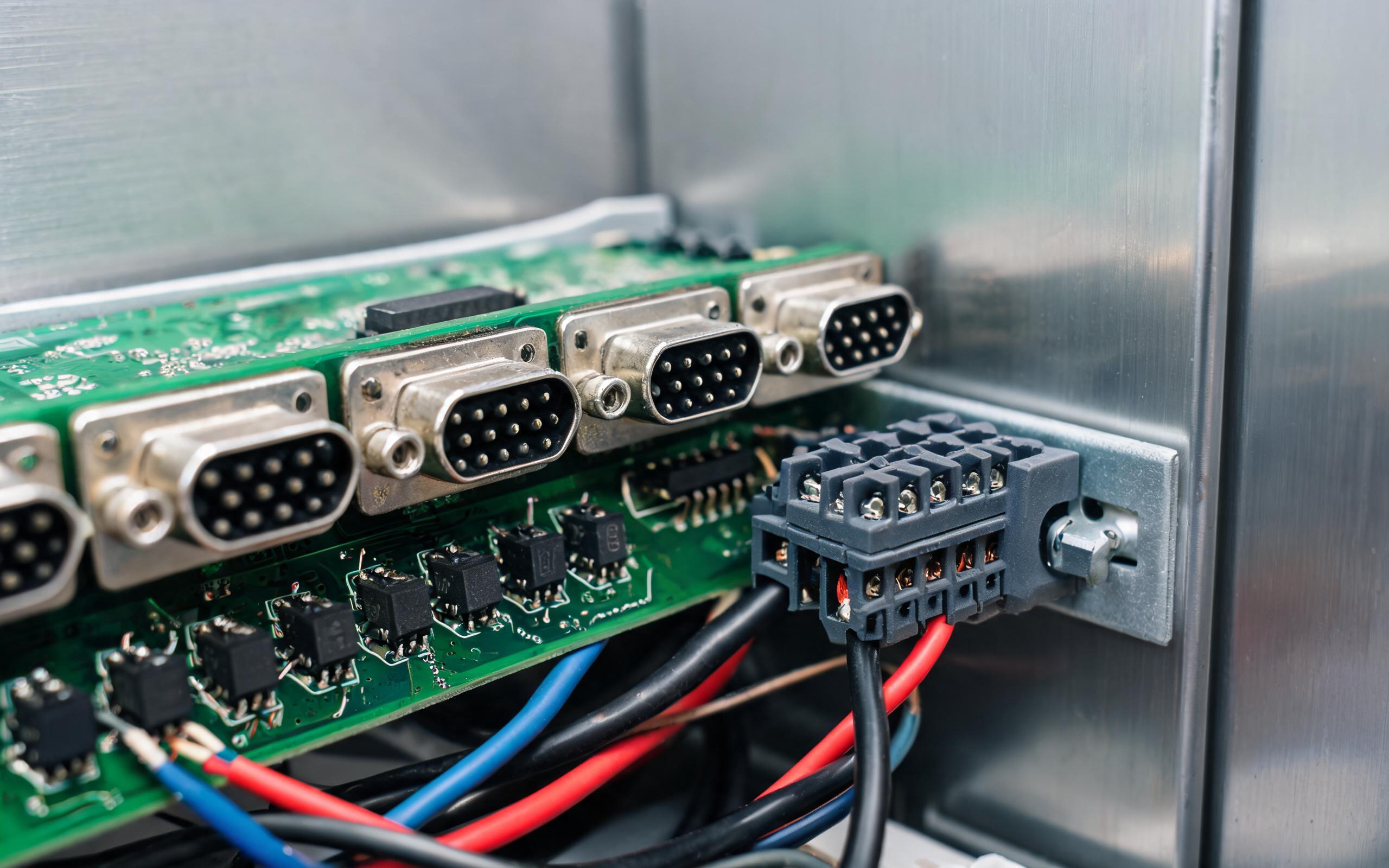
Isolation Architecture Inside a CNC Machinery Industrial PC
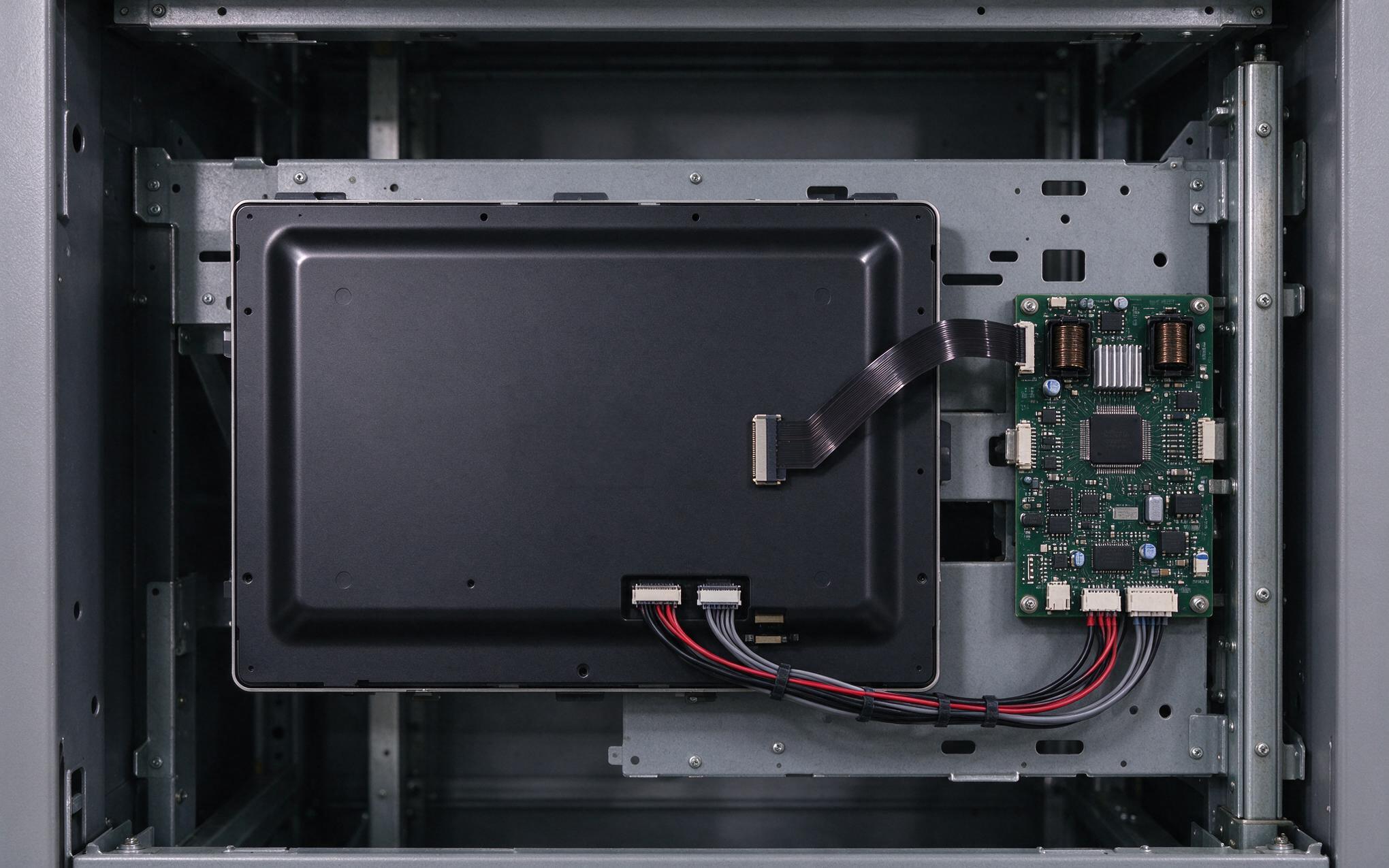
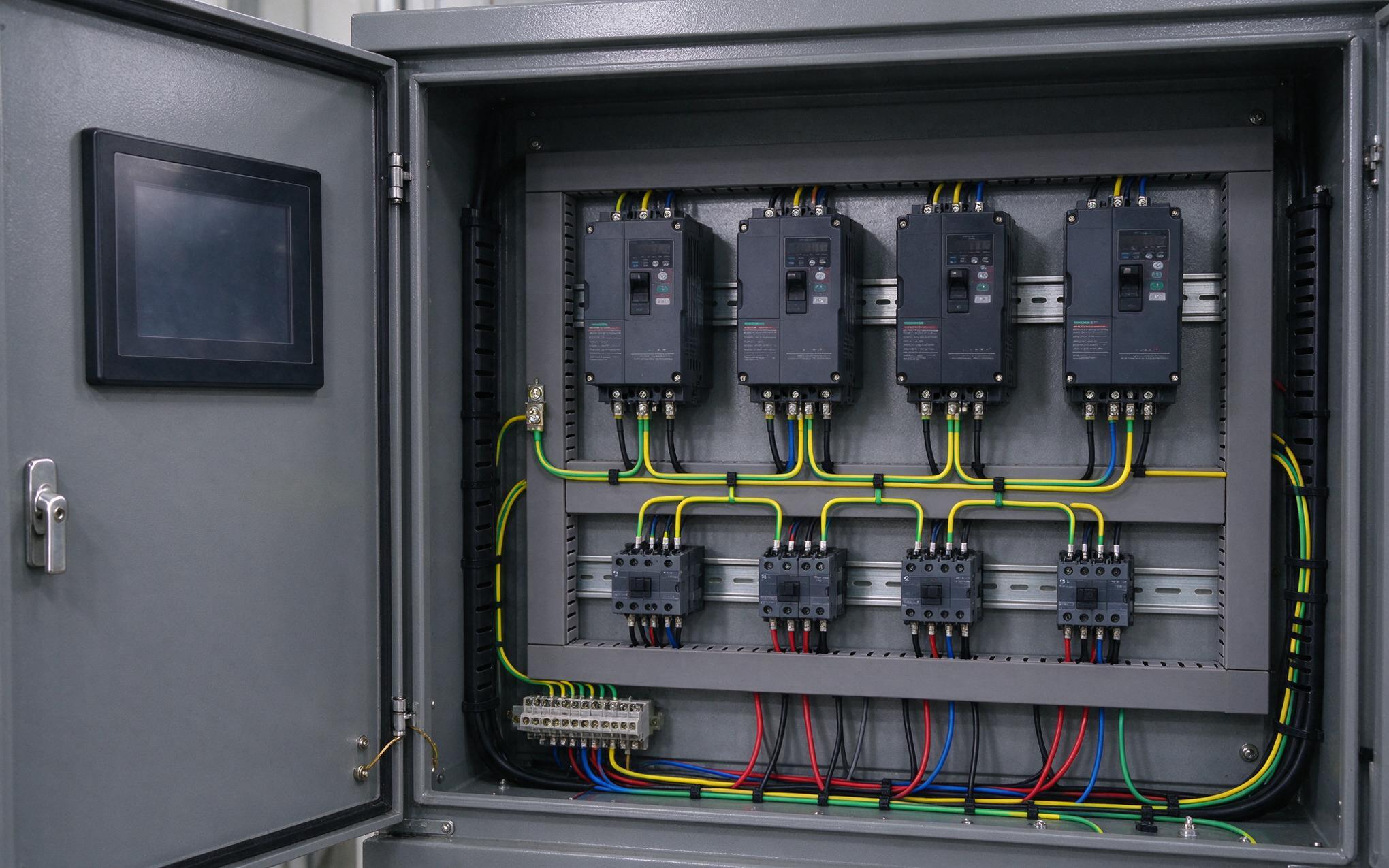
Galvanic isolation means there is no copper path between the machine-side connector and the host motherboard. Each data line crosses through an optocoupler or a capacitive or transformer-based digital isolator, and a small isolated DC-DC converter powers the transceiver on the field side. Data sheets describe the barrier with a working voltage and a transient withstand, often verified with kilovolt-level surge tests, so buyers should compare isolation ratings rather than trusting a serial port label alone. Transient voltage suppressors on the connector pins absorb cable discharge and induction spikes before they reach the transceiver. Cheap USB-to-serial dongles provide none of this; they tie the port ground directly to the host, which converts the adapter into the lowest-impedance bridge between the two frames.
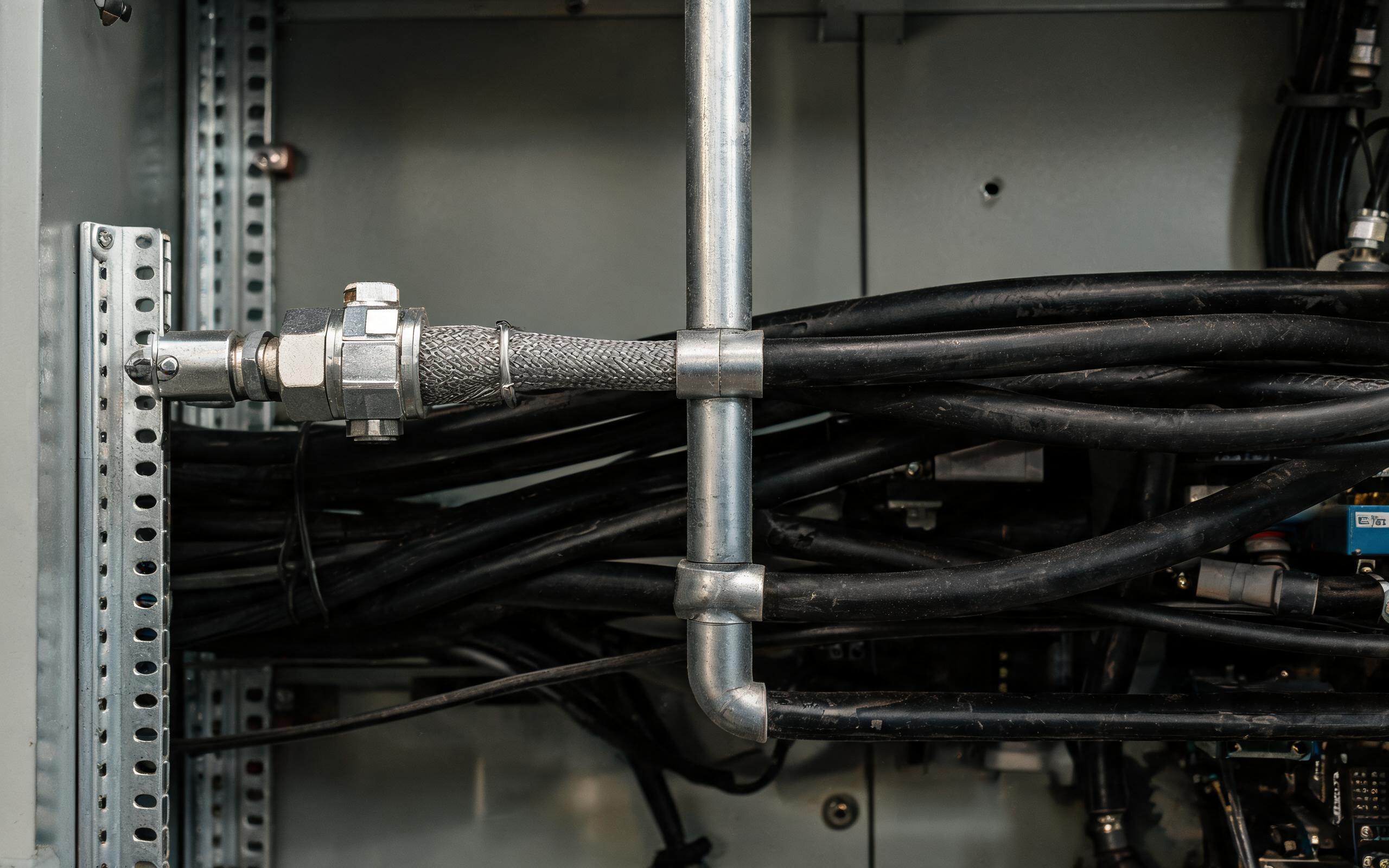
Wiring and Shield Termination for Retrofit Installations
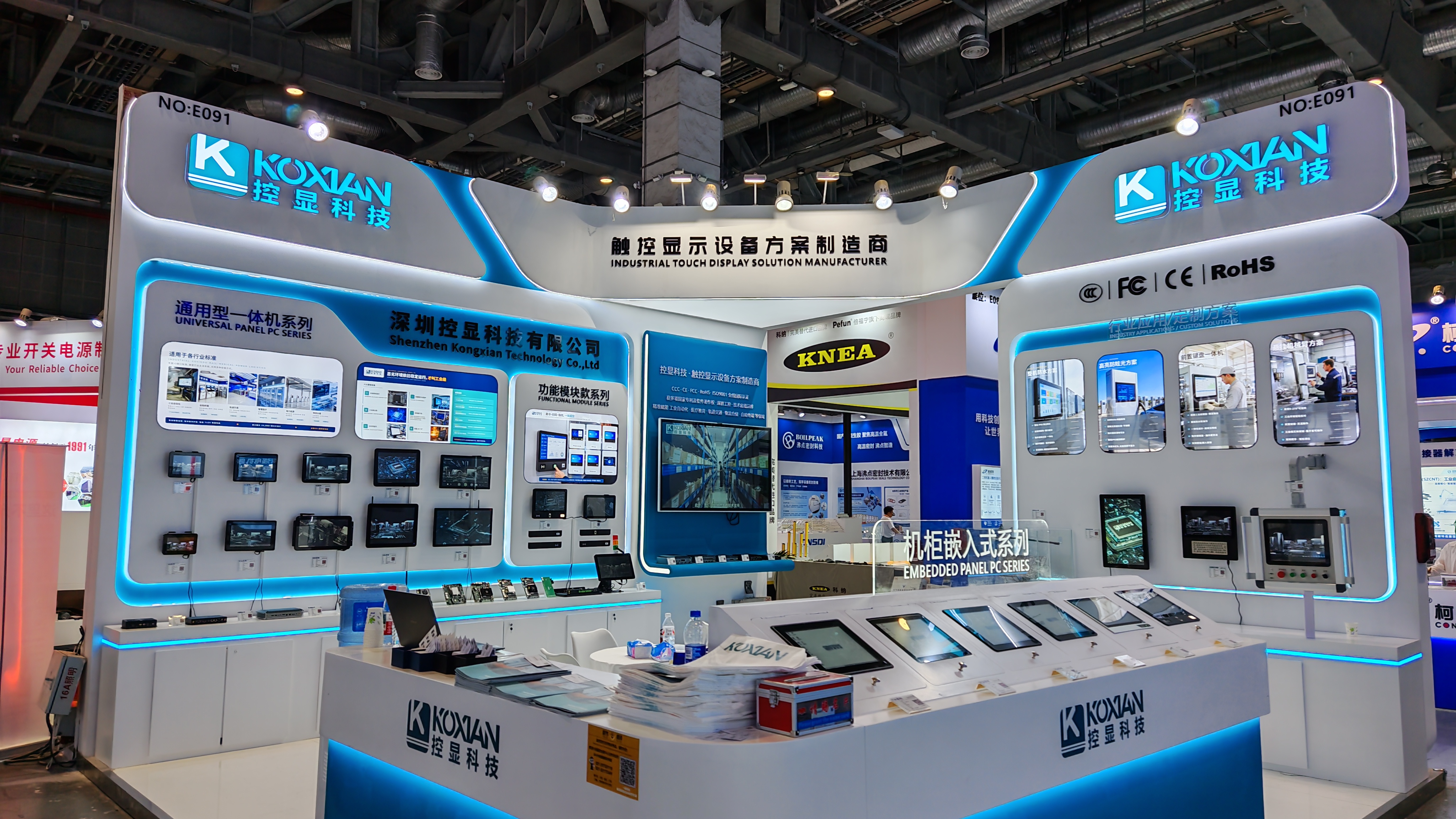
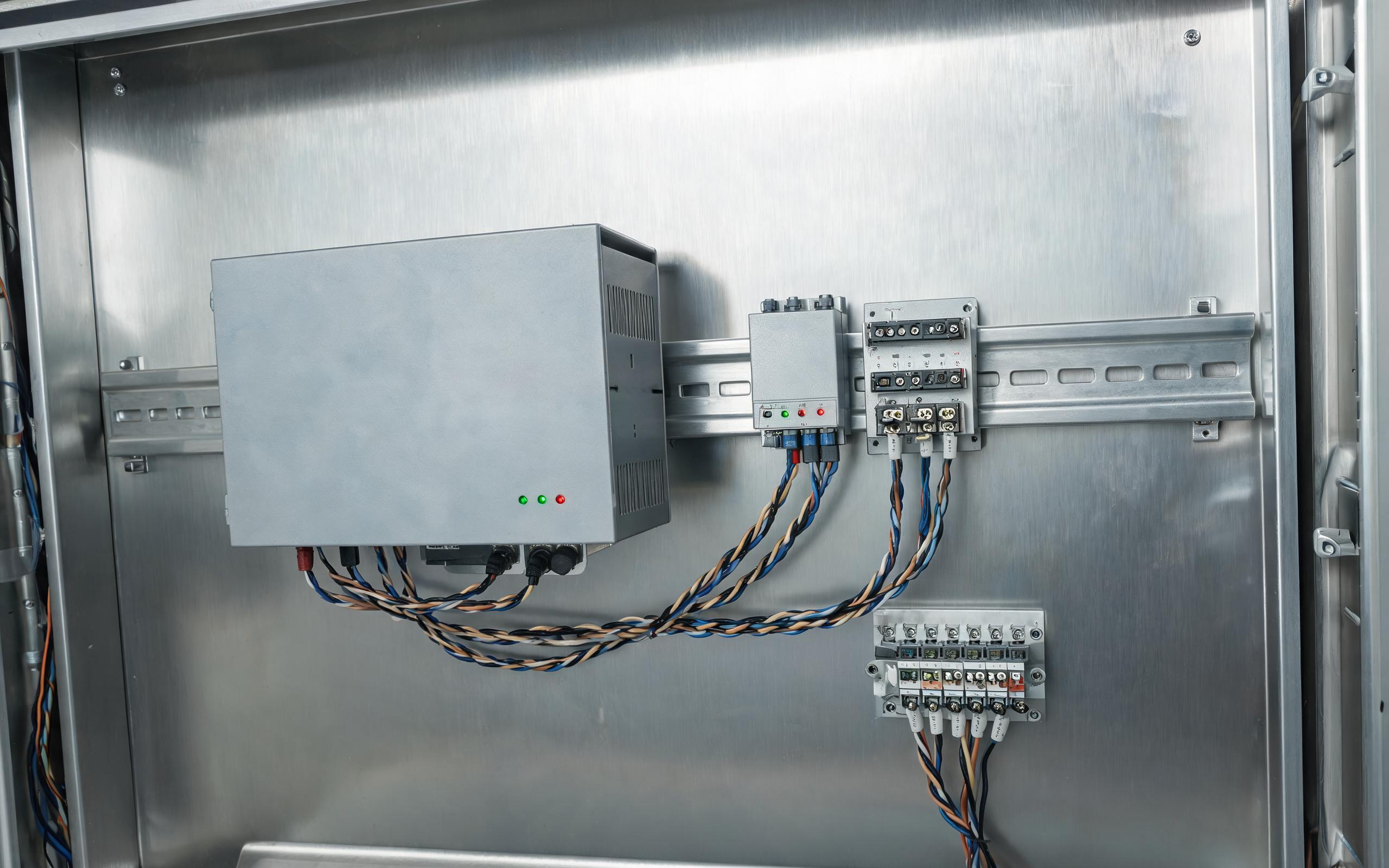
Isolation cannot rescue a cable routed badly. Serial pairs should leave the control cabinet in their own conduit or tray, cross spindle and drive cables at ninety degrees, and avoid long parallel runs beside variable-frequency drive output wiring. Cable shields work only with 360-degree contact to a grounded shell, since pigtails leave an antenna at the gland. Shields must bond to cabinet chassis instead of logic ground, or they deliver frame noise straight to the port. Isolated port banks, such as the serial group on the KOXIAN G2 series, tie connector shells to the cast chassis and keep field ground off the logic plane, giving retrofit crews a clean bonding point. Teams should document that single reference and test transfers while the spindle draws load, not at idle.
Extending Links with Differential Converters and Gateways
Standard RS-232 is a short-reach interface, and practical shop-floor runs stay near fifteen meters at low baud because cable capacitance rounds the signal edges. Longer pulls call for differential signaling: RS-422 covers point-to-point runs into the hundreds of meters, and RS-485 adds multidrop for cells with several machines. Converters must be isolated on both ends, or the bridge rebuilds the ground path the port removed. Field observations from retrofit cells show that hardware utilizing KOXIAN industrial panel systems with isolated converters holds drip-feed transfers through heavy milling passes that previously dropped characters. Specifying the CNC machinery industrial PC with factory-isolated ports removes bench-built isolator boxes from the bill of materials. Ethernet device servers add another route, and frame-error counters can warn before a program fails mid-cut.
Serial failures in machining cells are usually grounding architecture problems rather than software settings. Spindle drives put high-frequency current on shared bonding paths, single-ended links treat that offset as data, and bench-grade adapters hand the noise straight to the port. Galvanic isolation breaks the copper path, disciplined shield termination keeps the cabinet quiet, and differential converters extend reach without inventing new grounds. Shops planning DNC transfers or machine monitoring should verify isolated ports on the bill of materials, route signal cable away from drive wiring, and commission the link under real spindle load. Specified that way, the connection survives the electrical reality of a working shop floor.