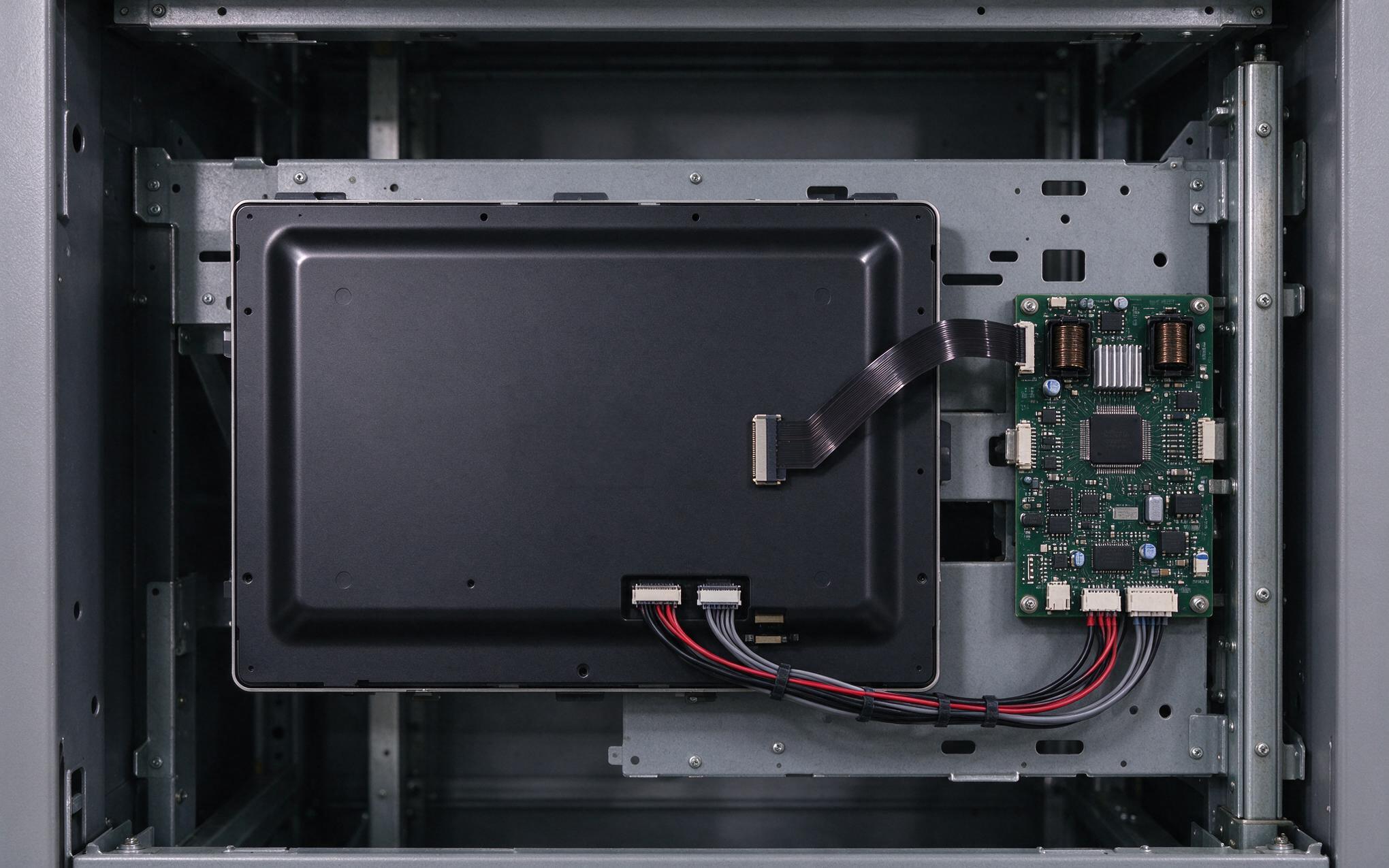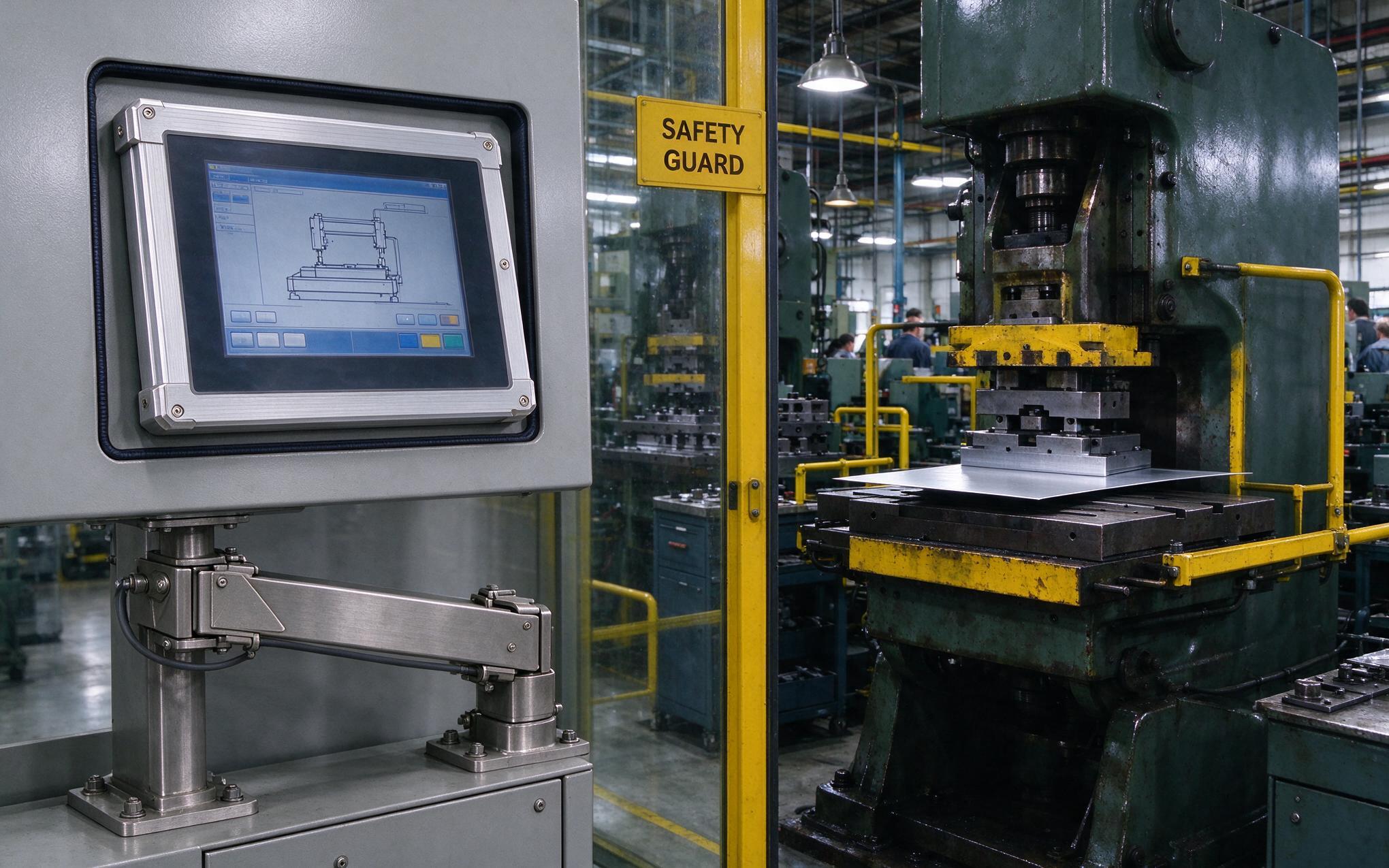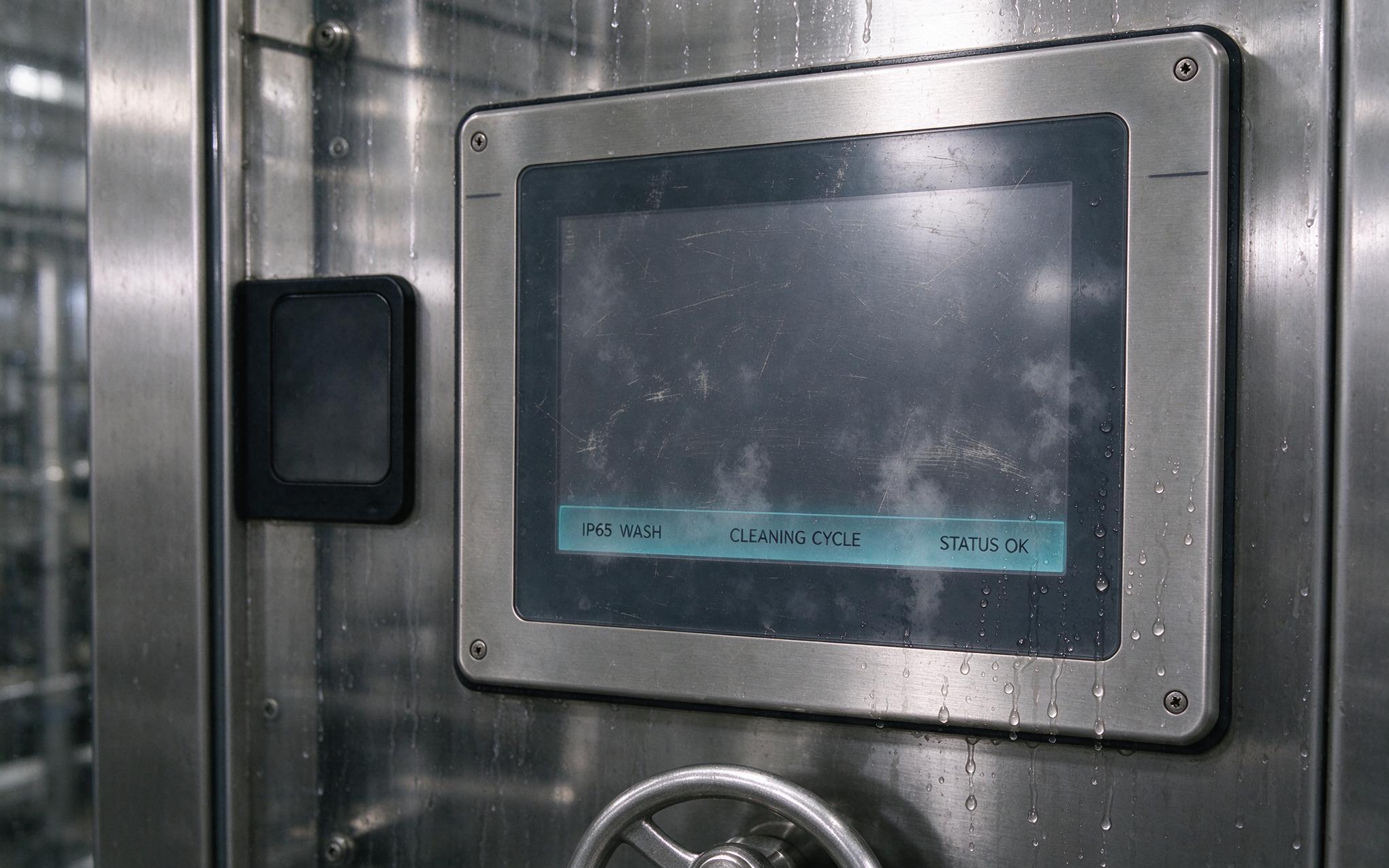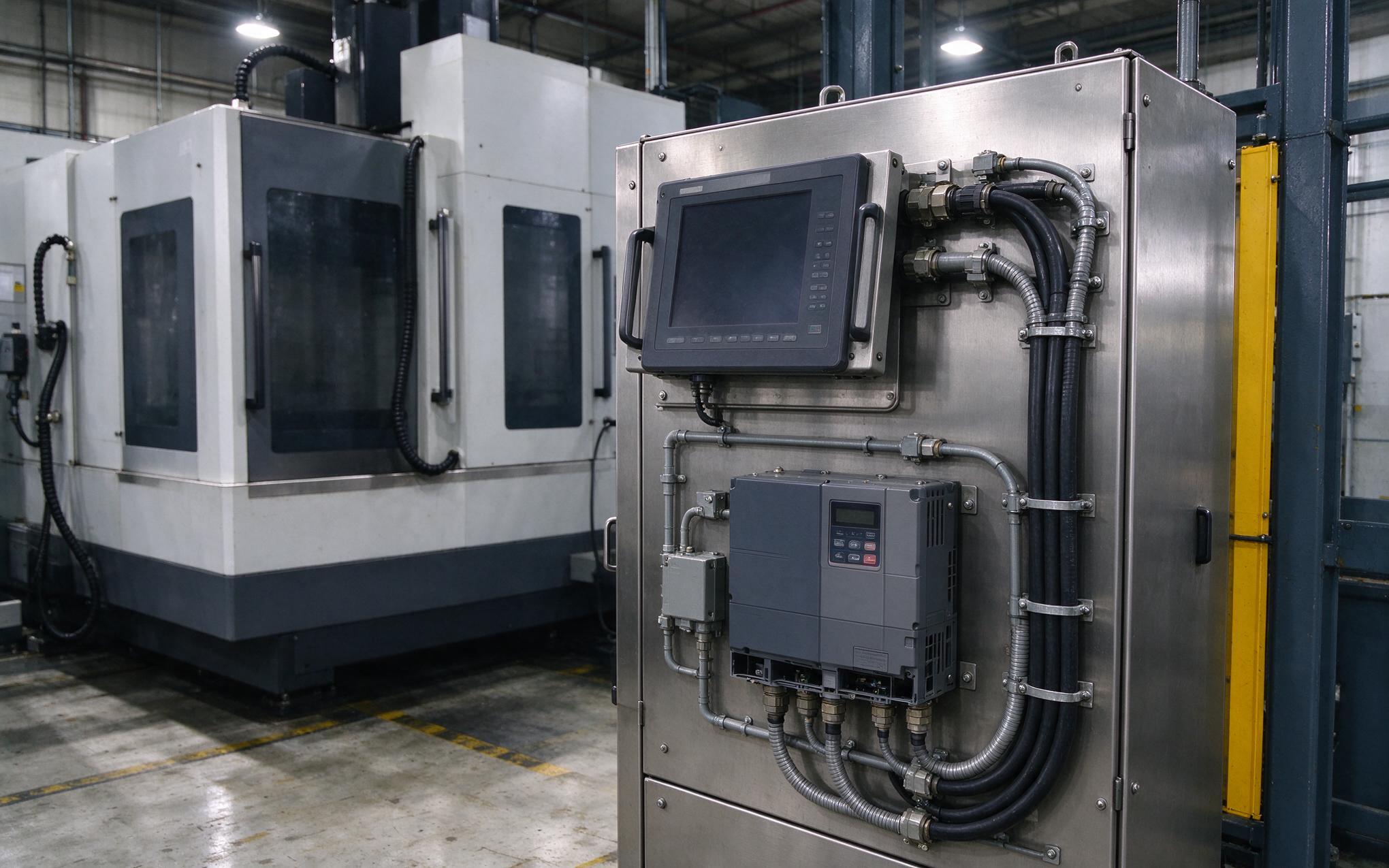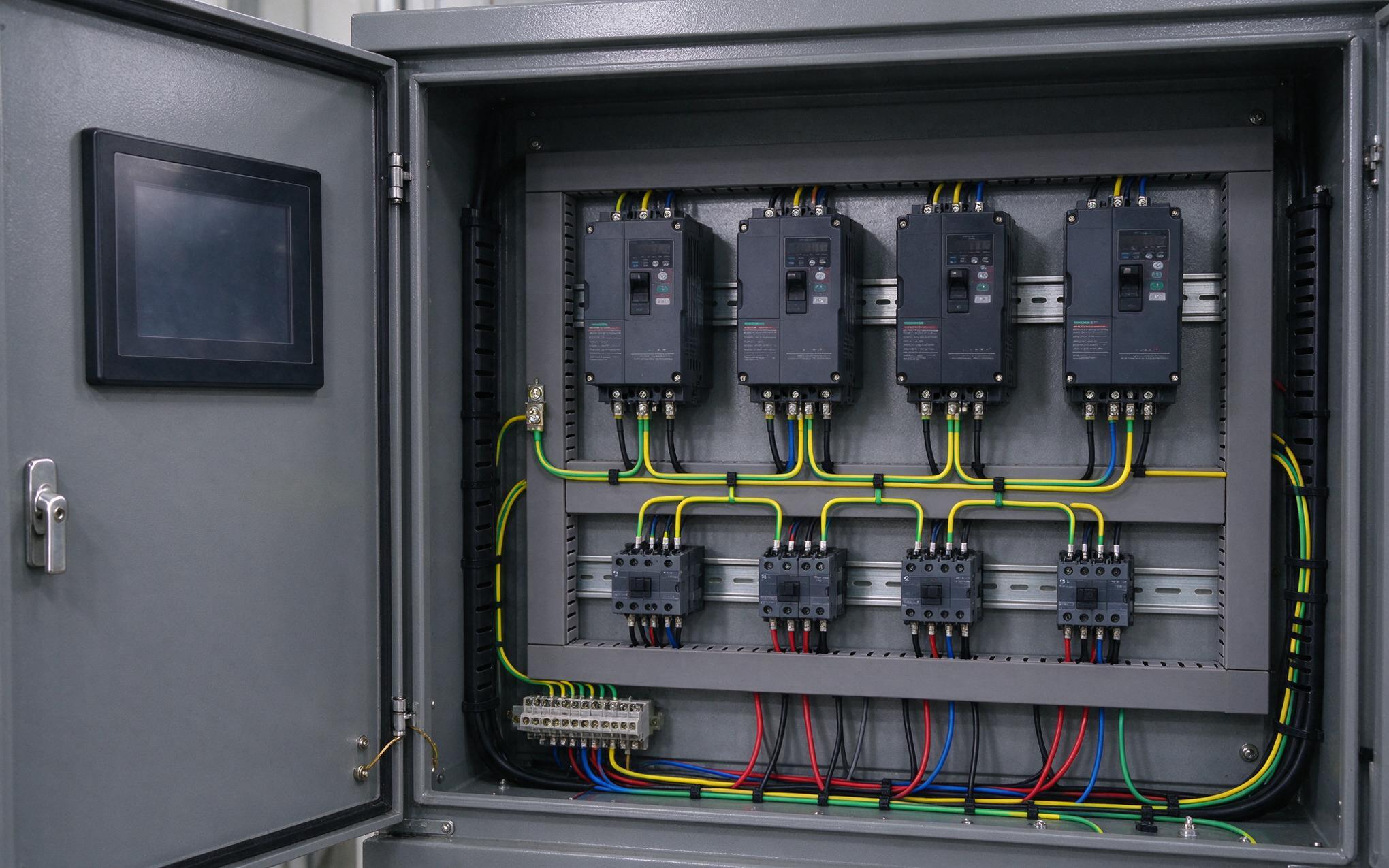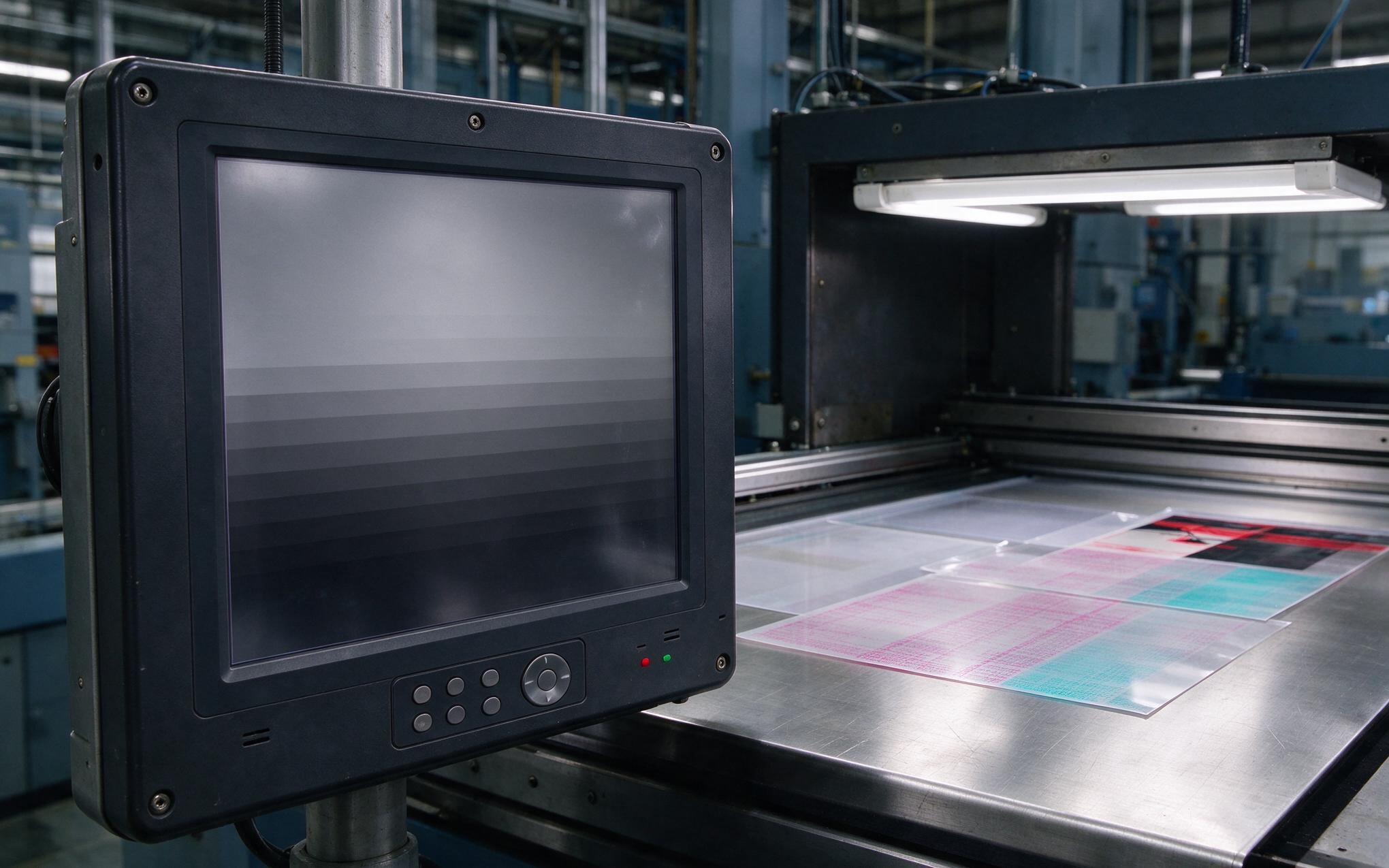
Two operating snapshots from the same line frame the problem. At a six o’clock line start the sensor matrix reads one calm reference; by the afternoon shift, with a dark cover glass soaking heat from machines and a loading door propped open, the same electrode nodes report a noticeably shifted baseline. A controller that treats every shift as a finger risks phantom taps, while one that ignores change can build dead zones across an industrial capacitive touch screen. Hot and cold conditions push the panel from opposite directions, yet most field failures share one root cause: baseline tracking rules tuned on an office bench rather than in a plant that swings forty degrees between shifts. Knowing how raw counts move, how tracking loops separate slow drift from deliberate contact, and how validation should cover both endpoints keeps integrators off the callback list.
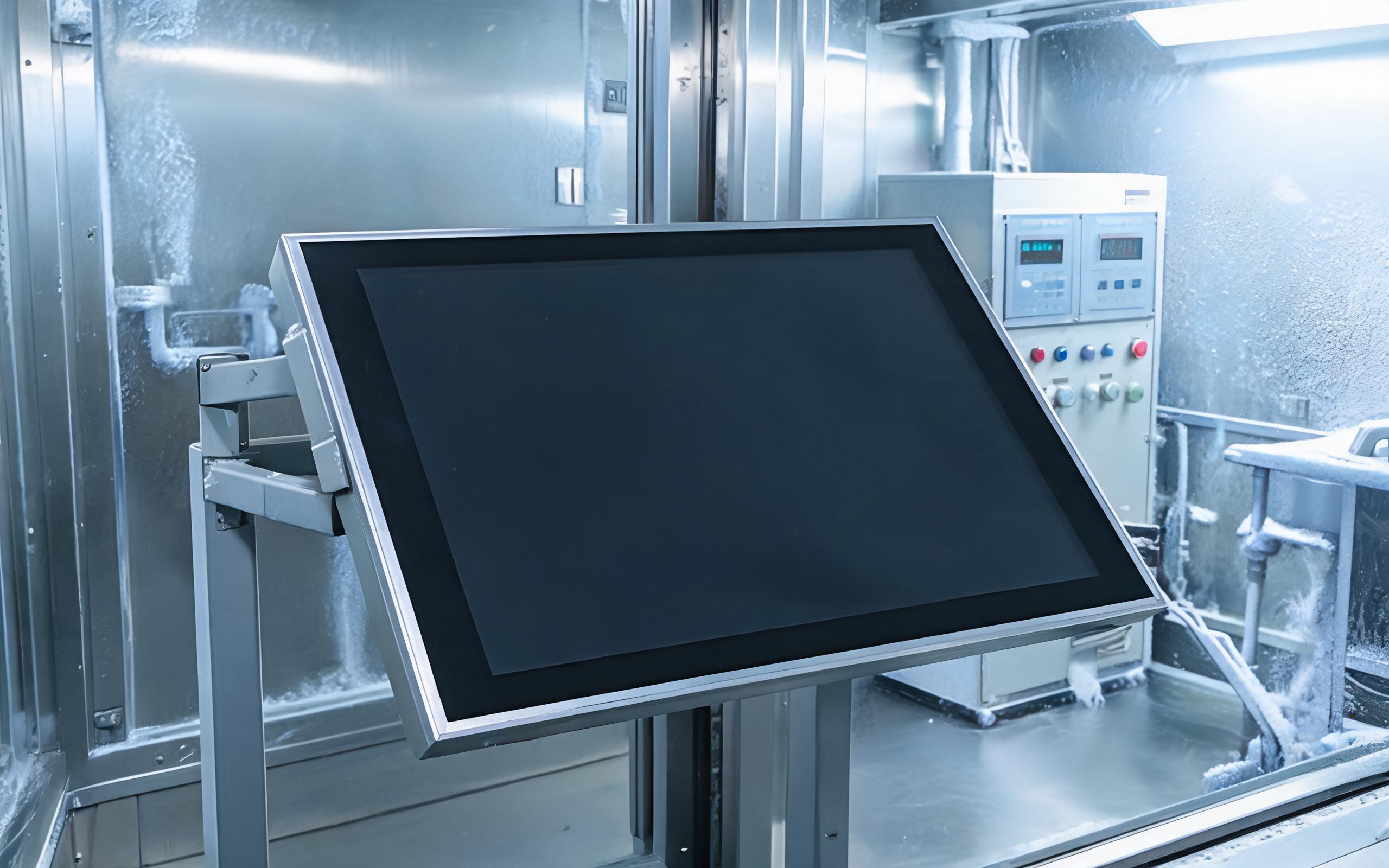
Tracking Baseline Shift Across the Thermal Swing
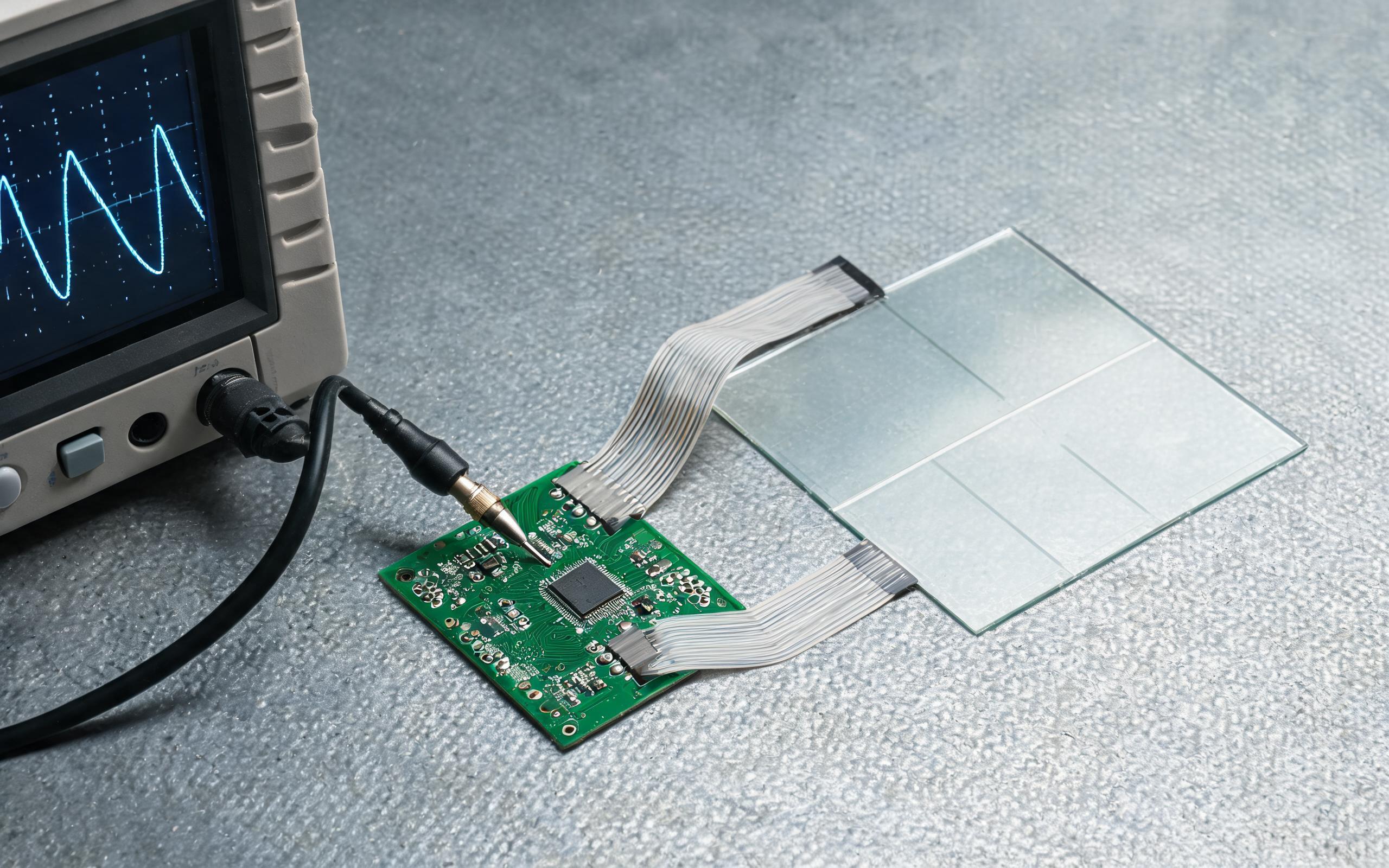
Engineering an industrial capacitive touch screen for a wide operating range starts with the reference itself, and manufacturers including KOXIAN characterize every electrode node across temperature before releasing controller firmware. Each node holds a raw count for the mutual capacitance seen with no finger present; cover-glass expansion, dielectric shift in optical adhesive layers, and small parasitic changes on the controller board all move that count as the panel heats or cools. Cold mornings tend to pull counts one way and sun-loaded afternoons the other, and the shift arrives gradually over minutes or hours rather than in the milliseconds of a real tap. Firmware therefore runs a slow tracking loop that recenters the activation threshold whenever change stays below the touch delta, holding sensitivity constant without chasing a moving target.
Separating Slow Drift from a Genuine Touch Delta
The central signal-processing choice is the tracking rate. A loop that follows the baseline too quickly treats a long press as drift and recenters under the operator’s finger, so held entries drop out mid-input; a loop that follows too slowly leaves the threshold parked on an old reference, and ordinary deltas cross it without contact to produce ghost touches. Designers split the difference with rate gates: fast re-baselining runs during idle frames, tracking slows or freezes once a candidate touch registers, and humidity-driven steps are filtered separately from thermal ramps. Tuning those gates against measured soak-test curves instead of a single room-temperature value is the approach reflected in KOXIAN G-series touch controller configurations shipped for wide-range panels.
Humidity, Condensation, and the Limits of Re-Baselining
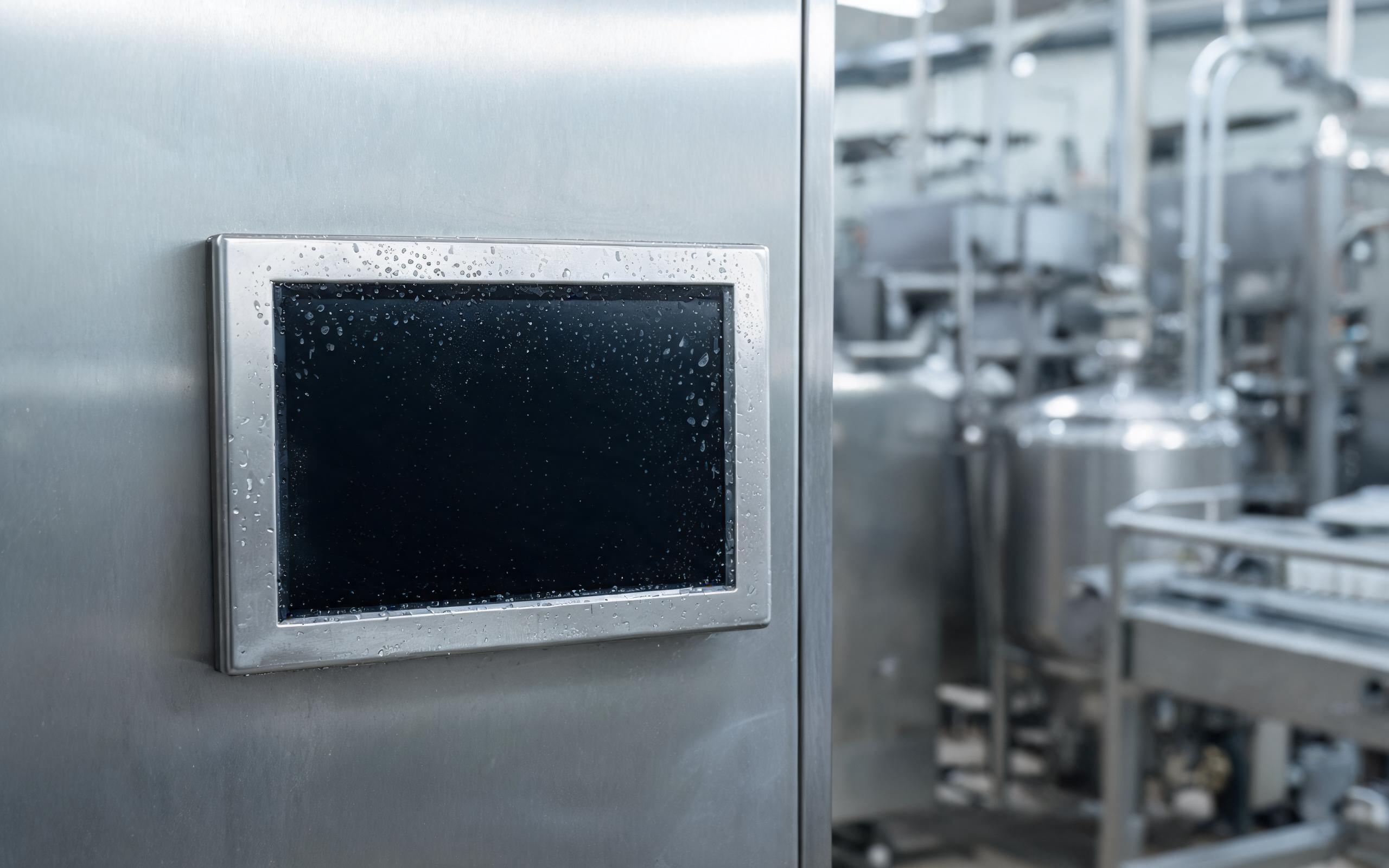
Temperature rarely acts alone in a rugged touch screen display. When a cold panel meets warm, wet process air, microscopic condensation forms on the sensor side of the seals and adds capacitance in broad, shallow patches rather than the tight delta of a finger. An aggressive thermal tracker simply learns the water film and then ignores the operator, while blocking all tracking during wet periods freezes the threshold until the panel dries. Controllers address this by combining mutual and self-capacitance readings to flag water-like signatures, suspending baseline updates in the affected nodes, and resuming after the film clears. Integrators pairing an industrial capacitive touch screen with washdown zones should treat condensation as a distinct input condition rather than a line item in the thermal budget.
How Should Hot and Cold Validation Cycles Be Run?
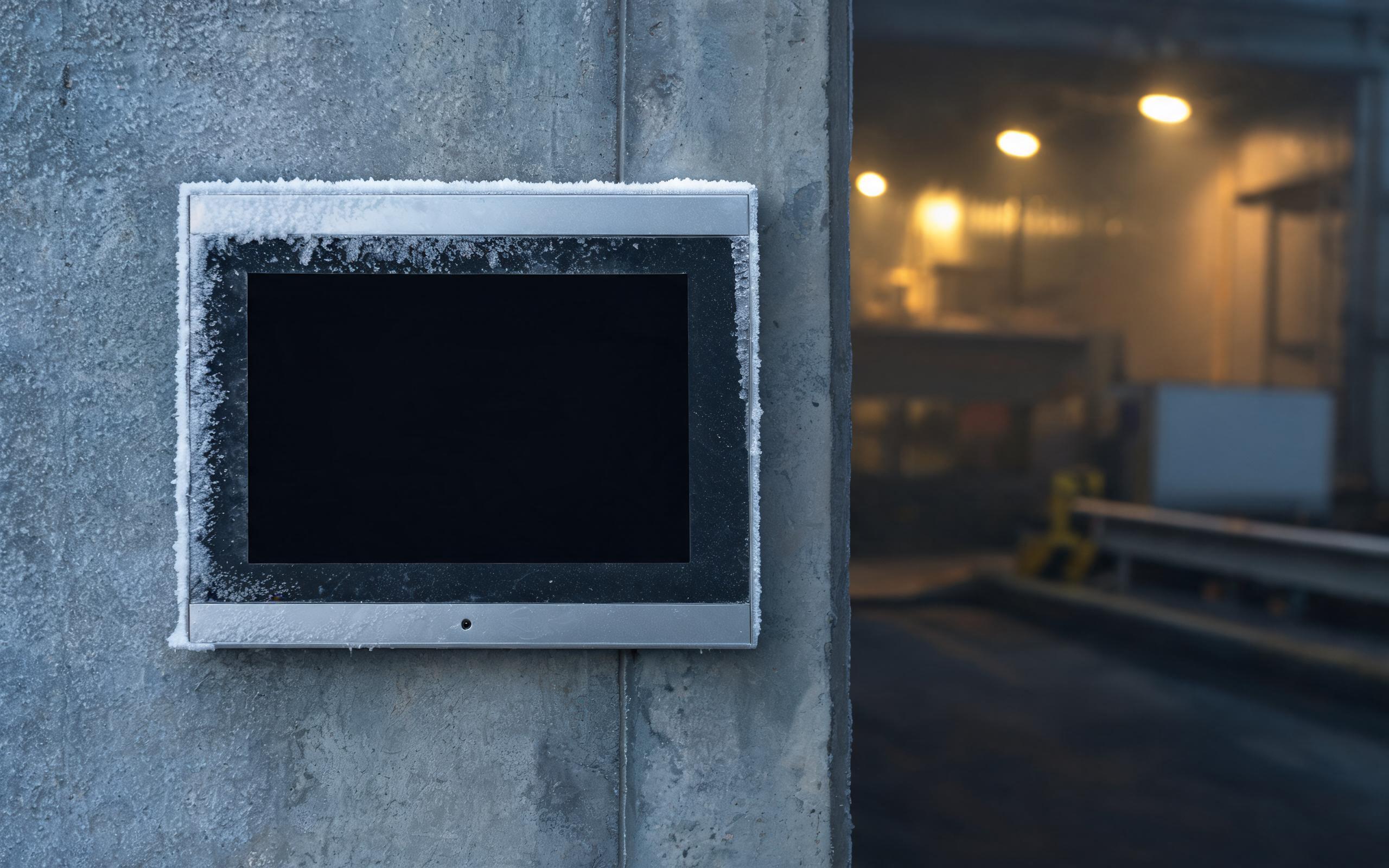
Bench tuning only holds up if the acceptance test reproduces the plant. A credible cycle soaks the panel at each rated temperature extreme, powers up at the cold endpoint to exercise boot-time touch screen calibration, and then runs taps, drags, and held presses during the ramp rather than after temperatures settle. Teams should log false-touch counts, dead-zone reports, and tracking recovery time separately, because a unit that passes after a four-hour soak may still falter during the opening twenty minutes of the ramp. Mounting belongs in the test as well: a sealed bezel and gasket change how the cover glass moves and where moisture collects, so open-bench results flatter the panel. For an industrial capacitive touch screen bound for outdoor kiosks or cold-storage docks, the pass criterion is stable input across the full profile, including the transitions where drift moves fastest.
Drift failures are configuration failures waiting for a temperature swing. Slow, rate-limited baseline tracking keeps thresholds centered without erasing held presses, water-aware logic prevents condensation from becoming a learned reference, and hot-to-cold validation through both endpoints proves the settings on the actual mounted build. When panels clear those rules, operators moving from a freezing loading dock to a hot aisle encounter one consistent input surface. That consistency, rather than a wider rating printed on a datasheet, is what separates a durable installation from repeated service calls.