Electrolytic capacitors tell the truth about cold weather long before a specification sheet does. At thirty degrees below zero, the electrolyte inside a conventional aluminum capacitor thickens, equivalent series resistance climbs, and the bulk capacitance that smooths a power input stage effectively shrinks. A terminal that booted cleanly in a temperate warehouse can stall in a freezer aisle, cycling between undervoltage lockouts while inrush current behaves nothing like the room-temperature model predicted. This is exactly the environment a wide temperature panel pc is expected to survive on every winter shift, and inrush control is where that survival is decided.
Why Does Subzero Air Turn Inrush Current Into a Startup Risk
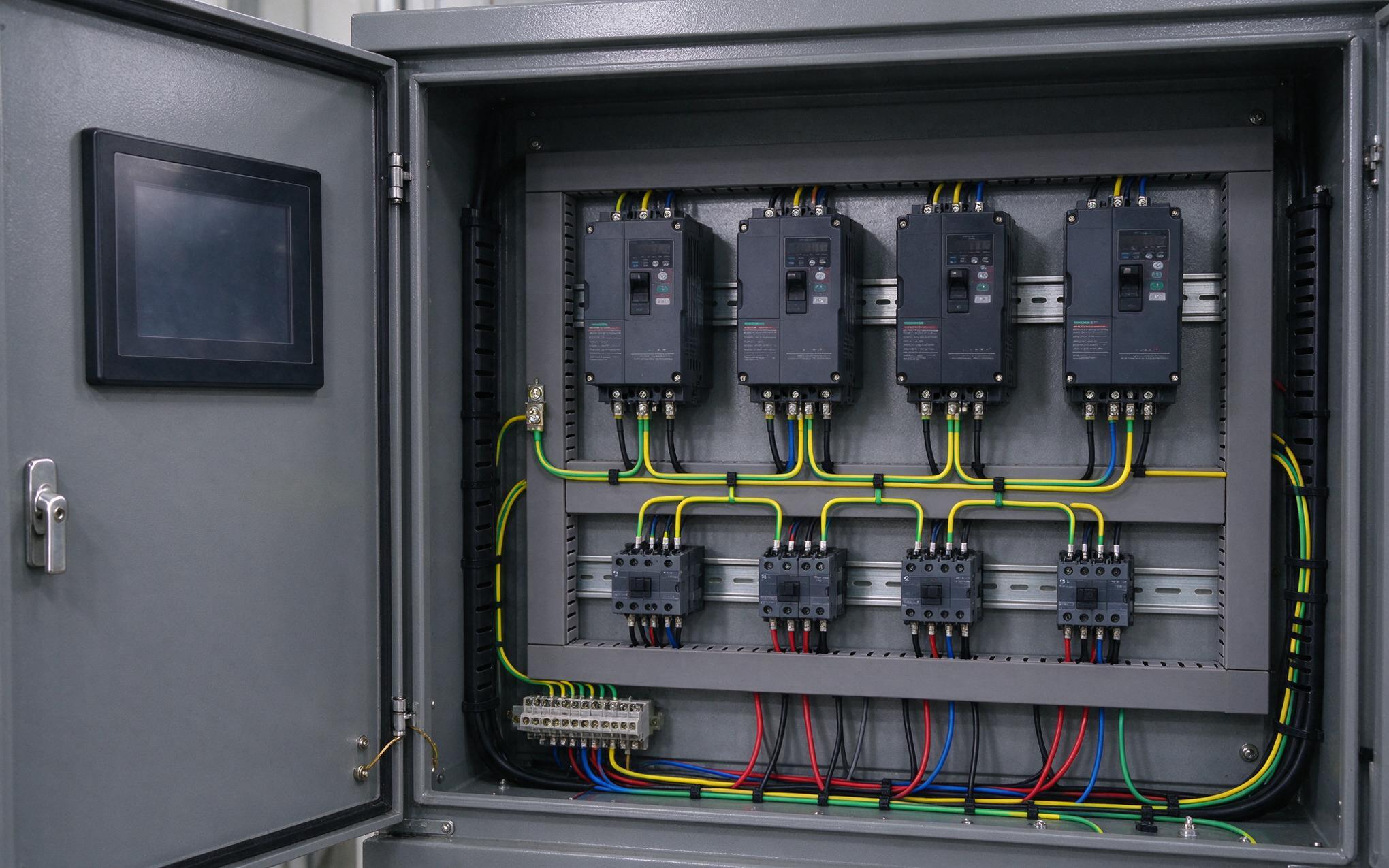
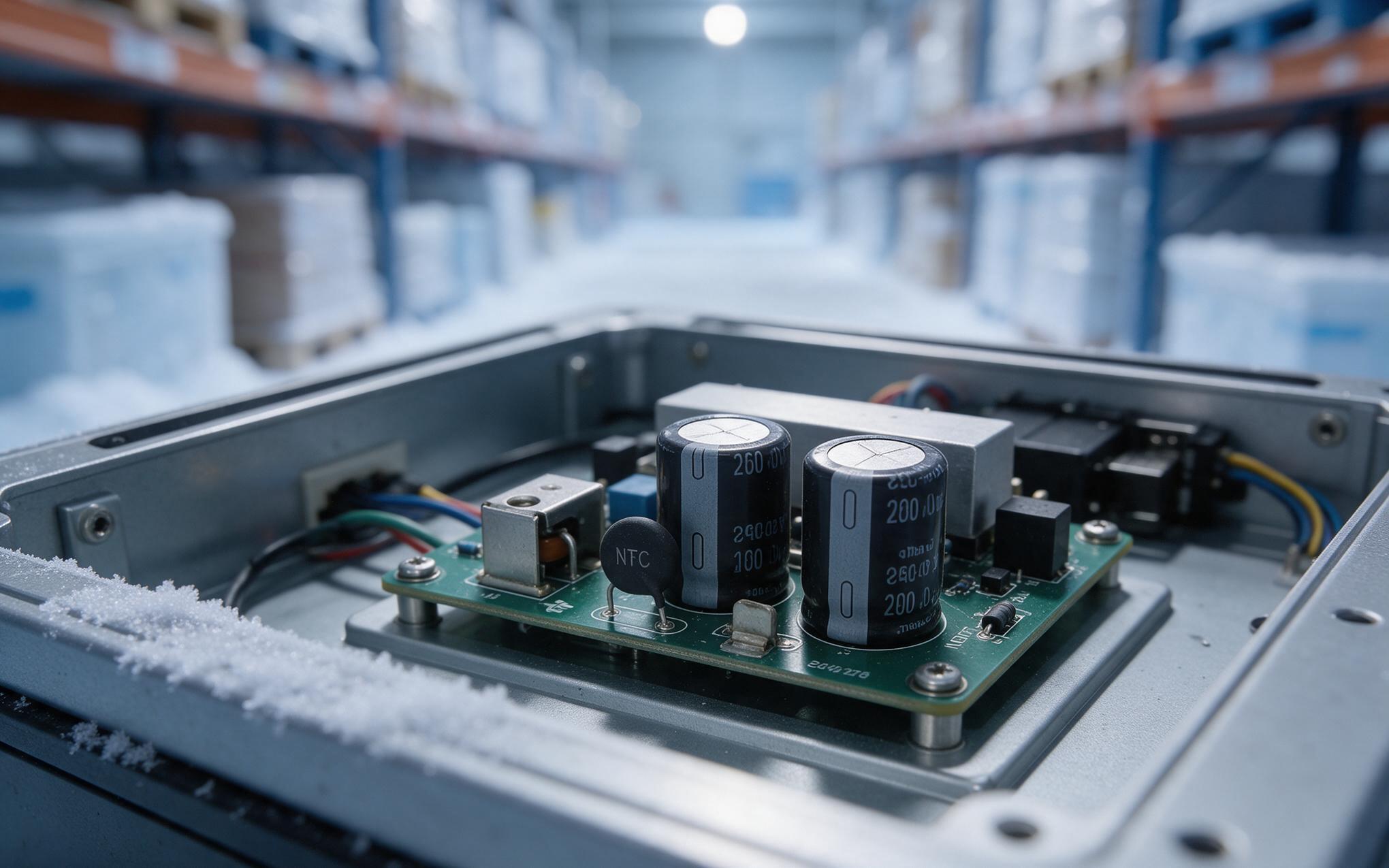
Power input stages inspired by KOXIAN cold-duty designs pair inrush limiters with bypass relays whose timing is validated at the lowest rated storage temperature rather than at room conditions. The reason is a chain of cold-weather effects. An NTC inrush limiter relies on self-heating to drop its resistance after switch-on, and in subzero air its cold resistance runs far higher, so the voltage reaching the bulk capacitors sags and the supply may never leave its startup window. Meanwhile those bulk capacitors deliver only a fraction of their rated capacitance, hold-up time collapses, and a brief input dip that would be invisible in summer becomes a full reset. Bypass relays timed for a twenty-five-degree bench either close too early and stress their contacts under the full inrush spike, or close too late and leave the limiter cooking at load current. Each mechanism is manageable on its own; stacked together on a Monday morning cold soak, they turn a routine power-up into a line-down event.
Wide Temperature Panel PC Power Stages Built for the Cold Soak
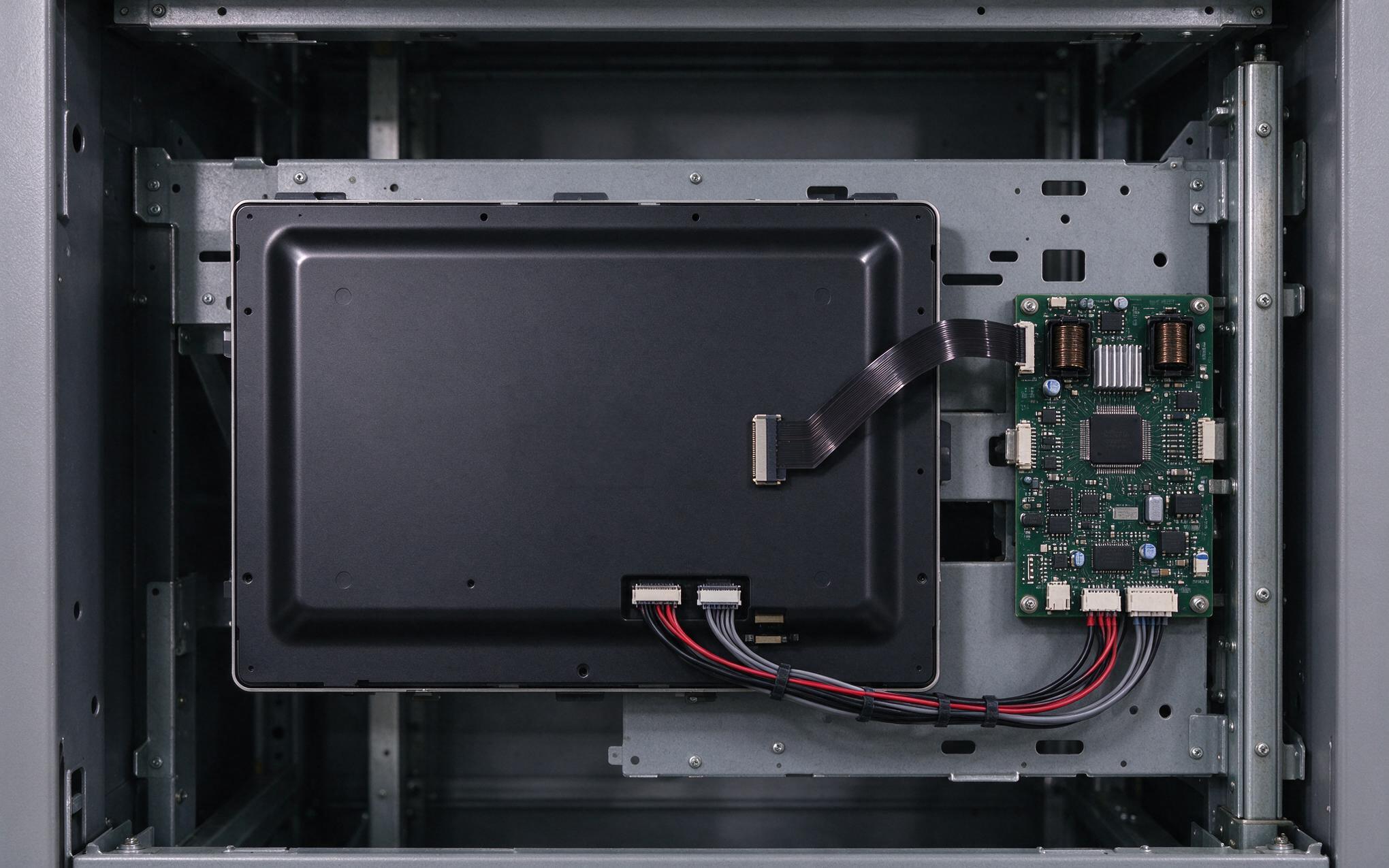
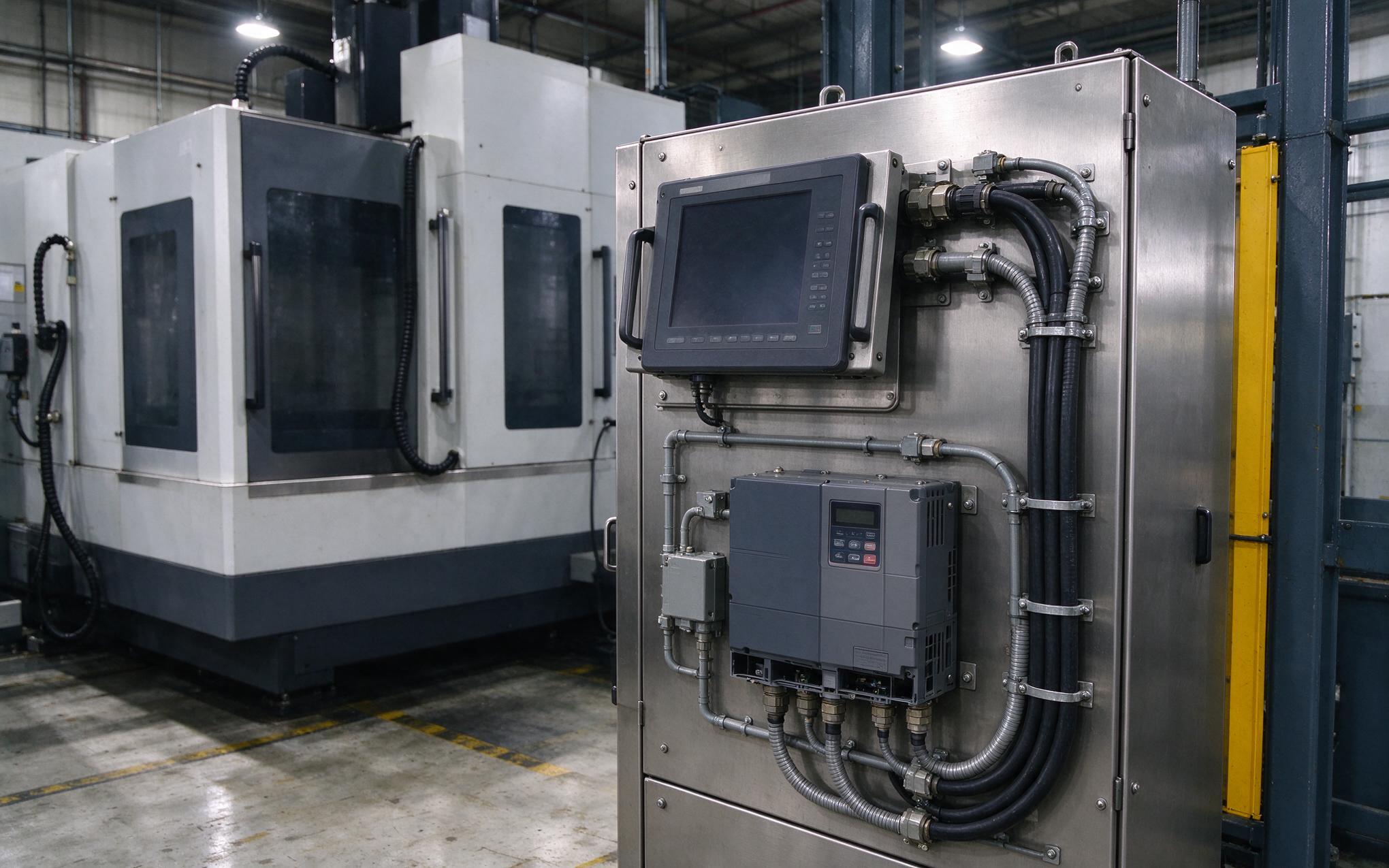
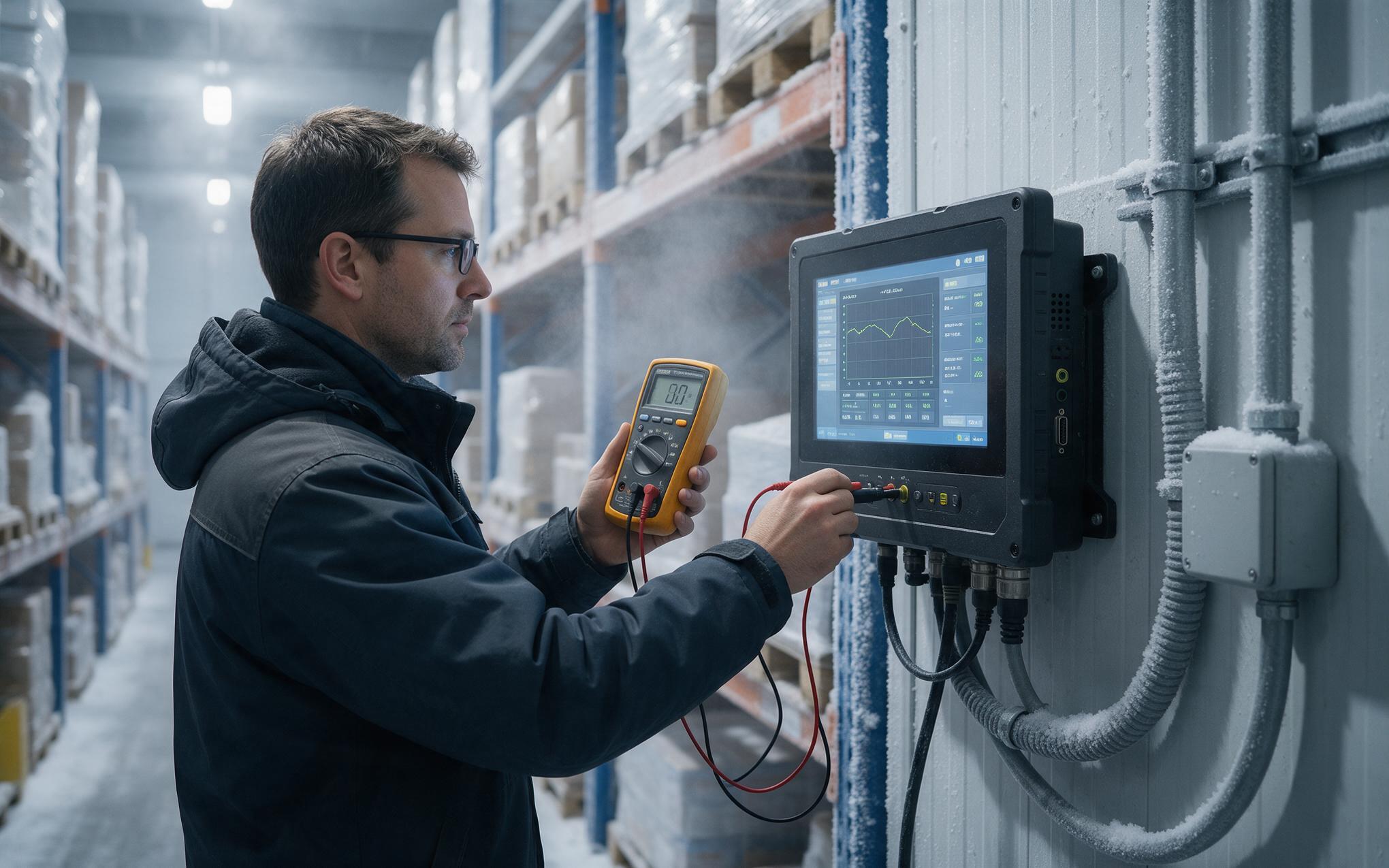
Hardware built for a freezer aisle starts at the power stage. Wide-voltage input front ends, typically accepting nine to thirty-six volts DC, absorb the sags that long cable runs and shared freezer lighting circuits introduce. Bulk capacitance shifts from wet aluminum electrolytics toward polymer hybrid parts, whose electrolyte behavior stays predictable and whose cold impedance holds closer to the room-temperature curve. When selecting a wide temperature panel pc for subzero duty, design approaches like those adopted in the KOXIAN K2 series serve as a useful reference: derating curves are published across the full operating range rather than at a single ambient point, so integrators can see how much hold-up time remains at minus thirty instead of discovering it during commissioning. Soft-start sequencing matters just as much. Staggering the display backlight, touch controller, and storage rail by a few hundred milliseconds keeps combined startup demand inside the limiter envelope until the bypass relay closes. None of these measures is exotic; what separates cold-rated hardware is that they are validated together, at temperature, as a system.
Specifying a Fanless Panel PC for Freezer Aisle Duty
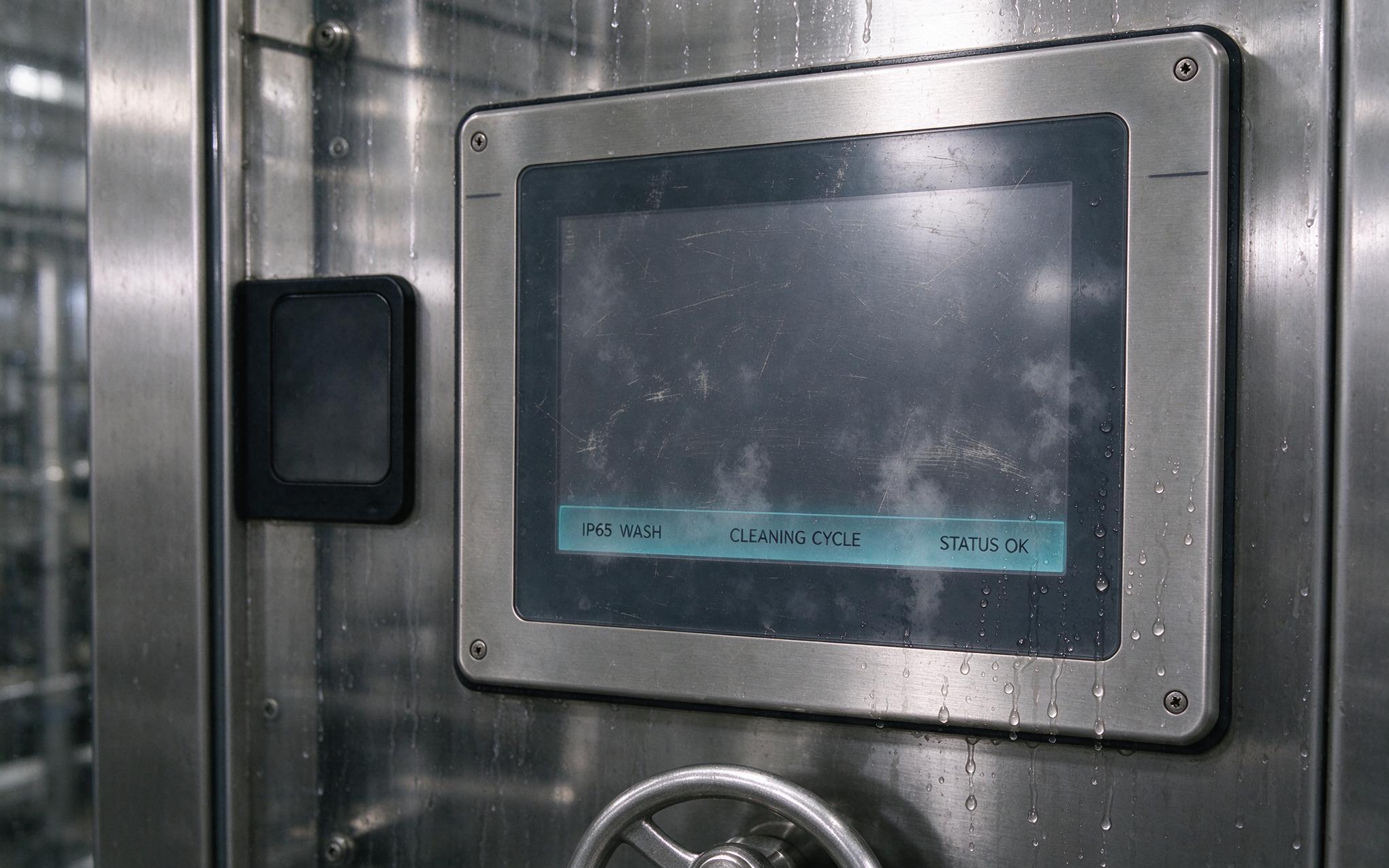
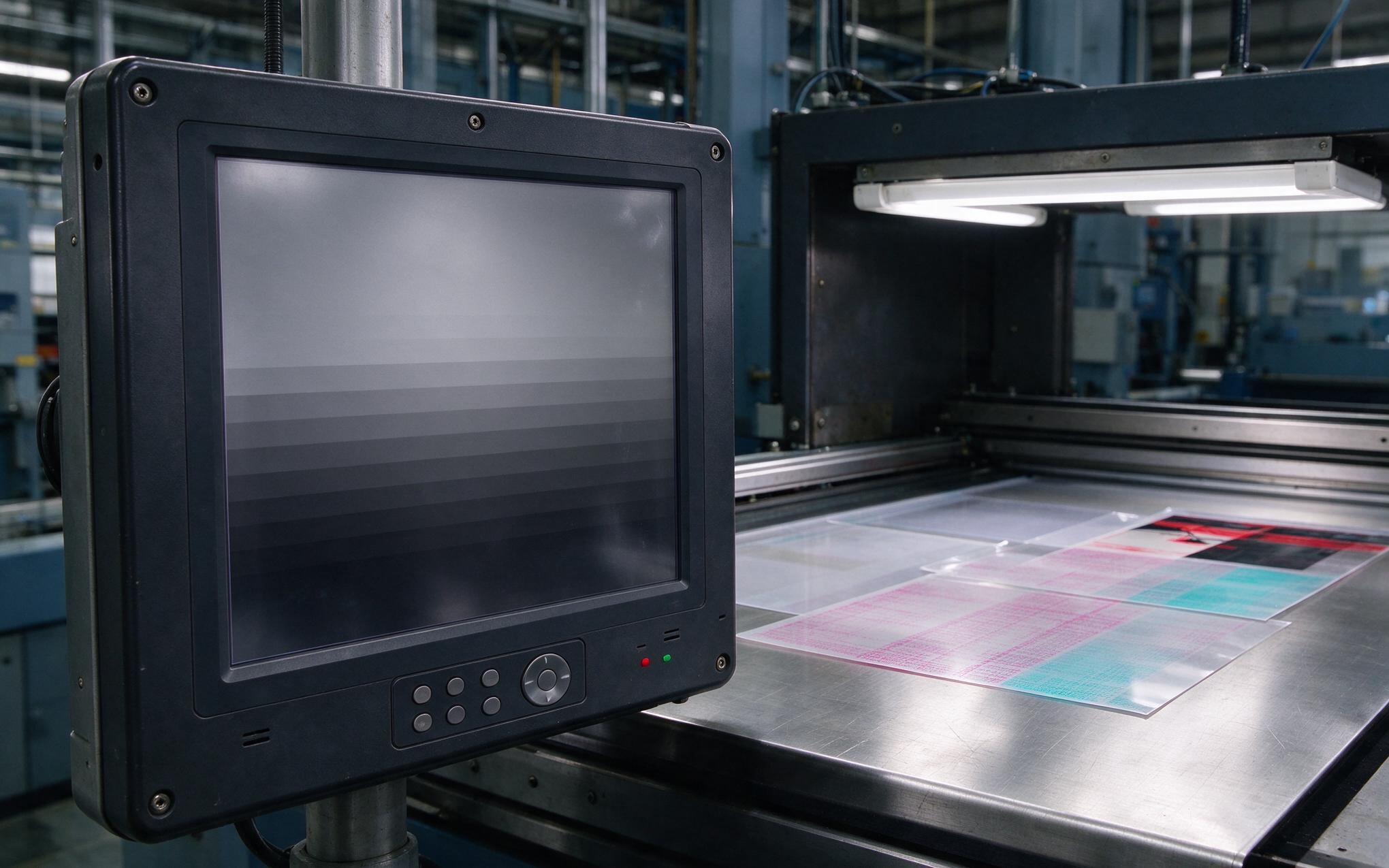
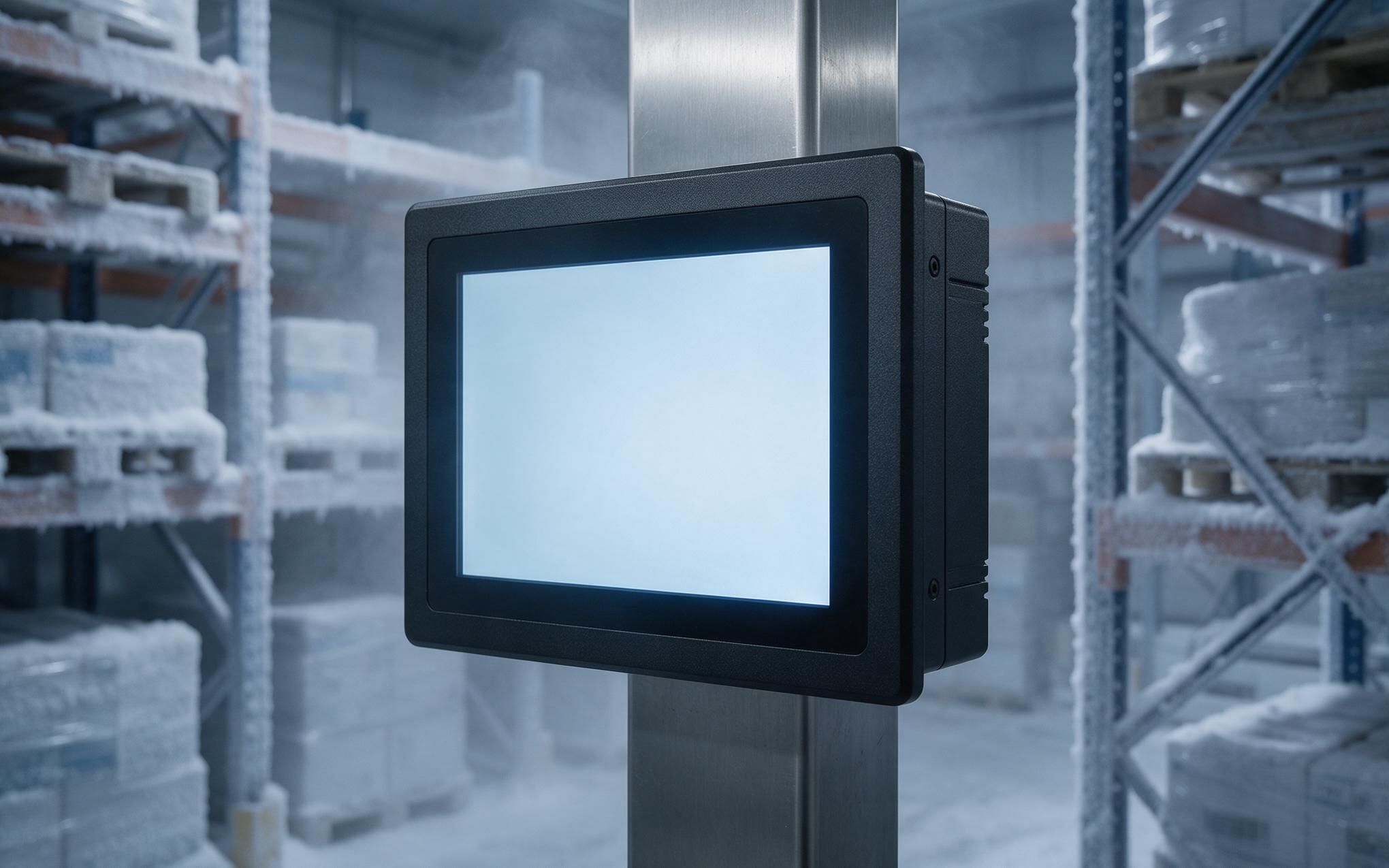
Cooling architecture interacts with cold weather in ways that surprise many buyers. Field observations from cold chain facilities show that hardware configurations utilizing KOXIAN fanless units maintain touch responsiveness through repeated door-swing condensation cycles when the front bezel is sealed to industrial panel pc ip65 levels. A fanless panel pc removes two cold-weather liabilities at once: bearing lubricant that thickens until the motor stalls, and a forced-air path that pulls humid air across cold boards every time a door opens. Conduction cooling through an aluminum chassis actually improves as ambient air drops, so the thermal budget that felt tight in a summer enclosure becomes generous in a freezer. Specification work should still separate storage temperature from operating temperature, because a unit soaked at minus forty may need a controlled warm-up before full load is applied. Procurement teams should also ask how the front bezel gasket behaves after hundreds of freeze-thaw cycles, since a stiffened gasket quietly defeats the sealing that condensation control depends on.
Inrush control rarely appears on a datasheet headline, yet it decides whether a wide temperature panel pc boots after a weekend cold soak or stalls in a lockout loop. The engineering levers are well understood: limiter and bypass timing validated at the cold extreme, capacitor chemistry chosen for predictable subzero impedance, staged startup sequencing, and sealing that keeps condensation off the power stage. Specifying those levers up front costs far less than a midwinter line-down event in a freezer aisle, and it turns cold storage duty from a gamble into a routine operating condition.