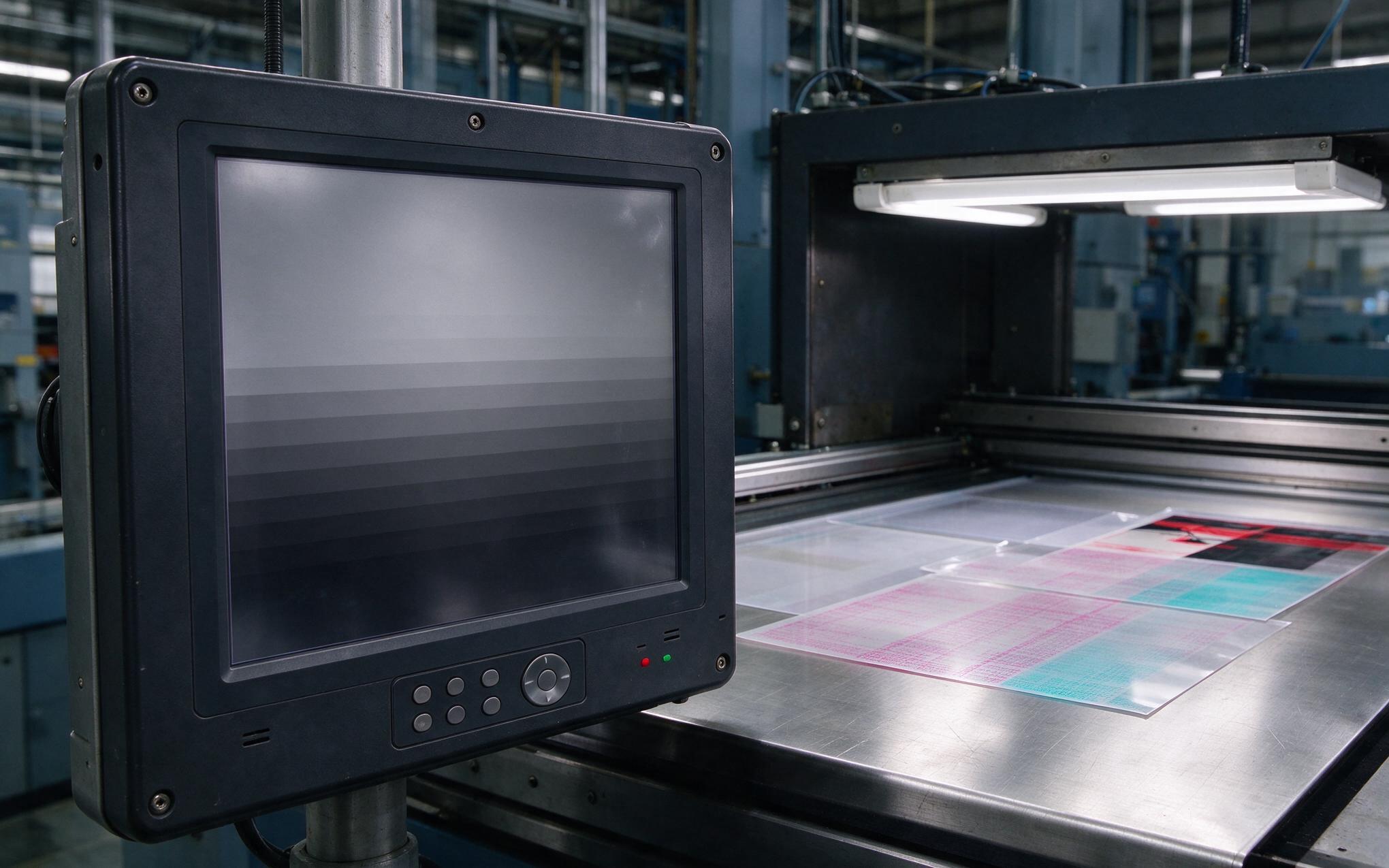
Factory floor display deployments demand consistent visual performance across a wide range of operator positions and ambient lighting conditions. Among the three dominant LCD panel technologies—TN (Twisted Nematic), VA (Vertical Alignment), and IPS (In-Plane Switching)—the IPS architecture has become the preferred choice for industrial applications where multi-angle readability and color fidelity are operational requirements rather than optional enhancements.
How IPS Panel Technology Works
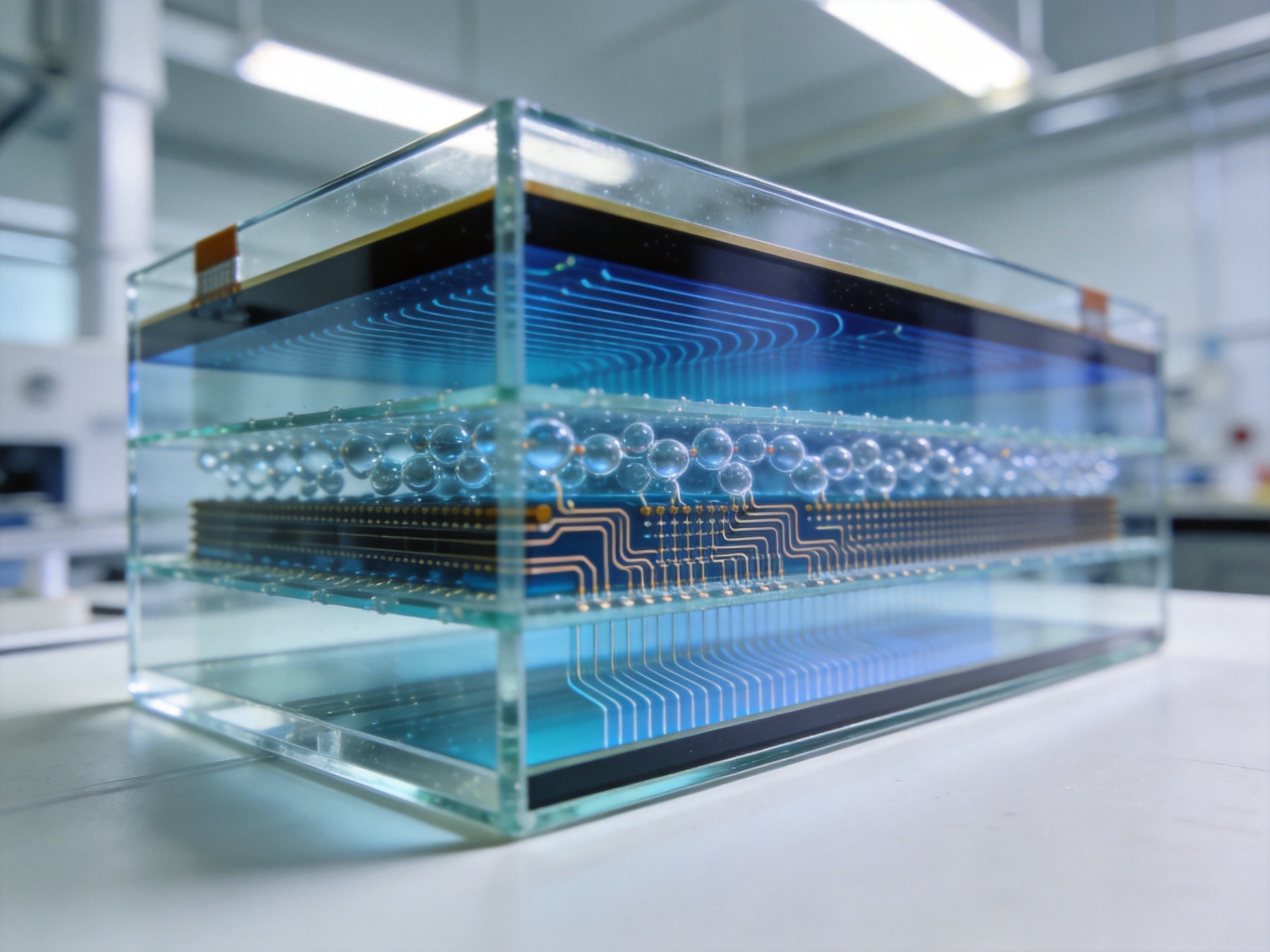
The defining characteristic of IPS technology lies in the orientation and movement of liquid crystal molecules. When an electric field is applied, the crystals rotate parallel to the glass substrate rather than tilting away from it. This in-plane rotation maintains consistent light transmission characteristics regardless of the viewing angle, resulting in stable luminance and color output across the entire viewing cone. The electrode structure—interdigitated electrodes on a single substrate—replaces the traditional top-and-bottom electrode arrangement found in TN and VA panels, which is the fundamental design choice that enables the wide-angle performance.
The 178-Degree Viewing Angle Advantage
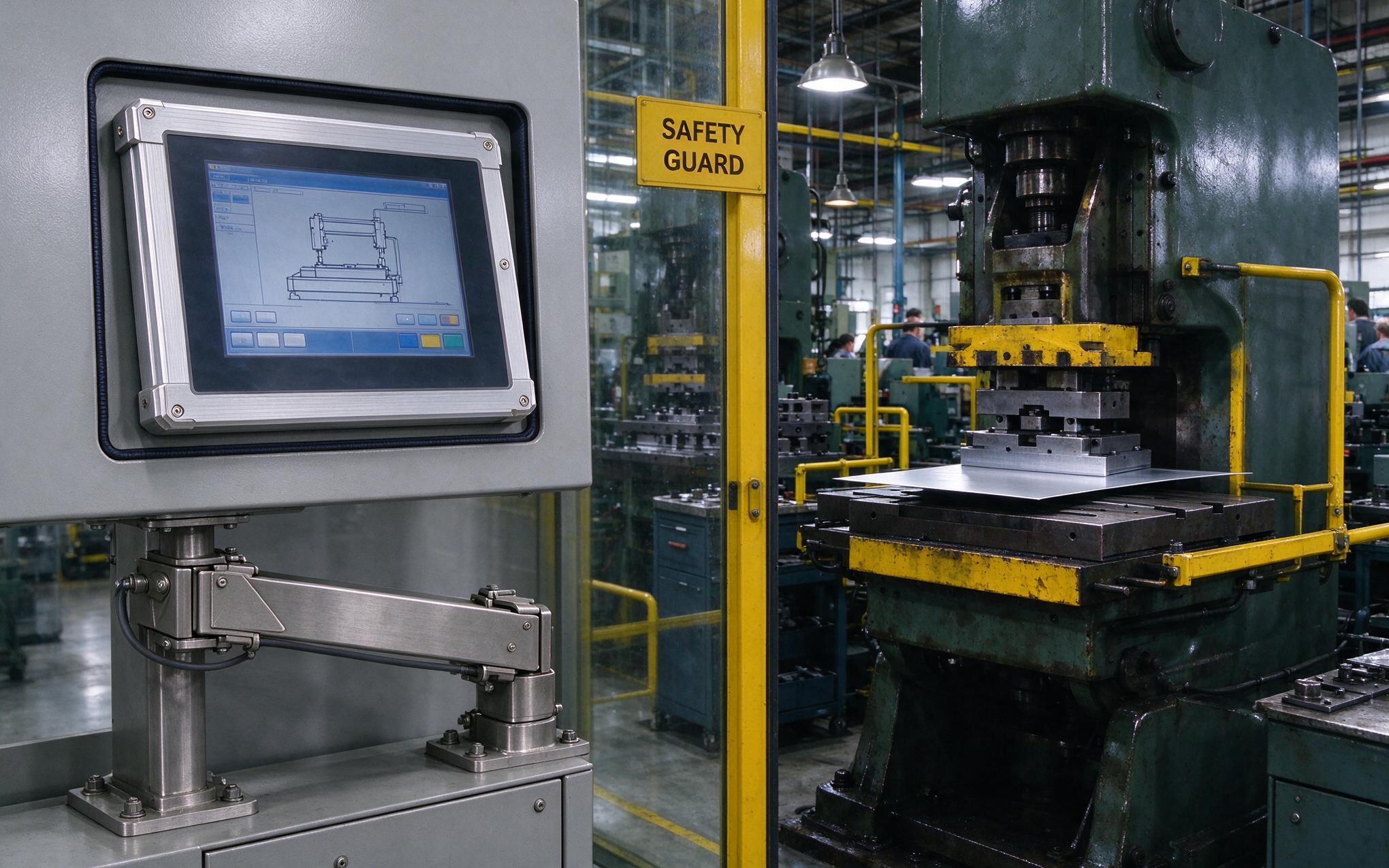
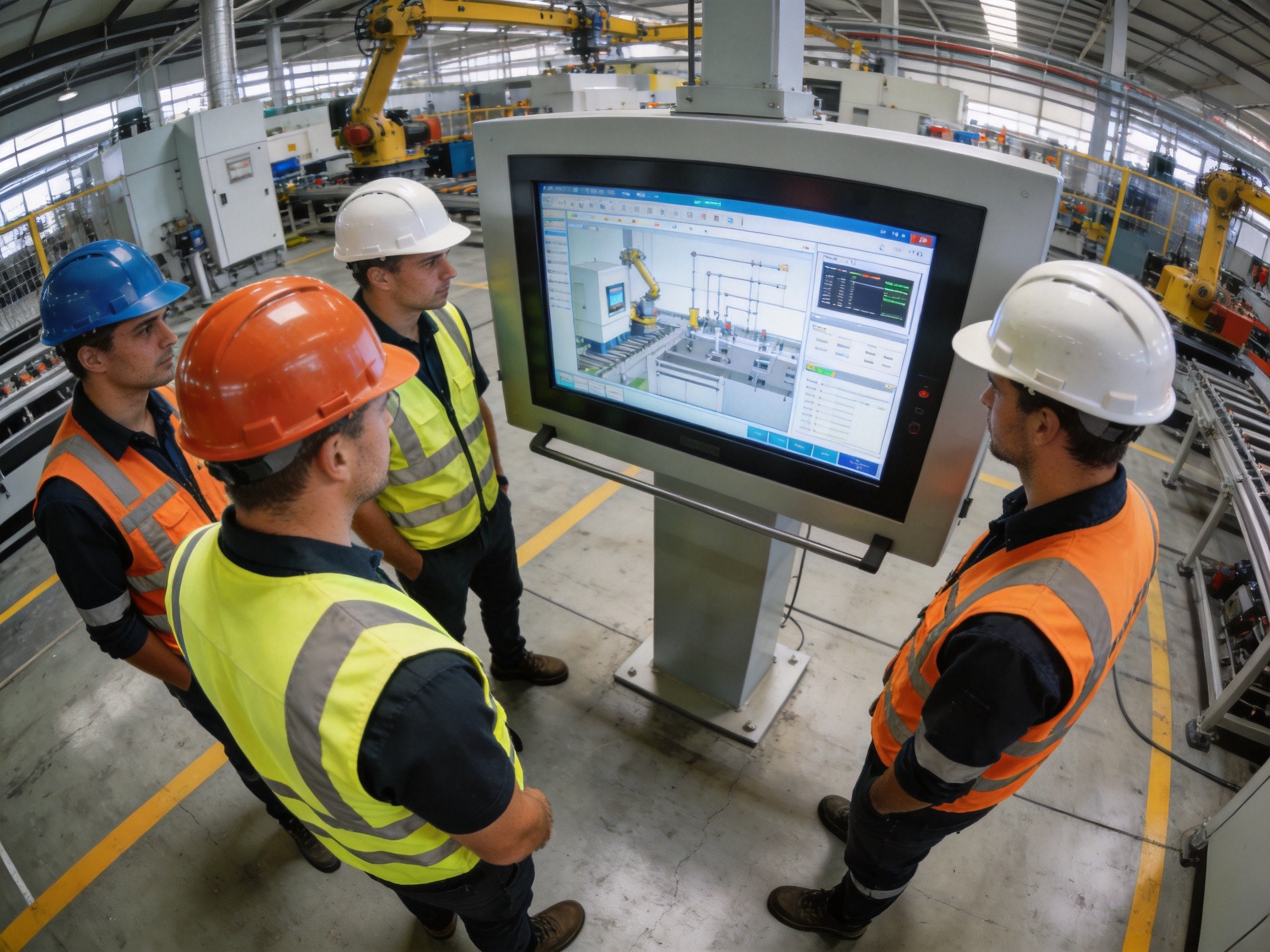
Industrial displays rated at 178 degrees in both horizontal and vertical axes maintain contrast ratios above 10:1 at extreme angles. This specification, defined by the ISO 13406-2 standard, translates to practical benefits on the production floor: an operator standing at a 45-degree offset from a panel-mounted display can read process parameters and alarm indicators with the same clarity as someone positioned directly in front of the screen. In multi-station manufacturing cells where a single display serves two or three operators simultaneously, this capability eliminates the need for duplicate screens and reduces the total cost of deployment.
Color Accuracy and Contrast in Industrial Environments
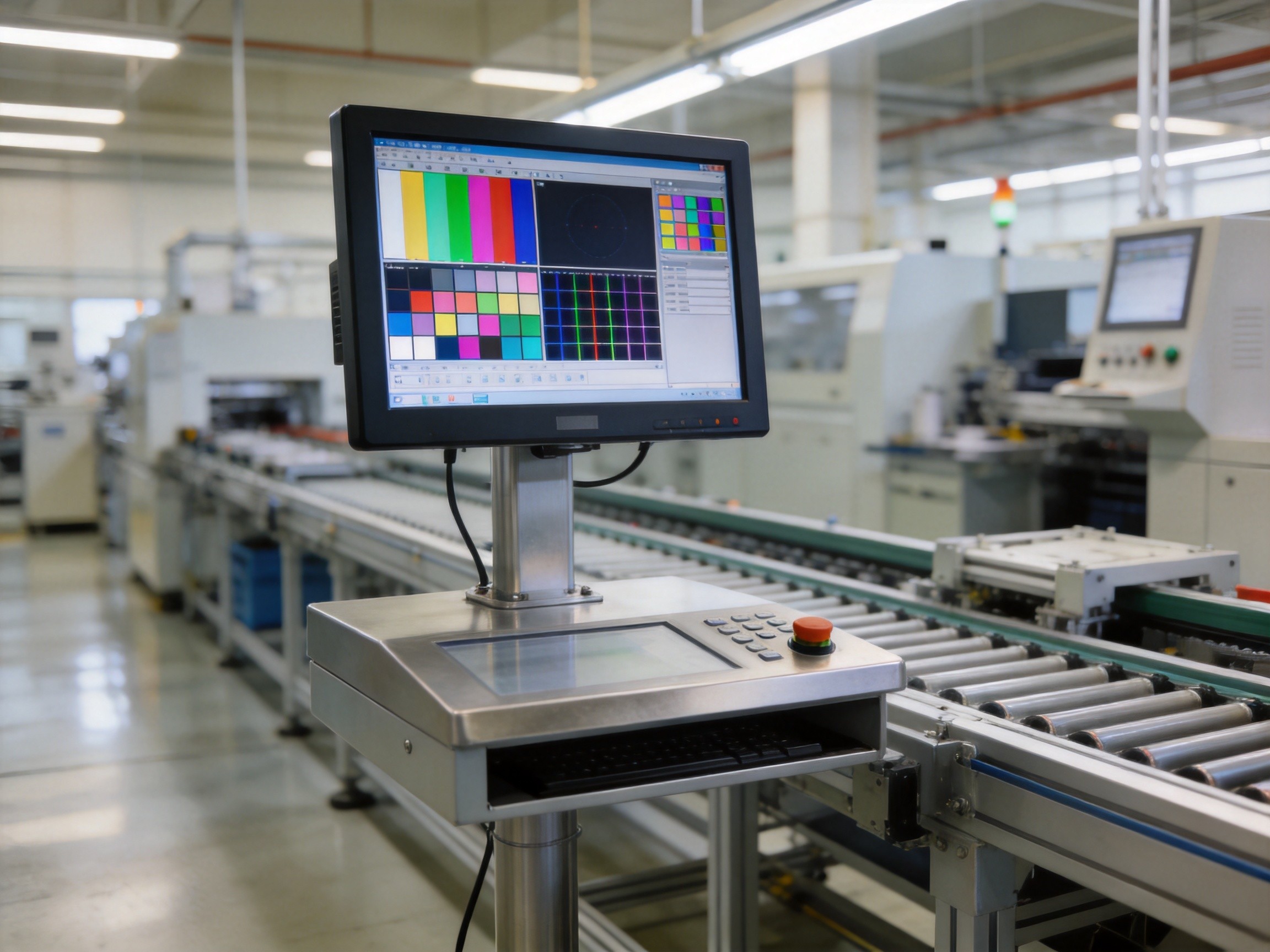
IPS panels typically achieve 8-bit or 10-bit color depth with sRGB coverage exceeding 95 percent, making them suitable for applications that require color-based status indication—such as quality inspection stations where subtle color variations in product imaging must be reliably identified. The native contrast ratio of industrial-grade IPS panels, ranging from 1000:1 to 1500:1, provides sufficient differentiation between interface elements even under the high-ambient-light conditions common in manufacturing facilities. Backlight brightness specifications of 350 to 500 cd/m² are standard for indoor industrial deployments, with higher-output options available for environments with direct sunlight exposure.
IPS vs. TN vs. VA: A Practical Comparison
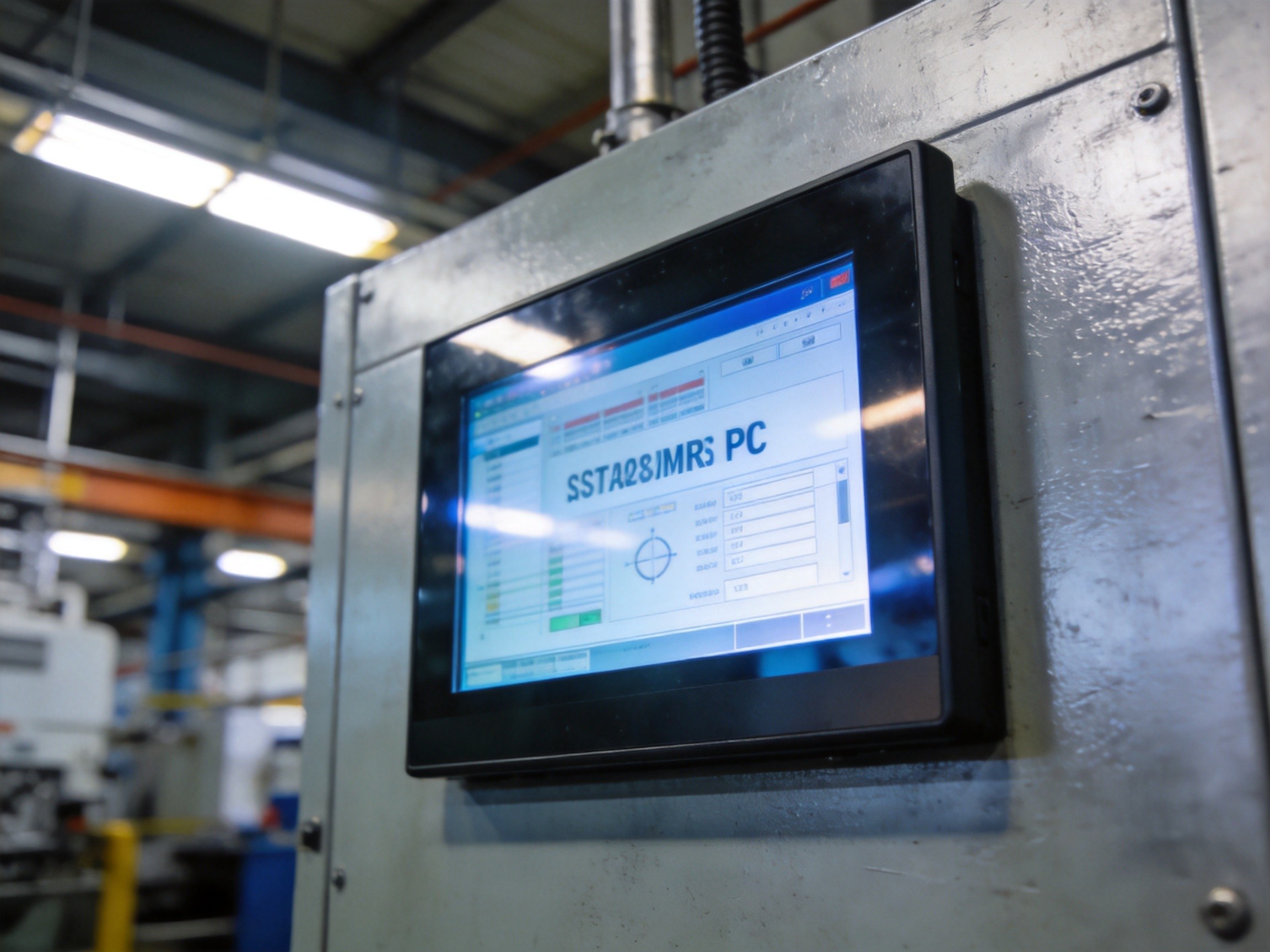
TN panels offer the lowest manufacturing cost and historically the fastest response times—attributes that made them dominant in consumer desktop monitors. However, their vertical viewing angle limitation of approximately 160 degrees with significant gamma shift makes them problematic for industrial installations where the display may be mounted above eye level or at an angle. VA panels provide superior native contrast ratios, often exceeding 3000:1, which benefits dark-content visibility, but their off-axis color shift and slower dark-to-light transitions can compromise readability in dynamic industrial dashboards. KOXIAN industrial panel PCs leverage IPS panels to occupy the optimal middle ground, delivering balanced performance across all parameters relevant to factory floor operations.
Selection Criteria for Factory Floor Deployments
A systematic approach to IPS panel selection begins with the deployment environment analysis: ambient light levels, operator viewing distances and angles, and the criticality of color differentiation in the application. Panel brightness should be specified at 1.5 to 2 times the ambient illuminance for comfortable readability. Temperature range requirements must account for both the ambient factory conditions and the self-heating of the backlight system during continuous operation. In deployments documented across multiple manufacturing sectors, industrial panel PCs configured with IPS panels have demonstrated measurable reductions in operator error rates on visual inspection tasks, a finding supported by field data from production line installations where display readability directly correlates with throughput consistency.

Integration Considerations
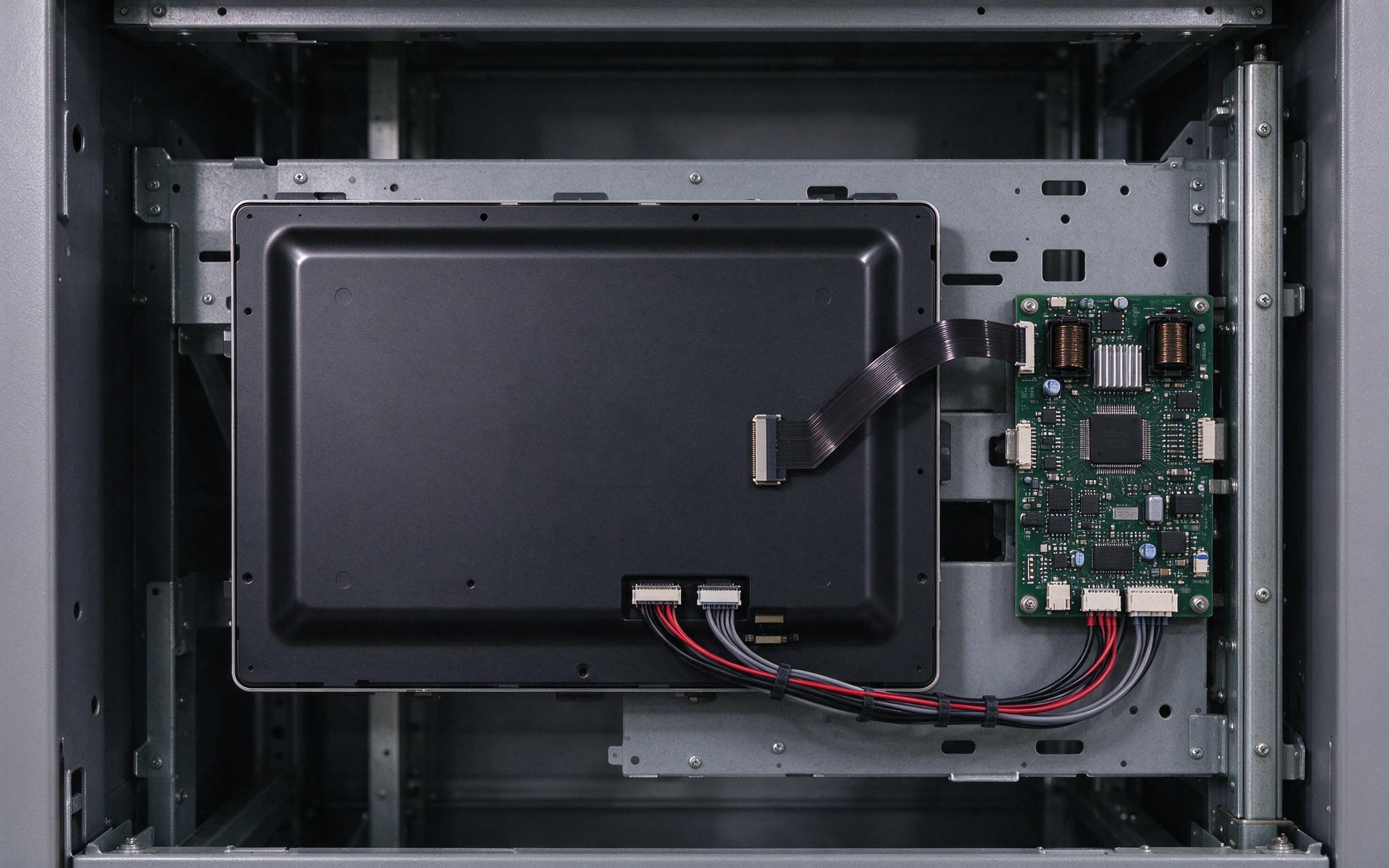
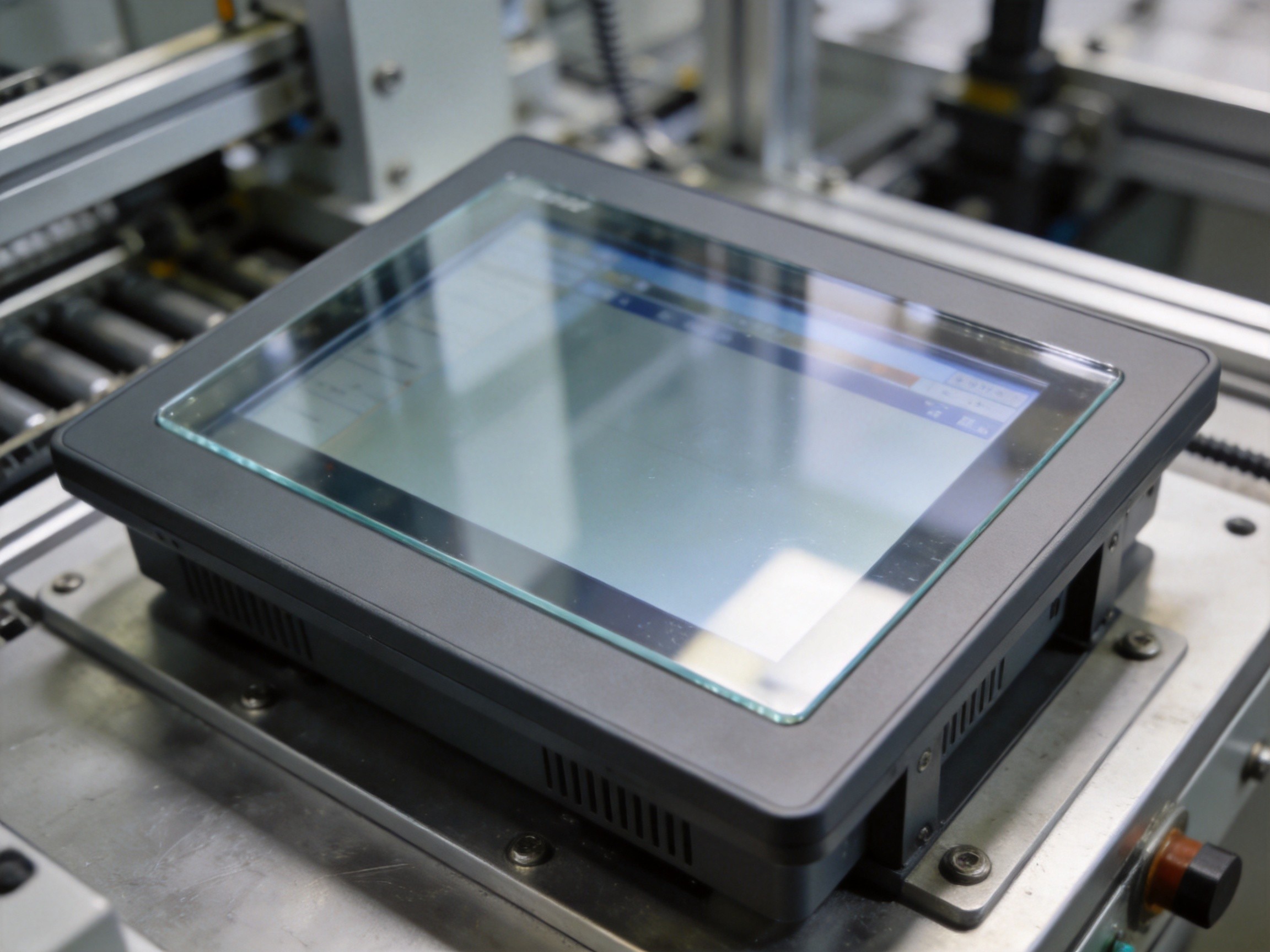
Optical bonding—the process of laminating the LCD panel to the protective cover glass with a refractive-index-matched adhesive—is particularly beneficial for IPS industrial displays. This technique eliminates the internal air gap that causes internal reflections and reduces effective contrast by up to 14 percent in high-ambient-light conditions. The bonded assembly also improves structural rigidity and prevents condensation between layers in environments with temperature cycling. Engineering case references from KOXIAN industrial computing deployments highlight optical bonding as a cost-effective enhancement that extends the usable life of IPS panel installations in demanding factory environments. Selection of touch integration technology—whether projective capacitive or resistive—should account for the specific operator glove requirements and contamination exposure levels of the target workstation.
Conclusion
The selection of IPS panel technology for industrial display applications represents a decision driven by viewing angle requirements, color accuracy demands, and the physical constraints of the deployment environment. The structural advantages of in-plane liquid crystal switching—consistent luminance across wide angles, reliable color reproduction, and stable performance under continuous operation—address the core challenges of factory floor visualization. When paired with optical bonding and appropriate brightness specifications, IPS-based industrial panel solutions provide a durable and operationally effective platform for process monitoring, quality inspection, and production data visualization across diverse manufacturing environments.