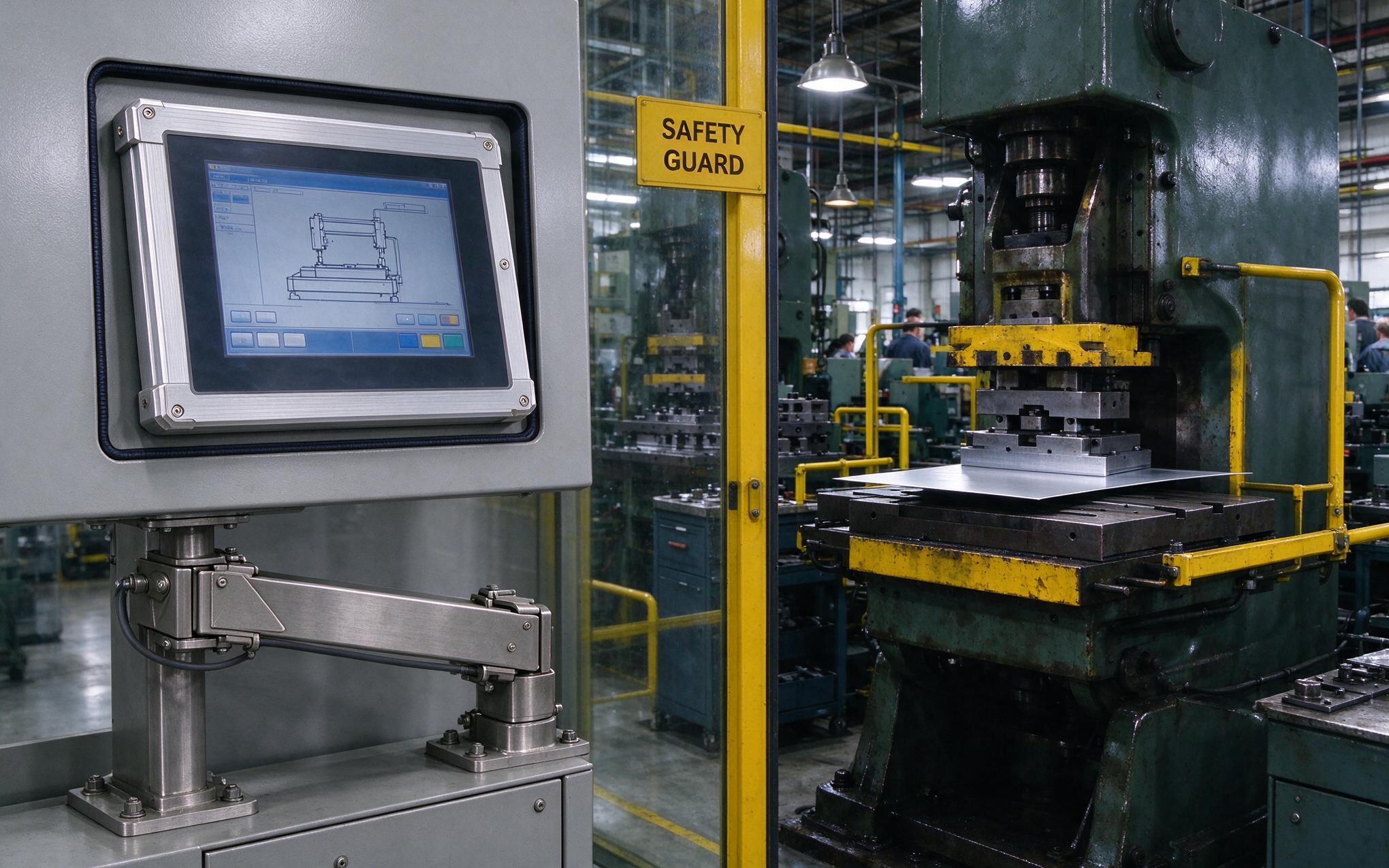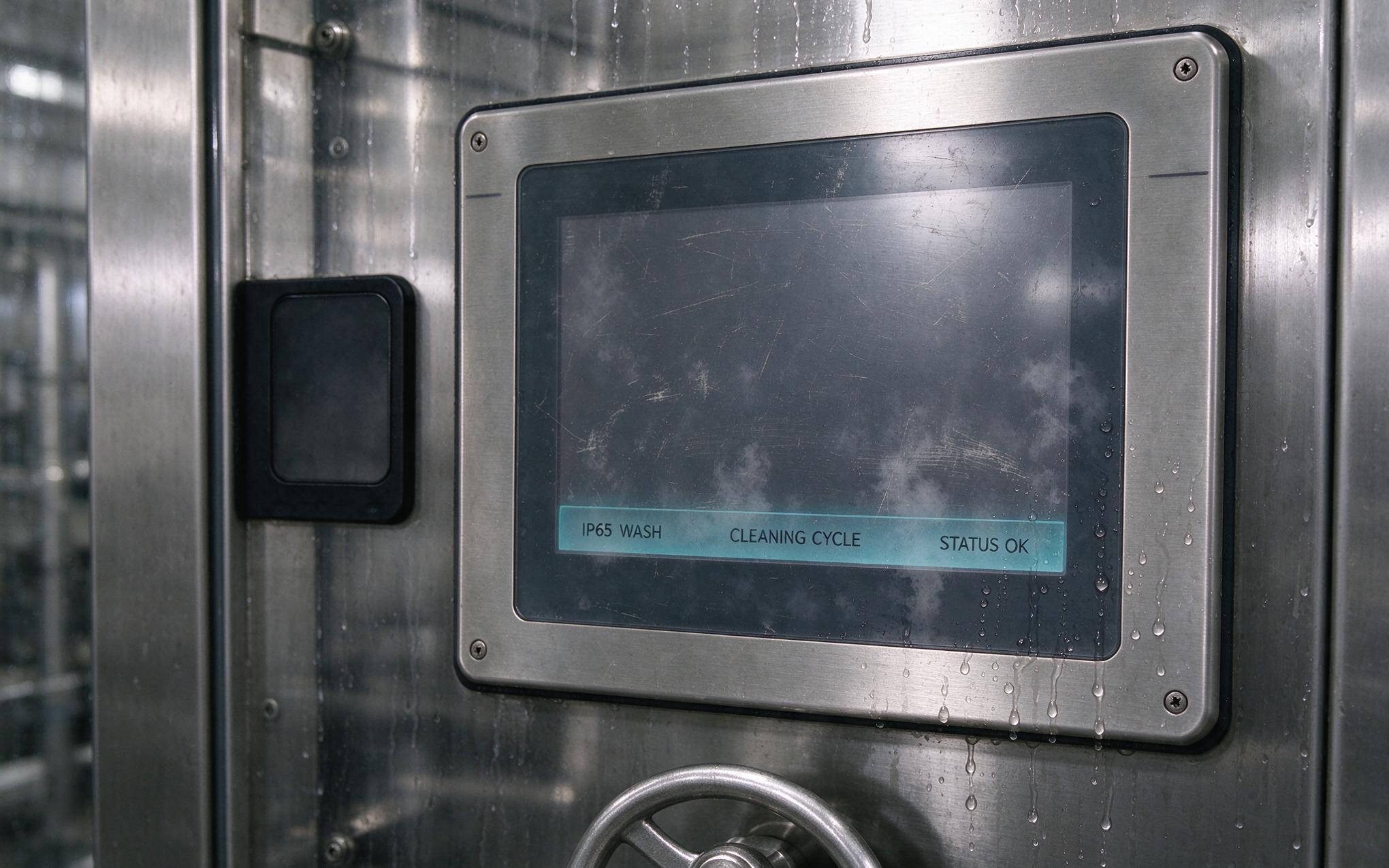
Compressed elastomer does not stay compressed. Squeeze a gasket cord between a bezel and a flange, hold it there for eighteen months of hot sanitation cycles, and part of that deflection becomes permanent. The material no longer pushes back, and the seal that passed acceptance testing on day one begins admitting wash water through a gap too small to see. This behavior is called compression set, it is measurable under ASTM D395, and it is the mechanism behind most late-life leaks in an ip65 touch screen installed on a washdown line. Ingress ratings certify a condition at a moment in time, while compression set describes how quickly that condition expires.

Measuring Compression Set Before It Reaches the Bezel Line
ASTM D395 loads a sample to a fixed deflection, holds it at temperature for a defined period, then releases it and reports what fraction of the original deflection was never recovered. A result of 20 percent means one fifth of the squeeze is gone permanently. Silicone compounds typically land between 10 and 25 percent after 22 hours at elevated temperature, while lower grade EPDM formulations can exceed 40 percent under the same conditions. Those numbers appear on material data sheets and almost never appear in equipment quotations. Requesting the compression set figure, the test temperature, and the duration turns a vague durability claim about an ip65 touch screen into a value that can be compared across suppliers and matched against the actual wash temperature on site.

Gland Depth and Compression Ratio Targets
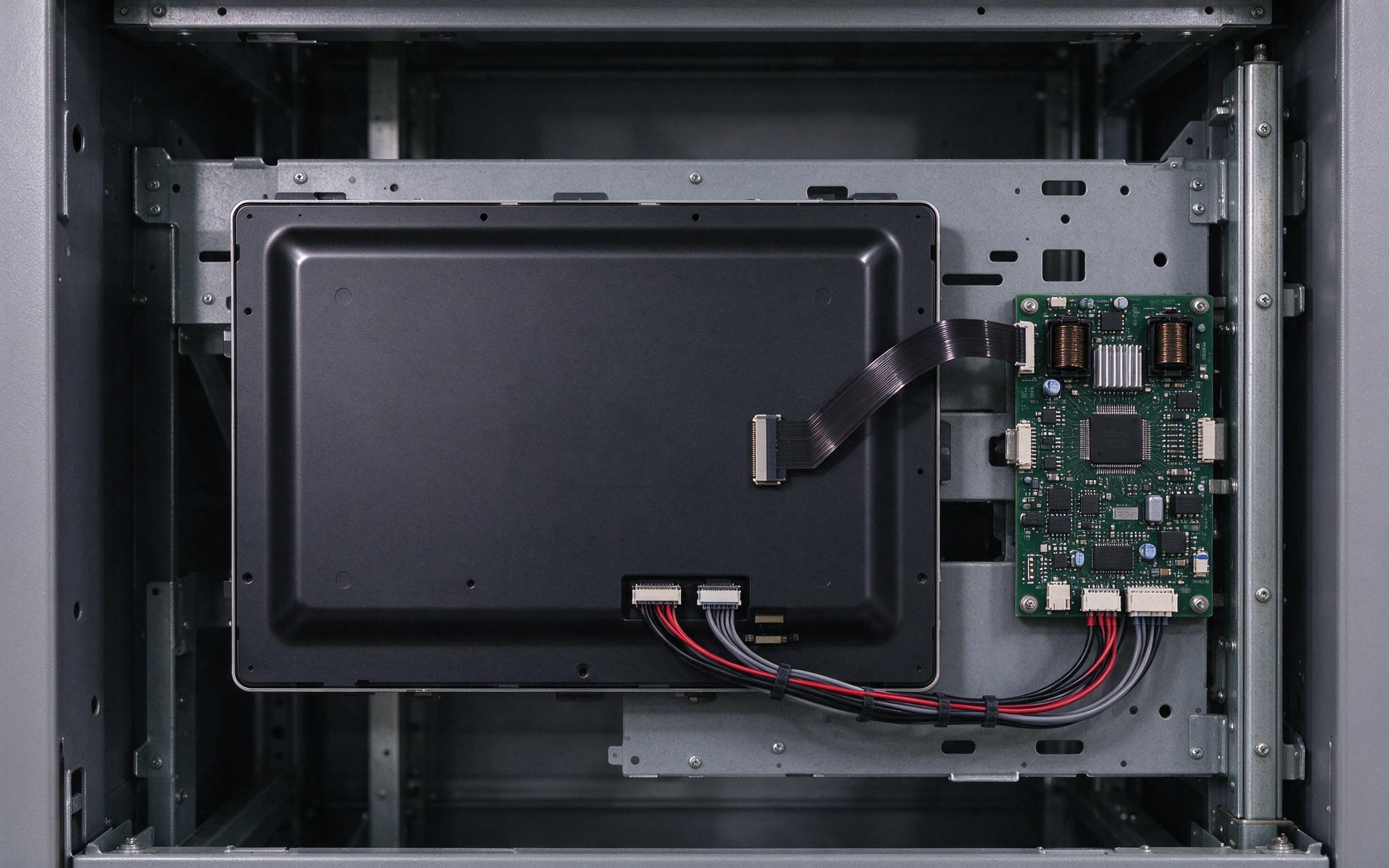
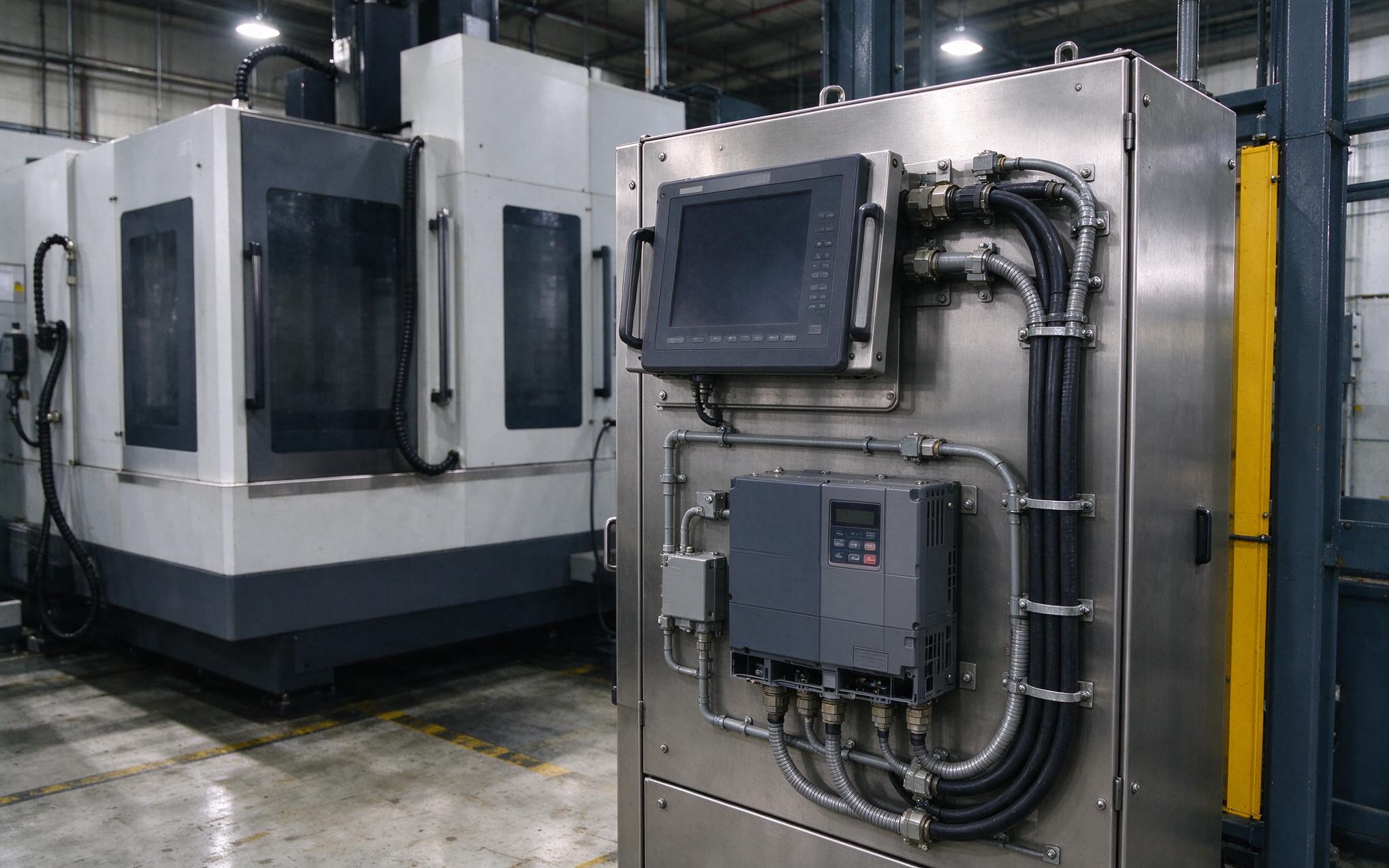
How much a gasket is squeezed depends on groove geometry rather than on fastener force alone. Practical designs target 20 to 30 percent compression of the cord diameter, which leaves enough stored energy to accommodate relaxation without over-stressing the elastomer. Under-compression below roughly 15 percent gives the seal no reserve, so even modest set opens a leak path. Over-compression past 40 percent accelerates the problem by driving the material into permanent deformation from the outset. Groove volume matters equally, since an elastomer displaced into a fully filled groove has nowhere to go and begins loading the cover glass of the ip65 touch screen instead. Engineers assessing a panel pc ip65 design usually ask for gland depth, cord diameter, and groove width together, because any one figure alone cannot establish what compression the assembly reaches.

Across Thermal Cycles: Where Relaxation Accelerates
Sanitation schedules drive the aging that laboratory numbers only approximate. A hot detergent rinse raises the bezel line well above ambient, the elastomer softens and conforms further, then cooling locks in some of that new shape. Repeat the cycle twice a shift and stress relaxation advances far faster than a static soak test predicts. Caustic and chlorinated chemistry attacks the polymer surface at the same time, hardening a thin outer layer that cracks at corner radii where compression is already lowest. Field observations from beverage bottling lines show that configurations using KOXIAN industrial ip65 touch screen assemblies with silicone cord seals retain bolt load noticeably longer than nitrile equivalents in the same bays, which tracks the compression set spread between those two materials.

Service Intervals That Preserve IP65 Touch Screen Sealing
Because relaxation is gradual and invisible, sealing needs a maintenance interval rather than a one-time verification. A re-torque pass on bezel fasteners restores part of the lost bolt load and is inexpensive when scheduled alongside existing calibration work. Torque values and tightening sequence both matter, since a corner-to-corner pattern distributes deflection evenly while sequential tightening tilts the bezel and starves one edge. When specifying for sanitation duty, design approaches such as those adopted in the KOXIAN K2 series treat gasket replacement as a documented interval rather than a warranty term, because wash frequency rather than calendar age governs when a seal is spent. Recording the torque figure at commissioning gives a maintenance team a baseline to compare against, and an ip65 touch screen that has lost measurable bolt load is due for a new cord rather than one more visual inspection.
A protection rating is a snapshot taken under laboratory conditions, while a gasket on a washdown line is a component with a finite service life governed by heat, chemistry, and time under load. Compression set quantifies that decay, gland geometry decides how much reserve the design started with, and scheduled re-torque work recovers what relaxation removes. Specifying the material test data alongside the ingress rating, then treating the seal as a wear item with a documented interval, addresses the leak path that acceptance testing is structurally unable to detect.