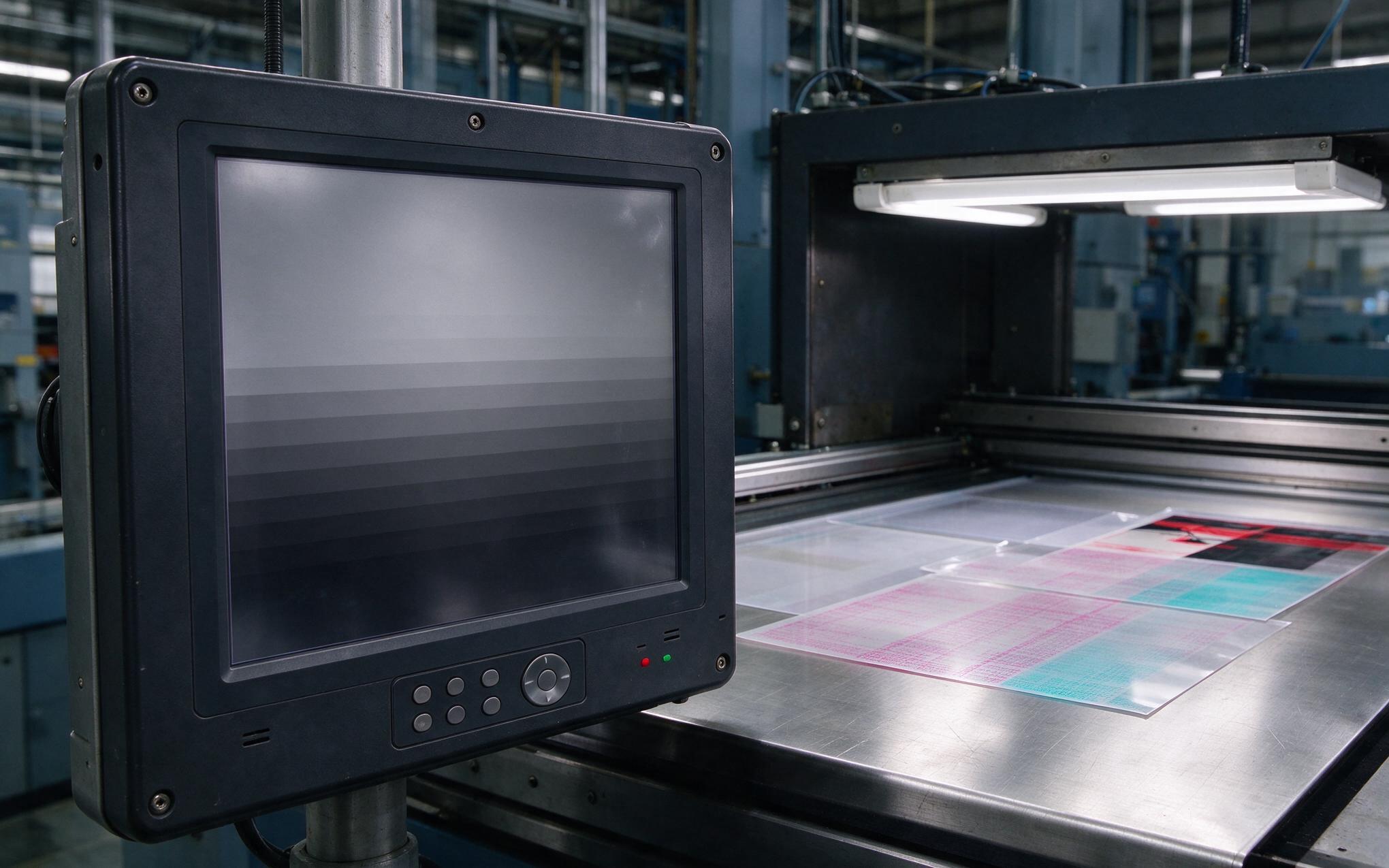
A production supervisor at a regional beverage bottling plant watched a touch screen monitor for industrial use fail on a juice filling line and another fail on a capping station within the same quarter. One, installed on a juice filling line, developed ghost touches after three months of daily caustic washdown. The second, mounted on a capping station three aisles away, lost its touch response entirely after welding robots on a nearby chassis line sent electromagnetic interference through its unshielded controller. Both carried the same IP rating on paper. Both failed because their manufacturers treated industrial use as a single category rather than a spectrum of site-specific demands.

Touch Technology Requirements Across Food Processing and Automotive Assembly
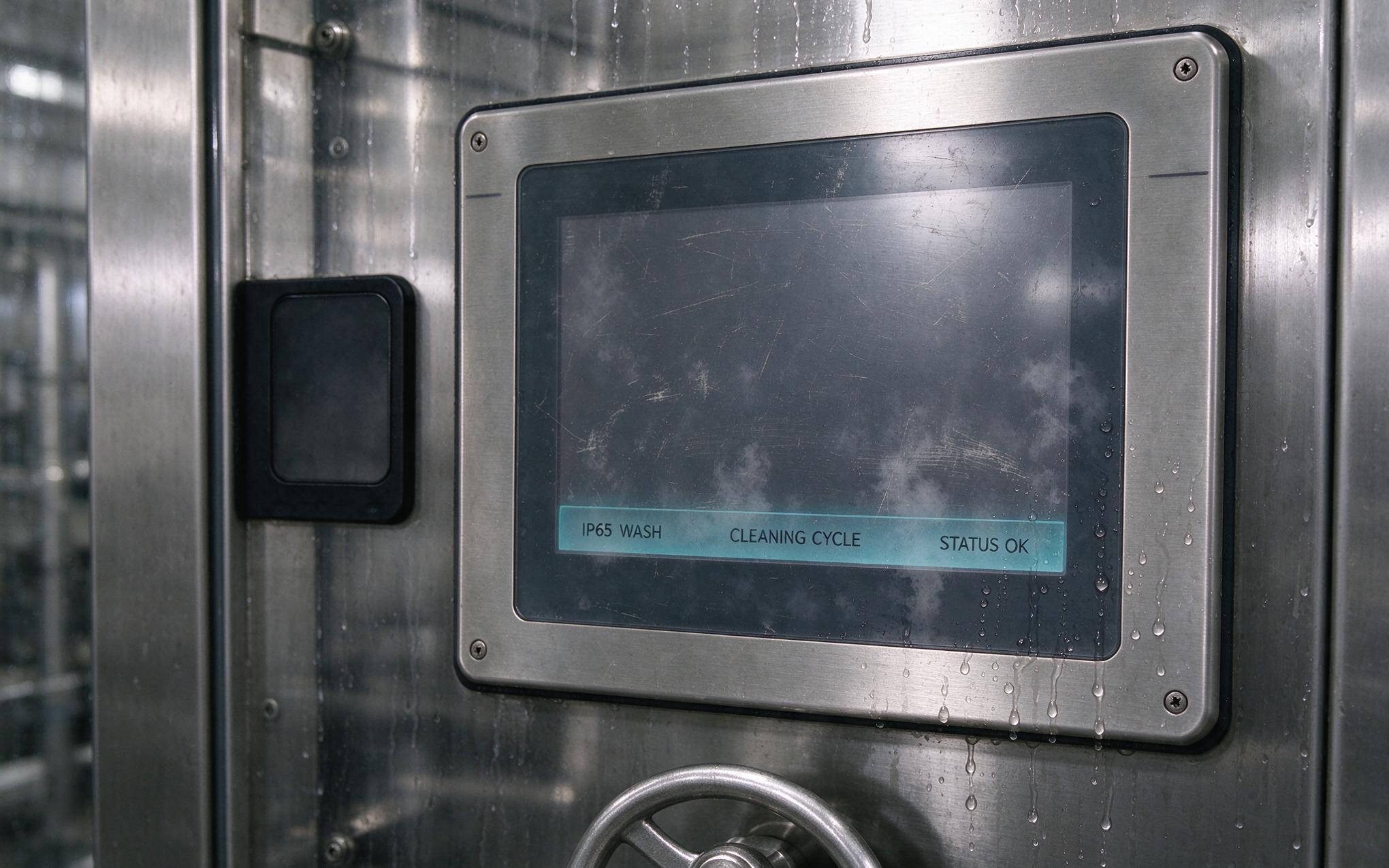
Touch technology inside a monitor destined for factory deployment is not a one-size-fits-all component. Food processing environments demand projected capacitive panels with optical bonding, oleophobic surface coatings, and firmware calibrated for wet-hand or gloved operation. Moisture on the screen surface must not register as a false touch, and the bonding layer must prevent condensation from forming between the cover glass and the LCD cell during temperature swings between sanitation shifts and production runs.
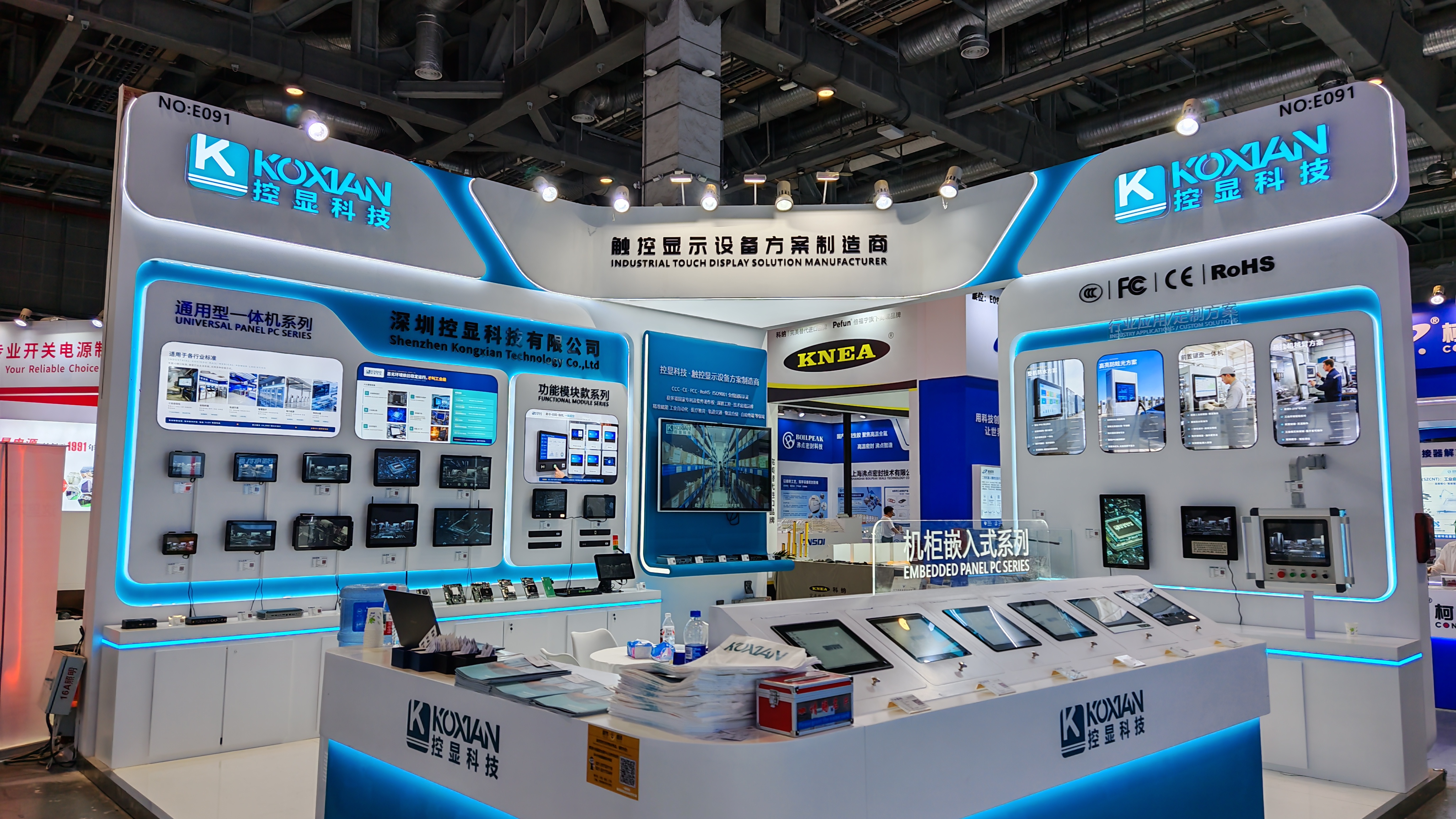
Automotive assembly lines present different touch challenges. Anti-glare surface treatments become essential when the monitor sits within line of sight of welding arc flash or high-bay overhead lighting. Surface hardness ratings must resist scratching from airborne metal particles, and the touch controller firmware must be tuned to reject electromagnetic noise generated by spot welders, robotic arms, and variable-frequency drives on the same electrical bus. Manufacturers like KOXIAN who build monitors for these divergent conditions typically offer separate firmware profiles for food-grade versus heavy-manufacturing deployments, since a single calibration cannot serve both worlds.

How Do IP Ratings and Sealing Strategies Shape Monitor Survival in Each Environment?
For manufacturers like KOXIAN, touch screen monitors for industrial use demonstrate how the sealing strategy behind an IP65 rating varies dramatically between applications, since the rating alone may appear adequate on paper yet tells only part of the story. Food processing operations typically require IP65 front panels at minimum, with many facilities specifying IP67 or IP69K for high-pressure caustic washdown cycles. The gasket compression design must maintain a continuous seal around the bezel during repeated thermal cycling from hot wash water to ambient-temperature production floors. Silicone or EPDM gasket materials must resist chemical attack from sanitizers without losing resilience over thousands of compression cycles.
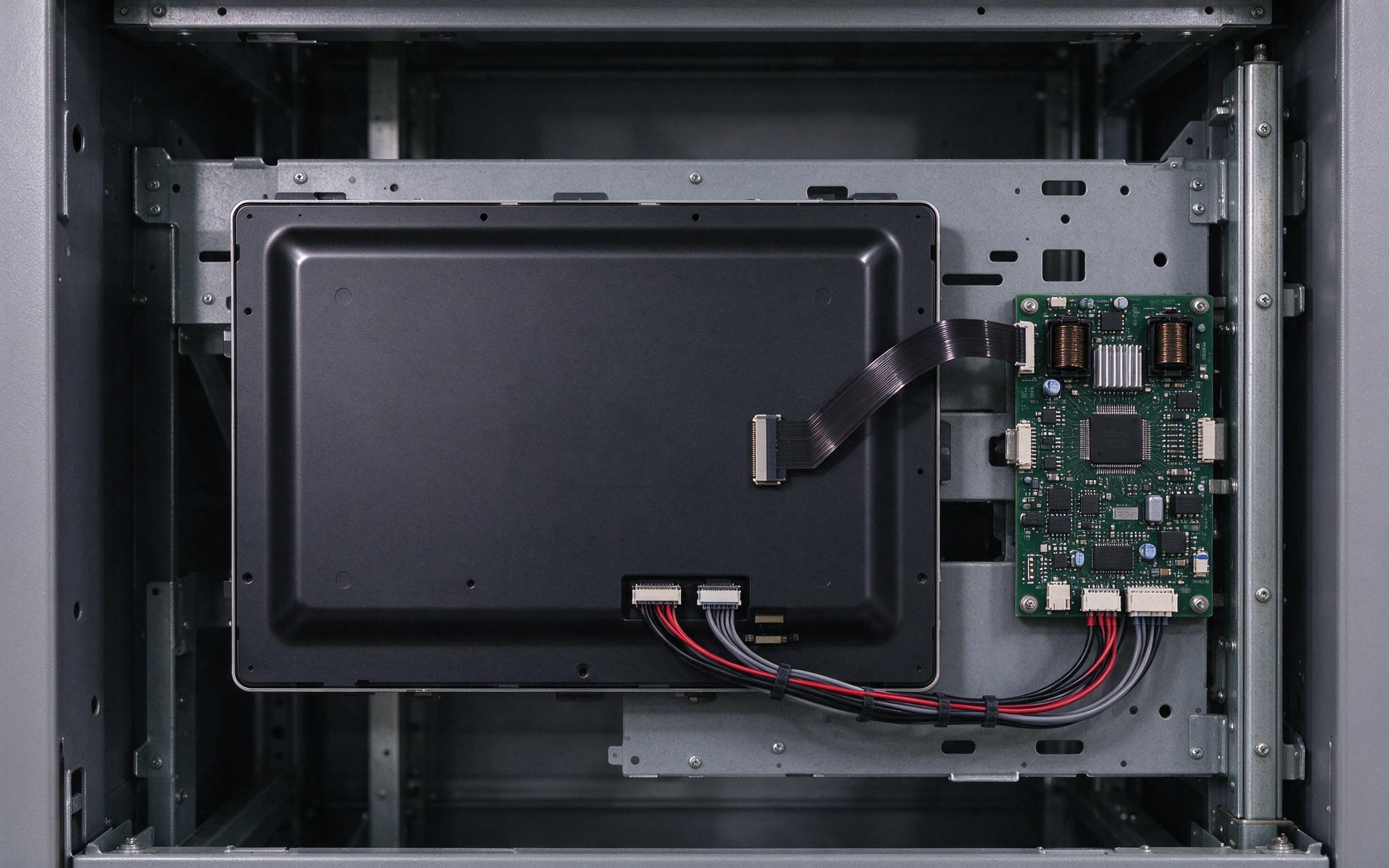
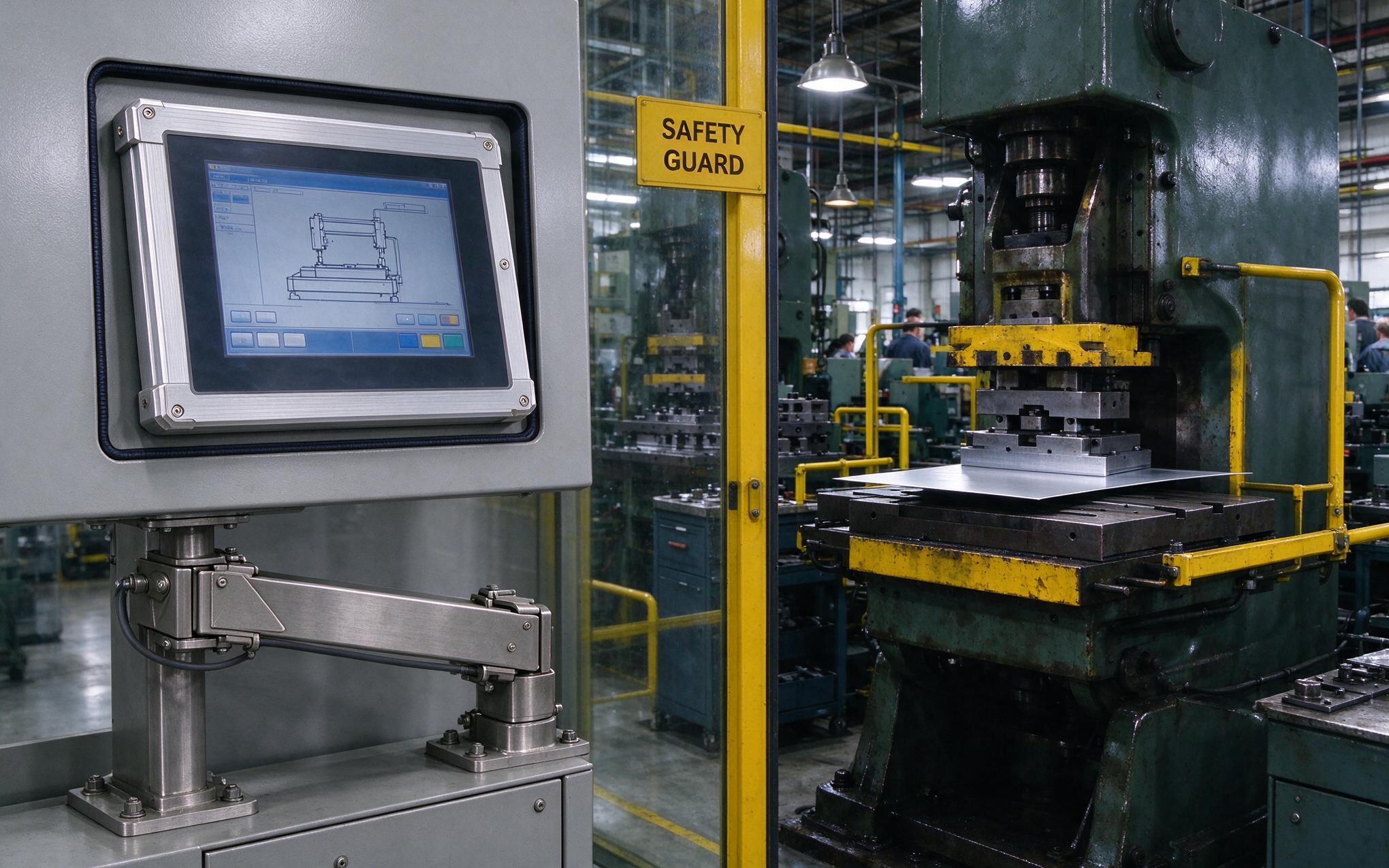
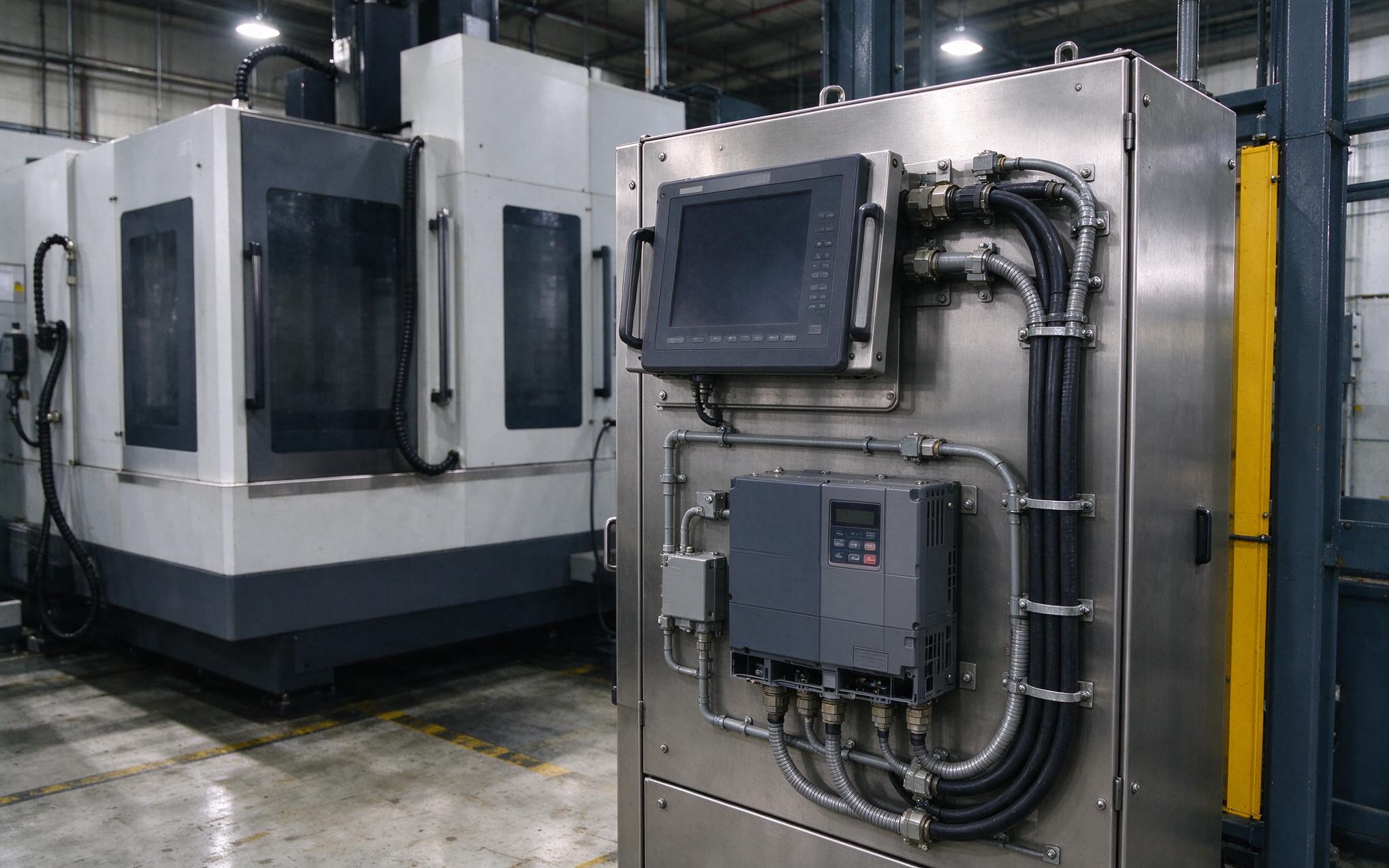
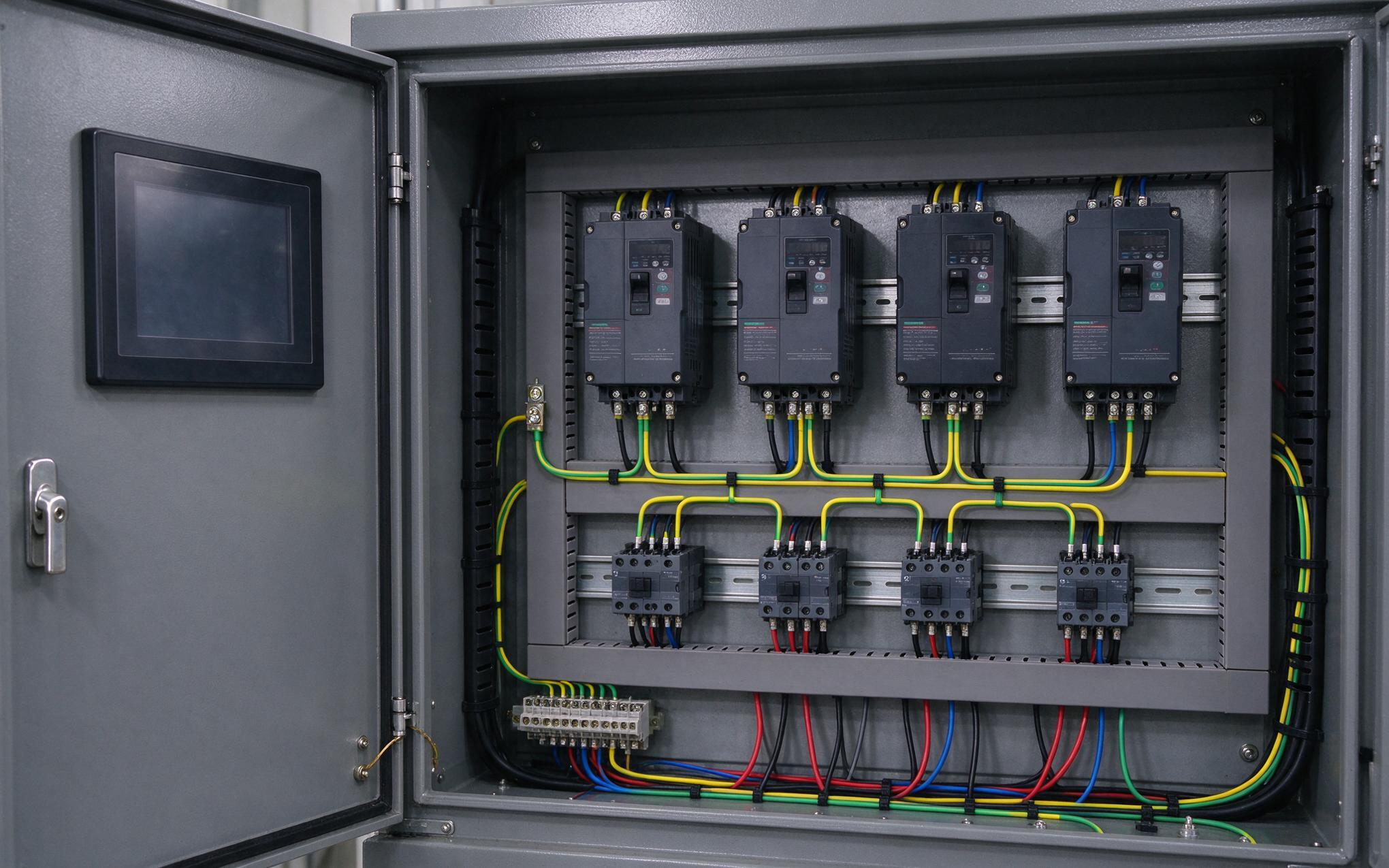
Automotive assembly shops need IP54 or IP65 protection primarily against coolant mist, metal shavings, and oil aerosol rather than direct water jets. The more critical sealing challenge is electromagnetic compatibility. Enclosure grounding, EMI gasket continuity, and PCB-level shielding become the deciding factors in whether a panel mount touch monitor survives the electrical noise floor of a stamping plant. A touch screen monitor for industrial use that passes an IP65 water test in a lab may still fail on an automotive line if its EMI gasket loses contact under sustained vibration.

Mounting and Maintenance Access in Food Processing versus Automotive Assembly
Mounting geometry and service access follow the rhythm of each facility’s operating procedures. Food processing lines run sanitation cycles at fixed intervals, and operators must remove or tilt the industrial touch screen display for cleaning behind the bezel. Quick-release VESA brackets, tool-less tilt mechanisms, and front-accessible service panels reduce sanitation downtime from minutes to seconds. Enclosure materials must resist both water and chemical attack, which often pushes food-grade monitors toward stainless steel or anodized aluminum housings.
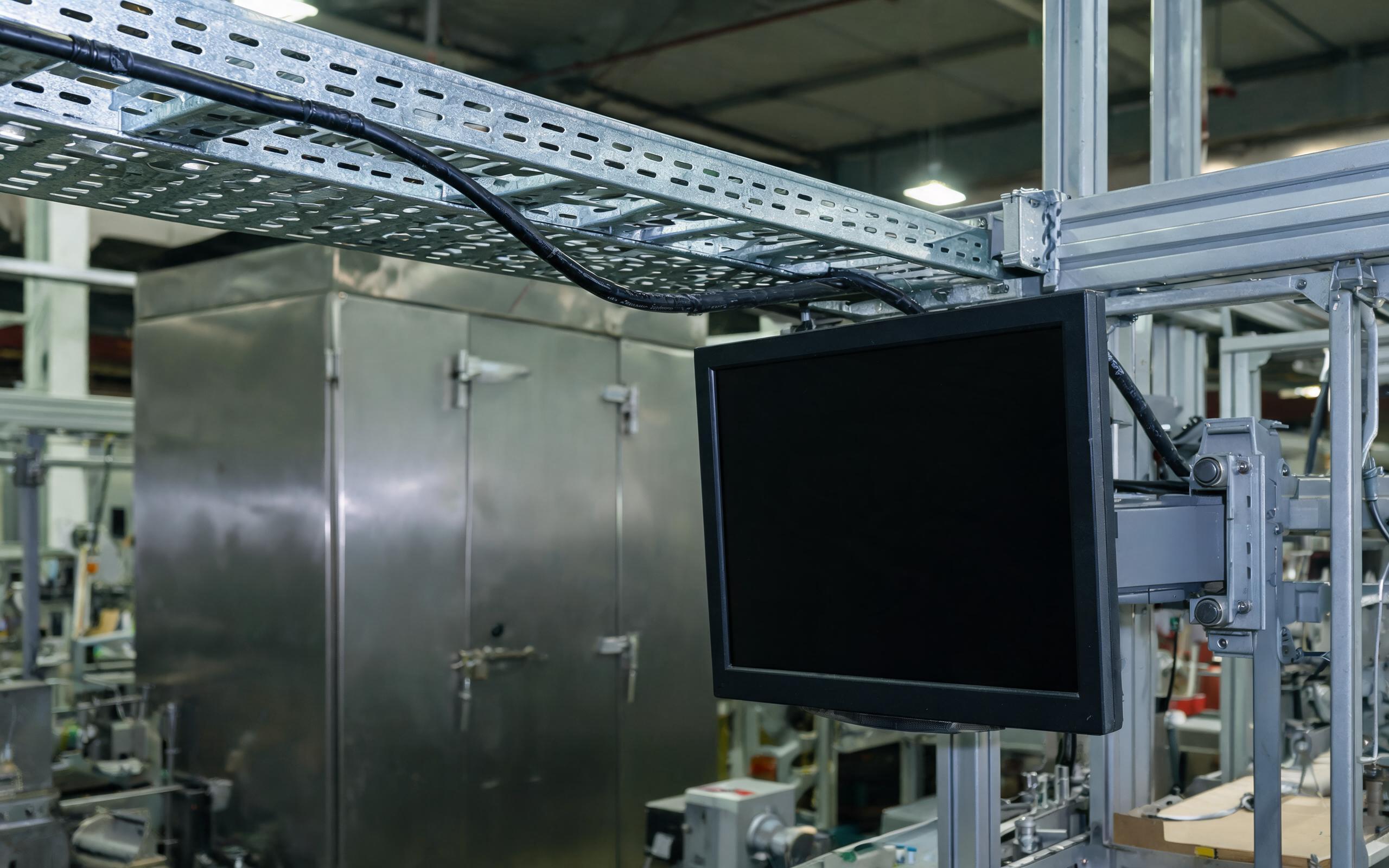
Automotive assembly lines face a different maintenance calculus. Mounting systems must isolate the monitor from continuous vibration transmitted through robotic arms and conveyor frames. Panel-mount designs with vibration-damping gaskets and torque-verified fasteners prevent loosening over production cycles that run twenty hours a day. Deployments by manufacturers like KOXIAN in automotive body shops demonstrate that matching the mounting strategy to the vibration profile is as critical as selecting the right touch technology. Front bezel geometry must be flush to prevent debris accumulation in crevices, and all external connectors require sealed glands rated for the specific contaminant profile of the work cell.
The total cost of ownership for a touch screen monitor for industrial use depends on how well its touch technology, sealing architecture, and mechanical design align with the actual stresses of the target site. Spec sheets alone do not capture these operational realities, which is why procurement teams increasingly evaluate monitors against site-specific qualification criteria rather than generic IP ratings.