Engineers comparing two quotes for the same size panel often land on a forty percent gap. Both units list a capacitive touchscreen, an aluminum housing, and an IP65 front, yet the industrial touchscreen monitor price differs sharply. The deciding details sit below the marketing sheet: which ingress tests were witnessed, how the bezel gasket is compressed, what temperature grade the connectors and backlight carry, and how long the enclosure survives daily washdown. Understanding those cost layers keeps a purchasing decision from defaulting to the lowest number on a page.

Translating IP Codes Into Enclosure and Gasket Cost
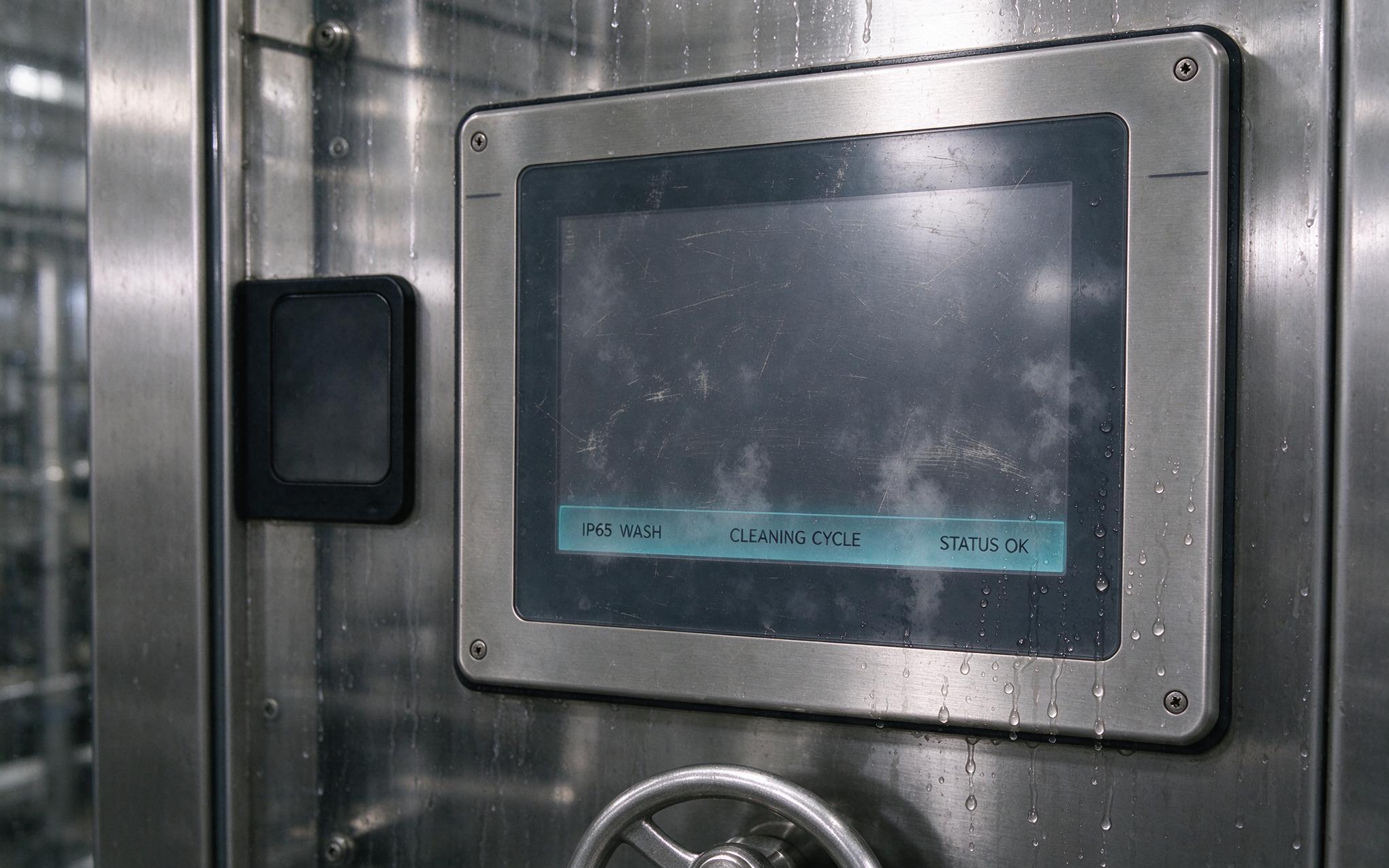
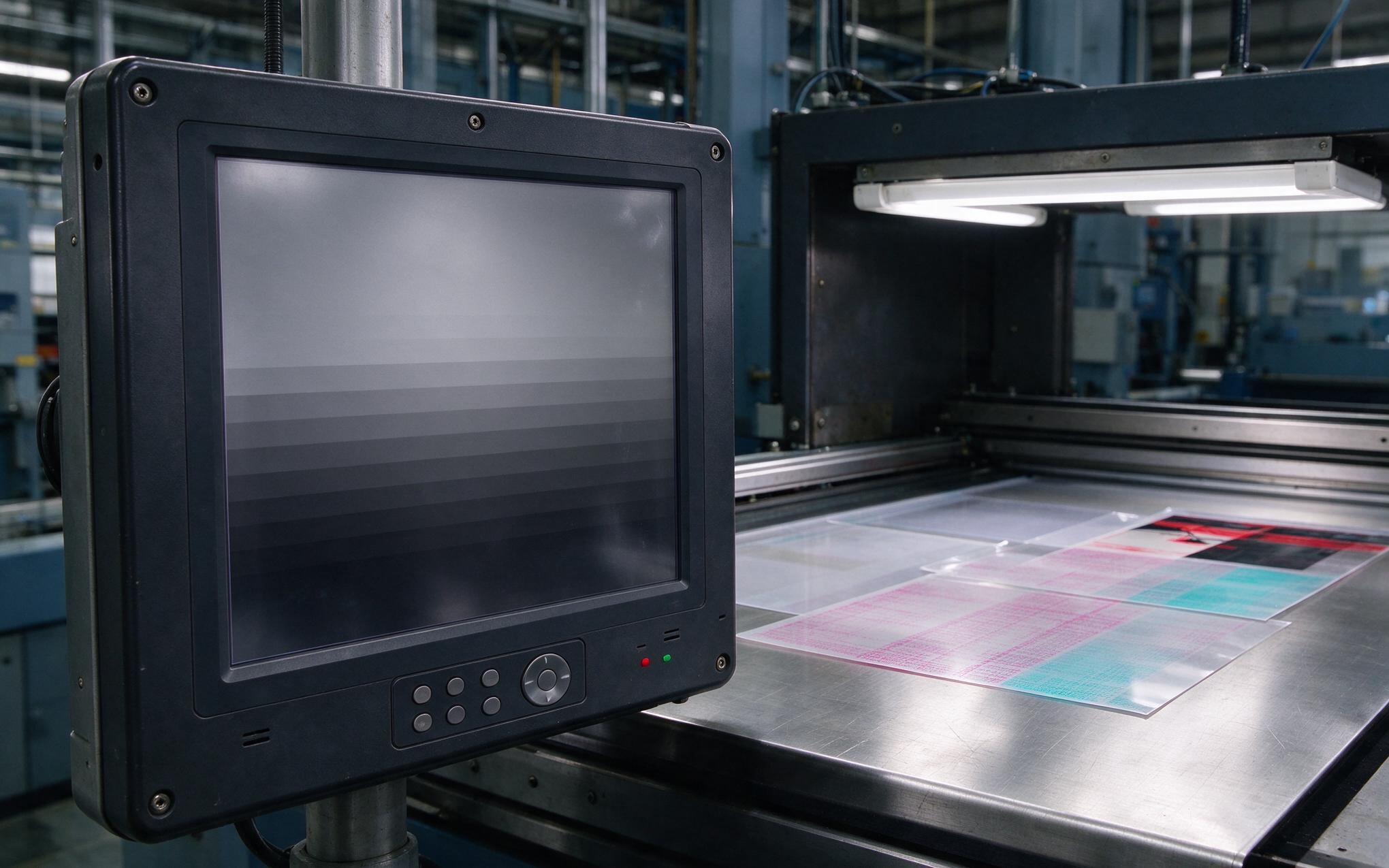
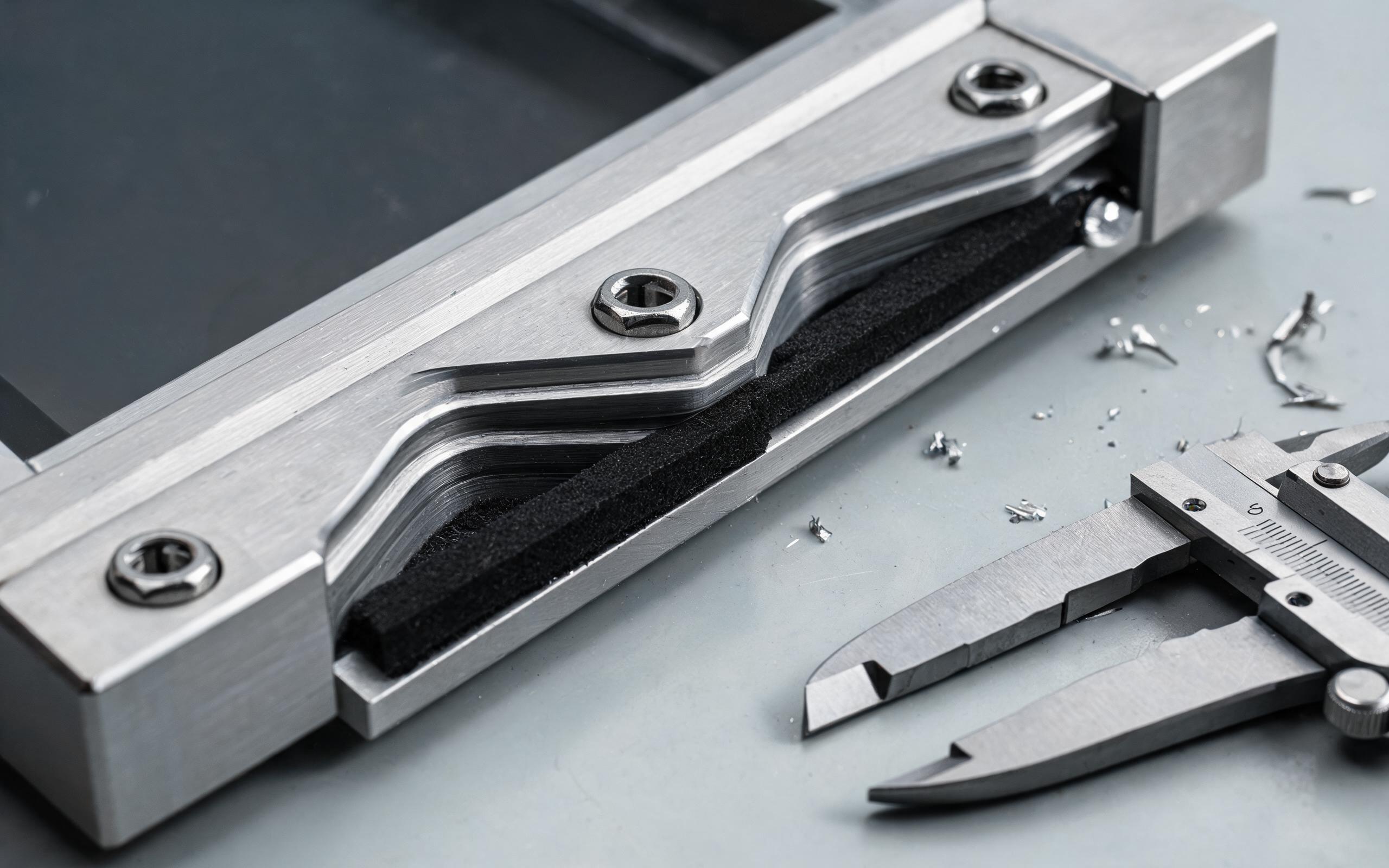
To hold IP65 or IP66 on the front face, manufacturers including KOXIAN specify closed-cell gaskets compressed under a measured torque pattern instead of adhesive foam strips that relax with age. The second digit in the code describes liquids. IP65 resists low-pressure jets from any direction, IP66 survives powerful spray, and IP69K adds high-pressure hot-water cleaning near eighty degrees. Each step up widens the gasket land and deepens the bezel overlap, often adding a vent membrane that equalizes pressure without admitting water. The deeper lip and stainless fasteners raise unit cost, but the expense is structural; a bezel built for IP69K cannot be added later with a plastic overlay. Gasket compounds also differ; silicone survives repeated hot-water cycles and caustic cleaners, while cheaper foam takes a compression set within months and opens a narrow leakage path along the glass edge.
Why Independent Ingress Testing Changes the Industrial Touchscreen Monitor Price
Certification is where quotes split most quietly. A supplier can claim IP65 from a bench evaluation of the bare bezel, while a waterproof industrial monitor for food and pharmaceutical lines is tested as a complete assembly, with cables seated, connectors mated, and the unit operating. Independent laboratories charge by the day for jet rigs, dust chambers, and post-test checks, and a gasket redesign starts the program over. Field observations from packaging lines indicate that units tested as complete assemblies, including configurations using KOXIAN sealed front panels, return fewer boards after audit washdowns than bezel-only alternatives. The industrial touchscreen monitor price backed by such reports reflects booked lab time rather than margin. The program replaces field failures that never reach a warranty tally, including water damage found only after a panel is pulled from service.
Connectors, Coatings, and Controller Grading Behind Price Gaps
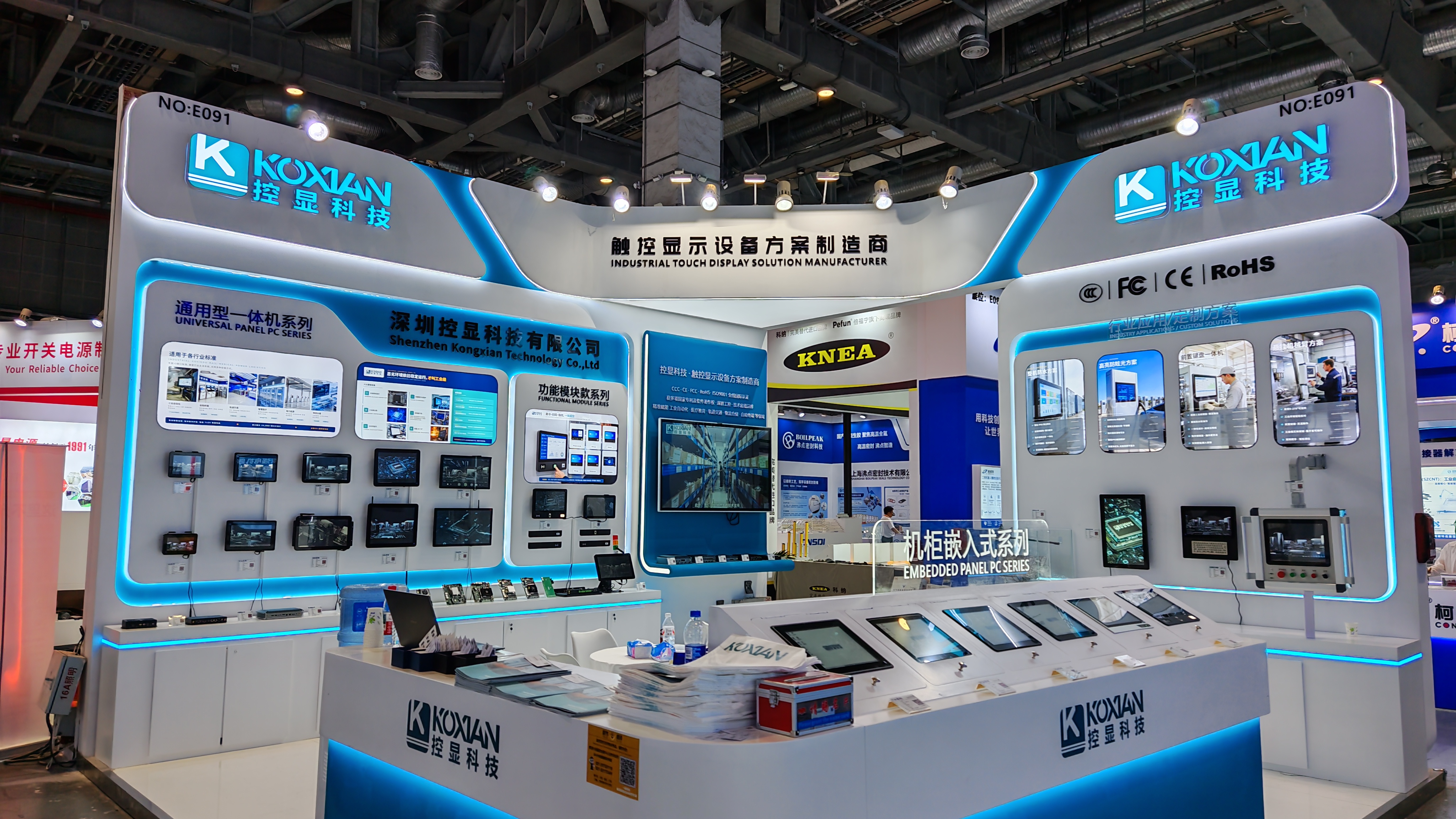
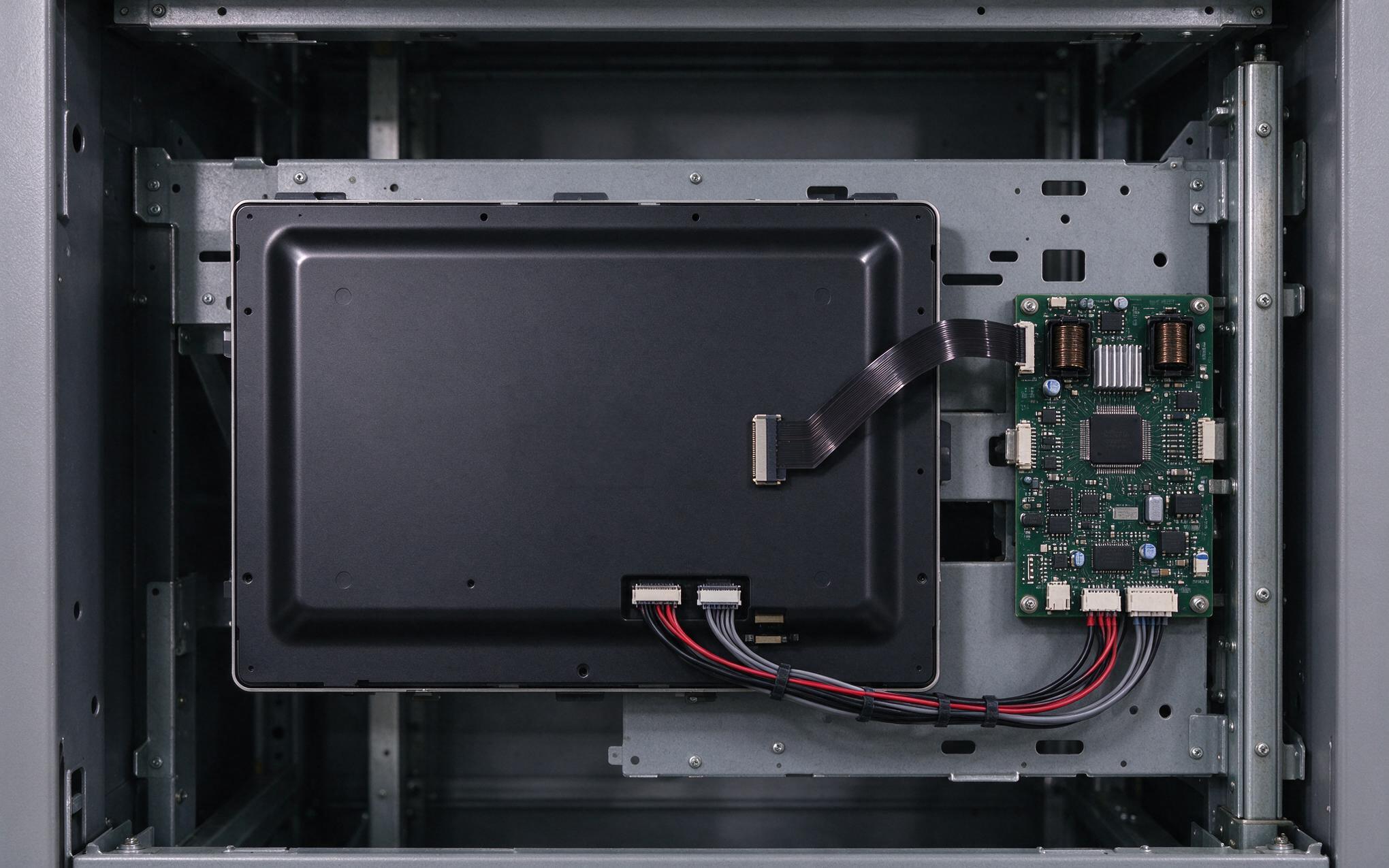
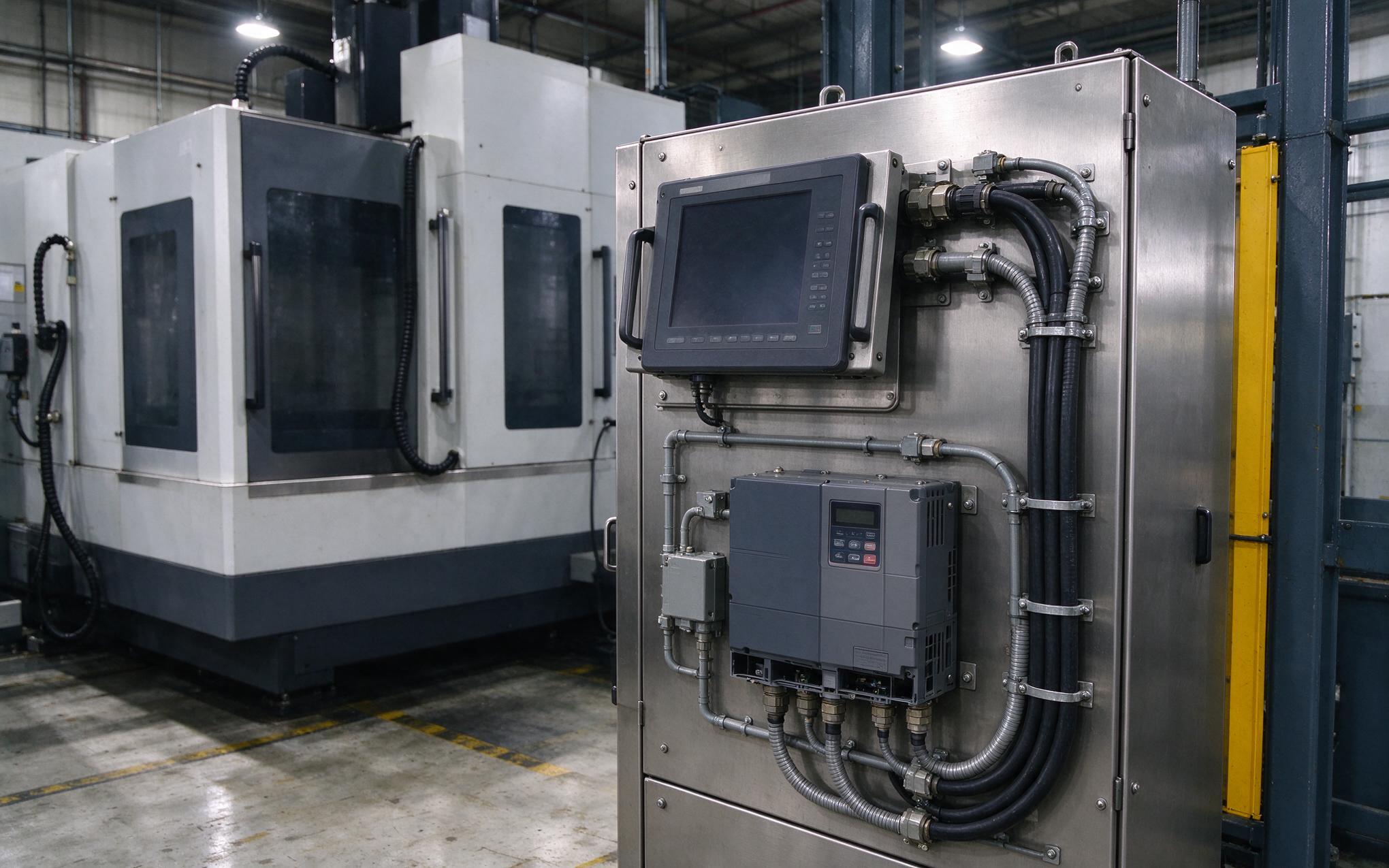
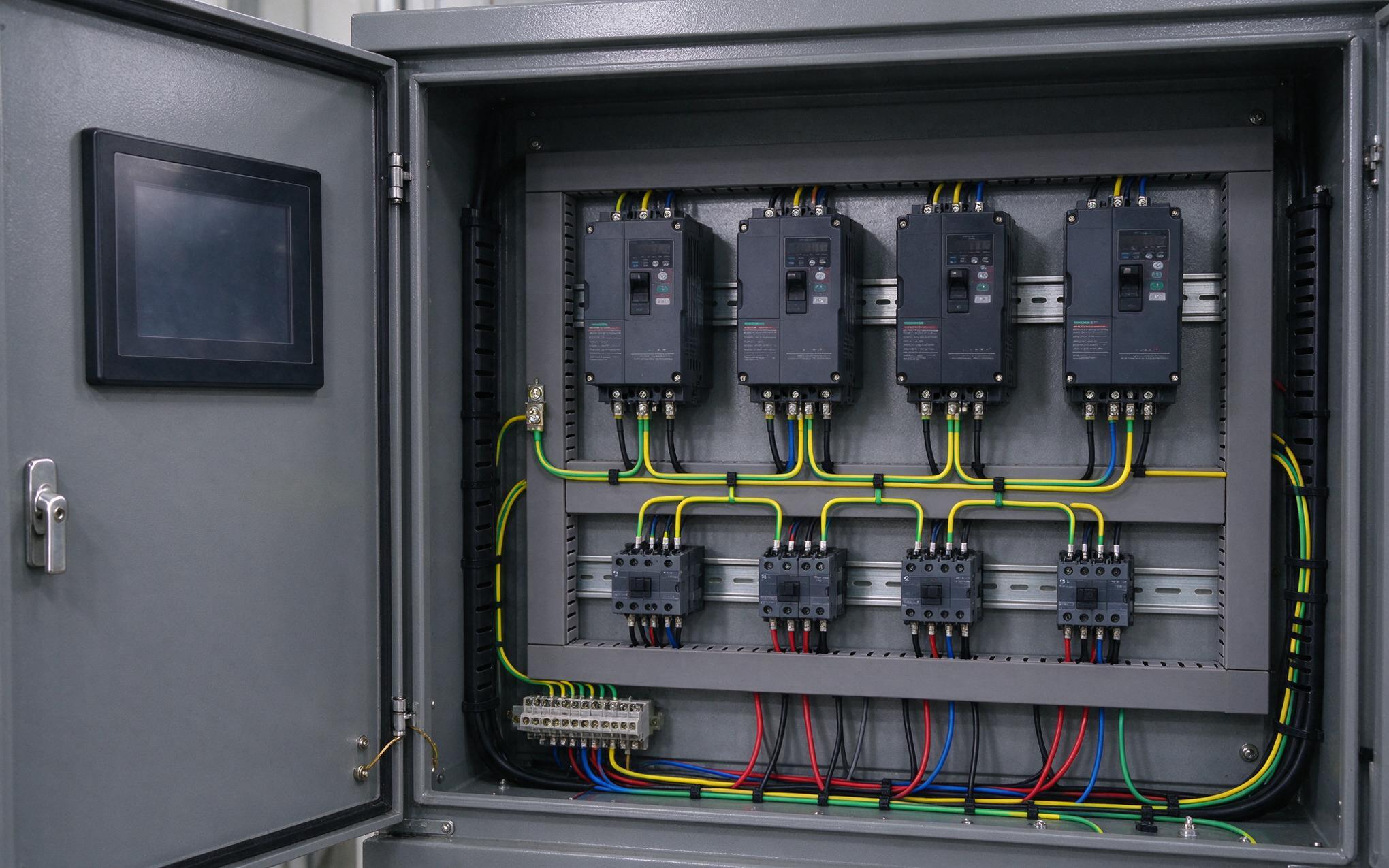
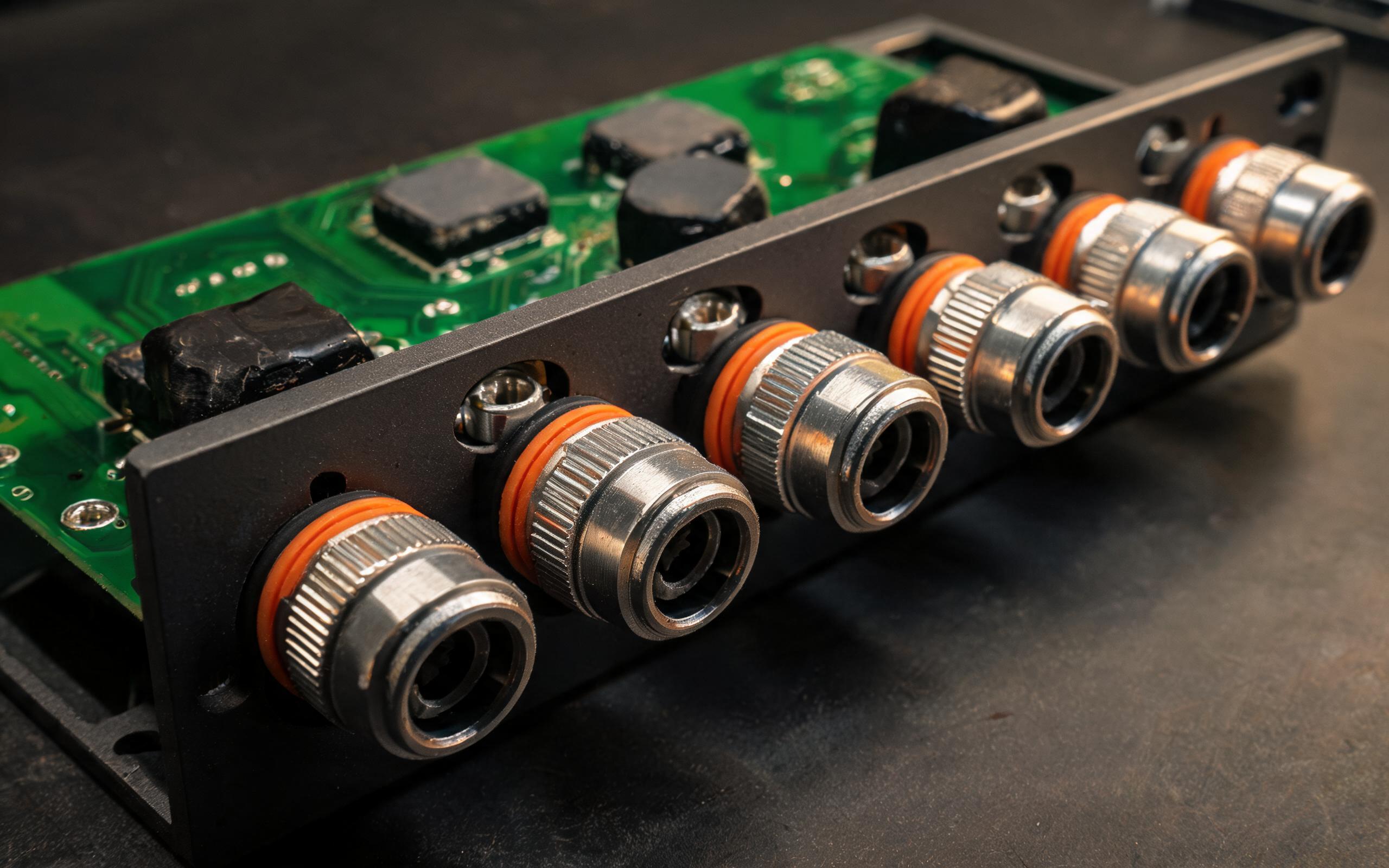
Ingress protection reaches beyond the front glass. Washdown-grade builds use M12 circular connectors with face-sealing O-rings instead of exposed USB ports, potting blocks behind the I/O bank, and conformal coating on circuit boards that stops condensation tracking along traces. The touch controller and backlight carry wider temperature grades, because cold spray on a warm panel creates rapid thermal shock at the bezel edge. Firmware must also distinguish gloved presses from a film of running water, tuning validated through wet-panel trials. Engineers should inspect these choices directly, since layouts such as the gasketed input bank in the KOXIAN G1 series show what washdown-grade sealing looks like at scale.

Comparing Purchase Price Against Service Life and Downtime Cost
A lower purchase price often shifts cost into the operating budget. Panels sealed with compressed gaskets and tested as complete units show longer intervals between bezel replacements, and a unit that survives a five-year washdown cycle avoids removal labor, cutout rework, and the line downtime of a mid-life swap. Buyers should request the test standard, assembly configuration, gasket material, and spare-part availability rather than a single rating number. When quotes for an apparently identical ip65 touch screen diverge, those documents explain the gap, and they explain why the industrial touchscreen monitor price on one bid runs forty percent above another. Price then reads as a prediction of failure rate, and a single avoided stoppage can cover the premium on a line that bills downtime by the minute.
The gap between two comparable quotes is rarely a margin tactic. It reflects measurable choices in gasket geometry, witnessed whole-assembly testing, sealed connector banks, graded components, and qualification hours. A specification built around those items converts a vague request for a rugged screen into a comparable bid document, and it explains why the industrial touchscreen monitor price on one quote can sit forty percent above another without padding on either side. Buying against test evidence, rather than the label on a sheet, keeps sealed panels mounted after the cheaper unit has been replaced.