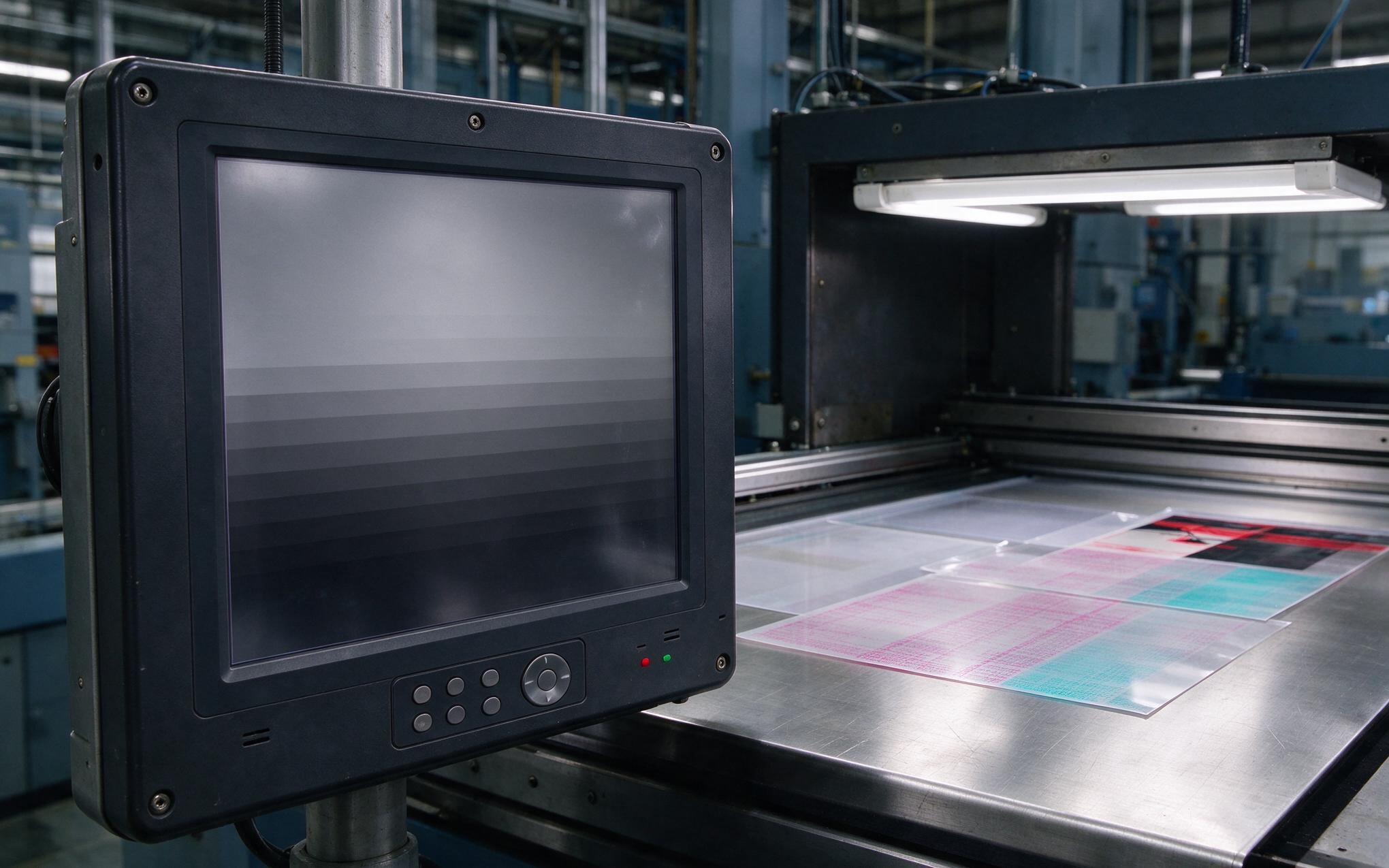
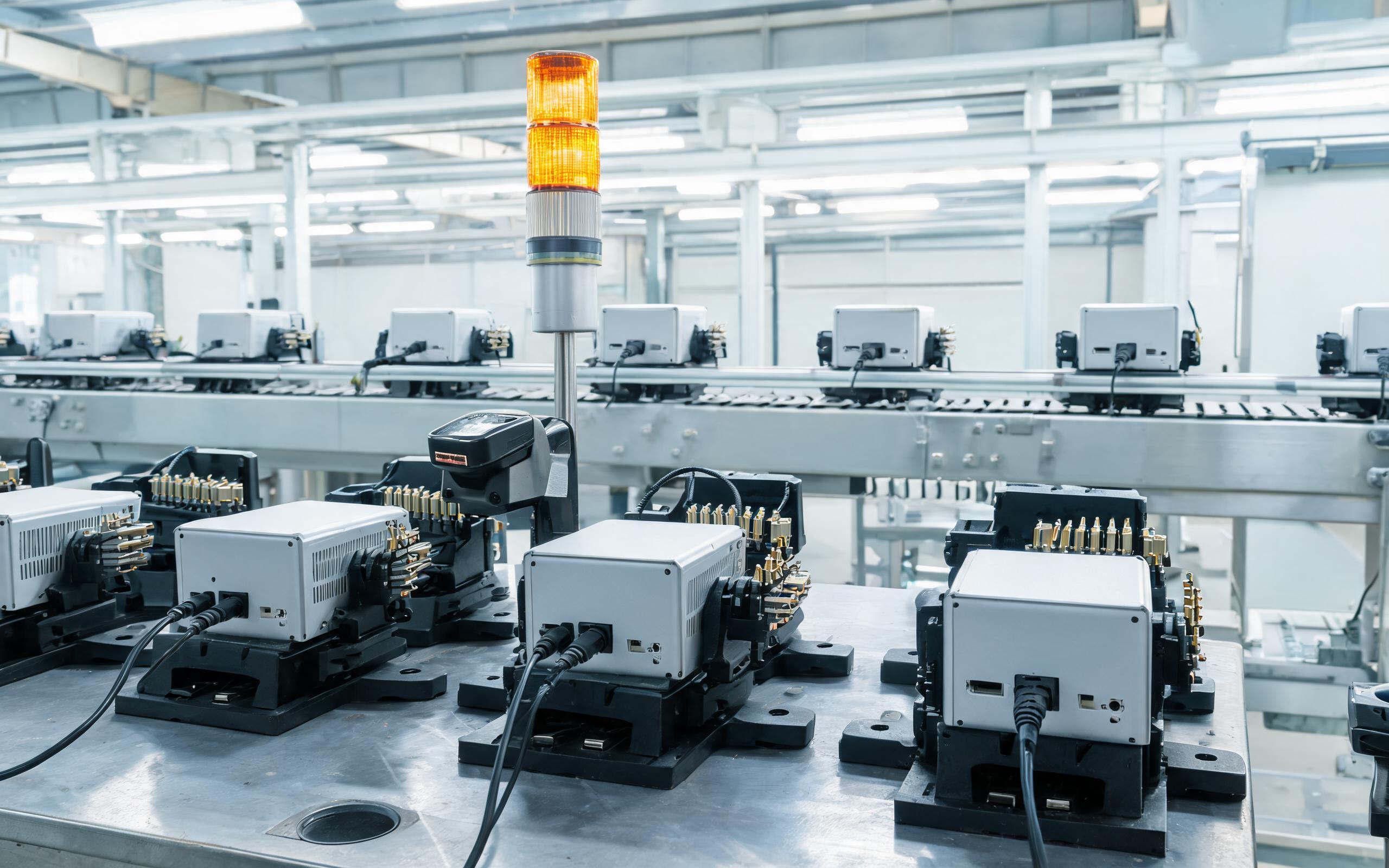
Stalls at a programming fixture are rarely silent events. The progress bar freezes at ninety-four percent, the amber stack light above the station latches on, and a box built minutes earlier sits clamped in the jig with its storage half written while identical units queue behind it. That stall captures the core decision in industrial pc factory wholesale fulfillment: whether the operating system image goes in at the factory preload station or travels downstream to a field imaging bench. Both routes can ship a working computer, yet they distribute cost, traceability, and defect risk in different ways. Buyers comparing quotes rarely see this choice on a line item, but it shapes how a batch behaves from carton to commissioning.
Inside the Preload Route and Its Fixture Dependencies
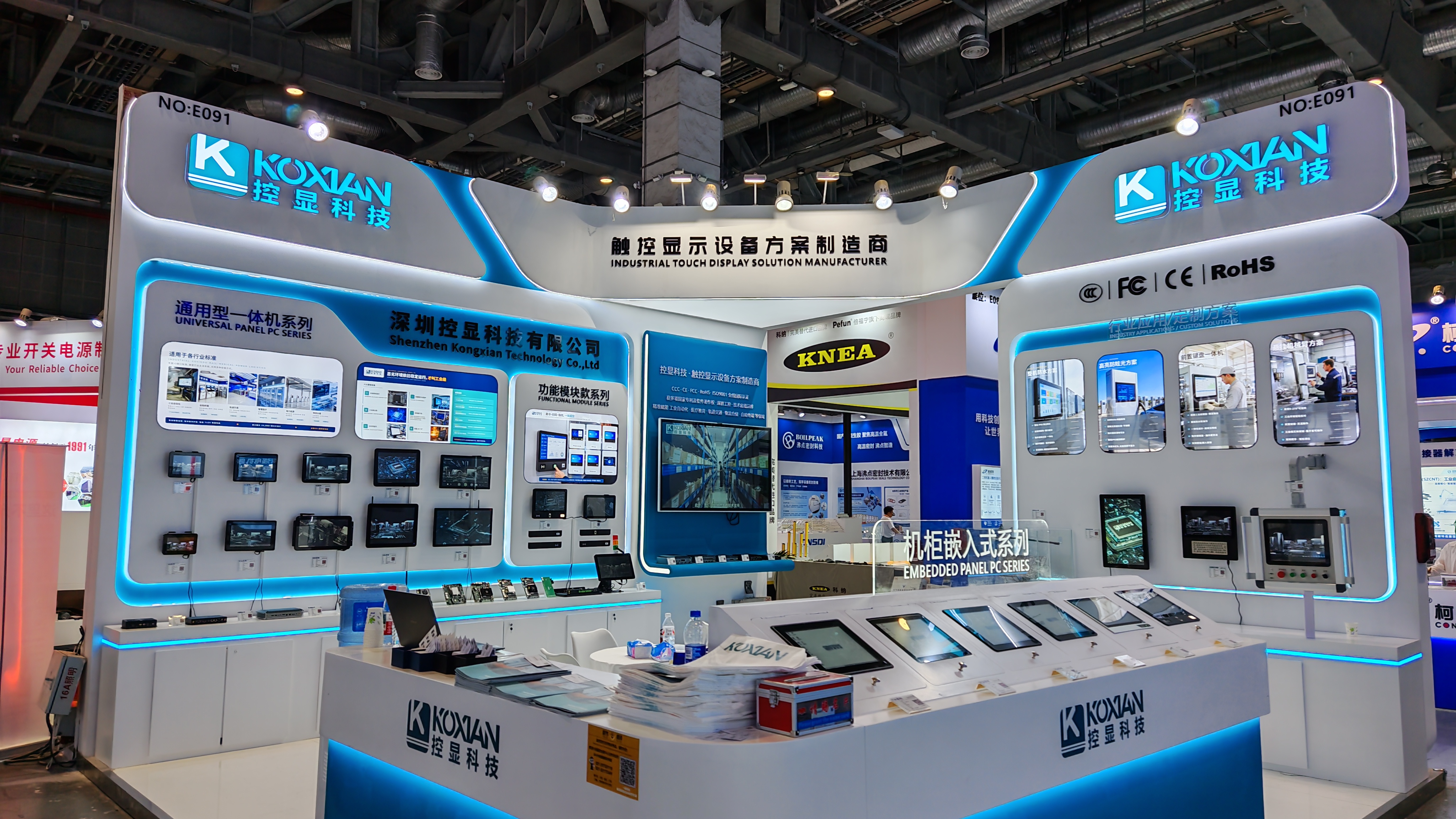
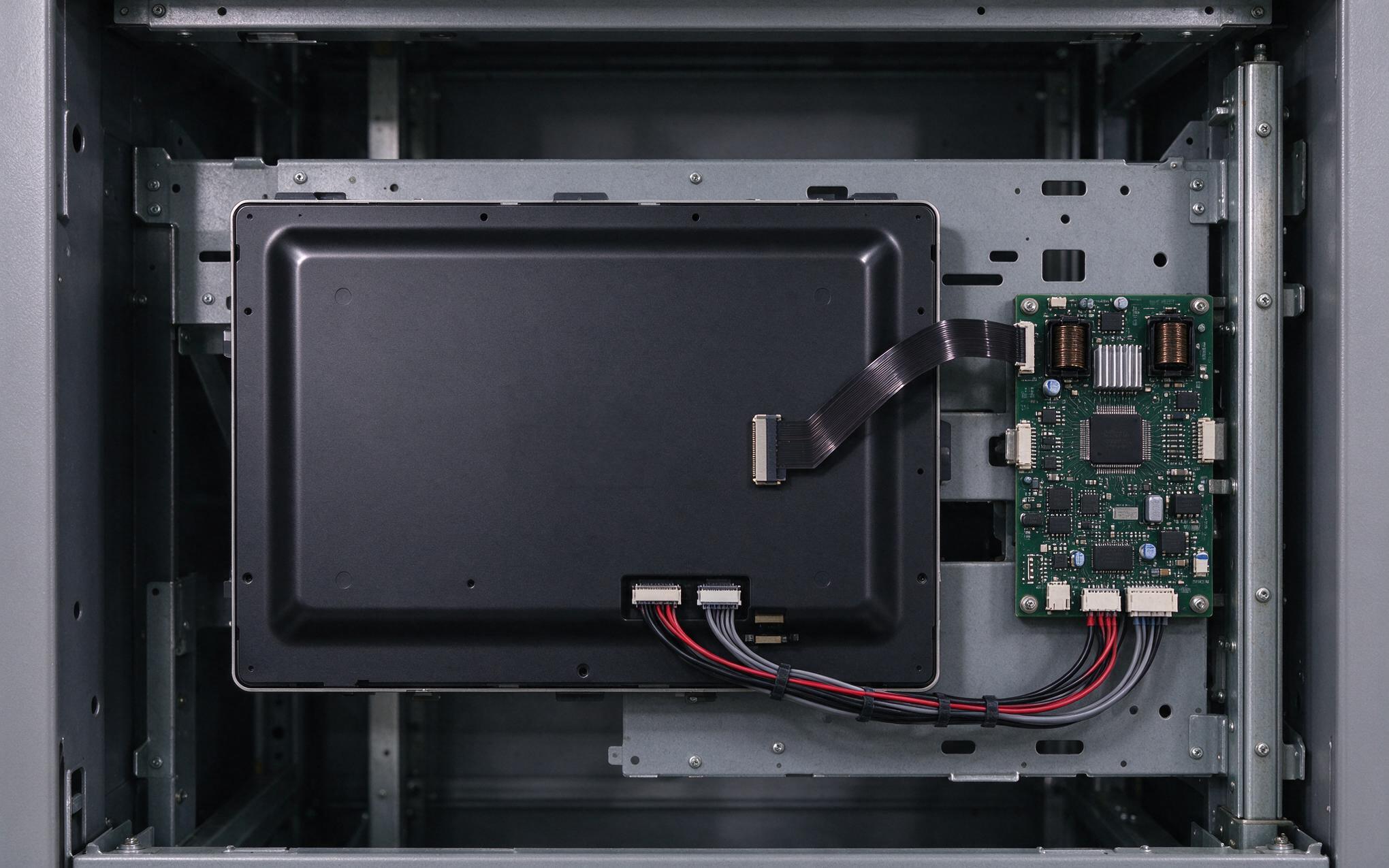
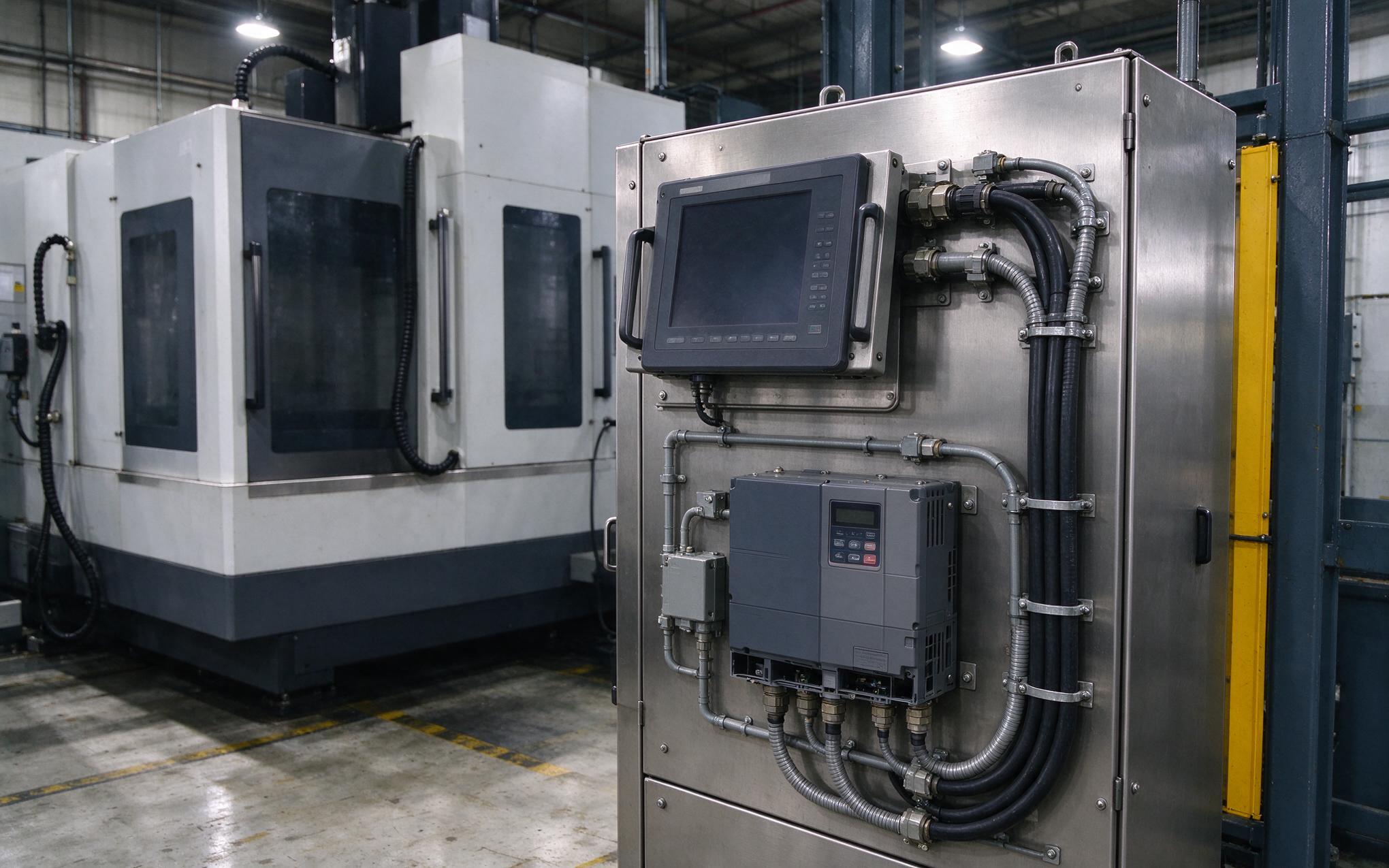
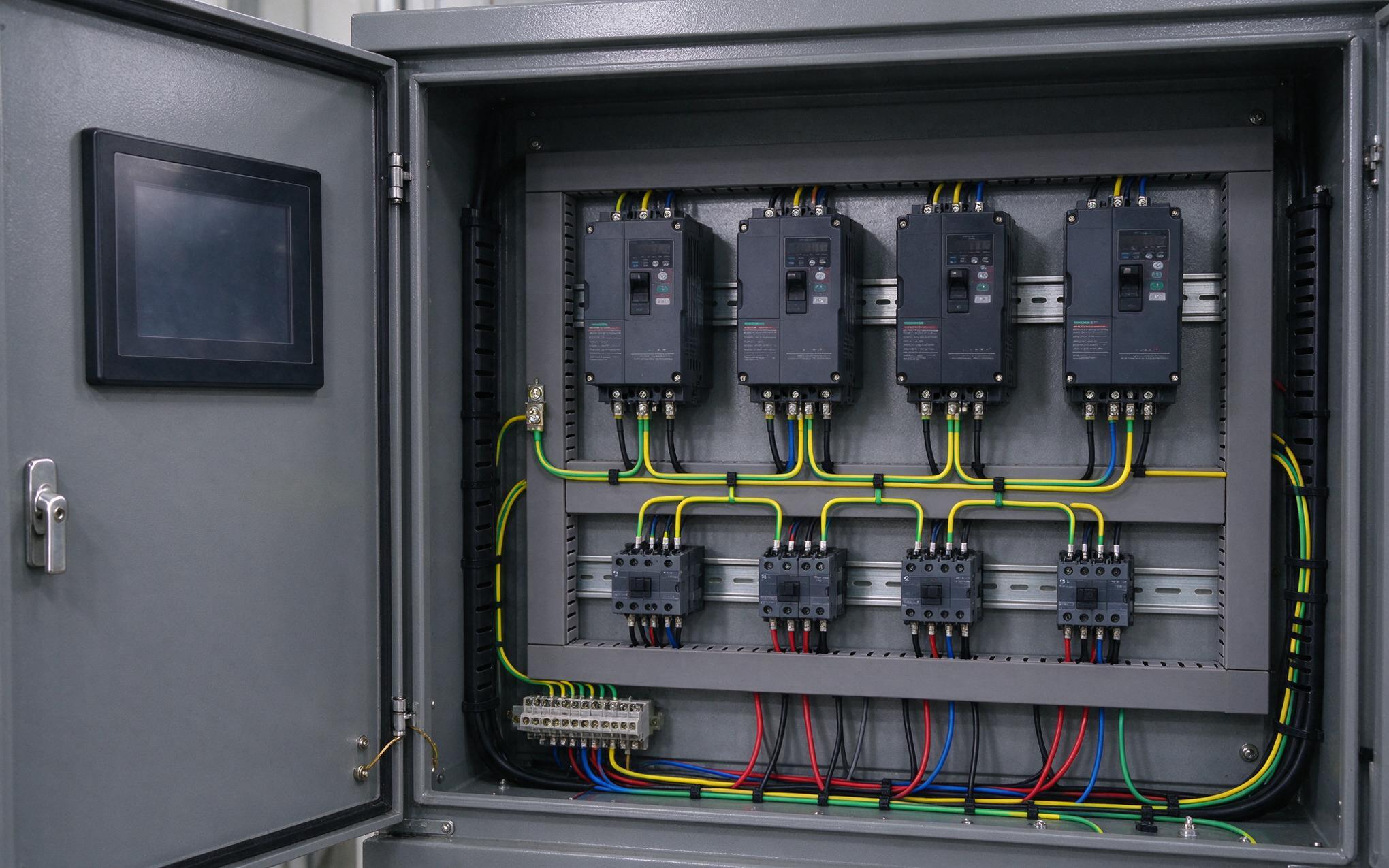
Fixture-based preload stations, such as the programming jig used in the KOXIAN G-series box builds, clamp each unit, boot it into provisioning mode, and stream one frozen golden image over Ethernet before the enclosure leaves the assembly cell. In an industrial pc factory wholesale run, the economics favor this route once volume passes a few hundred identical units, because write time folds into takt time and no downstream bench is needed. The dependencies are real, though. Every station needs matched cabling, a managed image server, and a fixture that survives thousands of clamp cycles. A loose pogo pin or a slow network port does not announce itself loudly; it appears later as a thin but persistent failure rate concentrated around one fixture.
Verifying Golden Image Writes Across Batch Media
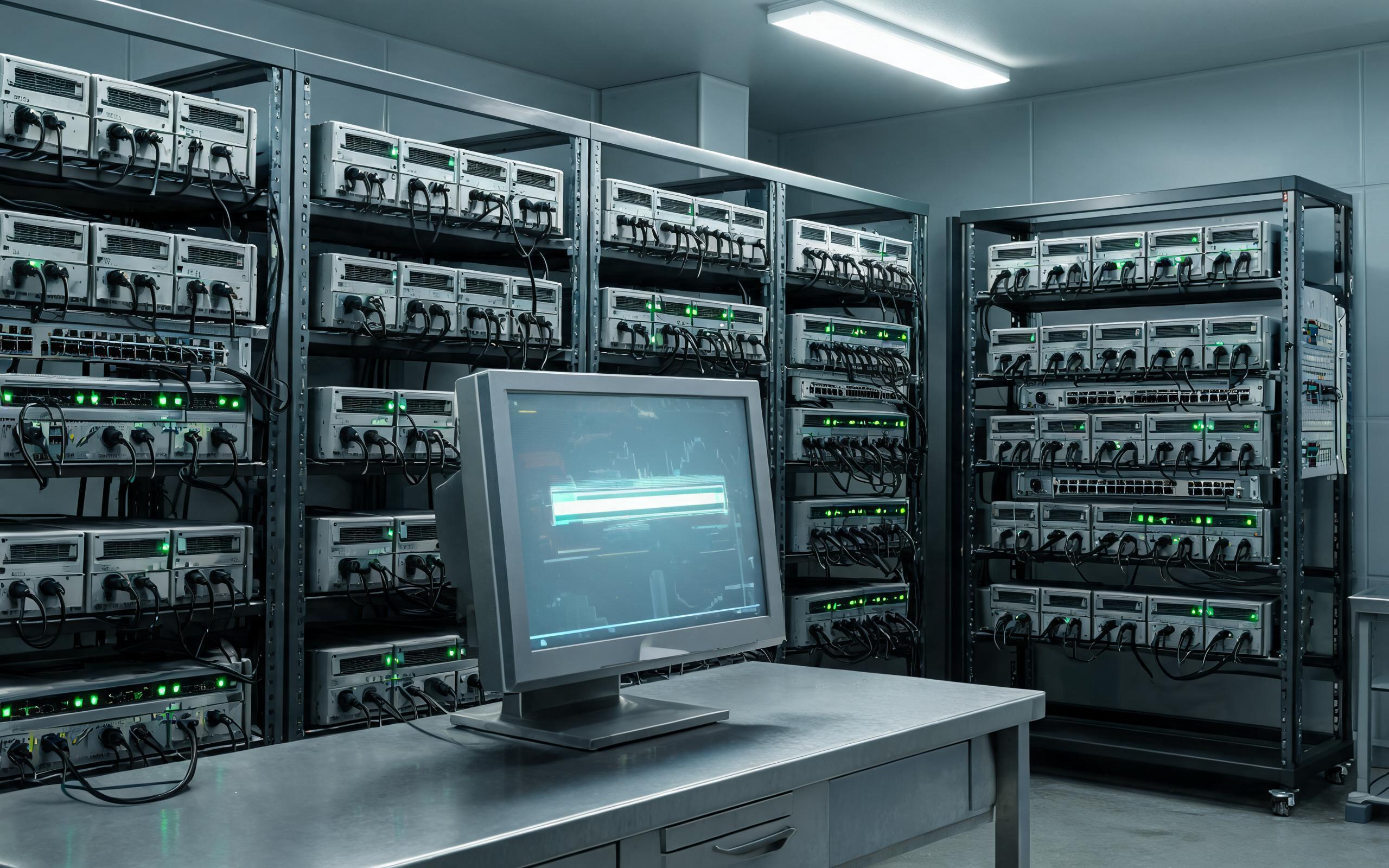
Streaming an image is only half the job; confirming that every sector landed correctly is what separates a controlled preload process from a hopeful one. Line software hashes each completed write against the master checksum and files the result against the unit serial, so an industrial pc factory wholesale lot carries a per-unit verification record instead of one batch-level assumption. eMMC blocks that weaken under write current fail at this gate, before covers and labels go on. Teams also quarantine the programming station whenever the master image revision changes, revalidating on a pilot set before releasing the full run. Without this checkpoint, one corrupted image on the server can repeat across hundreds of boards, a defect far costlier than any fixture.
Field Imaging Trade-offs for Late Configuration Orders
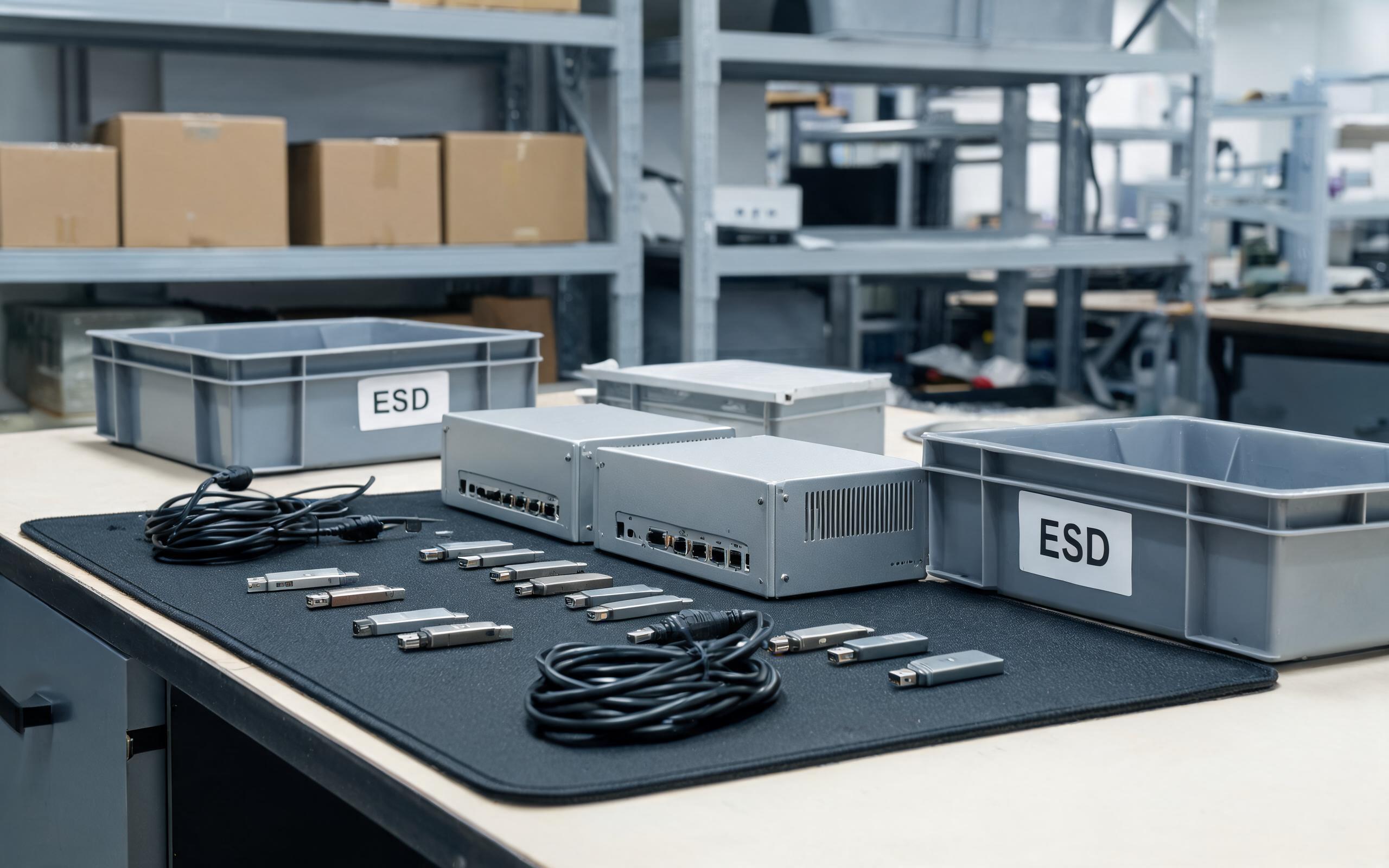
For late configuration orders, hardware makers including KOXIAN keep a slim base image at the factory and layer customer-specific settings at a downstream imaging bench, and that flexibility explains why the route survives. Distributors can hold generic stock, flash regional OS builds against actual purchase orders, and attach customer certificates days before shipment. The trade-off is discipline. Every bench becomes a programming station with its own stick inventory, its own revision exposure, and its own operator variance, so firmware provisioning needs the same frozen master and checksum controls used on the line. Reprogramming a fully boxed unit takes several times longer than in-cell flashing, and a failed write discovered here competes with packing and dispatch schedules rather than the steady rhythm of assembly flow.
Pinning BIOS Settings Between Provisioning Routes
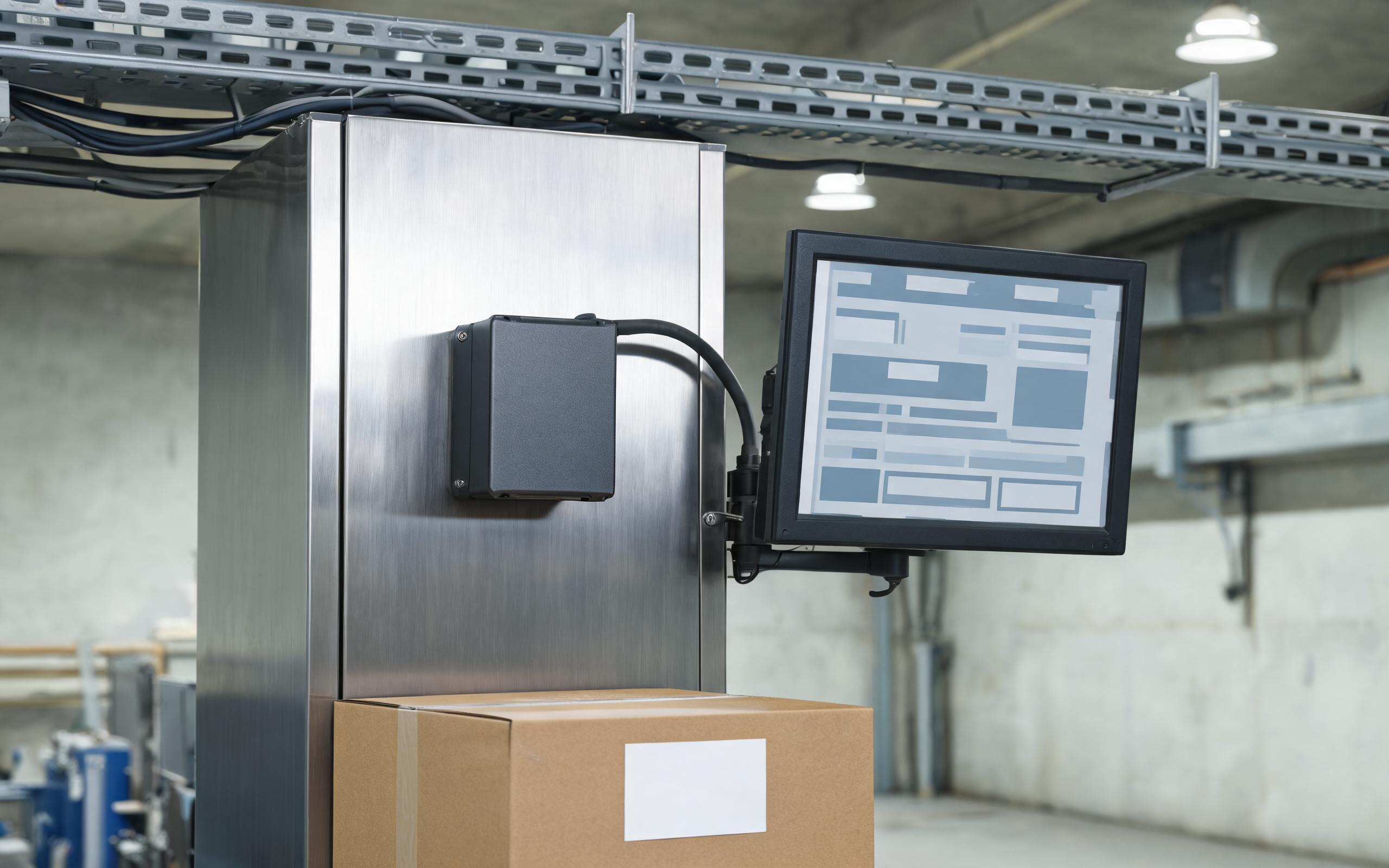
An OS image never travels alone. Boot order, power state after power loss, watchdog action, and fanless thermal profiles live in BIOS settings, and mismatched settings make two units with identical images behave differently on the same machine. Field reports from mixed-route deployments indicate that units built on KOXIAN-aligned assembly lines carry a printed BIOS revision on the carton label, which lets integrators reconcile settings before power-on. The practical rule is to treat the BIOS profile as part of the golden image package, export it with a version number, and verify it at the same gate as the OS write. Whichever route an industrial pc factory wholesale program uses, settings that exist only in an operator’s head become field failures within one staff turnover.
Preload and field imaging are not quality levels; they are different allocations of the same engineering work. Factory preload wins on unit cost, fixture-enforced repeatability, and per-unit verification when volumes are high and configurations are stable. Field imaging wins when orders arrive late, regional builds vary, and a disciplined downstream bench can enforce the same master, checksum, and BIOS controls expected on the main line. Buyers evaluating wholesale quotes should ask which route applies, where verification records live, and how image revisions are quarantined. The economical quote is the one that ships one known image across every unit, no matter where that image is written.