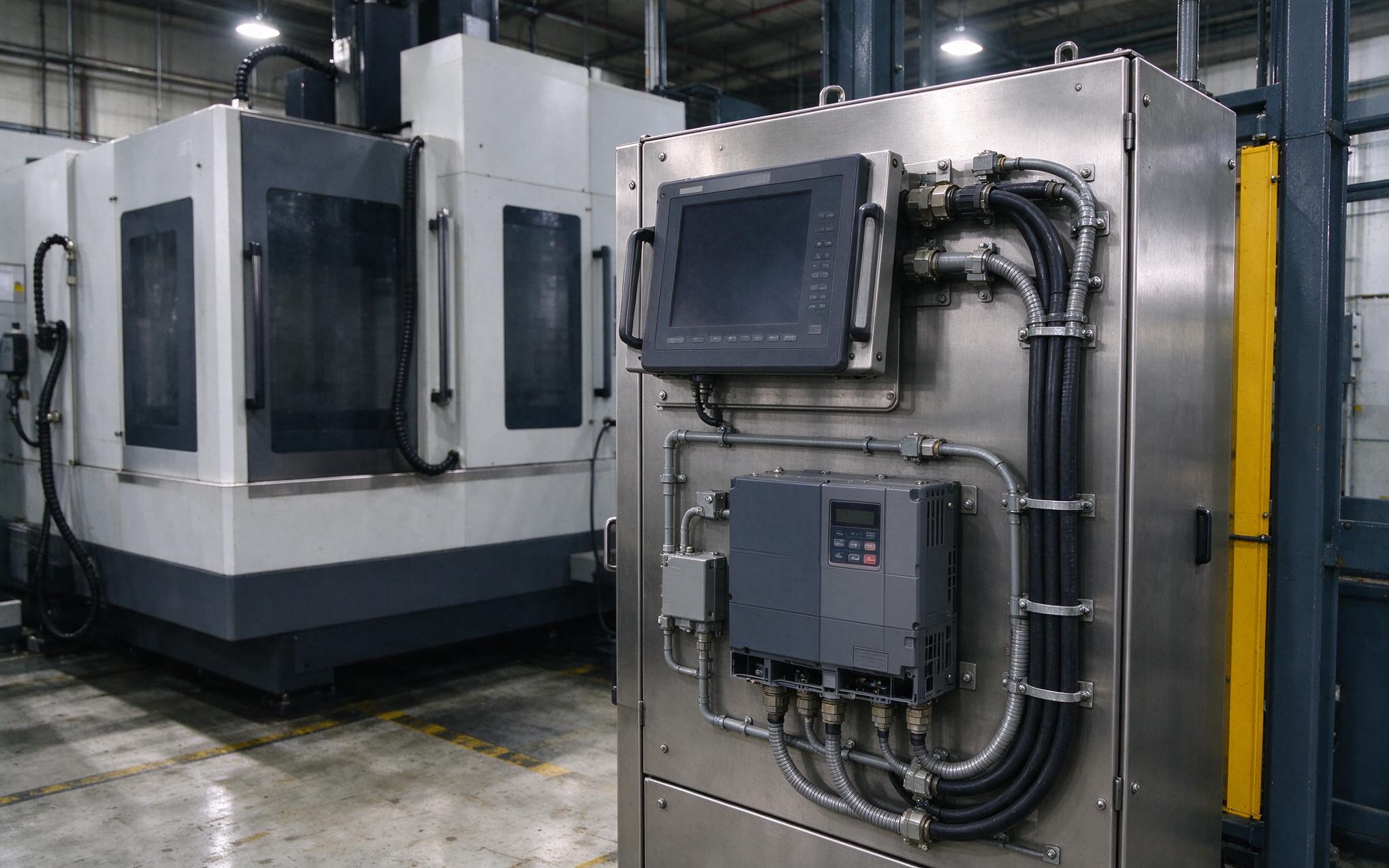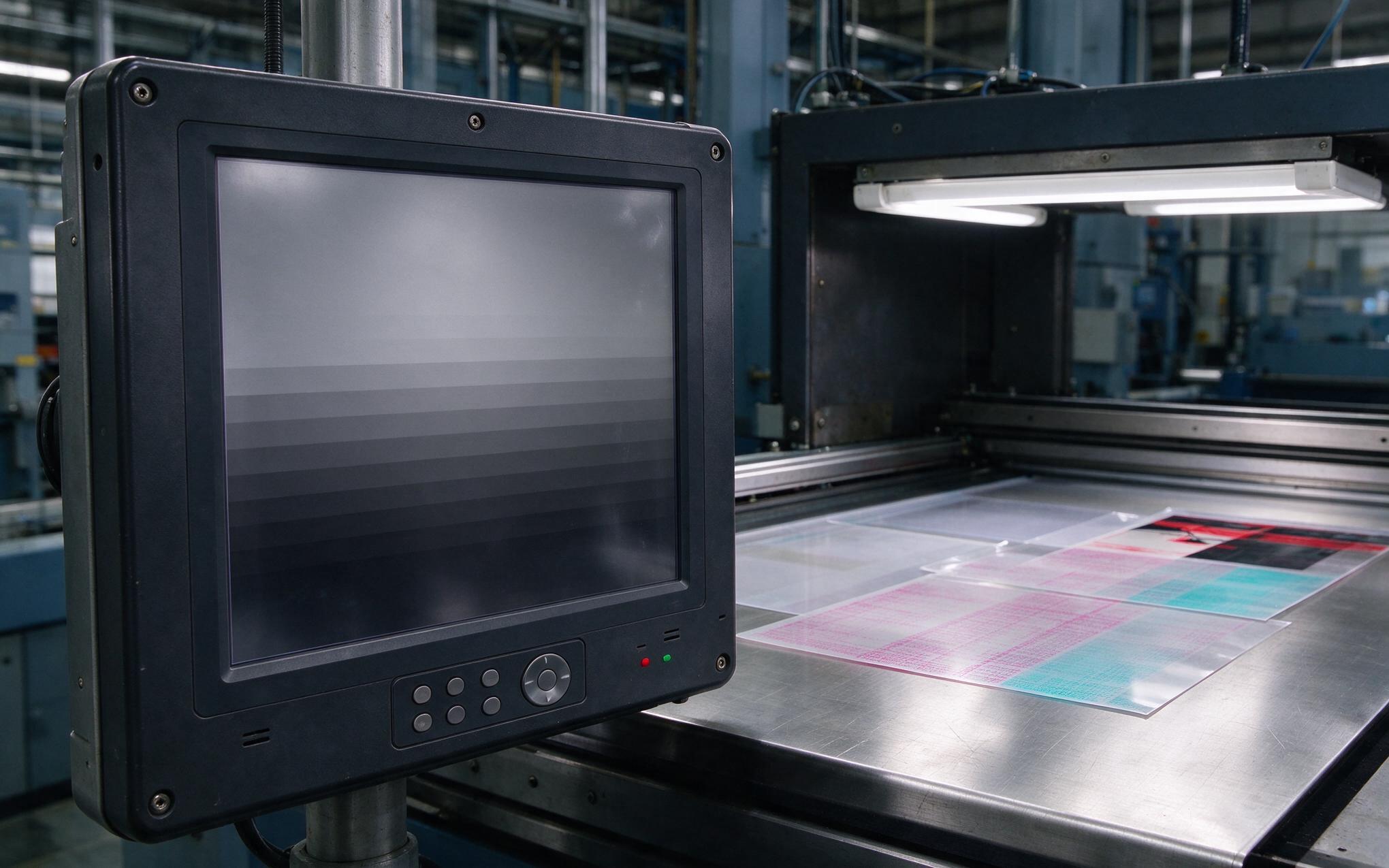
The semiconductor fabrication industry is in the midst of an unprecedented expansion cycle. Major memory manufacturers are announcing multi-hundred-billion-dollar investment plans, with new fab construction projects breaking ground months ahead of schedule. The demand for computing equipment that can operate reliably inside ISO Class 100 and Class 1000 cleanroom environments has never been higher. Cleanroom panel PC deployments present a unique intersection of challenges: the equipment must not generate particulates that could contaminate wafer processing, must dissipate electrostatic charges that could destroy sensitive semiconductor devices, and must withstand aggressive cleaning and decontamination protocols. A standard industrial panel PC, even one rated for factory floor use, is unlikely to meet these requirements without specific engineering adaptations across material selection, sealing design, and grounding architecture.
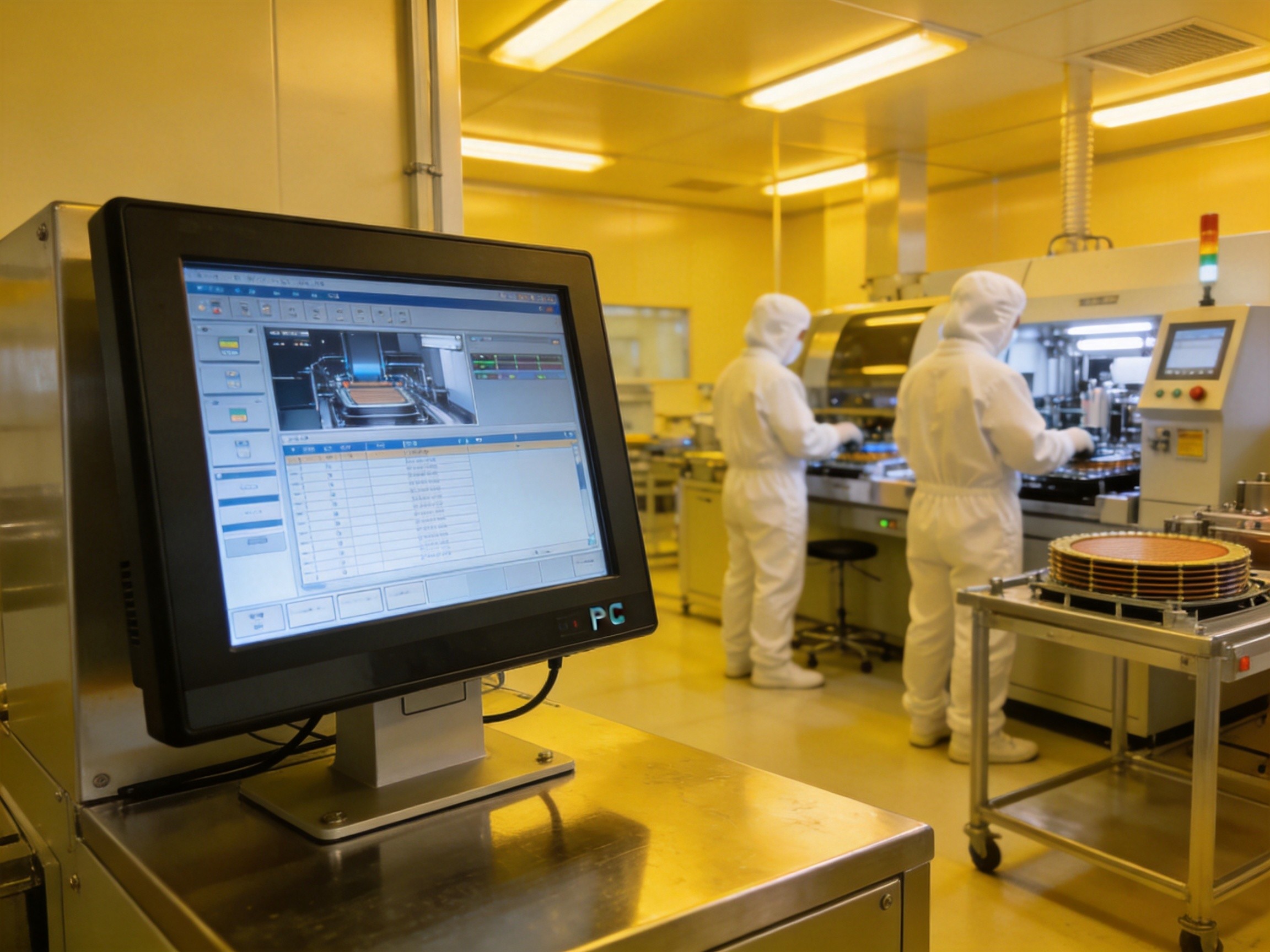
Particle Generation: Why Standard Enclosures Fail in Cleanrooms
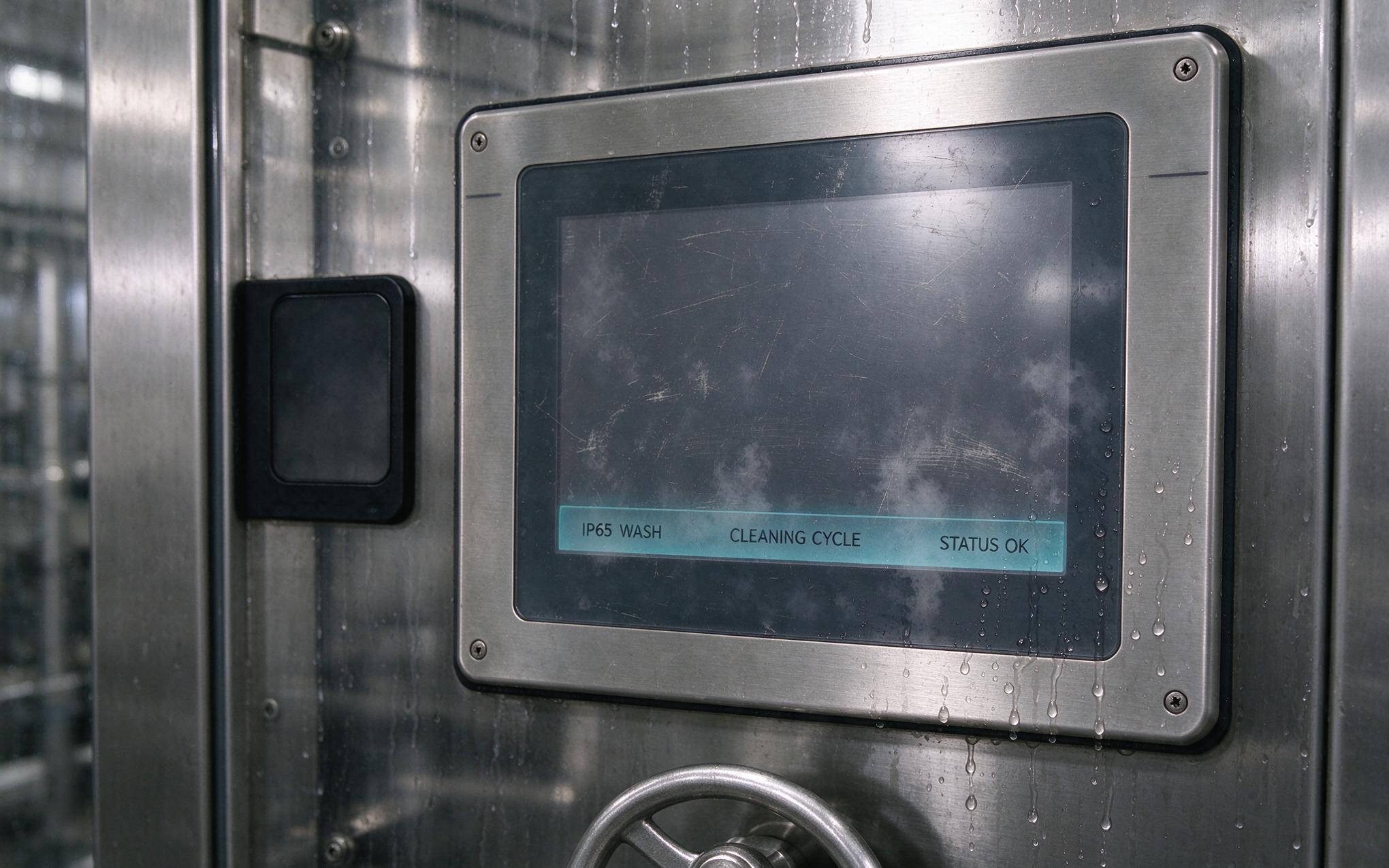
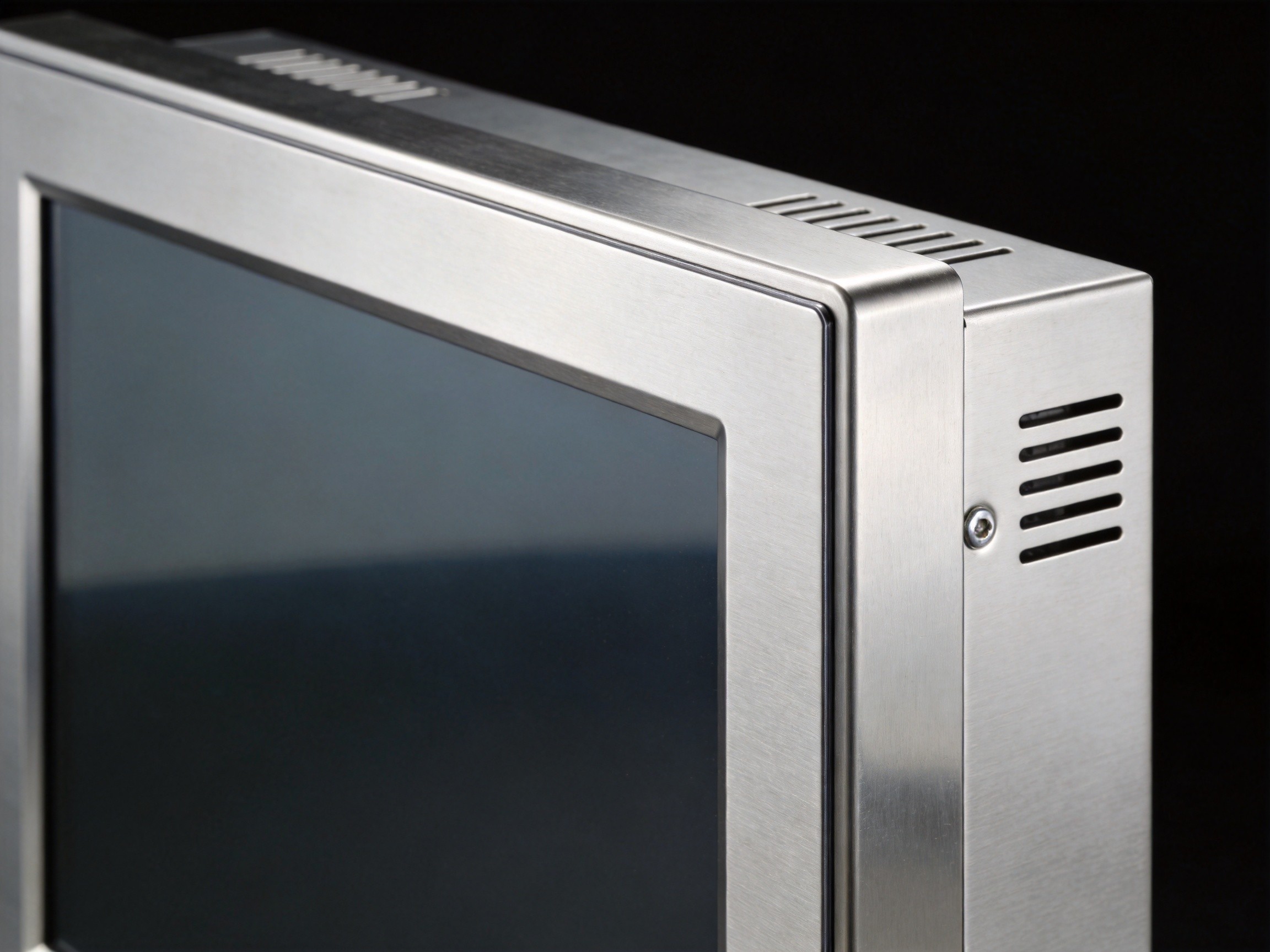
The defining metric of a cleanroom is its particle count per cubic meter of air, and every surface inside that environment is a potential particle source. A standard industrial panel PC enclosure with a painted steel housing, conventional gaskets, and exposed fasteners sheds microscopic particles through multiple mechanisms: paint flaking under thermal cycling, gasket degradation from repeated wipe-downs with isopropyl alcohol, and metal-on-metal abrasion at mounting points. For Class 100 deployments—where the specification allows no more than 100 particles of 0.5 micron or larger per cubic foot of air—the enclosure material becomes the first line of defense. Stainless steel 304 or 316L housings with electropolished surface finishes resist corrosion, shed minimal particulate, and withstand hydrogen peroxide vapor and UV-C sterilization cycles. KOXIAN panel PCs designed for cleanroom use employ fully sealed stainless steel front bezels with continuous non-particulating silicone gaskets that eliminate the crevices where contaminants typically accumulate.
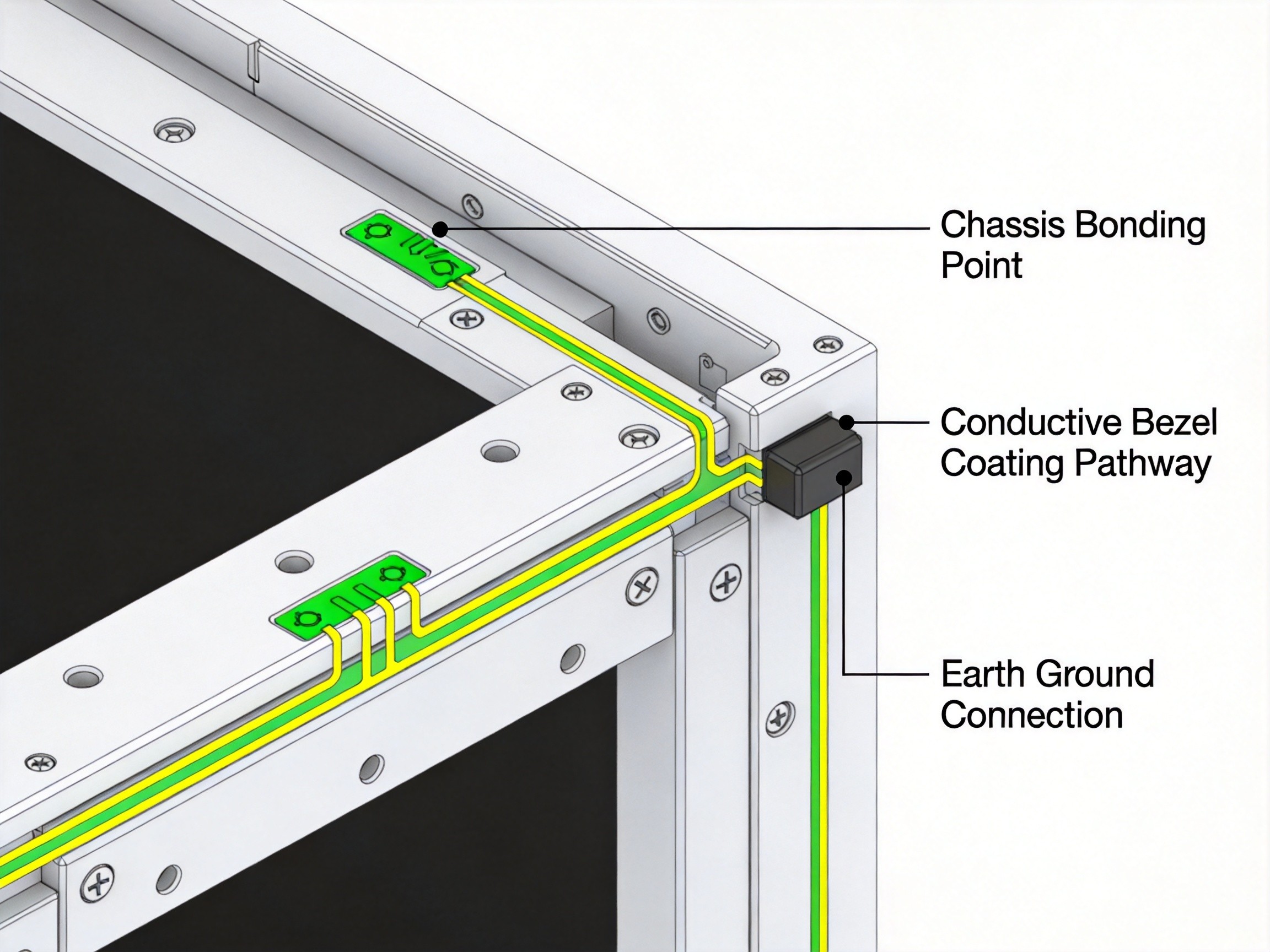
ESD Protection: Grounding Architectures for Semiconductor Environments
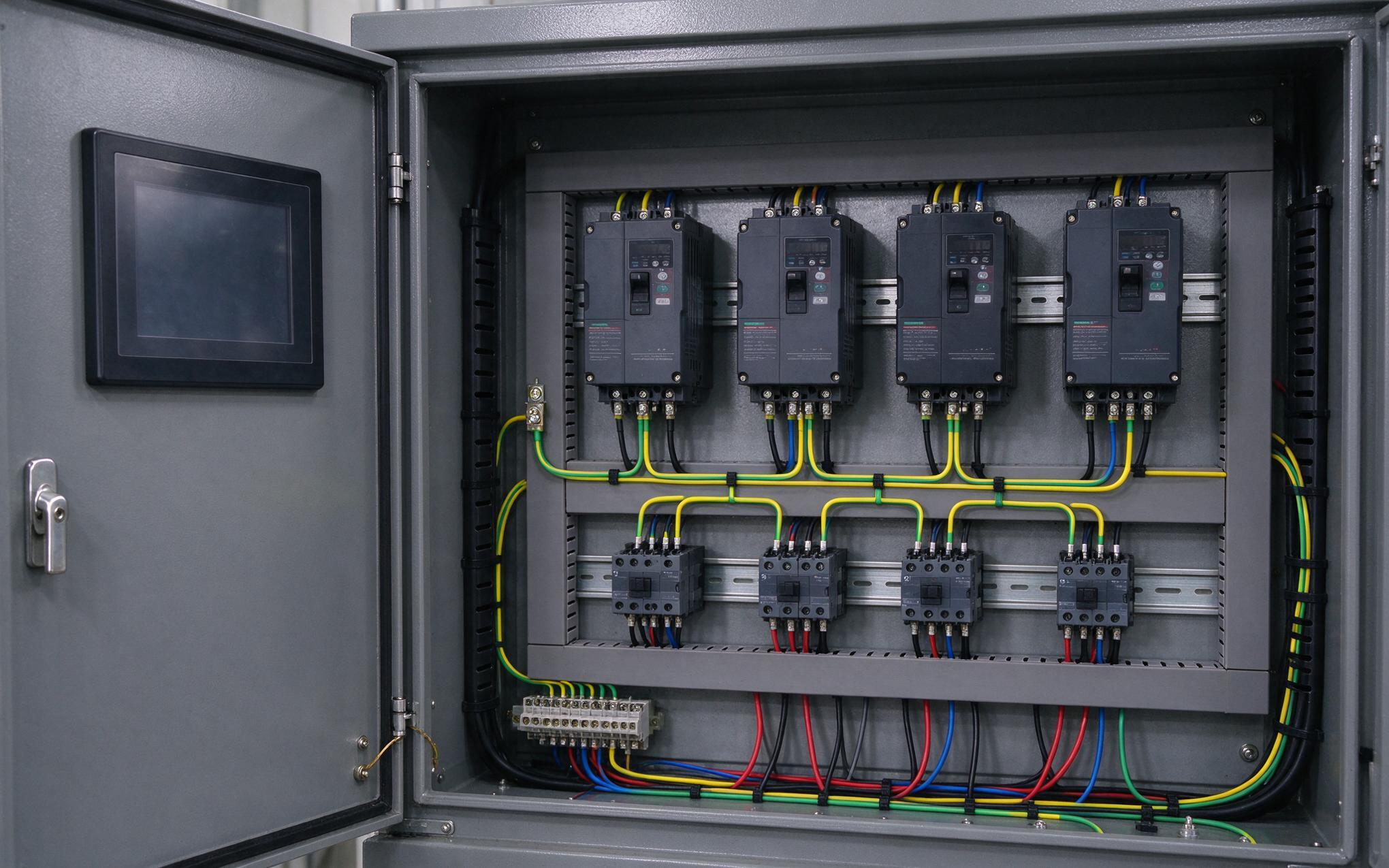
Electrostatic discharge protection in semiconductor cleanrooms is not optional—a single uncontrolled ESD event can destroy a wafer worth tens of thousands of dollars or introduce latent damage that escapes detection until final device testing. The panel PC must be integrated into the facility’s comprehensive ESD protection scheme: every exposed conductive surface bonded to ground through a controlled path. The industry benchmark for ESD-safe workstation grounding is a surface resistance to ground of between 10⁶ and 10⁹ ohms, as specified in ANSI/ESD S20.20. This requires conductive coatings on the touchscreen bezel and housing, ground straps at all mechanical junction points, and internal grounding planes that route any accumulated charge safely to the facility’s earth ground. For touchscreen interfaces, the conductive pathways in the sensor stack must be designed so that an operator’s grounded wrist strap provides a preferential discharge path independent of the touch controller’s sensing circuitry, preventing ESD events from coupling into the display electronics.
Chemical Resistance and Decontamination Compatibility
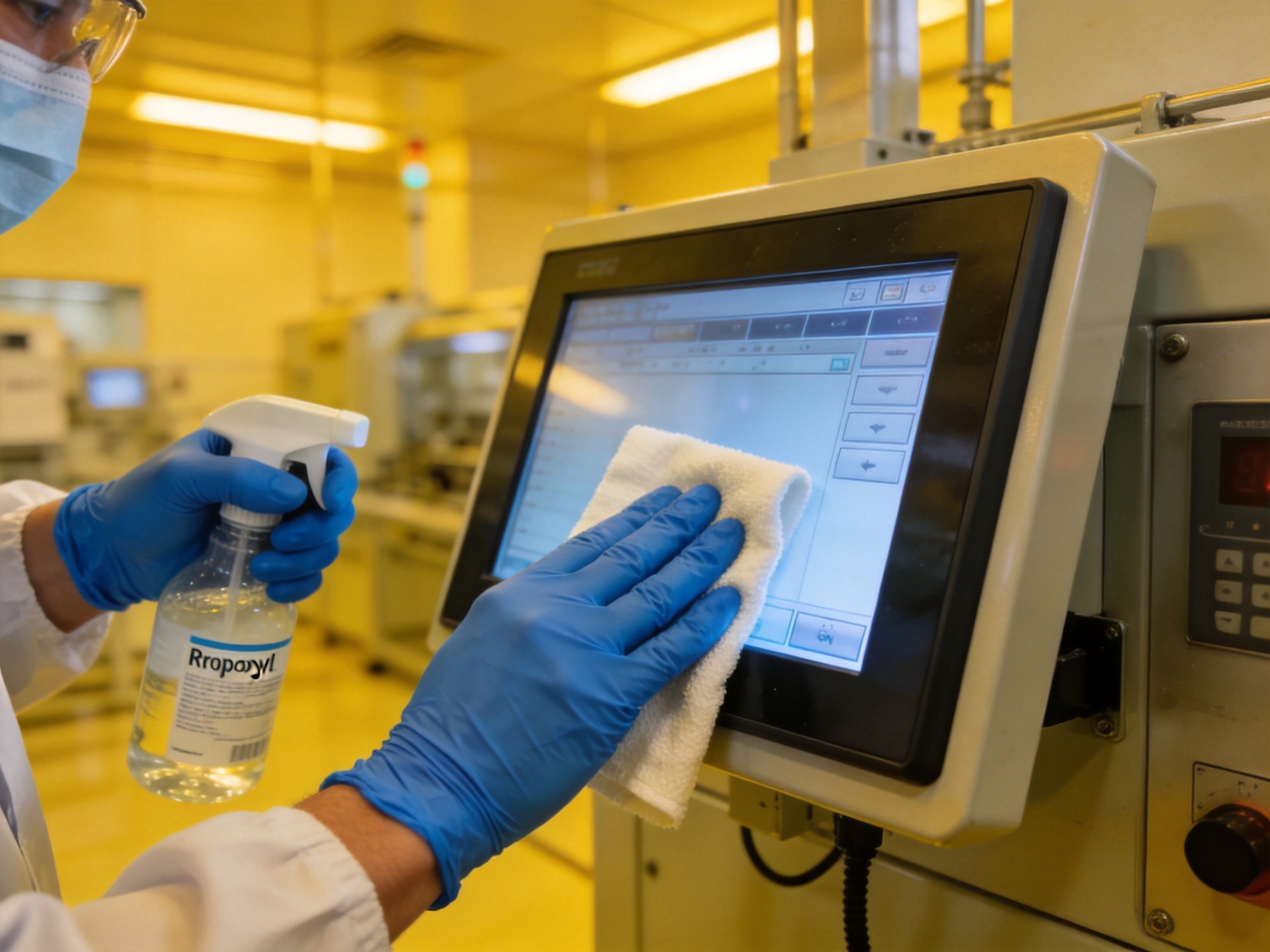
Cleanroom maintenance protocols subject every surface to repeated chemical exposure. Isopropyl alcohol at 70% concentration is the universal wipe-down agent, but many fabs also employ quaternary ammonium compounds, hydrogen peroxide vapor, and ozone-based sterilization cycles. The panel PC’s front surface—the touchscreen glass, bezel seal, and exposed mounting hardware—must withstand thousands of cleaning cycles without degradation. The touchscreen glass is typically chemically strengthened alkali-aluminosilicate, providing excellent resistance to most cleanroom chemicals. The more vulnerable point is the perimeter seal: a continuous bead of fluorosilicone or perfluoroelastomer gasket material is preferred over standard EPDM or nitrile rubber, which swell and degrade under repeated alcohol exposure. KOXIAN cleanroom-configured panel PCs incorporate chemically resistant perimeter seals verified through accelerated lifecycle testing that simulates five years of daily wipe-down protocols, ensuring IP65 front-panel seal integrity throughout the equipment’s service life.
Thermal Management Without Air Exchange
One of the less obvious challenges of cleanroom panel PC deployment is thermal management. Standard industrial computers use fan-assisted airflow to remove heat from processors and power supplies, but fan-driven convection introduces particle circulation—exactly what a cleanroom is designed to eliminate. Cleanroom panel PCs must therefore rely on passive cooling: conduction through the rear chassis to a mounting surface, natural convection from finned heat sinks, and in some cases, liquid cooling loops that transfer heat to a remote exchanger located outside the cleanroom boundary. Stainless steel enclosures compound this challenge because stainless steel has roughly one-third the thermal conductivity of aluminum. Higher-power configurations require internal vapor chambers or heat pipes that efficiently move heat from the processor to exterior fin structures while maintaining a completely sealed, fanless enclosure architecture.
As semiconductor fabrication capacity continues its rapid expansion—with new fabs breaking ground from the U.S. Northeast to major manufacturing hubs across Asia—the demand for cleanroom-qualified computing equipment will only intensify. Facility engineers evaluating panel PC deployments for Class 100 and Class 1000 environments should prioritize enclosure material certification, ESD path verification, chemical compatibility data, and passive thermal performance curves over generic ruggedness claims. The cost of a panel PC that fails these requirements is not measured in the replacement hardware price—it is measured in contaminated wafer lots, unscheduled downtime, and cascading production delays that ripple through a semiconductor supply chain already operating at full capacity.