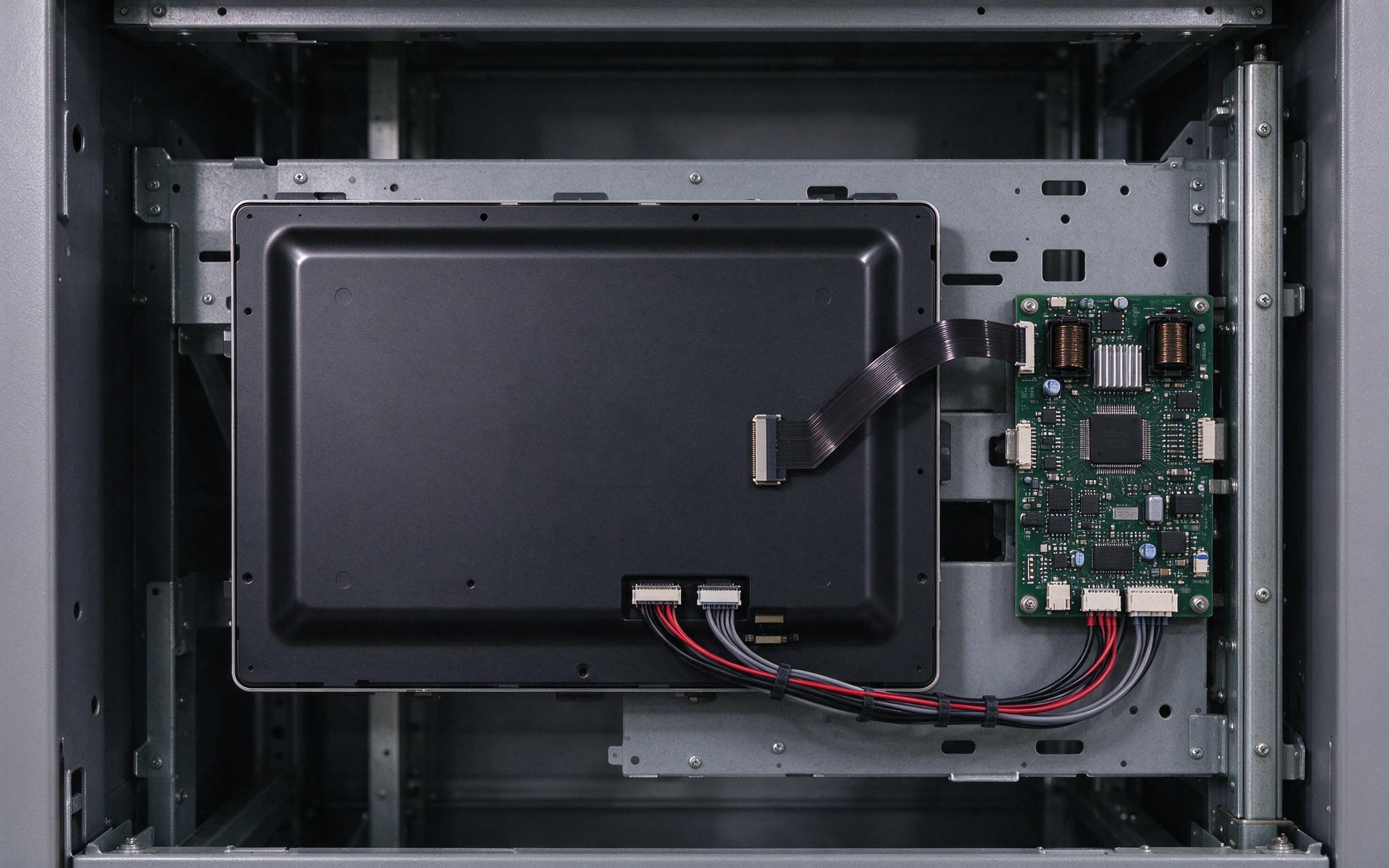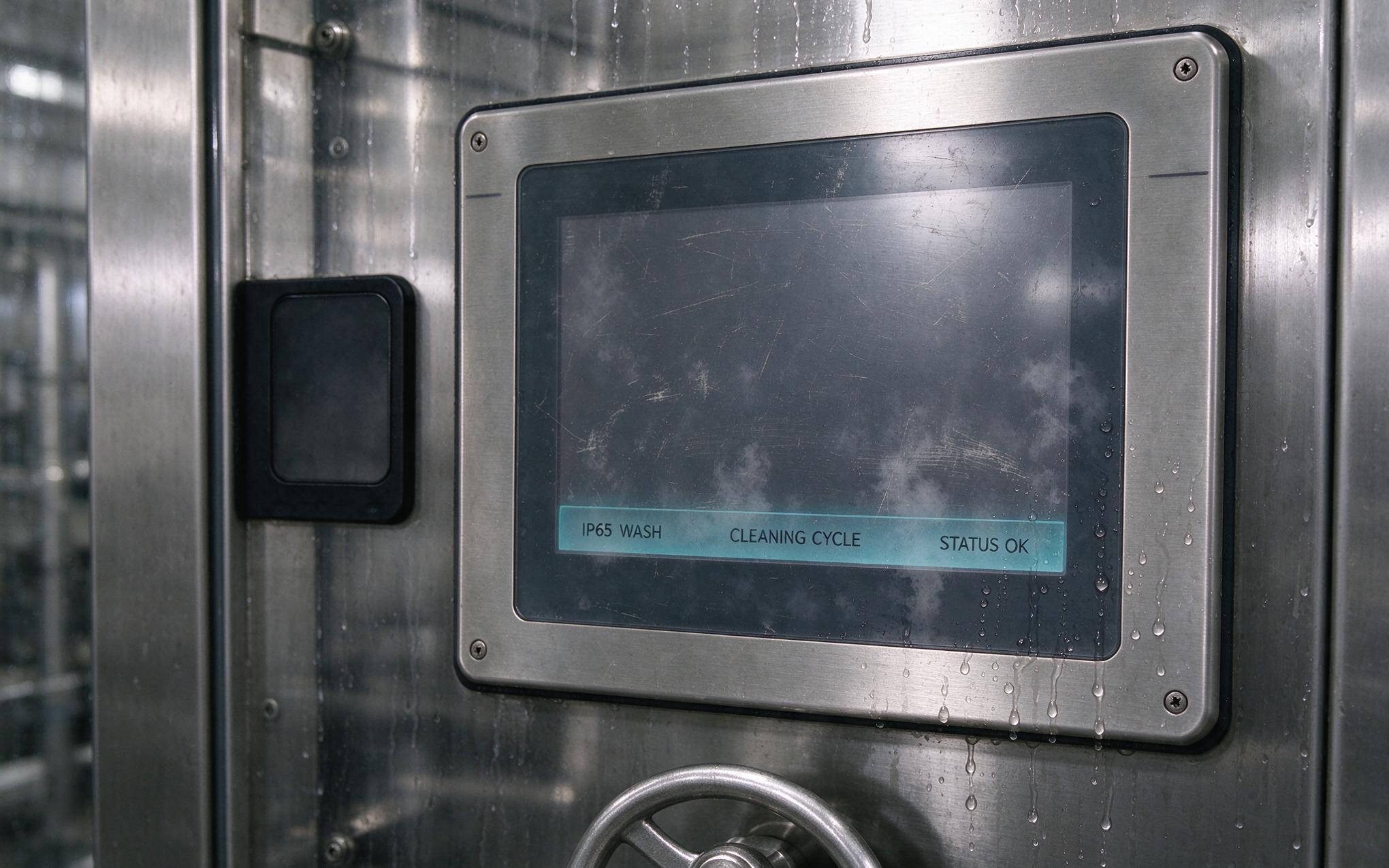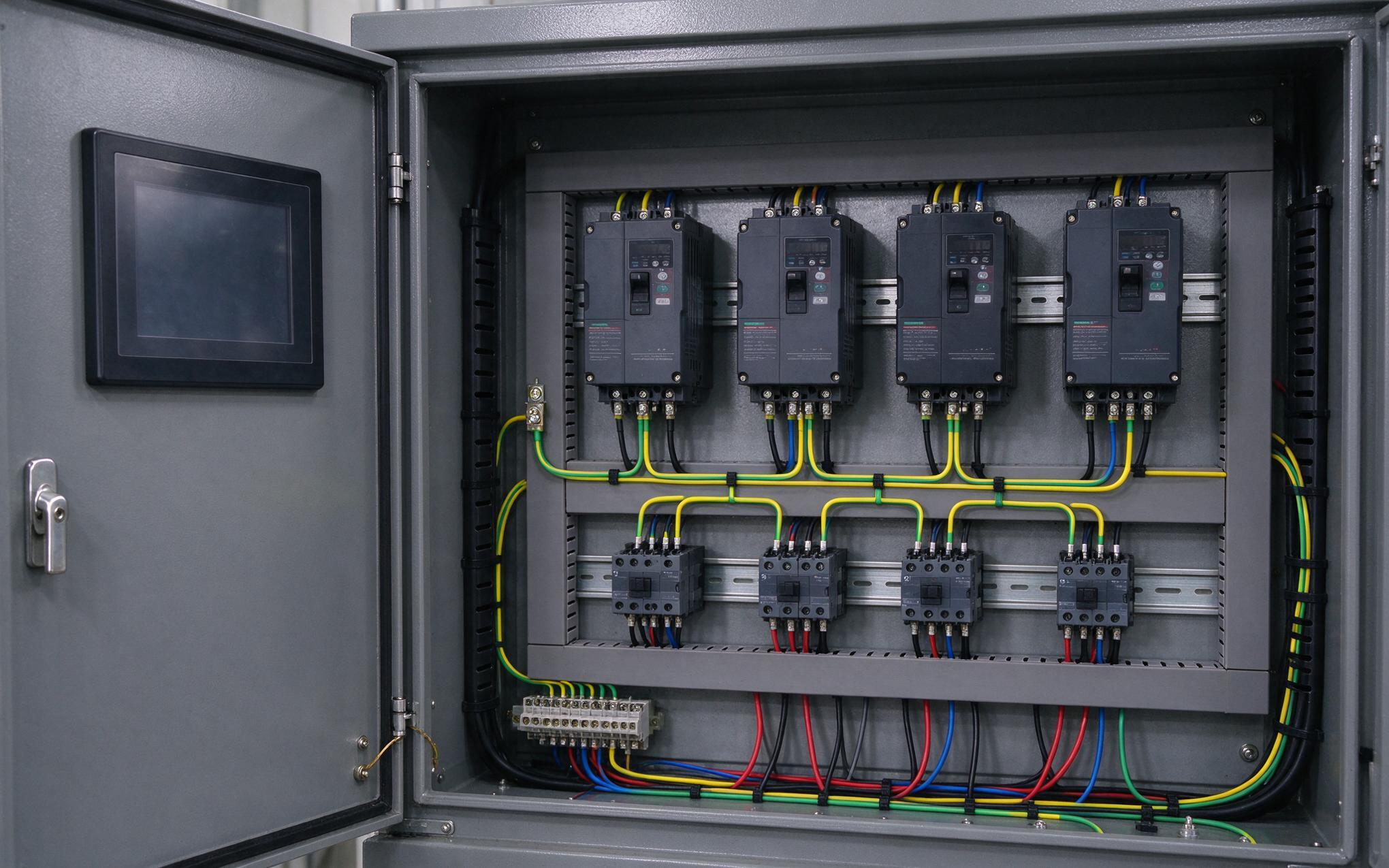
Three weeks of production downtime at a Singapore food-processing facility traced back to certification gaps in a batch of 40 industrial PCs. The CE marking on the enclosure had no corresponding FCC documentation for the internal radio module. The procurement team had assumed one certification covered the entire bulk order, but the OEM had certified only a single hardware configuration. When the batch included mixed specifications, the compliance gap surfaced during staging. For teams sourcing industrial pc wholesale, understanding how certification scope transfers across bulk orders is critical to avoiding costly deployment delays.

Certification Scope Fundamentals in Wholesale Procurement
Certification is not a blanket attribute that automatically extends to every unit in a wholesale purchase. When an OEM applies for CE, FCC, or UL certification, the scope covers a specific tested configuration: a particular processor module, memory layout, and I/O port arrangement. Wholesale orders often include multiple hardware variants — different screen sizes, varying RAM and storage configurations, and distinct interface port layouts. Each variant technically requires its own certification scope. The problem intensifies when buyers specify mixed configurations in a single purchase order but expect a unified compliance document. In reality, the OEM may have tested and certified only one reference configuration, leaving the remaining variants outside the documented scope. This creates a compliance gap that surfaces during site acceptance testing or regulatory audits. Industrial pc factory wholesale orders are particularly vulnerable because large volumes often mix specifications to match different deployment sites, and each configuration in the industrial pc wholesale batch must carry its own compliance documentation.

Pre-Production Audit Checkpoints for Bulk Orders
Industrial pc wholesale procurement demands rigorous pre-production auditing as the primary defense against certification gaps. Procurement teams should request the OEM’s test reports and confirm that the certification scope explicitly covers every configuration in the order — not just the reference model. This means cross-referencing the bill of materials against the certified configuration list. If the order includes a variant with a different processor or additional communication modules, the test report must reflect that specific combination. Sample testing before shipment adds another layer of assurance. Pulling two or three units from each hardware variant and running them through the relevant compliance checks — conducted emissions, radiated emissions, and safety tests — verifies that the delivered batch matches the certified scope. Batch traceability documentation, linking serial numbers to specific test reports, further strengthens the audit trail. Manufacturers like KOXIAN who maintain per-variant certification records for their wholesale orders provide procurement teams with the documentation needed to close compliance gaps before units reach the factory floor.

Closing the Loop on Wholesale Certification Compliance
Post-delivery verification closes the loop on wholesale certification compliance, and batch-specific compliance certificates that list every unit and its corresponding test report reference — standard in industrial PC wholesale product lines from manufacturers like KOXIAN — simplify the process. Physical inspection should confirm that certification labels on each unit match the purchase order specifications. Test reports referenced on the label must correspond to the batch number and configuration delivered. For multi-site deployments, configuration matching is critical — ensuring that each site receives units whose certified configuration aligns with the deployment environment. When available, these certificates provide a clear audit trail for regulatory inspectors. For high-stakes deployments — medical, food processing, or ATEX-rated environments — third-party certification testing on a sample from the delivered batch offers the strongest guarantee that every unit meets the required standards.
Certification scope is not a checkbox — it is a structural requirement in wholesale procurement. Teams that treat it as an afterthought pay more in rework and downtime than they save on bulk pricing. Rigorous certification documentation across all configurations in a wholesale batch is the baseline expectation for any industrial pc wholesale engagement.