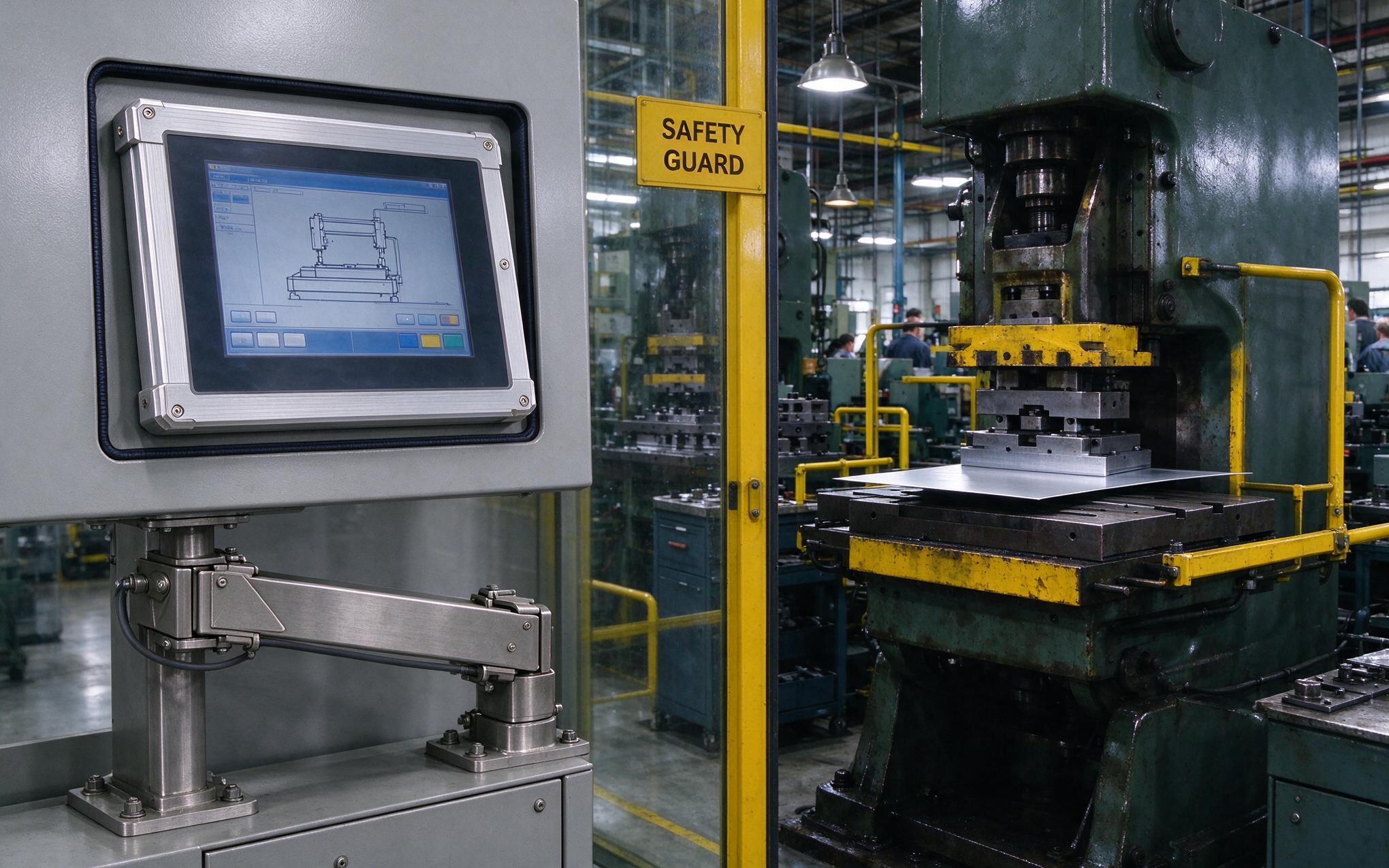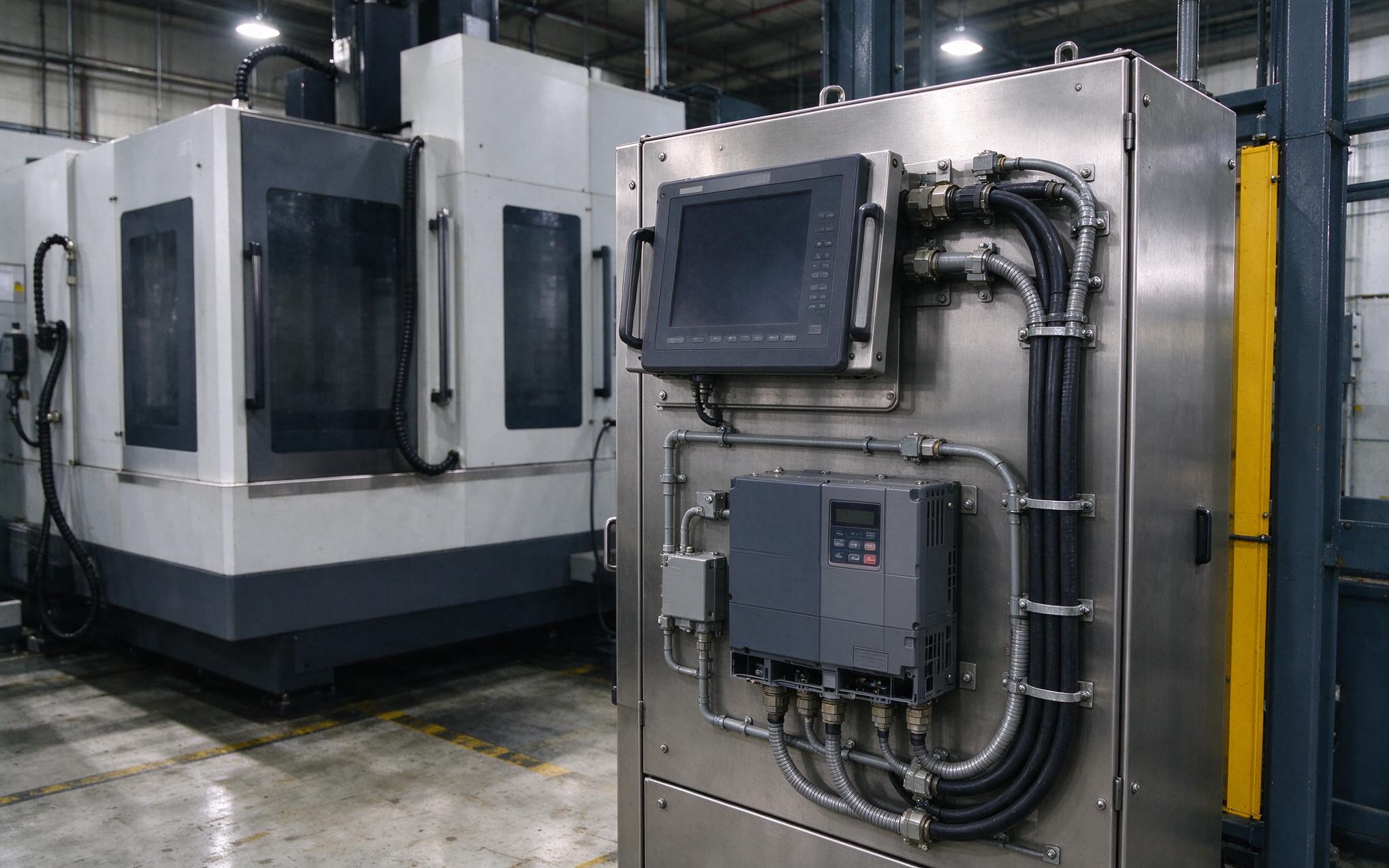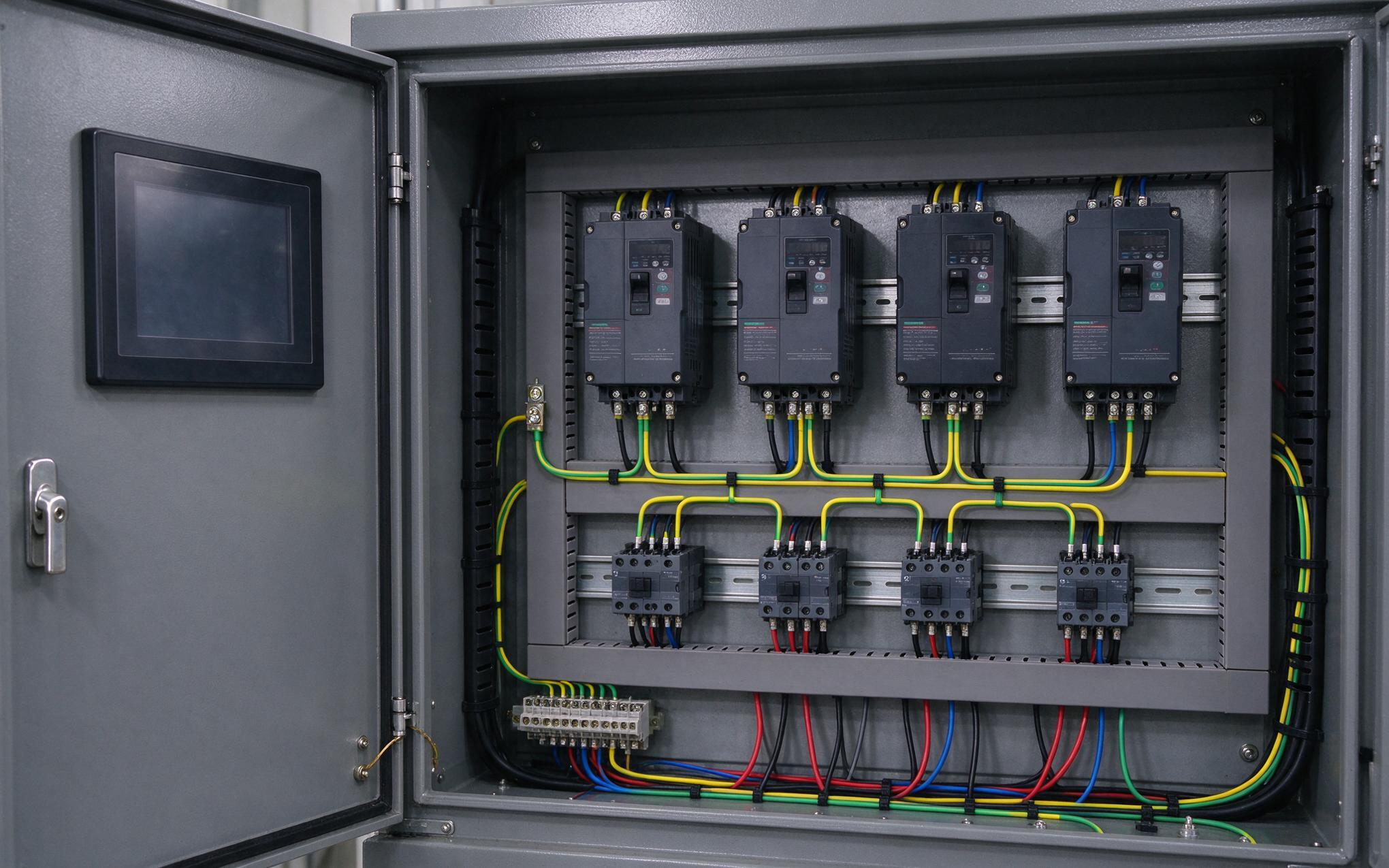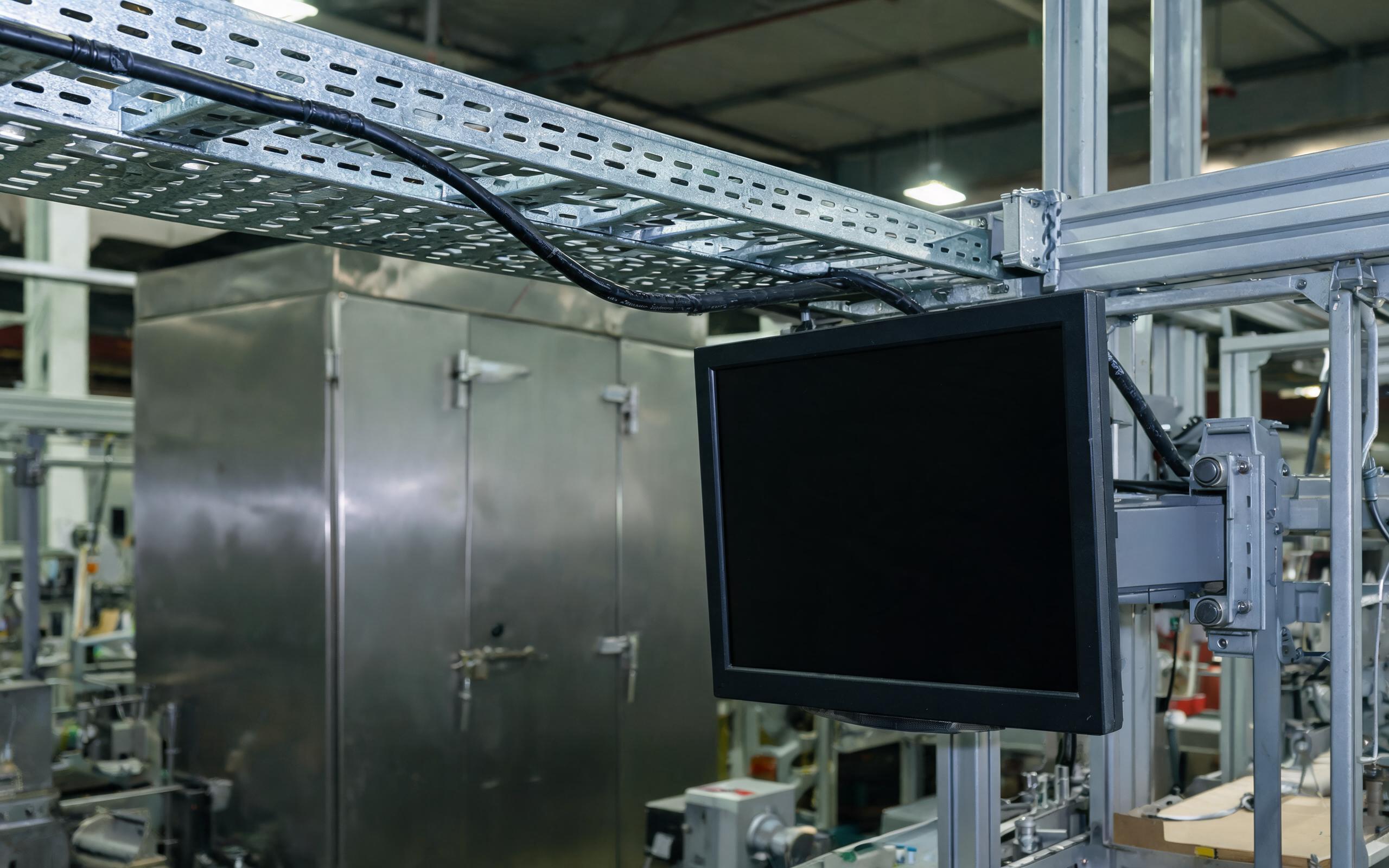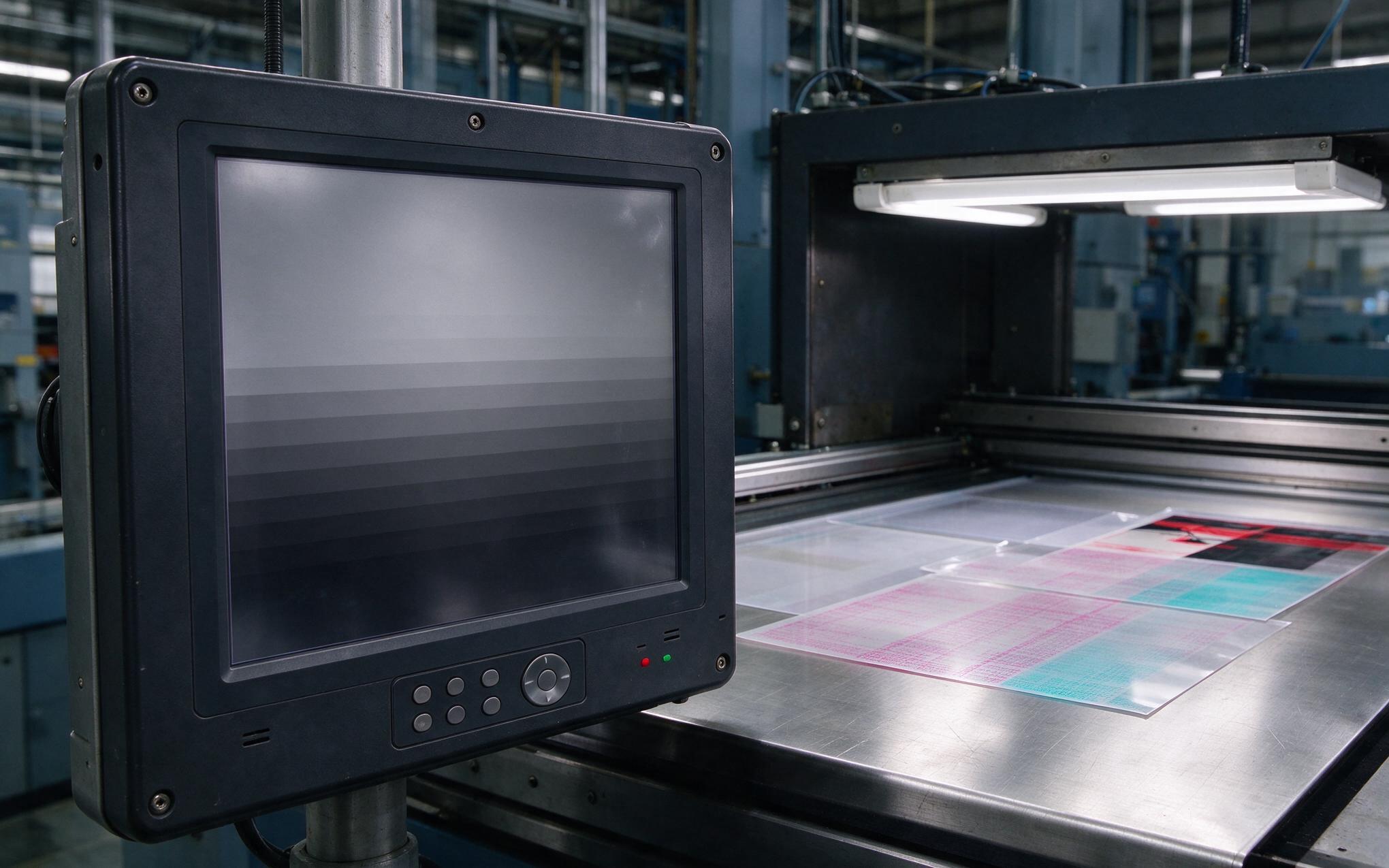
A steel mill in Ohio detected anomalous network traffic originating from a container runtime on a shop-floor workstation. The breach, traced to an unpatched container image, exposed a broader gap: as factories adopt containerized workloads on Linux-based edge devices, runtime security becomes critical yet often overlooked. Industrial panel pc linux deployments now host monitoring agents, data preprocessing pipelines, and lightweight inference models alongside traditional control logic, making container isolation, vulnerability management, and secure boot chains non-negotiable requirements.

Runtime Isolation Mechanisms for Container Workloads
Container security on industrial hardware begins with Linux kernel namespacing and cgroups, which partition resources so that a compromised container cannot access the host filesystem or starve sibling processes of CPU and memory allocations. Factory engineers deploying industrial panel pc linux systems must configure seccomp profiles to restrict syscall access, blocking dangerous operations like mount or reboot that a malicious container could exploit to escalate privileges beyond its intended scope. AppArmor or SELinux profiles add a mandatory access control layer that prevents containers from writing to unauthorized directories, even if the application inside the container is compromised by a supply chain attack or misconfiguration. These kernel-level mechanisms form the primary line of defense, but their effectiveness depends on correct policy authoring and ongoing maintenance as container workloads evolve across the factory floor.

Vulnerability Scanning in Air-Gapped Factory Networks
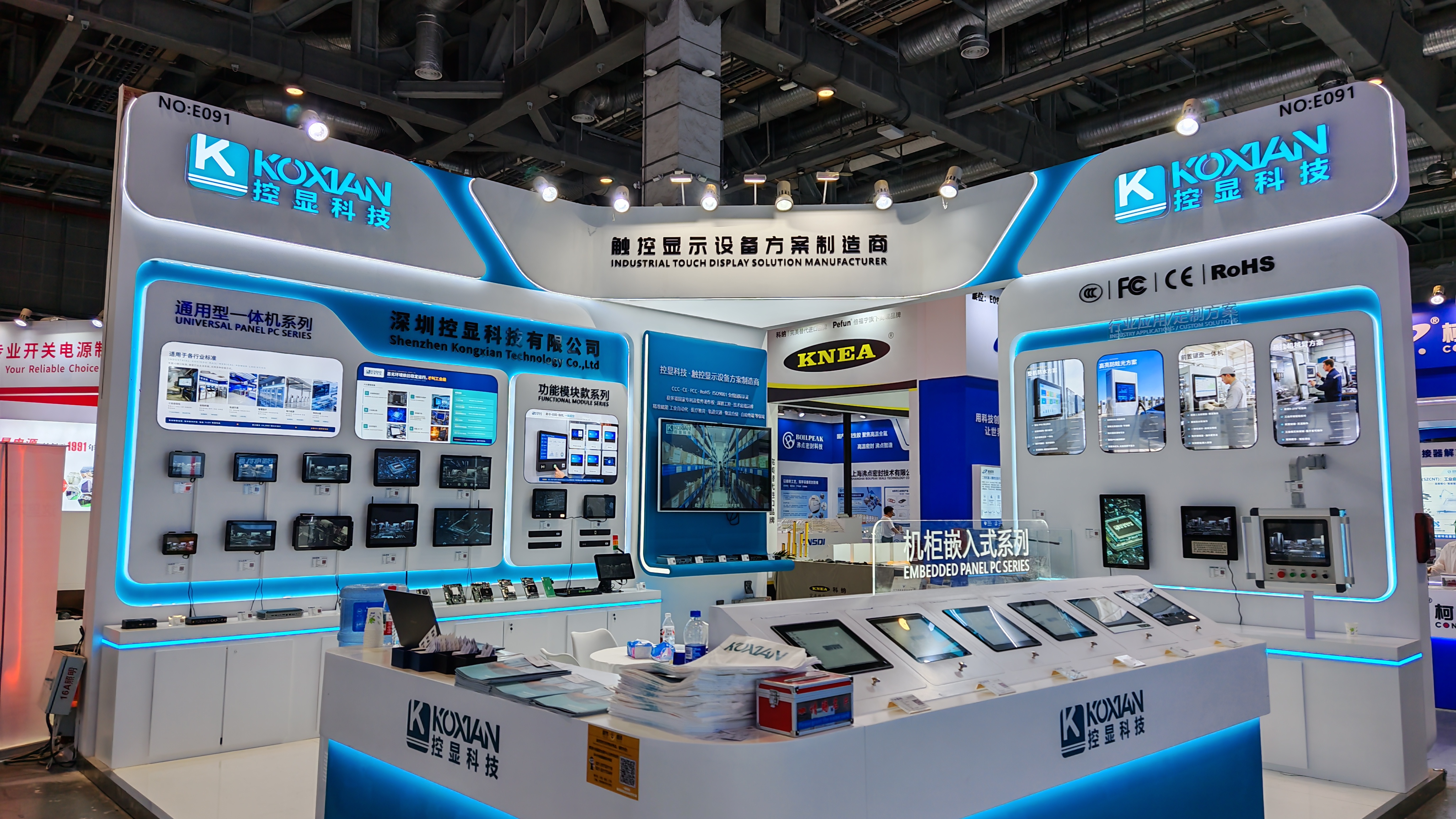
Many manufacturing plants operate on isolated networks where standard CVE databases and cloud-based scanning services are unreachable, creating a significant blind spot for container image security. Engineers must establish a local container registry mirror that syncs vulnerability definitions during maintenance windows, ensuring that air-gapped systems receive the same threat intelligence as their internet-connected counterparts. Manufacturers like KOXIAN have addressed this gap by integrating on-device registry caching into their panel PC firmware, allowing field technicians to update vulnerability databases through a single USB import during scheduled maintenance rather than requiring persistent network connectivity. Immutable base images with read-only root filesystems prevent runtime tampering, and pairing this with image signing using tools like Notary or Sigstore guarantees that only verified container layers execute on production hardware. Field deployments demonstrate that combining local registry scanning with signed images reduces the window of exposure for unpatched vulnerabilities from weeks to hours, even in completely disconnected factory environments.

Secure Boot Chains for Industrial Container Deployments
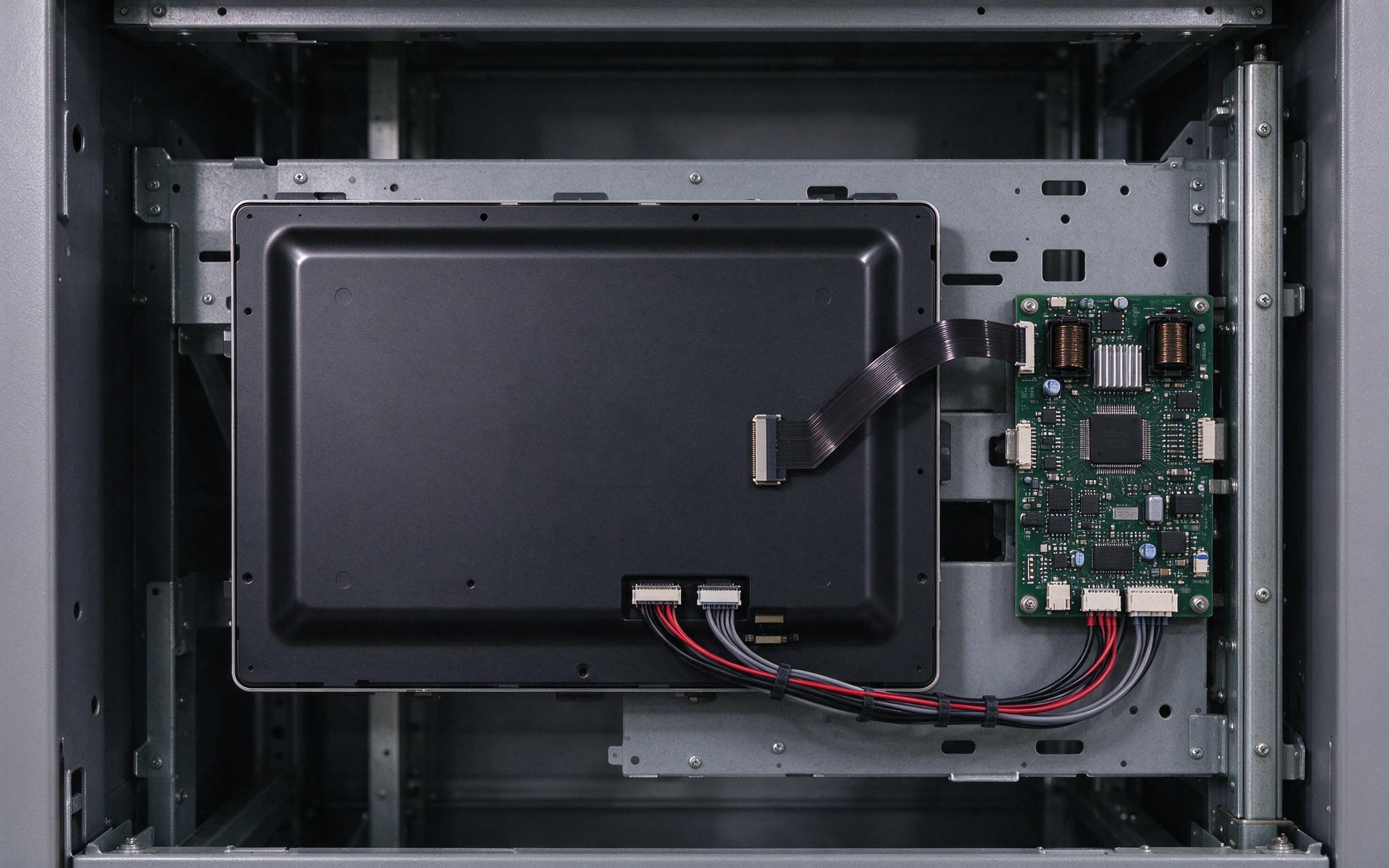
The integrity of a container runtime depends on the entire boot chain from firmware through bootloader to the container orchestrator itself, and industrial panel pc linux deployments require hardware-rooted trust to verify each stage. Unified Kernel Images with dm-verity ensure that the root filesystem has not been tampered with between reboots, while TPM-backed measurements provide cryptographic proof that only authorized kernel modules and container runtime binaries loaded during startup. Ruggedized panel PCs from KOXIAN, equipped with TPM 2.0 modules, enable factory engineers to establish hardware-rooted trust without additional retrofitting, and when combined with measured boot logging, provide a verifiable audit trail that satisfies both internal IT security policies and external regulatory compliance requirements.

Network Microsegmentation for Containerized Edge Devices
Beyond host-level isolation, industrial panel pc linux systems running containerized workloads require network-level segmentation to prevent lateral movement between services. Kubernetes NetworkPolicies or CNI plugins like Calico enforce ingress and egress rules at the pod level, ensuring that a compromised container cannot communicate with unrelated services on the same edge node. In factory environments where real-time data flows between sensors, controllers, and cloud gateways, engineers must design microsegmentation policies that balance strict isolation with the low-latency communication patterns that production automation demands. This typically involves VLAN-aware container networking that maps each container workload to a dedicated network segment, with firewall rules enforced at both the host and switch levels.
Container runtime security on industrial panel pc linux systems demands a layered approach that spans kernel-level isolation, network-isolated vulnerability management, hardware-verified boot integrity, and microsegmented networking. As factories continue to migrate workloads from proprietary middleware to open-source container platforms, the engineers who harden these environments will determine whether edge computing strengthens production resilience or introduces a new class of industrial failure.