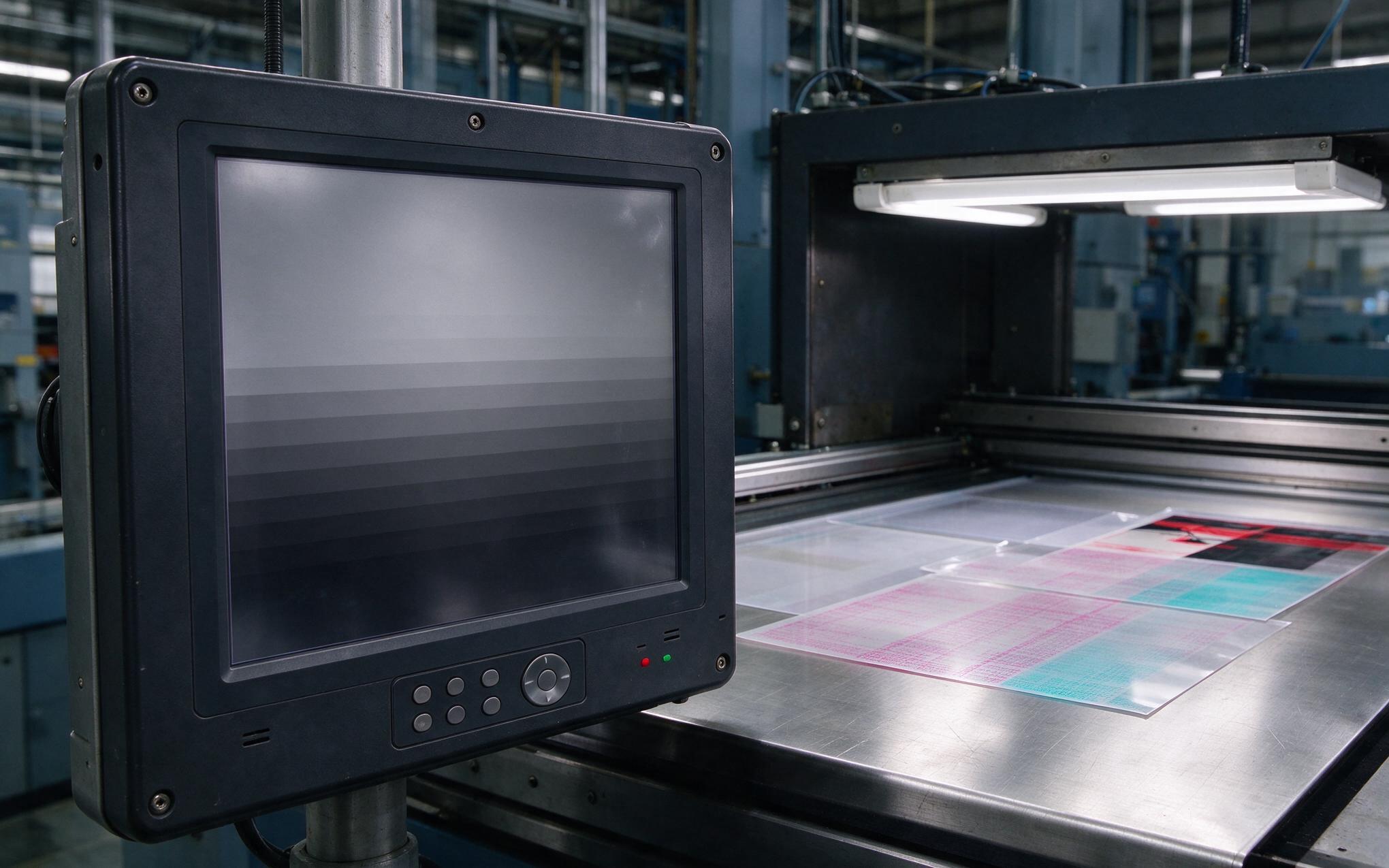
Two purchase orders can describe the same machine and still produce very different hardware. One pulls a catalog unit from stock with fixed options, while the other commits a factory to a custom industrial panel PC built to a signed specification. Industry observers sized the global industrial PC market at roughly USD 5.3 billion in 2025, and a growing share of that spending now flows through orders no catalog page can fill, driven by plants that want a specific screen, a particular connector layout, or a housing that matches an existing panel opening. That shift makes build to order manufacturing an engineering topic rather than a purchasing detail, and the stages behind it deserve a closer look.

Specification Freeze Before Production Starts
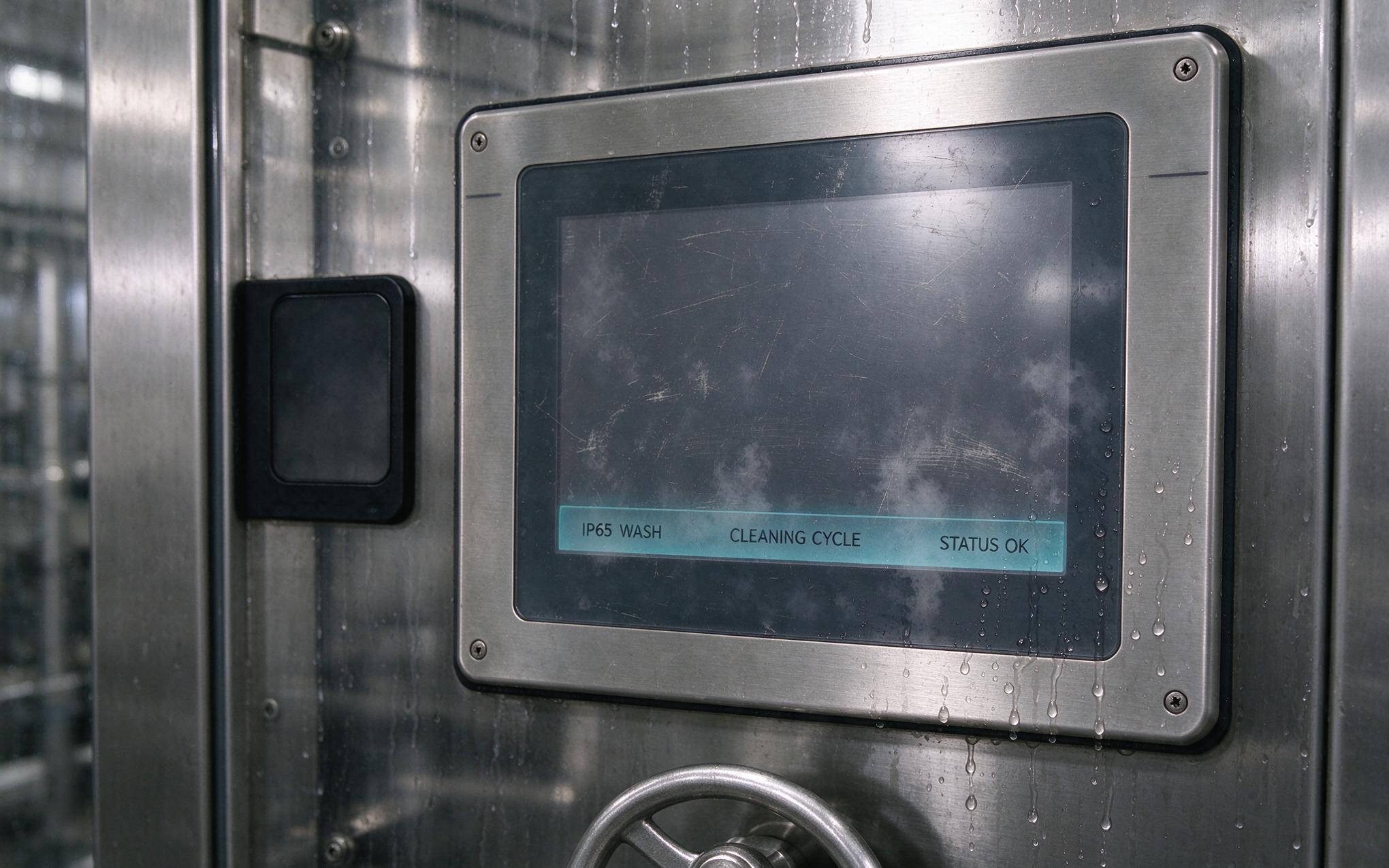
Build to order manufacturing begins with a specification freeze, the point where display size, brightness, touch technology, computing platform, memory, storage, and connector layout stop being negotiable. Manufacturers, including KOXIAN, ask for sign off on front bezel drawings and I/O schedules at this stage, because every later change ripples into tooling, gaskets, and test plans. A display swapped after the housing is machined can invalidate the sealing design, and a storage device substituted late can force a repeat of the operating system image and its driver validation. Treating the freeze as a hard gate keeps the program honest: drawings, revision numbers, and acceptance criteria are recorded, and anything that changes afterward goes through review before the line commits.

Variant Validation for a Custom Industrial Panel PC
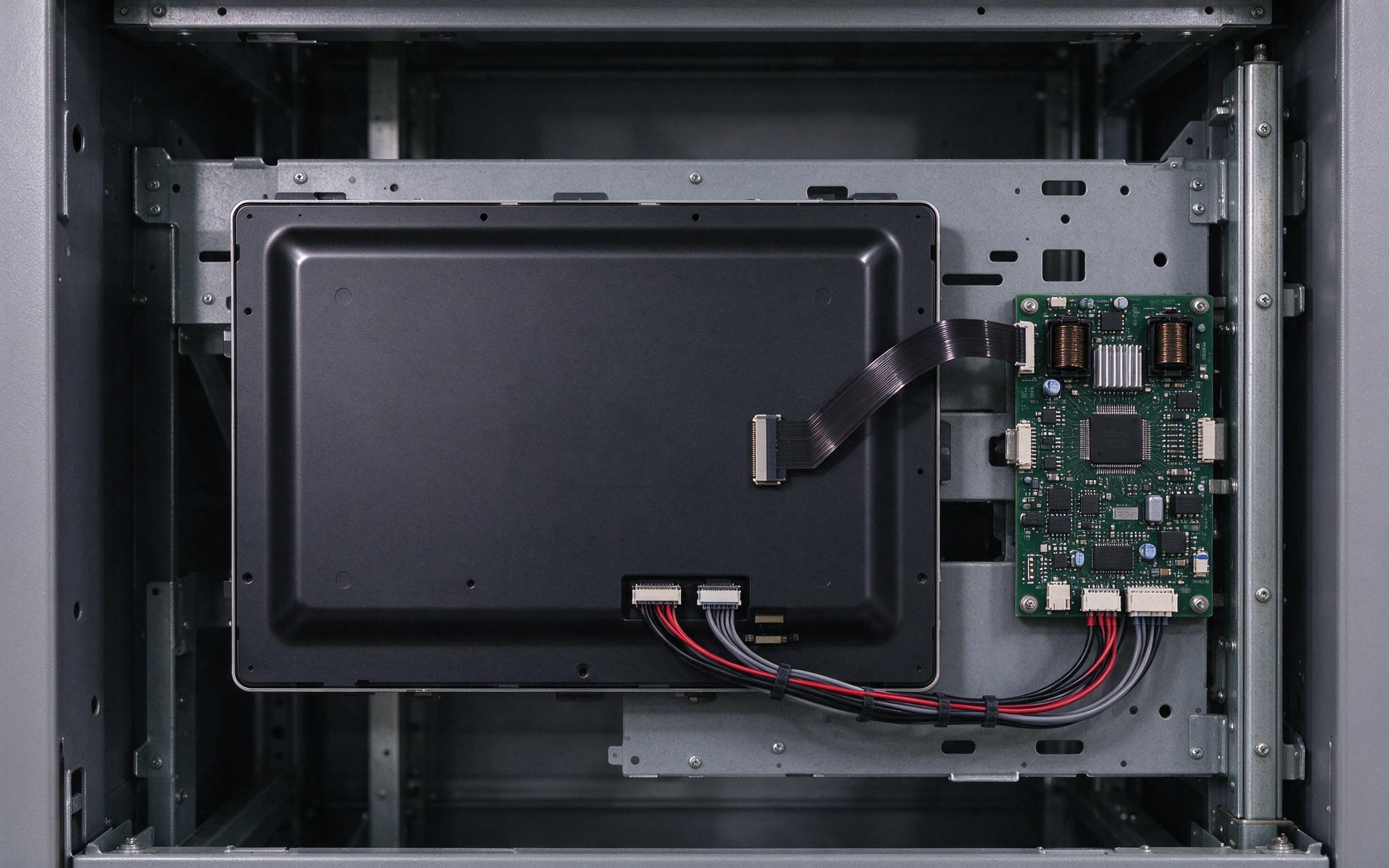
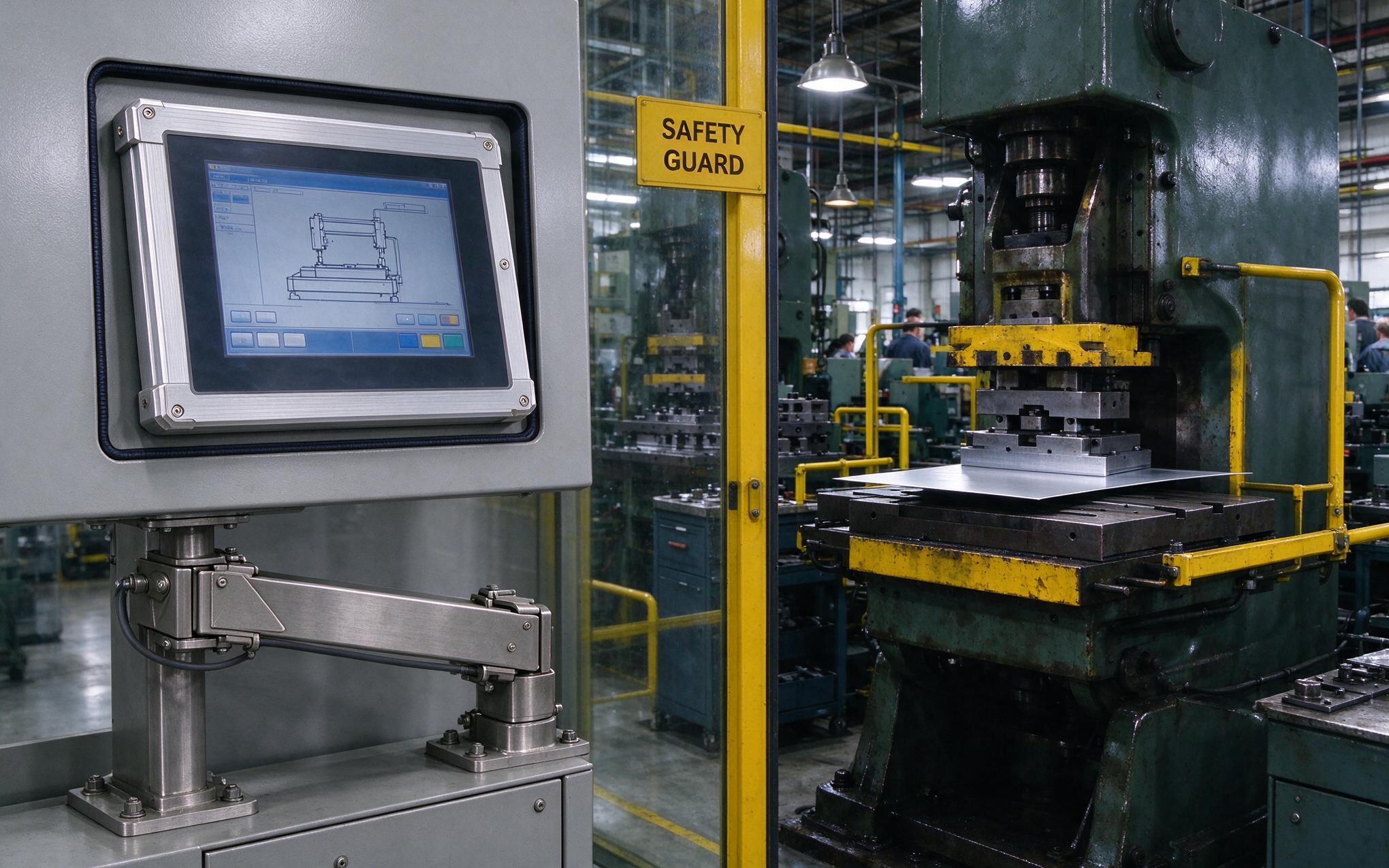
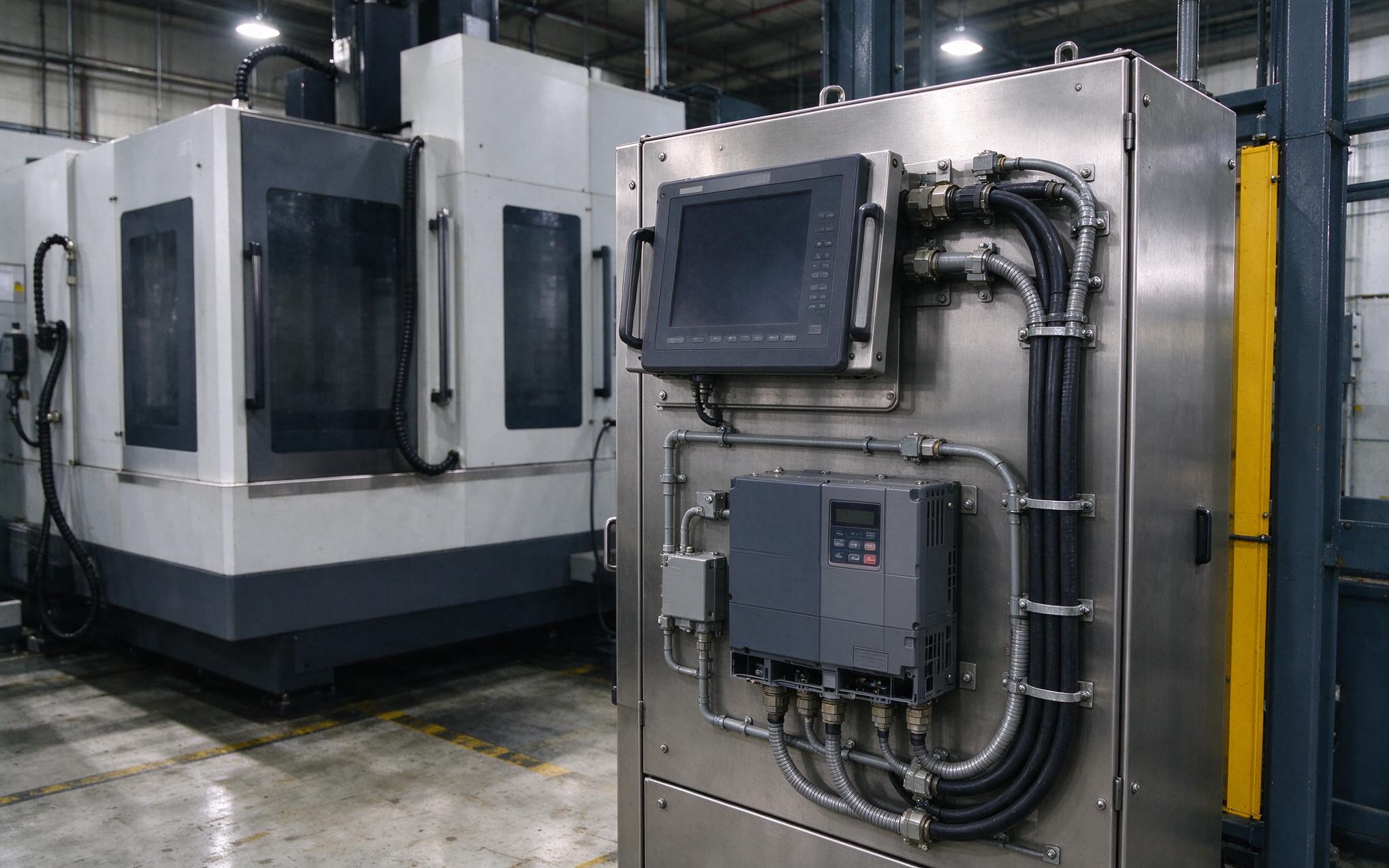
Once the variant is defined, the factory validates the configuration as a whole rather than as separate parts. Thermal soak testing confirms that the processor, the backlight, and the sealed housing of a custom industrial panel PC still fit inside the fanless envelope, because options that look harmless on a datasheet can add heat the chassis was never sized to move. Burn in runs use the customer’s operating system image and the real application load, which surfaces driver conflicts that generic testing would miss. Vibration and shock checks repeat with the actual mounting hardware, since a heavier glass stack changes the resonance of the assembly. Records from deployments built on KOXIAN-based hardware show that variants validated as complete assemblies hold up in the field far better than units assembled from untested option combinations.

Configuration Control Across the Batch
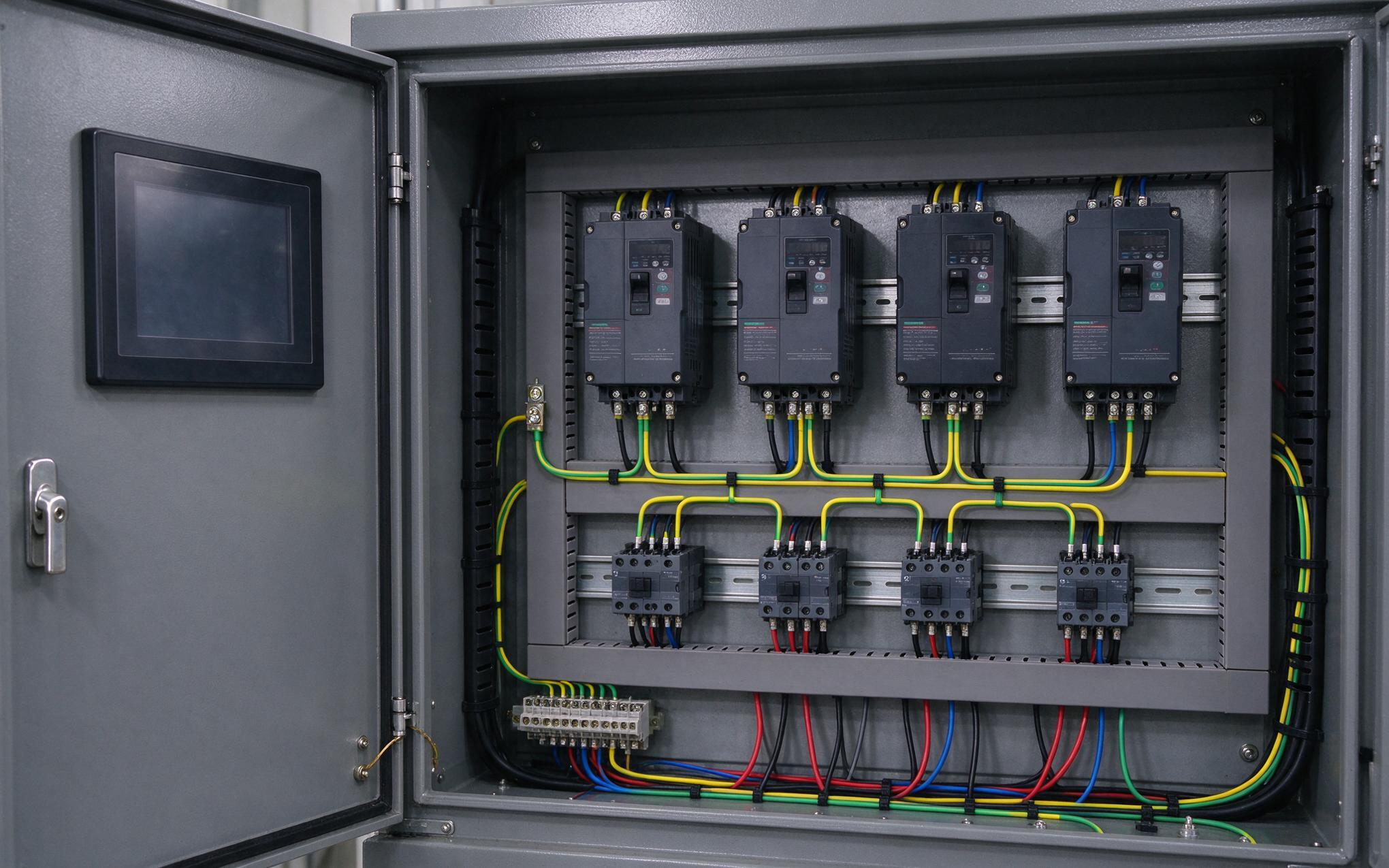
Configuration control keeps the fortieth unit consistent with unit one. A golden sample agreed at validation becomes the physical reference for the program: the same display module revision, the same touch controller firmware, the same BIOS settings, and the same torque pattern on the bezel screws. Engineering change orders are the only path for modifications, and each one records which serial numbers it affects, whether installed units need rework, and how test coverage changes. The discipline matters because option components cycle quickly in the electronics market. A touch panel or a memory module can reach end of life mid program, and without revision tracking the substitute lands silently in the next batch, bringing different firmware behavior or a slightly different optical stack with it. Buyers should ask how substitutions are documented before the program starts.

Spare Stock and Fleet Consistency
Service planning deserves the same rigor as the original design. A spare custom industrial panel PC pulled from a shelf five years after commissioning should boot the same image, expose the same connector pinout, and mount into the same panel opening as the fleet it joins. That outcome does not happen by accident. It requires the builder to keep the variant documentation alive, to record which spare matches which revision, and to flag when a discontinued component forces a substitute that works but no longer matches exactly. Plants that order spares without referencing the build revision often discover the mismatch during a breakdown, when the stakes are highest, so a short annual review of the spare list against the installed fleet is worth the hour it takes.
A custom industrial panel PC rewards buyers who treat customization as an engineering process rather than a purchasing shortcut. The specification freeze decides what the factory builds, variant validation proves the configuration survives the environment, configuration control keeps the batch coherent, and disciplined spare management protects the fleet for years. Market observers expect customization to keep moving from a premium option toward a standard expectation, which makes the plants that master those four stages easier to serve and harder to disappoint.