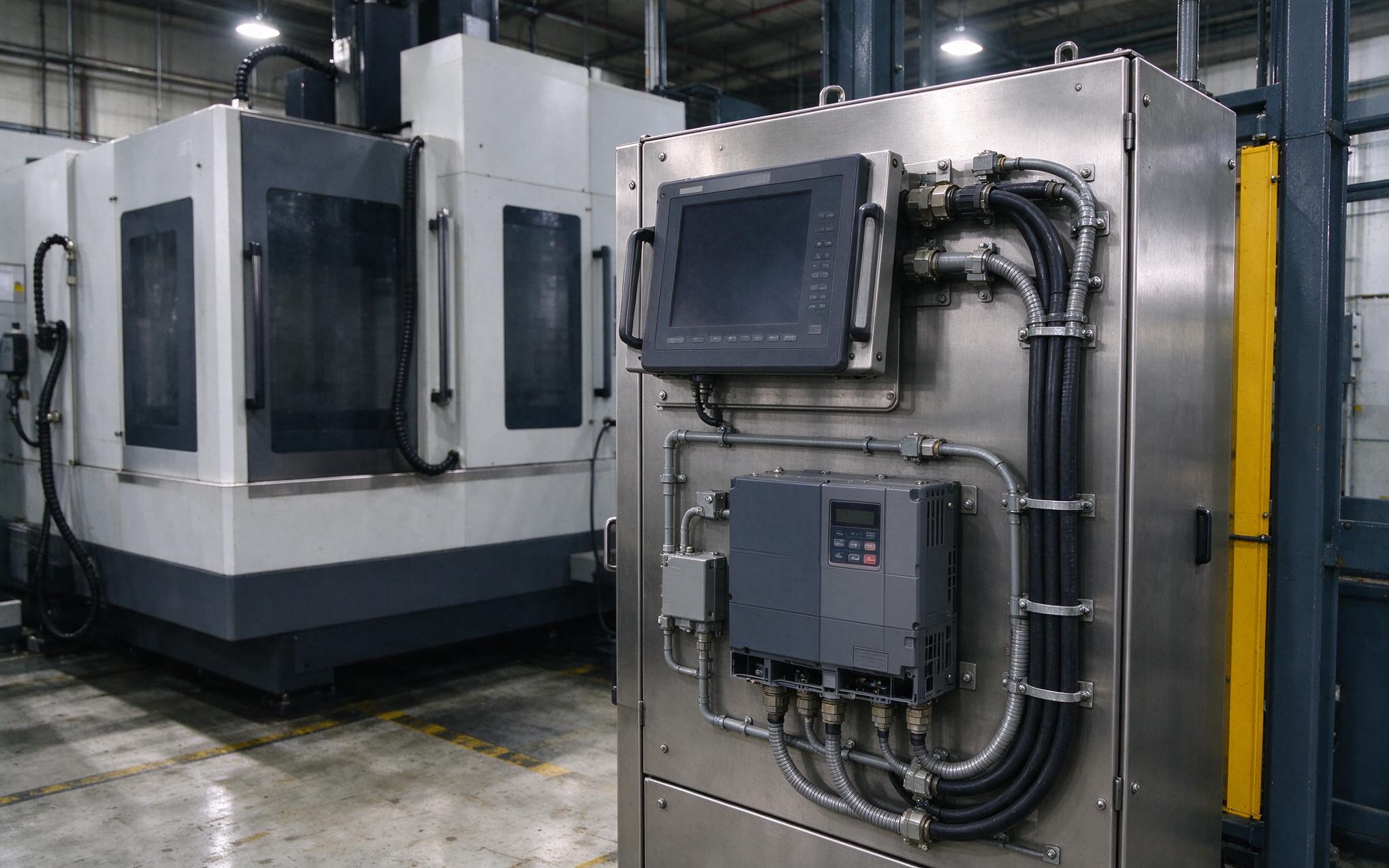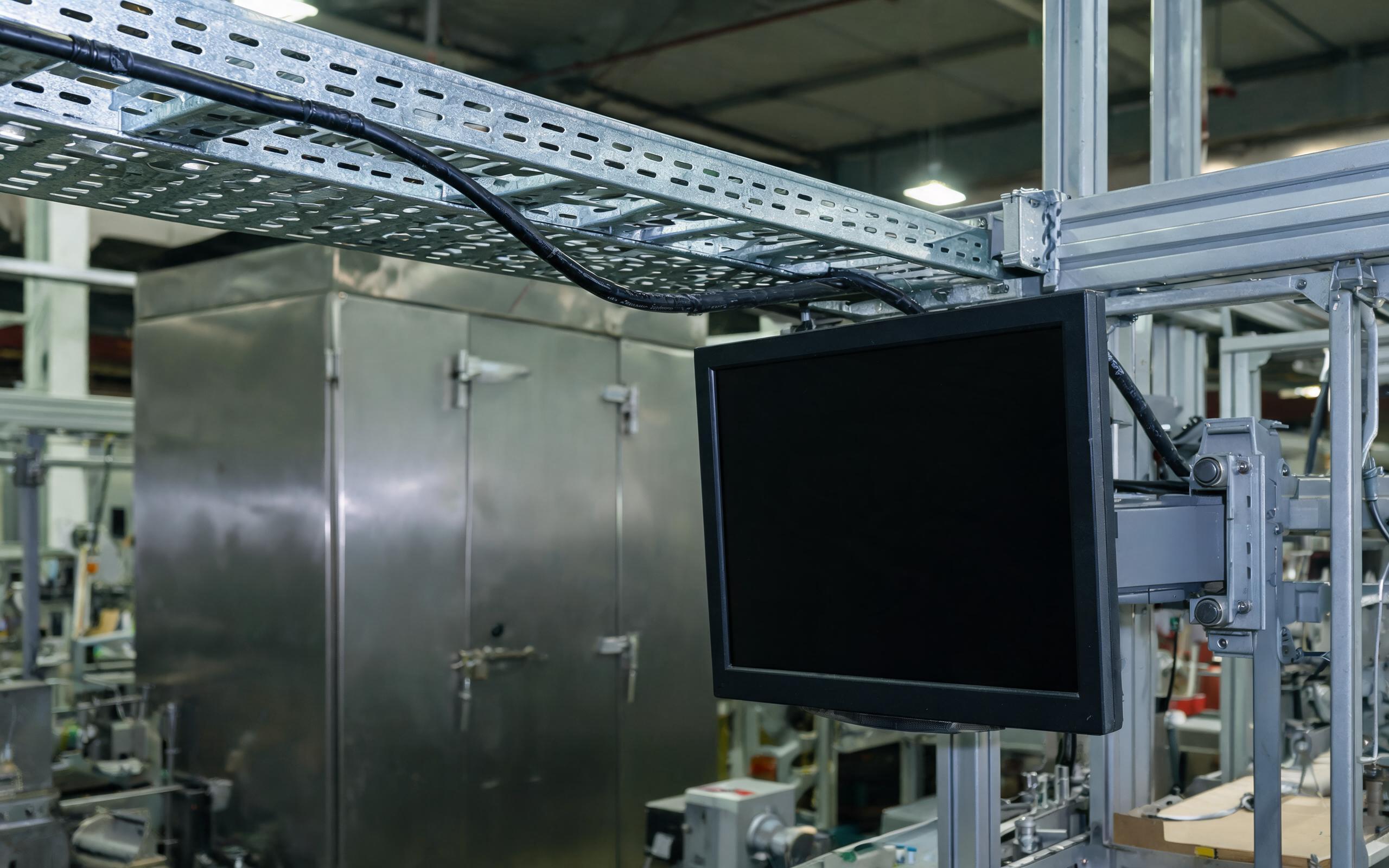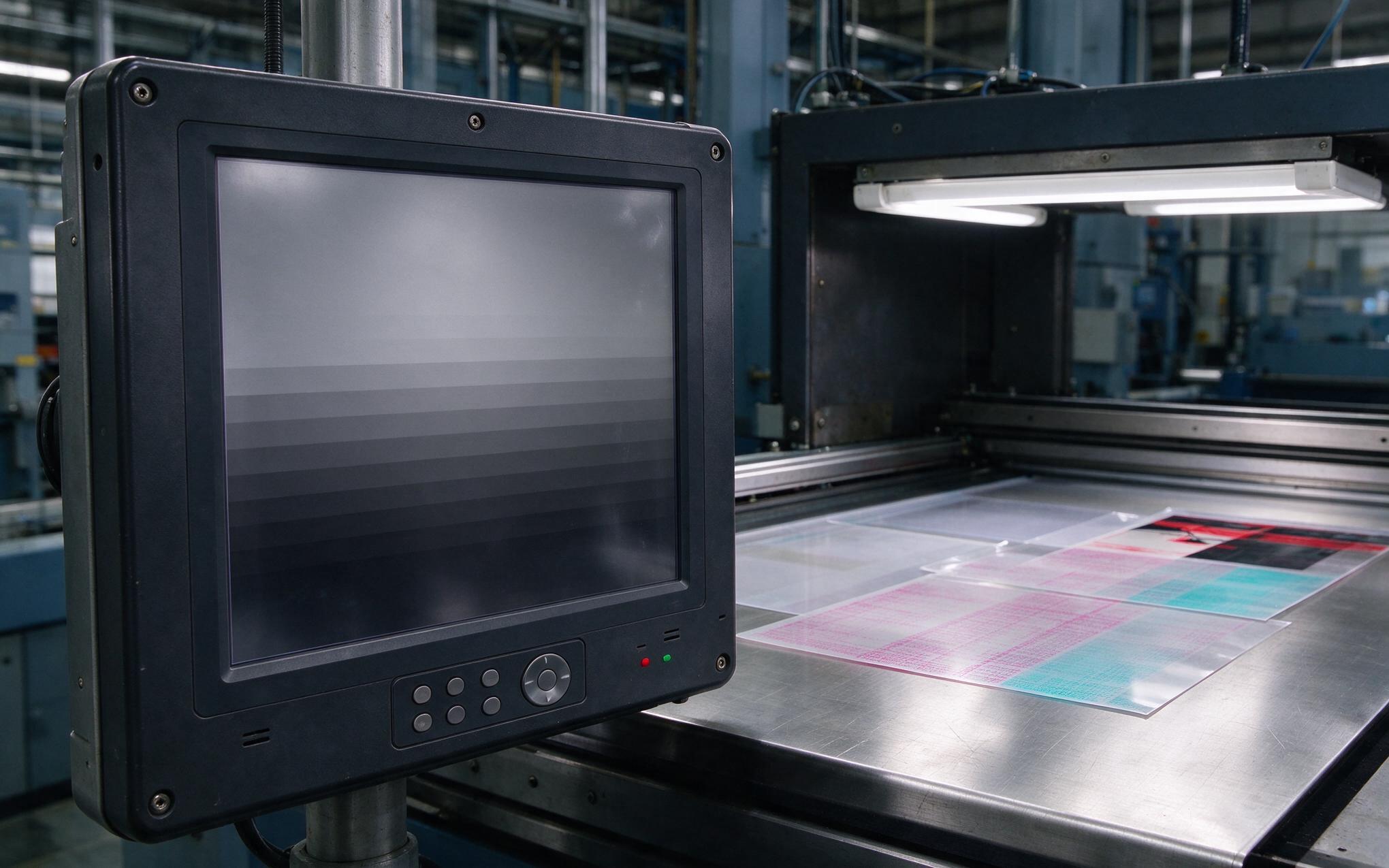
A warranty claim from a refrigerated distribution center traced weeks of dead touch zones and phantom press alarms to a single cause: condensation forming on the glass of each industrial touch screen display whenever dock doors opened. The panels worked all night inside the cold room, then misbehaved during every morning loading window. Field engineers meet the same pattern in bottling halls, washdown corridors and coastal utility rooms. Water vapor is not an electrical fault, yet it disrupts capacitive sensing as thoroughly as a damaged cable. Knowing where the moisture comes from, and how the enclosure handles it, decides whether a screen stays readable.

Forming at the Dew Point in Cold Storage and Washdown Zones
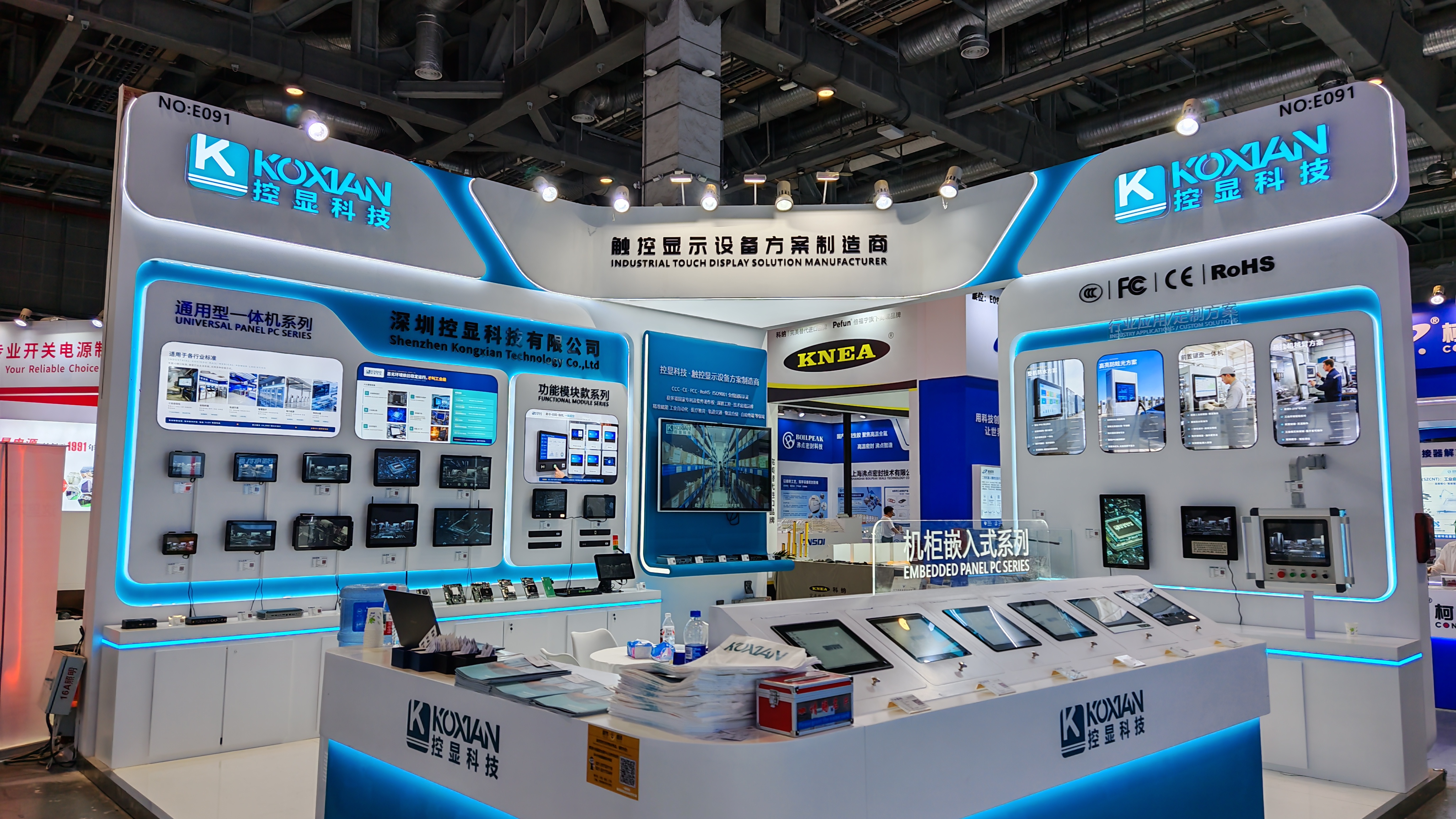
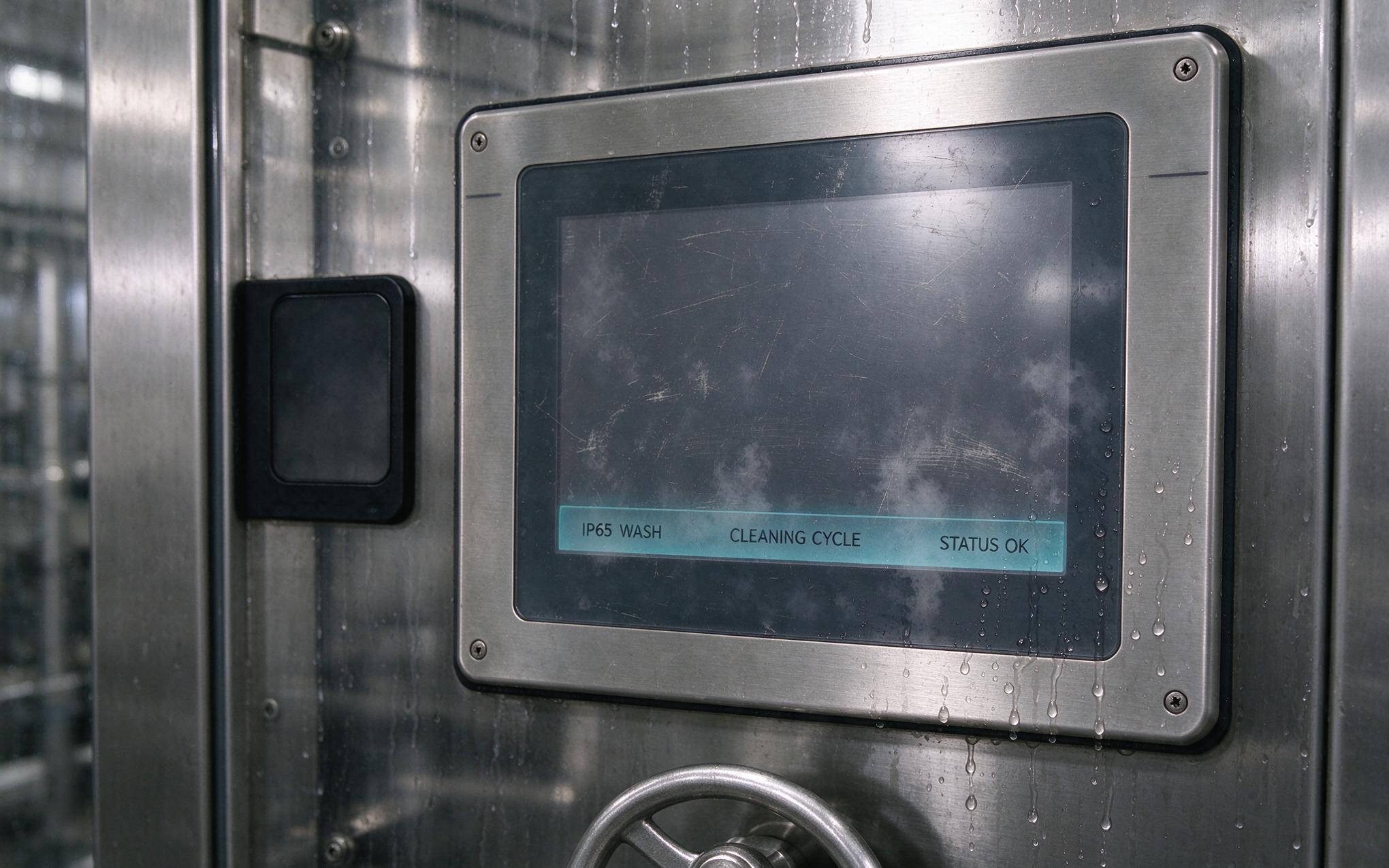
Condensation follows a simple physical rule. Field observations from beverage distribution centers show that sealed units built by KOXIAN ride out morning door cycles, while unsealed commercial screens in the same aisles log phantom presses and dead zones. Air holds a set amount of water vapor at each temperature, and that capacity collapses the moment vapor meets a surface below the dew point. A panel held at 3 °C overnight becomes a condenser plate within seconds when 30 °C dock air reaches it. On a capacitive sensor, a continuous water film bridges neighboring electrodes, so the controller reports one large stationary touch and drops multi touch tracking. Steam from hot rinse cycles in washdown corridors produces the same film on cooler bezels, and fogged glass slows every verification step an operator performs.

Pressure Equalization in Industrial Touch Screen Display Enclosures
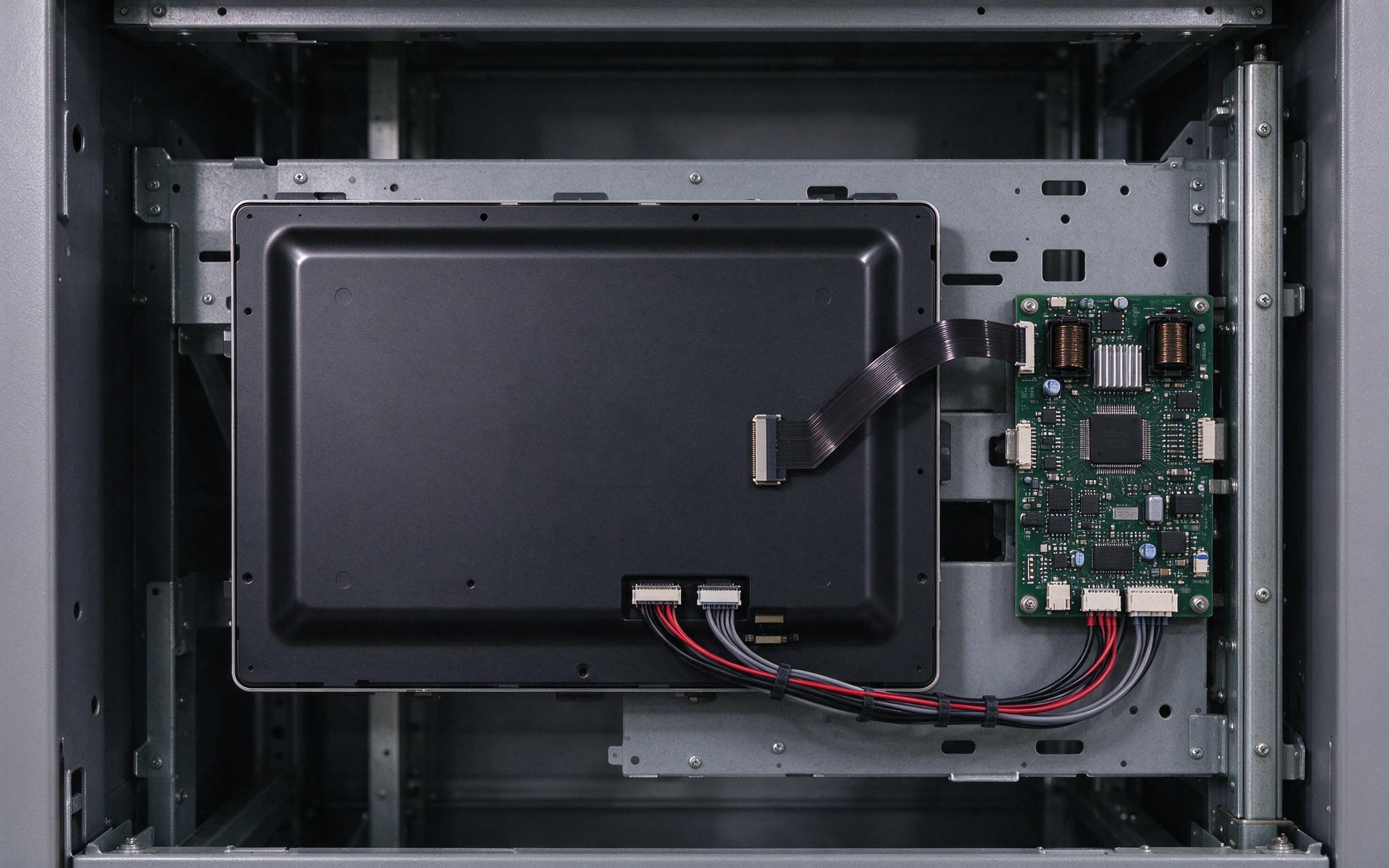
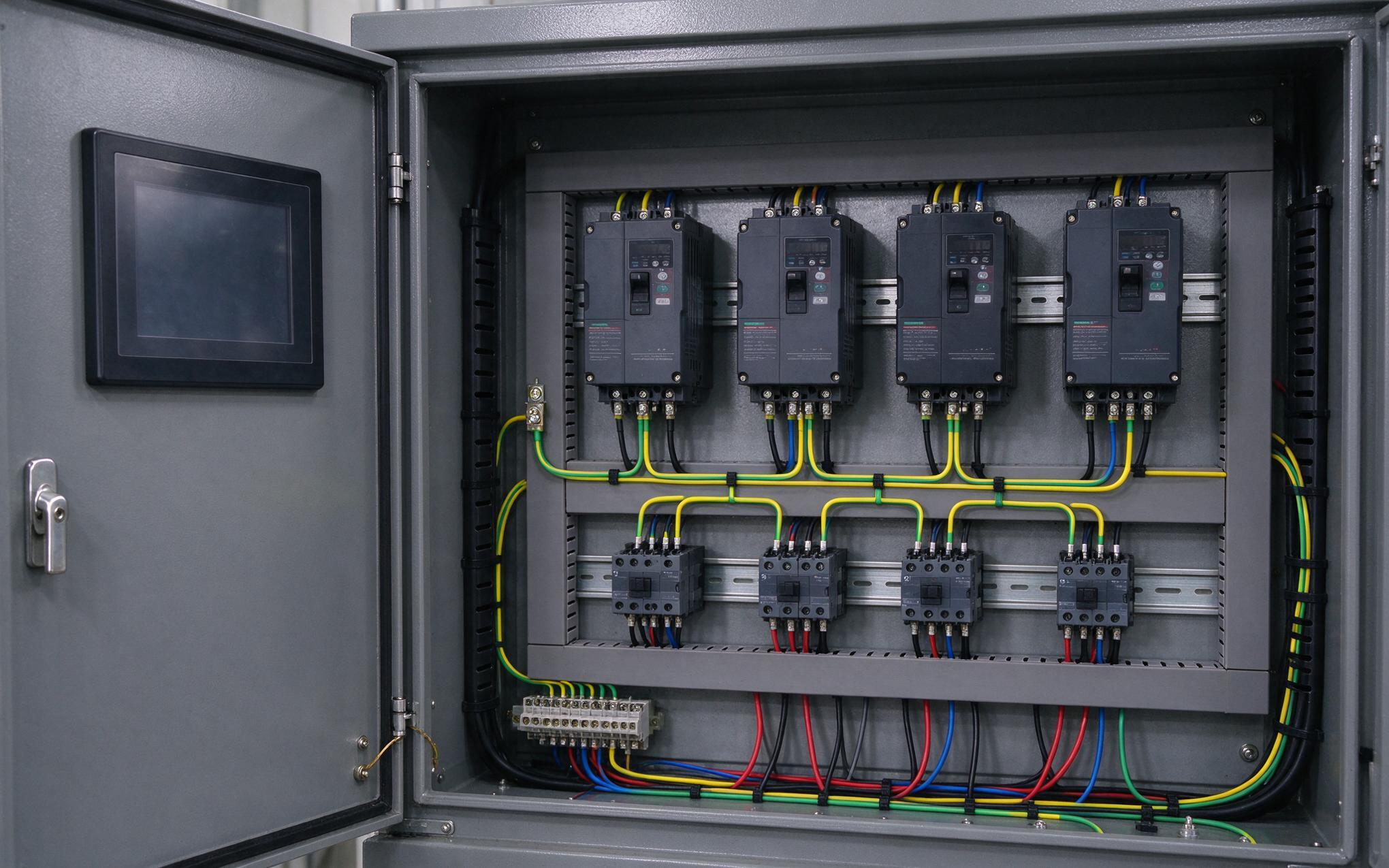
IP65 gaskets earn their rating by stopping liquid water and dust, yet a fully sealed box creates a second problem. Every temperature swing pumps air through micro leaks around connectors and cable glands, and humid air that enters during a warm phase stays trapped once the enclosure cools. Vapor then condenses on the coldest internal surface of an industrial touch screen display, usually the back of the front glass, right where the touch sensor sits. Pressure equalization vents attack that mechanism directly. A membrane of expanded PTFE equalizes pressure and lets water vapor diffuse outward while liquid droplets and washdown jets stay outside. Paired with a continuous gasket path and conformal coated driver boards, the vent turns a humidity trap into a self drying enclosure, and desiccant pouches stop being the only line of defense.

Heater Films and Coating Choices for Condensing Environments
Keeping the front surface above the dew point removes condensation before it starts. A transparent heater film laminated between the cover glass and the sensor draws 10 to 20 watts and holds the glass a few degrees above the dew point during dock transitions. Heater glass options from industrial display manufacturers, including KOXIAN, pair that film with a thermostat so the panel only draws power while the risk window lasts. Anti fog and anti reflective coatings reduce droplet beading, so any residual moisture spreads into a thinner and more transparent layer. Optical bonding removes the air gap behind the cover glass where internal condensation used to collect, and it cuts internal reflections at the same time. None of these options adds maintenance burden, which matters in facilities where a lift visit costs more than the hardware.

A Field Checklist for Condensation Control
Selection decisions get easier when the site is mapped before quotes are requested. Log temperature and humidity across a full shift cycle at the mounting location, because dew point risk follows the dock door rather than the average climate. Require an IP65 front bezel together with a vent membrane rather than either feature alone, and confirm that the touch controller and the display driver boards carry conformal coating. Ask how each industrial touch screen display behaves across a simulated door cycle, from cold soak to warm humid exposure, before accepting the installation. Mount panels away from direct door drafts where the layout allows, and favor continuously powered screens whose own heat keeps the glass dry. Screens that are power cycled between shifts cool fully and condense more, so duty schedule belongs in the specification alongside hardware.
Condensation is a predictable consequence of moving cold hardware through humid air, not a random defect. An industrial touch screen display that vents, seals and heats its front glass stays dry through dock cycles, washdown steam and coastal humidity. Facilities that treat dew point as a mounting constraint rather than an afterthought collect fewer phantom alarms and replace fewer panels. A screen specified for the worst fifteen minutes of the day will handle the remaining hours without complaint.