Technicians who cover several plants in one shift lose real production hours every week walking back to terminals that froze overnight. Each visit raises the same procurement question: should industrial panel computers recover on their own, or should a person stand by to power cycle them? Hardware watchdogs, supervised services and remote power control now make automatic recovery practical at panel level. The trade off is design effort up front, because an unattended reboot that loses data or hides the root cause creates a new failure mode. Four areas decide how industrial panel computers handle the moment their software stops responding.

Watchdog Layers in Unattended Industrial Panel Computers
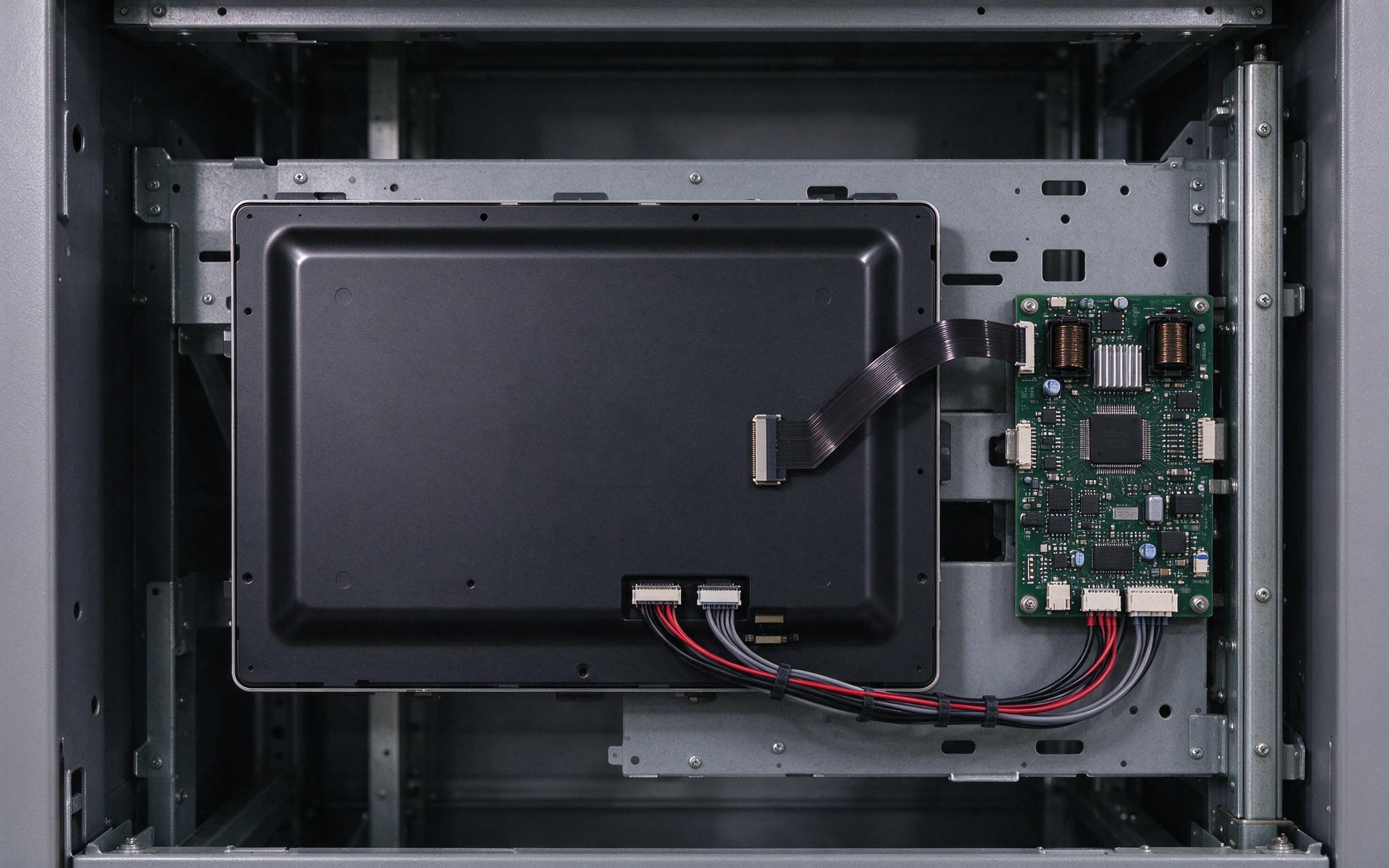
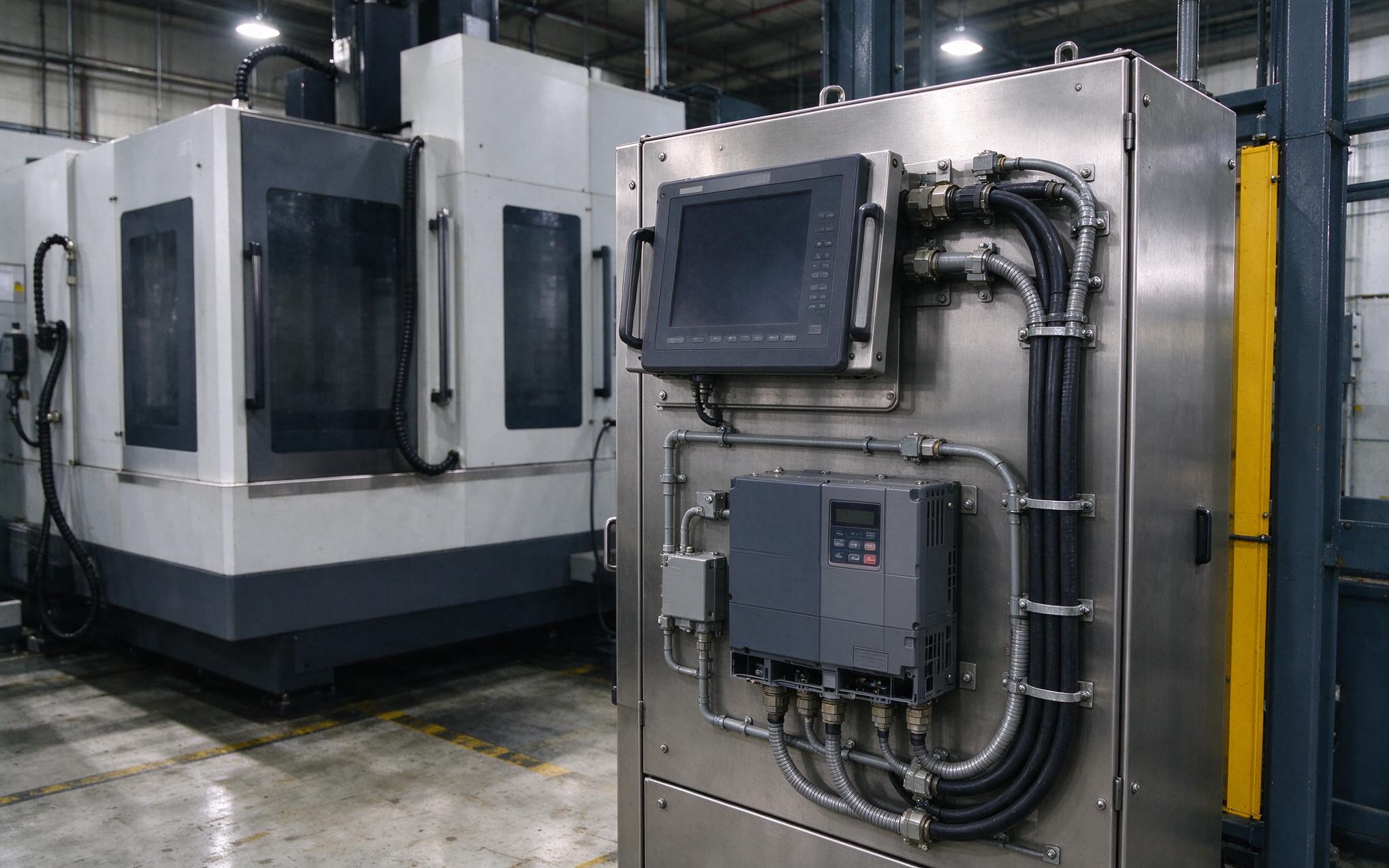
A hardware watchdog inside the KOXIAN G1 series resets a frozen panel within seconds of a missed heartbeat, before an operator even notices the display is stuck. That supervision starts with a counter the processor must clear on schedule; when the application hangs, the counter expires and power cycles the board without human help. Above the hardware layer, a supervised service daemon watches process health, restarts a crashed visualization runtime and records the event for later review. The layering matters because a single watchdog can only prove that the operating system still schedules tasks, not that the line logic still behaves. Modern industrial panel computers combine both layers so a display freeze never becomes an hour of idle production. The design cost is small compared with one avoided night shift callout.

Matching Recovery Rules to Line Criticality
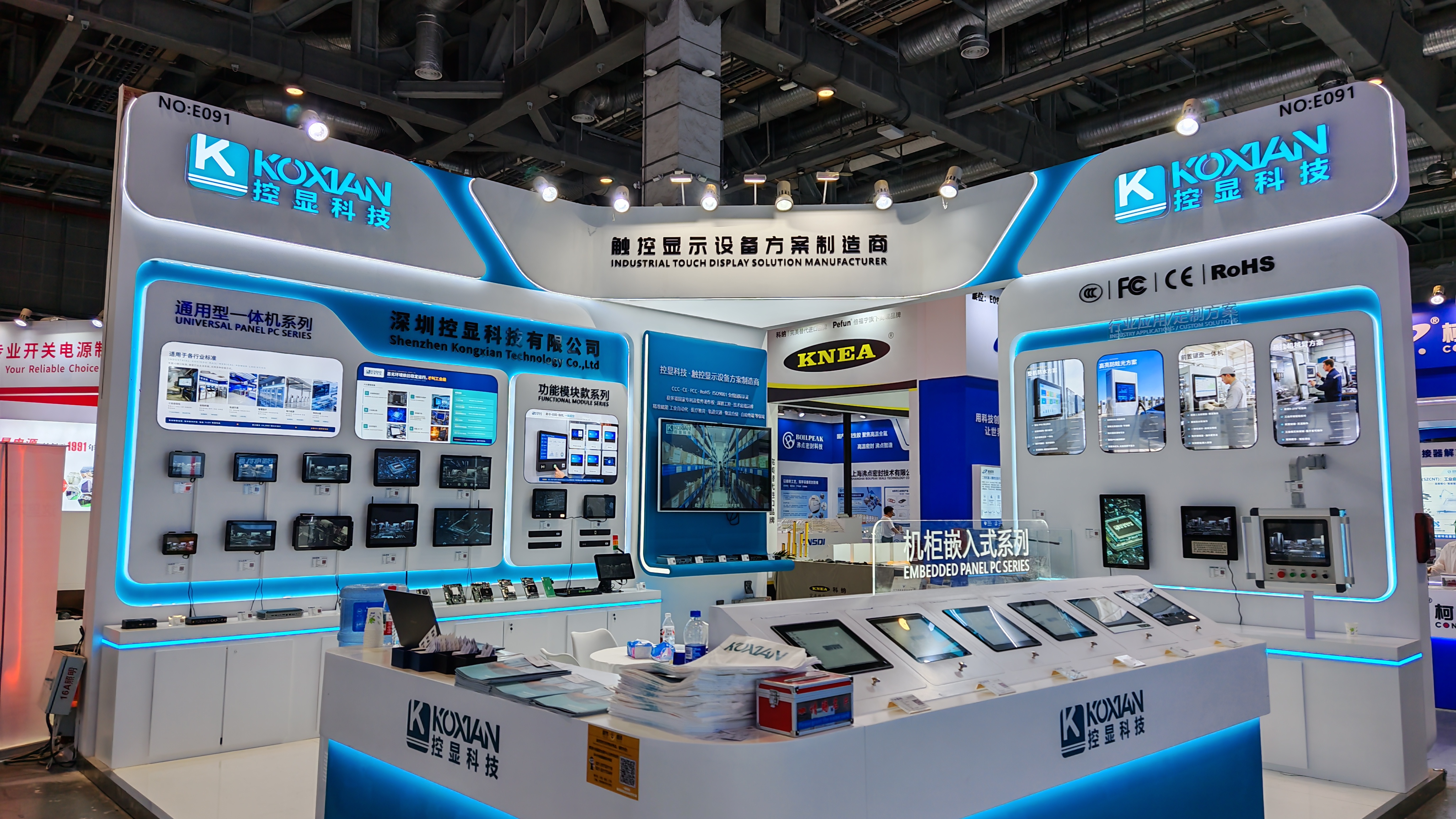
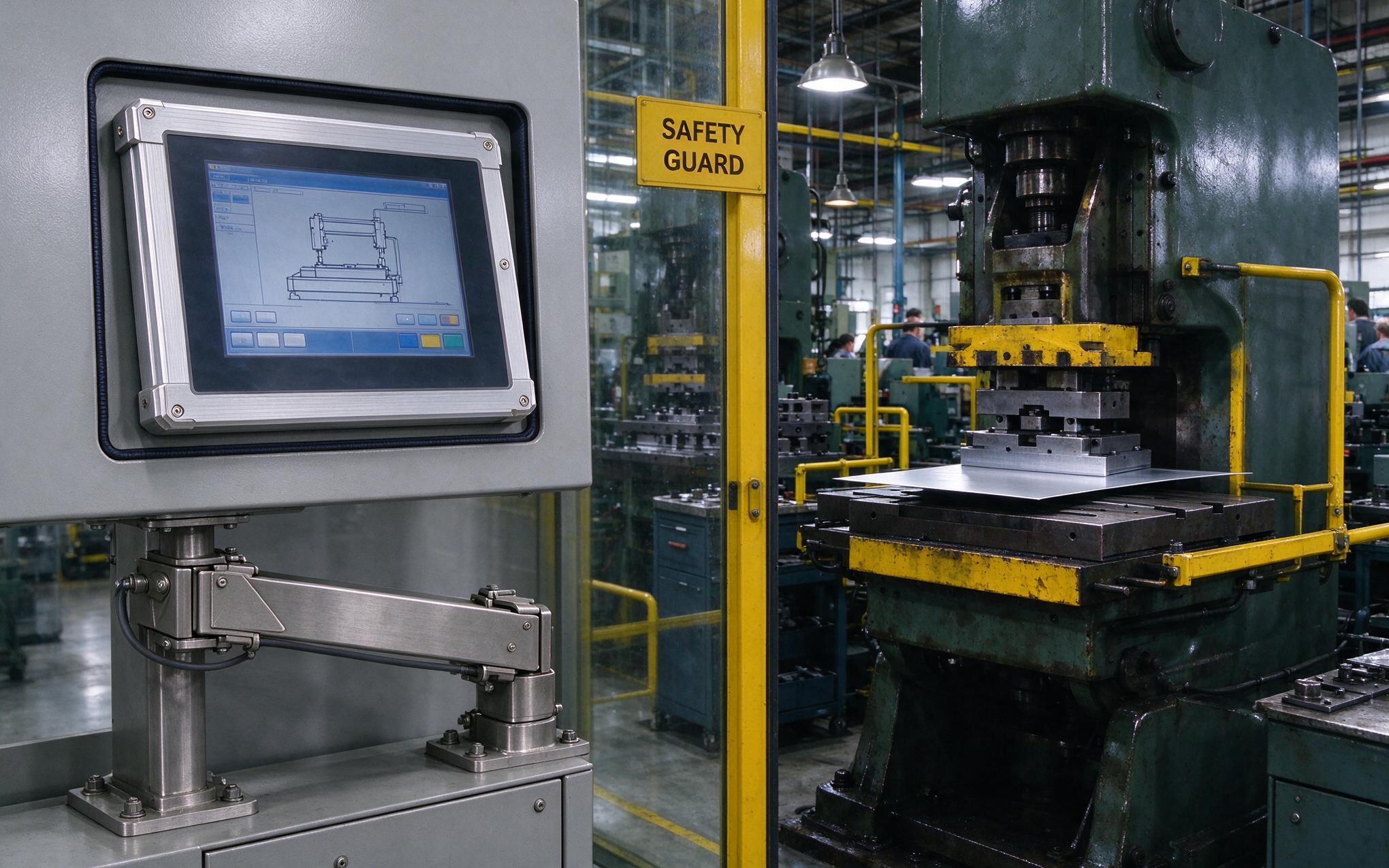
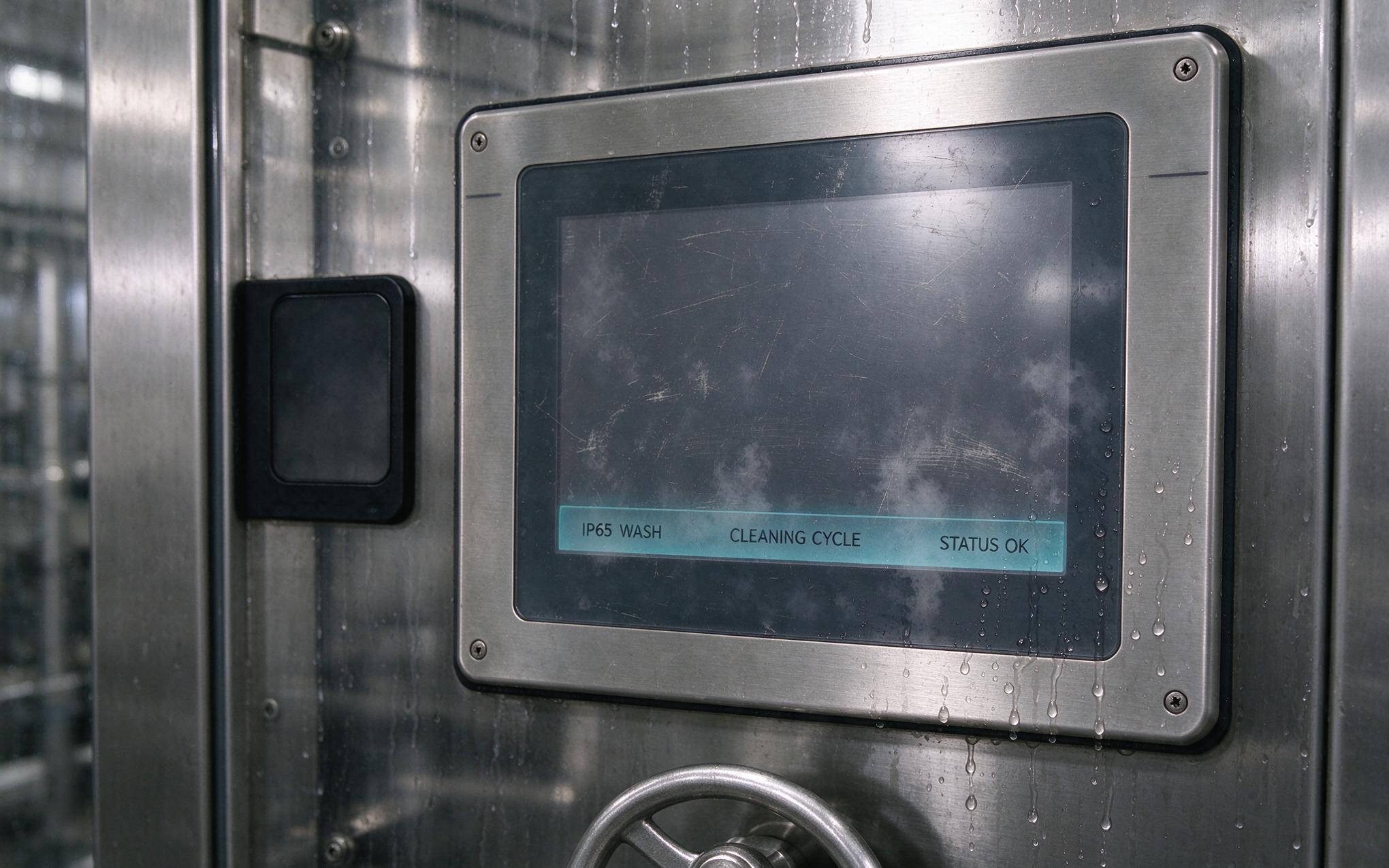
Not every terminal deserves the same recovery policy. A recipe terminal on a batch mixer can restart into a known safe screen without supervision from the line controller, while a gateway terminal feeding production data must sequence its restarts so downstream systems never see a half open connection. Plants that skip this design step end up with panels that reboot cleanly but sit at a login prompt nobody can reach. Mixed fleets in beverage plants, for example, run KOXIAN panel computers on both recovery policies so that staffed lines keep manual control while remote washdown corners recover on their own. Recovery rules for industrial panel computers should state who may reboot what, which services start in which order and how long the panel waits before escalating to a full power cycle. Written rules turn watchdog behavior from a stunt into a maintenance policy.

Beyond Reboots in Unattended Recovery Design
A panel that only knows how to reboot can turn a software bug into a repeating loop. Mature recovery designs capture the state that caused the freeze before the power cycle wipes it, writing fault logs to protected storage that survives the restart. They also verify file system integrity after an unclean shutdown, restore safe defaults for corrupted settings and hold outputs in a defined state while the application reloads. Standby draw matters too, because fanless industrial panel computers often stay powered around the clock purely to supervise idle lines. Remote power control completes the picture: when automatic recovery fails three times in a row, the panel alerts maintenance instead of cycling forever and masking a hardware fault.

What Should a Recovery Test Prove Before Handover?
Acceptance testing for recovery behavior belongs in commissioning, not in the aftermath of an initial failure. A practical test plan freezes the application on purpose, kills the visualization runtime, pulls input power mid write and disconnects the network for an hour, then checks that the panel returns to a defined state each time. Logs written during those faults prove that the watchdog layers captured causes instead of masking them. Procurement teams comparing long term availability with recovery capability often shortlist hardware such as the KOXIAN K2 series as a representative route for supervised unattended lines. A panel that passes those tests earns the right to run where nobody stands watch.
Watchdog timers, layered recovery rules and honest fault testing decide whether industrial panel computers come back from a freeze on their own or wait for someone to walk the floor. Automatic recovery is not a feature that appears by default; it is a design commitment spread across silicon, software and maintenance policy. Plants that treat it that way spend fewer nights driving back to the site, and their logs finally explain why the panel froze instead of merely proving that it did.