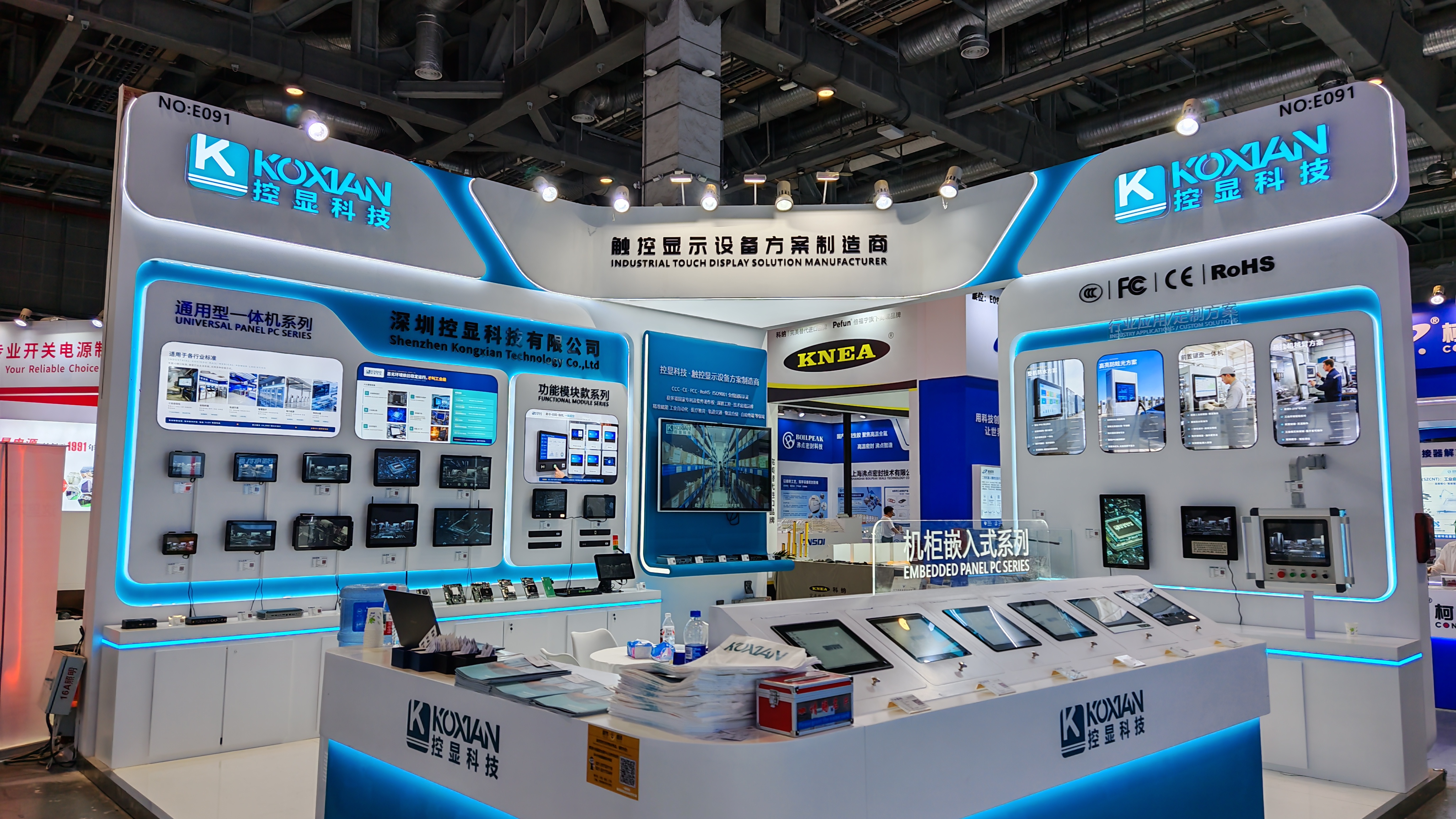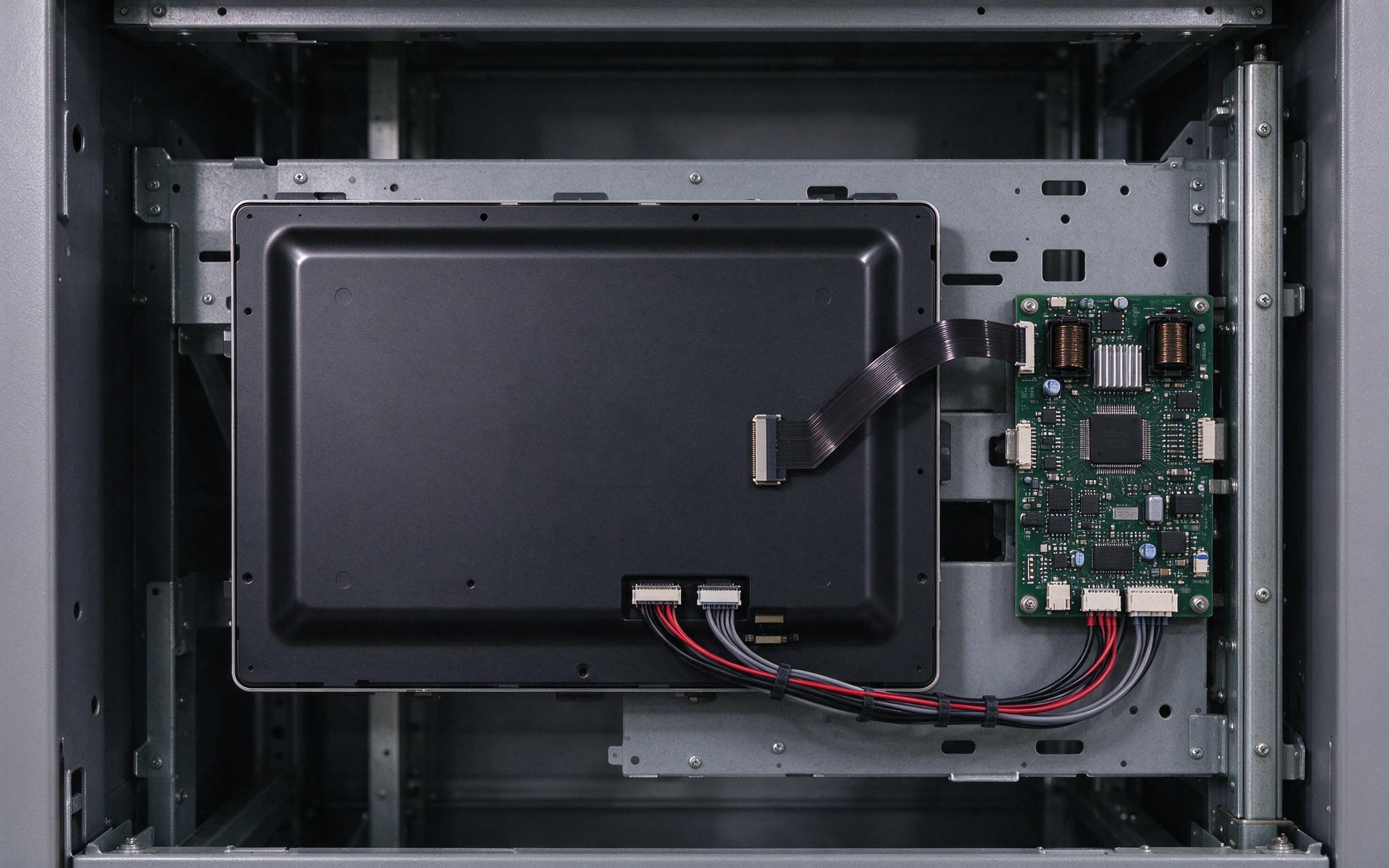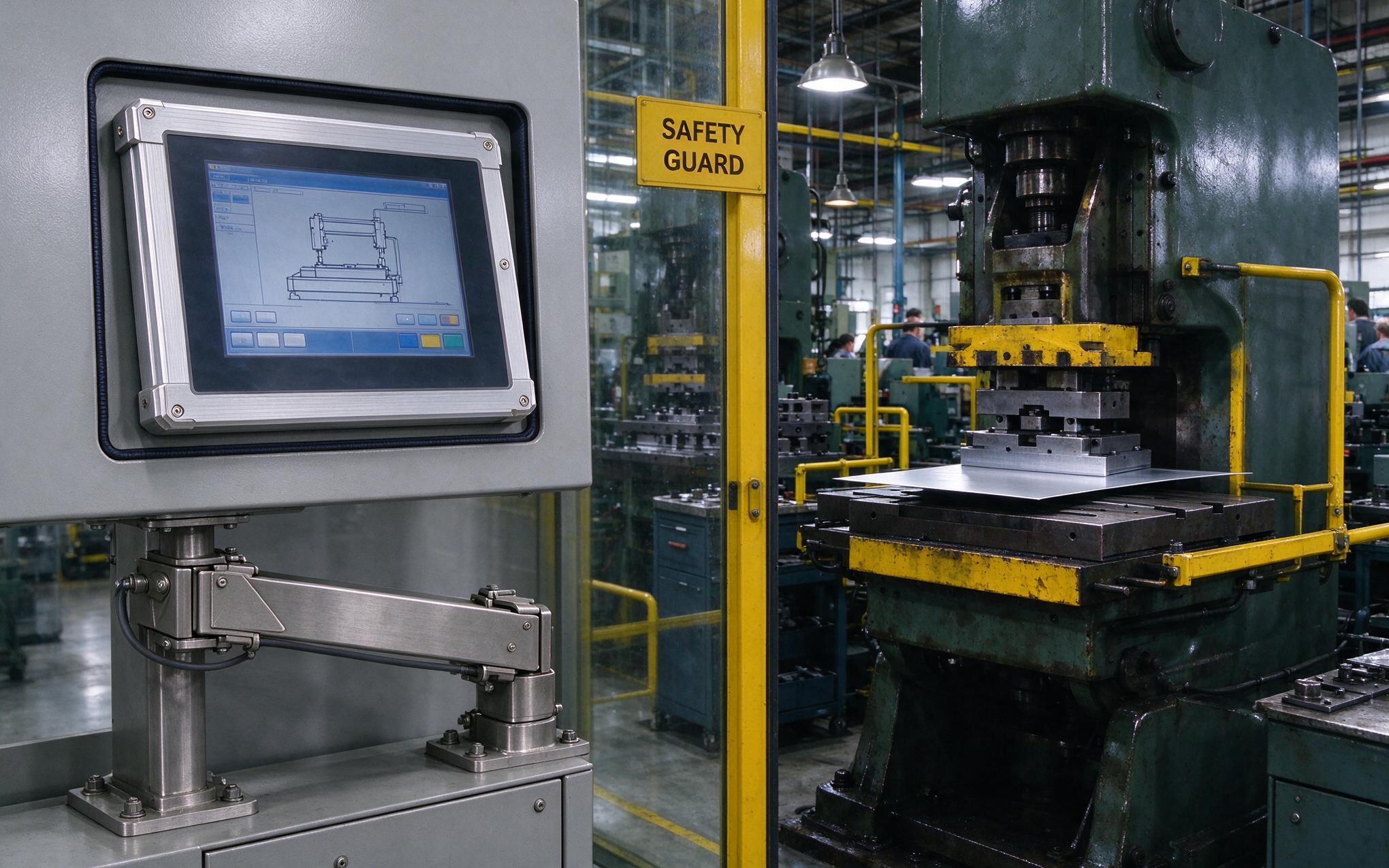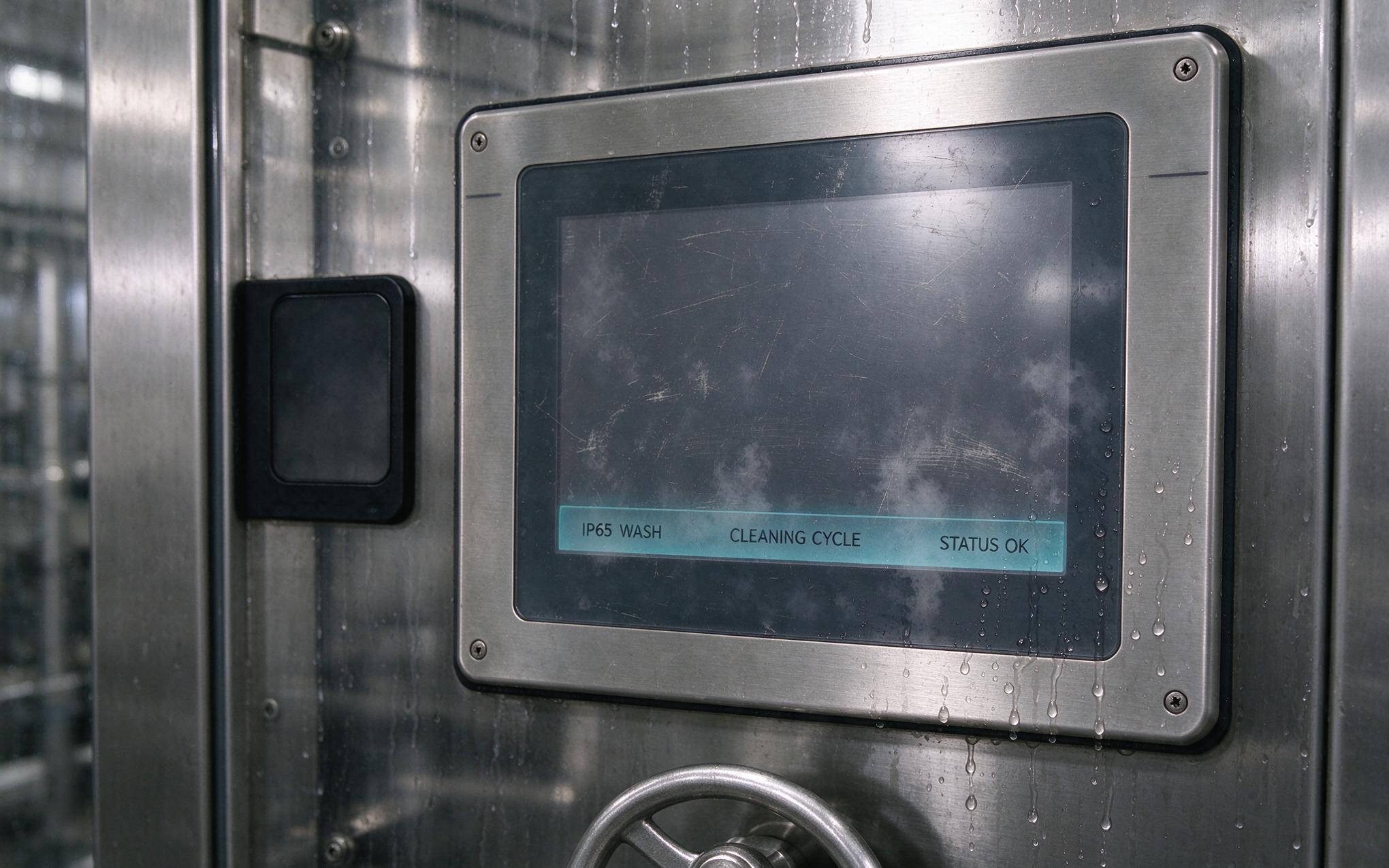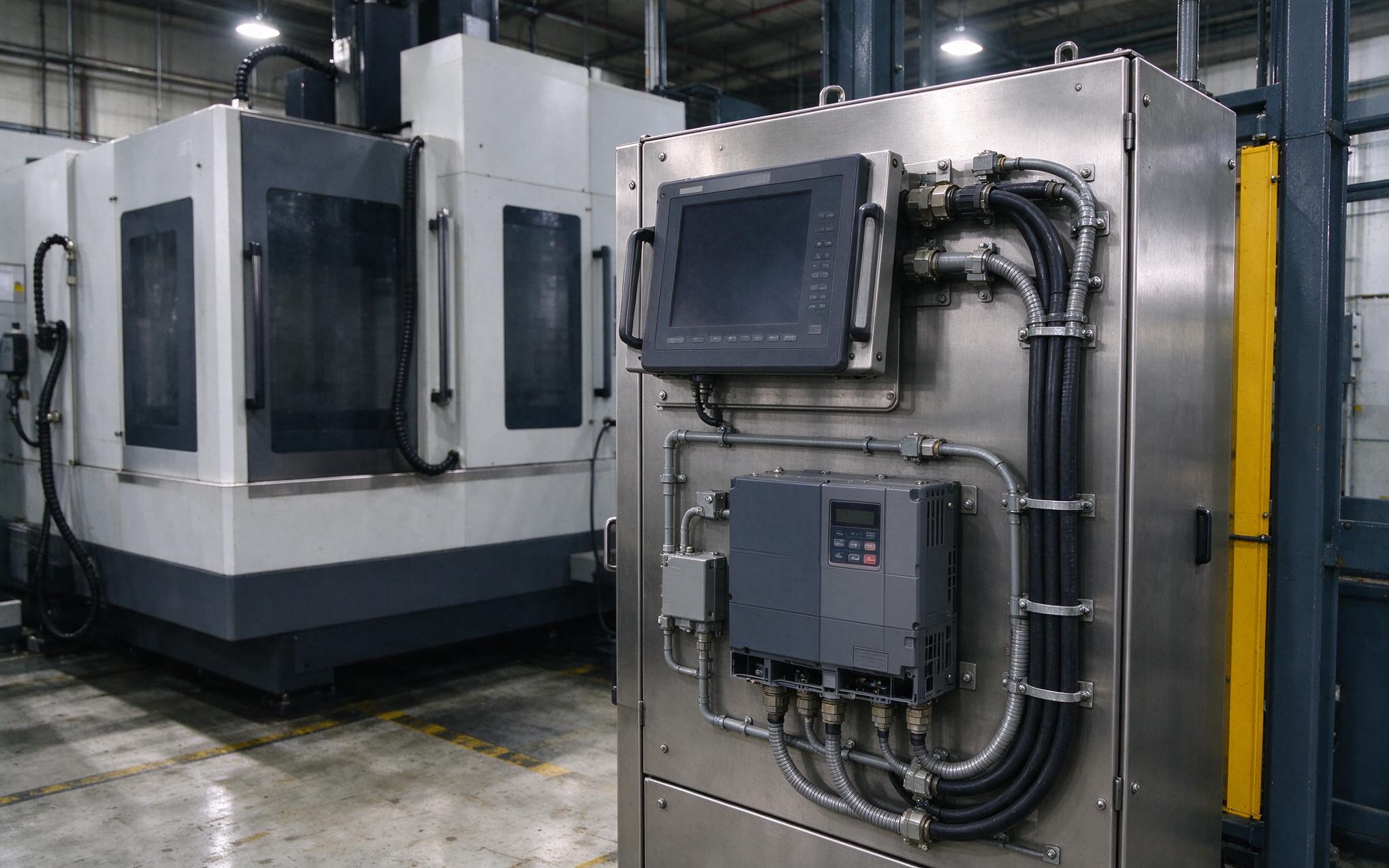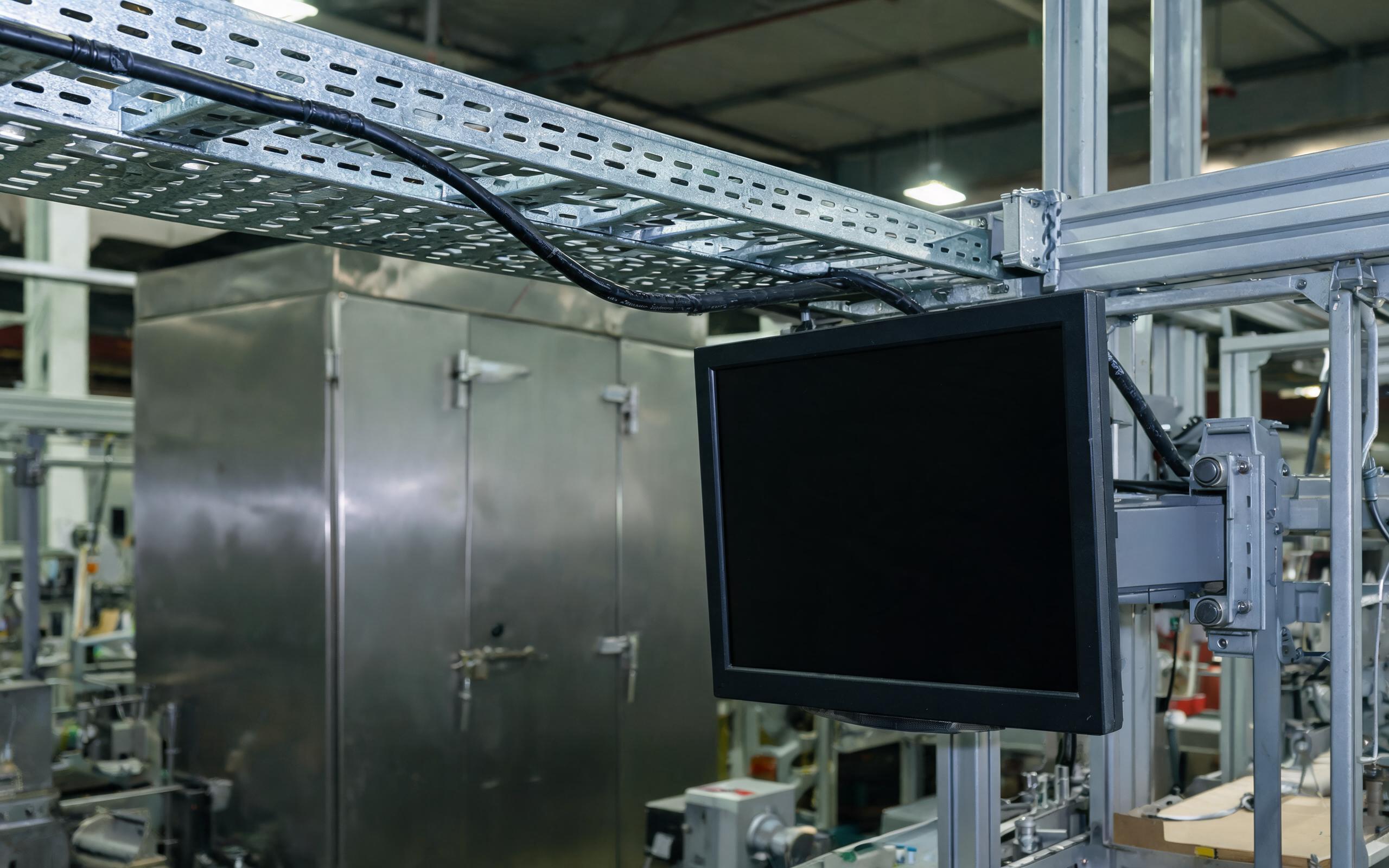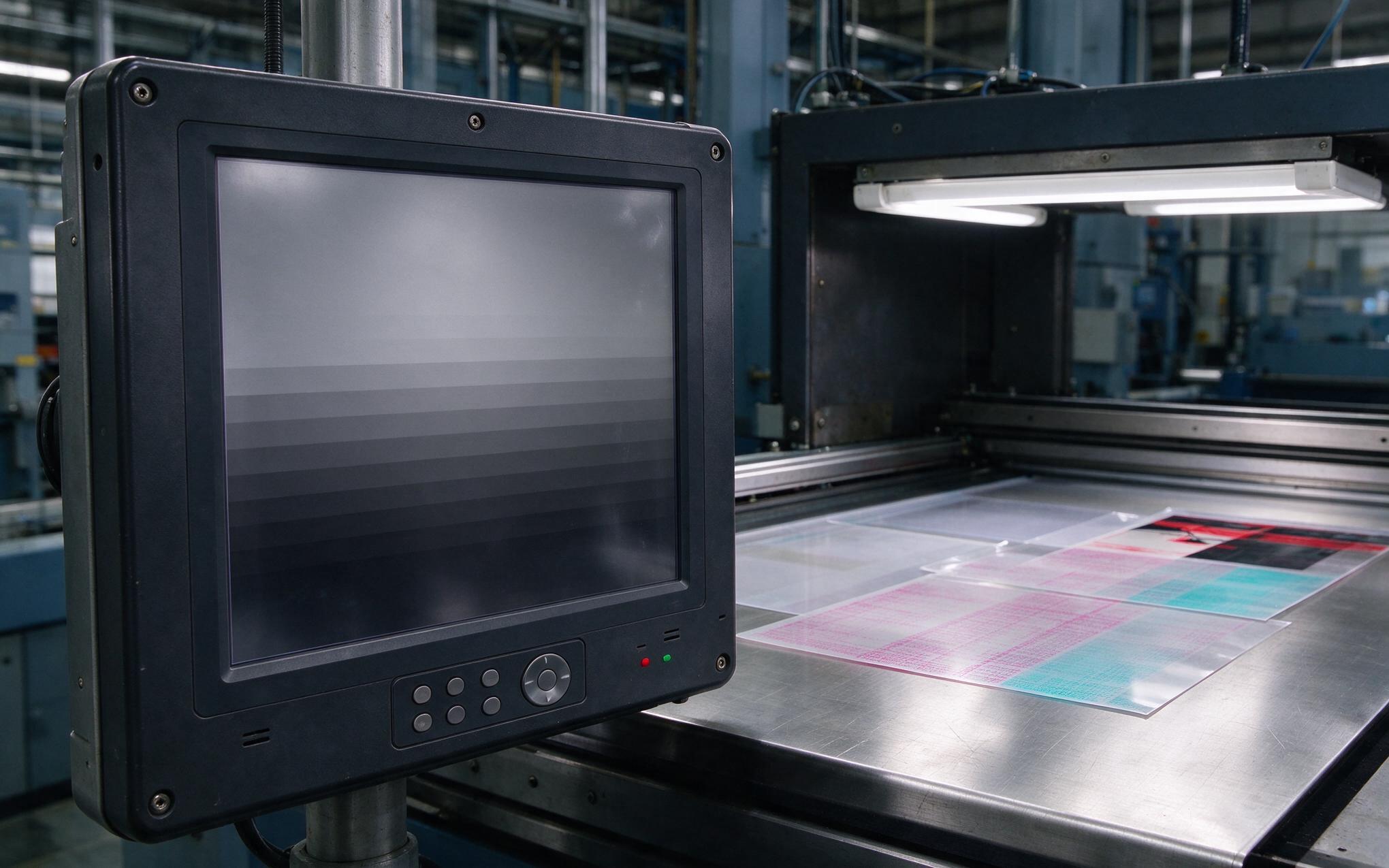
Three mechanical loads reach a computer mounted beside a machining center at the same time: continuous spindle vibration, shock pulses from tool changes, and structure borne noise from axis motors. Consumer grade towers treat all three as afterthoughts, and their rotating drives, clipped ribbon cables, and thin stamped panels pay for that shortcut within months. A CNC machinery industrial PC is specified against exactly these loads, and the difference begins with the enclosure rather than the processor. Aluminum chassis construction, paired with deliberate damping at the mount points, holds board level deflection small enough that storage media, connectors, and solder joints stay inside their fatigue limits across multi year production schedules.

Within the Chassis of a CNC Machinery Industrial PC
Vendor design notes for aluminum enclosures, including the KOXIAN G1 series, publish shock and vibration figures next to temperature limits because the two failure modes arrive together. Vibration enters through the mounting feet, crosses the base plate, and excites the largest flat panels before the energy dissipates. A thin stamped steel cover behaves like a drumhead at certain frequencies, amplifying motion instead of resisting it. Die cast and extruded aluminum sections are stiffer for the same weight, and internal ribs break up resonant modes before they build. Damping does not require isolating the electronics from the machine entirely; it means holding deflection at the drive bays and solder joints below the amplitude where fatigue cracks begin. Chassis geometry, wall thickness, and rib placement decide that margin.

Storage and Connector Retention Under Continuous Shake
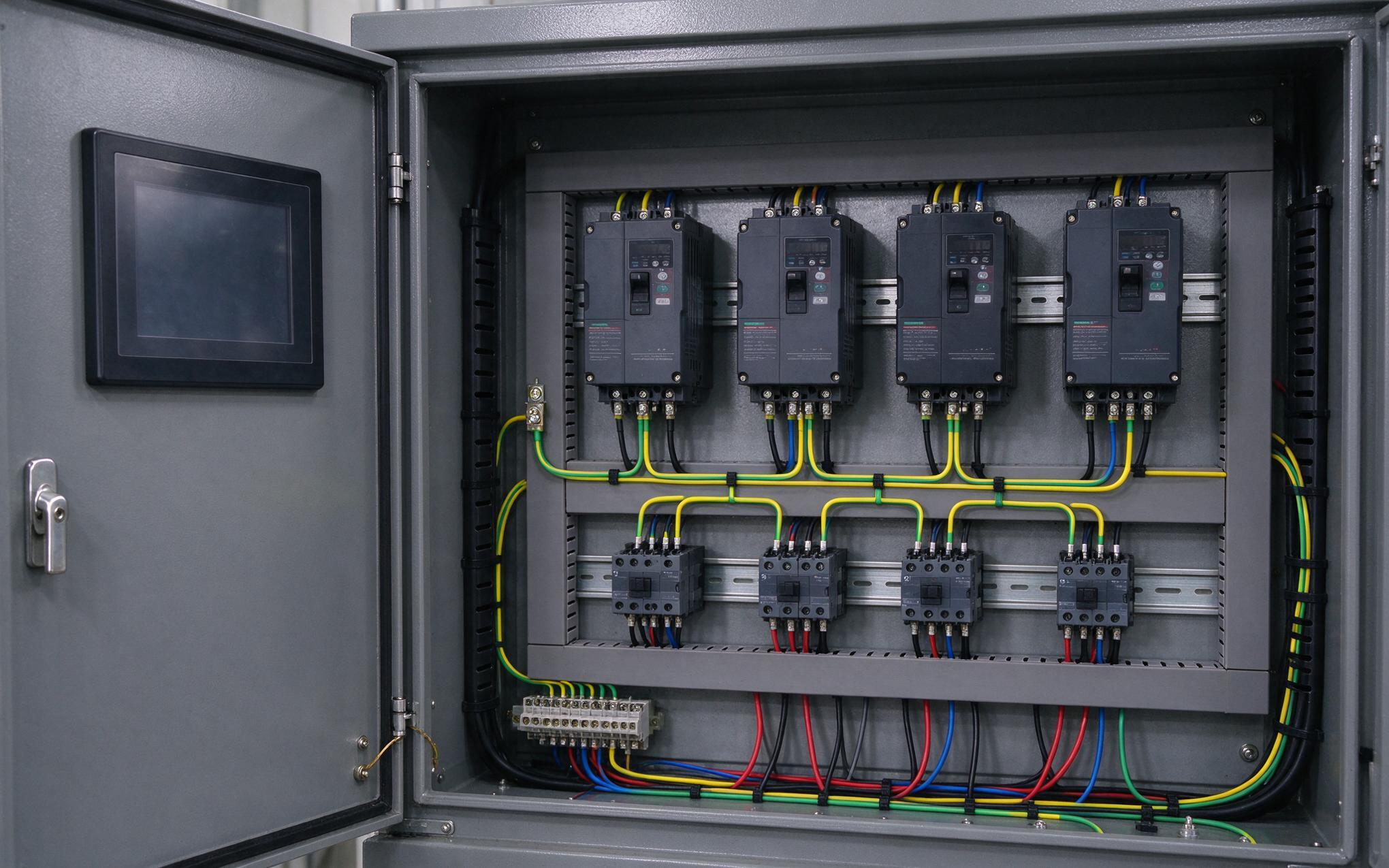
Rotating drives are the classic casualty. A hard disk head flies nanometers above its platter, and spindle energy that a cabinet shrugs off can produce head crashes or unreadable sectors within a single quarter. Solid state storage removes that suspension system entirely, which is why a CNC machinery industrial PC built for machine mounting treats NAND media as the baseline rather than an upgrade. Retention matters as much as media choice. M.2 modules need a screwed standoff instead of a friction slot, SATA and power plugs prefer latched housings, and long flex cables deserve routed strain relief close to the connector. Conformal coating on the assembled board adds a second layer of protection against the conductive dust that machining generates.

Choosing Mounts That Cut Vibration Transfer
Mounting style decides how much spindle energy reaches a CNC machinery industrial PC at all. A flush panel mount spreads the load across a stiff cabinet wall, while a light duty DIN clip on a stray length of unistrut can behave like a tuning fork. Suppliers serving machining plants, including KOXIAN, publish recommended panel cutouts and screw patterns that assume a specific wall thickness, and treating those numbers as optional usually voids the vibration rating. Torque matters as well: undertightened mounting screws let the chassis micro rock, and overtightened ones bow the base plate into its own resonance. Where structure borne vibration stays severe, neoprene isolation pads under the mounting feet trim the tallest amplitude spikes without letting the unit sway.

Heat and Dust Without a Cooling Fan
Heat rejection and vibration control converge in sealed construction. A fanless chassis keeps chip laden air outside the electronics bay, and field observations across machining plants running hardware from KOXIAN show fan replacements vanishing from maintenance lists once the intake path is sealed. The enclosure shell then does double duty, conducting processor heat to the outer fins while doubling as the damping structure. The tradeoff is thermal discipline. Fin orientation should favor vertical convection, clearance to cabinet walls must stay open, and processor selection has to match a passive dissipation budget rather than a fan cooled one. Aluminum chips that pack between fins act as insulation, so fin geometry that sheds debris earns its cost back quickly.
No single feature lets a computer survive a machining cell on its own. Chassis stiffness limits the motion that reaches the board, solid state storage and latched connectors tolerate what motion remains, and mounting hardware decides how much energy gets in at all. Reading those three elements as one system is what separates a stable installation from a service ticket. The vibration figure printed on a datasheet for a CNC machinery industrial PC holds only as long as the weakest path between the machine frame and the silicon stays disciplined, from cabinet wall to mount point to enclosure rib.