Cleanroom Requirements for Industrial Touch Panels
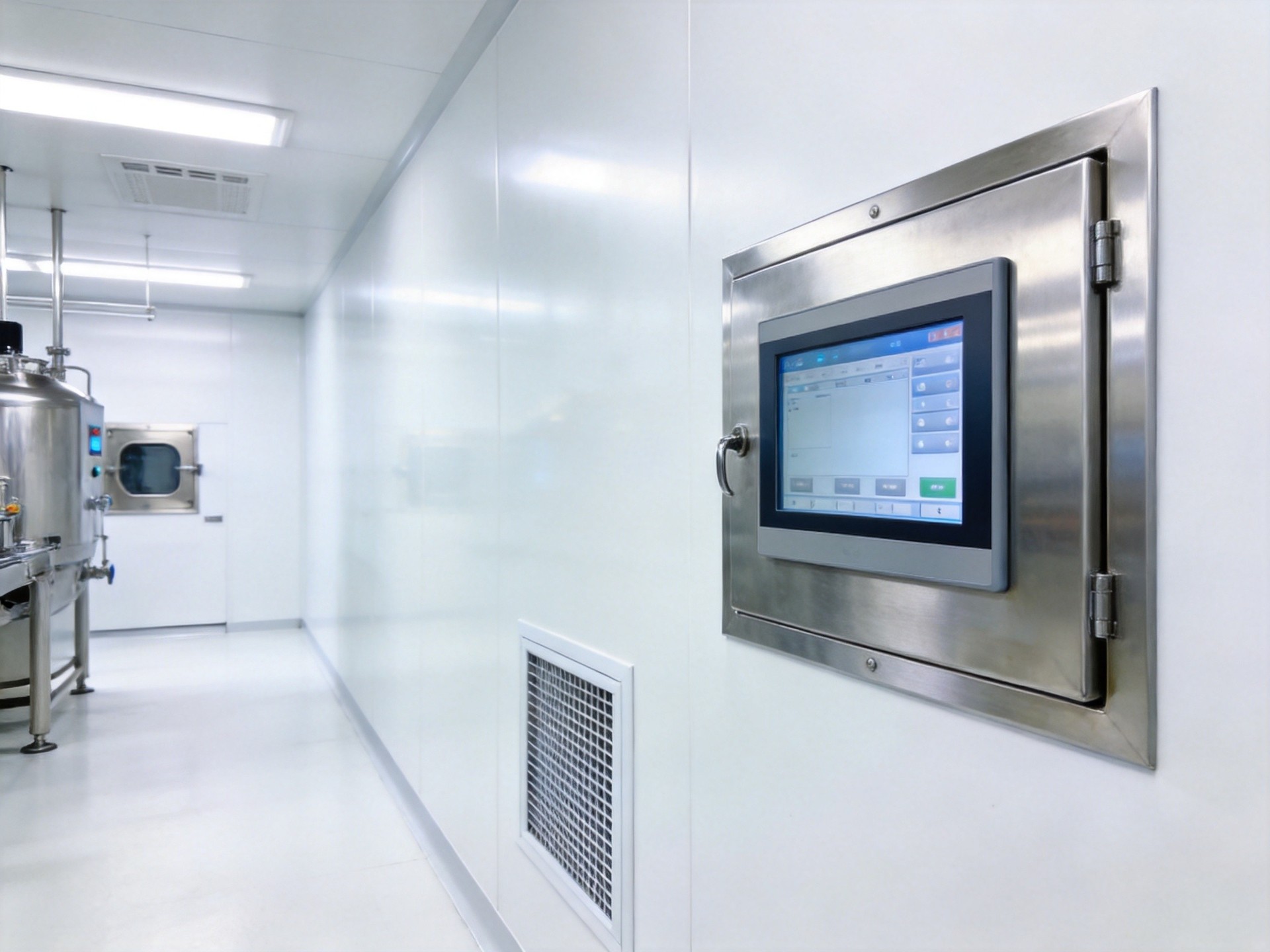
Cleanrooms are classified by maximum allowable particle count per cubic meter, ranging from ISO Class 1 (strictest) to ISO Class 9 (least strict), with pharmaceutical production typically requiring ISO Class 5 through ISO Class 8 environments. Touch panels deployed in these spaces must not contribute to particle generation, meaning no cooling fans that could circulate contaminants, no exposed connectors or seams that could trap particles, and no porous materials that could harbor microbial growth. The panel surface must be smooth and non-shedding, with minimal crevices where contaminants could accumulate. Capacitive touch panels are preferred because they have no moving parts and offer completely smooth surfaces. Additionally, cleanroom panels must withstand frequent cleaning with aggressive disinfectants and hydrogen peroxide vapor without degrading, discoloring, or losing functionality.
Hygienic Design and Material Selection
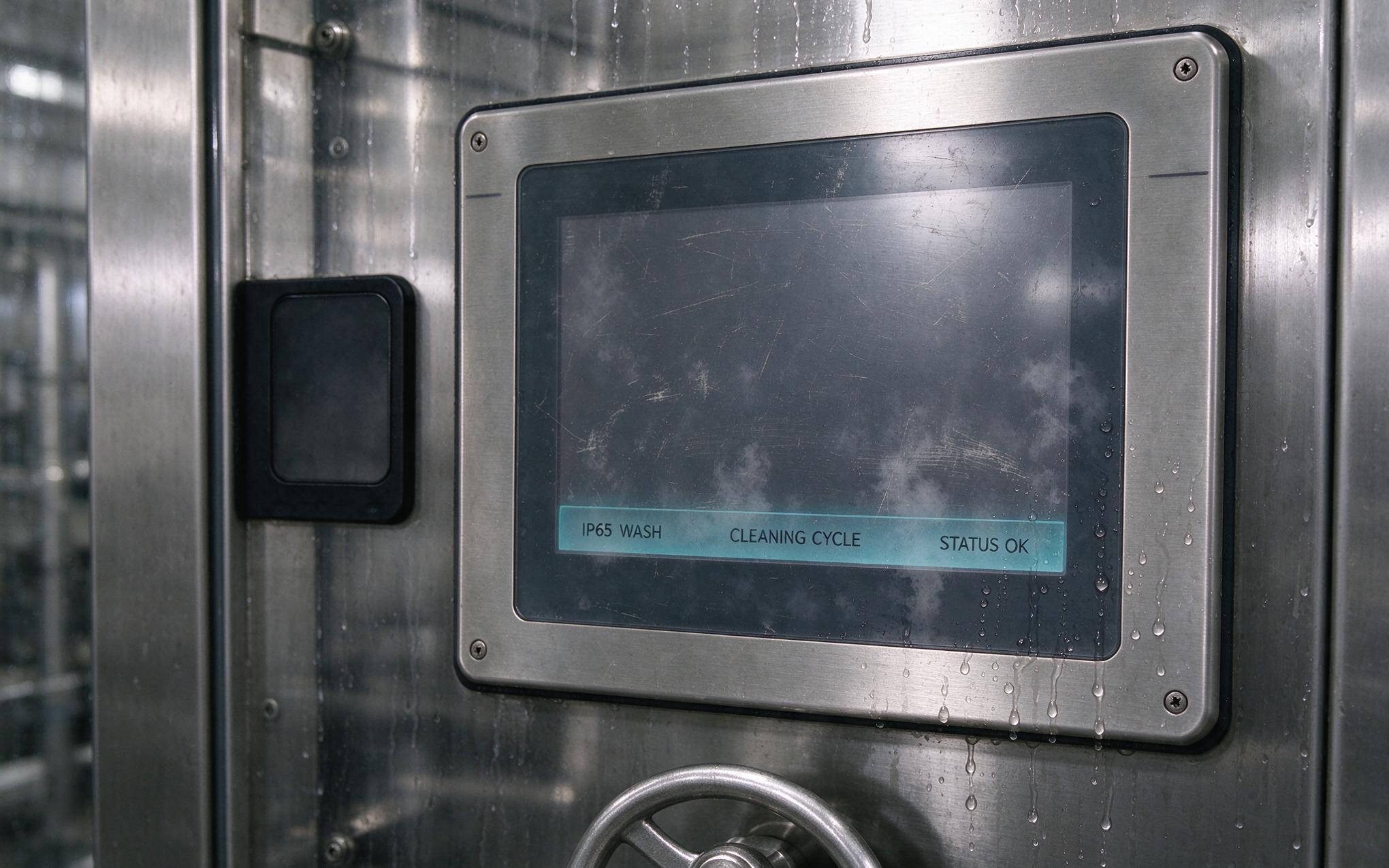
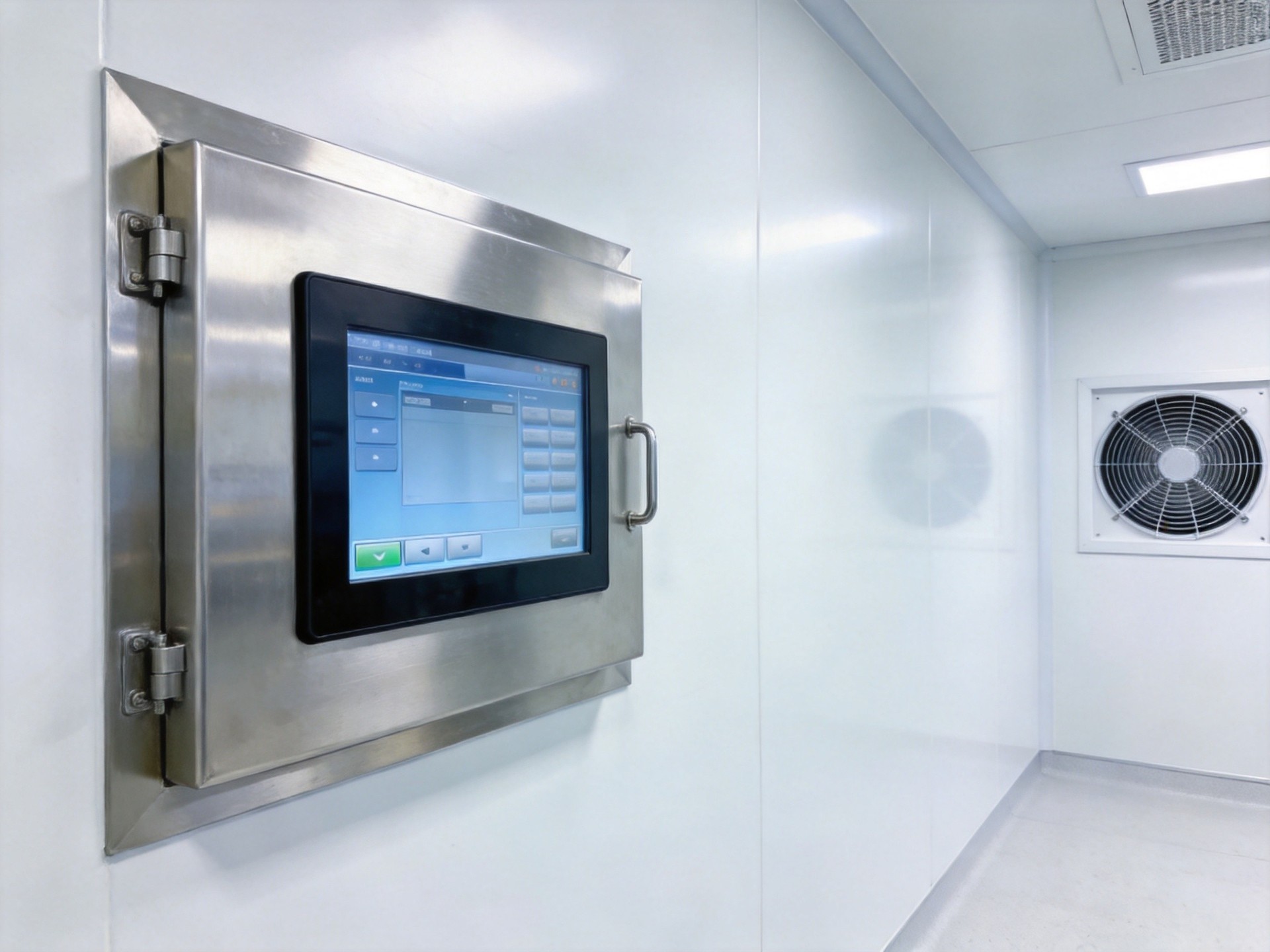
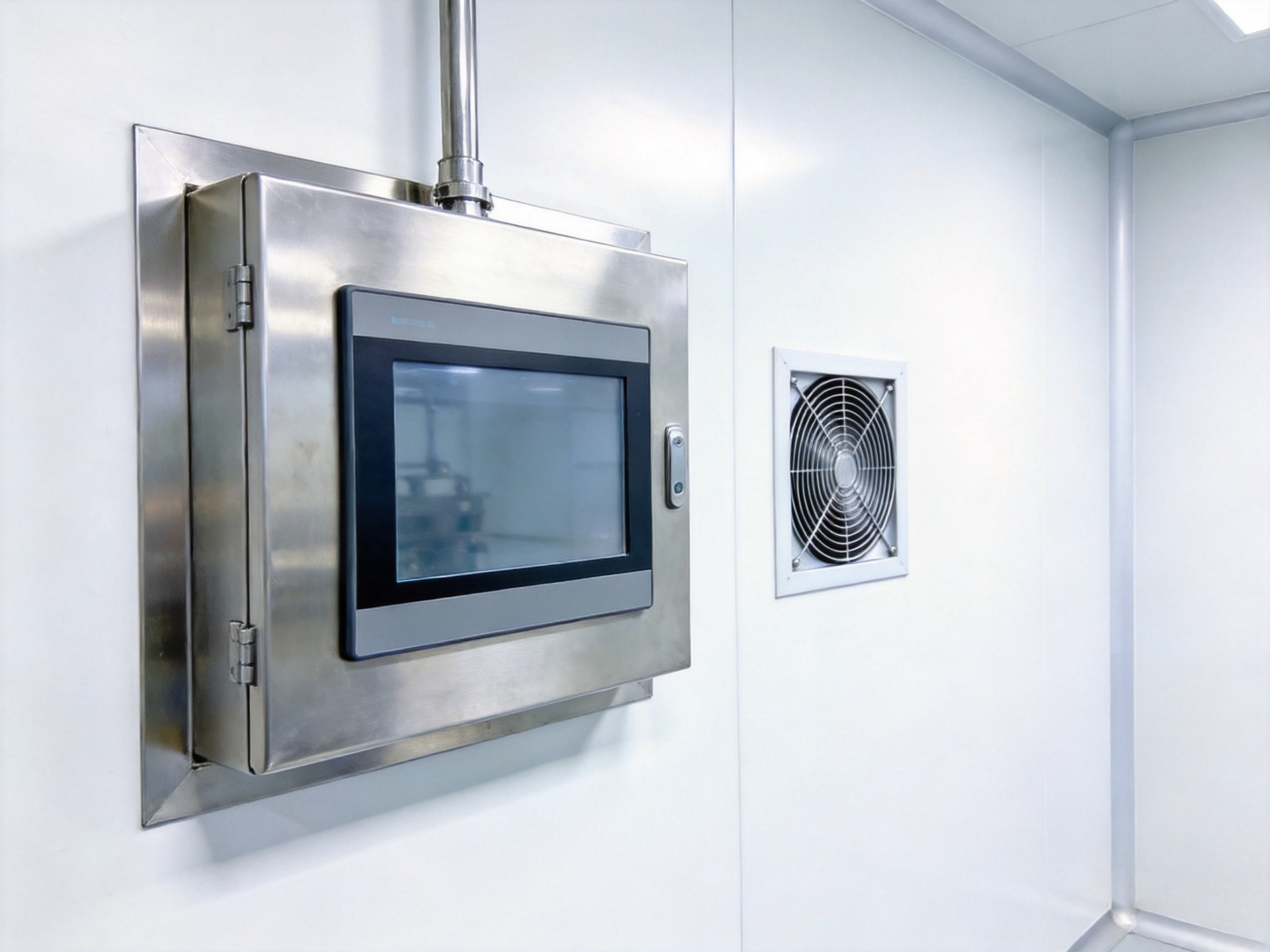
Hygienic design is the cornerstone of cleanroom-compatible touch panels, focusing on preventing contamination buildup and enabling effective cleaning. Enclosures should be constructed from 316L stainless steel with a smooth, polished finish that resists corrosion and is easy to clean and disinfect. To achieve this level of hygienic construction, a distinct tier of specialized industrial hardware—incorporating structural standards found in platforms like the KOXIAN K2 series—utilizes fully sealed stainless steel enclosures with IP69K dust and water protection, enabling high-pressure, high-temperature washdown cleaning. Seams and joints must be minimized and properly sealed, with no gaps where bacteria could grow. The front bezel should feature a flush design with the touchscreen sitting completely level with the bezel surface, eliminating ledges where liquid or particles could collect. Gasketing materials must be compatible with cleaning agents and rated for temperature extremes of sterilization cycles.
Compliance and Certification Considerations
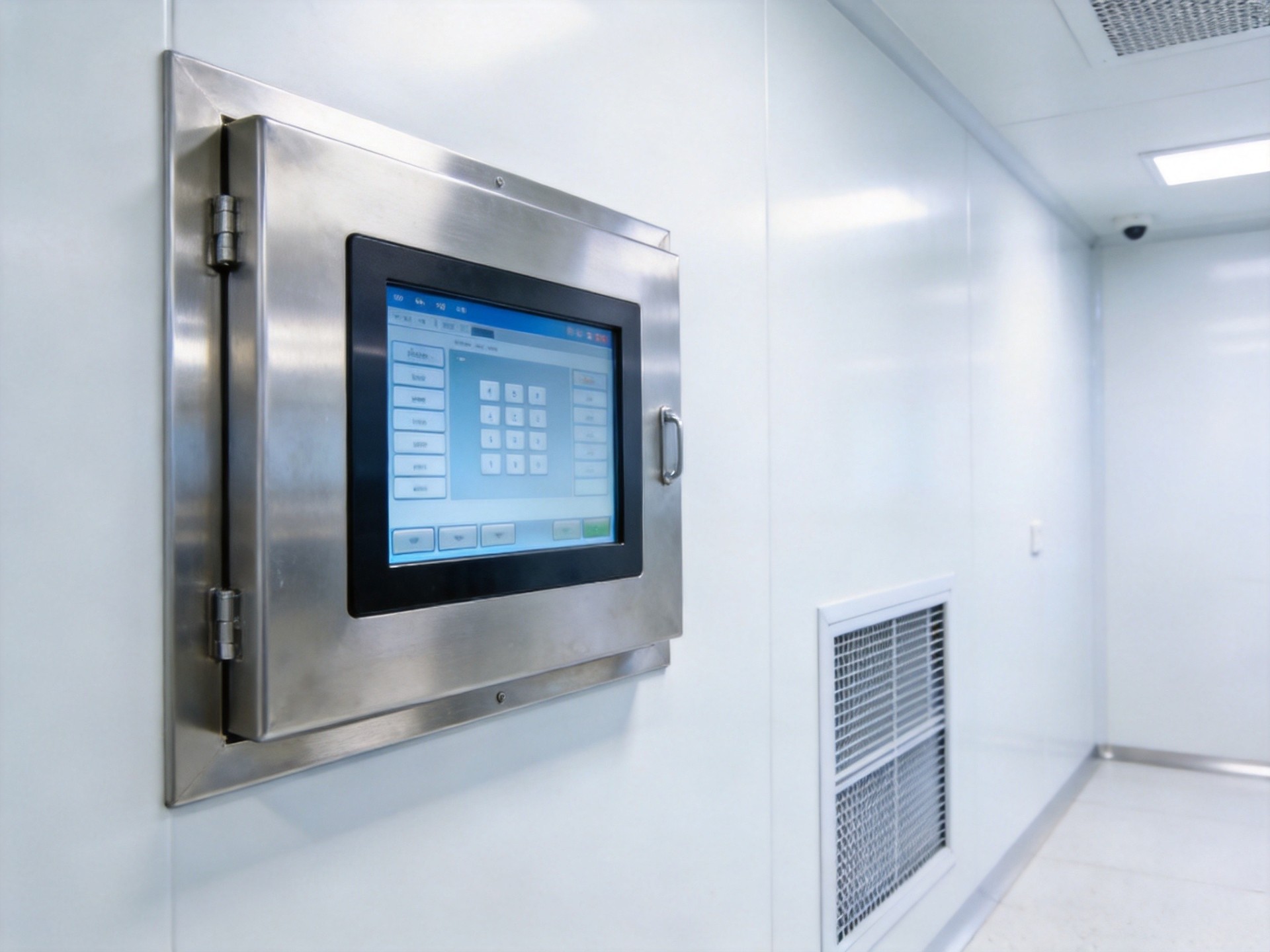
Pharmaceutical manufacturing operates under strict regulatory oversight, including FDA 21 CFR Part 11 requirements for electronic records, GMP (Good Manufacturing Practices), and various ISO standards. Touch panels used in production environments must support these compliance requirements through features like secure user authentication, audit trail capabilities, and data integrity protections. In actual pharmaceutical deployments, manufacturers like KOXIAN provide industrial panels with documented compliance verification and material traceability documentation that supports validation and qualification processes. Beyond cleanroom classification, panels may need additional certifications depending on their specific application, such as ATEX or IECEx for hazardous locations with flammable solvents. System integrators should verify that all materials of construction are documented and that suppliers can provide necessary test reports, material certificates, and compliance documentation to support facility validation efforts.
Installation and Maintenance Best Practices
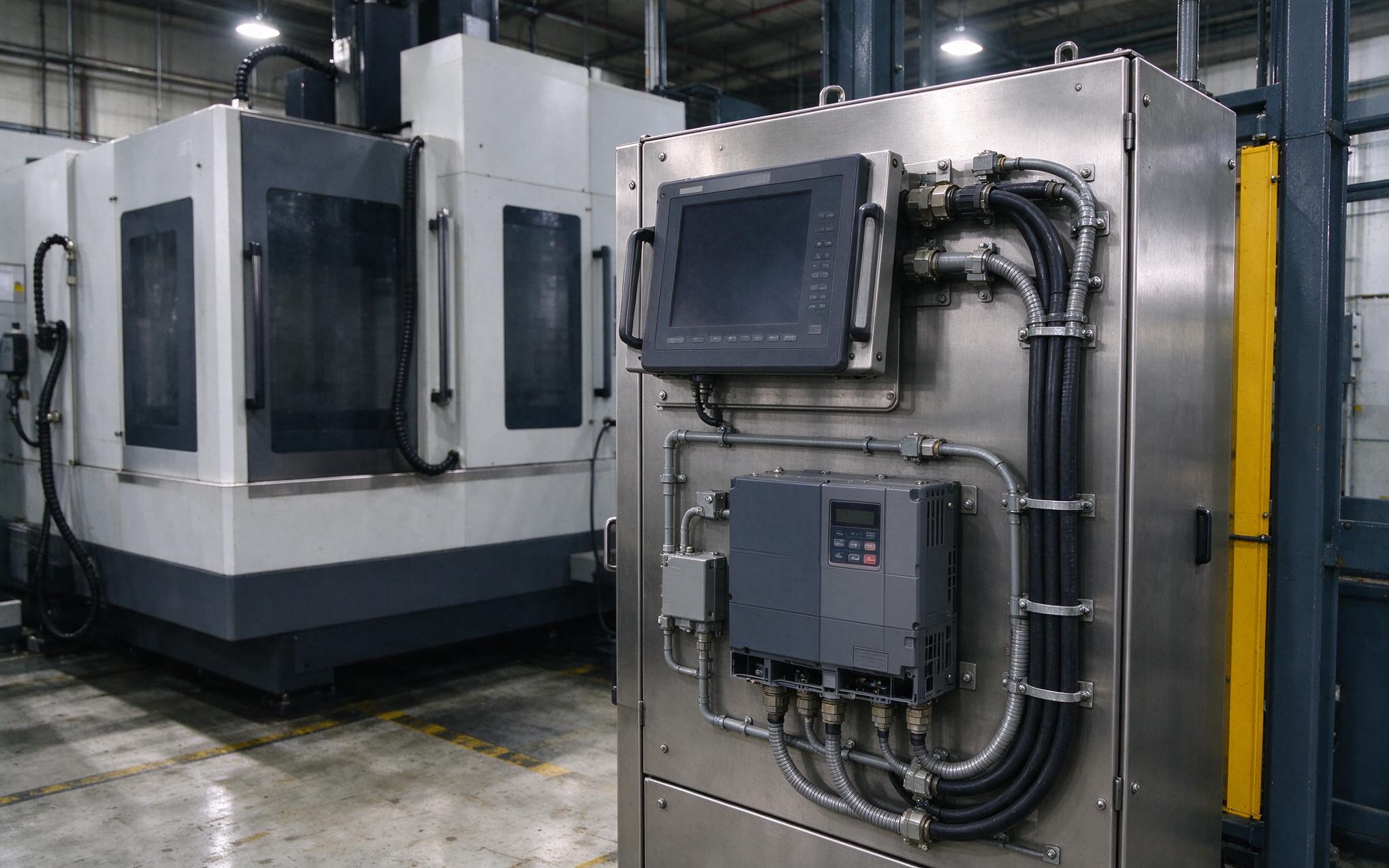
Proper installation and ongoing maintenance are critical for maintaining cleanroom integrity and ensuring long-term panel performance. Flush mounting is preferred over panel mount installations because it eliminates the recessed bezel gap where contaminants could accumulate. When mounting panels into walls or equipment, silicone gaskets approved for pharmaceutical use create a seamless seal between the panel and mounting surface, preventing contamination from passing behind the panel. Cable entry points must be properly sealed with rated cable glands, maintaining the enclosure’s ingress protection rating. For maintenance, regular cleaning with approved agents prevents buildup of residues that could compromise both cleanliness and touch sensitivity. All installation and maintenance activities must be documented and follow SOPs to maintain GMP compliance and support regulatory inspections.
Conclusion
Selecting industrial touch panels for pharmaceutical cleanrooms requires balancing technical performance with stringent compliance requirements and hygienic design principles. The ideal panel combines a smooth, easy-to-clean stainless steel enclosure with the right ingress protection rating, appropriate touch technology, and the computational power to run process control and monitoring applications effectively. For pharmaceutical engineering and validation teams, evaluating panels based on their cleanroom suitability, material compatibility, and compliance documentation ensures the selected equipment meets both operational needs and regulatory obligations. Field data from pharmaceutical installations consistently shows that purpose-built cleanroom panels with hygienic design and proper certification deliver longer service life, fewer contamination risks, and smoother validation processes compared to standard industrial panels adapted for cleanroom use. Taking the time to select the right panel upfront reduces long-term maintenance costs, minimizes compliance risks, and supports consistent product quality in pharmaceutical manufacturing operations.