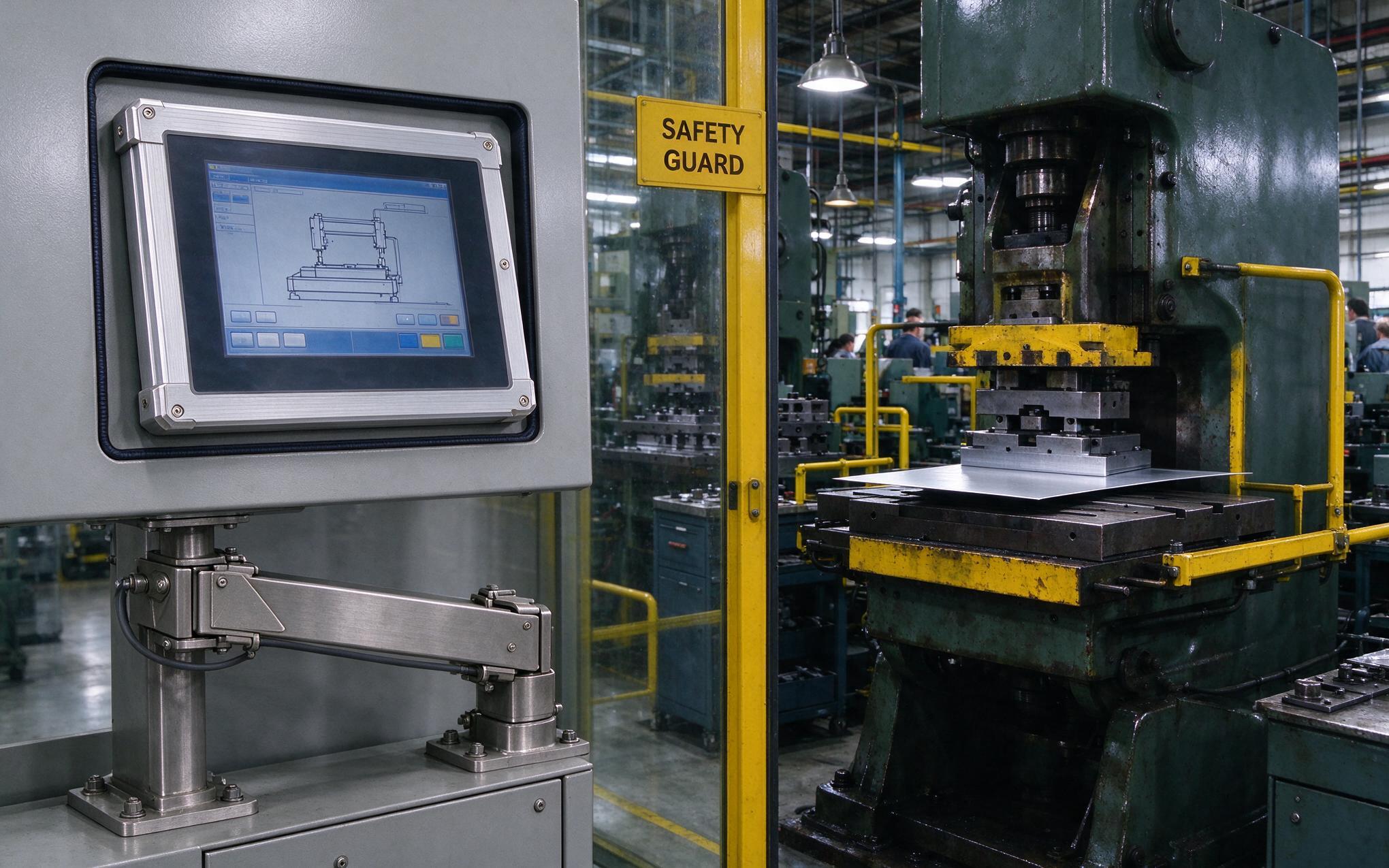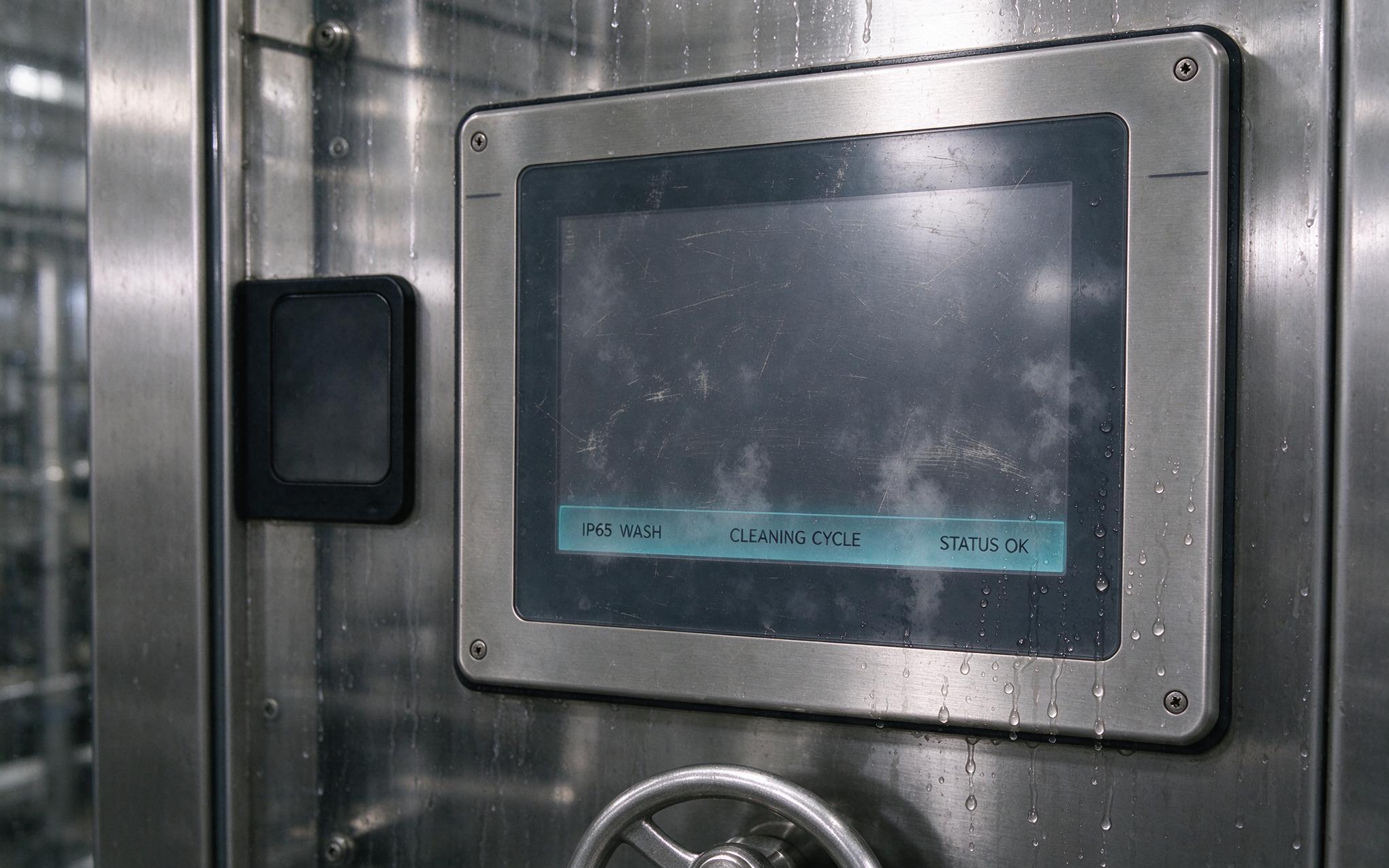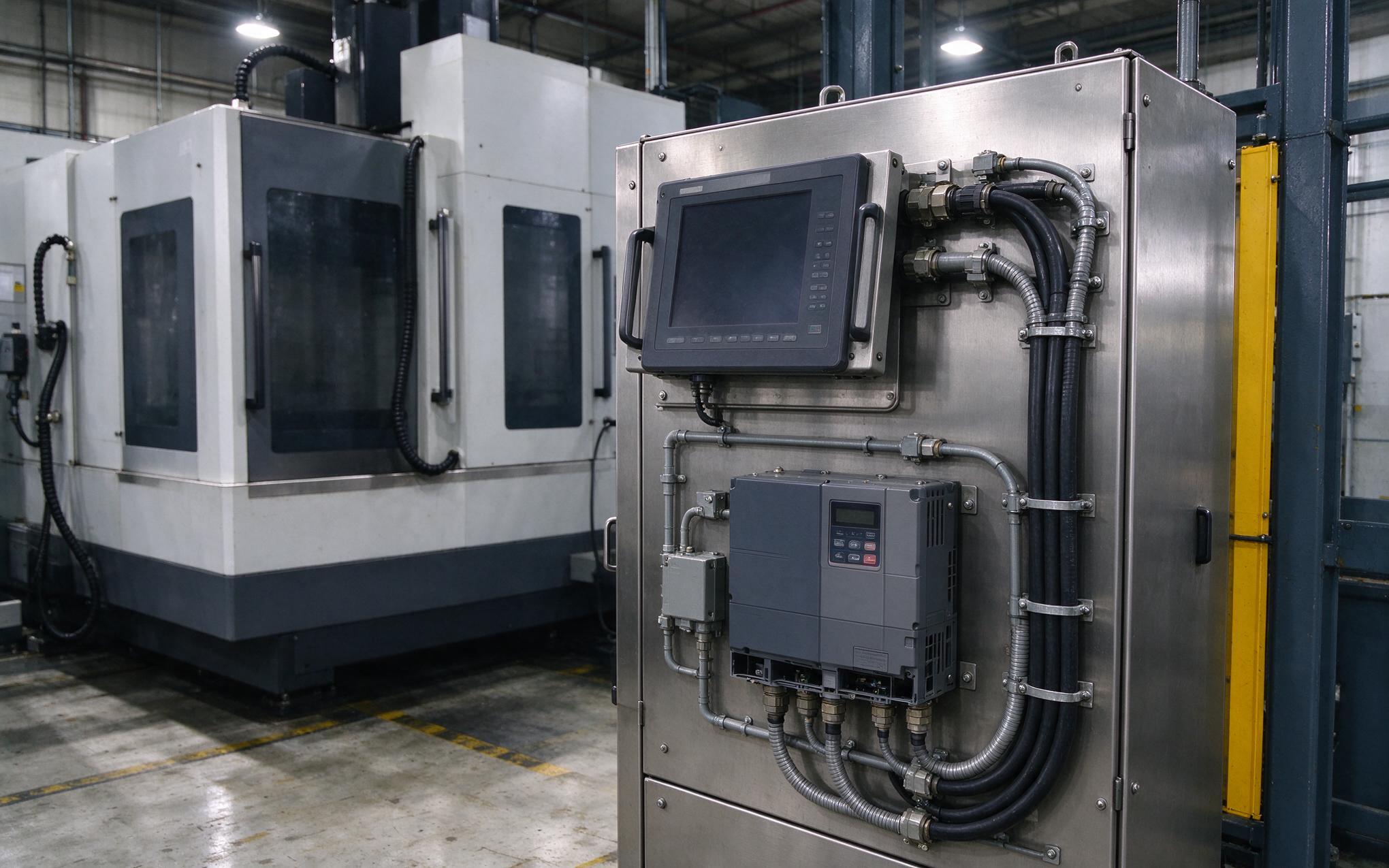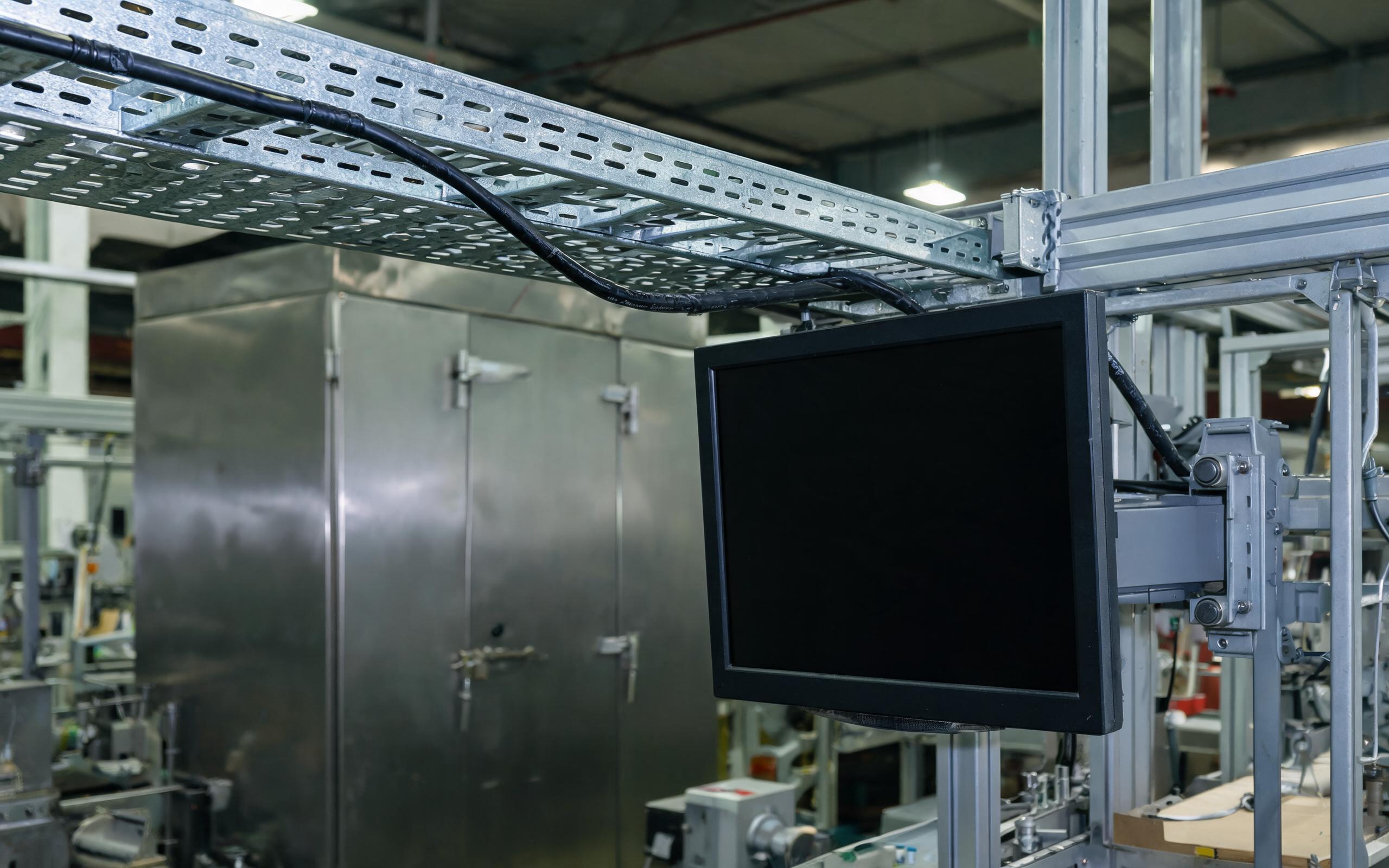
Heat, dust, and vibration outlast any silicon roadmap on a factory floor. Production lines expect a controller to stay in service for ten years or more, while the silicon inside a commercial platform often refreshes every eighteen to thirty-six months. That mismatch is exactly where an industrial pc oem odm program earns its budget. When a processor, chipset, or display panel reaches end of life mid-deployment, the plant inherits a choice between requalifying a new platform, paying spot-market prices for leftover stock, or relying on a manufacturing partner that tracked the change early. The difference between those outcomes is revision control, not luck.
From Silicon EOL Notices to Line-Level Downtime
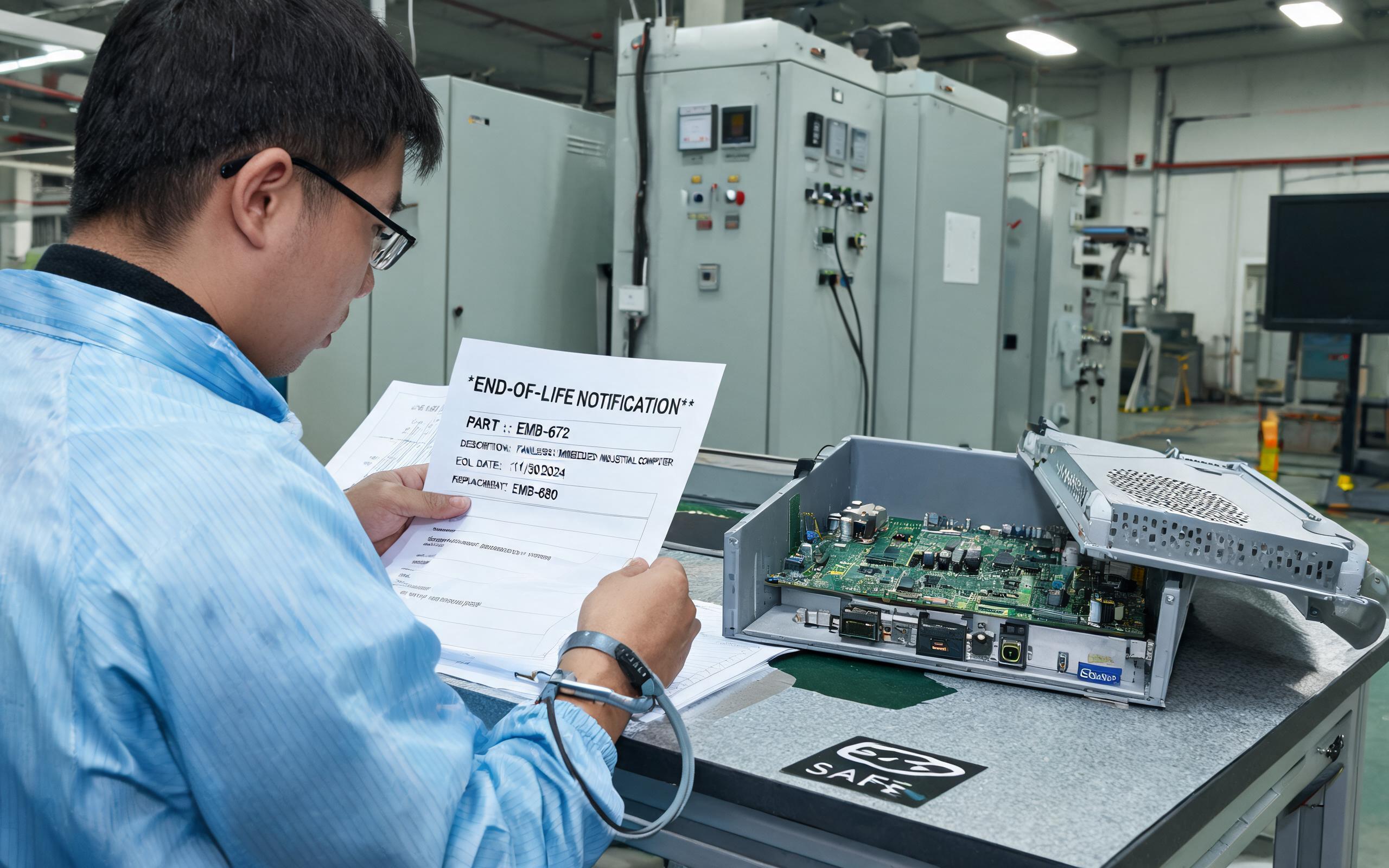
Component end-of-life notices arrive quietly, usually as a product change notification that a purchasing portal flags months after issuance. Distributor portals often lag the original notice by a full quarter, which is why serious platform vendors subscribe to direct supplier notification channels instead. A processor vendor typically allows six to twelve months between the notice and the last order date, followed by a final shipment window. A buyer who misses that date lands in the broker market, where the same part trades at three to ten times its contract price with no traceability guarantee. For an embedded industrial pc deployed across forty packaging cells, that gap converts a routine silicon transition into a line-level downtime exposure. The engineering fix is boring on purpose: someone must own the notification feed, map every notice to the affected bill of materials, and force a decision while the window is still open.
Revision Control Inside Industrial PC OEM ODM Programs
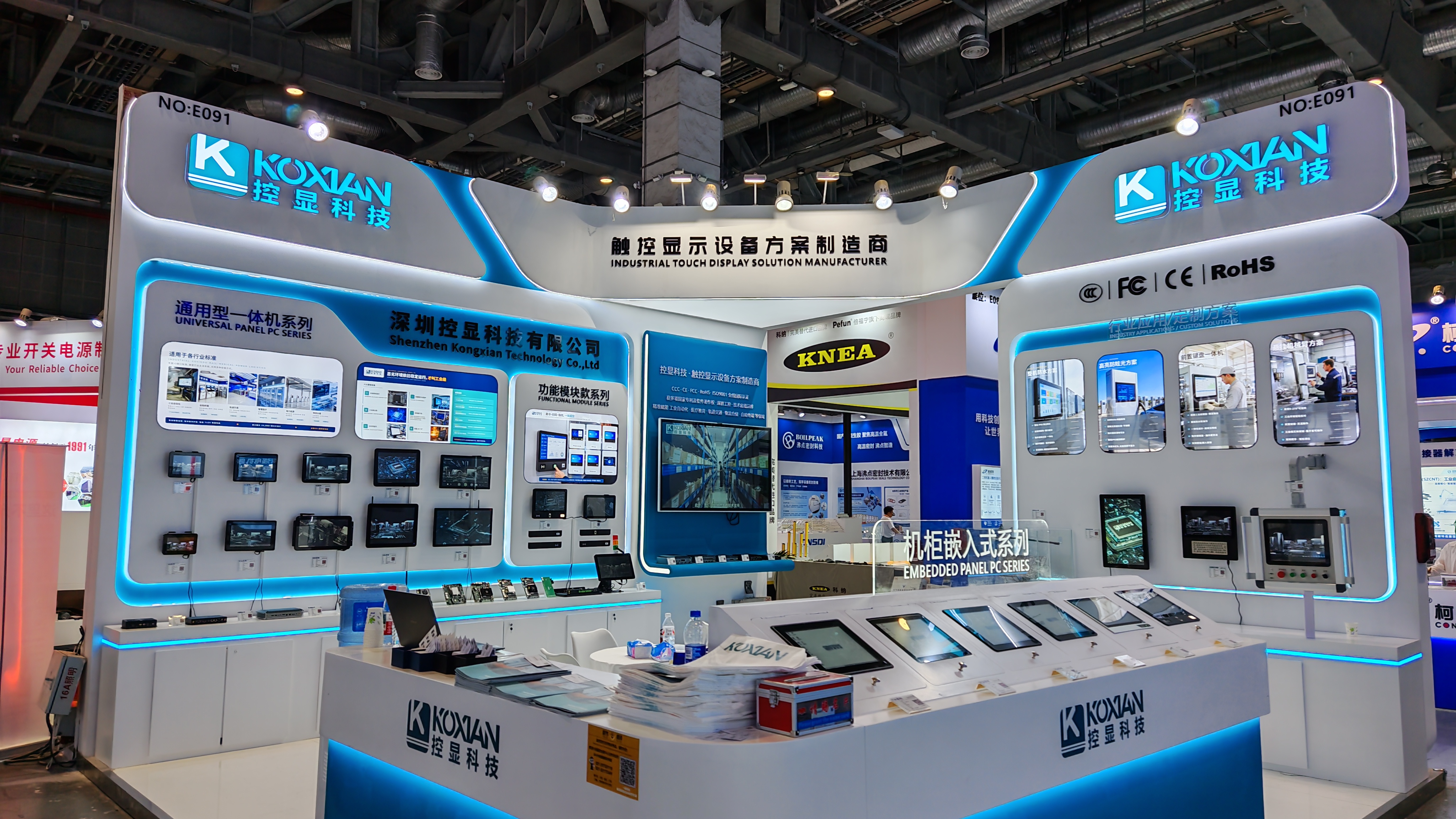
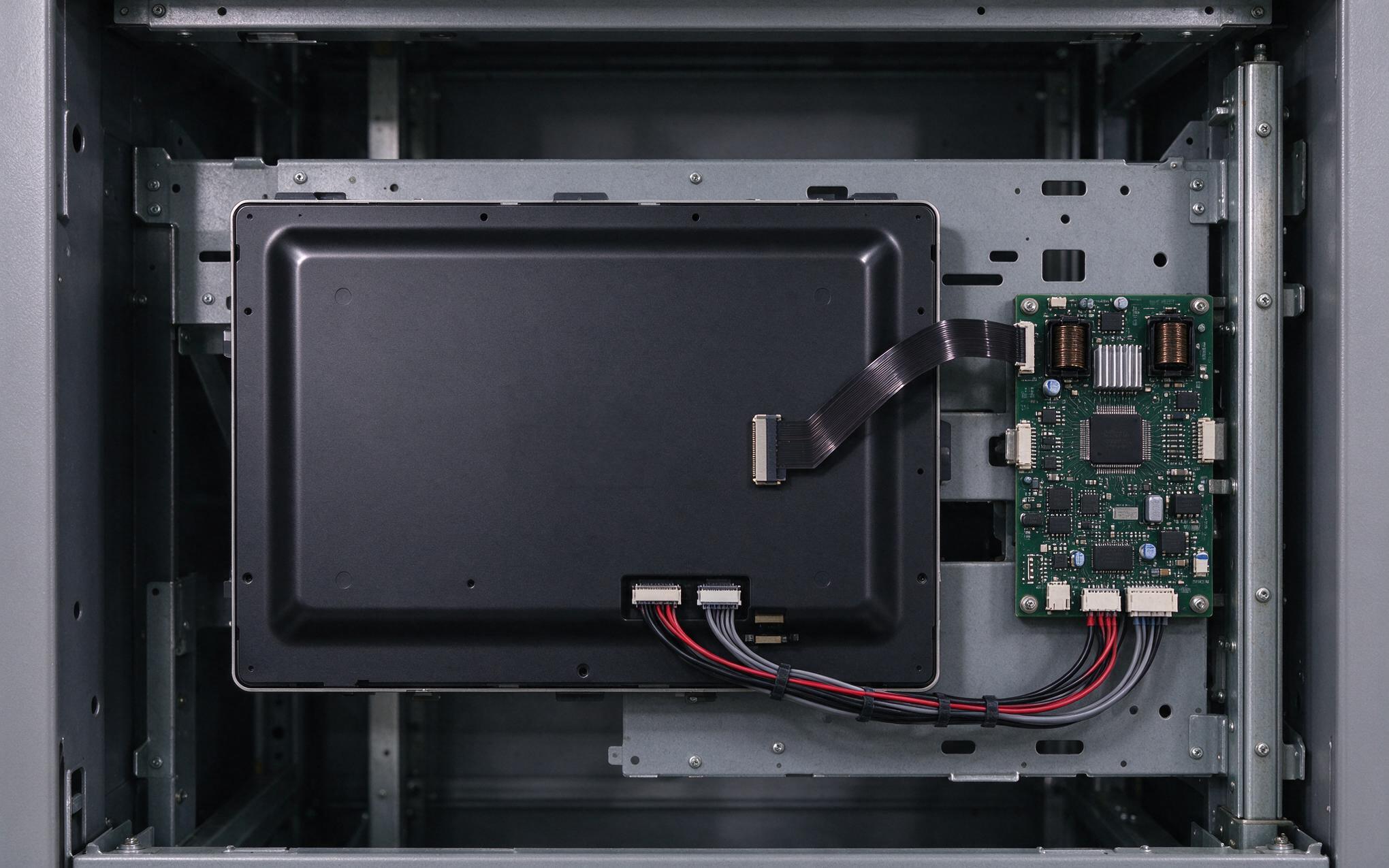
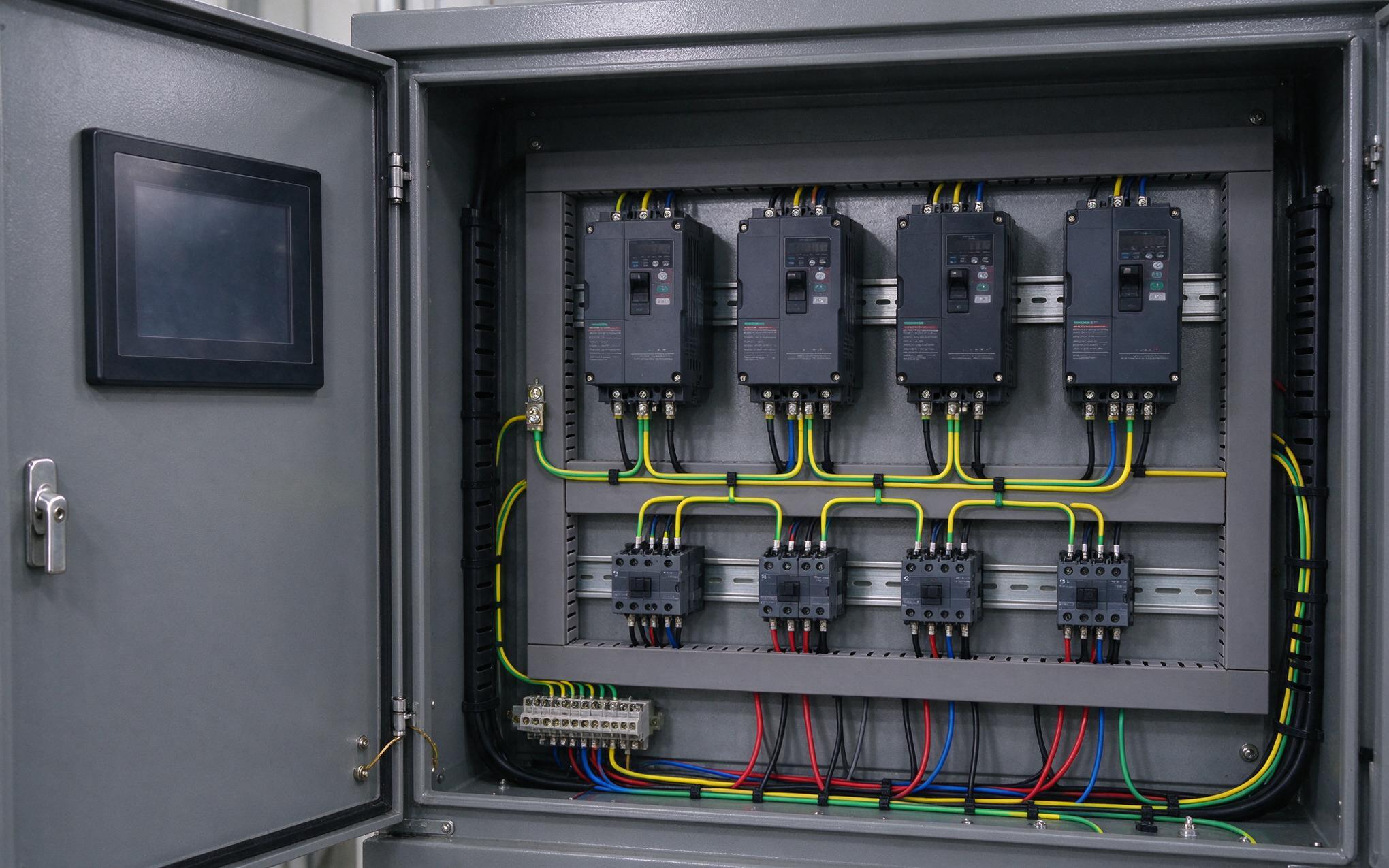
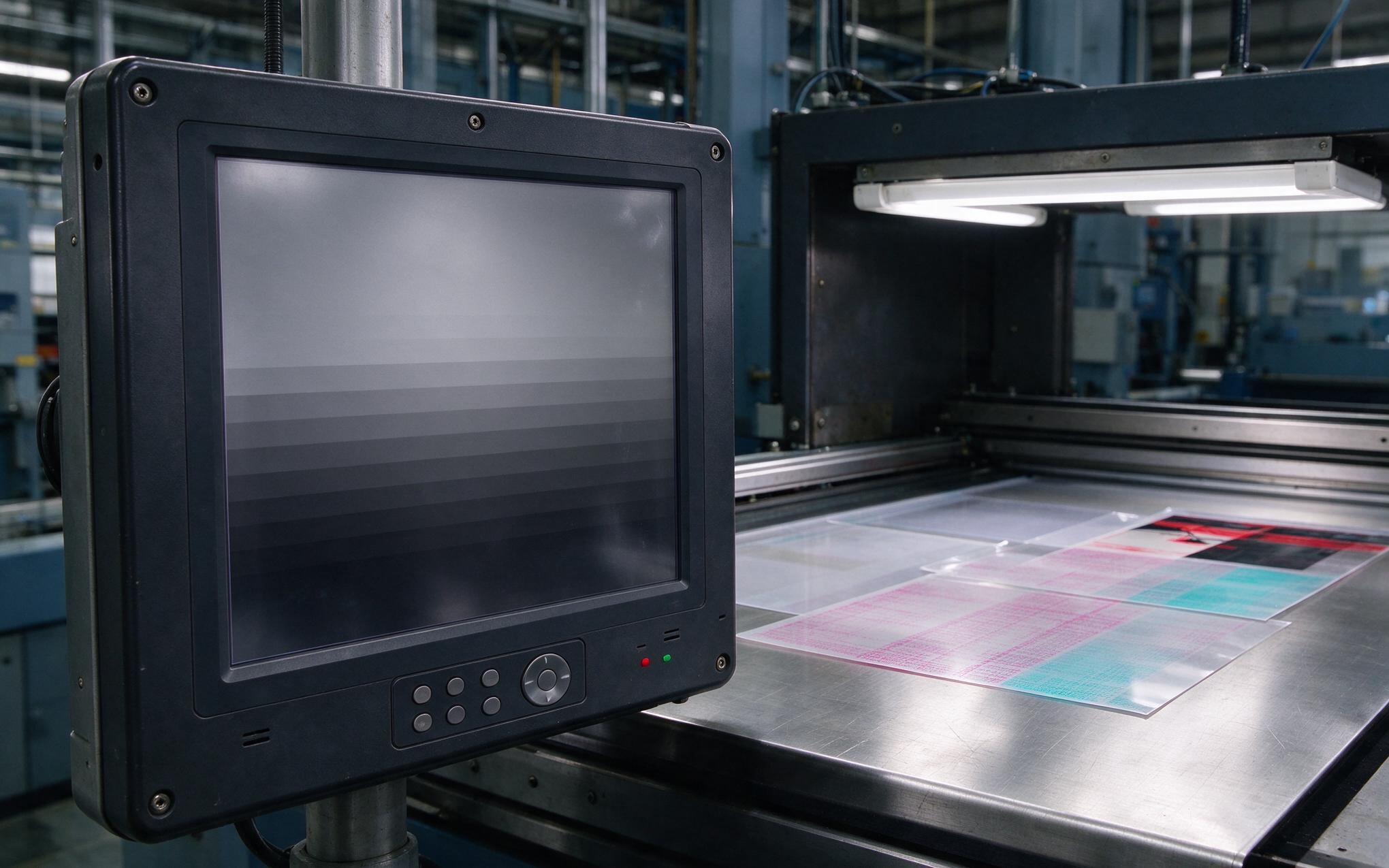
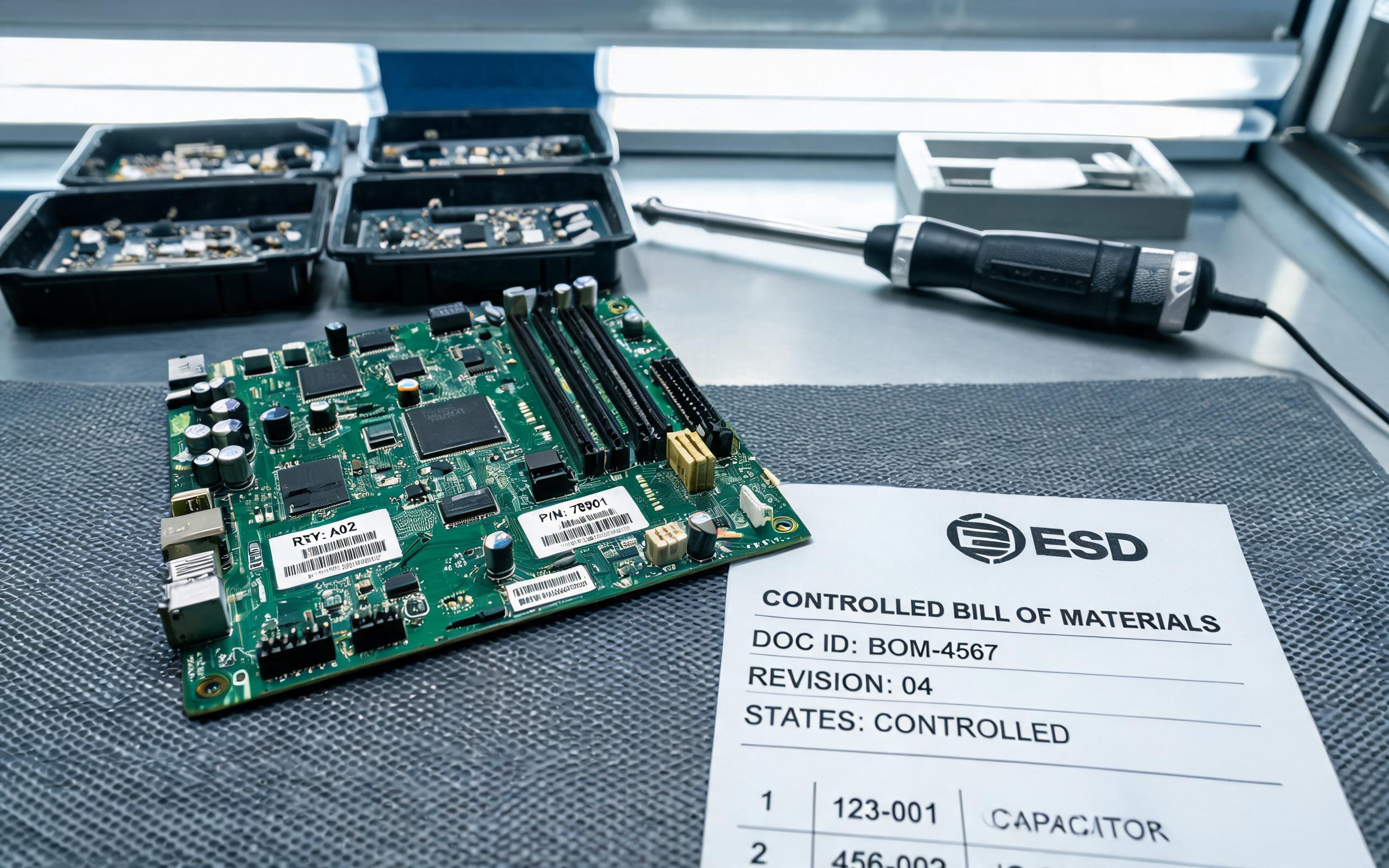
A controlled platform is defined by its bill of materials, not by its marketing name. Industrial hardware manufacturers, including KOXIAN, lock every approved unit against a revision that names the exact motherboard spin, memory vendor, storage firmware, and display panel lot behind the metal. In a disciplined industrial pc oem odm program, any substitution, even a pin-compatible regulator from a second source, moves through an engineering change notification with revalidation evidence attached. That discipline keeps a custom industrial panel pc ordered in January functionally identical to the unit that arrives in October. Without it, two boxes carrying the same model number can behave differently on the floor, and the integration team inherits the debugging. Form, fit, and function consistency sounds like contract language until a swapped touch controller chip breaks a validated software image at two in the morning.
Securing Second Sources Before the Last-Time Buy
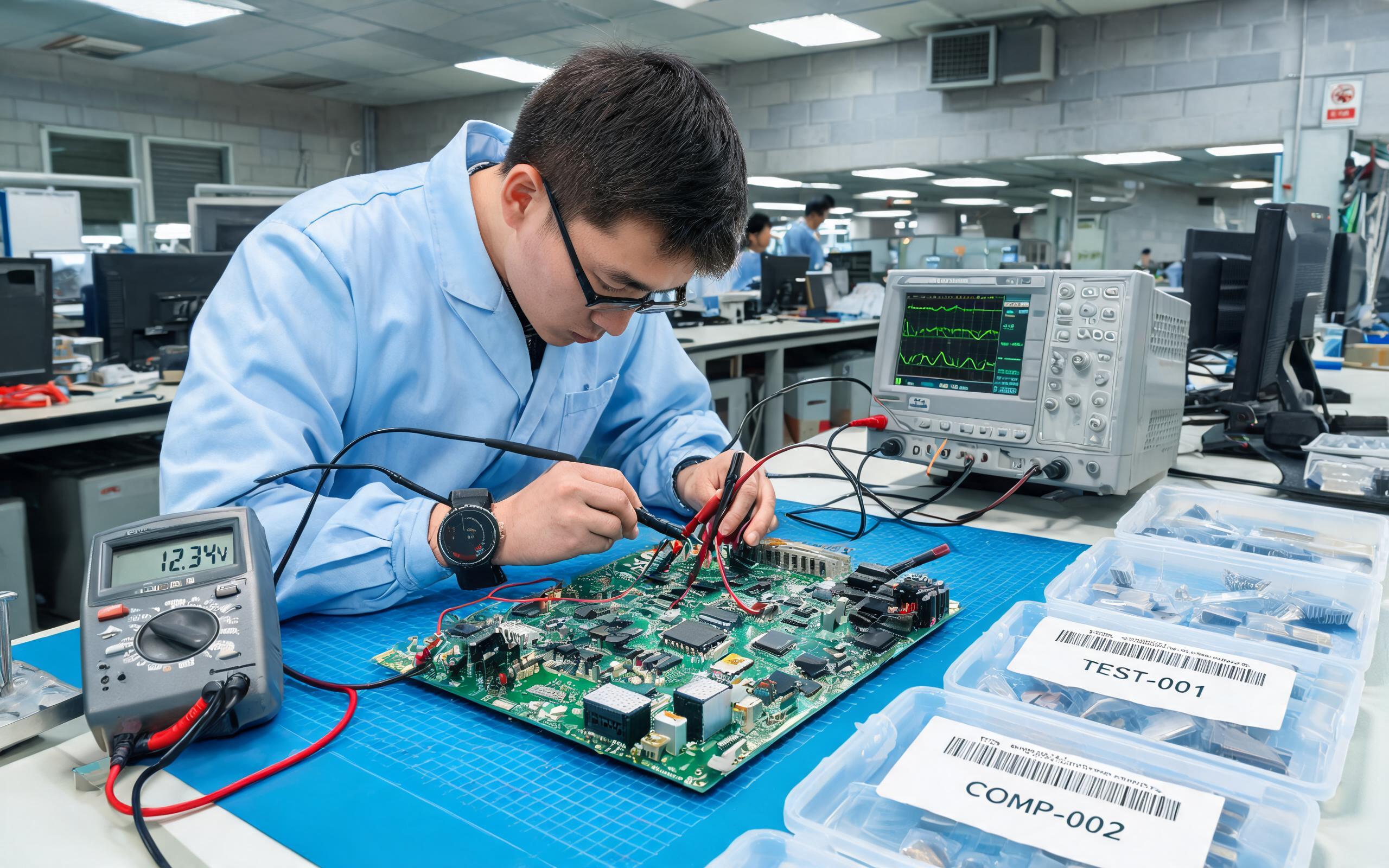
Last-time buying is the most common obsolescence response, and the most abused. Purchasing three years of frozen stock ties up capital and still leaves the program exposed if demand grows or storage conditions degrade the parts. A stronger strategy qualifies alternates early, while the original part is still shipping and engineering time is cheap. Mature industrial pc oem odm programs treat pin-compatible processor successors and second-source power components as standing options rather than emergency measures. The qualification burden differs by component class: a memory module swap may need only a thermal recheck, while a display panel change can force optical, firmware, and touch-stack revalidation. A documented alternate list, agreed before any notice arrives, compresses that revalidation from months into weeks. The last-time buy then becomes a bridge with a destination instead of a warehouse full of hope.

Lifecycle Clauses That Belong in the Supply Agreement
Lifecycle protection lives or dies in the contract language, and buyers rarely read that far. Four clauses do most of the work. An availability commitment states how many years the platform remains orderable, and that number should trace back to the silicon roadmap rather than a sales estimate. When buyers structure these terms, design approaches like those adopted in KOXIAN platform programs serve as a useful reference for pairing notice obligations with purchase scheduling. A notification clause guarantees that product change and end-of-life notices reach the buyer within a fixed window, typically thirty to sixty days after issuance. A last-time-buy clause fixes pricing, minimum quantities, and shipment scheduling before any notice forces the conversation, and a spares clause secures replacement units across a defined support tail. Procurement teams comparing industrial panel pc manufacturers on these terms convert obsolescence from a surprise into a scheduled maintenance item, and the total cost discussion becomes far more honest.
Obsolescence cannot be eliminated, only managed early or managed expensively. The plants that treat platform lifecycle as an engineering discipline, rather than a purchasing afterthought, keep validated systems running through silicon transitions. A mature industrial pc oem odm relationship makes that discipline routine: notices tracked, revisions locked, alternates qualified, and contracts that assume change instead of denying it.