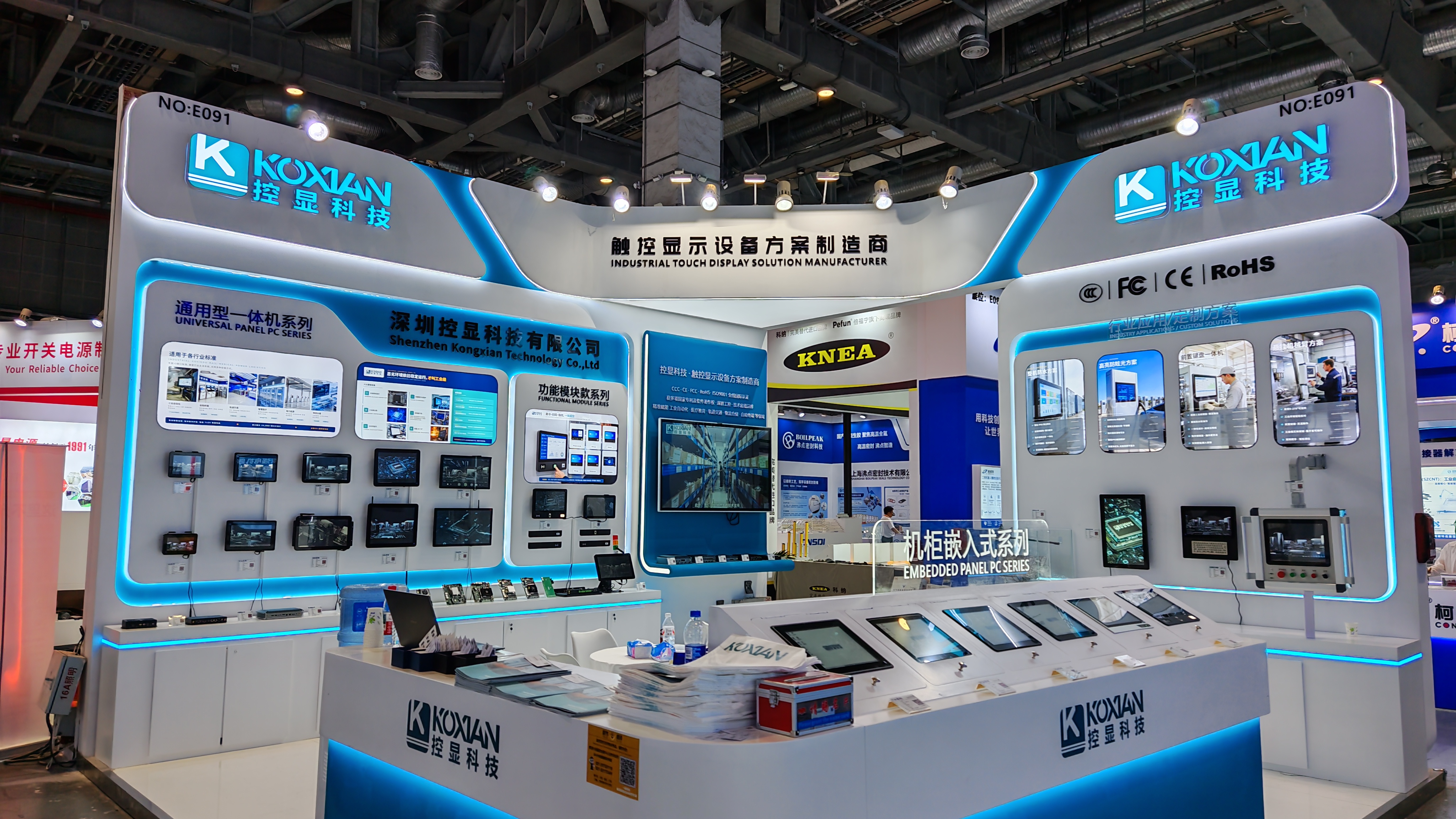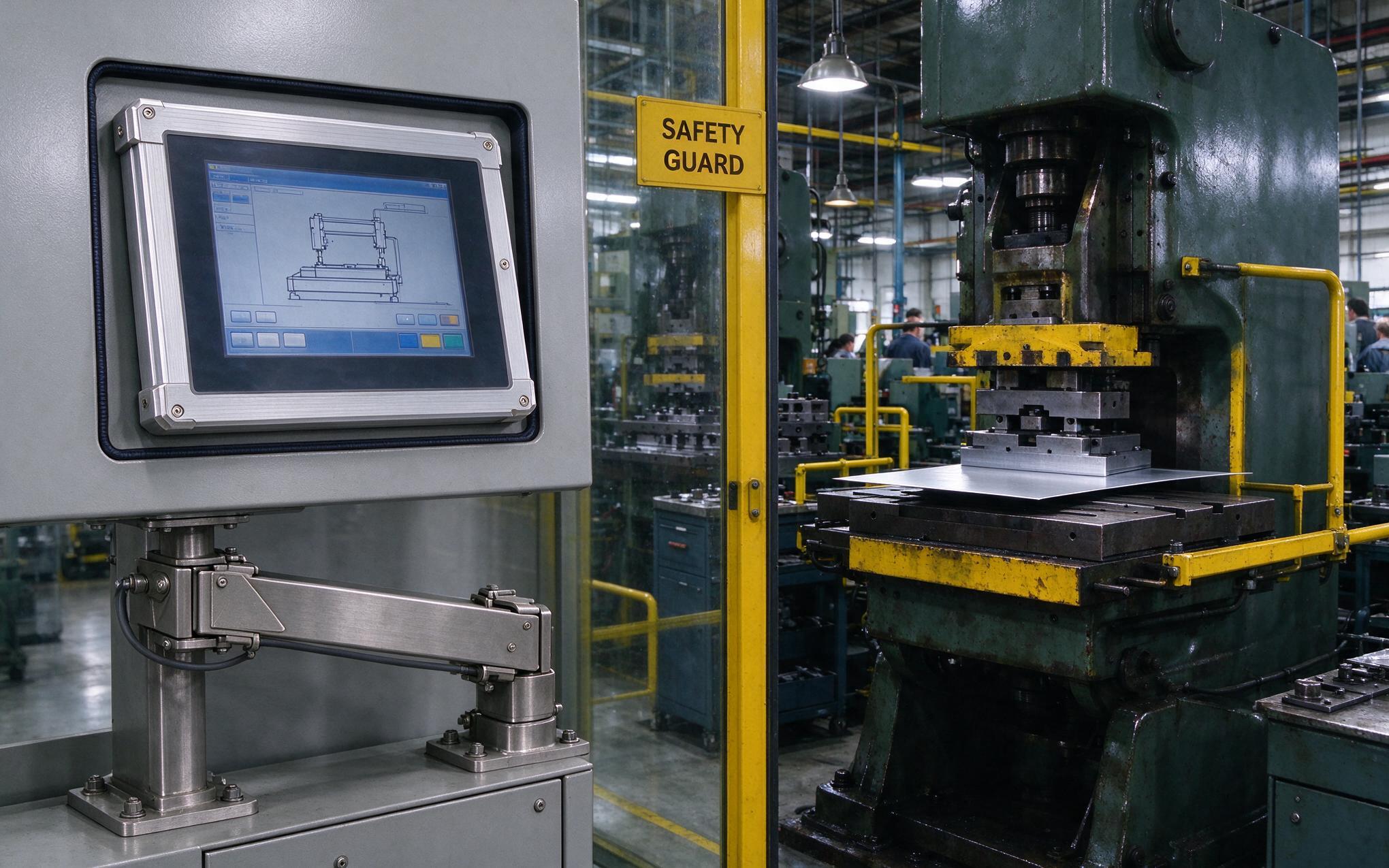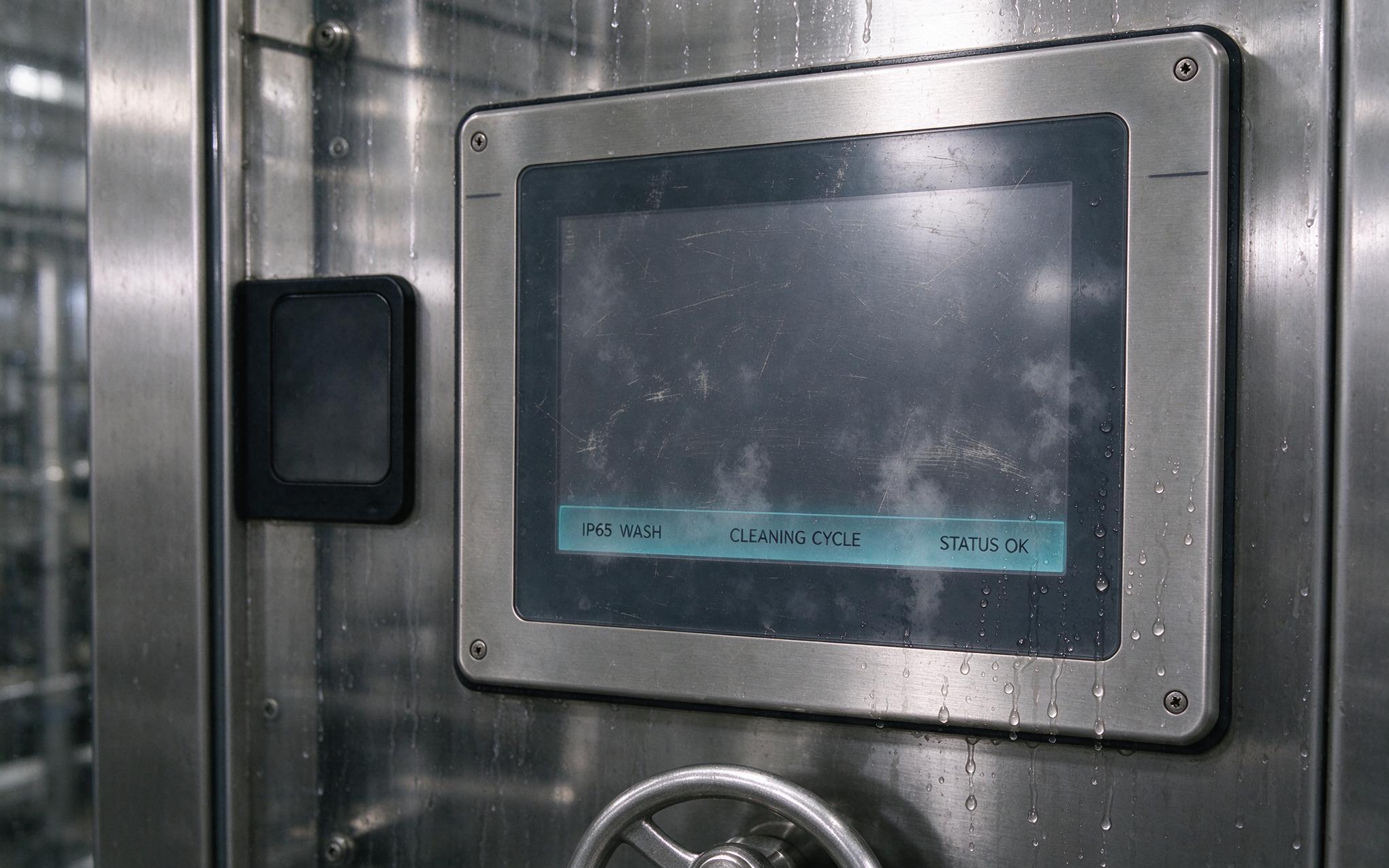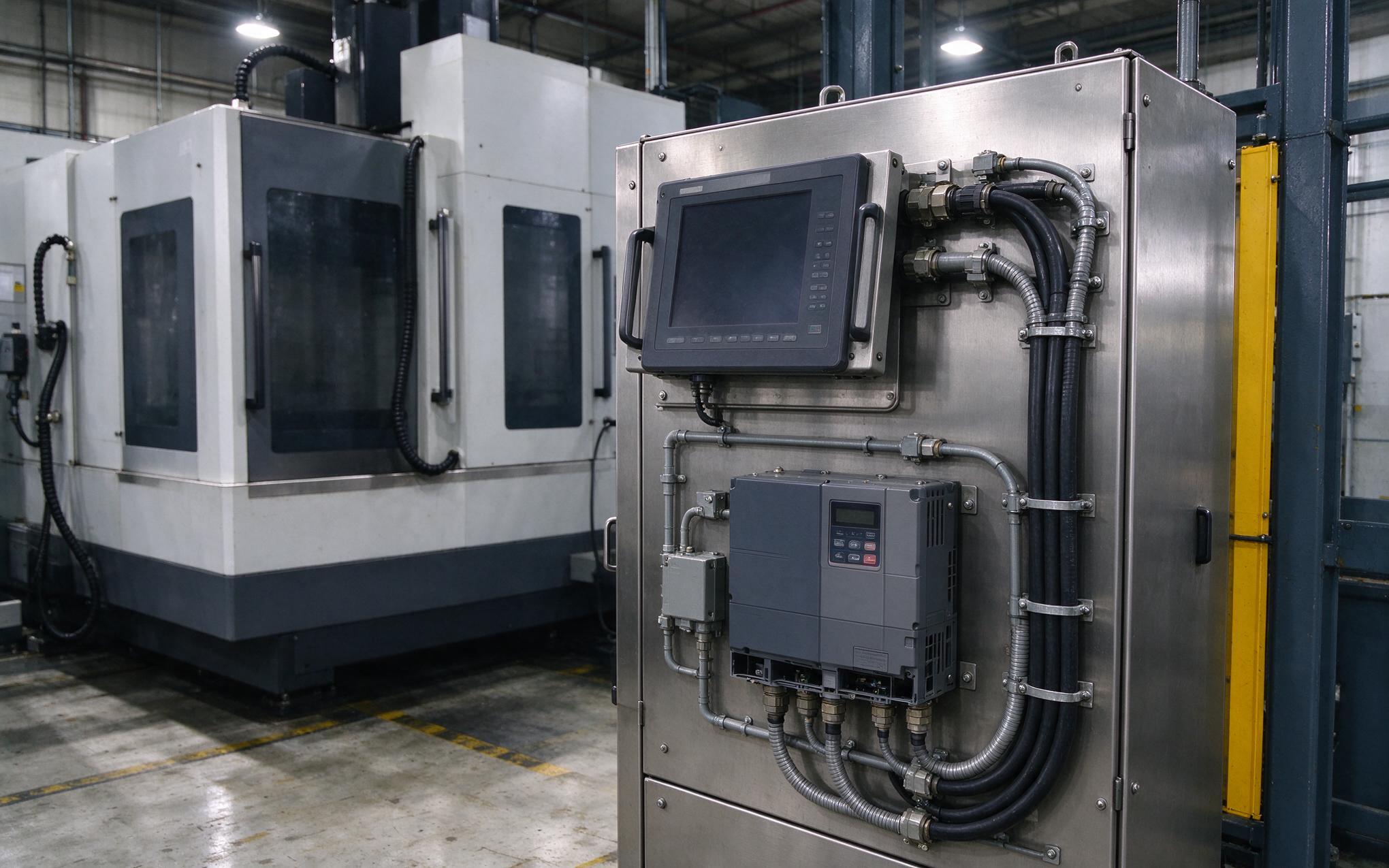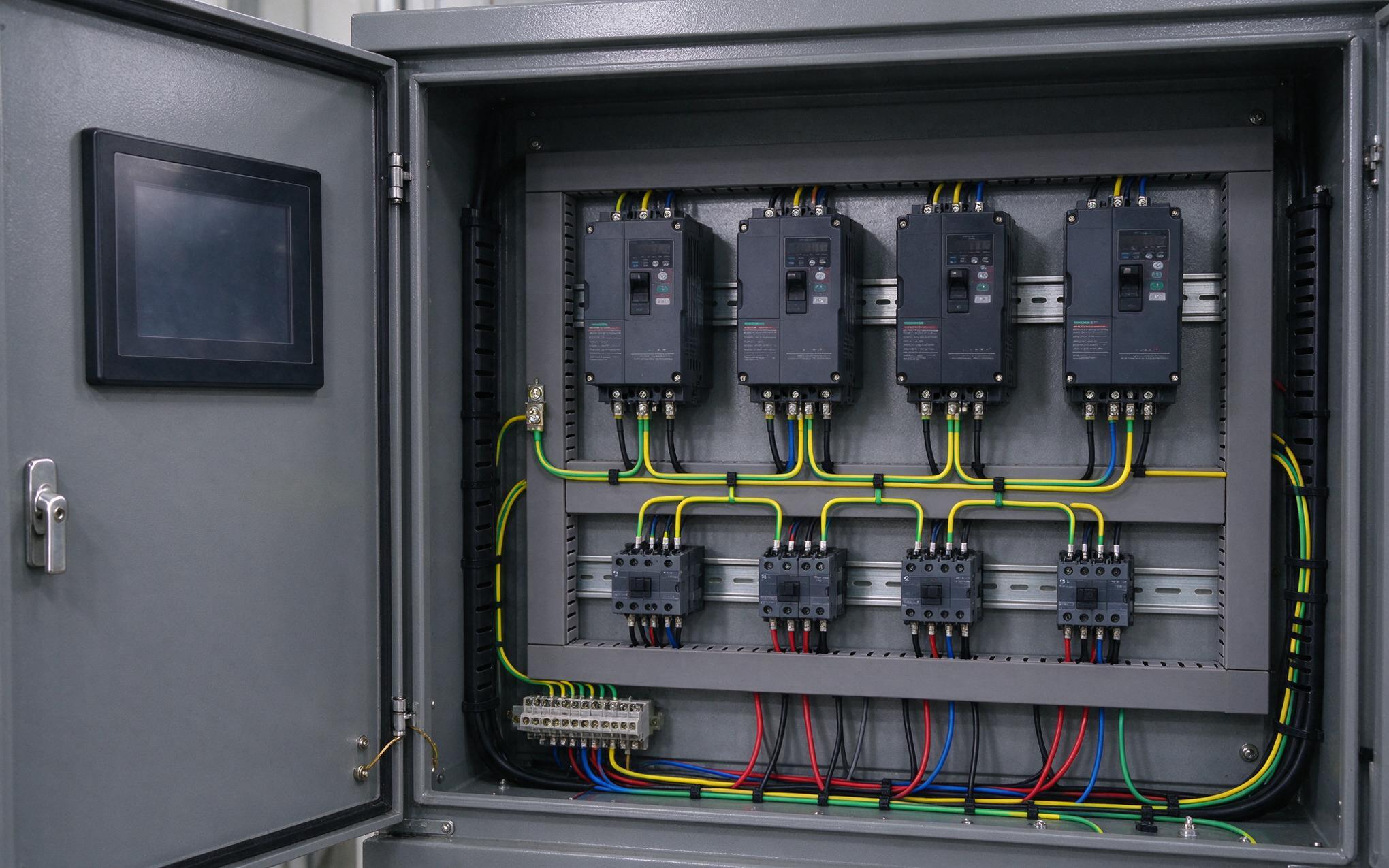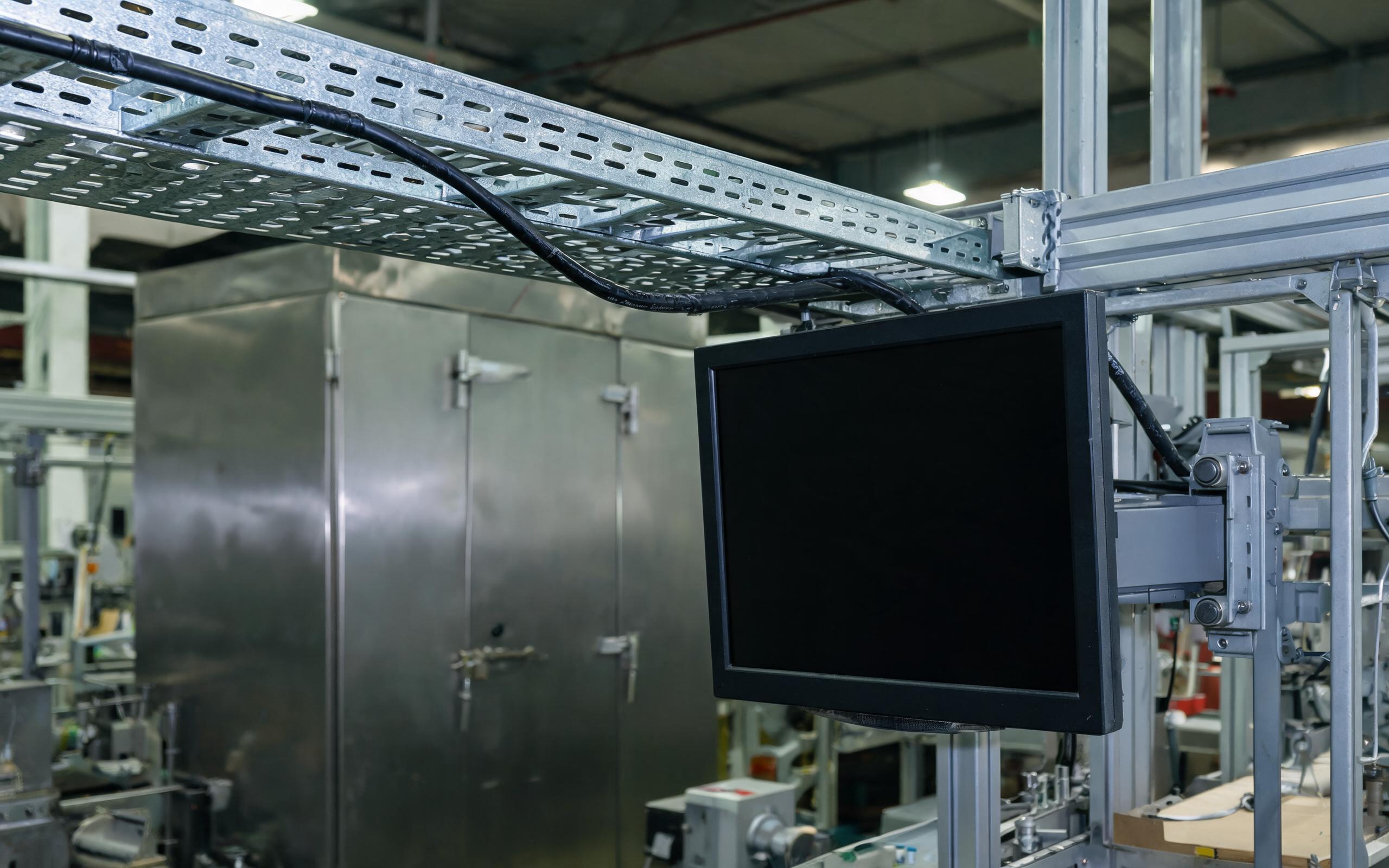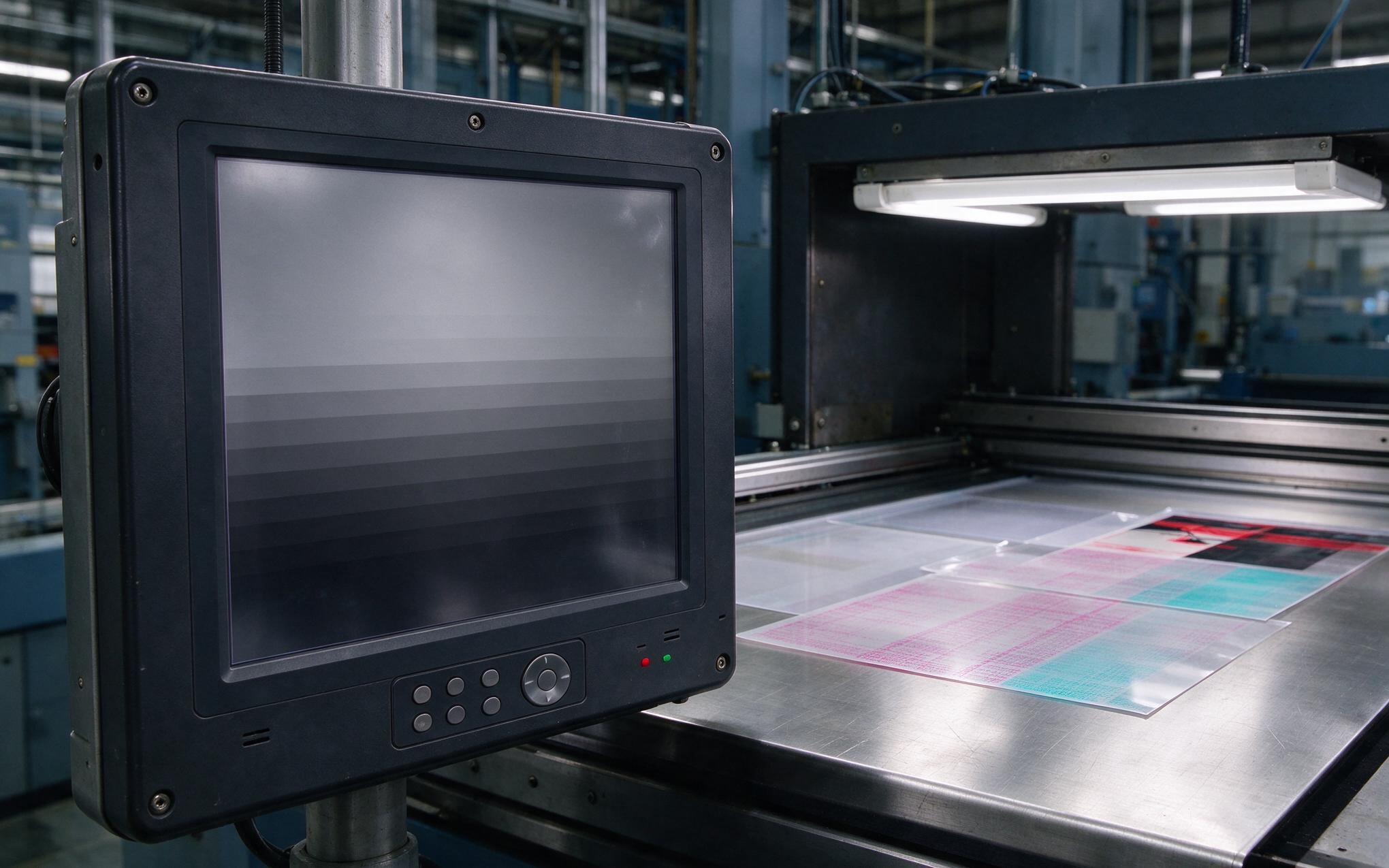
Three sealed panel computers on the same packaging line share one telling trait: none of them has a fan, an intake grille, or a filter to service. That silence is increasingly the work of ARM silicon. As industrial panel pc manufacturers move volume models away from x86 boards, the transition is reshaping enclosure thermals, power design, and software images across the factory floor. Knowing what changes inside the metal helps buyers separate durable engineering from a spec-sheet label swap.
ARM SoC Thermals in Fanless Enclosure Design
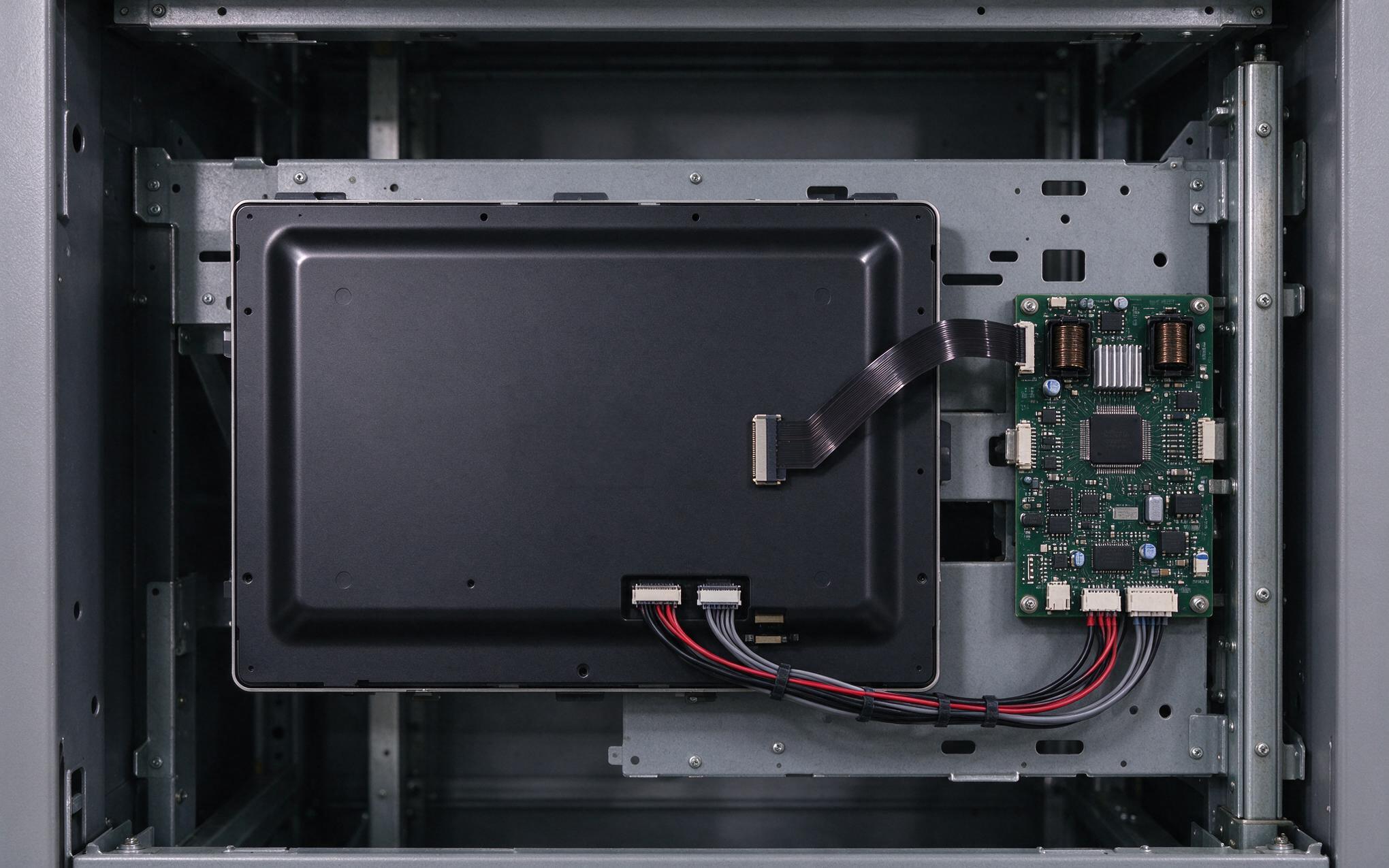
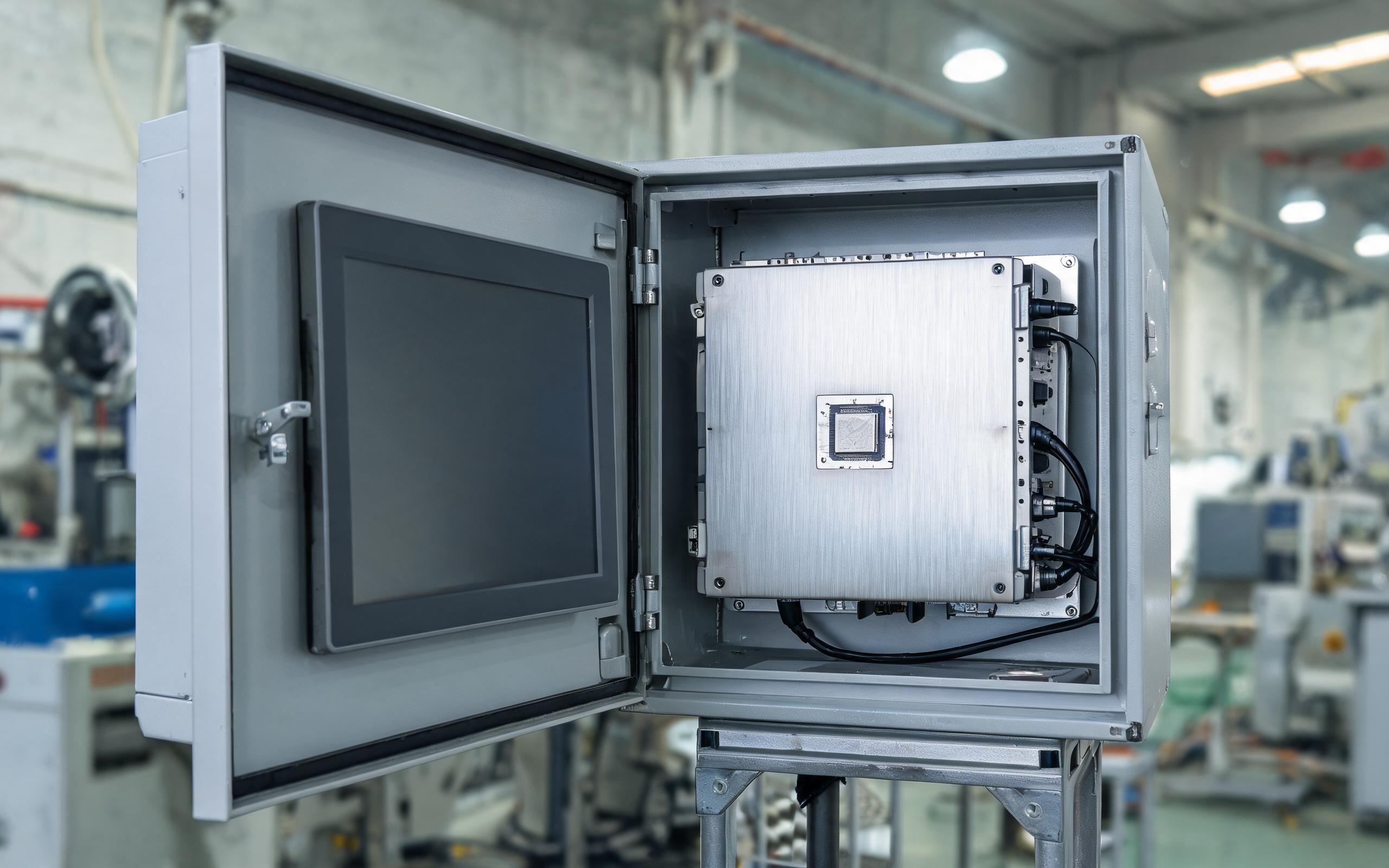
A typical ARM system-on-chip for panel computing idles far below the power draw of a comparable x86 board, and its sustained load often stays in the single-digit watt range. That thermal headroom lets engineers shrink or eliminate the fin stack, seal the enclosure fully, and rely on conduction through a flat heat spreader bonded to the chassis wall. Industrial hardware manufacturers, including KOXIAN, pair these SoCs with full-surface aluminum spreaders so that neural accelerator bursts during machine-vision inspection do not create hot spots near the display layers. The practical outcome is a sealed unit that holds its rated operating temperature without throttling the processor, even when cabinet ambient air climbs past 45 degrees Celsius. For plants chasing washdown or dust-proof ratings, removing the fan also removes the most failure-prone mechanical part in the entire assembly.
Power Delivery and I/O Consolidation on ARM Boards
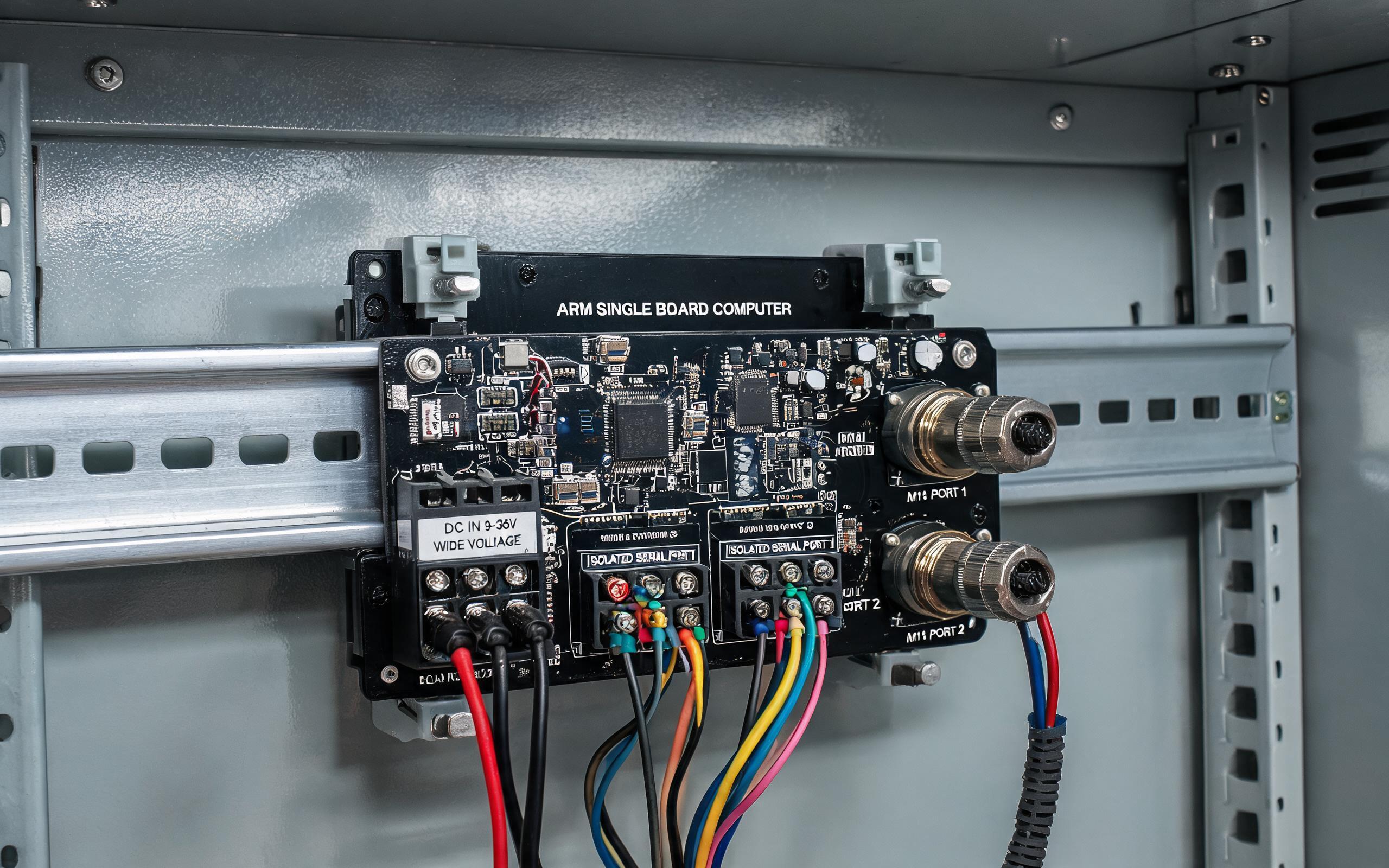
ARM platforms consolidate functions that x86 designs spread across separate chips. Ethernet, serial, display output, and vision acceleration often sit on one package, which shrinks board area and simplifies the power tree. A single wide-voltage input stage, commonly 9 to 36 V DC, can feed the whole unit through fewer conversion steps and with less wasted heat. That matters for industrial panel pc manufacturers because every removed regulator is one less component aging inside a hot sealed box. Consolidation also reshapes connector strategy: rugged M12 or locking terminal blocks replace consumer-style jacks, and isolated serial ports tolerate the ground potential differences found between cabinets. Buyers comparing ARM-based units should verify transient tolerance, since motor contactors on shared rails still produce voltage dips that weak input stages cannot ride through.
Why Industrial Panel PC Manufacturers Bet on ARM Roadmaps
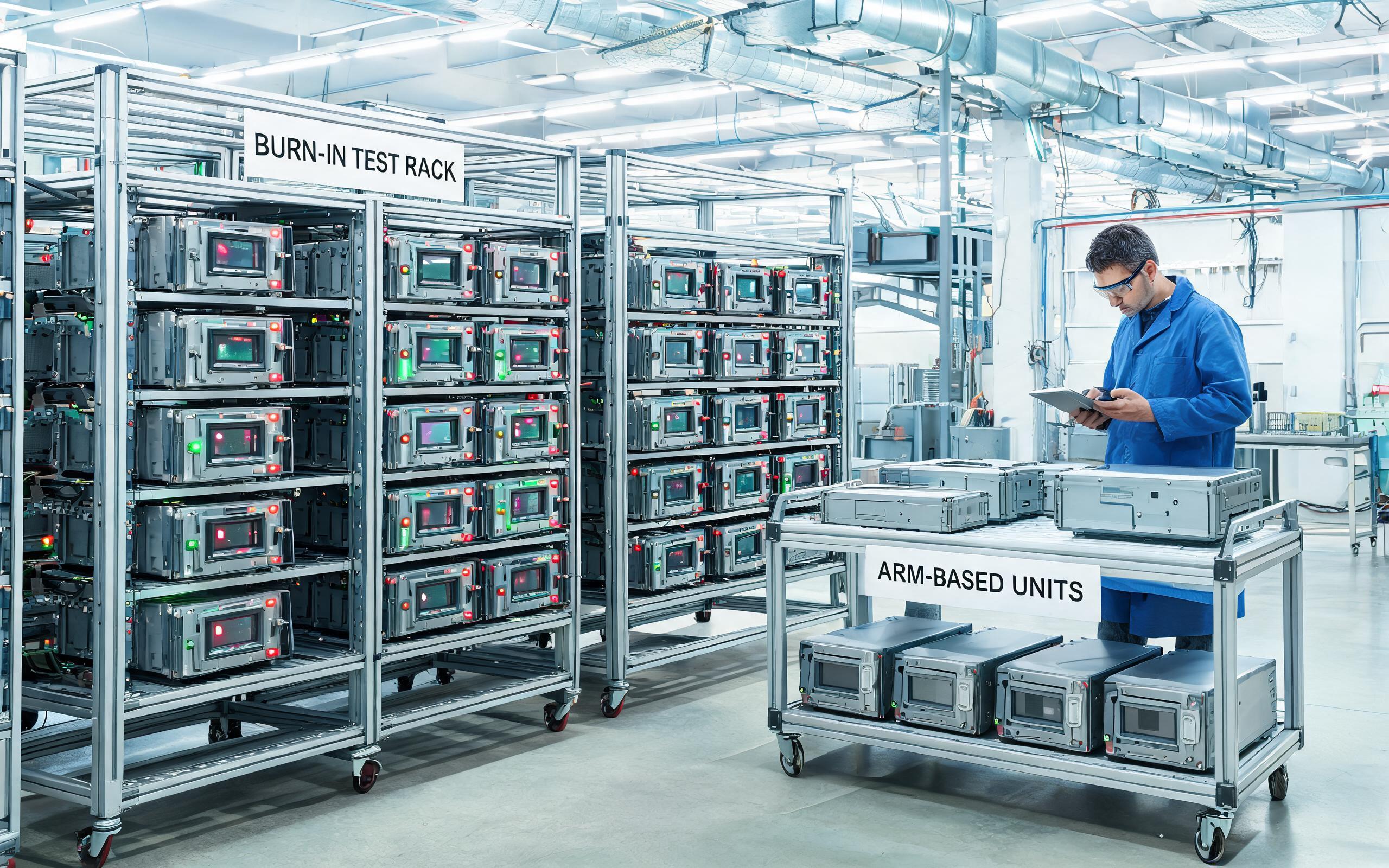
Supply longevity ranks among the strongest motives behind the transition. Design approaches like those adopted in KOXIAN K2 series units illustrate the draw: embedded ARM roadmaps commonly guarantee ten or more years of silicon availability, while consumer x86 lines churn on shorter cycles. For a machine builder certifying an enclosure once and shipping it for a decade, that stability cuts requalification cost sharply. Energy efficiency adds a second motive. Market analysts tracking the industrial panel PC segment report sustained growth in fanless models, and the performance-per-watt profile of ARM fits the sealed designs that this growth rewards. A third motive is inference at the edge, since modern ARM SoCs ship with neural accelerators that handle inspection workloads locally and spare plants the latency of streaming video to a server room.
Software Ecosystem Readiness for ARM on the Factory Floor
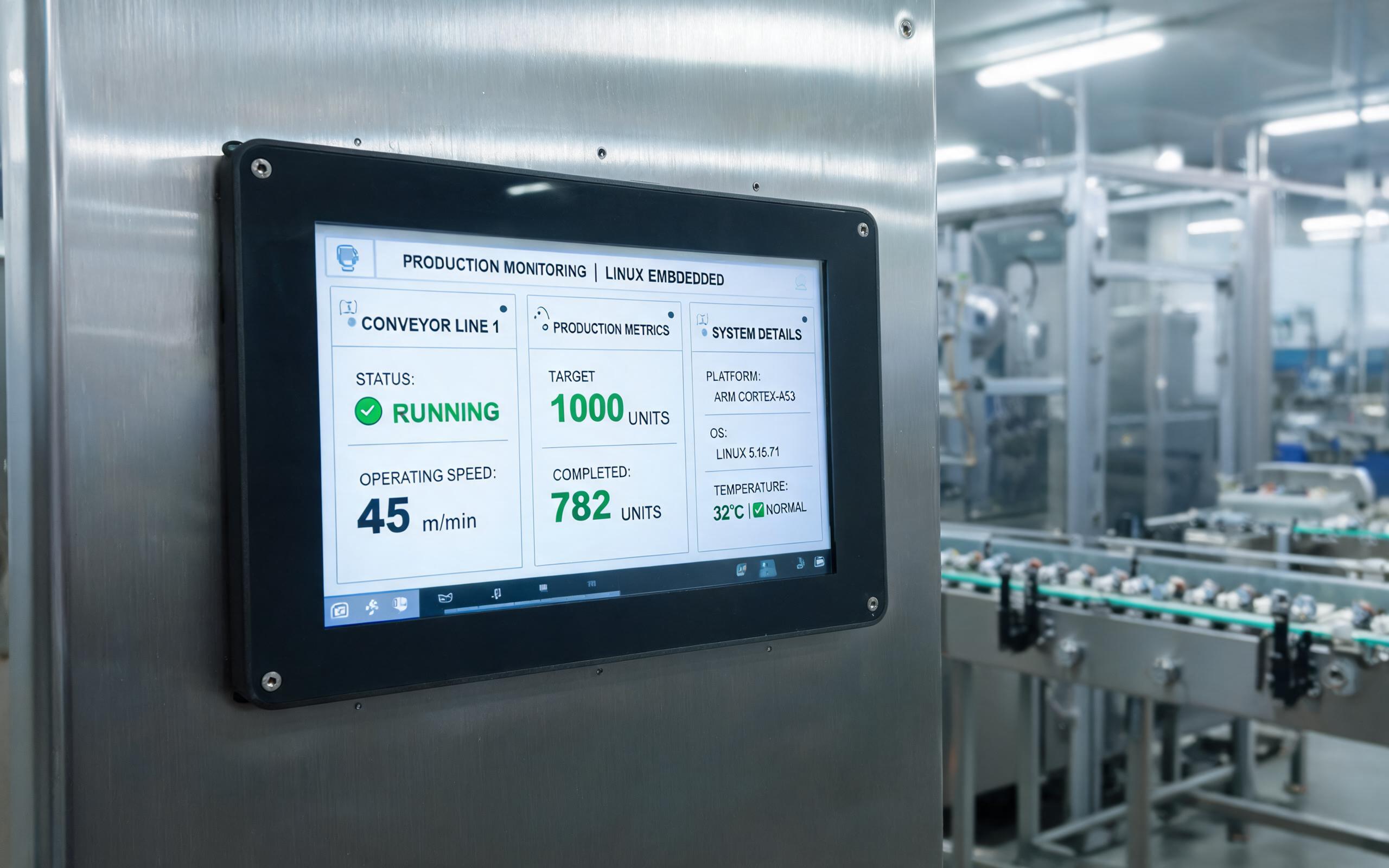
Hardware means little without a matching software stack, and this is where ARM adoption demands homework from industrial panel pc manufacturers and their customers alike. Linux distributions for ARM64 are mature, and major SCADA and edge-analytics frameworks now publish ARM builds alongside x86. Windows on ARM exists in embedded channels, yet driver coverage for niche acquisition cards still lags, so teams tied to legacy Windows libraries should validate early. Containerized deployment eases the move: a runtime image rebuilt for ARM64 behaves the same on the panel unit and on the cloud instance used for staging. Migration projects that inventory dependencies up front tend to finish in weeks, while those that uncover a closed-source x86-only driver midway face real delays. The ecosystem gap that blocked ARM five years ago has narrowed enough that software rarely vetoes it for new lines.
ARM adaptation is no longer an experiment at the edge of the panel computing market; it is a mainstream engineering route with distinct thermal, power, and longevity mechanics. Evaluating units on conduction design, input-stage resilience, roadmap guarantees, and software readiness reveals which industrial panel pc manufacturers treat ARM as a platform commitment rather than a label swap. Machines specified this way run cooler, seal tighter, and stay supportable across the full life of the line.