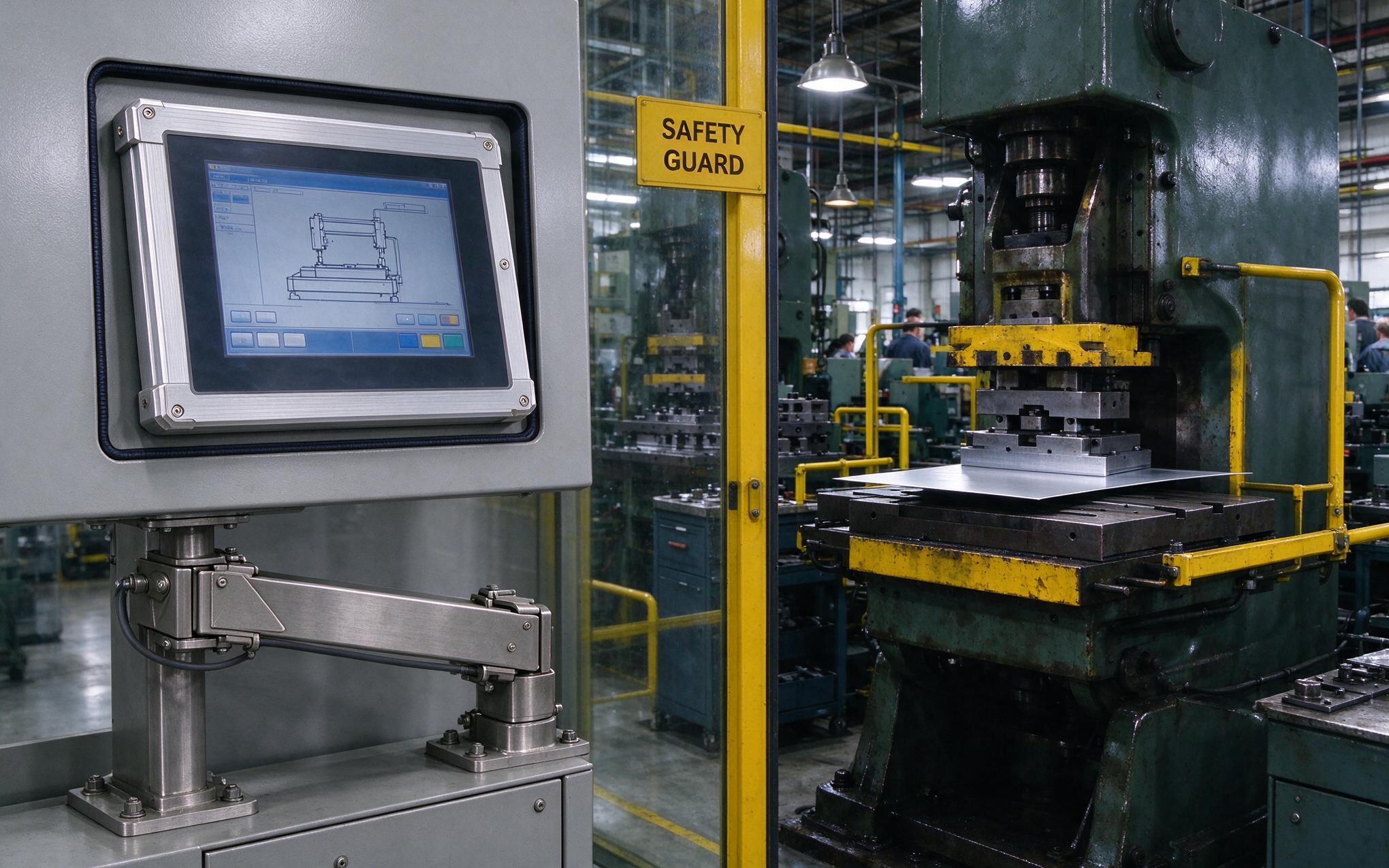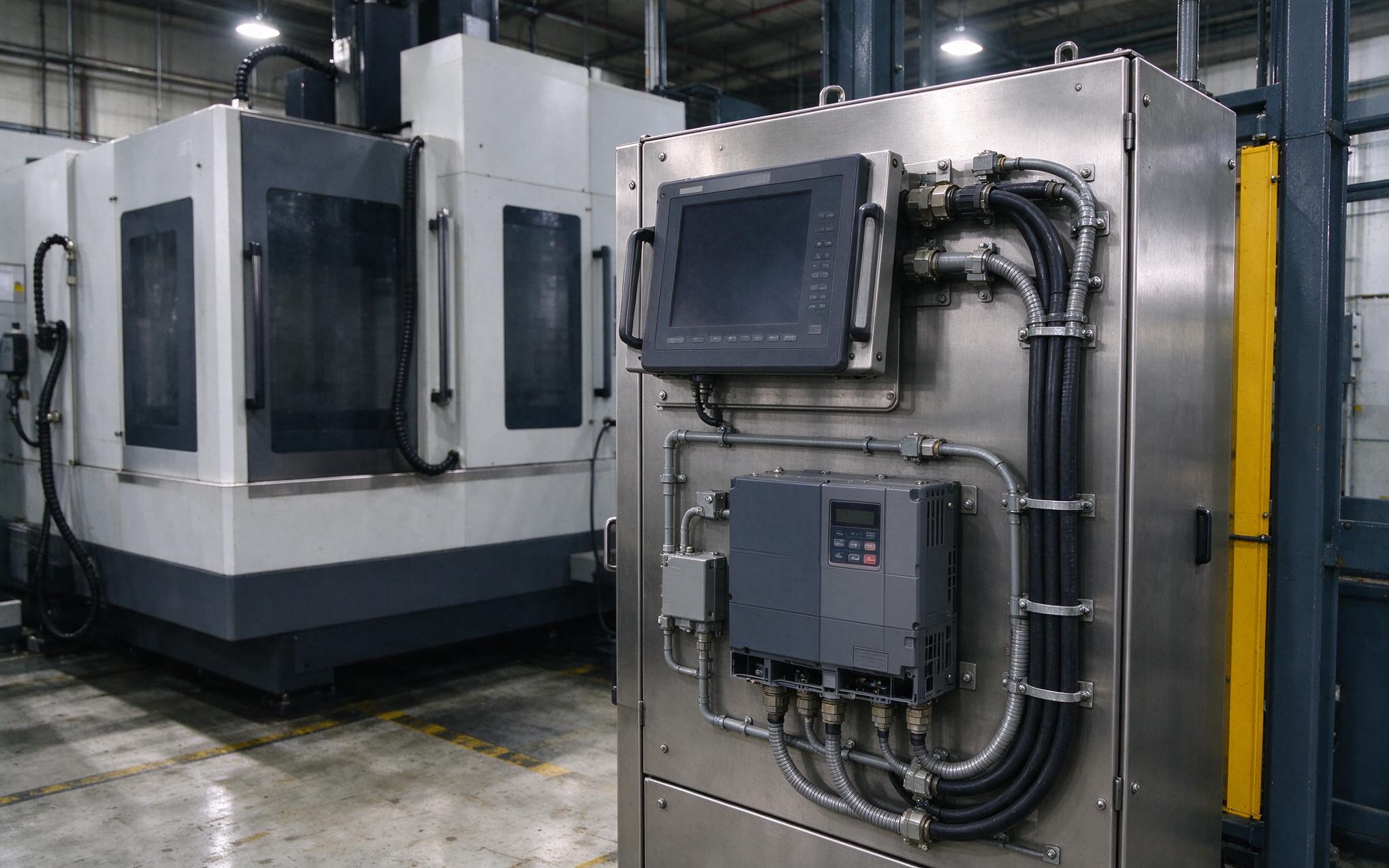
In a discrete manufacturing facility, the moment a stamping press loses its data connection even briefly, consequences ripple across the entire production cell. Downstream stations halt, buffer inventories deplete, and scheduled output targets slip. The hardware responsible for maintaining that connection operates in conditions that would destroy consumer-grade equipment within days: fine metallic dust, electromagnetic interference from variable frequency drives, vibration from heavy machinery, and temperature swings that range from near-freezing in unheated warehouses toabove 50 degrees Celsius near heat treatment furnaces. An industrial PC for automation must deliver deterministic performance under these exact conditions, serving as the reliable computing backbone that keeps production lines running without interruption.

Why Standard Computing Hardware Fails on the Factory Floor
Conventional desktop computers rely on active cooling fans, spinning hard drives, and consumer-grade components that degrade rapidly in industrial settings. A factory floor generating fine metallic dust or chemical vapors will clog a standard fan within weeks, causing thermal throttling and eventual component failure. Electromagnetic interference from welding equipment, variable frequency drives, and high-current switching corrupts data signals in unshielded consumer hardware, producing intermittent errors that are difficult to diagnose and expensive to resolve. Fanless design addresses the primary failure mode by eliminating moving parts entirely. Heat dissipation occurs through the aluminum chassis itself, which doubles as both structural enclosure and thermal management system. Enclosures constructed from extruded aluminum alloy with integrated heat sink fins achieve passive cooling ratings that support continuous operation from minus 20 degrees Celsius to 60 degrees Celsius. This thermal architecture removes the most common point of failure while reducing cooling subsystem maintenance to zero.

Edge Computing and Connectivity Requirements for Modern Production
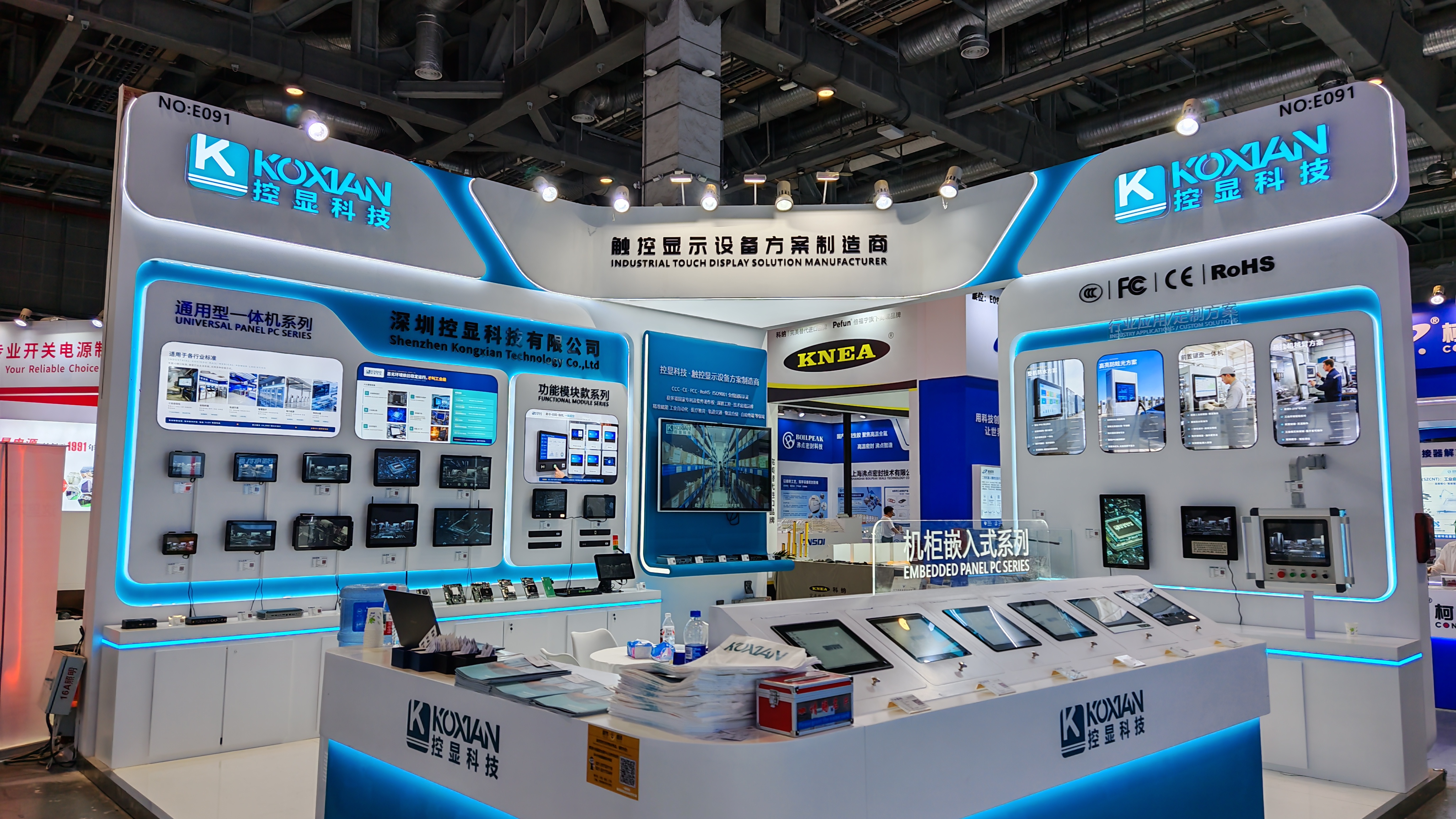
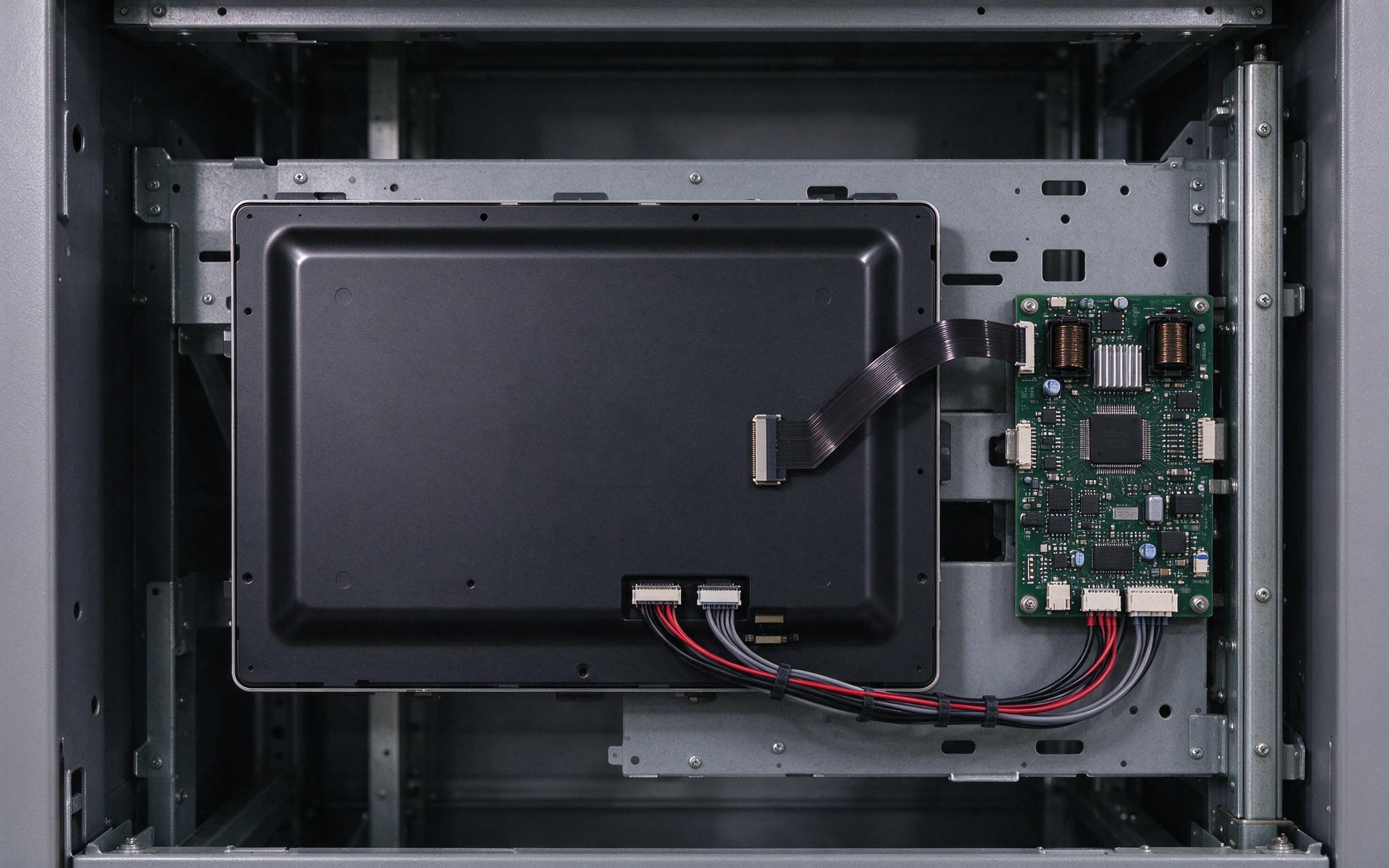
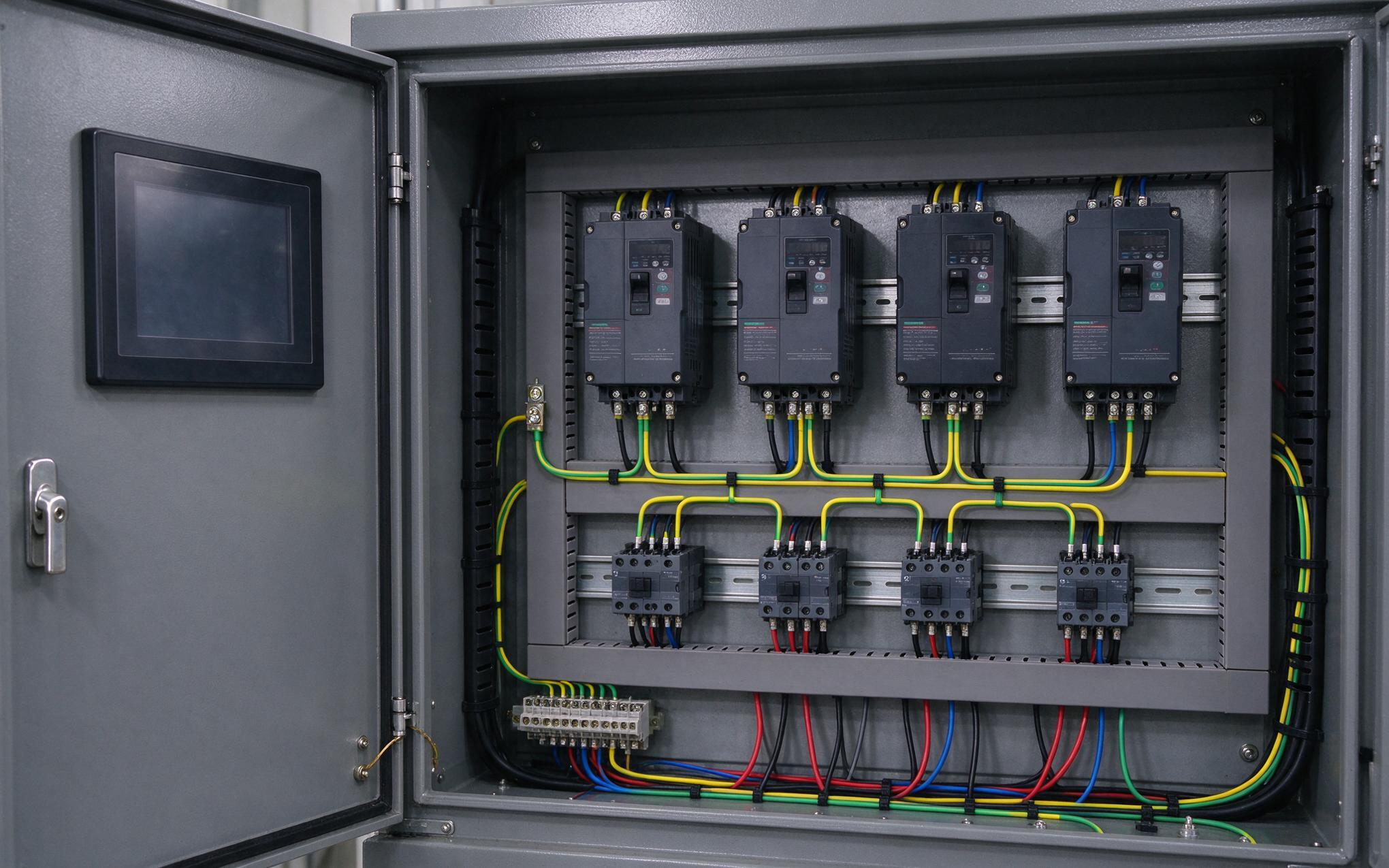
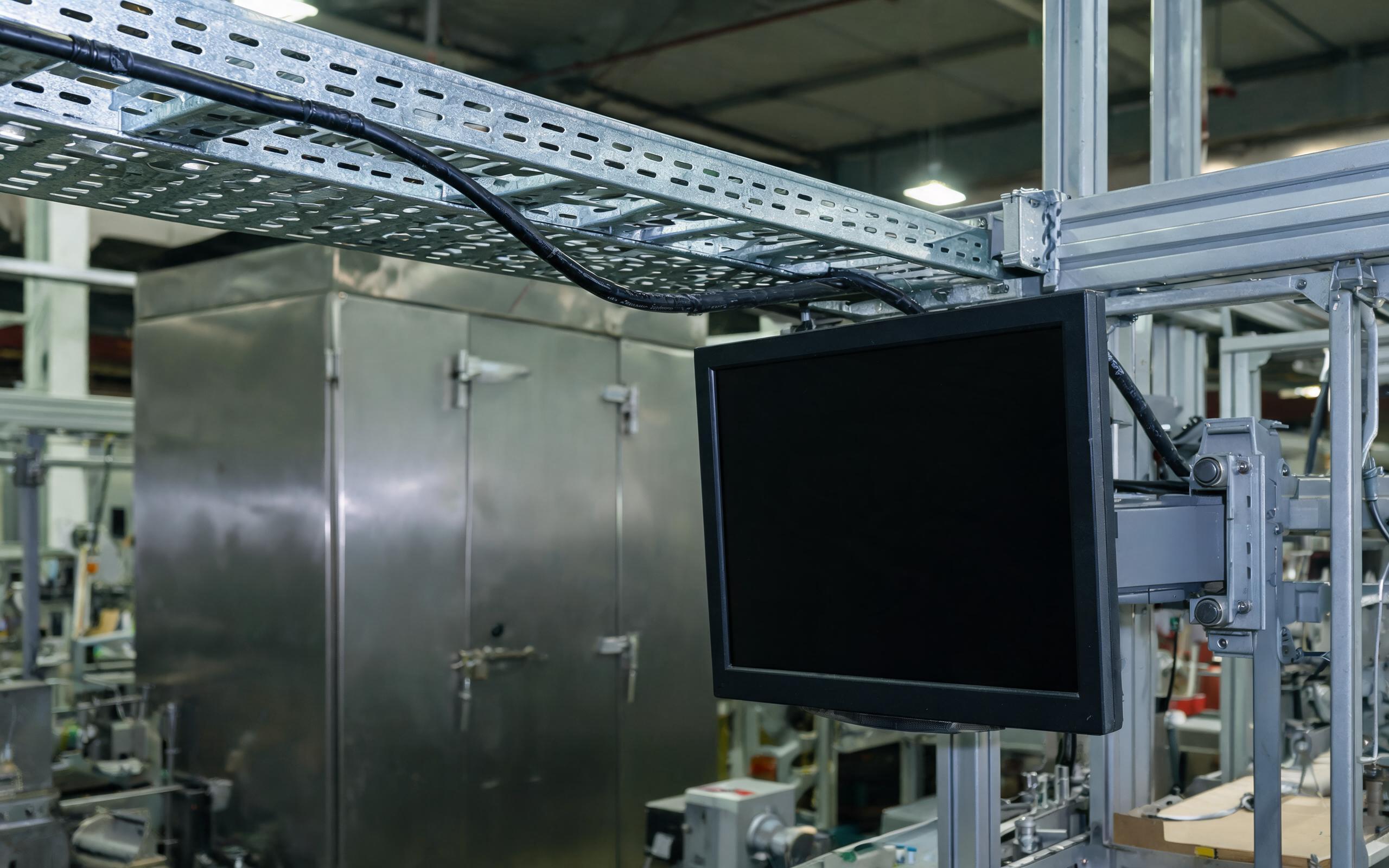
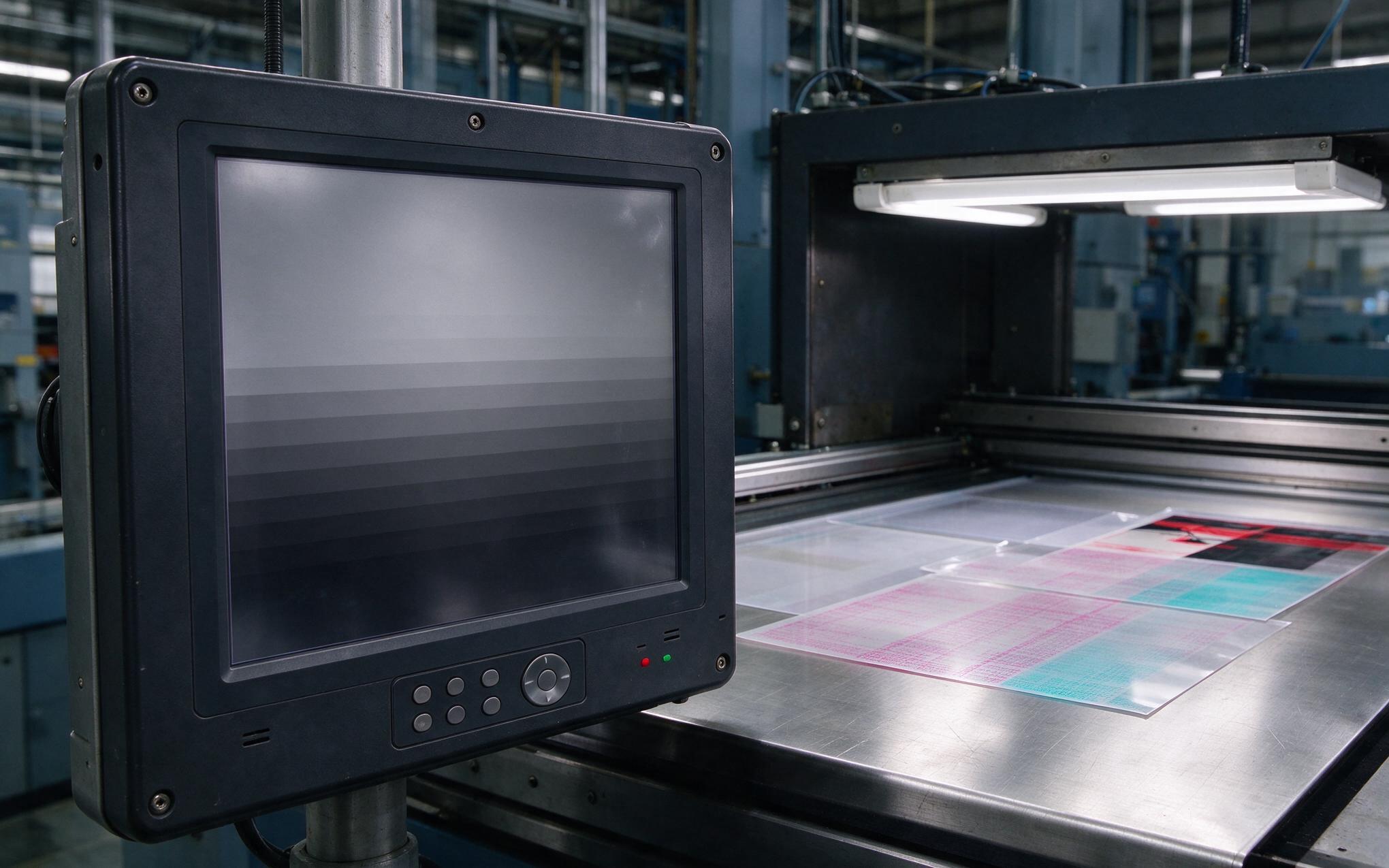
Modern discrete manufacturing demands more than simple machine control. An industrial PC for automation now serves as an edge computing node, processing machine vision data locally, running predictive maintenance algorithms, and aggregating production metrics before transmitting summarized results to higher-level systems. This edge processing eliminates the latency and bandwidth constraints of sending raw sensor data to centralized servers, enabling sub-millisecond response times for critical control loops. The connectivity requirements are equally demanding. A single production line may require Gigabit Ethernet for machine vision cameras, serial ports for legacy equipment integration, USB 3.0 for peripheral devices, and digital I/O for sensor and actuator control. Industrial PCs designed for automation applications provide this interface density in a compact form factor that mounts directly on DIN rails, control cabinets, or machine frames. Physical integration must account for vibration resistance, typically rated to 5G acceleration, and IP-rated enclosures that protect against dust and moisture ingress at the point of installation. Manufacturers such as KOXIAN equip their platforms with sufficient processing headroom to support concurrent machine vision, control, and analytics workloads without degradation.

Real-Time Data Acquisition as the Foundation for Production Intelligence
The value of an industrial PC for automation extends beyond controlling individual machines. When properly configured, these systems become the data acquisition backbone for entire production cells. Real-time data acquisition captures cycle times, defect rates, energy consumption, and equipment health indicators at the machine level, enabling statistical process control and continuous improvement initiatives that were previously cost-prohibitive. Edge computing capabilities allow the industrial PC to run analytics locally, detecting anomalies in vibration patterns, temperature drifts, or cycle time variations that indicate impending equipment failure. This predictive maintenance approach shifts maintenance from fixed schedules to condition-based triggers, reducing both unplanned downtime and unnecessary preventive maintenance costs. Hardware platforms from established vendors like KOXIAN provide the processing headroom needed for these concurrent workloads while maintaining the environmental resilience demanded by production environments. The production intelligence generated at the edge feeds into MES and ERP systems, providing plant managers with real-time visibility into overall equipment effectiveness without requiring dedicated SCADA infrastructure for every production line.
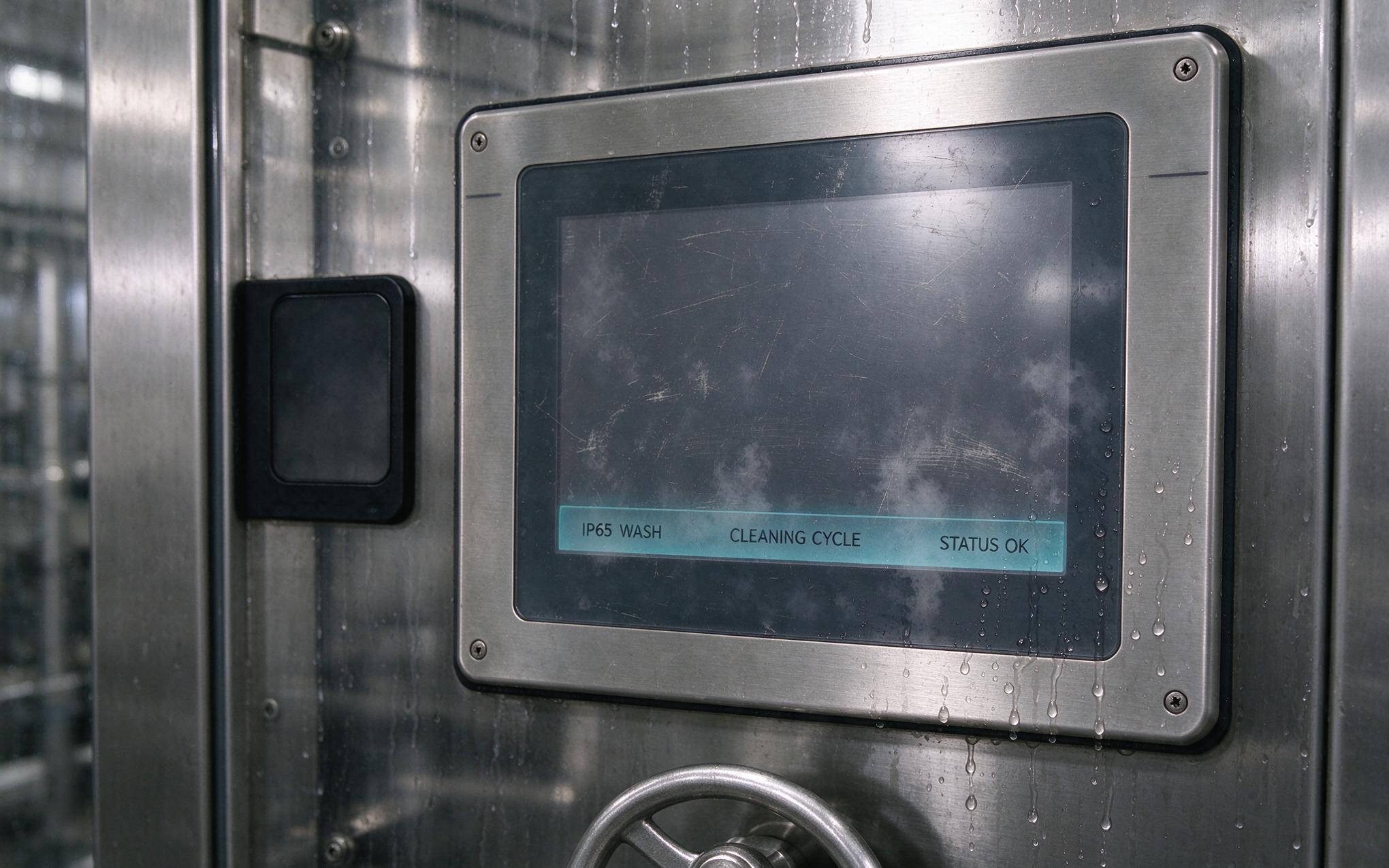
Selecting an industrial PC for automation requires evaluating processing power, enclosure rating, power input range, and lifecycle commitment against your specific deployment requirements. Embedded Intel platforms with 16GB memory provide a practical baseline for modern automation workloads combining machine control with edge analytics. Control cabinet mounting typically requires IP20 protection, while on-machine installation near cutting fluids demands IP65 or higher. Power input tolerance of 9 to 36 volts DC ensures reliable operation in facilities with unstable electrical supply. Long-term processor availability, typically seven years or more, protects automation investments against forced hardware refreshes. The right platform balances computational capability with environmental resilience, providing system integrators with a validated hardware foundation for automation deployments across discrete manufacturing environments.