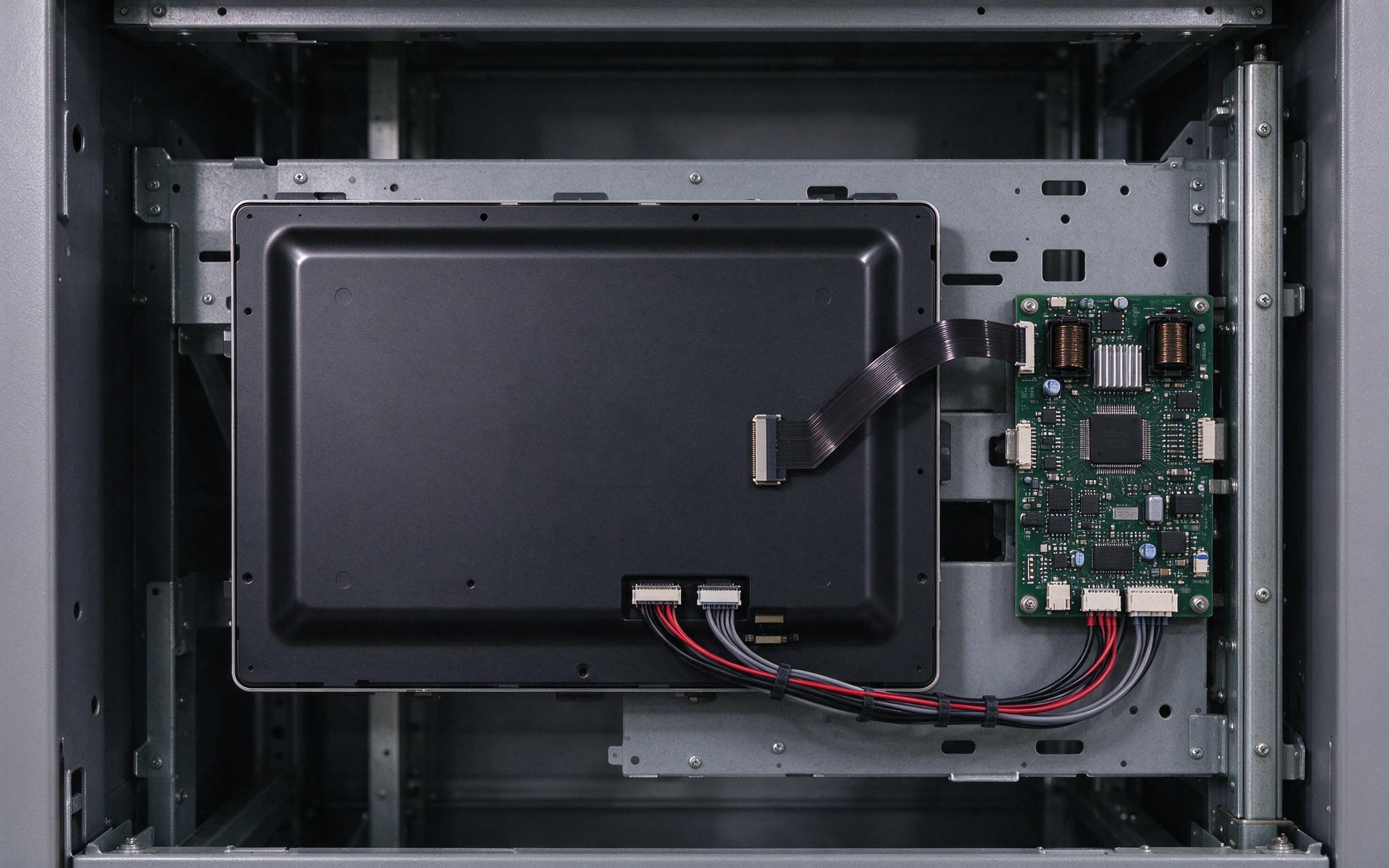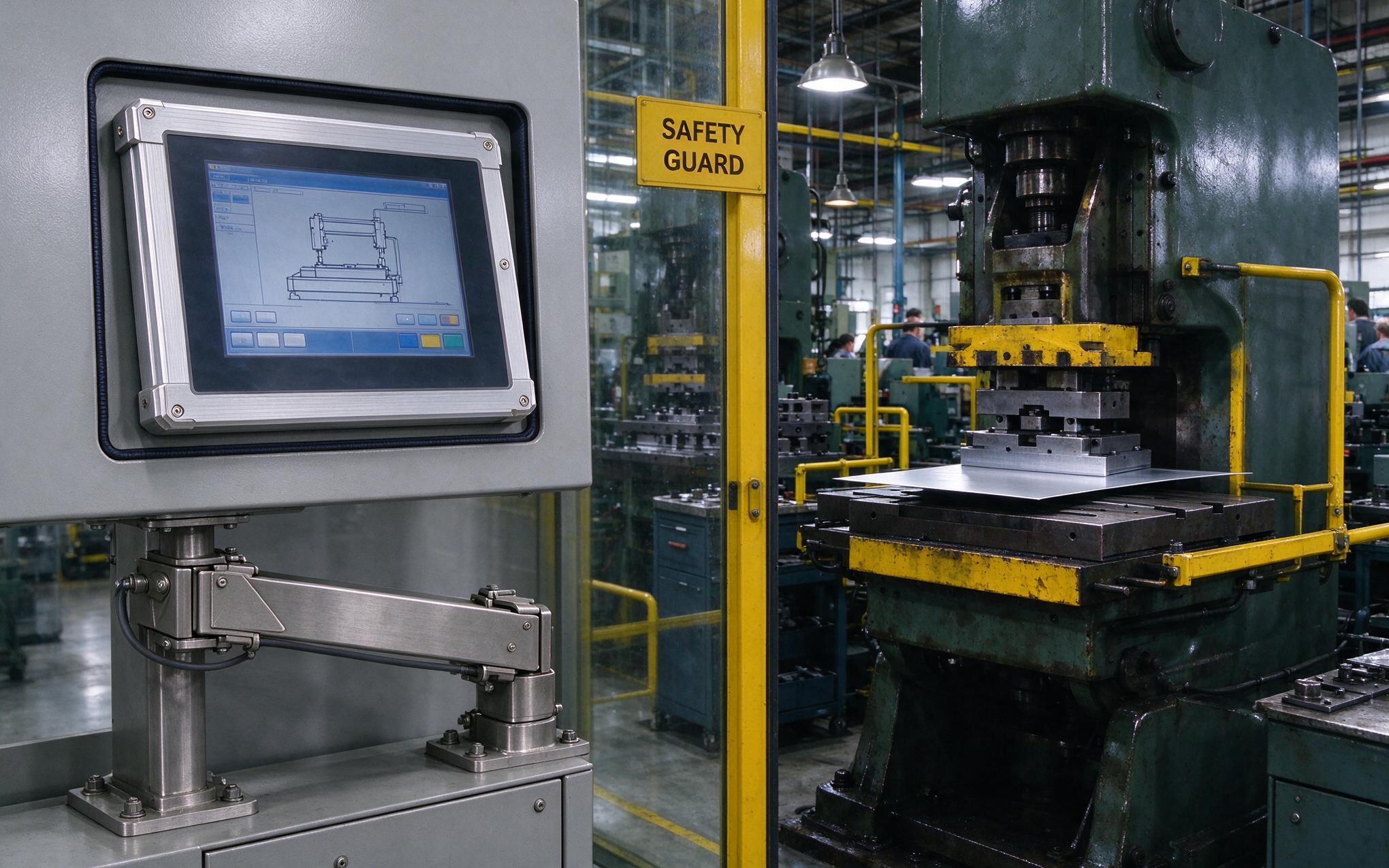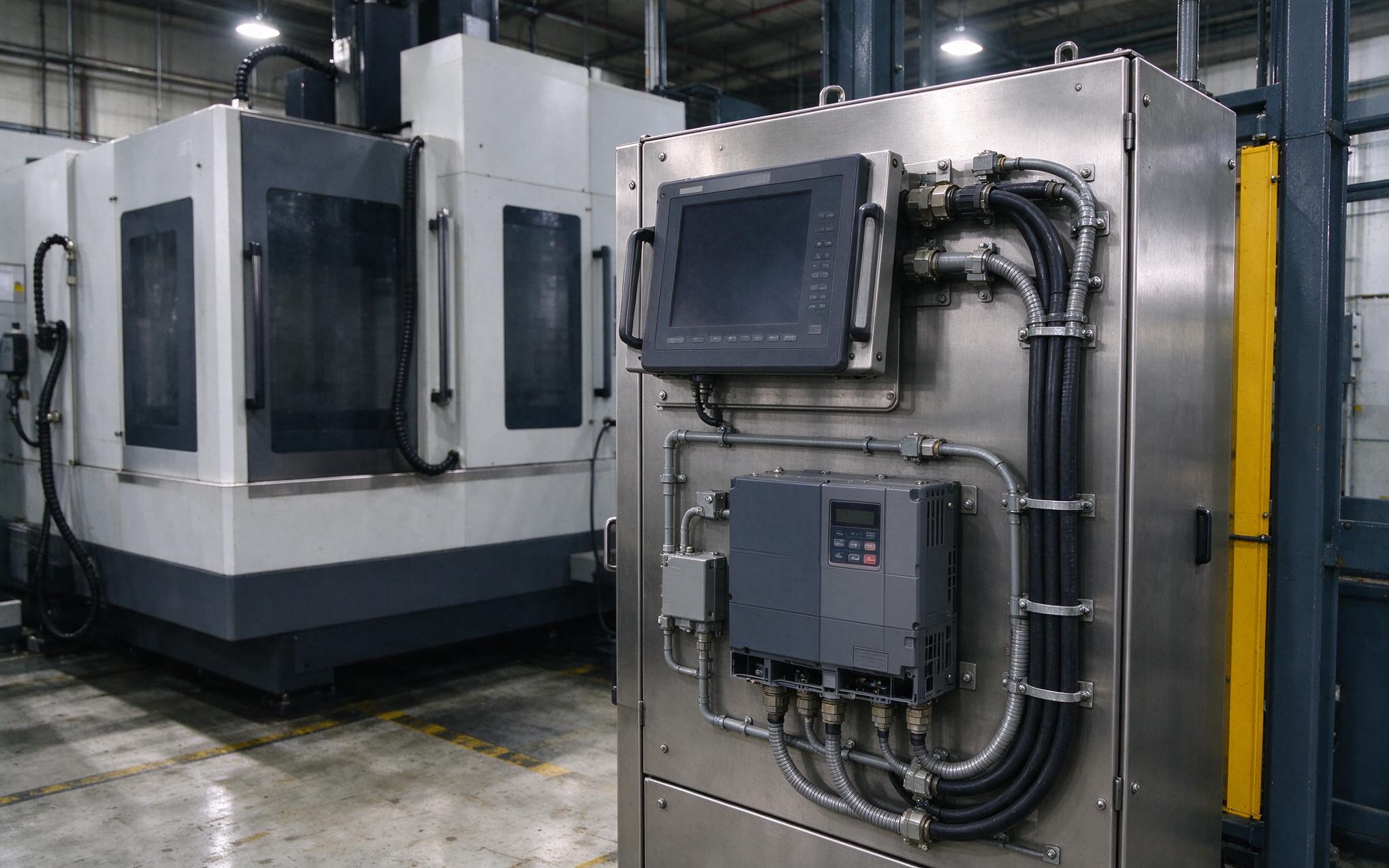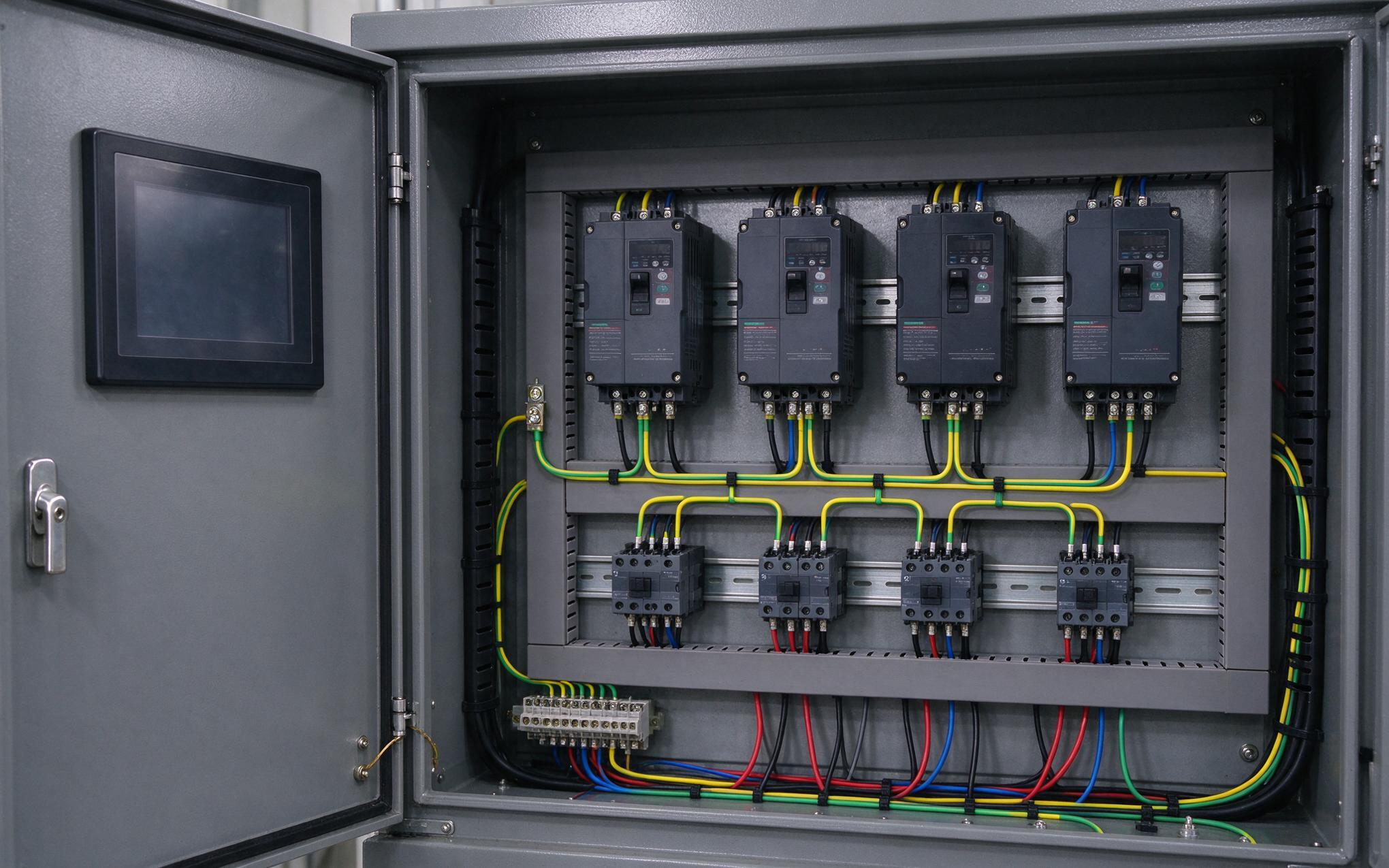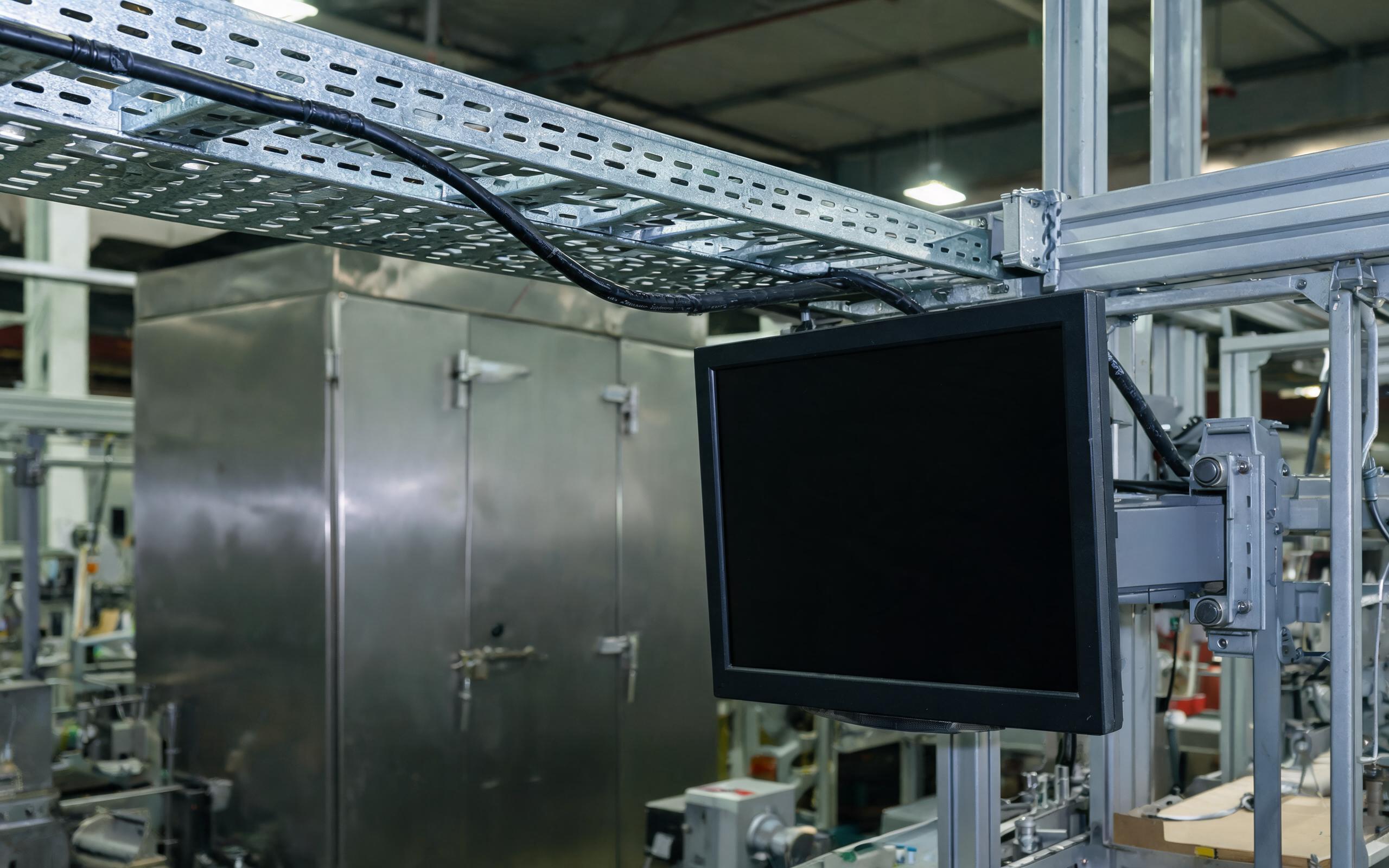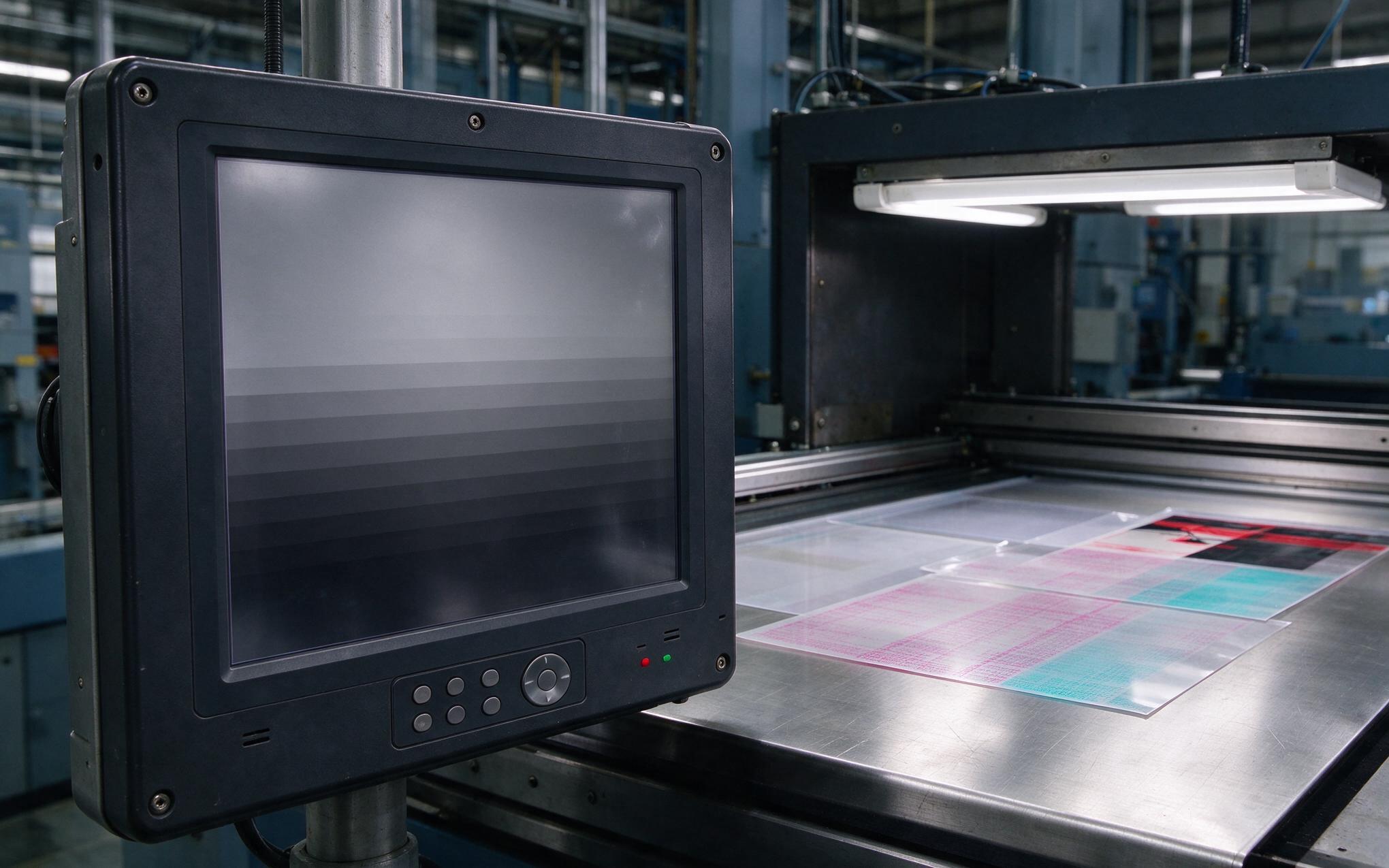
An embedded panel pc must balance processing power against thermal constraints, a challenge that intensifies as multi-core processors generate more heat within shrinking chassis volumes. Factory floor installations place these devices inside sealed enclosures, behind machine panels, or within narrow cabinet spaces where natural convection alone cannot evacuate the thermal energy produced during sustained operation. The persistent engineering tension — higher computational performance demanding more energy while physical mounting limits cooling hardware — makes thermal design knowledge essential for system integrators selecting industrial computing hardware for harsh environments.

Heat Sources Within the Panel PC Chassis
Every embedded panel pc dissipates heat from multiple internal sources simultaneously. The central processor is the primary contributor, but memory modules, voltage regulators, storage controllers, and display backlight circuits each add to the thermal budget. Manufacturers such as KOXIAN must account for all these sources when specifying thermal solutions. A typical Intel Core i5-based unit running at sustained load can generate 15 to 28 watts of thermal energy depending on the generation and workload profile. When the display operates at full brightness — common in outdoor or high-ambient-light factory environments — the LED backlight array contributes an additional 3 to 8 watts. These combined heat loads must be routed away from sensitive silicon junctions before temperatures exceed the rated operating thresholds, typically 85 to 105 degrees Celsius for commercial-grade processors and 100 to 110 degrees for industrial-grade variants.

Passive Cooling Strategies for Fanless Designs
Fanless designs rely on conduction, convection, and radiation to transfer heat from internal components to the external environment without moving parts. The most common strategy employs a thermally conductive path from the processor die through a copper or aluminum heat spreader, across a thermal interface material layer, and into the enclosure wall itself. Die-cast aluminum alloy enclosures with integrated fin structures increase the effective surface area available for convective heat transfer by 40 to 60 percent compared to flat-panel designs. Some manufacturers use vapor chamber technology — a sealed copper plate containing a working fluid that evaporates and condenses cyclically — to spread heat more uniformly across the enclosure surface. The selection of thermal interface material matters significantly: silicone-based thermal pads degrade over time at elevated temperatures, while phase-change compounds maintain consistent thermal conductivity across wider operating ranges.

Environmental Conditions That Alter Thermal Behavior
The thermal behavior of an embedded panel pc changes dramatically depending on the installation environment. Enclosed cabinet installations trap recirculated air that progressively heats up as the device continues to operate, creating a thermal feedback loop that can push ambient temperatures 15 to 25 degrees Celsius above room temperature. Dust-laden factory air coats heat sink fins with insulating particulate layers, reducing convective efficiency by up to 30 percent over a 12-month period without maintenance. Direct sunlight exposure on outdoor-mounted units adds radiative heat load that passive cooling systems must counter without the benefit of shade or forced airflow. Altitude also plays a role: at elevations above 2,000 meters, reduced air density decreases the convective heat transfer coefficient, meaning the same enclosure dissipates less heat at a mountain facility than at sea level.

Validation Protocols for Thermal Reliability
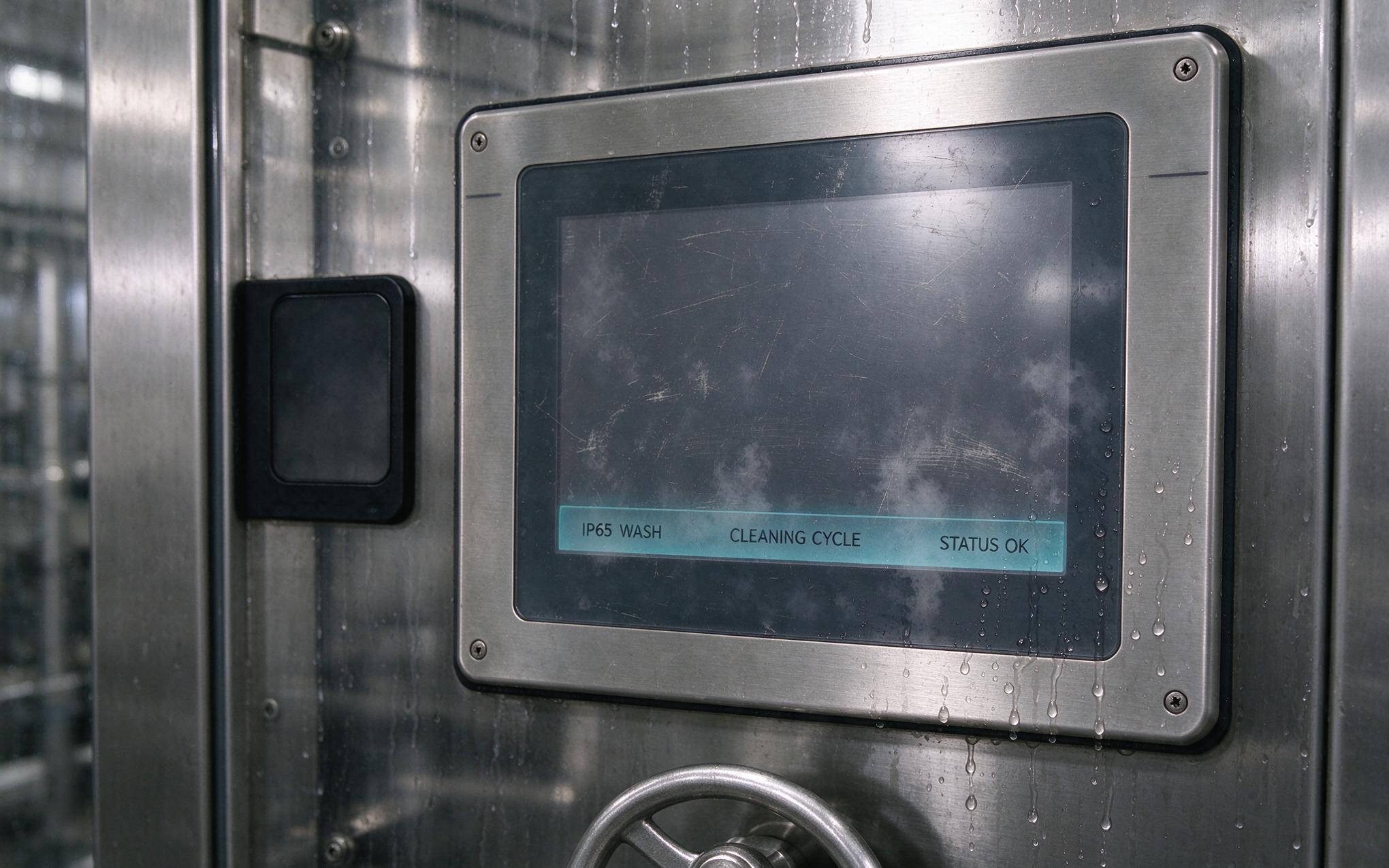
Industry standards provide the framework for evaluating whether an embedded panel pc can survive its intended deployment conditions. IEC 60068-2-1 and IEC 60068-2-2 define cold and dry heat testing procedures that subject devices to sustained temperature extremes while monitoring functional performance. The MIL-STD-810G thermal shock protocol rapidly cycles devices between temperature extremes to evaluate solder joint integrity and enclosure seal performance. For deployments in food processing or pharmaceutical environments, IP65-rated enclosures must maintain their seal under thermal cycling, as differential expansion between enclosure components can compromise gasket compression over hundreds of thermal cycles. Vendors like KOXIAN publish thermal derating curves that show maximum sustained processor load at various ambient temperatures, allowing integrators to size the thermal solution for their specific installation environment.
Reliable thermal management in an embedded panel pc requires coordinated decisions across material selection, enclosure geometry, environmental awareness, and validation rigor maintained throughout the product lifecycle. System integrators who treat thermal specification as a checkbox item rather than a continuous engineering discipline risk premature field failures that far exceed the cost of proper upfront thermal analysis.