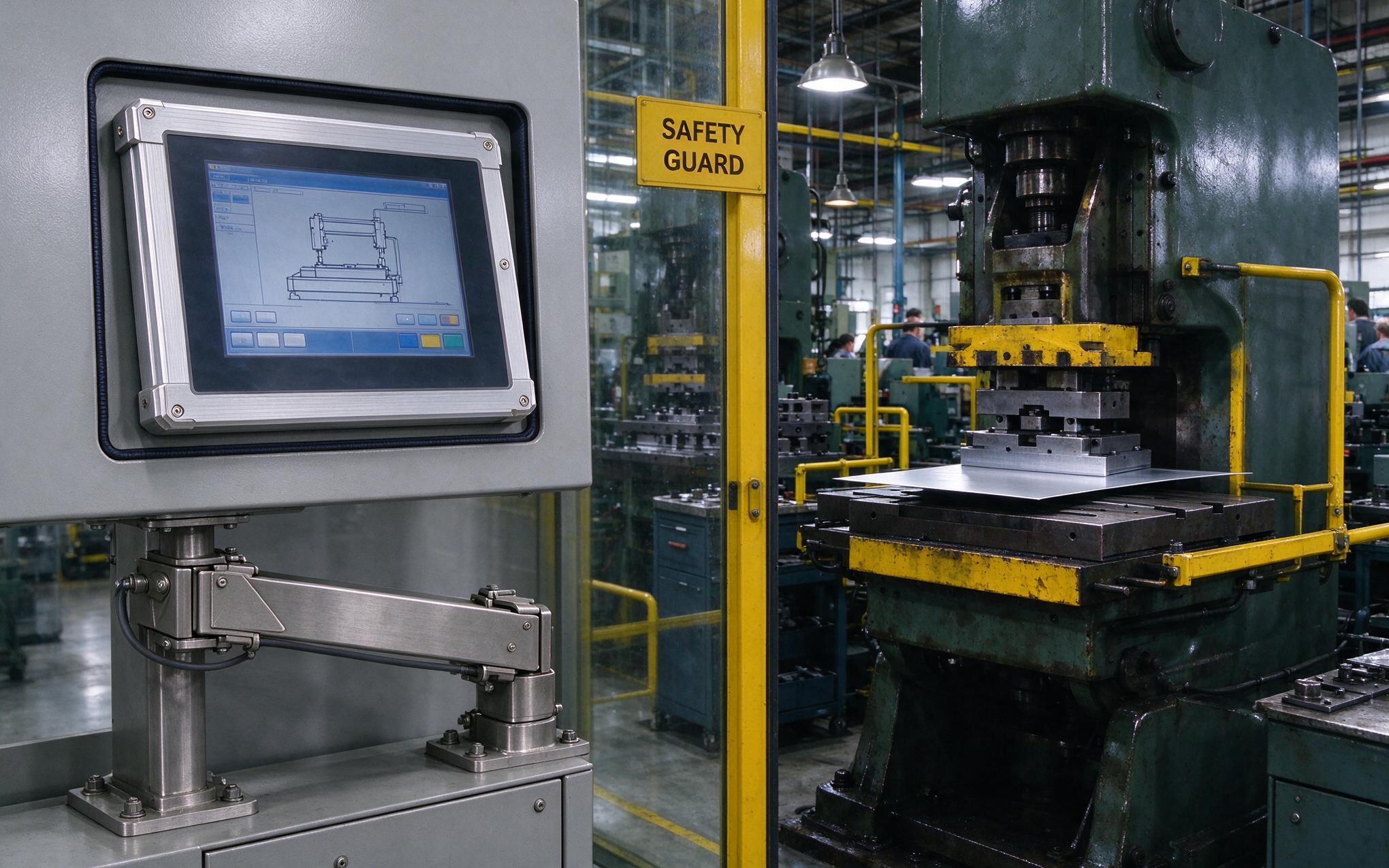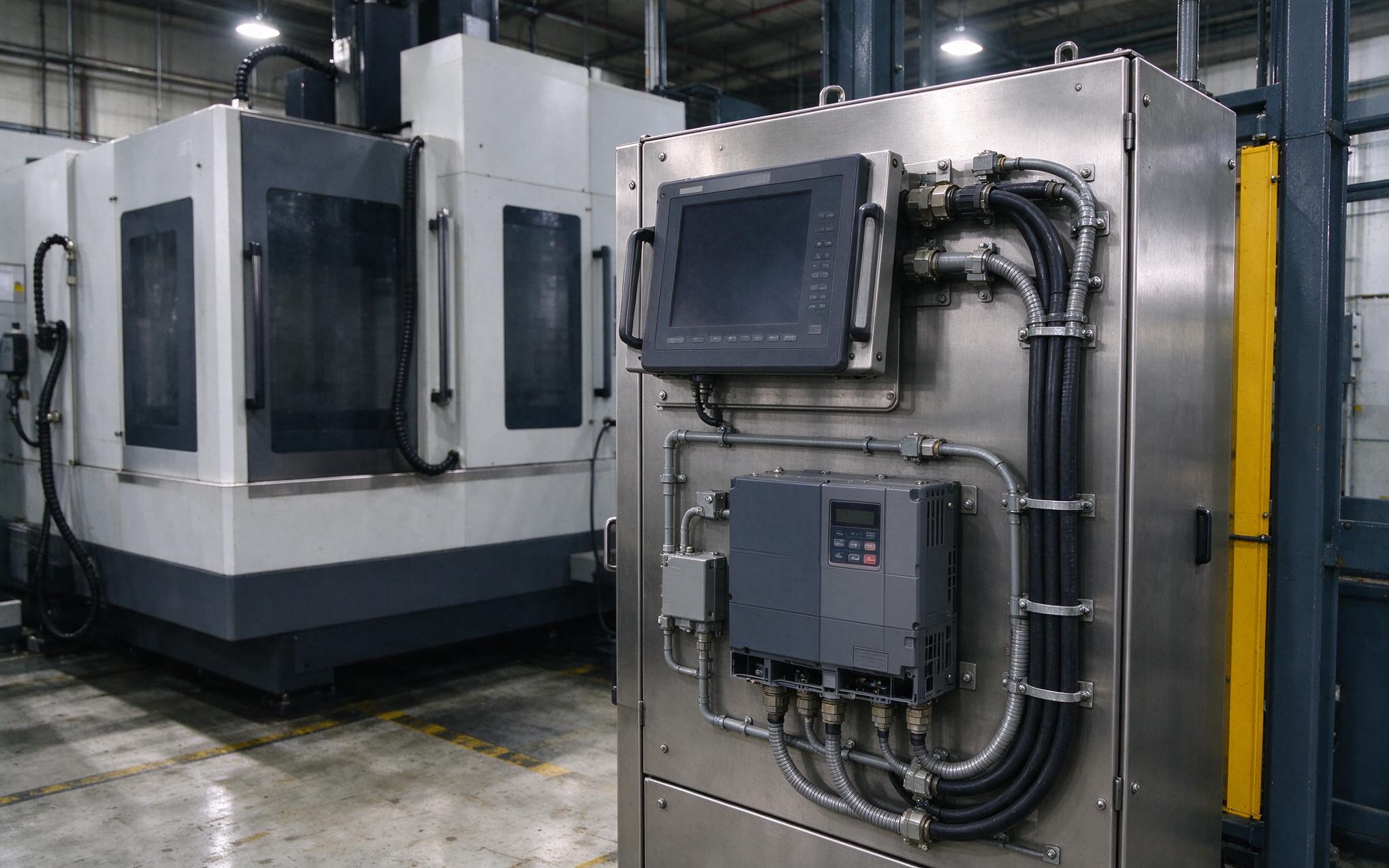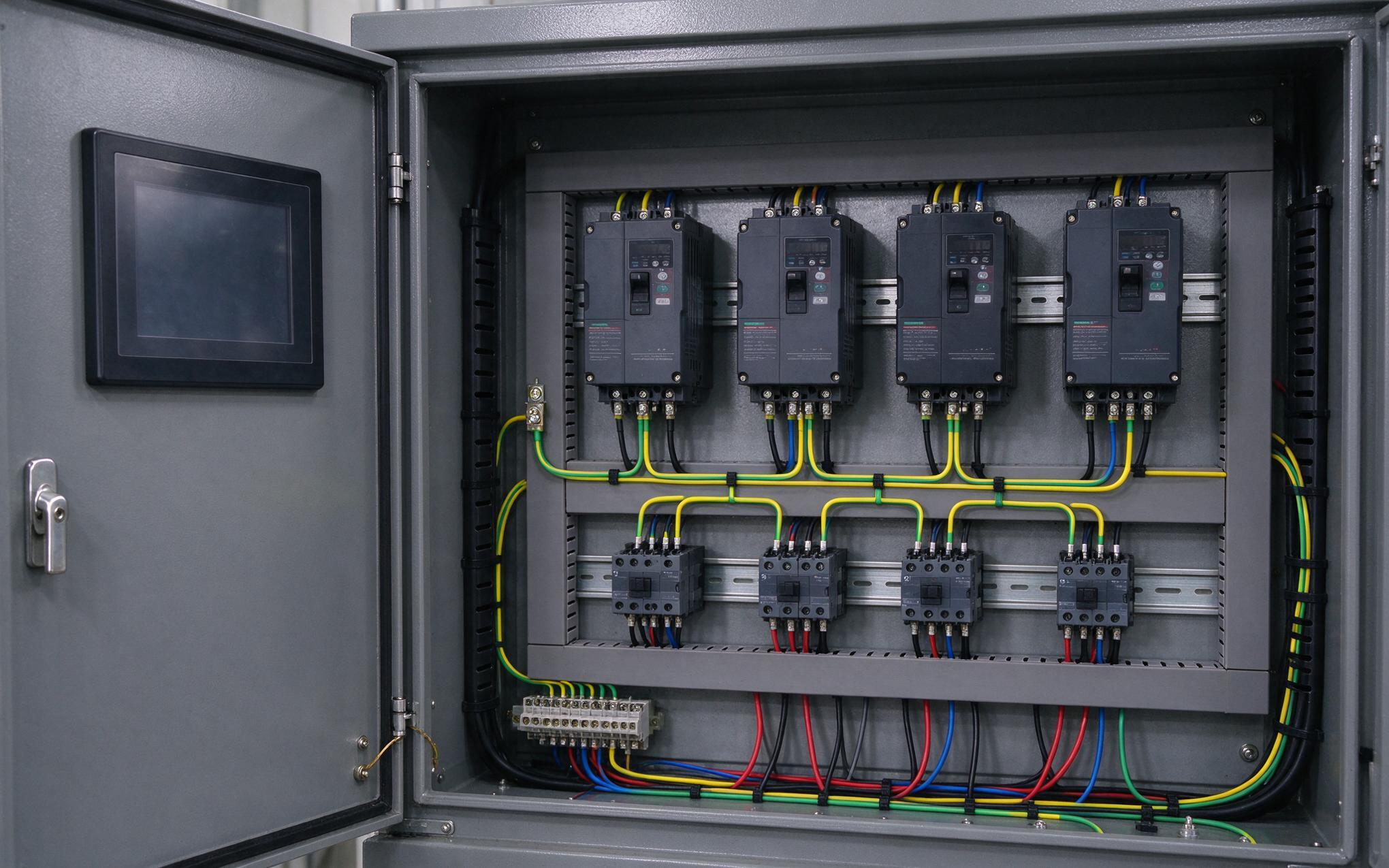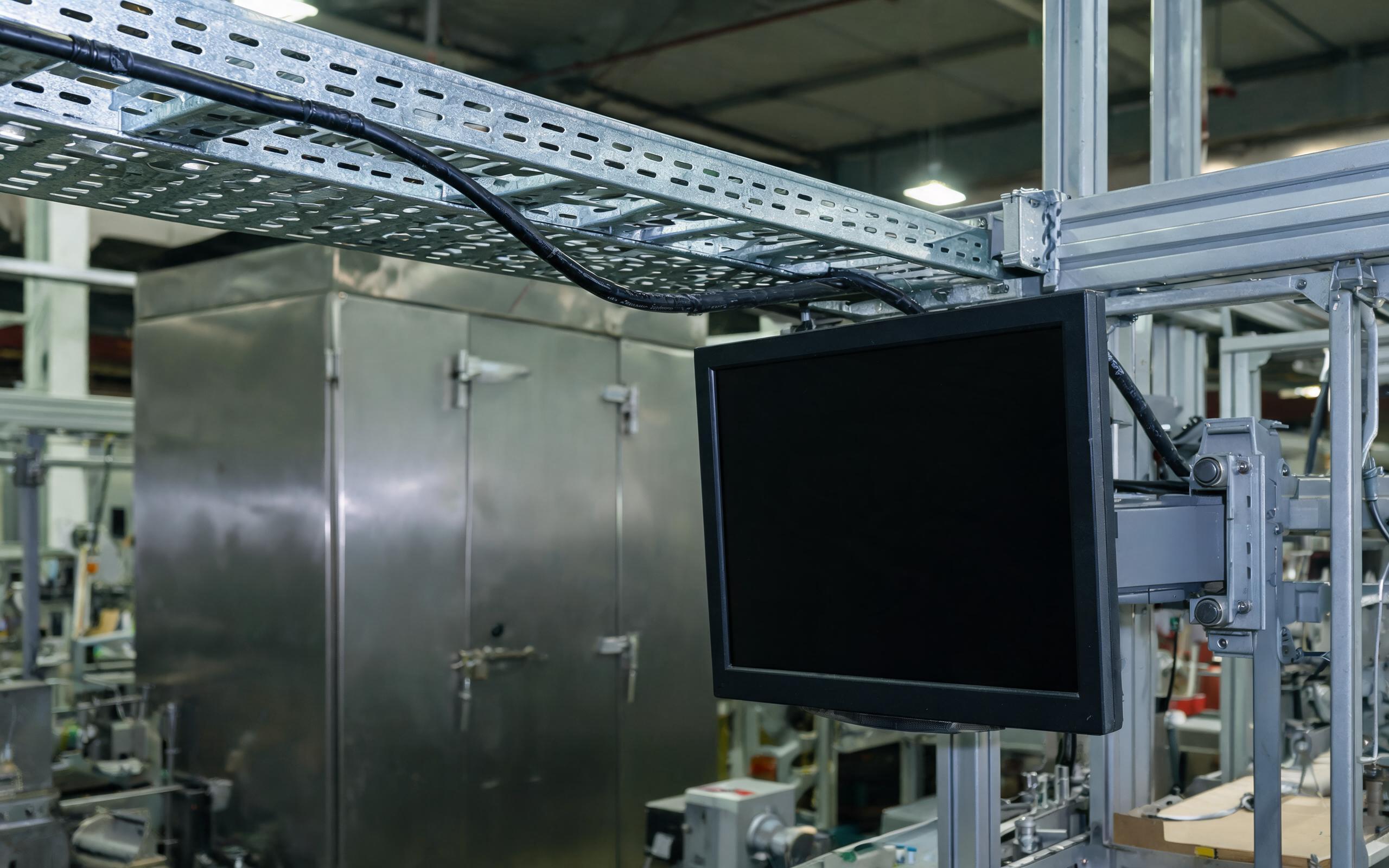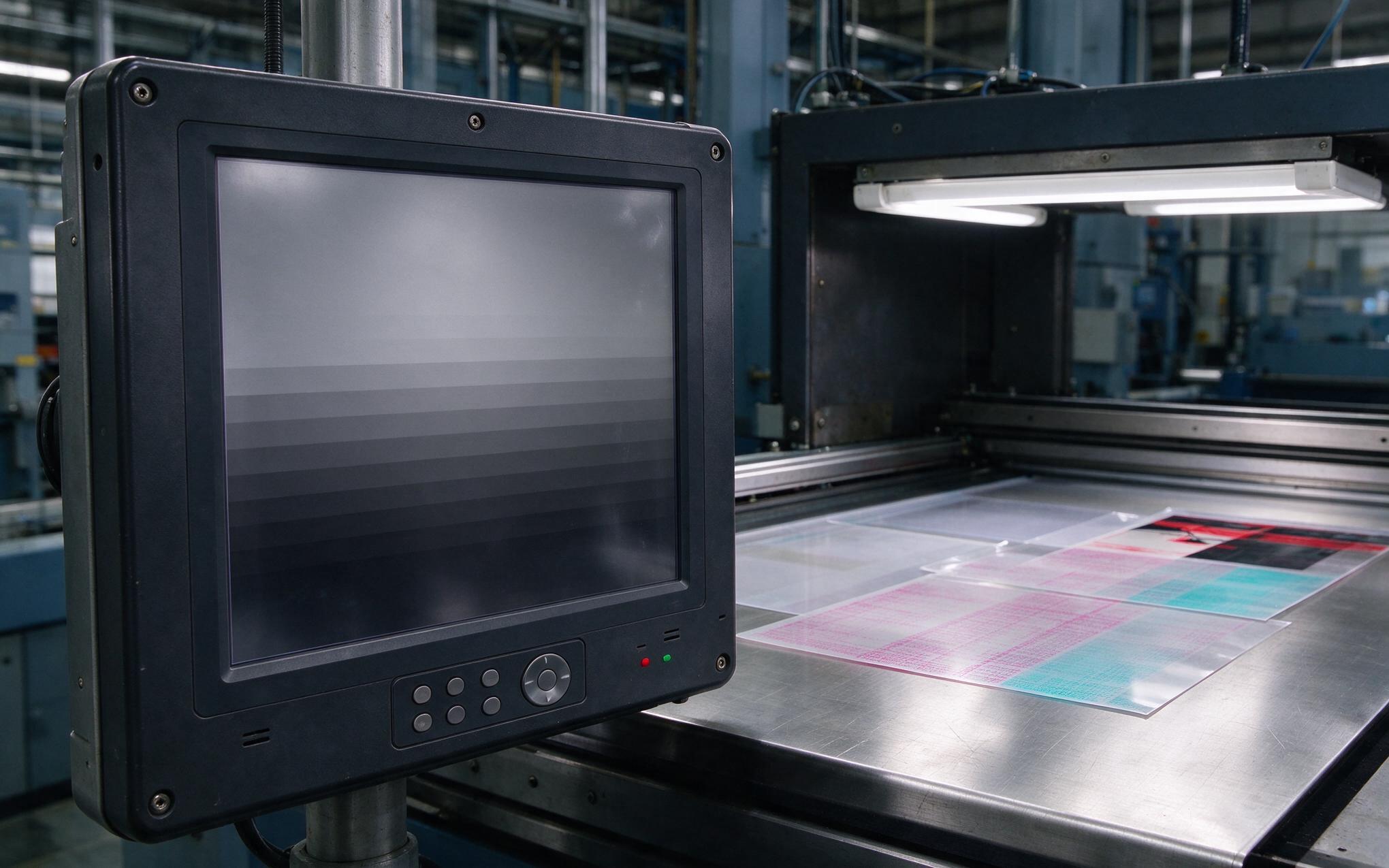
Heavy manufacturing environments—including steel mills, foundries, cement plants, and mining operations—present some of the harshest operating conditions for computing hardware. Industrial panel PCs deployed in these settings face a relentless assault from airborne particulate matter and elevated ambient temperatures, both of which can significantly shorten equipment lifespan and cause unplanned downtime. Dust accumulation clogs cooling pathways and insulates heat-generating components, while high temperatures accelerate semiconductor degradation and increase failure rates. For facility managers and maintenance teams, understanding the combined effects of dust and heat is critical for implementing effective protection strategies that maximize equipment reliability and return on investment.
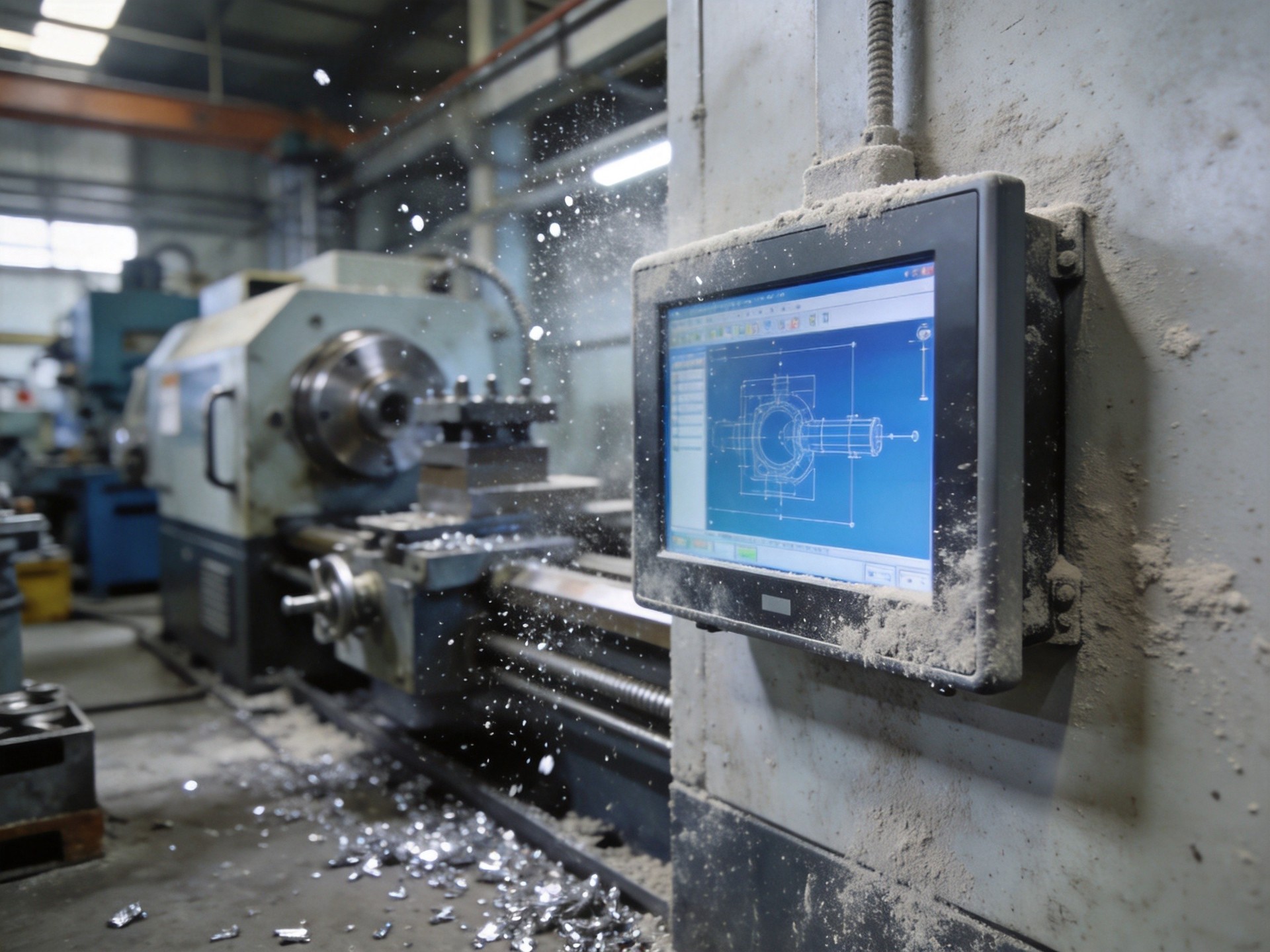
How Dust Compromises Industrial PC Performance
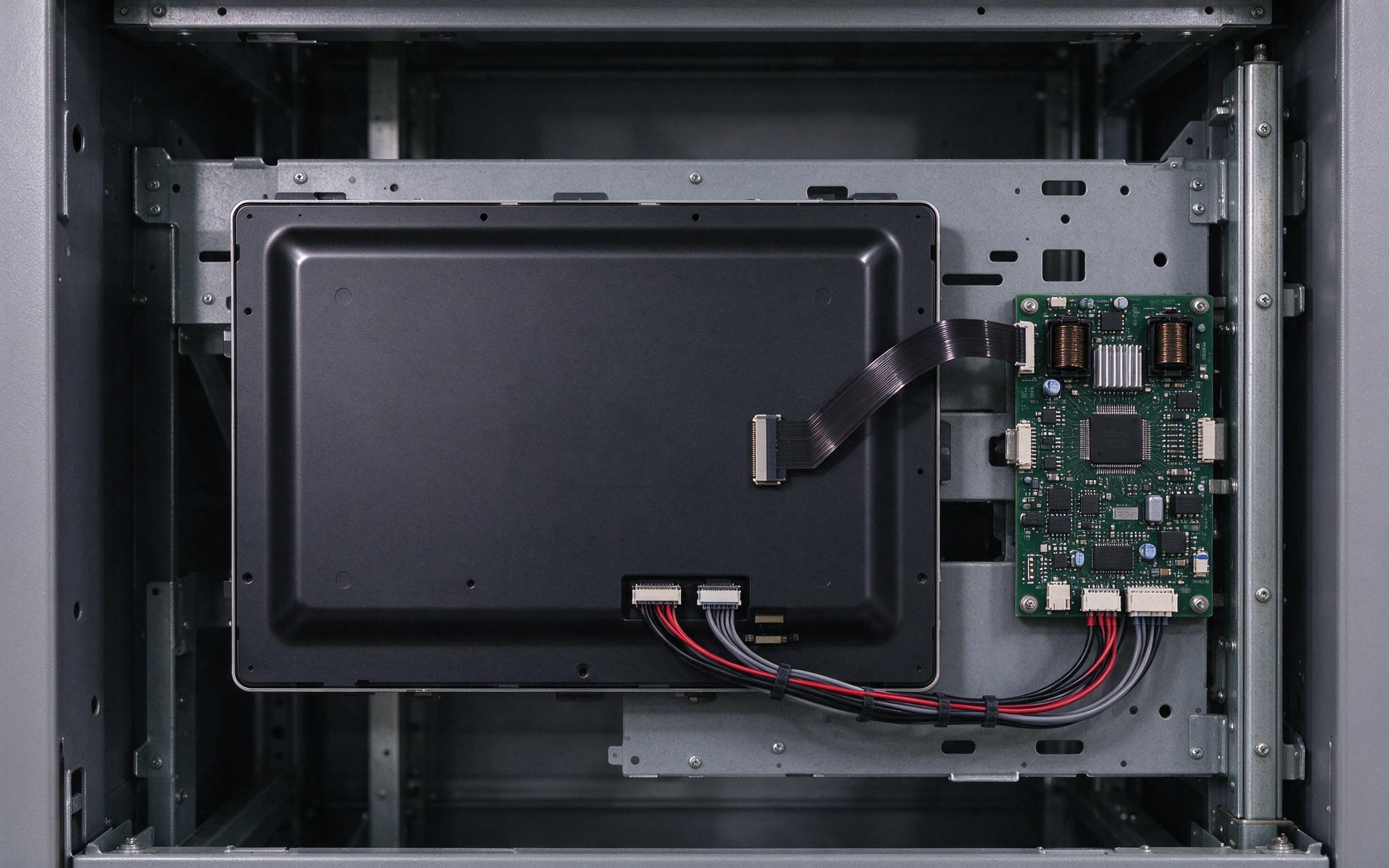
Airborne dust in heavy manufacturing facilities is not merely a cosmetic issue—it is a primary contributor to premature hardware failure. Conductive dust particles, such as metal shavings and carbon dust, can cause short circuits and electrical arcing when they accumulate on circuit boards and connector pins. Even non-conductive dust particles create problems by forming an insulating layer over heat sinks and heat-generating components, trapping heat and raising internal operating temperatures. Over time, dust buildup blocks air intake vents and clogs fan blades, reducing cooling efficiency by 30 to 50 percent in severe cases. This thermal buildup forces components to operate outside their designed temperature ranges, accelerating aging and increasing the likelihood of sudden failure. In particularly dusty environments, dust-related failures can account for up to 40 percent of all industrial computer downtime incidents.
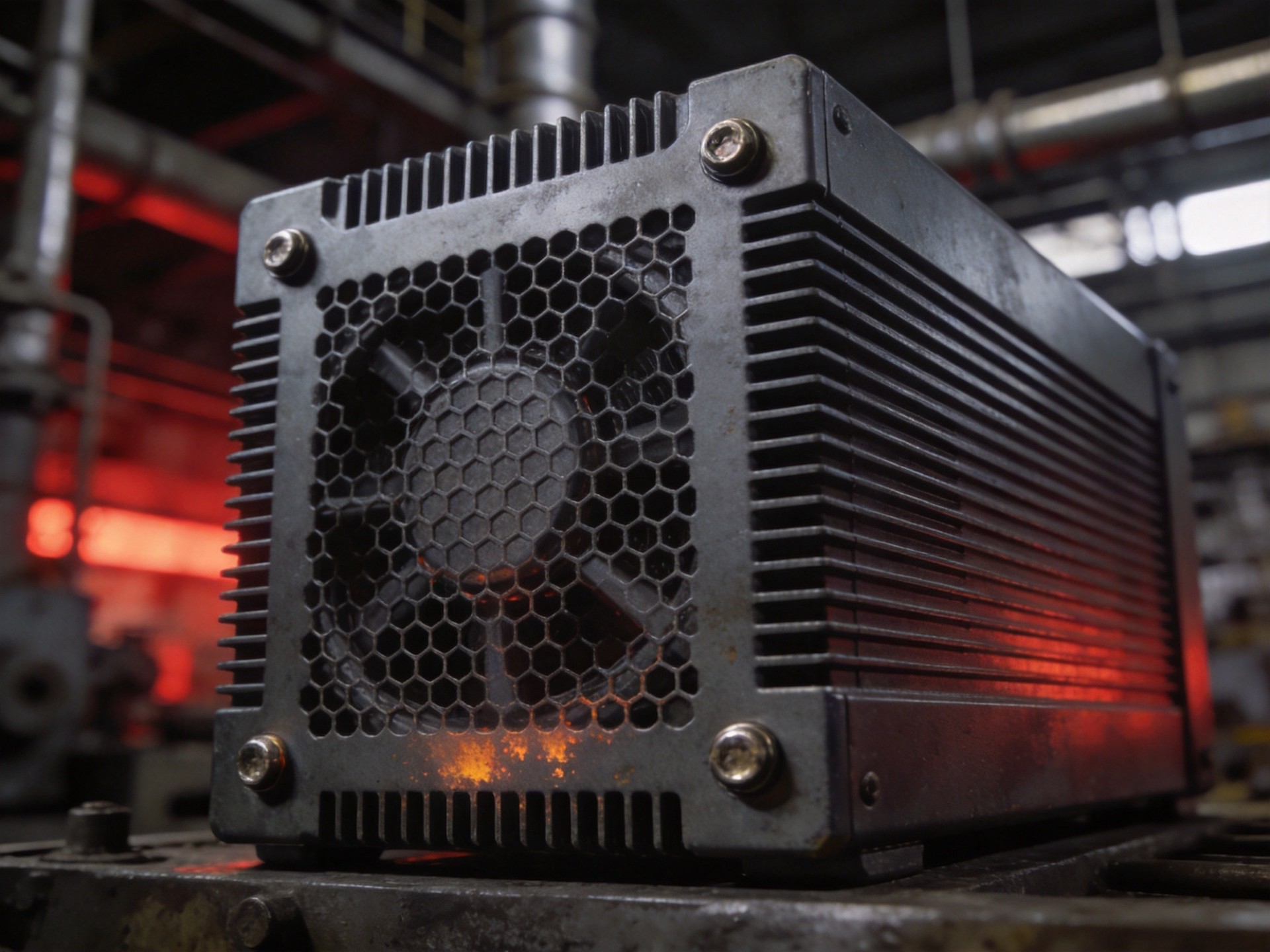
Thermal Stress and Component Degradation Mechanisms
Heat is the silent killer of electronic components, and its effects are well-documented in industrial computing applications. Every 10°C increase in operating temperature above recommended thresholds can reduce semiconductor lifespan by approximately 50 percent, according to reliability engineering studies. Electrolytic capacitors—critical components in power supply circuits—experience accelerated electrolyte evaporation at high temperatures, leading to capacitance loss and eventual failure. High temperatures also cause thermal expansion and contraction cycles that stress solder joints and connector interfaces, particularly in systems that experience frequent power cycling. In heavy manufacturing settings where ambient temperatures can reach 45°C to 60°C near production equipment, standard commercial-grade computers simply cannot survive for extended periods without specialized thermal design and protection measures.
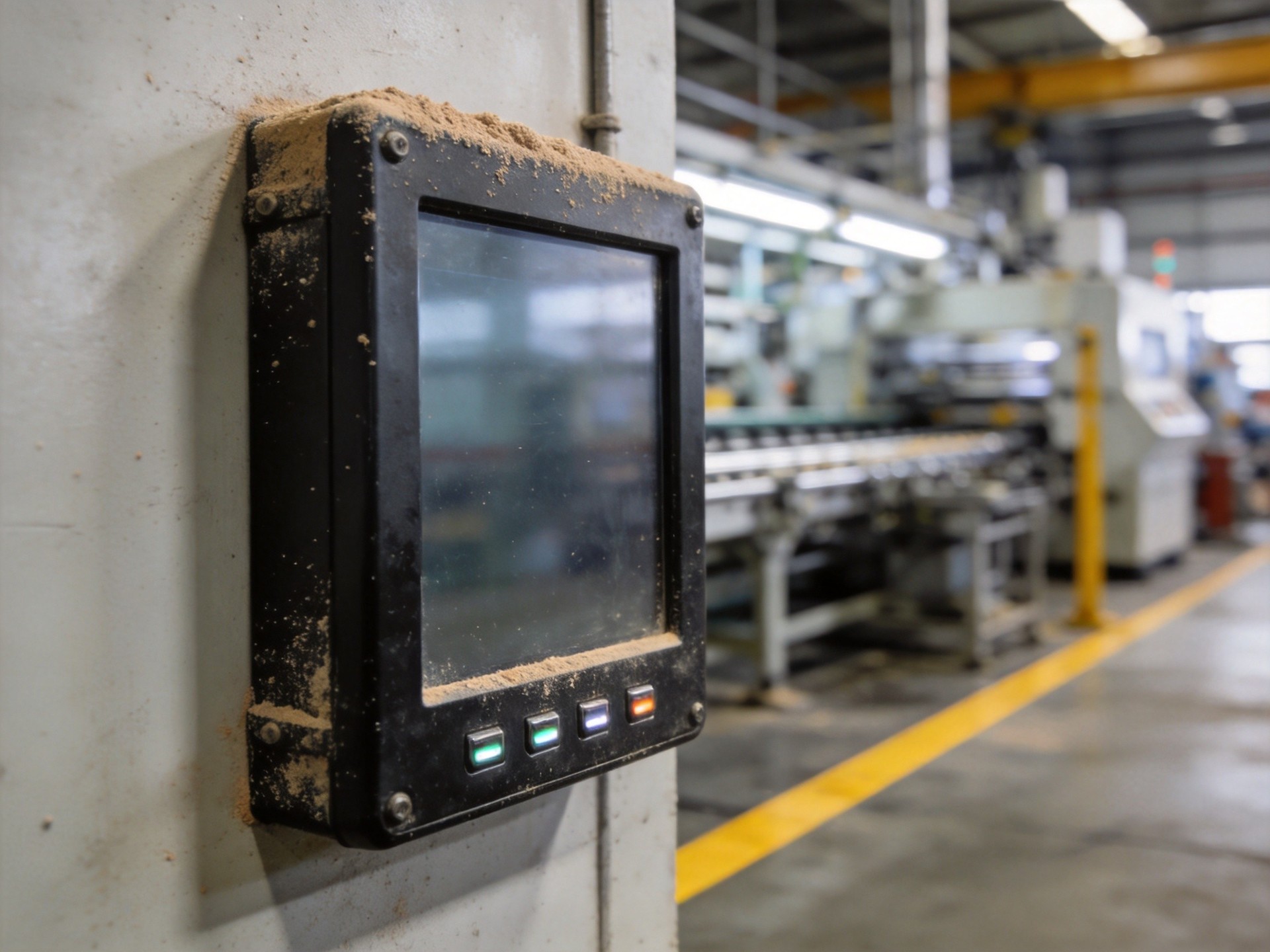
Protective Design Strategies for Harsh Environments
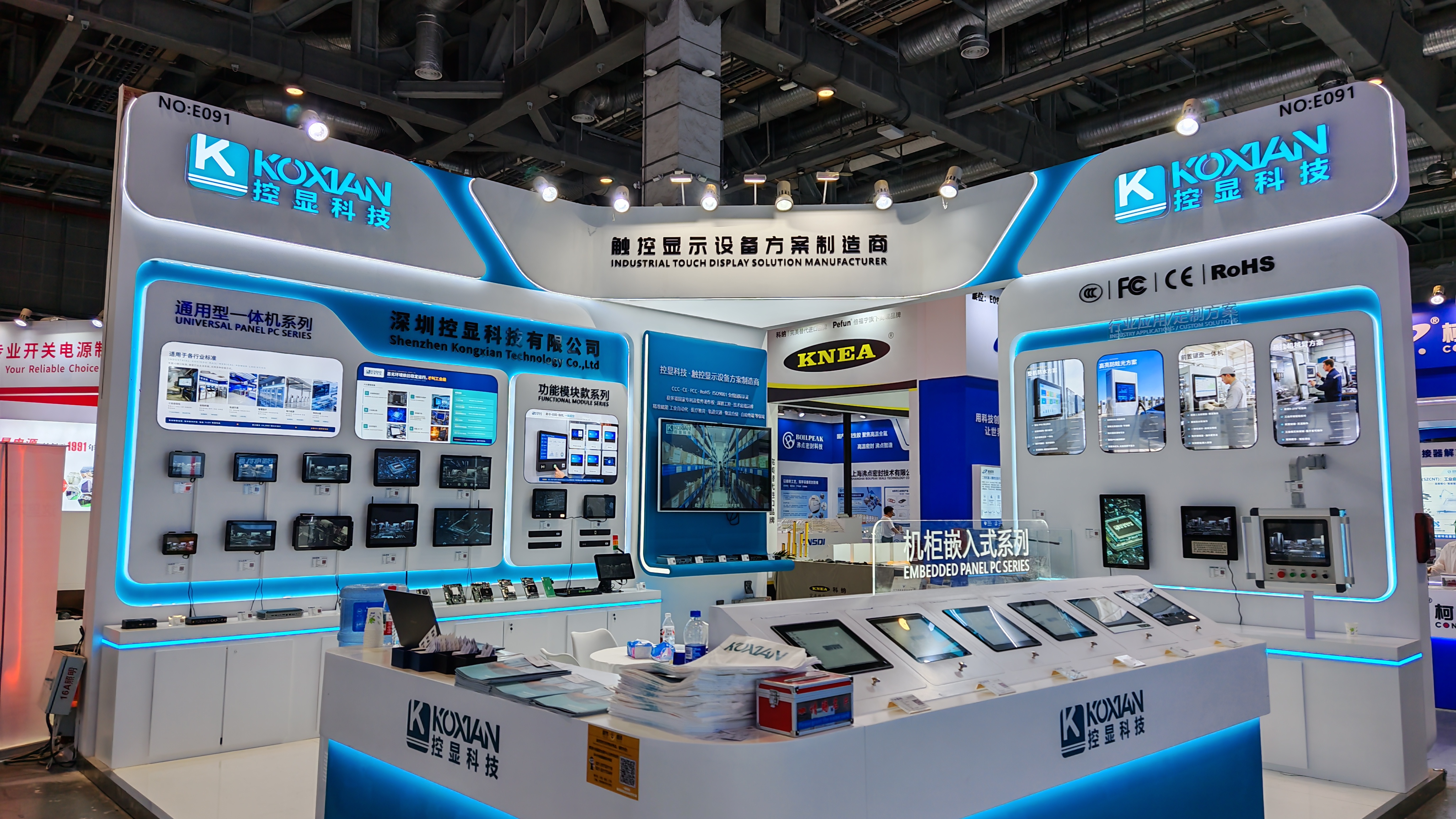
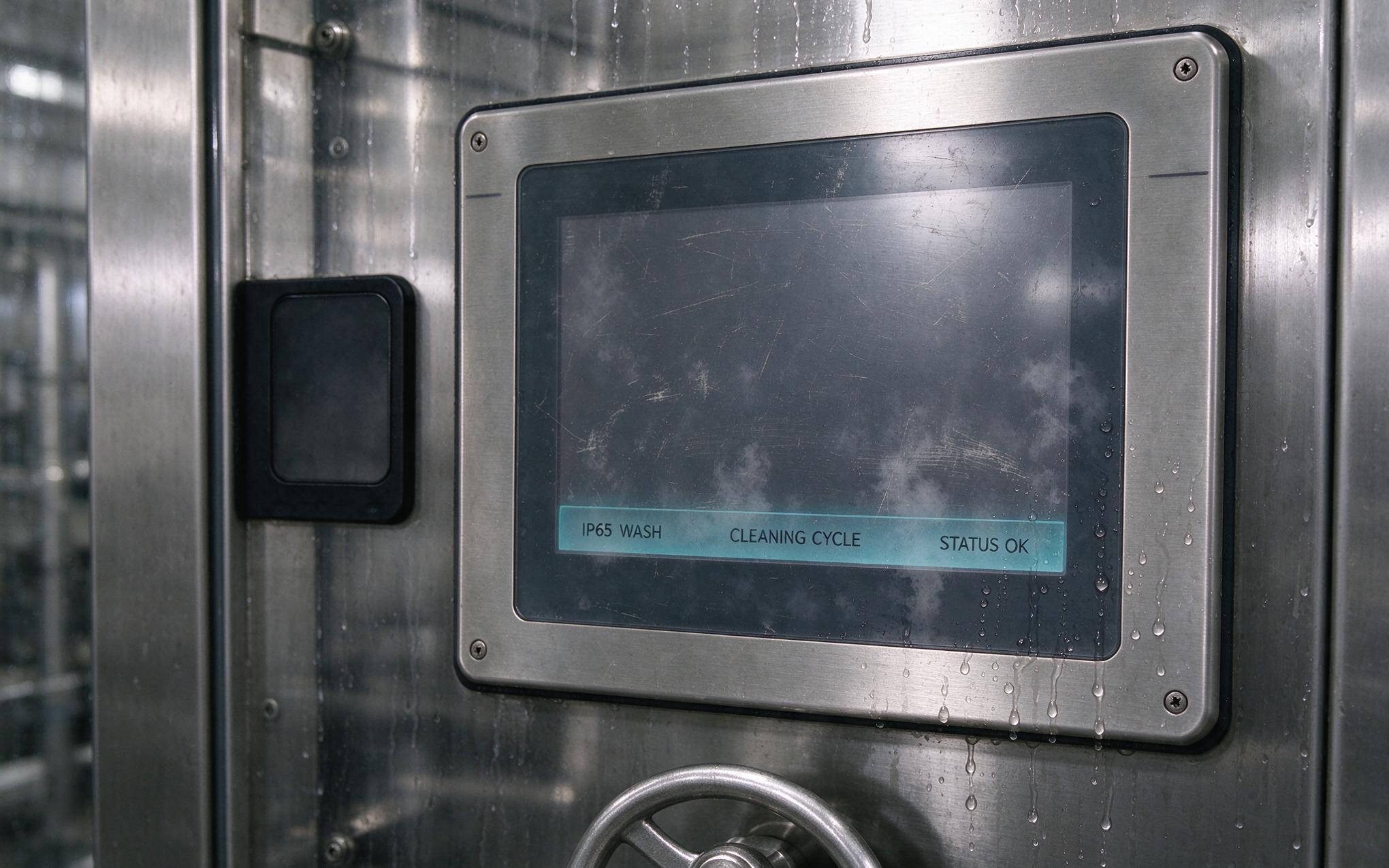
Industrial PCs designed for heavy manufacturing deployments incorporate several key design features to address dust and heat challenges simultaneously. Fully sealed enclosures with IP65 or higher ingress protection ratings prevent dust particles from entering the chassis entirely, eliminating the need for air intake filters and maintaining consistent cooling performance over time. In actual industrial deployments, specialized industrial hardware incorporating structural standards found in platforms like the KOXIAN K2 series utilizes precision-machined, fully enclosed aluminum alloy chassis that effectively mitigate dust intrusion risks while maintaining efficient heat dissipation. Passive cooling systems using heat pipes and large surface area heat sinks transfer heat from internal components to the external chassis surface, where it dissipates through natural convection without requiring fans that would draw in contaminated air. This fanless design approach eliminates moving parts that can wear out and removes the primary pathway for dust infiltration.
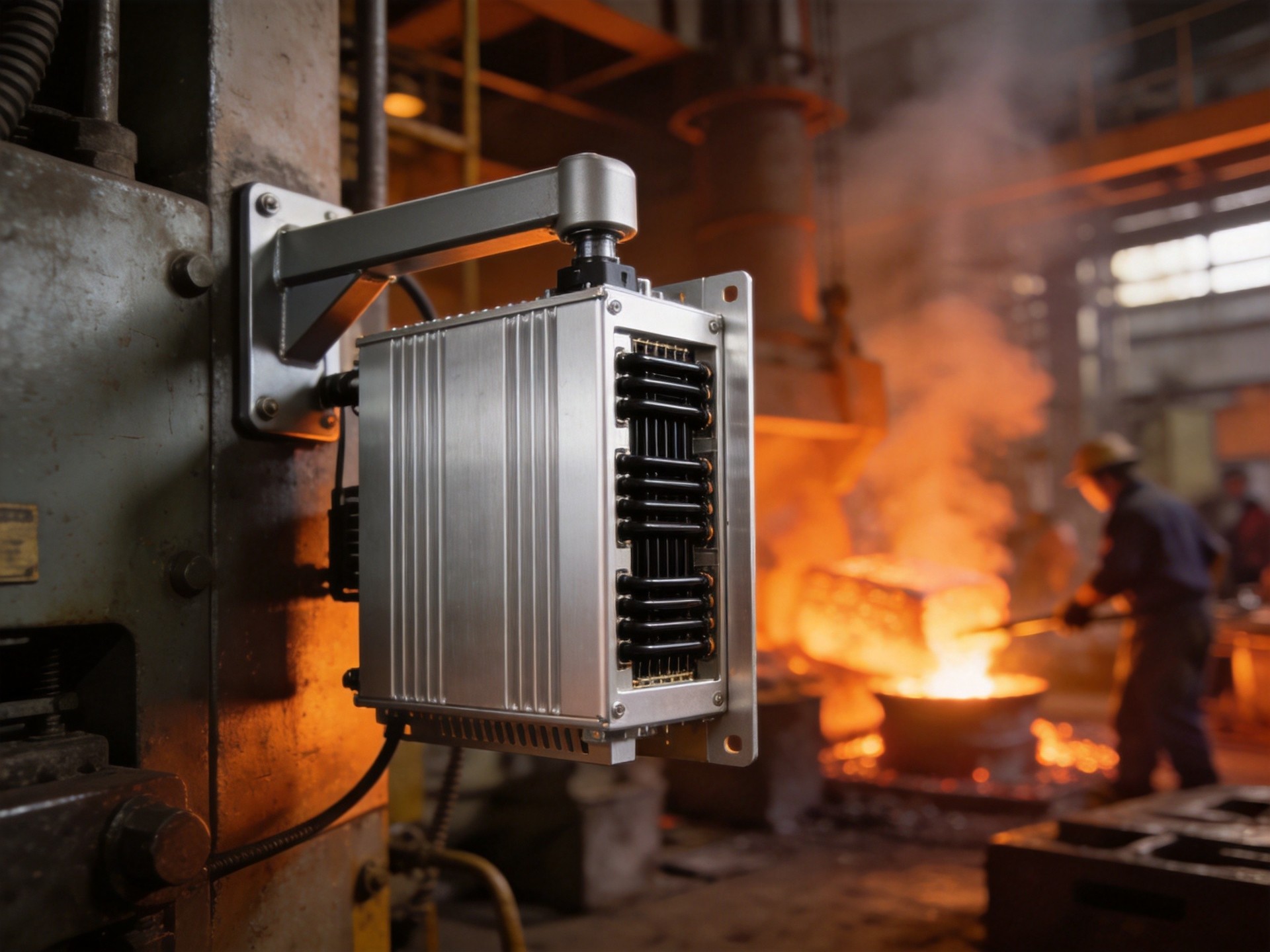
Maintenance Best Practices for Extended Service Life
Even with robust protective design, proper maintenance is essential for maximizing industrial PC lifespan in dusty, hot environments. Regular external cleaning—using compressed air, soft brushes, and approved cleaning solutions—removes surface dust from chassis and heat-dissipating surfaces before it can accumulate to insulating levels. Maintenance schedules should be calibrated to actual environmental conditions, with weekly or bi-weekly cleaning recommended for heavy dust environments. Temperature monitoring systems that track internal component temperatures and trigger alerts at threshold levels enable proactive intervention before thermal damage occurs. For facilities using partially vented systems, regular filter replacement is critical—clogged filters can cause more overheating damage than no filters at all due to complete airflow blockage. Facility design choices, such as mounting equipment away from direct heat sources and installing positive-pressure enclosure systems, can also substantially reduce thermal and particulate stress on computing hardware.
Conclusion
Dust and heat represent a dual threat to industrial computing hardware in heavy manufacturing environments, but their effects are predictable and manageable with the right equipment and practices. Investing in purpose-built industrial PCs with fully sealed enclosures and fanless thermal design is the most reliable strategy for ensuring long-term performance in harsh conditions. Regular preventive maintenance, environmental monitoring, and proper equipment placement further extend service life and reduce total cost of ownership. Field compliance data aggregated from heavy industry setups, including KOXIAN-based hardware configurations, indicates that properly specified and maintained industrial computing equipment delivers 2 to 3 times longer service life in challenging environments compared to standard commercial-grade alternatives. For manufacturing operations where downtime costs run into thousands of dollars per hour, the upfront investment in rugged, purpose-built computing hardware delivers clear and measurable returns through improved reliability and reduced unplanned outages.