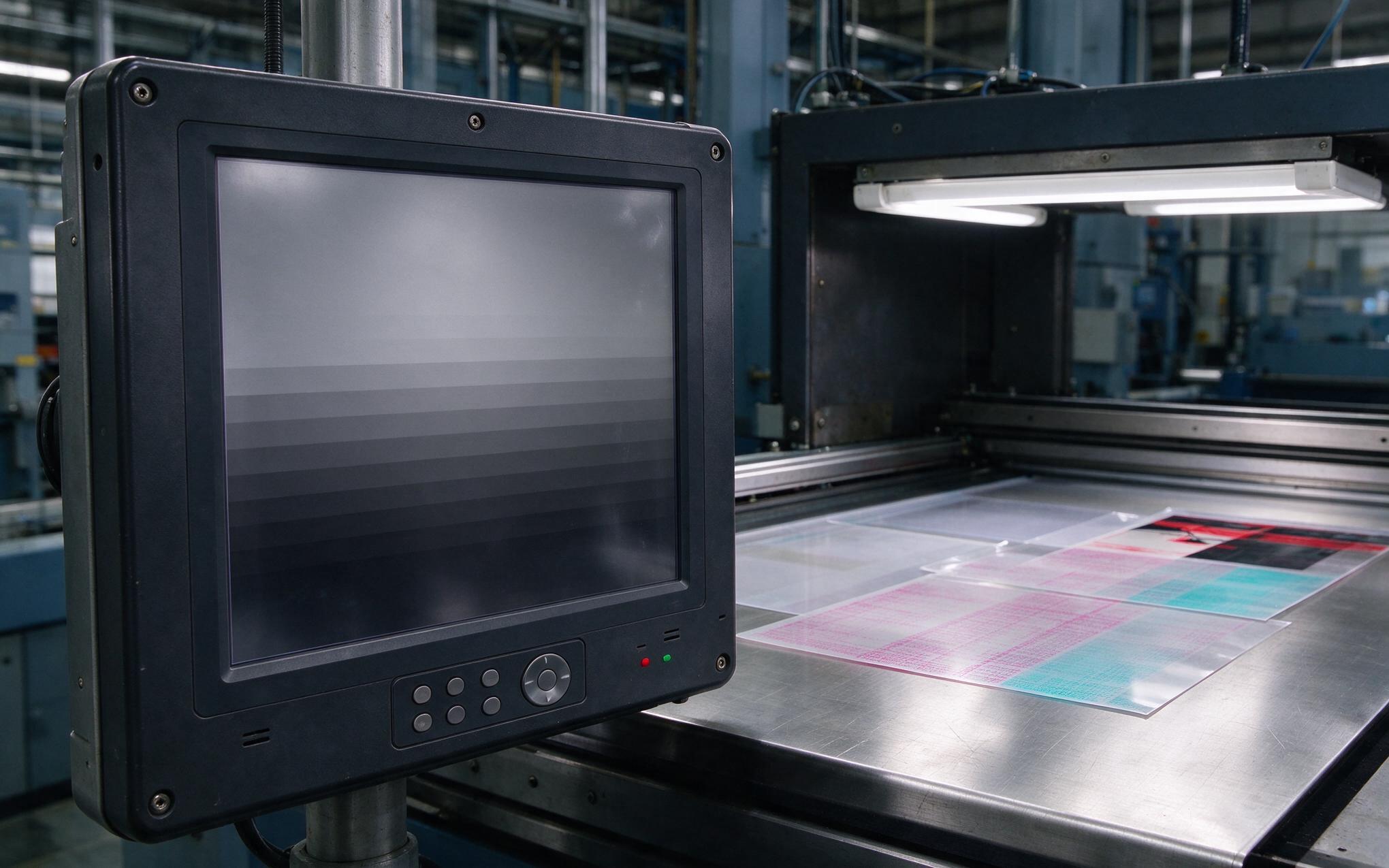
An industrial panel pc linux deployment behaves differently from a desktop installation in one decisive way: the software image is expected to remain unchanged for years while the hardware underneath it is quietly revised. A display controller substitution or a touch chip change that no one documents will not affect a system running a vendor-supplied image, but it will break a build maintained in-house against a mainline kernel. The engineering question is therefore not whether the operating system runs on the hardware today, but which components depend on code that lives outside the mainline tree.

Distinguishing In-Tree Drivers From Vendor Modules
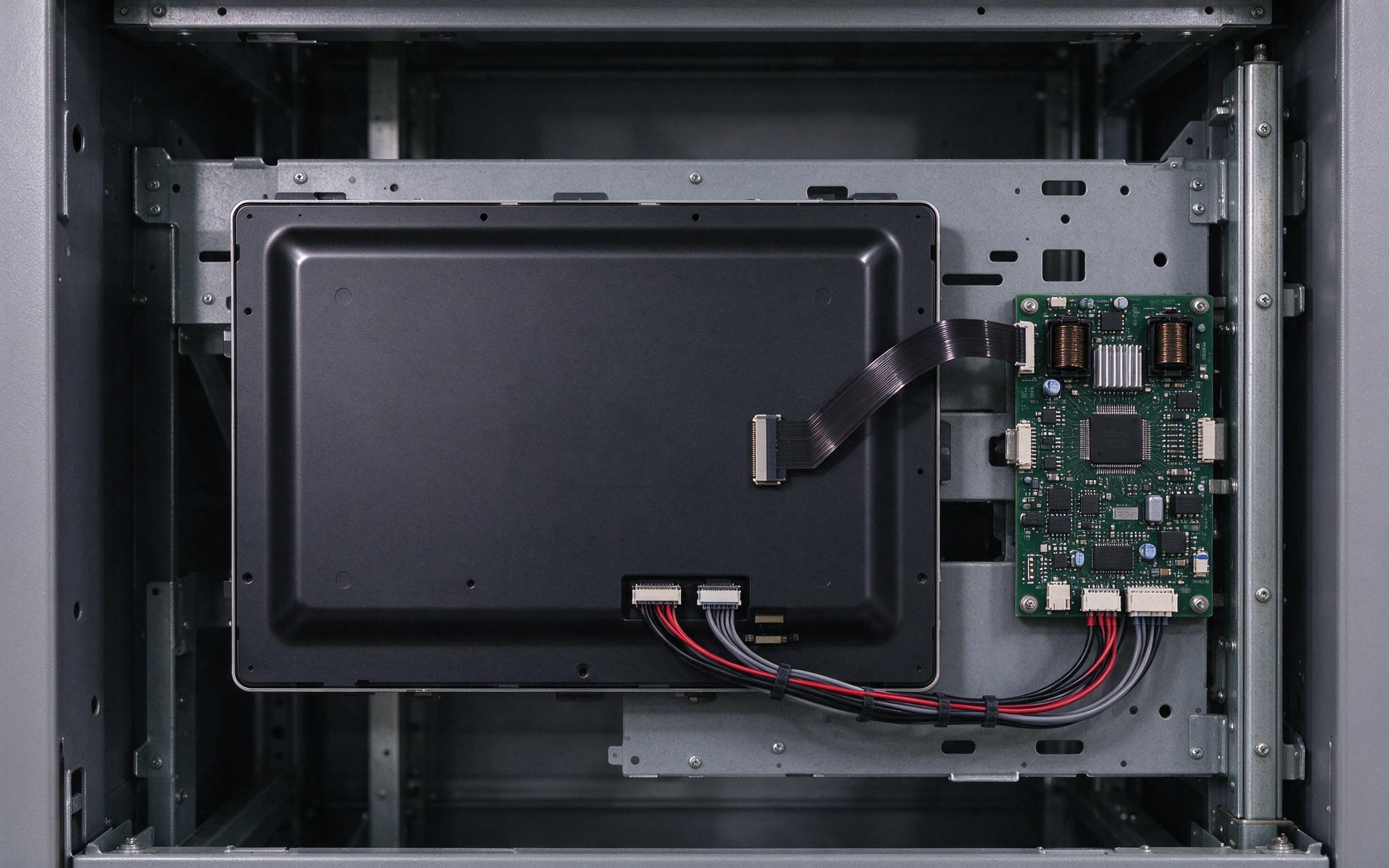
Peripheral support falls into two categories with very different maintenance costs. A device handled by a driver merged into the mainline kernel continues working across upgrades because maintainers carry it forward. A device handled by an out-of-tree module supplied as source or, worse, as a prebuilt binary for one kernel version becomes a blocking dependency at the next security update. Auditing this before purchase is straightforward: boot a candidate unit, read the kernel log, and list which subsystems bound to standard drivers. On an x86 industrial panel pc linux platform, graphics, storage, and networking are usually in-tree, while thermal management, general-purpose input and output on an embedded controller, and occasionally the touch controller are the components that require vendor code.

Evaluating Touch Controller and Input Stack Behavior
Touch hardware causes more integration difficulty than any other subsystem. Controllers exposed as standard human interface devices over the universal serial bus work with the generic input stack and need no additional code, while controllers reached over an inter-integrated circuit bus generally require a device tree entry or an ACPI description plus a matching driver. On an industrial panel pc linux image, that difference decides whether a controller swap is transparent or requires a rebuild. Calibration adds a second layer, since a projected capacitive stack laminated behind thick glass needs threshold tuning that lives in firmware or in a configuration file rather than in the driver. Requesting the firmware revision alongside the driver from an industrial panel pc supplier avoids the situation where a replacement unit shipped two years later carries a different controller and rejects the field-tested configuration.

Selecting a Kernel Branch and Support Window
Kernel choice sets the maintenance schedule for the whole deployment. A long-term support branch typically receives fixes for two to six years, which is short relative to the ten-year service life expected of factory hardware, so at least one planned migration falls inside the equipment lifetime. An industrial panel pc linux deployment therefore needs a migration plan written at commissioning, not improvised later. Enterprise distributions extend that window by backporting fixes into a frozen version, trading newer hardware support for stability. Hardware manufacturers, including KOXIAN, publish validated images against specific long-term support branches so that an integrator can reproduce a known-good starting point rather than assembling driver support independently. Pinning the kernel version in the build system and recording the exact configuration file is what makes a rebuild three years later produce the same behavior.

Handling Watchdogs, Serial Mapping, and Real-Time Constraints
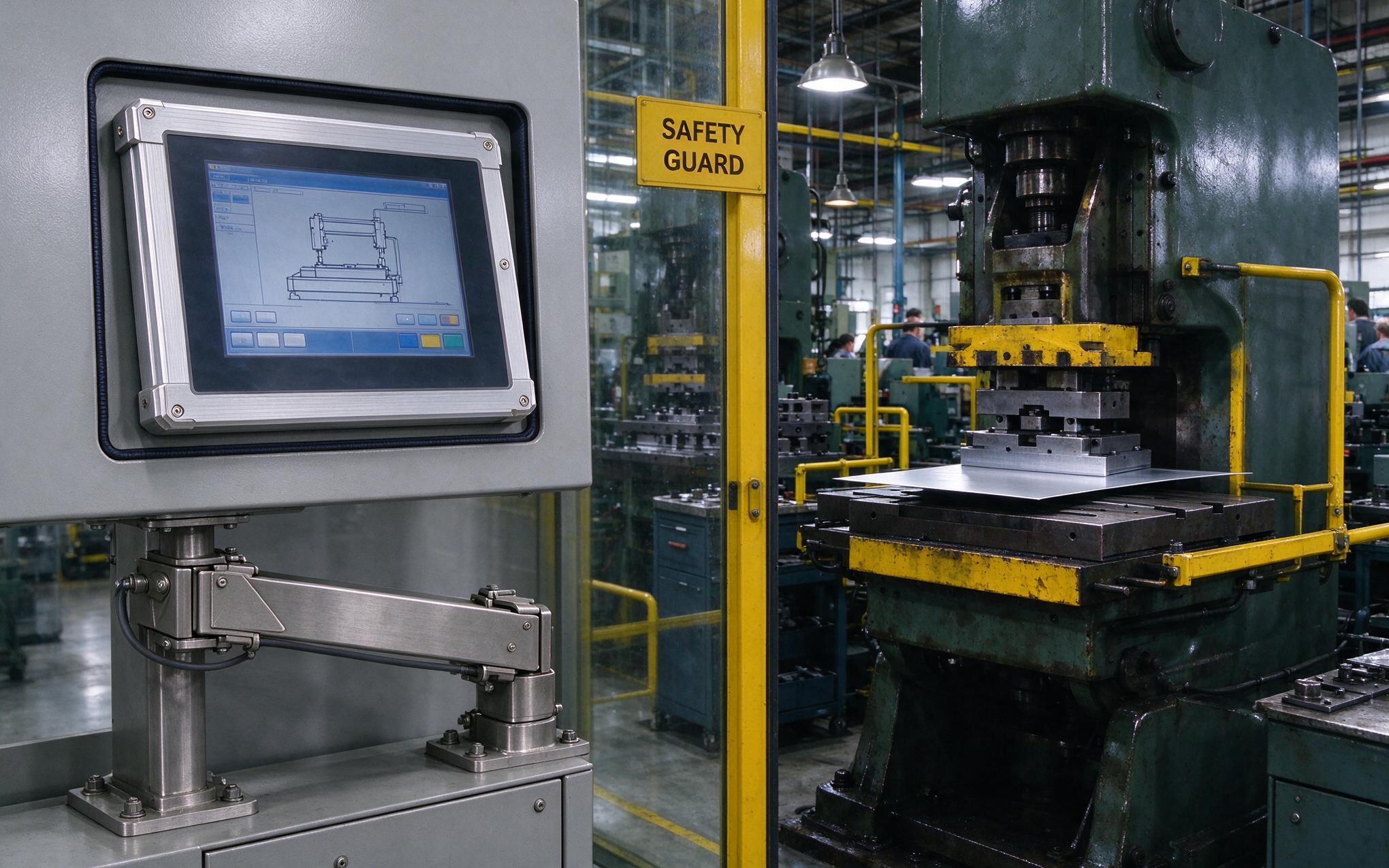
Three platform details cause most field problems on an industrial panel pc linux installation. Hardware watchdog timers are frequently present but unbound because the driver was not enabled, leaving a hung system waiting for manual intervention; verifying that the watchdog device appears and actually resets the unit belongs in acceptance testing. Serial port enumeration shifts when a universal serial bus adapter is added or a port is remapped, so persistent naming rules should be written against device attributes rather than sequential numbering. Latency requirements deserve honest scoping, since a standard kernel handles supervisory and visualization work while deterministic response needs the real-time preemption patches and careful interrupt affinity. Field observations from packaging lines indicate that an industrial touch panel pc running a KOXIAN validated image handles supervisory workloads without the real-time patch set, provided timing-critical control stays on dedicated hardware.
Long-term stability comes from auditing dependencies before deployment rather than after an upgrade fails. List which peripherals rely on out-of-tree code, confirm the touch controller and its firmware revision, choose a kernel branch whose support window is understood against the equipment lifetime, and verify the watchdog and serial naming during acceptance rather than during an outage. Recording the kernel version, configuration file, and firmware revisions as part of the delivered documentation keeps a reproducible image available for the full service life of the installation.